How To Choose Comfortable Sandals Without Compromising On Style
Finding sandals that balance style and comfort is not guesswork. This guide breaks down practical tips on fit, materials, and design to help choose sandals that look good, feel great, and last through everyday wear. Here is all about how to find sandals that feel as good as they look - every step of the way.

Find the comfiest sandals of your dreams with these easy tips.
Sandals hold a special place in everyday wardrobes. They slip on easily, breathe well in warm weather, and suit almost every setting, from a quick grocery run to a festive gathering. Yet many people settle for pairs that look good on the shelf but feel punishing after an hour. Blisters, sore arches, and tired soles often follow, leaving the sandals forgotten at the back of the cupboard. When chosen thoughtfully, sandals can feel like a natural extension of the feet while still looking polished and current. Small details make a big difference, whether that means the right sole, a supportive strap, or materials that age gracefully.
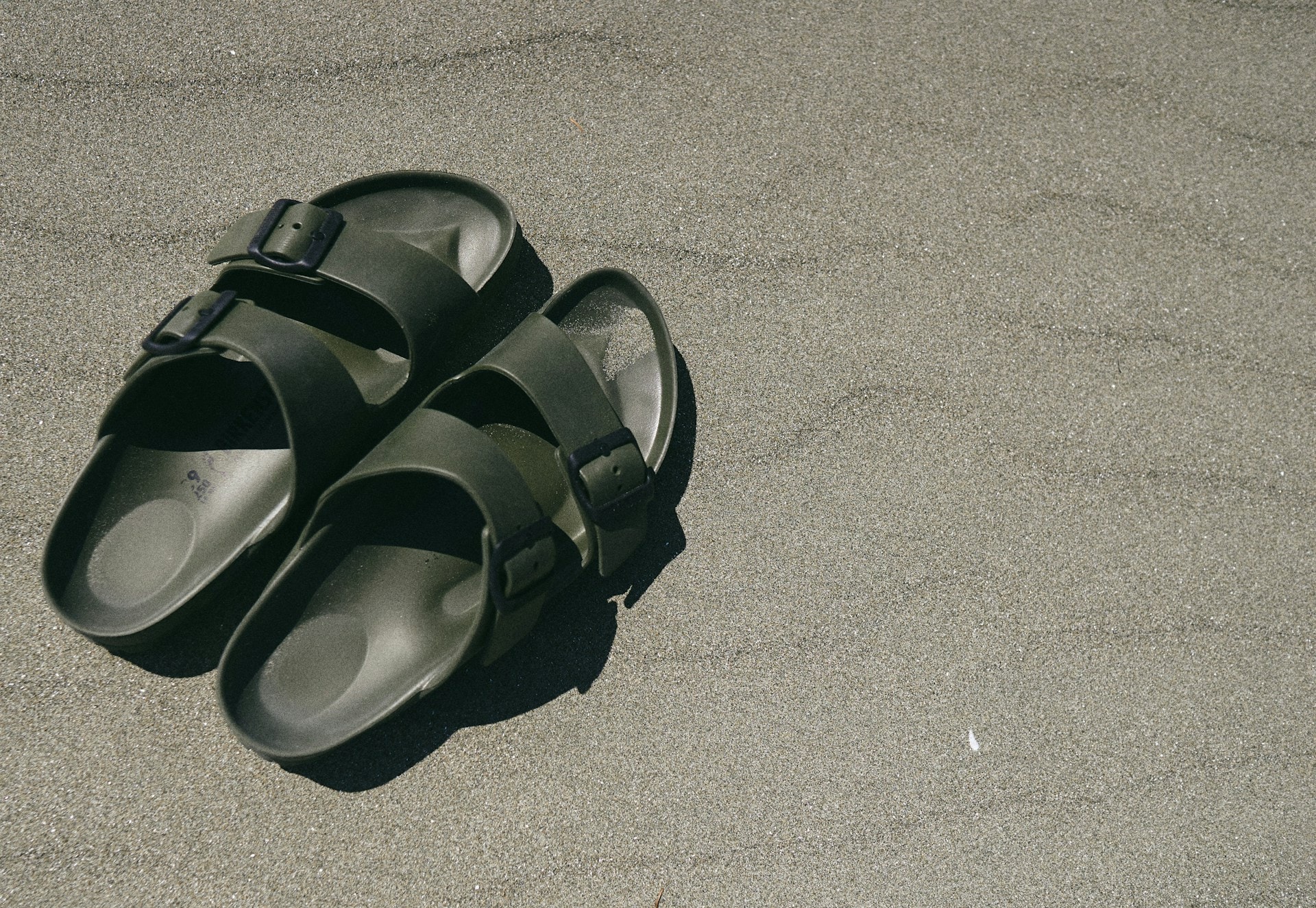
Explore easy tips to pick sandals that are actually comfortable; Photo Credit: Pexels
The following guide reveals how to choose comfortable sandals without compromising on style. These 10 practical, easy-to-follow points help spot sandals that feel as good as they look. We focus on everyday realities, crowded streets, long commutes, sudden rain, and endless walking.
Also Read: How To Pick Versatile Sandals That Go With Everything: Jeans, Dresses, Kurtas, And More
Before Picking A Pair, Keep These Essentials In Mind
1. Start With the Right Fit, Not the Right Size
Size labels offer a starting point, not a guarantee. Feet change over time due to walking habits, weight shifts, and even weather. A sandal that once felt fine may now pinch or slide. The real focus should stay on fit rather than the number printed inside.
Toes should rest comfortably without spilling over the edge. Heels need enough room to sit flat without slipping. A good sandal holds the foot securely while allowing natural movement. When trying a pair, walking around for a few minutes reveals far more than a glance in the mirror.
Shopping later in the day helps too. Feet tend to swell slightly after hours of standing or walking, which mirrors real-world wear. A sandal that still feels comfortable then usually performs well all day. Avoid the idea that leather will “stretch later” if the fit feels tight from the start. Discomfort rarely fixes itself.
A well-fitted sandal feels balanced, steady, and easy. When the foot settles naturally into place, the rest of the design gets a chance to shine.
2. Pay Attention to the Footbed
The footbed does most of the hard work, yet it often gets ignored. A flat, hard base may look sleek but offers little support during long walks. A thoughtfully designed footbed supports arches, cushions impact, and reduces strain on ankles and knees.
Look for gentle contours rather than sharp ridges. The foot should feel cradled, not forced into an awkward shape. Soft padding adds comfort, but too much squish can cause instability. The ideal balance feels firm yet forgiving.
Materials matter here as well. Cork, moulded foam, and layered rubber often perform better than thin synthetic sheets. They adapt slightly to the foot while maintaining structure. Over time, a quality footbed moulds gently, creating a custom feel.
Testing helps. Press the thumb into the footbed. It should spring back slowly rather than collapse. A supportive base keeps feet happy even after hours of movement, proving that comfort starts from the ground up.
3. Choose Materials That Breathe and Bend
Materials decide how sandals feel after a full day. Poor-quality synthetics trap heat and cause irritation. Natural or well-engineered materials allow airflow and move with the foot.
Leather remains a favourite for good reason. It softens over time, adapts to shape, and looks better with age. Fabric straps work well for casual styles, especially when lined with soft backing. Avoid rough seams or stiff edges that rub against skin.
Flexibility matters too. The sandal should bend where the foot bends, usually near the ball. Holding the sandal and gently flexing it shows whether it moves naturally or fights back. Stiff designs often lead to sore feet and awkward walking.
During warmer months, breathable materials prevent sweat build-up and odour. Feet stay cooler and fresher, even on busy days. When materials feel good against bare skin, the entire experience improves, proving that comfort often starts with texture.
4. Understand the Importance of Straps
Straps do more than decorate. They determine how well the sandal stays put. Poorly placed straps cause slipping, rubbing, or pressure points, no matter how stylish they look.
Wide straps distribute pressure evenly and feel more comfortable than thin ones, especially for all-day wear. Adjustable straps offer flexibility, allowing fine-tuning for swelling or personal preference. Buckles, Velcro, or elastic inserts all serve this purpose when designed well.
Placement plays a crucial role. Straps should hold the foot securely without cutting across sensitive areas. The area near the toes and the ankle deserves special attention, as friction here leads to blisters quickly.
Walking around reveals the strap's performance instantly. If the foot slides forward or lifts awkwardly, the straps need adjustment or reconsideration. Well-designed straps feel supportive yet barely noticeable, allowing the focus to stay on enjoying the day rather than fixing footwear.
5. Balance Style With Daily Reality
Sandals often tempt with striking designs that suit special occasions but struggle in daily life. While bold colours, metallic finishes, and statement heels look appealing, practicality deserves equal weight.
Consider where the sandals will go most often. Busy streets, uneven pavements, office floors, or family gatherings each demand different features. A slight heel or platform adds elegance without sacrificing stability. Extremely flat designs may lack support, while very high ones tire feet quickly.
Neutral shades like tan, black, or muted pastels pair easily with multiple outfits, stretching value for money. A well-chosen pair priced around ₹2,000–₹3,000 often outperforms trend-driven options that cost more but wear poorly.
Style should enhance confidence, not limit movement. When sandals suit everyday routines while still earning compliments, the balance feels just right.
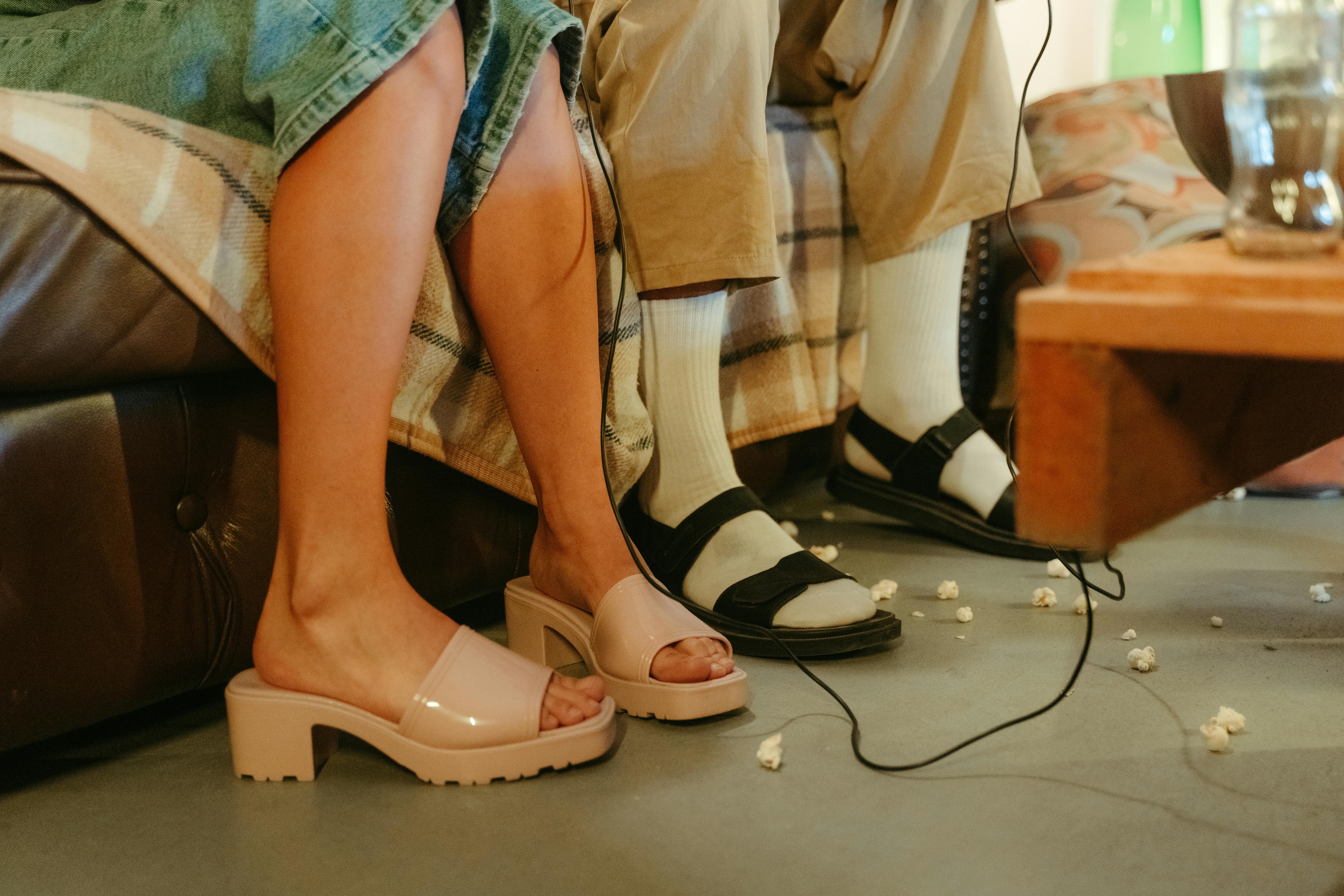
Choose styles that offer comfort in everyday wear; Photo Credit: Pexels
6. Check the Sole for Grip and Durability
The sole determines how safely and comfortably sandals handle real surfaces. Smooth soles may look refined, but often slip on tiled floors or during sudden rain.
Rubber or textured soles provide better grip without adding bulk. Patterns on the underside help prevent skidding and improve confidence while walking. The thickness of the sole matters too. Thin soles transmit every pebble, while very thick ones reduce ground feel.
Durability saves money in the long run. Pressing and twisting the sole gently reveals build quality. Cracking or separation signals trouble ahead. A sturdy sole withstands daily wear and keeps its shape over time.
Whether navigating crowded markets or smooth office corridors, a dependable sole supports every step. Good grip and resilience turn sandals into reliable companions rather than occasional accessories.
7. Give Weight to Arch Support
Arch support often separates comfortable sandals from painful ones. Flat designs suit short walks but strain feet during extended wear. Proper support maintains natural alignment and reduces fatigue.
Not every foot needs the same level of support, but some contour helps most people. High arches benefit from structured support, while flatter feet need gentle guidance rather than a hard ridge.
Testing arch support feels subtle. The foot should feel lifted slightly, not poked. A well-supported arch reduces pressure on heels and toes, making long days feel shorter.
Ignoring arch support leads to sore feet, aching calves, and even back discomfort. Paying attention here transforms sandals from simple footwear into supportive essentials that care for the whole body.
8. Walk Before Deciding
Standing still hides flaws. Walking exposes them. A few minutes of movement reveals balance, comfort, and fit far better than any mirror check.
Take slow steps, then pick up the pace. Notice if the sandal stays aligned or twists. Listen for awkward sounds that suggest loose parts. Feel for rubbing, slipping, or pressure.
If shopping online, wear the sandals indoors on a clean surface. Many sellers allow returns if kept unworn outside. This trial run helps assess real comfort without commitment.
Trust physical feedback over brand names or reviews. Feet communicate clearly when something feels wrong. A sandal that passes the walking test usually earns a long-term place in the wardrobe.
9. Do Not Ignore Weather and Season
Weather influences comfort more than expected. Sandals for hot months need breathability, while sudden rain demands quick-drying materials and good grip.
Monsoon-friendly designs avoid absorbent fabrics and slippery soles. Leather treated for moisture resists damage better than untreated options. Rubber soles handle wet roads more safely.
Seasonal versatility adds value. A sandal that works from late spring through early autumn saves storage space and money. Lightweight designs suit travel and daily wear alike.
Thinking about climate prevents disappointment later. When sandals match weather conditions, they perform better and last longer, keeping feet comfortable whatever the forecast brings.
10. Comfort Improves Confidence
Comfort affects posture, mood, and energy. When feet feel good, movement becomes natural and confident. This confidence shows in how outfits come together and how days unfold.
A comfortable sandal encourages walking rather than avoiding it. Errands feel lighter, social plans last longer, and daily routines feel smoother. Pain-free footwear removes a constant distraction.
Investing time in choosing the right pair pays off daily. Instead of collecting many uncomfortable options, one reliable pair often becomes a favourite. Spending ₹2,500 on a sandal worn daily beats spending less on pairs that stay unused.
Comfort and style feed each other. When sandals feel right, they look better too, worn with ease rather than caution.
Products Related To This Article
1. Bata Men Comfort Sandals
2. Duke Men Clogs Sandals
3. Anouk Women Ethnic Comfort Sandals
4. Sparx Men Sports Sandals
5. Carlton London sports Women Textured Sports Sandals
6. Stylestry Women Leather Sports Sandals
7. CODE by Lifestyle Men Casual Comfort Sandals
Finding sandals that feel as good as they look requires attention, patience, and a bit of self-awareness. Fit, materials, support, and practicality matter far more than fleeting trends. When these elements align, sandals become trusted companions rather than occasional accessories. By focusing on how sandals perform in real life, it becomes easier to choose pairs that serve both style and comfort. The right sandals do not demand compromise. They support movement, complement outfits, and quietly enhance daily life.
(Disclaimer: This article may include references to or features of products and services made available through affiliate marketing campaigns. NDTV Convergence Limited (“NDTV”) strives to maintain editorial independence while participating in such campaigns. NDTV does not assume responsibility for the performance or claims of any featured products or services.)