How to Choose Watch Straps That Stay Comfortable Over Shirts and Sleeves
Choosing the right watch strap matters when wearing sleeves. This guide explains materials, fits, and designs that stay comfortable over shirts, sweaters, and winter layers without compromising style. Make your watches sit comfortably over sleeves with these strap-picking tips.
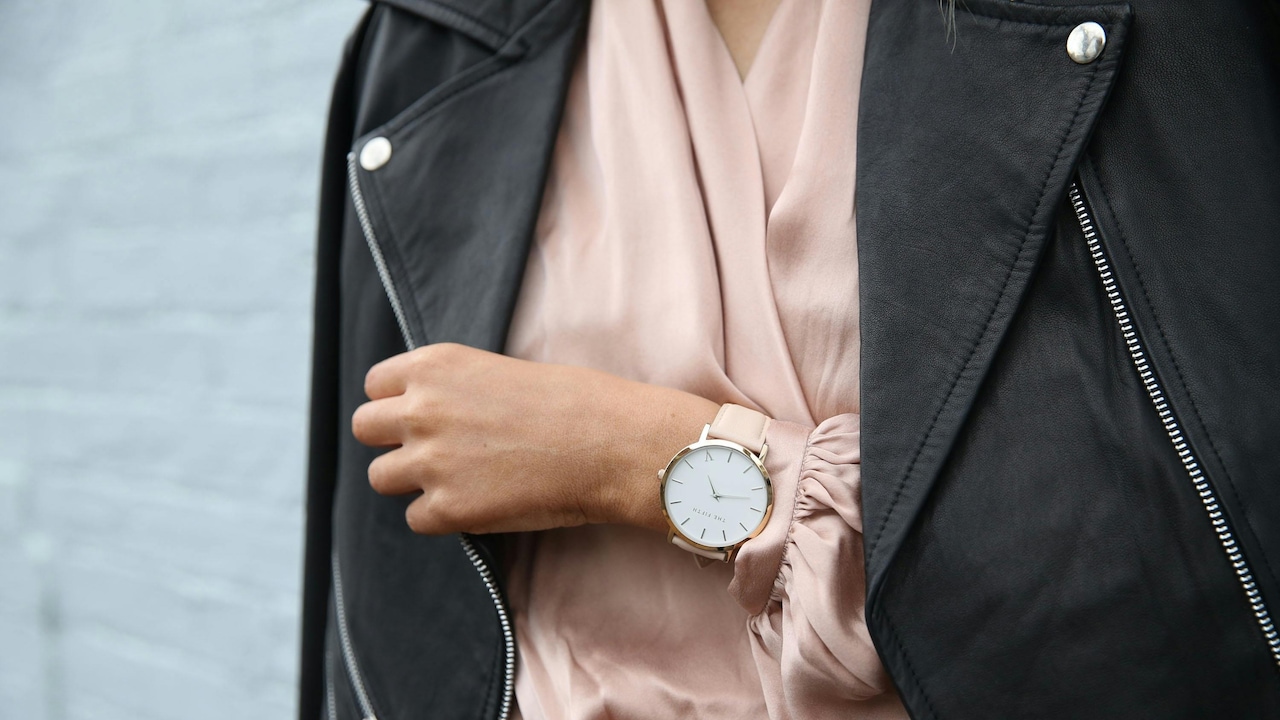
Buying Guide For Watches: Check Out The Straps That Sit Comfortably Over Sleeves.
Watches often carry stories. Some mark milestones, some come as thoughtful gifts, while others simply grow into daily companions. Yet, one small detail decides whether a watch feels like a trusted friend or an occasional burden: the strap. Sleeves add a layer of complexity. A watch that feels perfect on bare skin may suddenly pinch, slide, or look awkward when worn over a shirt cuff or a light sweater. Office hours, festive gatherings, weddings, winter mornings, and long commutes all demand different levels of comfort. A strap that adapts well to sleeves saves time, avoids irritation, and keeps the watch looking sharp.

Discover top tips to choose watch straps that sit comfortably over sleeves; Photo Credit: Unsplash
This guide focuses on straps that sit comfortably over sleeves without fuss. The aim remains simple: help every watch lover enjoy both comfort and style, no matter what the day or wardrobe throws their way.
Also Read: Top 5 Titan Watches For Men: Perfect Picks For Workwear, Festive Looks And Gifts
What to Look for in Watch Straps That Work Over Sleeves
1. Understanding Sleeve Thickness and Daily Wear
Sleeves vary more than expected. A thin cotton shirt behaves very differently from a chunky winter pullover. Watch straps need to account for this shift. Many people buy watches assuming bare-wrist comfort, only to struggle later during colder months or formal occasions.
Office shirts often feature narrow cuffs. A bulky strap can bunch fabric or feel tight by midday. On the other hand, winter wear creates extra space, which can make shorter straps feel restrictive. The trick lies in flexibility. Adjustable straps with extra holes or sliding mechanisms adapt better across seasons.
Daily routines also matter. Long hours at a desk can make pressure points noticeable. A strap that distributes weight evenly avoids that dull ache near the wrist bone. Choosing straps with a slight curve or softer lining can reduce discomfort. Sleeves should feel like a natural extension, not an obstacle between skin and watch.
2. Leather Straps: Classic but Sleeve-Friendly
Leather straps remain timeless for good reason. They pair well with formal wear, casual outfits, and everything in between. When worn over sleeves, soft leather shines the most. Full-grain or vegetable-tanned leather gradually moulds to shape, making it comfortable even over thicker fabric.
Stiff leather may look sharp at first, but it often resists movement. Over sleeves, this stiffness causes pressure and awkward angles. Softer leather bends easily, sitting flatter against fabric. Wider straps also help distribute weight, preventing the watch from digging into the sleeve.
Breathability matters less over sleeves, yet lining quality still counts. A smooth underside reduces friction against cloth, preserving both the strap and the shirt. Neutral shades like brown, tan, and black blend effortlessly with workwear. With proper care, a good leather strap becomes more comfortable over time, ageing gracefully alongside the watch.
3. Metal Bracelets: Adjustable and Durable
Metal bracelets often get overlooked for sleeve wear, yet they offer excellent adjustability. Links can be added or removed, allowing a near-custom fit. Over sleeves, this adjustability helps maintain balance without feeling tight.
Bracelets with micro-adjustment clasps deserve special attention. These allow small size changes without tools, perfect for switching between bare wrist and sleeve wear. Smooth edges and well-finished links prevent fabric snagging, a common concern with cheaper designs.
Weight plays a role here. Heavier bracelets feel secure but may pull on thinner sleeves. Lighter alloys or tapered designs reduce drag while keeping the watch centred. Metal bracelets also handle temperature changes better, making them reliable year-round companions. When chosen well, they combine practicality with a clean, confident look.
4. NATO and Fabric Straps: Casual Comfort Champions
Fabric straps, especially NATO-style designs, excel at comfort. Originally designed for durability, they sit flat and offer generous length. This extra length proves handy when wearing watches over sleeves.
Soft nylon or canvas materials bend easily and feel light, even over thick clothing. They also avoid pressure points by spreading weight across the wrist. Adjustability stands out as their biggest strength. A simple pull and tuck secures the fit without fuss.
Fabric straps suit casual settings, travel days, and relaxed weekends. Patterns and colours add personality without overwhelming the watch. They also dry quickly and handle sweat or rain well. For those who value ease and flexibility over formality, fabric straps tick many boxes, especially when sleeves come into play.
5. Rubber and Silicone Straps: Modern and Practical
Rubber straps have evolved far beyond sporty stereotypes. Modern designs focus on comfort, flexibility, and clean aesthetics. Over sleeves, rubber performs surprisingly well due to its elasticity.
High-quality rubber stretches slightly, accommodating fabric thickness without squeezing. It also grips gently, preventing the watch from sliding down the sleeve. Ventilated designs reduce bulk, making them suitable for daily wear.
Silicone offers similar benefits but feels softer. However, it can attract lint from sleeves, which may bother some users. Choosing matte finishes helps reduce this issue. Rubber straps suit active lifestyles, monsoon days, and long commutes. They handle moisture effortlessly and maintain shape over time, making them reliable for those who prefer low-maintenance options.
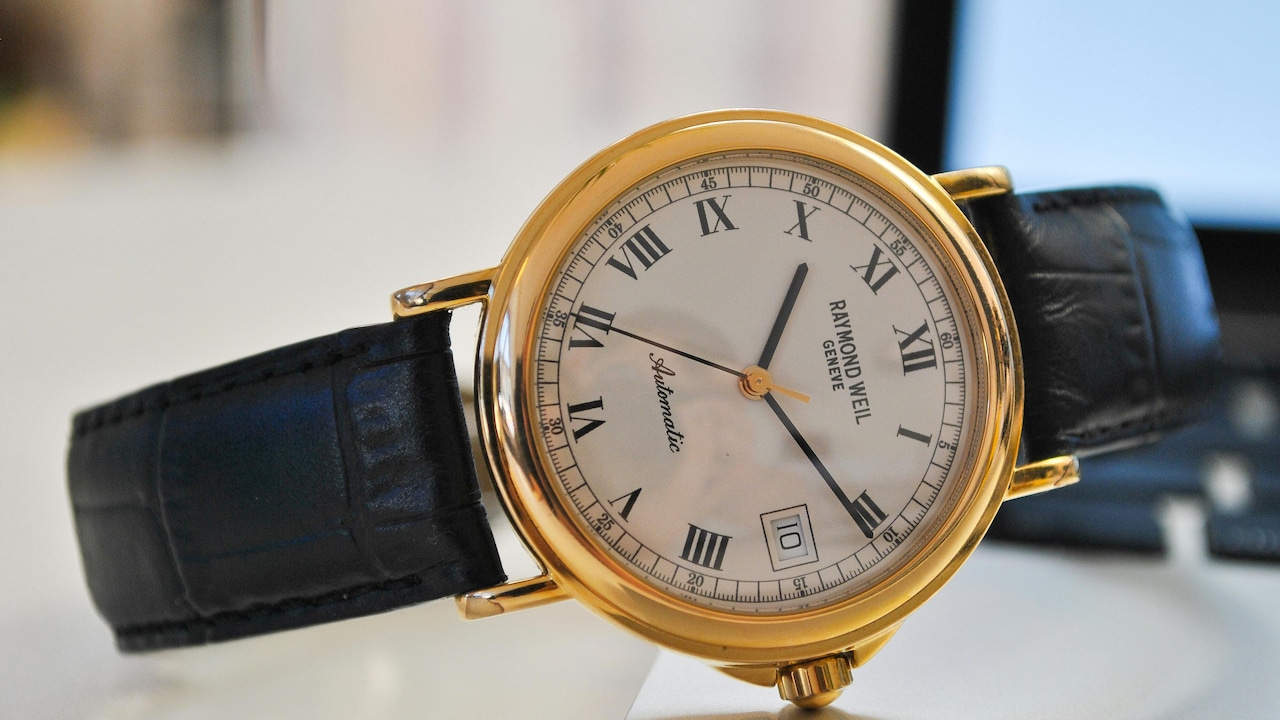
Opt for rubber and silicone straps that have great elasticity to sit comfortably over straps; Photo Credit: Pexels
6. Strap Width and Watch Case Balance
Strap width affects comfort more than many realise. A narrow strap paired with a large watch case can feel unstable over sleeves. The watch may tilt or press unevenly against fabric.
Wider straps offer better support, especially for heavier cases. They distribute weight across a larger area, reducing strain. However, overly wide straps can look bulky with formal attire. Balance becomes key.
Matching strap width to case size ensures harmony. A well-balanced watch sits flat, stays centred, and feels lighter. Over sleeves, this balance prevents constant adjustments. Trying different widths before committing helps identify what feels right. Comfort often hides in these small details.
7. Adjustable Closures and Buckles
Closures deserve as much attention as strap material. Traditional buckles work fine, but require precise hole placement. Over sleeves, fixed holes may feel either too loose or too tight.
Deployant clasps offer a refined alternative. They allow easier adjustments and reduce wear on the strap. Sliding clasps, common on metal bracelets, shine when switching between sleeve and bare-wrist wear.
Velcro-style closures appear on some fabric straps and provide excellent adjustability. They suit casual settings and travel. Smooth-edged buckles prevent fabric damage, preserving shirts and sweaters. A good closure simplifies daily wear, saving time and avoiding irritation.
8. Seasonal Considerations and Weather Impact
Weather influences comfort more than expected. Summer brings sweat and swelling, while winter layers add bulk. Straps need to adapt without causing discomfort.
Leather softens in warmth but stiffens slightly in cold. Fabric and rubber remain consistent across temperatures. Metal reacts to cold initially but adjusts quickly. Over sleeves, insulation reduces temperature impact, yet flexibility still matters.
Monsoon months call for moisture-resistant materials. Fabric dries quickly, while rubber shrugs off water. Rotating straps seasonally keeps watches comfortable and prolongs strap life. A small collection of straps allows easy adaptation, ensuring comfort throughout the year.
9. Style Versus Comfort: Finding the Sweet Spot
Style often drives watch purchases, but comfort decides how often the watch gets worn. Sleeves test this balance daily. A strap may look stunning yet feel awkward over clothing.
Choosing versatile designs helps. Neutral colours, moderate widths, and flexible materials bridge the gap between style and comfort. Minimal stitching and clean lines suit both formal and casual settings.
Comfort does not mean compromise. Many modern straps blend aesthetics with practicality. Trying watches with typical outfits reveals how they behave in real life. When a watch feels right all day, confidence follows naturally.
10. Budgeting Smartly for Strap Choices
Straps vary widely in price, yet comfort does not always demand high spending. Well-made fabric and rubber straps often cost less than ₹2,000 and deliver excellent comfort. Quality leather straps may range from ₹2,500 to ₹6,000, depending on craftsmanship.
Metal bracelets usually come with the watch, but aftermarket options exist. Investing in one adjustable, high-quality strap often proves better than buying multiple poor ones.
A smart approach involves building a small rotation. One leather, one fabric, and one rubber strap cover most needs. This variety ensures comfort over sleeves without stretching budgets. A watch feels refreshed with each swap, extending its usefulness and enjoyment.
Products Related To This Article
1. Poze Drop 6 Quartz Round Dial Women's Watch
2. Timex Women Pink Analogue Watch
3. Roadster The Lifestyle Co Men Analogue & Digital Watches
4. DressBerry Dressberry Women Watches Gift Set
5. JOKER & WITCH Men Dial & Analogue Stainless Steel Watches Paul Tan Croc Strap Watch
6. Skechers Bracelet Glitz Watch Gift Set
7. Carlton London Set Of 2 Stainless Steel Analog Watch With Bracelet
A watch should feel like a natural extension of the wrist, not a constant distraction. Sleeves, whether formal or casual, challenge that comfort in subtle ways. The right watch strap transforms this challenge into an afterthought. Choosing straps thoughtfully enhances not only comfort but also confidence. When a watch sits comfortably over sleeves, it stays worn longer, gathers more memories, and becomes part of daily life. In the end, the best strap remains the one that disappears from notice, leaving only the quiet pleasure of a watch well worn.
(Disclaimer: This article may include references to or features of products and services made available through affiliate marketing campaigns. NDTV Convergence Limited (“NDTV”) strives to maintain editorial independence while participating in such campaigns. NDTV does not assume responsibility for the performance or claims of any featured products or services.)