How To Solve Your Painful Sneaker Toe Box Problems And Improve Your Overall Foot Comfort
Toe box pain can ruin even the best sneakers. Learn simple fixes, from better sizing and lacing to smarter socks and insoles, to stop toe pressure, prevent blisters, and walk all day comfortably.
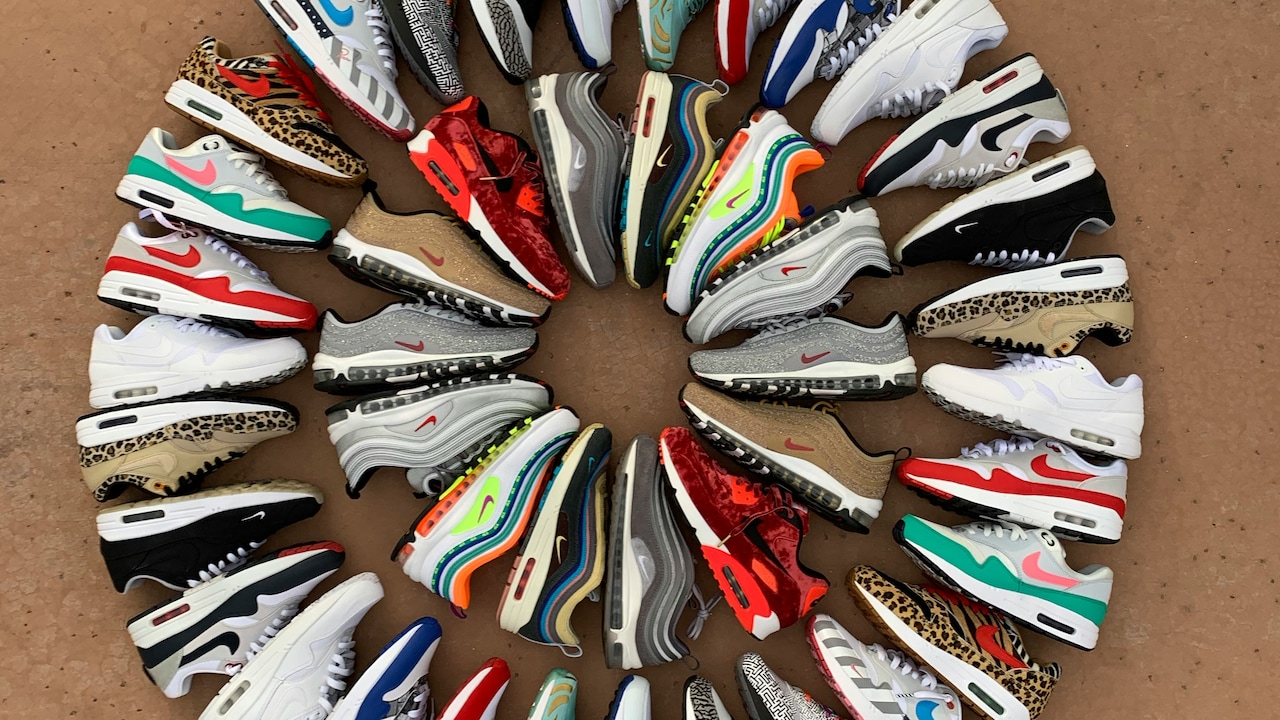
How To Fix Toe Box Pain In Sneakers: Best Tips For Wider Fit, Less Rubbing And Better Comfort.
Sneakers are supposed to be the “safe” footwear choice. They look good, they go with almost everything, and they promise comfort like a warm hug for your feet. Yet somehow, many people end up limping through the day because the toe box feels like a cramped local train at peak hours.
Toe box pain is sneaky. It starts as a mild pressure near the big toe or the pinky. Then it becomes a dull ache. Then one day, it escalates into a full-blown “Why does this feel like my toenail is being negotiated with?” situation.
This isn't just about discomfort. A tight toe box can cause blisters, corns, bruised nails, and long-term foot issues. It can also quietly ruin a day out. A quick grocery run becomes a mission. A casual evening walk becomes an exercise in grit.
The fix is not always “buy bigger shoes”. The fix is smarter choices, better fitting, and a few simple hacks that work in real life. The goal is simple: sneakers that feel good from morning chai to late-night scrolling.
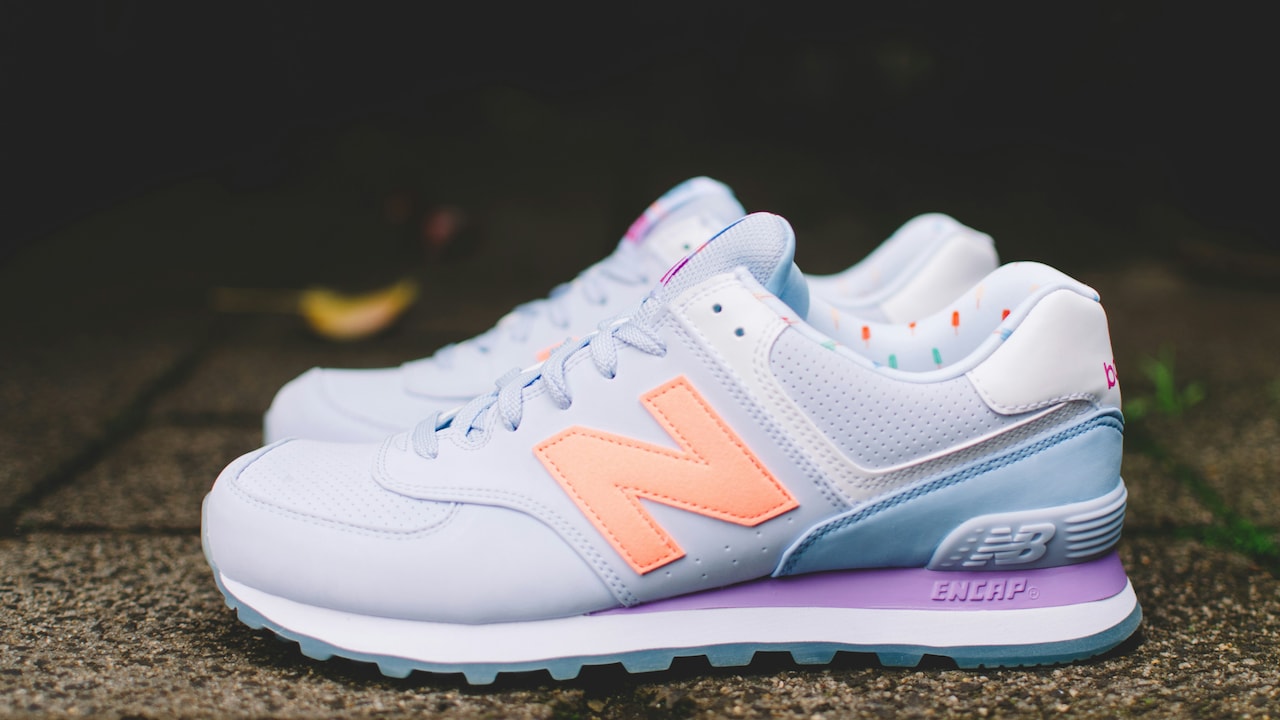
How To Solve Your Painful Sneaker Toe Box Problems And Improve Your Overall Foot Comfort
Photo Credit: Pexels
Ten Practical Fixes To End Sneaker Toe Box Pain For Good
Understand The Toe Box: The Real Trouble Zone
Most people blame the shoe when the toe box hurts, and fair enough. But the toe box is also where multiple things collide: foot shape, toe length, material stiffness, and the way the shoe bends when walking. When even one of these factors is off, the toes pay the price.
A toe box should protect the toes, not compress them. The ideal fit allows toes to sit naturally, spread slightly, and move without rubbing. The problem is that many popular sneaker silhouettes are designed to look sleek. Sleek often means narrow. Narrow means pain, especially for anyone with wider forefeet or a slightly longer second toe.
Then there's the common habit of “adjusting” by curling toes inside the shoe. That feels manageable for a few minutes, but over hours, it leads to soreness and fatigue. It also encourages pressure points, especially around the little toe and the big toe joint.
Toe box pain is not always dramatic. It's often a slow build-up. If the toes feel relief the moment the shoe comes off, that's a loud clue. Comfort should not begin only after the shoes are removed.
Stop Trusting The Number On The Box
Shoe sizing sounds like it should be straightforward. A number, a size chart, done. But sneaker sizing is one of life's most chaotic systems. A UK 8 in one brand can feel like a UK 7 in another. Even within the same brand, different models can fit differently.
A big reason toe boxes hurt is that many people buy sneakers based on what they “usually wear”. That's a trap. Feet change over time. Weight shifts, arches flatten, and the forefoot can widen with age. Add humidity, daily swelling, and long walking days, and suddenly the old size becomes a tight squeeze.
The smartest move is to measure both feet. Most people have one foot slightly bigger. The shoe should fit the larger foot comfortably, not punish it. If a sneaker feels perfect in the morning but painful by evening, it's often because the toes run out of space once the feet swell.
Also, toe box comfort is not just length. Width matters. A shoe can be “long enough” but still crush the toes sideways. That sideways pressure is the silent villain behind pinky toe pain and those irritating side blisters.
Choose Toe-Box-Friendly Sneaker Shapes
Some sneaker shapes are basically toe box bullies. They look sharp, slim, and stylish. Unfortunately, the toes inside are living in a cramped rental with no ventilation and no personal space.
A toe-box-friendly sneaker usually has a slightly rounded or anatomical front shape. It doesn't taper too aggressively. It gives the big toe and little toe room to sit where they naturally want to sit. That matters more than most people realise.
This doesn't mean switching to clunky “dad shoes” unless that's the vibe. Plenty of modern sneakers now offer comfort-forward shapes without looking like gym equipment from 2009. The key is to check the front silhouette. If the front looks pointy or sharply narrow, it probably feels the same inside.
Also, watch out for the toe spring, which is the upward curve at the front. Too much toe spring can force the toes into a lifted position. That can increase pressure on the nails and cause that annoying bruised feeling after long walks.
A good toe box should feel boring in the best way. No drama. No pinching. No constant awareness of where each toe is sitting.
Break In Shoes The Right Way, Not The Painful Way
There's a strange belief that shoes must hurt before they become comfortable. That idea needs to retire. Breaking in should feel like a mild adjustment, not like training for a survival reality show.
Toe box pain during break-in usually comes from stiff materials. Many sneakers use firm overlays, thick rubber toe guards, or rigid stitching near the front. These areas can rub and compress toes until the shoe softens.
The safer way to break in sneakers is gradually. Wear them indoors for short periods first. Let the material warm up and flex naturally. If the toe box feels painful even during short indoor wear, the problem is not “break-in”. The problem is fit.
Also, avoid wearing brand-new sneakers for long outings right away. That's how blisters happen. A quick test walk around the neighbourhood can save a lot of regret later.
Another trick is to wear slightly thicker socks during break-in. This can soften pressure points and help shape the upper gently. But it only works if the shoe already has enough space. Thick socks in a tight toe box just turn discomfort into chaos.
Comfort should improve steadily. If pain increases over days, that sneaker is not “settling”. It's declaring war.
Use Lacing Tricks That Actually Create Space
Lacing is not just decoration. It changes how pressure spreads across the foot. Many toe box problems happen because the shoe pulls the foot forward, causing the toes to slam into the front with every step.
A common issue is heel slippage. When the heel lifts slightly, the foot slides forward repeatedly. That creates toe pressure, nail bruising, and friction. The shoe may feel “fine” standing still, but it becomes painful while walking.
A simple fix is to use a heel lock lacing technique, often called the runner's loop. It helps anchor the heel back so the toes don't constantly collide with the front.
Another lacing adjustment is to loosen the forefoot area slightly while keeping the ankle secure. Some people lace too tightly across the entire shoe, compressing the toe box indirectly. When the midfoot is squeezed, the forefoot splays and presses into the sides of the toe box.
The best lacing setup feels stable without feeling strangled. The shoe should hold the heel and midfoot while allowing the toes to breathe. If the toes feel like they're negotiating for space, the laces are probably doing more harm than expected.
Pick Socks That Reduce Friction And Pressure
Socks are underrated. They're like the supporting actor that can quietly save the whole film. A painful toe box can feel dramatically better or worse depending on sock choice.
Thin, slippery socks can reduce friction, but they can also allow the foot to slide forward, increasing toe impact. Very thick socks can cushion pressure, but they can also crowd the toe box. The sweet spot is a well-fitted sock with a smooth interior and light cushioning.
Cotton socks feel familiar, but they absorb sweat and stay damp. Damp socks increase friction, which increases blisters. In hot weather, this becomes a problem quickly. A blended sock with moisture-wicking fabric helps keep the foot drier and reduces rubbing.
Seam placement also matters. Some socks have thick seams near the toes, and those seams can dig in when the toe box is tight. That creates irritation that feels like a shoe problem, but it's actually a sock problem.
If toe box pain appears suddenly with a new pair of socks, that's not a coincidence. A good sock should disappear once worn. No toe seams are yelling for attention. No bunching. No sliding. Just quiet comfort, like a well-made pillow.
Fix The Insole Before Blaming The Shoe
Many sneakers come with basic insoles that feel fine for casual use but fail during long days. When the arch support is weak or the cushioning is uneven, the foot can slide forward. That forward slide increases toe box pressure.
A better insole can improve toe comfort without changing the shoe. This is especially useful when the toe box feels only slightly tight. A supportive insole can stabilise the heel and midfoot, reducing the forward shove that crushes toes.
However, insoles can also backfire. A thick insole can lift the foot higher and reduce vertical space in the toe box. That causes top-of-toe pressure and nail discomfort. So the right insole is not always the thickest one. It's the one that supports without stealing space.
Look for insoles that offer heel stability and moderate arch support. The goal is to reduce movement inside the shoe. Less movement means fewer toe collisions and less friction.
A good insole can be a smart investment. Spending ₹800 to ₹2,000 on the right insole can extend the life of a sneaker and improve daily comfort. That's cheaper than buying a new pair and hoping for the best.
Know When To Size Up, And When To Size Wide
Sizing up is the most common advice for toe box pain. Sometimes it works. Sometimes it creates a new set of problems, like heel slip and instability. The key is knowing whether the issue is length, width, or volume.
If the toes hit the front, the shoe may be too short. If the toes feel squeezed from the sides, the shoe may be too narrow. If the top of the toes feels pressed, the shoe may lack vertical volume.
Sizing up adds length and a bit of volume, but it doesn't always add enough width. Many sneakers scale width only slightly as sizes increase. That means someone with a wider forefoot may still feel squeezed even in a bigger size.
Some brands offer wide fits, but they're not always easy to find. When available, wide fits are often the best solution because they keep the correct length while giving toes the space they need.
Also consider toe shape. People with a longer second toe often need more length, even if the big toe feels fine. That's how nail bruising happens. The second toe quietly takes the hit.
A properly fitted toe box should allow a thumb's width of space in front of the longest toe. Not a dramatic gap, just enough room for natural movement and swelling.
Stretch The Toe Box Safely Without Ruining The Shoe
Shoe stretching sounds like magic, but it has limits. It works best on uppers made of leather or flexible knit. It works poorly on rigid synthetic overlays or hard rubber toe guards.
If the toe box feels slightly tight in width, a shoe stretcher can help. Some cobblers can also stretch sneakers carefully, though results vary depending on construction. Stretch sprays can soften certain materials temporarily, making stretching easier.
The keyword is “slightly”. If the shoe is clearly too small, stretching becomes a desperate move. It can distort the shape, weaken seams, and still not deliver real comfort.
For mild pressure points, targeted stretching works better than trying to stretch the entire toe box. The goal is to relieve the pinch at the bunion area, the pinky toe edge, or the top of the toes.
Heat methods, like using a hairdryer and wearing thick socks, are popular online. They can work for some materials, but they can also damage glue and warp synthetic components. It's a risky game, especially with expensive sneakers.
Stretching should feel like fine-tuning, not like rebuilding. If the shoe needs a full transformation to feel wearable, it's the wrong shoe.
How To Solve Your Painful Sneaker Toe Box Problems And Improve Your Overall Foot Comfort
Photo Credit: Pexels
Manage Foot Swelling And Daily Comfort Habits
Sometimes the sneaker is not the villain. Sometimes the day is. Feet swell naturally as the day progresses, especially in heat, during long standing hours, and after salty meals. Swelling makes toe boxes feel tighter even if the shoe fits well in the morning.
This is why shoe shopping in the evening often gives a better fit. The feet are closer to their “real-life” size. A sneaker that feels comfortable at 7 pm is more likely to stay comfortable through a full day.
Hydration matters too. Dehydration can increase cramping and discomfort. Standing for long hours without breaks can increase swelling. Even the way someone sits can affect circulation.
Small habits help. Taking short breaks, elevating the feet for a few minutes, and doing gentle toe stretches can reduce pressure. Toe splaying exercises also improve how the toes sit inside shoes over time.
If toe box pain happens only on certain days, it might be linked to activity levels. A day with lots of walking, stairs, and commuting will reveal toe box flaws quickly.
Comfort is not just about the shoe. It's about the whole system: foot, sock, movement, and the way the body handles the day.
Spot Warning Signs And Stop The Damage Early
Toe box pain is not something to “push through”. That mindset can lead to bruised nails, thickened skin, corns, and long-term toe deformities. The body gives warnings for a reason, and toes are surprisingly good at complaining.
If there's redness along the sides of the toes, the toe box is too narrow. If the toenails feel tender or turn darker, the toes are hitting the front. If blisters appear repeatedly in the same spot, friction is happening every time.
Also watch for numbness or tingling. That's not normal discomfort. That can signal nerve compression. When a shoe compresses the forefoot too much, it can affect circulation and nerves.
If pain continues even after changing socks, adjusting laces, and breaking in, it's time to move on. A sneaker should not need a full rescue mission to become wearable.
Sometimes the smartest move is accepting that a certain style doesn't suit a certain foot shape. Fashion is fun, but limping is not.
There's also no shame in prioritising comfort. Nobody has ever looked at someone's shoes and thought, “Wow, great sneakers, love the suffering.”
Products Related To This Article
1. Puma Turino Ii Sneakers Men
2. HRX Hrithik Roshan Casual Sneakers Women
3. Red Tape Sneakers Women Lifestyle Casual Shoes Stylish Trendy
4. U.S. Polo Assn Krister 30 Sneakers Men
5. Aadi Lightweight Comfort Summer Trendy Walking Outdoor Stylish Training Daily Use Sneakers Men
Toe box pain is one of those everyday problems that feels small until it starts controlling choices. It can ruin walks, distract during work, and turn travel into a constant search for places to sit. The frustrating part is how normal it has become. Many people accept it as the price of wearing sneakers.
It doesn't have to be that way.
Most toe box problems come down to fit, shape, and small adjustments that make a huge difference. The right sneaker shape, better lacing, smarter socks, and supportive insoles can transform comfort. Even simple habits like buying shoes later in the day or recognising swelling patterns can prevent that familiar toe squeeze.
Feet do a lot. They carry bodies through crowded streets, long commutes, errands, and those spontaneous plans that start with “just five minutes”. They deserve space, not pressure.
A good sneaker should feel like freedom. The toes should sit comfortably, the steps should feel easy, and the only thing noticeable should be the confidence of walking without pain.
(Disclaimer: This article may include references to or features of products and services made available through affiliate marketing campaigns. NDTV Convergence Limited (“NDTV”) strives to maintain editorial independence while participating in such campaigns. NDTV does not assume responsibility for the performance or claims of any featured products or services.)