How To Choose Dupattas That Don’t Need Constant Fixing
Stop fixing your dupatta every five minutes. Learn how to choose fabrics, borders, lengths and textures that stay in place all day, without pins, fuss, or frustration.
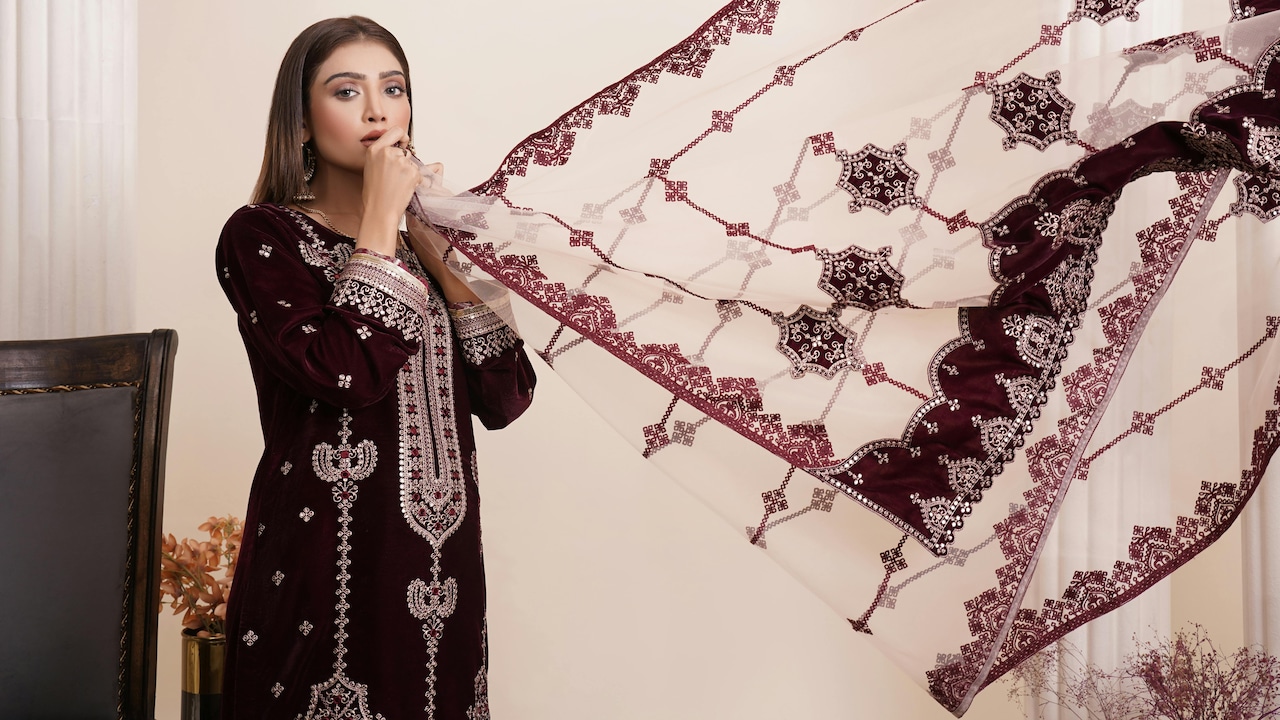
Try these shopping tips to find dupattas that don't need constant readjustment.
Everyone knows that one dupatta. The one that looks dreamy on the hanger, photogenic for exactly seven minutes, and then spends the rest of the day behaving like a rebellious ribbon. It slides off the shoulder during a family function, drops into the dal at lunch, and somehow ends up twisted like a confused scarf by the time the auto ride ends.
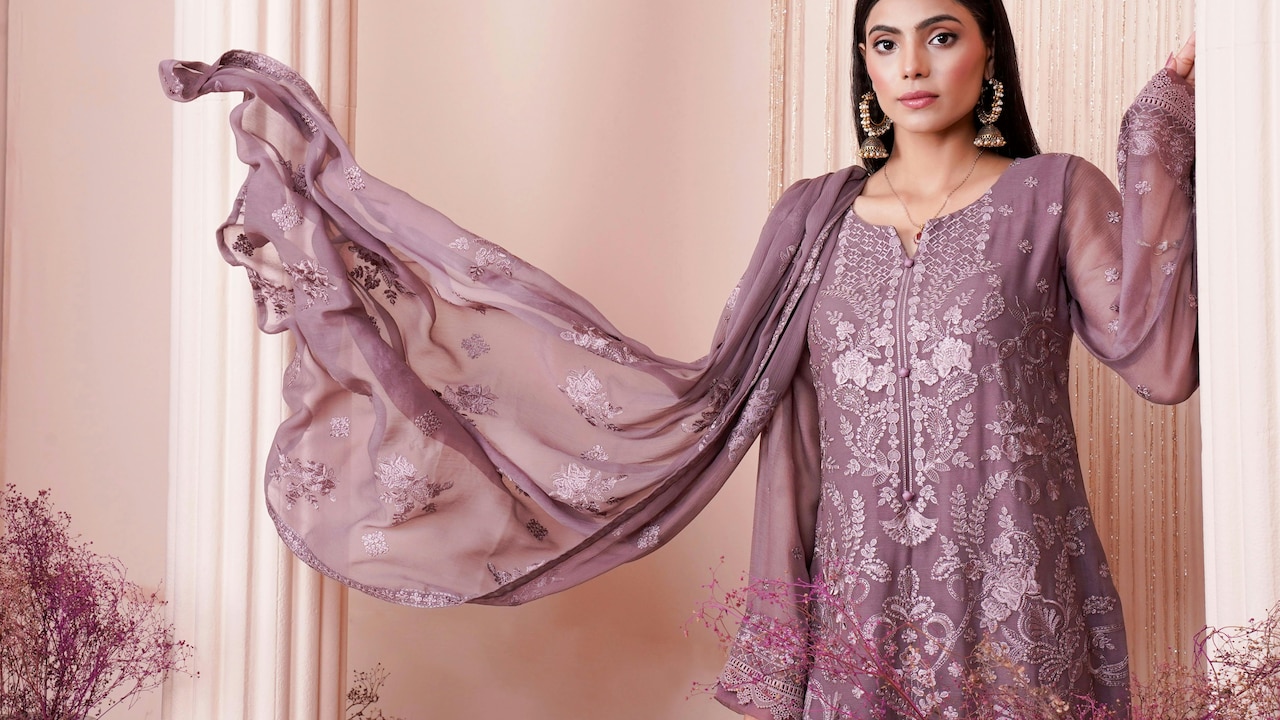
Try these tips to find a dupatta that doesn't need constant readjusting; Photo Credit: Pexels
The funny part is that most people blame themselves. “Maybe the pin wasn't strong enough.” “Maybe the drape was wrong.” “Maybe shoulders are too slopy.” But most of the time, the dupatta simply isn't built for staying in place. Some fabrics are born to glide. Some borders are designed to pull. Some lengths are made for drama, not daily wear.
A good dupatta should feel like a supportive side character, present, polished, and not stealing attention for all the wrong reasons. The secret lies in choosing smart, not just pretty. These ten tips will help pick dupattas that behave beautifully, without constant fixing, fidgeting, or quietly wishing it were just a kurta without accessories.
Also Read: Explore Red Woollen Scarves To Stay Stylish In Winter
How To Pick Dupattas That Behave In Real Life
1. Choose Fabrics With Natural Grip
Fabric is the first clue to whether a dupatta will stay put or act like it's on a mission. Some materials feel luxurious, but they also behave like soap on wet hands. Chiffon and lightweight georgette, for example, look elegant but often slip the moment a shoulder moves. That's fine for short events, but it becomes a nuisance for long days.
Fabrics with a little texture tend to behave better. Cotton, kota doria, linen blends, soft silk-cotton, and slightly heavier crepe usually sit on the shoulder with more loyalty. They don't float away during a breeze, and they don't slide down the arm every time a bag strap shifts.
A useful trick is to rub the fabric between fingers. If it feels too smooth and “slippery-rich”, it will likely keep moving. If it feels slightly dry, airy, or textured, it tends to stay. Comfort matters too. A grippy fabric that scratches will still cause constant adjusting, just for different reasons.
2. Pick The Right Weight For The Occasion
A dupatta that stays in place often has the correct weight. Too light, and it floats away like a dramatic movie scene. Too heavy, and it drags the neckline, pulls the outfit out of shape, and keeps slipping because gravity never takes a day off.
For everyday wear, medium-weight fabrics win. Think cotton dupattas with a neat fall, soft chanderi with some structure, or viscose blends that don't behave like a slippery slide. They sit nicely on the shoulder and don't demand constant pinning.
For weddings or festive evenings, heavier dupattas can work beautifully, but only if the outfit supports them. A heavy banarasi dupatta over a soft, flimsy kurta will slide and pull all evening. It needs a sturdier blouse, a structured kurta, or something with a firmer neckline.
The best dupatta feels like it belongs. It shouldn't feel like a separate project attached to the outfit. If it feels balanced, it behaves balanced.
3. Look For Borders That Add Stability
Borders do more than decorate. They act like anchors. A dupatta with a well-made border tends to fall better and stay in place longer. It has structure, a visible edge, and a slightly heavier finish that helps it sit neatly.
But not all borders help. Some are too heavy, especially thick zari or chunky embroidered edges. Those can pull the dupatta off the shoulder because the border keeps tugging downward. It becomes a tug-of-war between style and gravity.
A neat, medium border is the sweet spot. Printed borders, woven borders, thin zari, or small embroidery often work well. They give the dupatta a defined shape without turning it into a weight training session.
Also, check whether the border is stiff. A very stiff border can flip and curl, which leads to constant fussing. The best borders feel flexible but firm, like they know how to hold a line without being dramatic about it.
4. Avoid Extra-Long Dupattas For Daily Wear
Long dupattas look graceful, especially in photos. They create flow, movement, and that soft, romantic vibe. The only problem is that real life includes stairs, traffic, office chairs, and random door handles that love grabbing fabric.
Extra-long dupattas tend to slip because they carry more weight and movement. They also swing more, which means they keep shifting with every step. Even if the shoulder holds, the other end drifts, twists, and demands attention.
For daily wear, a standard length makes life easier. It stays closer to the body, doesn't trail, and doesn't create chaos near the elbows. The outfit looks neat, and the hands stay free.
Long dupattas are better saved for occasions where walking is minimal, and the focus is on styling. Otherwise, the day turns into a silent routine of pulling, straightening, and hoping nobody notices the struggle.
5. Check The Width Before Buying
Width is one of the most ignored details, and it makes a huge difference. A very narrow dupatta slips because it doesn't have enough surface area to hold on the shoulder. It sits like a thin strip, which moves easily.
On the other hand, an overly wide dupatta becomes bulky. It folds awkwardly, gathers too much fabric on the shoulder, and ends up looking messy unless constantly arranged.
The best width allows a comfortable fold. It should drape smoothly without needing twenty adjustments. A medium-width dupatta also spreads weight evenly, which helps it stay in place.
This matters even more for soft fabrics. A medium-width cotton dupatta stays better than a narrow one because it settles and hugs the outfit slightly. The dupatta becomes part of the silhouette rather than a separate flappy accessory trying to leave the frame.
A quick test helps: fold it once and see if it still looks elegant. If it turns into a thick bundle, it's too wide. If it looks like a ribbon, it's too narrow.
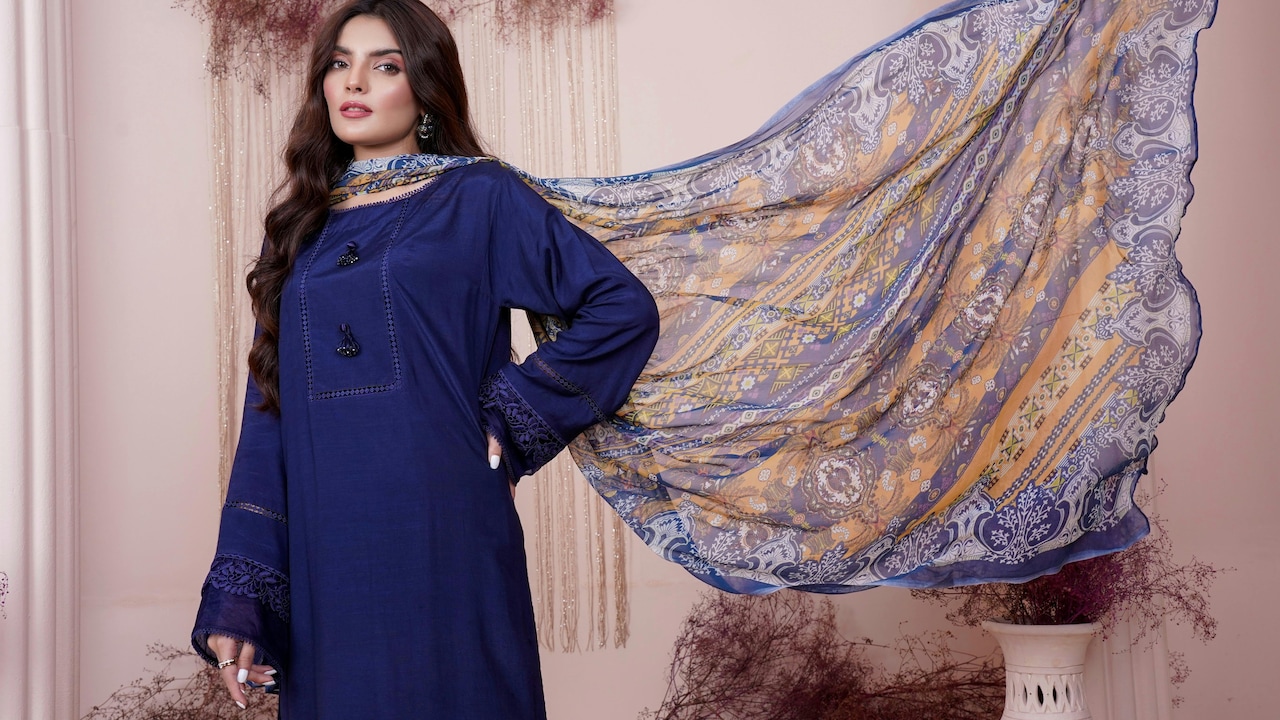
While narrow dupattas can slip easily, broad ones drape beautifully and settle easily; Photo Credit: Pexels
6. Choose Textures That “Hold” Instead Of “Slide”
Some dupattas behave like they have opinions. They glide off the shoulder, twist around the neck, and refuse to sit symmetrically. Usually, the issue is texture.
Smooth, shiny fabrics tend to slide over other smooth surfaces. A satin-like dupatta over a silky kurta becomes a slip-and-slide situation. Even a small movement can shift it.
Textures solve this quietly. Slightly crinkled fabrics, woven patterns, jacquard, kota checks, or even lightly embroidered surfaces add friction. That friction helps the dupatta grip the outfit and stay put.
This is also why many people find handloom dupattas easier to manage. The weave gives it character and stability. It doesn't behave like a plastic sheet.
Texture doesn't mean heavy embroidery. Even subtle weave patterns can make a big difference. The goal is simple: the dupatta should rest on the shoulder like it's comfortable there, not like it's trying to escape.
7. Match The Dupatta To The Neckline And Shoulder Shape
A dupatta can behave perfectly on one outfit and act chaotic on another. That's because necklines and shoulder cuts matter more than expected.
A dupatta stays better on structured shoulders. Kurtas with firmer seams, slightly higher necklines, or stitched yokes give the dupatta a stable base. On the other hand, very smooth, wide, or sloping necklines offer no grip, especially if the fabric is slippery.
If the outfit has a deep neckline or a soft, flowy cut, the dupatta needs extra support. A heavier or textured dupatta works better here. A light chiffon dupatta on a slippery, satin-finish kurta is basically a recipe for constant fixing.
Also, consider sleeves. Sleeveless or cap-sleeve outfits offer less friction. Full sleeves help hold the dupatta along the arm.
The most practical approach is to treat the dupatta like a partner, not a separate accessory. If the outfit has no structure, the dupatta must bring some. If the outfit is structured, the dupatta can afford to be softer.
8. Prefer Dupattas With A Clean, Finished Edge
A well-finished edge makes a dupatta easier to handle. When edges are neatly hemmed, piped, or lightly bordered, the dupatta folds cleanly and drapes smoothly. It doesn't roll into itself or create messy bunches.
Rough edges, uneven hemming, or overly soft unfinished ends often lead to constant adjusting. The dupatta looks untidy quickly, and the folds refuse to stay.
Finished edges also help when tucking or draping across the chest. The line stays crisp. Even if the dupatta shifts slightly, it still looks intentional rather than accidental.
This matters a lot for cotton dupattas too. A thin, neatly stitched hem keeps the fabric from curling. With certain materials, curling edges become a daily irritation, especially after washing.
A dupatta doesn't need heavy detailing to look premium. Often, the simplest dupattas look the most elegant because they fall well and stay neat without effort.
9. Choose Prints And Colours That Don't Show Every Crease
This tip feels sneaky, but it saves so much frustration. Some dupattas look messy the moment they crease. And creases happen the moment someone sits, carries a bag, or leans over to pick up keys.
Solid colours, especially very light shades, show folds and wrinkles more clearly. That leads to constant straightening because the dupatta starts looking “disturbed” even when it's actually sitting fine.
Small prints, woven patterns, stripes, or textured weaves hide creases better. They stay visually tidy even if the fabric shifts. That means fewer adjustments and more confidence.
This also applies to shiny fabrics. They reflect light, so every fold becomes more visible. A matte fabric with subtle print looks calm and composed for longer.
If a dupatta needs constant smoothing just to look presentable, it's not a practical choice for long days. A smart pattern can do the heavy lifting quietly while the wearer enjoys the event instead of managing fabric.
10. Buy Dupattas That Match Real Life, Not Just Mirrors
Many dupattas look perfect in a mirror and misbehave the moment the day begins. That's because the mirror version involves standing still. Real life involves movement, multitasking, and unpredictable moments like bending to tie a shoelace while someone calls from the kitchen.
A dupatta that doesn't need constant fixing usually suits the lifestyle. For daily wear, it should allow quick steps, carrying a handbag, and sitting comfortably. For festive wear, it should stay elegant through dancing, greeting relatives, and long photo sessions.
The easiest way to test is to simulate movement while trying it on. Walk around, lift arms, sit down, and turn. If the dupatta slides off immediately, it will only get worse outside.
Also, don't get trapped by trends. Some styling looks lovely online but demands constant pinning and adjusting in real life. A good dupatta feels effortless. It should add grace, not stress.
Products Related To This Article
1. W Polyester Printed Women Dupatta
2. Nayerang Art Silk Embroidered Women Dupatta
3. Divyam Chiffon Embroidered Women Dupatta
4. Parth Creation Polyester Printed Women Dupatta
5. R Tex Lycra Blend Solid Women Dupatta
A dupatta should never feel like a second job. The best ones sit comfortably, drape neatly, and stay where they're placed, without constant tugging, pulling, and awkward mid-conversation adjustments. The trick lies in choosing fabrics with grip, the right weight, sensible borders, and a size that suits everyday movement.
Small details like texture, finished edges, and even prints can change the whole experience. And when the dupatta matches the outfit's structure, it behaves even better.
The goal isn't perfection. The goal is freedom, the kind where hands stay busy with snacks, laughter, and celebrations instead of silently fighting fabric. Because a good outfit should make you feel confident, not cautious. And a good dupatta should behave like it knows it belongs.
(Disclaimer: This article may include references to or features of products and services made available through affiliate marketing campaigns. NDTV Convergence Limited (“NDTV”) strives to maintain editorial independence while participating in such campaigns. NDTV does not assume responsibility for the performance or claims of any featured products or services.)