How To Select Slimming Sharara Sets Designed To Flatter Your Hips Without Adding Bulk
Learn how to choose slimming sharara sets that flatter your hips without adding bulk, using the right flare, fabric, waist fit and styling tricks for a balanced festive look.
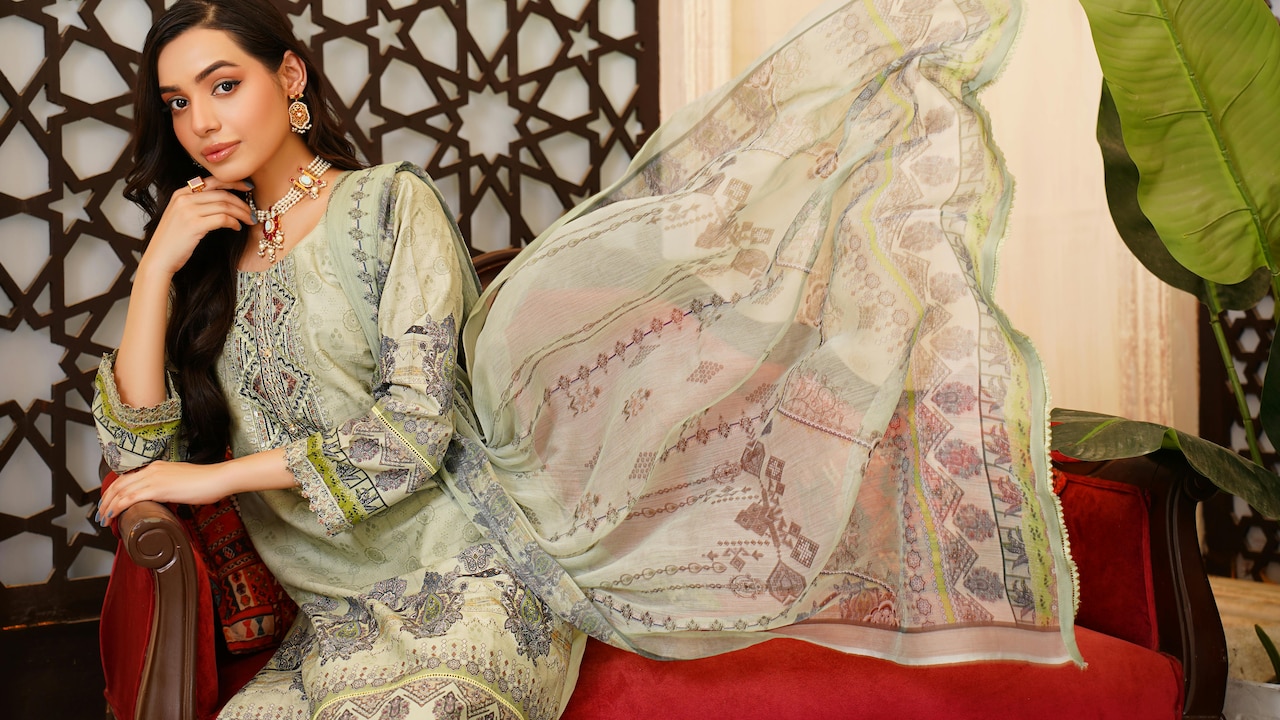
How To Choose A Slimming Sharara Set That Flatters Your Hips And Not Look Bulky At All.
Sharara sets have a certain magic. They feel festive without trying too hard, they move beautifully, and they make even a simple twirl look like a scene from a film. But there's also a common fear that comes with them, especially for anyone with fuller hips: “What if this makes me look bulky?”
And honestly, that fear isn't random. Shararas are built around volume. That's literally their personality. The trick is not to eliminate the volume (that would defeat the point), but to control where it sits and how it flows.
Because a slimming sharara isn't about hiding hips. It's about shaping the silhouette so the outfit looks balanced, so the fabric falls in a flattering way rather than puffing out like a festive lampshade.
Whether you're dressing for a wedding function, a family puja, a cousin's engagement, or one of those “small gathering” parties that somehow have 70 people and a photographer, this guide will help you choose a sharara set that flatters your hips without adding bulk.
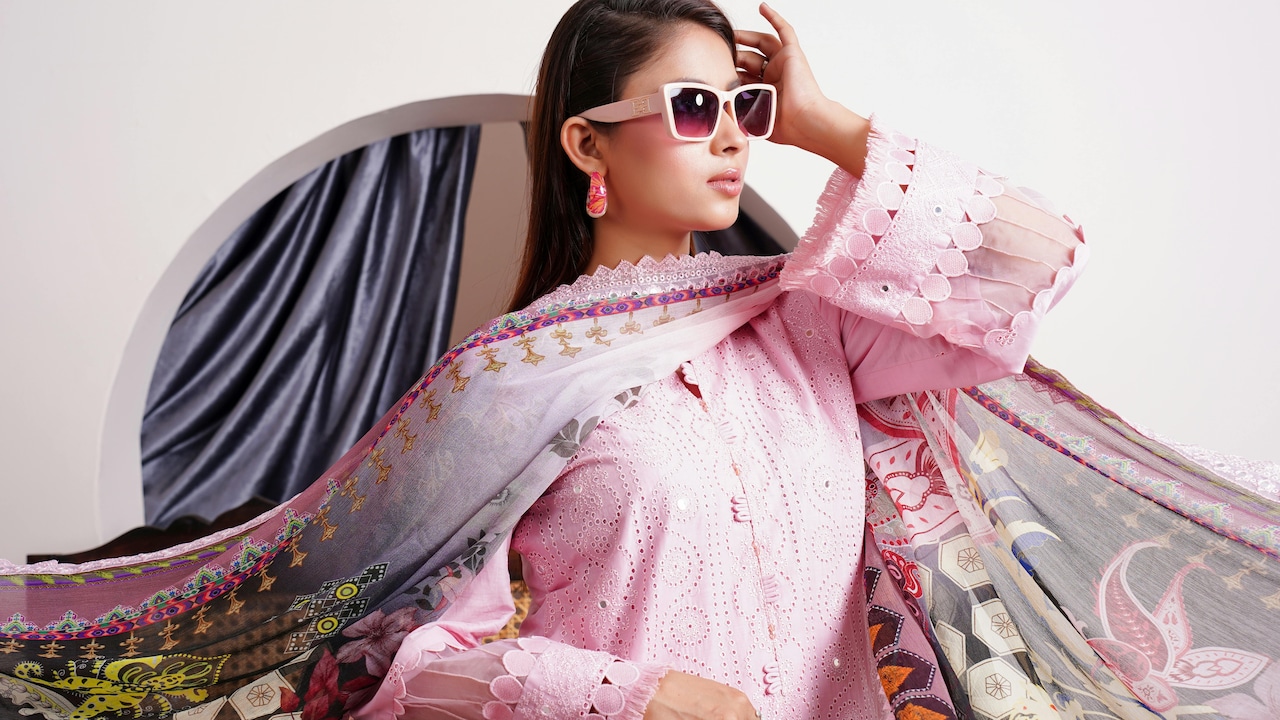
10 Tips To Pick The Best Sharara Set For Heavy Hips Without Looking Bulky
Photo Credit: Pexels
The 10 Smart Details That Make A Sharara Look Slimming
1. Choose A High, Structured Waist That Holds Shape
The waistband can make or break a sharara set, especially when the goal is a slimming effect around the hips. A high-rise waist that sits above the widest part of the hips creates an instant lift. It visually lengthens the legs and gives the outfit a more streamlined line.
The keyword here is structured. A waistband made with proper interfacing, a neat zip, or a firm drawstring tends to sit flat. A flimsy elastic waist, on the other hand, often bunches up and creates extra folds right where you don't want them. It also shifts as you move, which can make the silhouette look messy in photos.
If shopping online, zoom in and look for signs of a clean waistband finish. If shopping in-store, try sitting down. If the waist rolls or digs in, skip it. Comfort matters, but so does stability.
A well-fitted waist also helps the flare fall from the right point, so the fabric drapes instead of exploding outward.
2. Let The Flare Start Lower, Not From The Hip
One of the biggest styling secrets for a slimming sharara is where the flare begins. When the flare starts right at the hip, it adds width instantly. That's the exact opposite of what most people want when they're trying to look sleek.
A more flattering option is a sharara that stays relatively straight from the waist through the upper thigh, and then starts to flare from mid-thigh or slightly above the knee. This design keeps the hip area clean and smooth, while still giving you the dramatic movement that shararas are loved for.
This small construction detail changes everything. It creates a long, vertical line before the volume kicks in, which looks elegant and tall in real life and in photos.
If you've ever tried on a sharara and felt like you looked “wide” even though the fabric was pretty, chances are the flare started too high. Think of it like eyeliner; placement matters.
3. Pick Fabrics That Drape Instead Of Puff
Fabric behaves like a mood. Some fabrics flow like poetry. Others stand stiffly like they're annoyed to be here. When it comes to flattering hips, you want drape, not puff.
Soft georgette, crepe, viscose blends, and lightweight silk blends tend to skim the body rather than adding bulk. They move with you and create a smoother silhouette. On the other hand, stiff net layers, heavy brocade, thick raw silk, and overly starched cotton can add structure in a way that makes the hips look larger.
This is especially important for shararas because there's already volume built into the cut. If the fabric also holds air, the outfit starts to look bigger than you are.
A simple test: if the sharara stands out on its own when held up, it will likely stand out when worn too. If it falls softly and collapses naturally, you're in safer territory.
The goal isn't “thin fabric.” It's “well-behaved fabric.”
4. Keep Pleats And Gathering Minimal Around The Waist
Gathering creates volume. That's not a flaw, it's a design tool. But when gathering sits right under the waistband, it can add puffiness around the lower belly and hips.
Many sharara styles use heavy gathers at the waist to create a dramatic flare. This works beautifully on some body types, but if you're specifically trying to avoid adding bulk around the hips, look for designs with controlled pleating or panelled construction instead.
Panelled shararas use multiple fabric panels stitched together, which gives flare without bunching. This creates a smoother line from waist to thigh and keeps the hip area flatter.
If you do love gathered shararas, pick ones where the gathers are distributed evenly, and the fabric is very fluid. Heavy gathers in a stiff fabric can make the hips look wider, even if the waist fits perfectly.
Also, avoid extra layers right at the waist. Ruffles and tiered seams near the hip area look cute in theory, but they rarely look slimming.
5. Use Vertical Design Lines To Create Length
When the outfit has vertical lines, the eye naturally travels up and down instead of side to side. That's a simple visual trick that works wonders for making the hips look balanced.
Vertical lines can come from many places: panel seams, long embroidery motifs, straight-cut kurtas, vertical stripes, or even a dupatta draped in a clean line. What matters is the overall effect.
A sharara with vertical panel seams looks more streamlined than one with a wide, uninterrupted expanse of fabric. Similarly, a kurta with vertical embroidery running down the centre creates a long, lean appearance.
The opposite is also true. Horizontal patterns, wide borders at the hip, and chunky motifs placed around the thighs tend to pull attention outward. That can make hips appear wider, even if the fit is fine.
This doesn't mean you have to dress like a barcode. It just means you choose design details that guide the eye in the direction you want.
6. Balance The Silhouette With The Right Kurta Length
A common mistake is pairing a very short kurta with a very voluminous sharara. That combination puts all the visual focus on the hips and thighs. It's like shining a spotlight and then wondering why everyone's looking.
A more flattering option for fuller hips is a kurta length that hits at the mid-thigh or just above the knee. This length skims over the hip area and creates a smoother transition into the flare.
If you prefer short kurtas, choose a sharara with a lower flare and minimal gathering. If you prefer longer kurtas, make sure the sharara still has visible movement at the bottom; the whole outfit can look heavy.
A straight-cut kurta works particularly well for slimming the hip area. An overly flared kurta paired with a flared sharara can feel like too much volume in one outfit. Beautiful, yes. Slimming, not always.
Think balance, not drama-on-drama.
7. Avoid Heavy Borders Right At The Widest Point
Borders are gorgeous. They also have a sneaky habit of widening whatever they sit on. If a thick border runs across the sharara right at the hip or upper thigh, it can make that area look broader.
This is why placement matters more than the border itself. A heavy border at the hem looks elegant and adds weight where you want it, at the bottom. That helps the fabric fall straight and can actually make the overall look more slimming.
But borders around the hip area? That's where things get tricky. Even a beautiful gota patti strip can act like a “highlight marker” across the body.
If you love ornate work, choose embroidery that climbs upward or runs vertically instead of sitting in a band. If you love contrast borders, keep them at the hemline or on the dupatta.
A good sharara should feel like it's flowing downward, not expanding outward.
8. Pick Prints That Don't Crowd The Hip Area
Print size and placement play a huge role in how the outfit reads. Large, dense prints on the sharara can add visual bulk, especially around the hip and thigh area. When the print is busy, the eye sees “more,” and that often translates into “bigger.”
Smaller prints, spaced-out motifs, or subtle textures tend to look more refined and slimming. If you want something festive, look for prints that are heavier near the hem and lighter near the top. That creates a grounded silhouette and keeps attention away from the hip area.
Even with embroidery, placement matters. If heavy motifs cluster around the hips, they draw attention there. If the work is concentrated on the neckline, sleeves, or hem, the overall look feels balanced.
This is also where colour comes in. High contrast prints tend to stand out more. Tonal prints, where the pattern stays within the same colour family, feel smoother and less bulky.
Your hips don't need extra decoration. The outfit already has enough personality.
9. Choose A Dupatta Drape That Creates Clean Lines
The dupatta is not just a matching accessory. It's a styling tool that can reshape the whole look. When draped well, it creates vertical lines and adds elegance. When draped poorly, it adds bulk right where you're trying to look sleek.
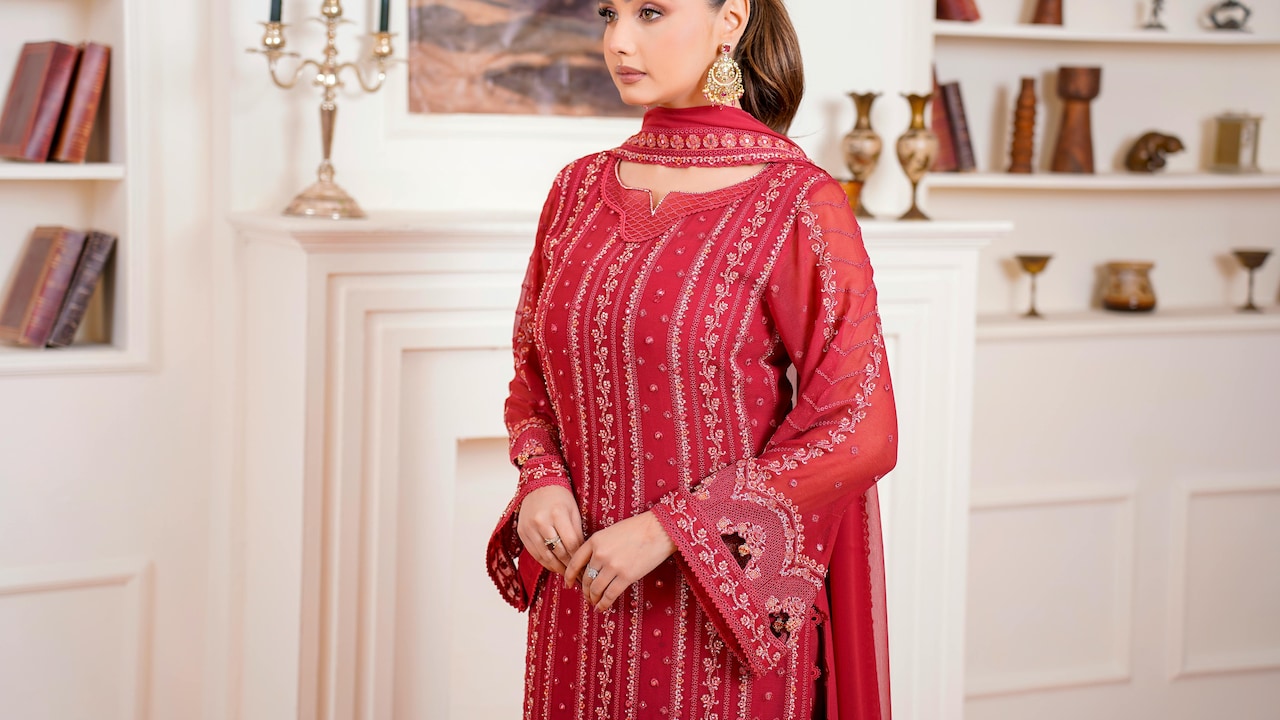
For a slimming effect, avoid bunching the dupatta around the waist or letting it balloon around the hips. Instead, let it fall in long, clean lines. A simple shoulder drape with one end hanging straight can instantly elongate the body.
If you want a more secure drape, pin it neatly at the shoulder and let it fall diagonally across the torso. This breaks up the width and draws attention upward.
Also, consider dupatta fabric. A stiff net dupatta can add volume around the shoulders and hips. A soft chiffon or georgette dupatta sits flatter and looks more graceful.
And yes, a well-draped dupatta can save a slightly unflattering sharara. It's basically the fashion equivalent of good lighting.
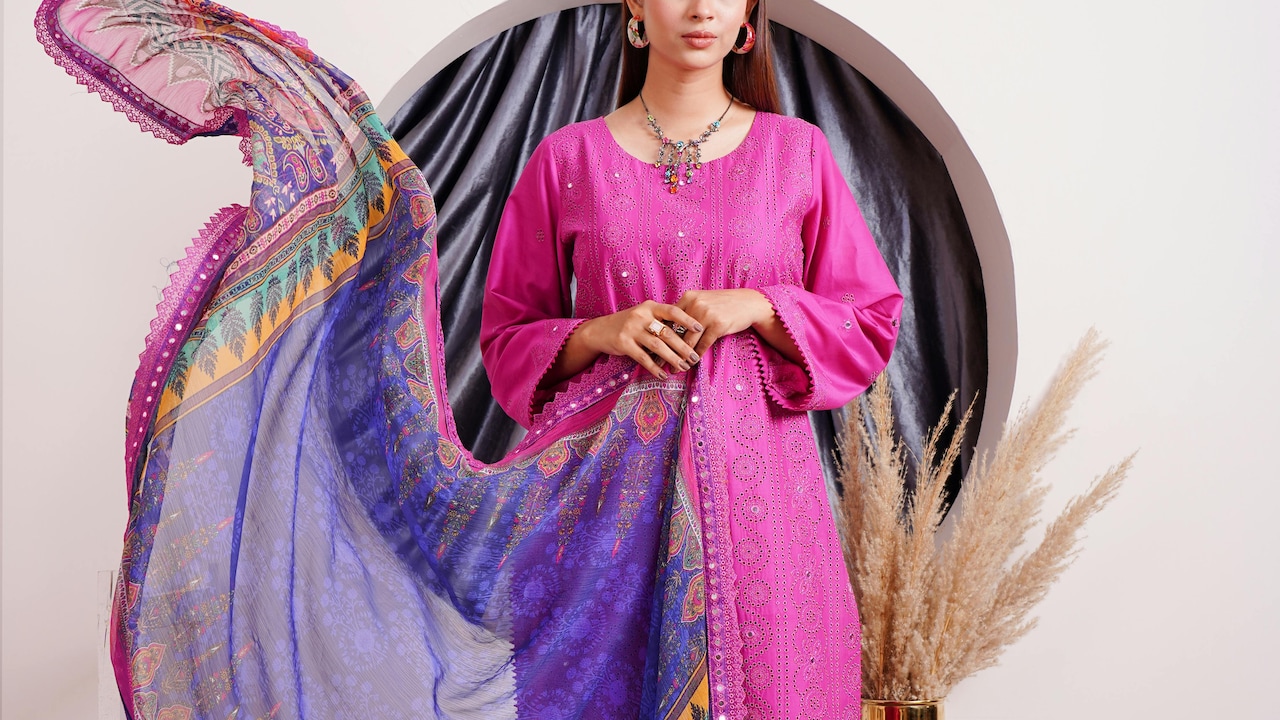
10 Tips To Pick The Best Sharara Set For Heavy Hips Without Looking Bulky
Photo Credit: Pexels
10. Get The Fit Right In The Upper Thigh And Seat
Even the most beautifully designed sharara can look bulky if the fit is wrong in the seat and upper thigh. This is the area where the fabric needs enough room for comfort, but not so much that it bunches or balloons.
A good sharara should skim the body at the top and then flare out gradually. If it clings tightly, it will pull and create unflattering lines. If it's too loose, it will add volume and make the hips look wider.
Pay attention to how it sits when you walk. If the fabric rides up or twists, the cut is off. If the upper thigh area forms big folds, the sharara is likely too wide or too gathered.
Tailoring helps here more than people realise. Even a ₹2,500 sharara can look like a ₹12,000 outfit if the fit is clean. A small adjustment at the waist and hip area can change the entire silhouette.
A sharara should feel effortless. If it feels like you're constantly adjusting it, it's not the one.
Products Related To This Article
1. Divastri Women Kurta Sharara Dupatta Set
2. Piludi House Women Kurta Sharara Attached Dupatta Set
3. Lookslink Women Ethnic Top Sharara Dupatta Set
4. Kangopi Fashion Women Kurta Sharara Dupatta Set
5. Shishkala Women Kurta Sharara Dupatta Set
6. Jayleen Women Kurta Sharara Set
7. Varanga Women Kurta Sharara Set
A slimming sharara set doesn't come from avoiding volume. It comes from controlling it. When the waist sits high and flat, when the flare starts lower, when the fabric drapes instead of puffing, and when the design lines flow vertically, the whole outfit looks balanced.
Hips aren't the enemy. Bad construction is.
The best part is that these tips don't require a dramatic style overhaul or a complicated fashion rulebook. They're practical. They work whether you're shopping in a boutique, scrolling through a sale at midnight, or borrowing an outfit from a cousin who swears “it will totally fit.”
The next time you try on a sharara set, don't just ask if it looks pretty. Ask if it flows, if it balances, and if it feels like it was designed to move with you. When the answer is yes, you'll know.
And if anyone tells you shararas aren't slimming, smile politely. Then walk past them in your perfectly chosen set, because confidence is the most flattering cut of all.
(Disclaimer: This article may include references to or features of products and services made available through affiliate marketing campaigns. NDTV Convergence Limited (“NDTV”) strives to maintain editorial independence while participating in such campaigns. NDTV does not assume responsibility for the performance or claims of any featured products or services.)