Top 10 Red Flags of Weak Laptop Bag Handles: How To Spot Reliable Bags
Weak laptop bag handles fail fast, and usually at the worst time. Learn the 10 red flags to spot flimsy handles and choose a laptop bag that actually lasts.
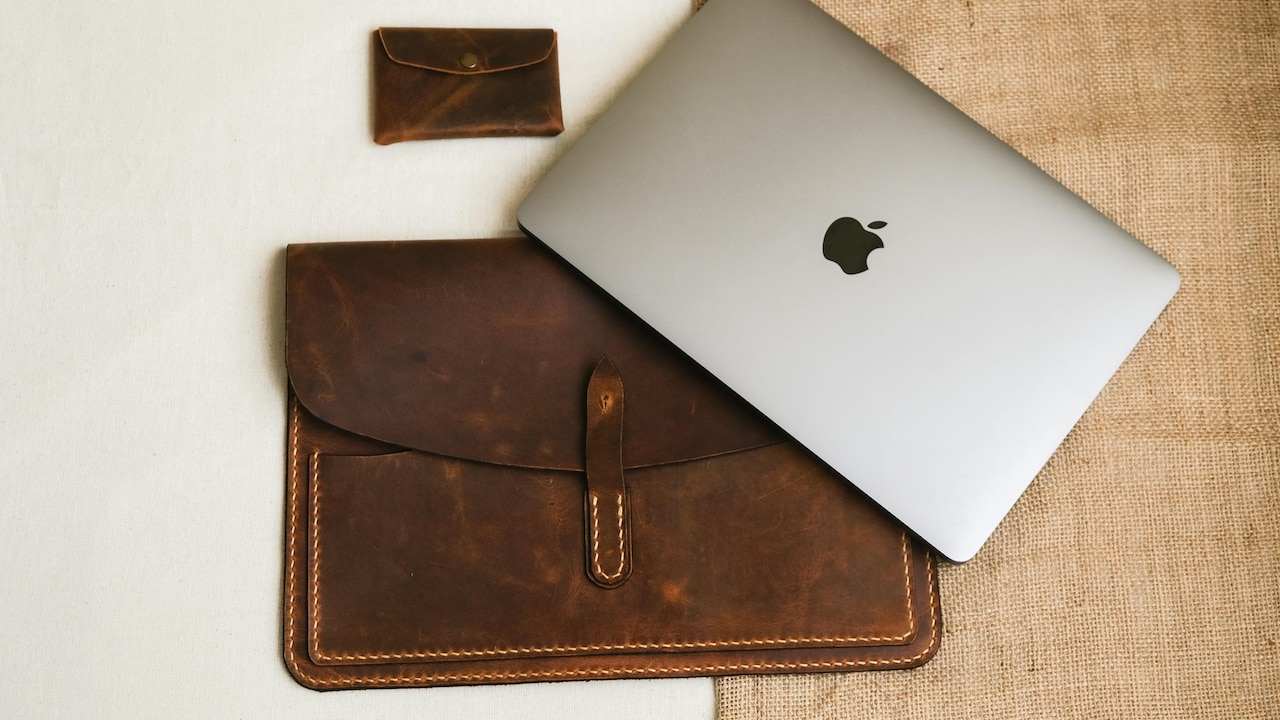
Here are the top red flags that weak laptop bags exhibit and find the one that's actually sturdy.
A laptop bag handle is one of those things most people don't think about until it becomes a problem. The focus usually goes to laptop padding, the number of pockets, or whether the bag “looks premium”. Meanwhile, the laptop bag handle quietly does the hardest job in the whole bag: carrying the full weight, absorbing sudden jerks, and surviving daily chaos.
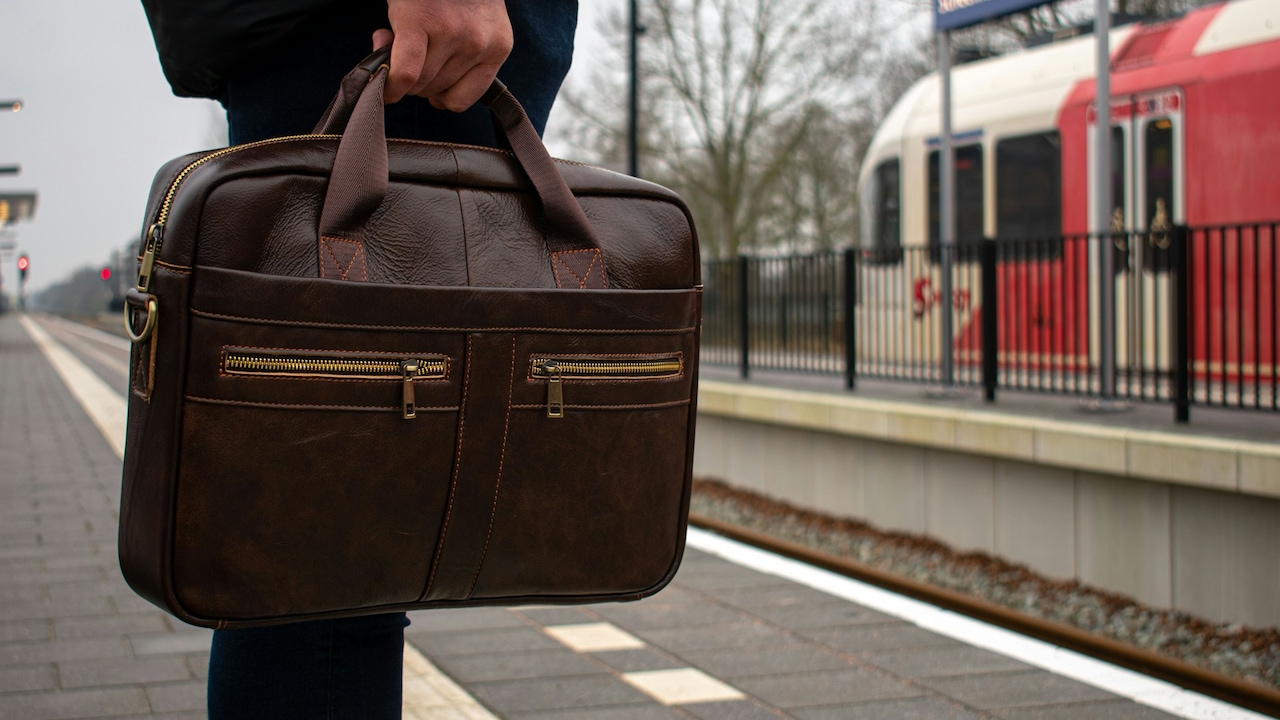
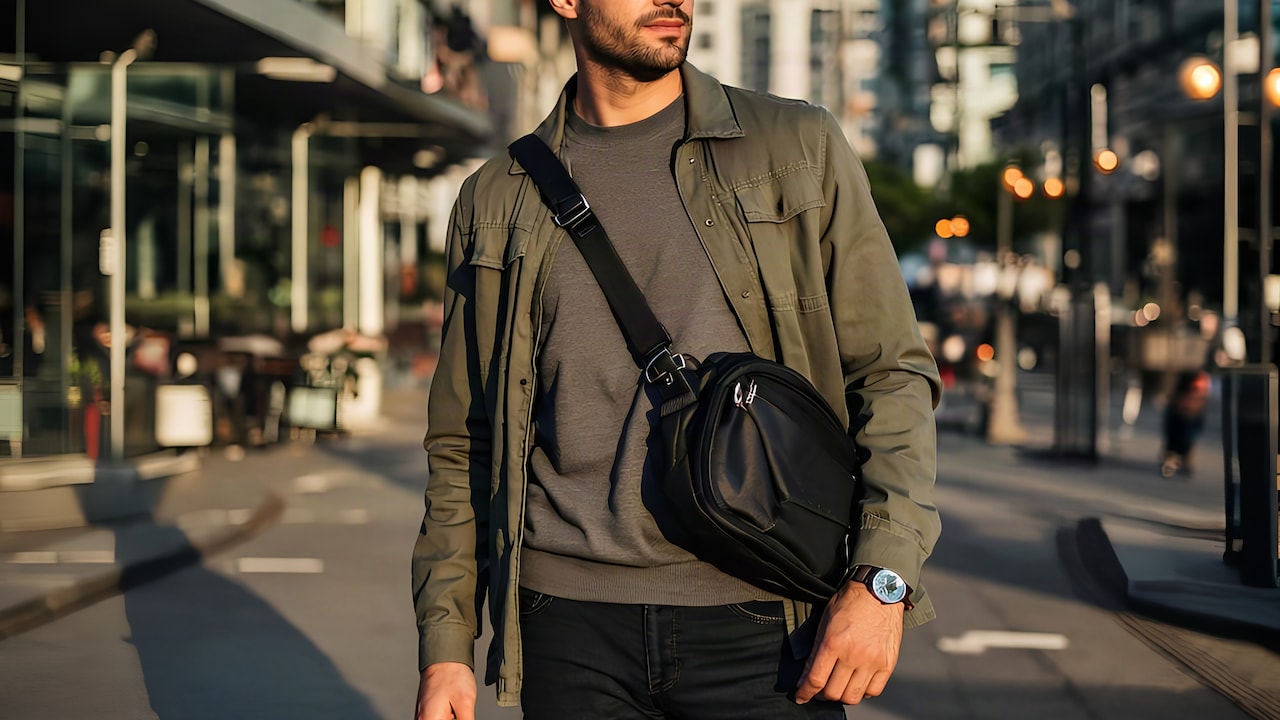
Avoid weak laptop bag handles by considering these features; Photo Credit: Unsplash
Think about it. The bag gets lifted into autos, yanked off office chairs, tugged from under train seats, dragged across rough floors, and occasionally swung like a pendulum when someone's running late. A weak laptop bag handle doesn't fail politely either. It fails dramatically, in front of people, and always at the worst possible time.
The good news? You can spot a weakness early, even without being a bag expert. You just need to know what to look for and what to avoid. Below are the ten biggest red flags that scream “this handle will betray you”.
Also Read: Work Bags That Fit Laptops? Here Are 7 That Will Not Look Bulky
Before You Buy: Check These Handle Warning Signs
1) Thin Straps That Feel Like Shoelaces
A handle should feel confident in your hand. If it feels thin, narrow, or like it belongs on a school tiffin bag, that's the first warning sign. Thin straps concentrate pressure into a small area. That makes them uncomfortable to hold and more likely to stretch, crack, or tear over time.
Many budget laptop bags use a handle that looks fine on a hanger but feels flimsy once you load the bag. Add a laptop, charger, mouse, water bottle, and a notebook, and suddenly the handle starts behaving like it regrets its life choices.
A good handle has a proper width and thickness. It spreads weight across your palm and stays stable when lifted. If the strap bites into your hand within five seconds, it's not designed for real daily use. It's designed for showroom lighting and false confidence. A reliable handle should feel sturdy, not apologetic.
2) Stitching That Looks Sparse Or Uneven
Stitching is the bag's “skeleton”. Weak stitching means weak structure, even if the fabric looks expensive. One of the biggest red flags is sparse stitching: just a couple of lines holding the handle to the bag, as if the brand ran out of thread mid-design.
Uneven stitching is even worse. It shows poor quality control and rushed manufacturing. If the stitch line wobbles, skips, or looks messy near the handle base, the bag will not handle daily lifting.
Handles face constant stress at the attachment points. That area needs reinforced stitching, usually in a box pattern or a tight multi-row design. Some reliable bags also add bartack stitching, those dense little thread blocks that look like a tiny ladder. They exist for a reason.
If the handle looks “lightly attached”, trust your instincts. A laptop bag should not rely on hope and a few threads.
3) No Reinforcement At The Handle Base
The handle base is where strength gets tested. That's the point where the weight transfers from your hand into the bag's body. A bag without reinforcement here is basically a disaster waiting for a crowded commute.
Many weak bags attach the handle directly to the fabric panel. Over time, the fabric stretches. Then it thins. Then it tears. And one day, the handle comes off like a sticker.
A reliable bag reinforces the base with extra layers of material, thicker webbing, or a stitched patch. Some bags hide this reinforcement under the lining, so you won't always see it at first glance. But you can feel it. Press the area where the handle meets the bag. If it feels thin and floppy, that's a red flag.
A strong handle base feels firm. It doesn't crumple like a packet of chips. It feels like it was built for real weight, not just for posing in a product photo.
4) Fake Leather That Peels Or Cracks Quickly
Fake leather handles look stylish for about five minutes. Then reality hits. Heat, sweat, dust, and daily friction cause cheap synthetic leather to peel like old paint. Once it starts peeling, the handle becomes rough, sticky, and honestly, a bit embarrassing.
The bigger problem? Peeling usually exposes weaker inner layers. That reduces strength and makes the handle more likely to split. And when synthetic leather cracks, it doesn't crack neatly. It forms ugly tears that grow every time you lift the bag.
If a handle looks shiny and plastic-like, be cautious. Try bending it gently. If you see tiny lines forming, it will not age well. Reliable bags either use good quality leatherette with strong backing or they use durable webbing with a padded grip.
A handle should age gracefully. It shouldn't start shedding like a stressed-out onion.
5) Foam Padding That Feels Squishy And Collapses
Padded handles feel great in the beginning. Soft, comfortable, “premium”. But not all padding is created equal. Weak laptop bag handles often use cheap foam that collapses quickly. Within weeks, the handle goes flat and loses its shape.
Once the padding collapses, the handle becomes uncomfortable. It also becomes structurally weaker because the inner foam stops supporting the outer layer. The grip starts folding, twisting, and stressing the stitching.
A reliable padded handle feels firm, not squishy. It should spring back after pressure. It should not feel like a sponge. The best handles also have a strong inner strap or webbing running through them, so the padding is only for comfort, not for strength.
If a handle feels like a soft pillow, it might be cosy for your hand, but it's a bad sign for long-term durability. A laptop bag needs resilience, not softness.
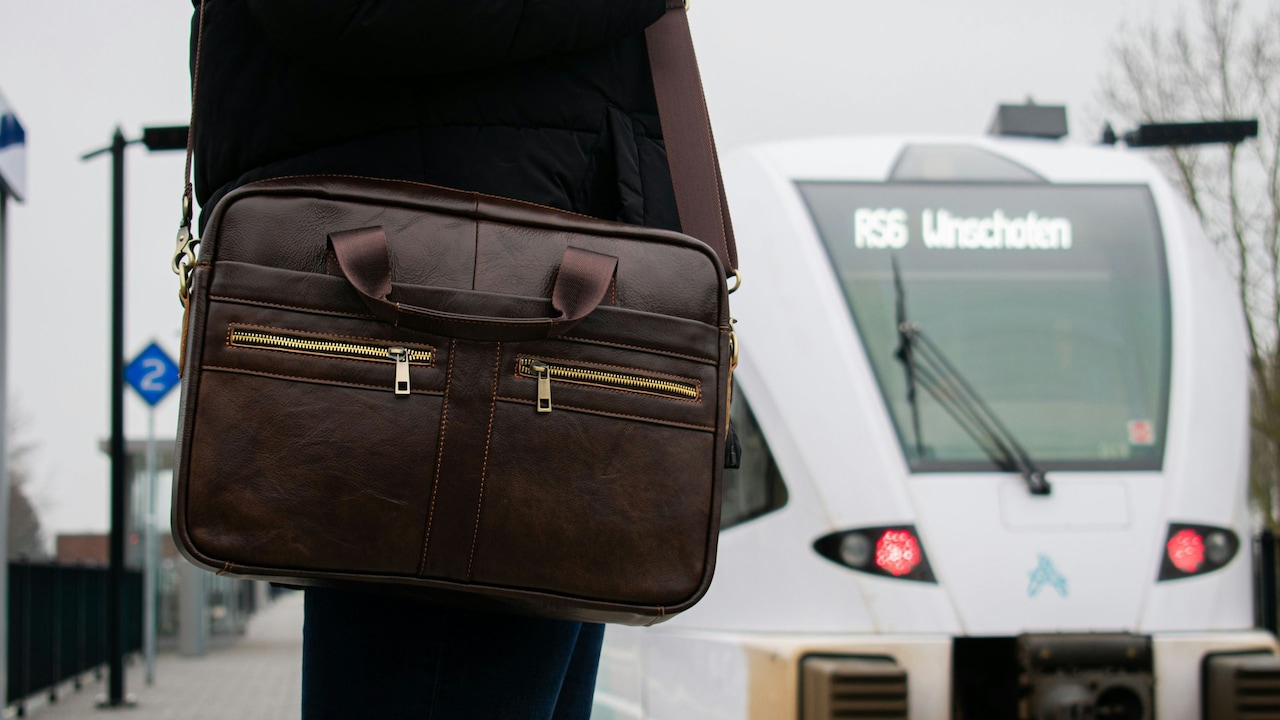
Look for options with soft, padded handle that feels firm but not squishy; Photo Credit: Unsplash
6) Plastic Clips And Rings That Look Lightweight
Some bags use plastic rings, clips, or connectors near the handle area, especially in convertible designs. Cheap plastic hardware is a classic weak point. It looks fine until it faces real weight and real movement.
Plastic becomes brittle over time, especially in heat. A few months of sun exposure while commuting, and the hardware loses strength. Then one day, a clip cracks when you lift the bag in a hurry. And suddenly your laptop bag becomes a gravity experiment.
Metal hardware is usually safer, but even metal can be low quality. The trick is to check the thickness and finish. If the ring looks thin, hollow, or poorly moulded, avoid it. If the clip squeaks, flexes, or feels toy-like, it won't last.
Reliable bags use solid metal rings or high-grade reinforced plastic that feels dense. Your laptop deserves better than bargain hardware.
7) Handle Attachment That Pulls Up When Tugged
A simple test reveals a lot: hold the bag and gently tug the handle upwards. A weak handle attachment will lift and separate slightly from the bag body. You'll see the fabric puckering or hear a faint creak. That's your warning.
Handles should feel integrated into the bag, not pasted onto it. If the attachment point moves too much, it means the stitching and reinforcement are not strong enough. That movement will increase with time, and the gap will grow.
This matters more than people realise. Daily use includes sudden jerks: pulling the bag from under a seat, lifting it onto a scooter, or grabbing it quickly when the cab arrives. Those moments put a shock load on the handle. Weak attachments fail under shock.
A reliable handle stays stable. It doesn't wiggle like it's trying to escape. When you tug it, it should respond with calm confidence.
8) A Handle That Twists Or Rolls In The Hand
A good handle stays flat and stable. A weak one twists, rolls, and turns into a rope the moment you lift the bag. That twisting is not just annoying. It's a sign of poor internal structure.
Handles twist when they lack proper inner support, such as a strong webbing core. Without that core, the handle relies on outer fabric alone. Fabric stretches and deforms, especially under weight. That leads to rolling, which then stresses the stitching unevenly.
Twisting also makes carrying uncomfortable. Your grip keeps adjusting, your fingers tense up, and after a few minutes, you start switching hands like you're carrying a heavy vegetable bag from the market.
Reliable handles have a firm shape. They don't roll. They don't fold. They sit naturally in your palm and stay aligned. The bag should feel like it's cooperating, not fighting you.
9) Overly Decorative Handles With Too Many Seams
Some laptop bags treat handles like fashion accessories. You'll see extra seams, layered panels, fancy piping, and decorative cuts. It looks stylish, but it often creates weak points.
Every seam is a potential failure line. The more seams a handle has, the more chances for tearing, splitting, or stitch breakdown. Decorative stitching is often not load-bearing. It's there to look good, not to hold weight.
Also, multiple layers can hide poor materials. A handle might look thick because it has extra coverings, but inside it may still be weak foam and thin webbing. That's like wearing three jackets in summer and calling it armour.
Reliable handles prioritise function. They look clean and simple. They use fewer seams, stronger materials, and proper reinforcement. A handle doesn't need drama. It needs strength. If it looks like it belongs on a runway more than a commute, think twice.
10) A Bag That Feels Too Light For Its Size
This one surprises people. A super-light laptop bag feels convenient, but sometimes it's light because it uses thin materials everywhere, including the handle. If a bag feels suspiciously weightless, it might be cutting corners.
A reliable laptop bag needs some structural density. Strong webbing, reinforced base panels, and quality padding add weight. Not a lot, but enough to feel solid. A bag that feels like it could float away in a strong breeze might not survive daily wear.
This matters especially for handles. If the entire bag body lacks strength, the handle attachment points will tear more easily. Even a decent handle can fail if the surrounding fabric is weak.
A good bag feels balanced. It's not heavy for no reason, but it doesn't feel flimsy either. Think of it like a sturdy lunchbox. You want it dependable, not delicate.
Products Related To This Article
1. Urban Jungle Gateway Workpack, 30Ltrs Water Resistant
2. MOKOBARA The Transit Briefcase Vegan Leather & Nylon 15L Laptop Crossbody Messenger Bag
3. SWISS MILITARY 30L Unisex Laptop Travel Backpack for 15.6-Inch Laptops
4. uppercase 14L Omega 03 Professional Laptop Messenger Bag
5. Prime Laptop Bags for Men Office Use
6. FATMUG Laptop Messenger Bag For Men
7. KARRIER Professional Laptop Backpack
A laptop bag handle seems like a small detail, but it decides whether your daily routine stays smooth or turns into a public stress scene. Weak handles don't just cause inconvenience. They risk expensive damage, awkward moments, and the kind of frustration that ruins a morning before it even starts.
The best part? You don't need expert knowledge to avoid bad handles. Pay attention to thickness, stitching, reinforcement, material quality, and stability. Trust what your hand tells you when you lift the bag. A reliable handle feels secure and well-built, not soft, twisty, or suspiciously fragile.
A laptop bag should feel like a dependable sidekick. It should survive crowded commutes, long office days, sudden travel plans, and the occasional sprint to catch a train. Choose one with a handle that can handle real life, because your laptop definitely can't afford a dramatic fall.
(Disclaimer: This article may include references to or features of products and services made available through affiliate marketing campaigns. NDTV Convergence Limited (“NDTV”) strives to maintain editorial independence while participating in such campaigns. NDTV does not assume responsibility for the performance or claims of any featured products or services.)