How To Layer Dresses In Winter Without Looking Heavy: Dos And Don'ts
Winter layering doesnt have to look bulky. Learn smart dos and don'ts to style dresses in cold weather using clean proportions, light fabrics, and practical layering tricks that keep outfits warm yet polished.
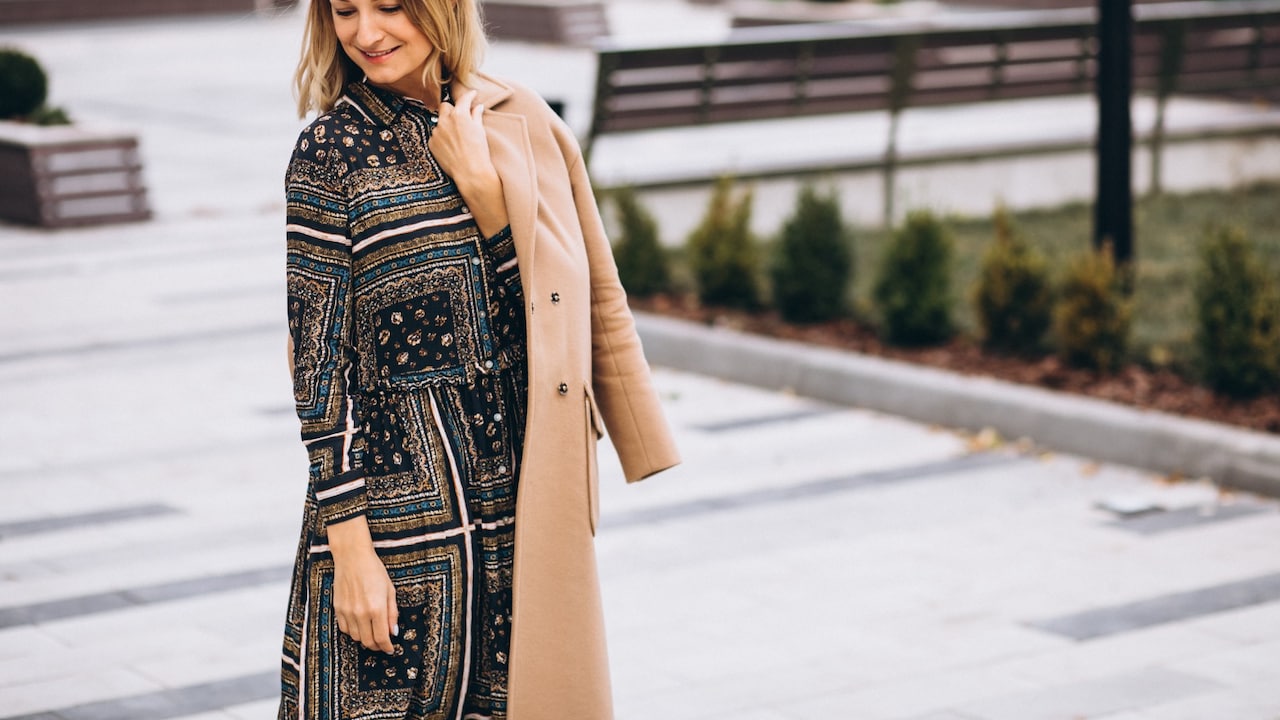
Layering Dresses In Winter: Simple Dos And Donts For A Light, Stylish Look.
Winter arrives with chilly mornings, foggy commutes, and that familiar urge to reach for extra layers. Dresses often get pushed to the back of the wardrobe, replaced by bulky knits and heavy coats. That choice feels safe but dull. Dresses deserve a place in winter wardrobes, and layering allows that without sacrificing warmth.
The trick lies in thoughtful styling. Layering does not mean piling on clothes. It means choosing the right pieces, balancing textures, and keeping proportions sharp. Done well, layered dresses look polished, modern, and surprisingly light. This guide focuses on practical dos and don'ts that work for real weather, real bodies, and real routines. No runway drama, no complicated hacks. Just smart styling that keeps warmth in and heaviness out.
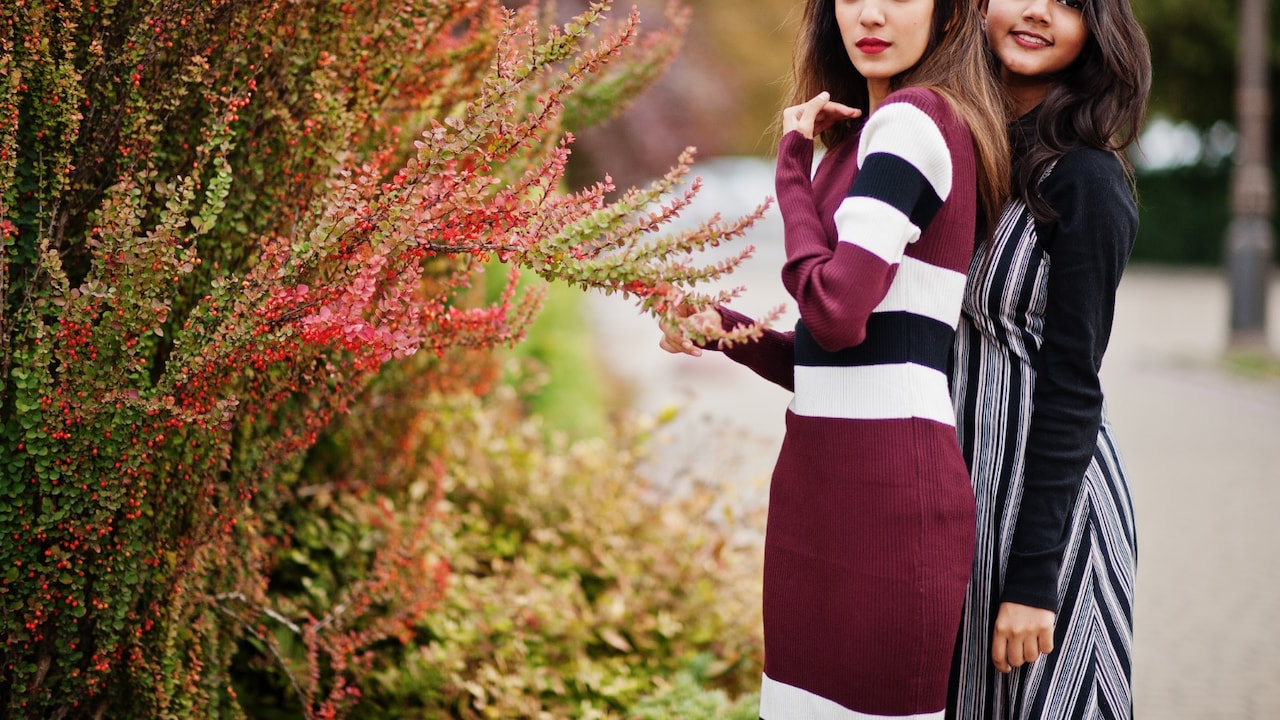
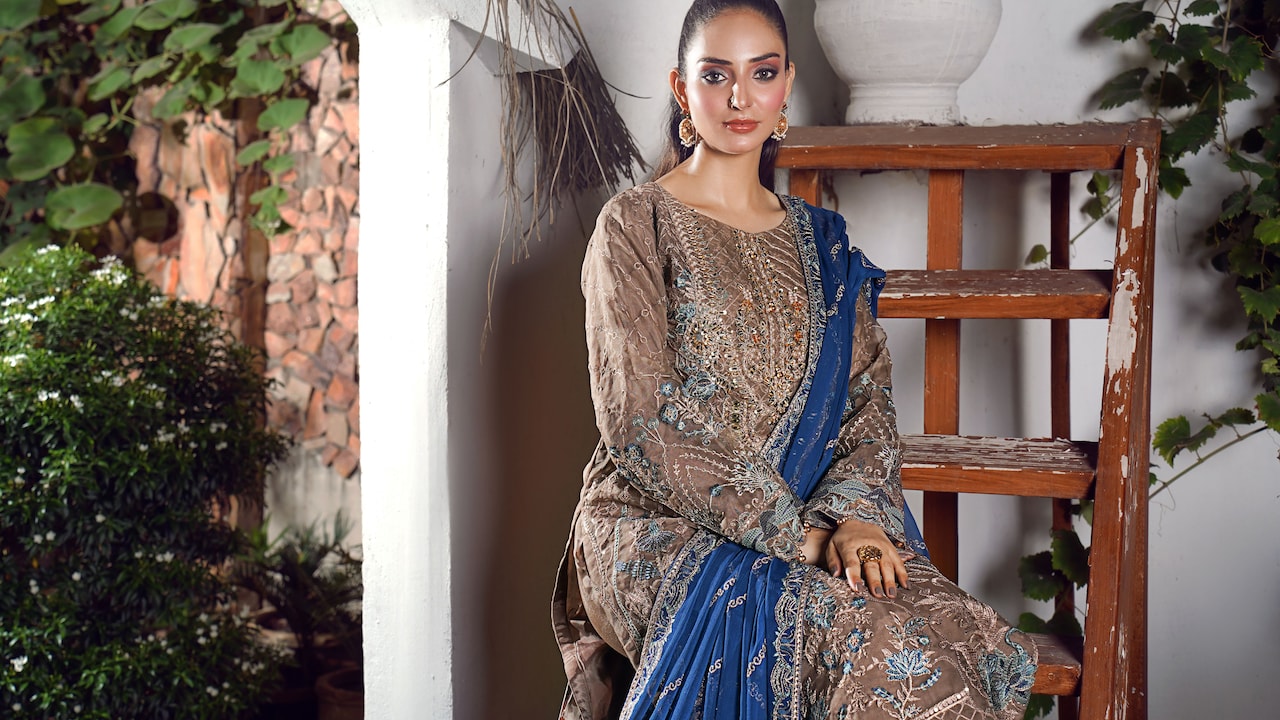
Layering Dresses In Winter: Simple Dos And Dont's For A Light, Stylish Look.; Photo Credit: Pexels
Layering Dresses In Winter: What to Do, What To Avoid
1. Do Start With the Right Fabric Base
Winter layering begins with what touches the skin. Lightweight, breathable fabrics create a smooth base and prevent bulk from building up later. Cotton jersey, fine wool blends, modal, and thermal knits work well under dresses. These fabrics trap warmth without adding volume.
Avoid thick, stiff materials as a base layer. Heavy fabrics restrict movement and make dresses sit awkwardly. A slim-fit thermal top under a sleeveless or short-sleeved dress adds warmth while keeping the silhouette clean.
Neutral colours help too. Black, beige, and soft greys blend easily and disappear under outer layers. This approach keeps the focus on the dress rather than the layers beneath.
Think of base layers as invisible helpers. When chosen well, they add comfort without stealing attention. The result feels effortless, even on the coldest days.
2. Don't Ignore Proportion and Length
Proportion plays a huge role in winter layering. Mixing the wrong lengths creates a boxy look that feels heavy. A long dress paired with a cropped jacket keeps the outfit balanced. A shorter dress works better with a longer coat or cardigan.
Avoid layering pieces that end at the widest part of the body. Jackets that stop at the hips often add unnecessary bulk. Instead, opt for mid-thigh or knee-length layers that elongate the frame.
Vertical lines help, too. Open-front coats, long scarves worn loose, and straight-cut layers draw the eye up and down. This simple trick creates a leaner appearance without effort.
Good proportion turns layering into a style statement rather than a winter necessity.
Also Read: Decoding Winter Layering: How To Layer Winter Clothes Without Looking Bulky
3. Do Use Belts to Define Shape
Winter layers often hide natural curves. A belt brings them back. Adding a belt over a dress and cardigan or coat instantly defines the waist and breaks visual heaviness.
Slim belts work well for everyday wear. Wider belts suit structured dresses and festive looks. Leather, suede, or fabric belts each create a different mood.
Avoid overly tight belts. Comfort matters, especially in winter when layers already feel snug. A gently cinched waist looks polished and feels easy.
Belting also allows creative styling. The same dress looks new when belted high one day and low the next. This small detail makes layering feel intentional rather than accidental.
4. Don't Overdo Chunky Knits
Chunky knits feel tempting in winter. They promise warmth and comfort. The problem arises when they overpower the dress underneath. Thick sweaters layered over dresses often add unnecessary volume.
Choose fine-gauge knits instead. These provide warmth while keeping the outfit streamlined. A slim turtleneck under a slip dress works better than a bulky jumper on top.
If chunky knits feel irresistible, balance them carefully. Pair with a fitted dress and structured footwear. Keep other layers minimal.
Winter style thrives on contrast. Soft with structure. Thick with thin. When chunky knits stay controlled, the outfit feels cosy, not clumsy.
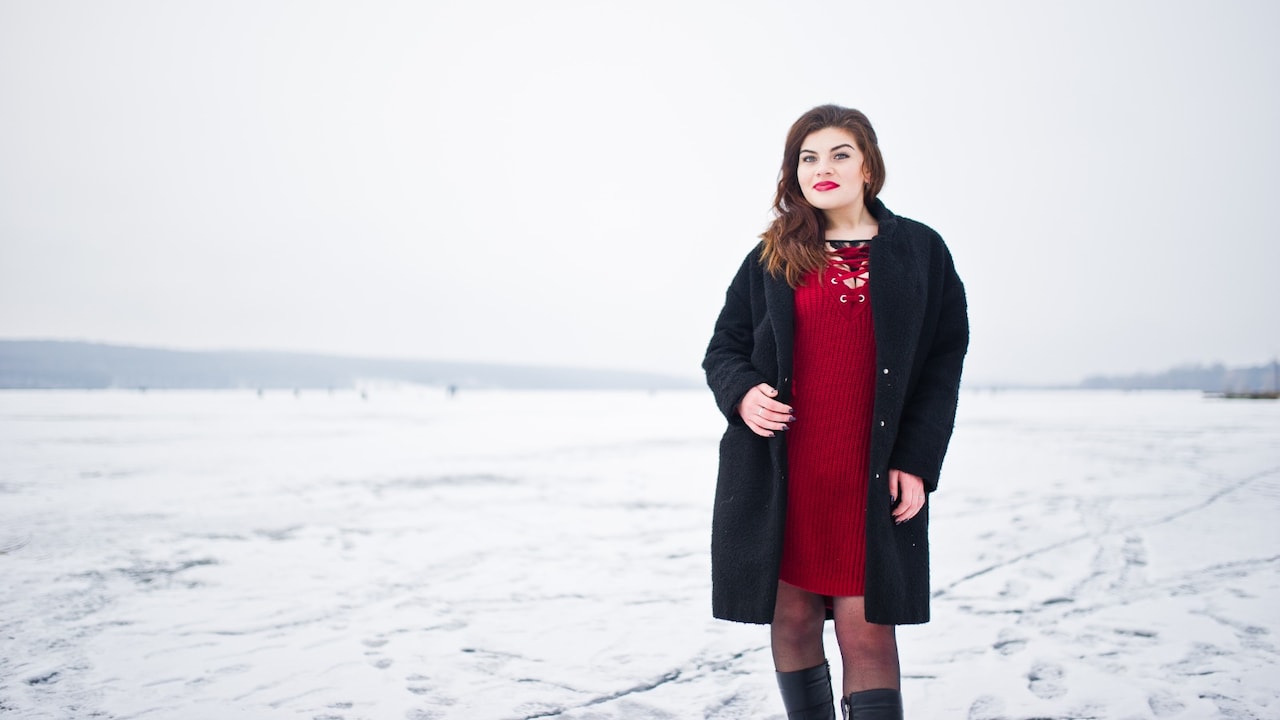
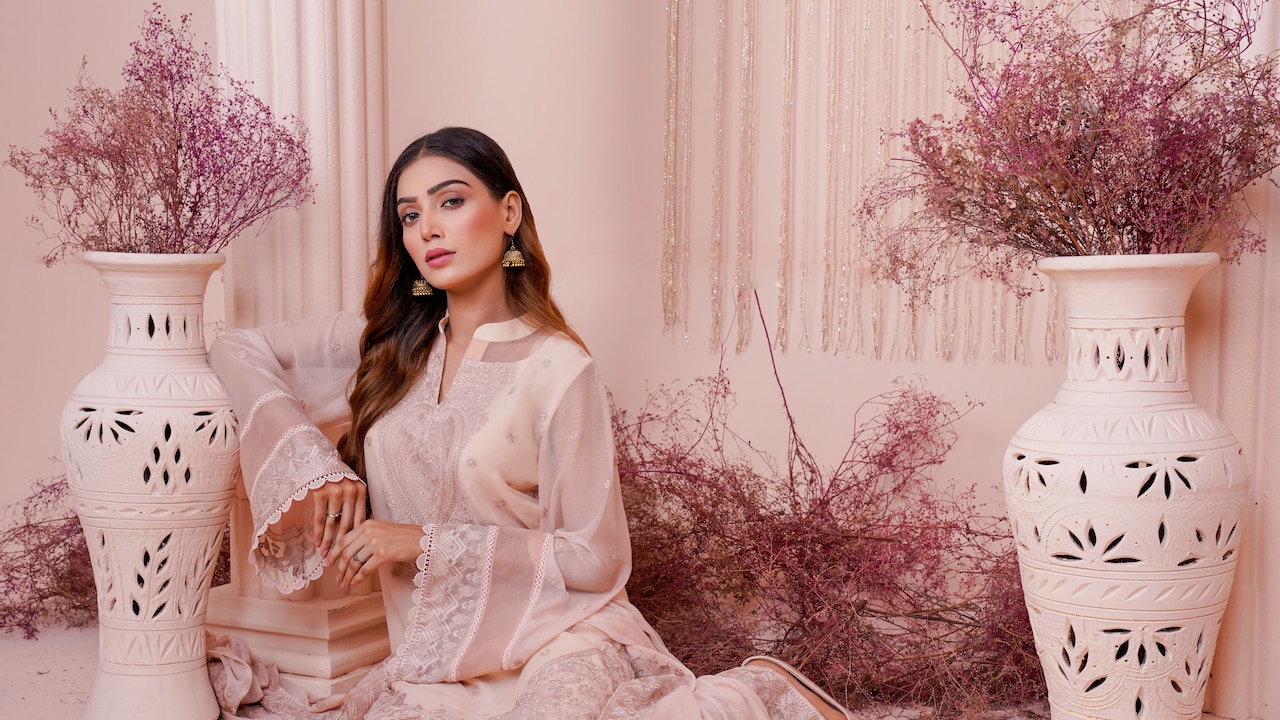
Layering Dresses In Winter: Simple Dos And Dont's For A Light, Stylish Look.; Photo Credit: Pexels
5. Do Layer With Structured Outerwear
Outerwear defines the final look. Structured coats elevate layered dresses instantly. Think tailored wool coats, belted trench styles, or clean-cut long jackets.
Avoid overly padded or shapeless coats unless warmth demands it. Even then, choose designs with seams, belts, or defined shoulders. Structure keeps the outfit sharp.
Neutral outerwear offers versatility. Camel, charcoal, navy, and black pair easily with most dresses. Bold colours work too but suit simpler inner layers.
A well-chosen coat ties everything together. It acts as armour against the cold while keeping the style polished and light.
6. Don't Forget Footwear Balance
Footwear anchors winter outfits. Heavy shoes can drag the entire look down. Sleek boots balance layered dresses beautifully.
Ankle boots with a slight heel elongate the legs. Knee-high boots pair well with midi dresses and add warmth without bulk. Avoid overly chunky soles unless the dress remains simple.
Tights matter too. Opaque tights slim the legs and create a smooth line. Match them closely to the boots for a seamless effect.
The right footwear keeps winter dressing practical and stylish. It completes the look without shouting for attention.
7. Do Play With Textures, Not Volume
Texture adds interest without weight. Mixing fabrics like wool, silk, denim, and leather creates depth. A soft knit over a flowy dress feels rich and layered without bulk.
Avoid stacking similar thick textures. Too much wool or fleece looks heavy fast. Balance soft with smooth, matte with slight sheen.
Accessories help here. Scarves, gloves, and bags add texture in small doses. Choose finer weaves over oversized styles.
Texture tells a story. It adds warmth visually while keeping the outfit light and wearable.
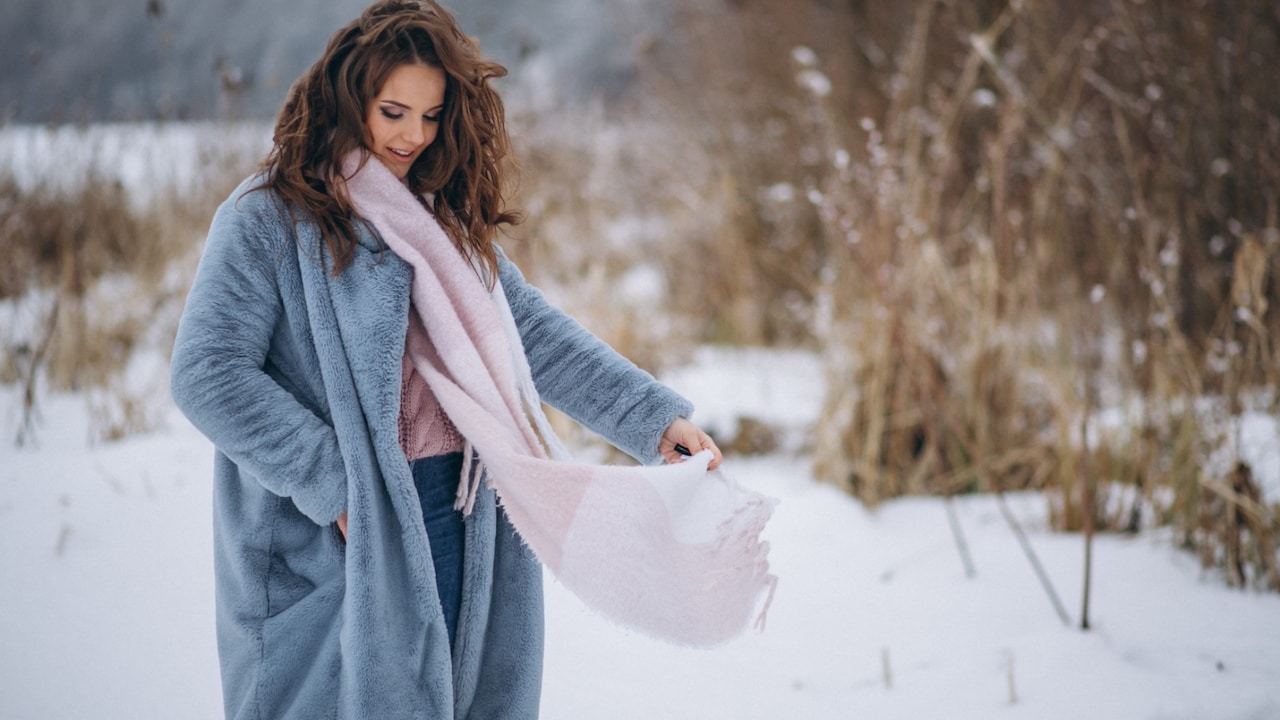
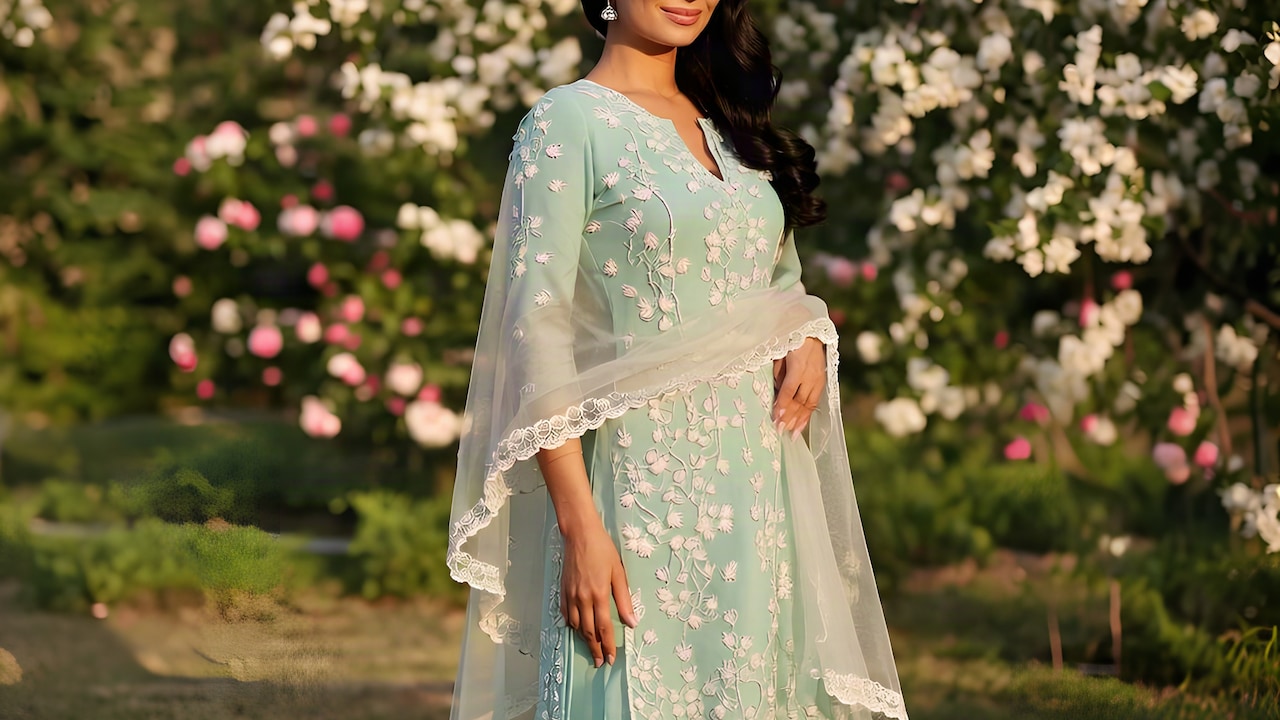
Layering Dresses In Winter: Simple Dos And Dont's For A Light, Stylish Look.; Photo Credit: Pexels
8. Don't Layer Too Many Colours
Colour discipline keeps winter layering elegant. Too many shades create visual clutter. Stick to two or three colours per outfit.
Monochrome looks work brilliantly in winter. Different shades of the same colour add depth without confusion. Beige, grey, and black combinations feel timeless.
Add colour through accessories if needed. A scarf or bag in a warm tone brightens the look without overwhelming it.
Controlled colour choices make layering look deliberate and stylish rather than chaotic.
9. Do Choose Dresses With Winter-Friendly Cuts
Not all dresses layer well. Straight cuts, wrap styles, and A-line silhouettes work best in winter. They allow layers underneath without clinging.
Avoid overly fitted dresses unless layering remains minimal. Stretch fabrics help, but still require careful pairing.
Midi lengths offer versatility. They work with boots, tights, and multiple layers. Maxi dresses suit taller frames and pair well with long coats.
Choosing the right dress simplifies layering. It sets the foundation for a balanced winter outfit.
10. Don't Neglect Comfort and Movement
Style matters, but comfort keeps confidence high. Restricted movement ruins even the best outfit. Ensure layers allow easy walking, sitting, and commuting.
Breathable fabrics prevent overheating indoors. Adjustable layers help adapt to changing temperatures. Cardigans, wraps, and open coats offer flexibility.
Avoid stiff combinations that feel heavy by midday. Light layers worn smartly feel warmer than expected.
Comfort shows. When clothes feel right, the look feels effortless. Winter dressing becomes enjoyable rather than exhausting.
Products Related To This Article
1. Tamina Checked A-Line Maxi Dress
2. Claura Women Floral Printed A-Line Midi Dress
3. all about you Green A-Line Dress
4. Sangria Ethnic Motifs Embroidered Wrap-Style Ethnic Dress
5. Berrylush Floral Printed V-Neck Flutter Sleeves Tie-Ups Midi Wrap Dress
6. PURVAJA Square Neck Sleeveless A-Line Midi Dress
7. Varanga Rust Alia Cut Puff Sleeve A-line Midi Dress
Layering dresses in winter does not require sacrificing style for warmth. With smart fabric choices, balanced proportions, and thoughtful details, dresses stay relevant all season. The key lies in restraint and intention. Each layer should serve a purpose.
Winter style thrives on simplicity done well. A well-layered dress feels cosy, polished, and surprisingly light. It moves easily from morning errands to evening plans without fuss.
With these dos and don'ts in mind, winter dressing becomes less about hiding under layers and more about celebrating them. Dresses earn their place in the cold-weather wardrobe, proving that warmth and style can coexist beautifully.
(Disclaimer: This article may include references to or features of products and services made available through affiliate marketing campaigns. NDTV Convergence Limited (“NDTV”) strives to maintain editorial independence while participating in such campaigns. NDTV does not assume responsibility for the performance or claims of any featured products or services.)