How To Layer Shrugs In Summer Without Looking Bulky: Fabric Secrets You Need To Know
Shrugs can elevate summer outfits, but the wrong fabric adds heat and bulk. Here’s what clothing labels don’t reveal, and how to layer light, breathable shrugs without compromising comfort or style.

Summer Layering Guide: How To Wear Shrugs Without Bulk Or Heat
Summer dressing often revolves around minimalism. Light kurtas, airy dresses, and breathable fabrics take centre stage as the heat intensifies. Yet, shrugs continue to hold their charm. They add movement, polish, and a hint of drama to even the simplest outfit. The challenge, however, lies in wearing them without turning a breezy look into something heavy and uncomfortable.
Fabric listings on clothing tags might sound reassuring, cotton, rayon, linen, but they rarely tell the full story. Texture, weave, weight, and finish matter just as much as the fibre itself. A shrug that looks light on the hanger can feel suffocating within minutes outdoors.
This article explores the subtle details that fabric labels skip. It breaks down how to layer shrugs in summer while staying cool, comfortable, and effortlessly stylish. Think of it as decoding the hidden language of fabrics, one that helps build outfits that feel as good as they look.
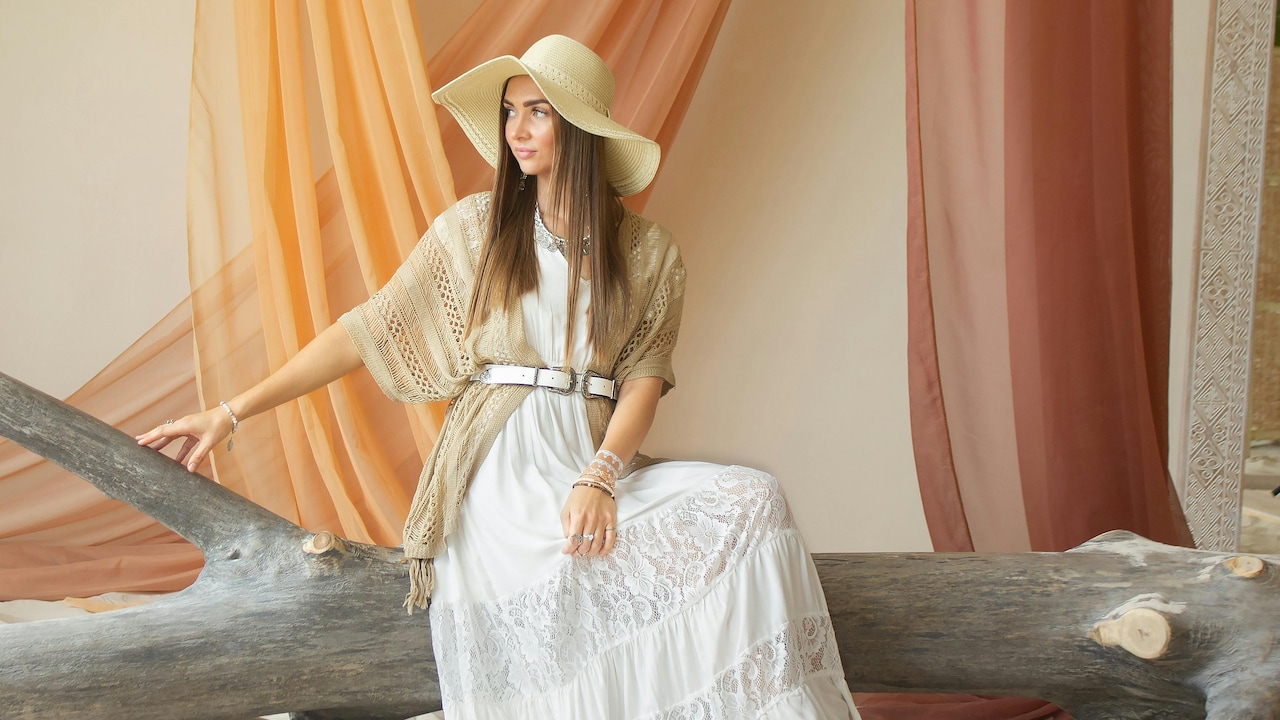
Summer Layering Guide: How To Wear Shrugs Without Bulk Or Heat; Photo Credit: Pexels
What Fabric Labels Don't Tell You About Summer Layering
Understanding Fabric Weight Beyond Labels
Fabric labels often create a false sense of certainty. Seeing “cotton” or “linen” instantly signals breathability, yet the weight of the fabric can change everything. A thick cotton shrug can trap heat just as easily as a synthetic blend. The secret lies in how densely the fabric is woven.
Lightweight fabrics allow air to circulate, which keeps the body cool. Heavier weaves, even in natural fibres, restrict airflow and create that dreaded sticky feeling during humid afternoons. A shrug that feels feather-light when lifted is usually a safer bet than one that holds structure.
Shoppers often overlook GSM, or grams per square metre, which indicates fabric weight. While not always mentioned, a quick touch test in-store can reveal a lot. If the fabric feels dense or slightly stiff, it might not belong in a summer wardrobe.
Choosing lighter fabrics transforms layering into a comfortable experience rather than a sweaty compromise. It ensures the shrug complements the outfit instead of overwhelming it.
The Myth Of ‘Breathable' Fabrics
The word “breathable” appears frequently on clothing tags and online descriptions. Yet, not all breathable fabrics behave the same way in real conditions. Rayon, for instance, feels soft and light but can cling uncomfortably in humid weather. Similarly, polyester blends often claim breathability while trapping heat beneath the surface.
True breathability depends on both fibre and structure. Natural fibres like cotton and linen allow moisture to evaporate more easily, but only when woven loosely. A tightly woven cotton shrug can feel just as suffocating as synthetic alternatives.
Humidity adds another layer of complexity. Fabrics that perform well in dry climates may struggle in coastal cities where moisture hangs heavily in the air. That's where texture becomes important. Slightly textured fabrics create tiny air pockets, improving ventilation.
Understanding this nuance helps avoid common wardrobe regrets. Breathable doesn't always mean comfortable, and relying solely on labels can lead to disappointing choices.
Also Read: 7 Best Women's Shrugs To Layer Over Dresses, Tees, And Kurtas For Instant Sophistication
Why Sheer Doesn't Always Mean Cooler
Sheer fabrics often look like the perfect summer solution. They appear light, airy, and effortlessly stylish. However, sheer doesn't always translate to comfort. Some sheer materials, especially synthetics, trap heat despite their translucent appearance.
The key lies in the type of fibre. A sheer cotton or chiffon shrug allows airflow, while a sheer polyester piece can feel surprisingly warm. The finish of the fabric also matters. Smooth, glossy sheers tend to cling, reducing ventilation.
Layering sheer shrugs requires balance. Pairing them with equally light inner layers prevents overheating. A breathable camisole or a sleeveless kurta works better than heavier garments underneath.
Sheer shrugs excel in adding visual depth without bulk, but comfort depends on thoughtful pairing. Choosing wisely ensures they enhance the outfit instead of becoming a source of discomfort.
The Role Of Fit In Preventing Bulk
Fit plays a crucial role in how a shrug feels during summer. An oversized shrug might seem like a good idea for airflow, but too much fabric can create unnecessary volume and trap heat. On the other hand, a tight fit restricts movement and sticks to the skin.
The ideal fit strikes a balance between structure and ease. Slightly relaxed silhouettes allow air to circulate while maintaining a clean, streamlined look. Cropped or waist-length shrugs often work better in summer, as they reduce fabric coverage without compromising style.
Sleeve design also matters. Loose, flowy sleeves enhance ventilation, while fitted sleeves can feel restrictive in warm weather. Three-quarter sleeves often provide the best of both worlds.
Choosing the right fit transforms layering into a practical styling choice rather than a burden. It ensures comfort without sacrificing aesthetics.
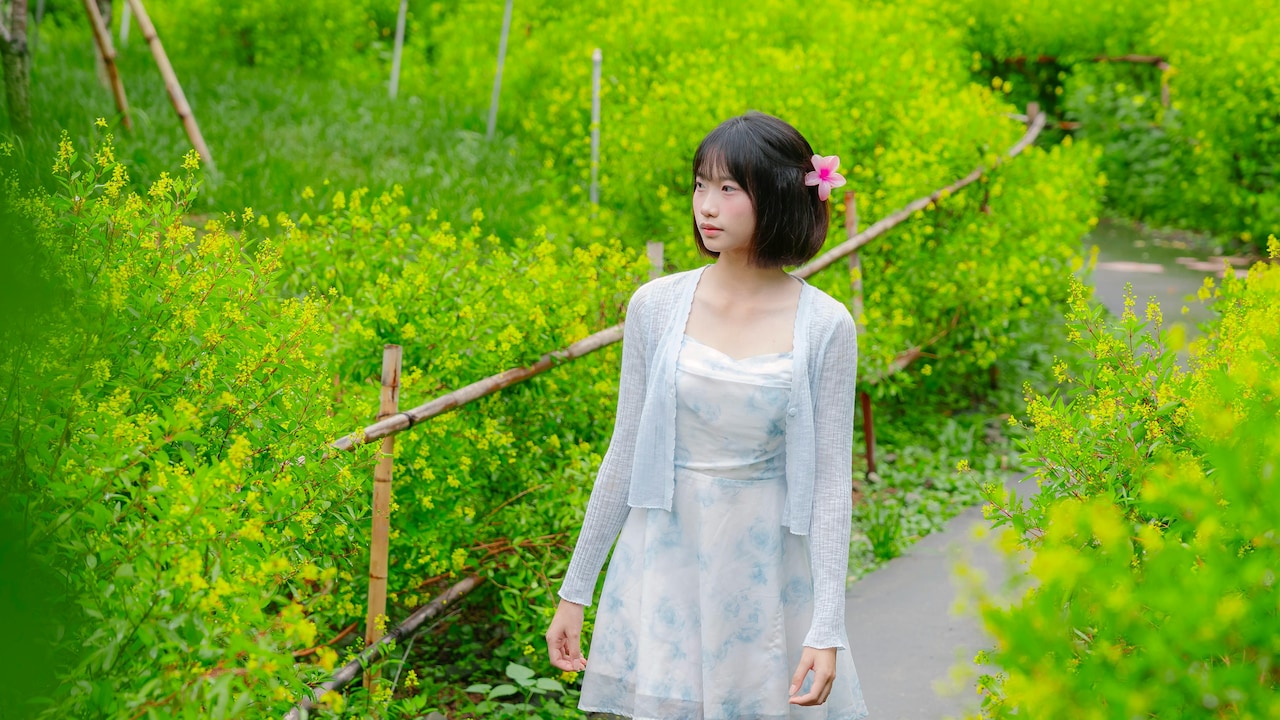
Summer Layering Guide: How To Wear Shrugs Without Bulk Or Heat; Photo Credit: Pexels
Colour Choices That Affect Perception And Heat
Colour influences both how an outfit looks and how it feels. Dark shades absorb heat, making them less suitable for peak summer hours. Light colours reflect sunlight and help maintain a cooler body temperature.
However, colour also affects visual bulk. Dark colours can create a slimming effect, while lighter shades may add visual volume. The trick lies in balancing these aspects. Opting for pastel or muted tones offers a middle ground, cooling without appearing overly bulky.
Patterns can also impact perception. Vertical prints elongate the frame, while large, bold patterns can add visual weight. Subtle prints or minimal designs work best for summer layering.
Colour choices go beyond aesthetics. They influence comfort, mood, and overall styling. Selecting the right palette ensures the shrug enhances the outfit without adding unnecessary heaviness.
Fabric Blends: The Hidden Game Changer
Fabric blends often get overlooked, yet they can make or break a summer outfit. A cotton-polyester blend, for example, might offer durability but compromise breathability. On the other hand, blends like cotton-linen combine the strengths of both fibres.
Understanding blends helps decode fabric behaviour. A small percentage of synthetic fibre can improve wrinkle resistance without significantly affecting comfort. However, higher synthetic content often leads to heat retention.
Blends also affect drape. A well-balanced blend can create a fluid silhouette that doesn't cling or feel stiff. This enhances both comfort and visual appeal.
Paying attention to fabric composition allows for smarter choices. It ensures the shrug performs well in real-world conditions rather than just looking good on paper.
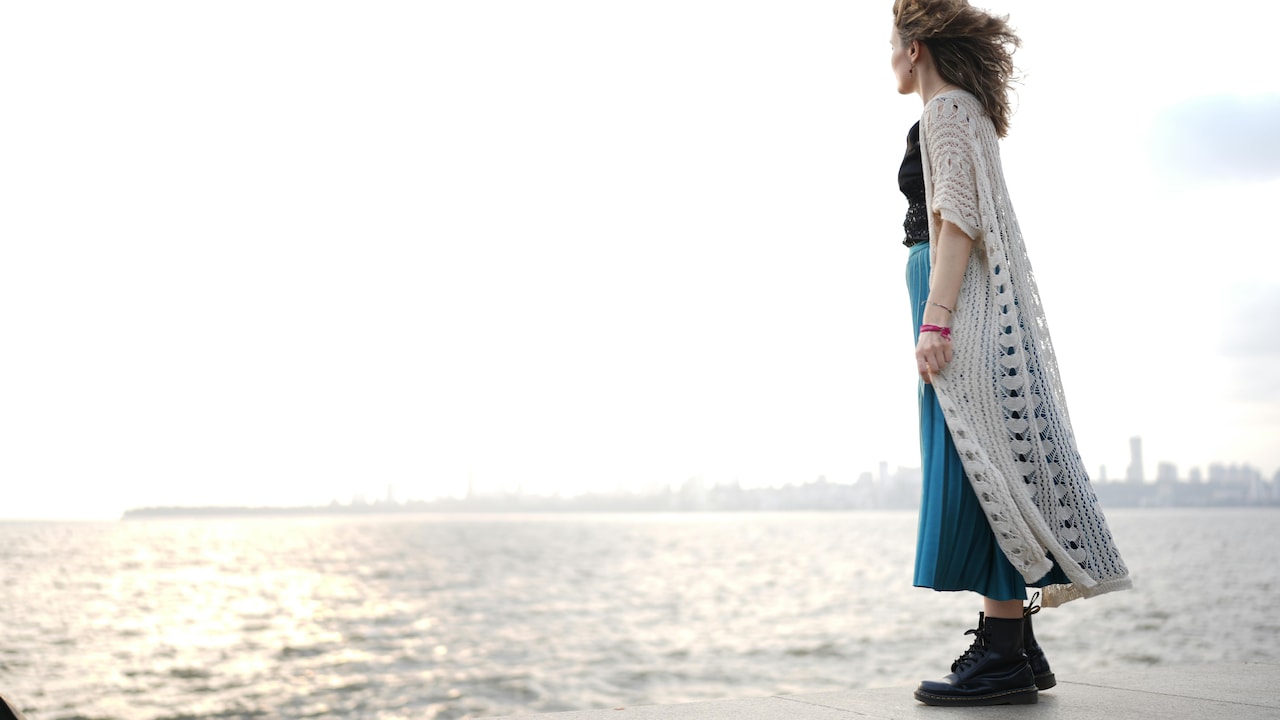
Summer Layering Guide: How To Wear Shrugs Without Bulk Or Heat; Photo Credit: Pexels
Texture And Surface Finish Matter More Than You Think
Texture plays a subtle yet significant role in summer comfort. Smooth fabrics tend to stick to the skin, especially in humid conditions. Textured fabrics, on the other hand, create small gaps that allow air to circulate.
Slub cotton, crinkled fabrics, and lightly textured weaves feel more comfortable during hot days. They prevent the fabric from clinging and improve overall breathability. Surface finishes like mercerisation can also affect how a fabric behaves.
A shrug with a slightly rough or uneven texture might feel more comfortable than a perfectly smooth one. It adds dimension without increasing weight.
Texture often goes unnoticed during shopping, yet it makes a noticeable difference in daily wear. Choosing the right texture ensures comfort remains a priority.
Length And Layering Balance
The length of a shrug can significantly impact how it feels in summer. Long, floor-length shrugs create a dramatic look but can feel heavy and restrictive in warm weather. Shorter lengths offer better mobility and comfort.
Balancing layers becomes easier with the right length. A knee-length shrug paired with a light dress creates a cohesive look without overwhelming the outfit. Cropped shrugs work well with high-waisted bottoms, adding structure without excess fabric.
Layering should enhance movement rather than hinder it. Choosing appropriate lengths ensures the outfit remains functional and stylish.
Length also affects airflow. Shorter shrugs allow more ventilation, making them ideal for hot days. Finding the right balance ensures comfort and elegance go hand in hand.
Humidity, Sweat, And Real-Life Comfort
Summer isn't just about heat; humidity plays an equally important role. Fabrics that feel comfortable in air-conditioned spaces may behave differently outdoors. Sweat absorption and quick drying become crucial factors.
Natural fibres like cotton absorb moisture but may take longer to dry. Linen dries faster but can wrinkle easily. Blends can offer a compromise, balancing absorption and drying time.
Real-life comfort depends on how the fabric handles sweat. A shrug that dries quickly prevents that sticky, uncomfortable feeling. It also maintains a fresher appearance throughout the day.
Understanding these practical aspects helps build a wardrobe that works beyond controlled environments. It ensures comfort remains consistent, whether indoors or outdoors.
Styling Tricks To Keep Things Light And Effortless
Styling plays a vital role in preventing bulk. Pairing a lightweight shrug with equally light inner layers creates harmony. Heavy combinations often lead to discomfort and an unbalanced look.
Open-front shrugs work better in summer as they allow airflow. Cinching or tying them can add structure without adding weight. Accessories should remain minimal to avoid clutter.
Footwear and overall styling also influence how the outfit feels. Light sandals or flats complement summer layering better than heavy shoes. Keeping the overall look simple enhances comfort and elegance.
Styling isn't just about appearance. It affects how the outfit performs throughout the day. Thoughtful combinations ensure layering remains practical and enjoyable.
Products Related To This Article
1. mod & shy Women Longline Shrug
2. PURYS Abstract Printed Tasselled Longline Shrug
3. SZN Self Design V-Neck Front Open Sheer Cotton Shrug
4. SUBAGI FASHION Floral Printed Gathers Longline Cotton Shrug
5. GLITO Women Open Front Mandarin Collar Shrug
Layering shrugs in summer doesn't have to feel like a compromise. The key lies in understanding what fabric labels leave unsaid. Weight, weave, texture, and fit all play crucial roles in determining comfort.
A well-chosen shrug can elevate a simple outfit while keeping it light and breathable. It requires a shift in approach, from relying on labels to paying attention to how fabrics feel and behave.
Summer style thrives on ease. With the right choices, layering becomes less about managing heat and more about expressing personal style effortlessly.
(Disclaimer: This article may include references to or features of products and services made available through affiliate marketing campaigns. NDTV Convergence Limited (“NDTV”) strives to maintain editorial independence while participating in such campaigns. NDTV does not assume responsibility for the performance or claims of any featured products or services.)