How to Make Palazzo Sets Look Festive: Styling Tips That Actually Work
Palazzo sets often look too casual for festive events. This guide shows how to upgrade them with smarter fabrics, styling, jewellery, and dupattas, without losing comfort.
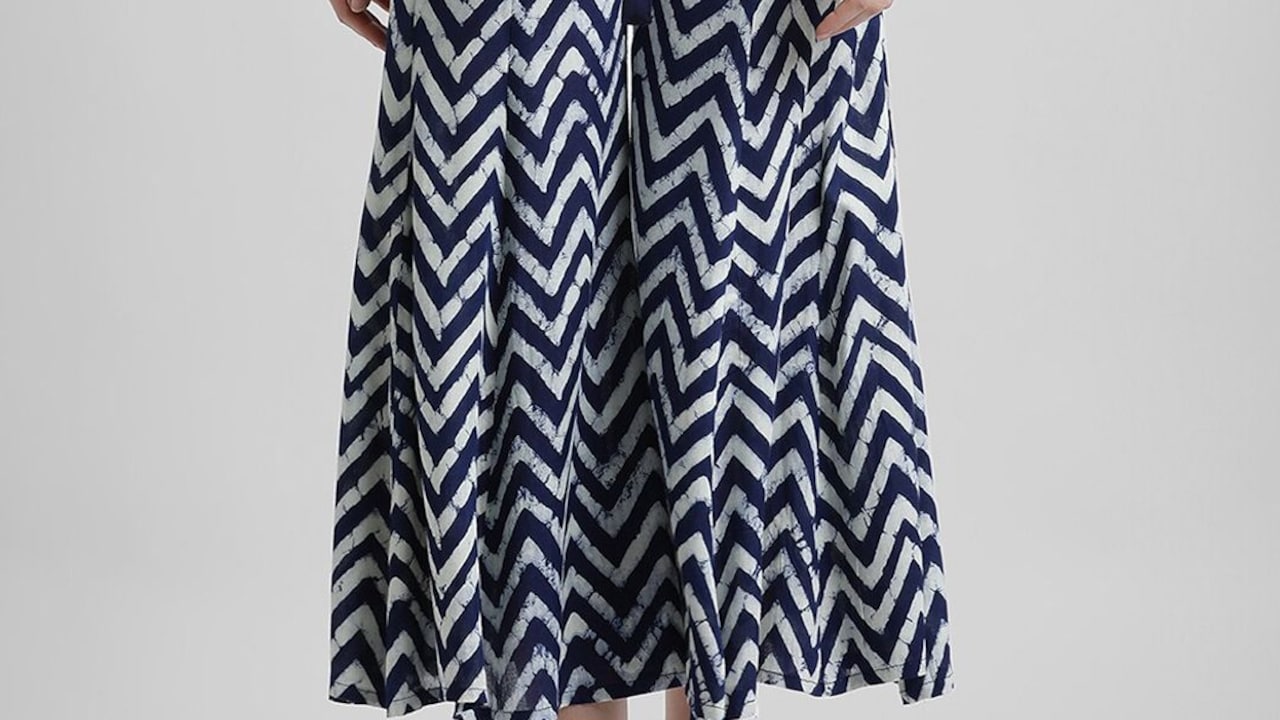
Know Why Palazzo Sets Look Too Casual And How To Make Them Festive.
Palazzo sets are like that dependable friend who always shows up on time, never causes drama, and somehow still looks good in photos. They are comfortable, flattering, and perfect for days when the weather and your patience are both running low. The problem begins when you wear one to a festive occasion and realise something painful: the outfit looks a little… weekday.
It's not that palazzo sets are boring. It's that many of them are designed for everyday elegance. They lean into ease. They whisper when the occasion demands at least a gentle sparkle. And in a world where aunties can detect “casual” from twenty feet away, that whisper can quickly become a full-blown fashion crime.
Still, no need to panic or abandon your palazzo sets. With a few smart tweaks, they can look wedding-ready, puja-perfect, and celebration-approved. Think of it as giving your outfit a festive personality upgrade, without making it uncomfortable or overdone.
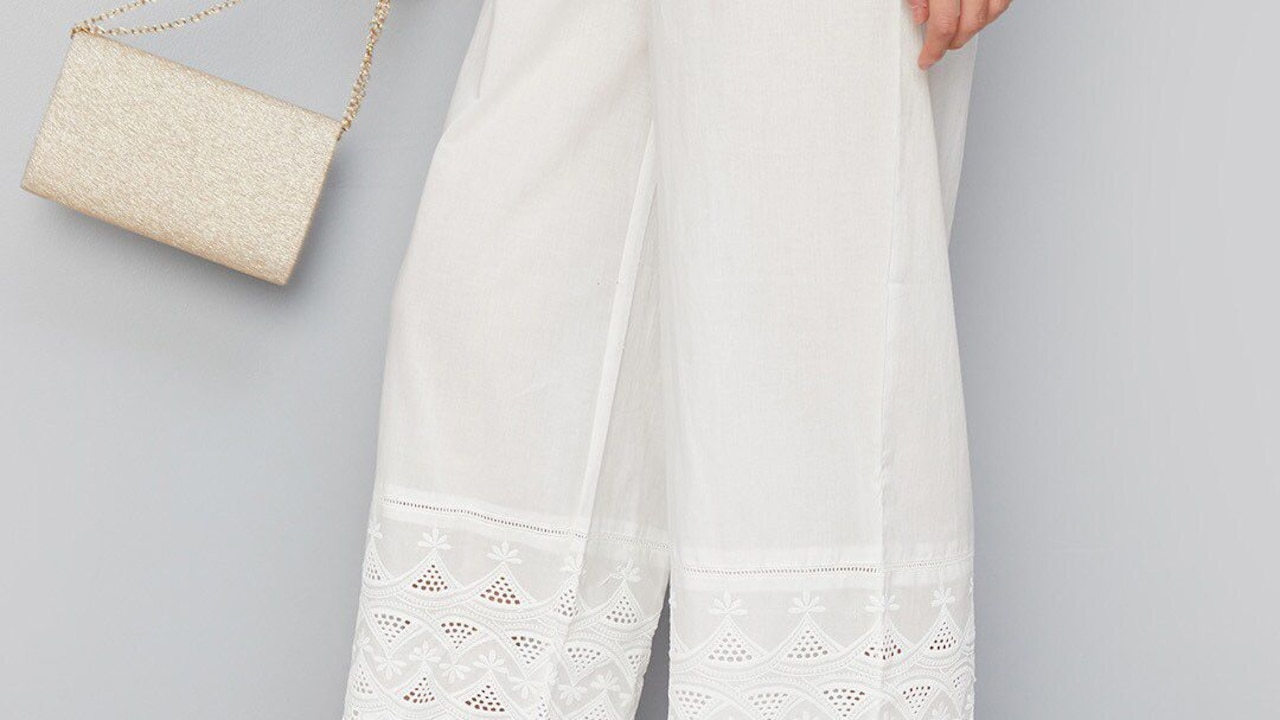
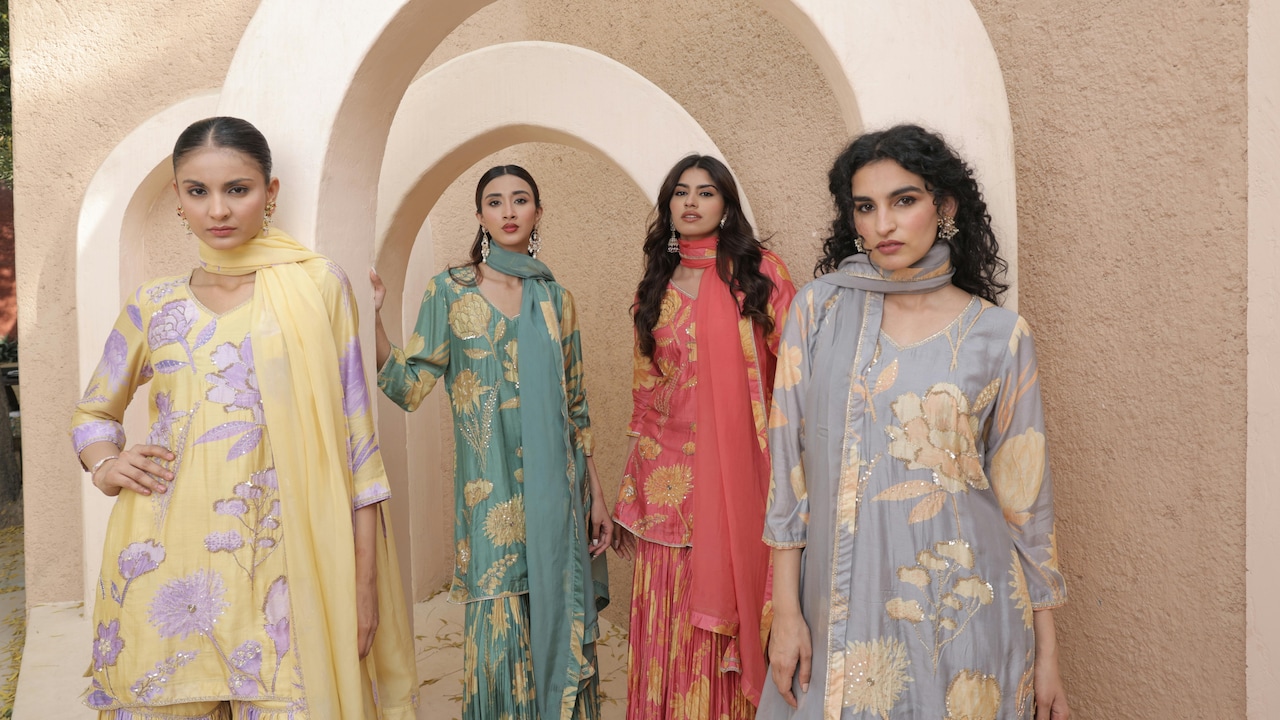
Why Palazzo Sets Look Too Casual And How To Make Them Festive
Photo Credit: Myntra
Let Us Turn That “Casual” Palazzo Set Into a Celebration Look
1) The Fabric Is Doing Most Of The Damage
The fastest way a palazzo set becomes casual is through fabric. Cotton, rayon, jersey, and soft crepe are brilliant for daily wear, but they behave like they are on a lunch break even when you're at a mehendi. The outfit may fit well, and the colour may be lovely, yet the material refuses to look “occasion-ready”.
Festive dressing thrives on fabrics that catch light. Even a small shimmer changes the mood. Silk blends, chanderi, organza, tissue, satin, brocade, and jacquard instantly add celebration energy. They hold structure, they look richer, and they don't slump like they've had a long day.
If replacing the entire set isn't the plan, focus on one upgrade piece. A festive dupatta can rescue the simplest palazzo set. Add a tissue dupatta with a zari border, or a soft organza dupatta with tiny sequin dots. Suddenly, the same outfit looks like it belongs at a function where someone is distributing sweets.
2) The Silhouette Often Lacks Drama
Most palazzo sets are designed for comfort first. That means straight-cut kurtas, minimal shaping, and relaxed lines. Great for running errands. Not always great for festive photos, where outfits need a little theatre.
Festive silhouettes create interest. A kurta with an asymmetrical hem, a peplum cut, a short kurti with a flared bottom, or a layered angrakha style adds movement and makes the set feel special. Even a slightly longer kurta with side slits can look more intentional than a basic straight fit.
Another common issue is proportion. A long kurta with wide palazzos can sometimes look like a stylish night suit if the fabric is too soft. A shorter kurta, on the other hand, instantly gives it a dressier vibe. The waistline becomes visible, the outfit looks structured, and it feels like a proper ensemble rather than “top and bottom”.
3) Prints Can Make It Look Like Daywear
Prints are lovely, but not all prints belong at festive events. Big florals, block prints, and casual stripes can feel more like a brunch outfit than a celebration look. And yes, even if the colour is bright. A cheerful print still reads “morning” unless something else lifts it.
Festive prints usually have depth. Think of woven motifs, subtle but rich patterns, zari detailing, or small repetitive but intricate designs. Even when the outfit is printed, it looks dressy if the print has finesse.
If your palazzo set has a casual print, you can still style it into festive territory. Add a statement dupatta in a contrasting solid colour with shimmer. Or wear a heavily embellished jacket over it. The print then becomes a base layer rather than the main story. It's like wearing a simple kurta and letting the accessories do the singing.
4) The Neckline Is Quietly Sabotaging The Look
Necklines matter more than people admit. A simple round neck or small V-neck is practical and flattering, but it also screams “everyday”. Festive outfits often have necklines that feel designed, not just stitched.
A boat neck, sweetheart neckline, keyhole detail, deep V with embroidery, or a high neck with a slit instantly changes the vibe. Even a collar-style neckline can look very dressy if it's paired with the right fabric and jewellery.
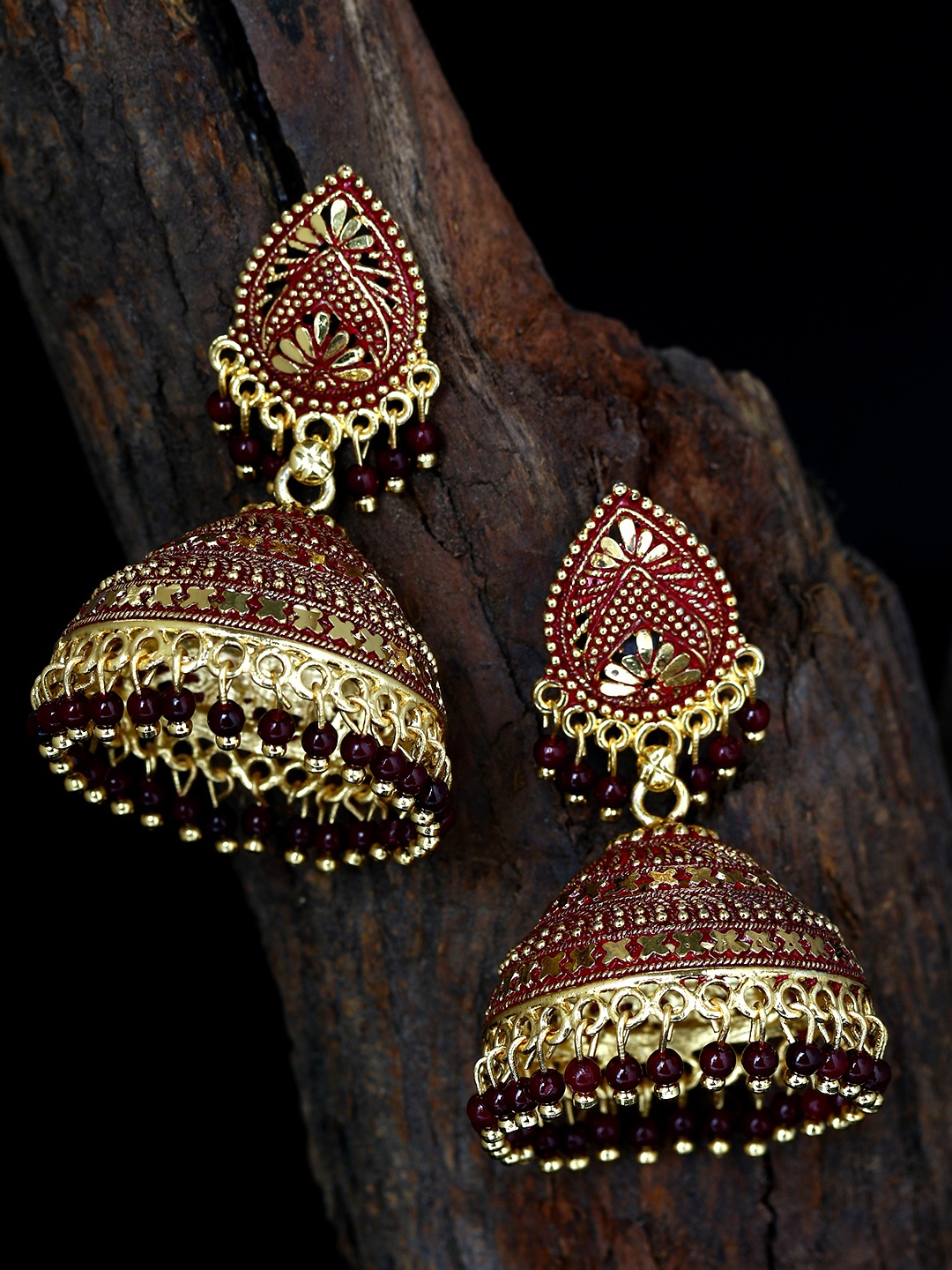
If your palazzo set has a basic neckline, don't despair. Jewellery can recreate that festive focal point. A choker, layered necklace, or even oversized jhumkas can make the neckline feel intentional. Another hack is a dupatta drape that frames the upper body. A neatly pinned dupatta across the chest or over one shoulder creates a more styled appearance, like you actually planned the look instead of throwing it on five minutes before leaving.
5) The Set Looks Flat Because There's No Texture
Festive outfits have texture. Even when they are monochrome, they usually have something going on, embroidery, mirror work, zari, sequins, gota patti, or even subtle threadwork.
Many palazzo sets are plain and smooth. That simplicity is beautiful, but in festive settings it can look underwhelming. The outfit doesn't catch the light. It doesn't create visual interest. It doesn't pop in photos, especially in indoor lighting, where everything looks slightly dull.
The easiest fix is adding texture through one hero element. A mirror-work belt over the kurta can instantly upgrade the look. A gota patti dupatta can do the same. Even wearing a cropped embroidered jacket over the kurta transforms the set into something celebration-ready.
The goal is not to look like a walking craft project. The goal is to add just enough detail so the outfit looks festive without losing its comfort.
6) The Colour Palette Might Be Too “Office-Friendly”
There's a reason so many palazzo sets come in muted colours. Beige, dusty pink, soft grey, powder blue, and olive are safe. They work everywhere. They are flattering. They look elegant.
But festive dressing loves colours with energy. Jewel tones like emerald, maroon, mustard, wine, royal blue, and deep purple naturally look richer. Metallic shades like gold, bronze, and champagne instantly feel celebratory. Even bright colours like fuchsia and orange can look festive if the fabric has a slight sheen.
If your palazzo set is in a soft, subtle shade, you can still make it festive with contrast. Pair it with a deeper-toned dupatta, or add jewellery in gold tones. You can also use a bold lip colour and a defined eye look to balance the softness.
Colour is mood. If the outfit looks like it could attend a Monday meeting, it probably needs help before it attends a wedding.
7) The Dupatta Is Either Missing Or Too Boring
A palazzo set without a dupatta often leans casual, even if the kurta is nice. It can look incomplete, especially in traditional festive settings where a dupatta is part of the visual language.
And even when there is a dupatta, it's often a matching, plain, lightweight piece that does absolutely nothing. It exists. That's all.
A festive dupatta is a cheat code. It adds movement, richness, and tradition in one go. A bandhani dupatta, a Banarasi-style dupatta, a dupatta with zari border, or even a heavily embroidered net dupatta can elevate the entire outfit.
Draping also matters. A lazy scarf-style drape can look casual. A structured drape over both shoulders or a neatly pinned one-shoulder drape looks far more dressed up. It's a small styling decision, but it changes the entire impression.
8) Accessories Can Either Save Or Ruin Everything
This is where many people accidentally sabotage themselves. They wear a palazzo set and then pair it with minimal studs, a basic handbag, and flats. The result? The outfit looks like a comfortable family dinner look, not a festive one.
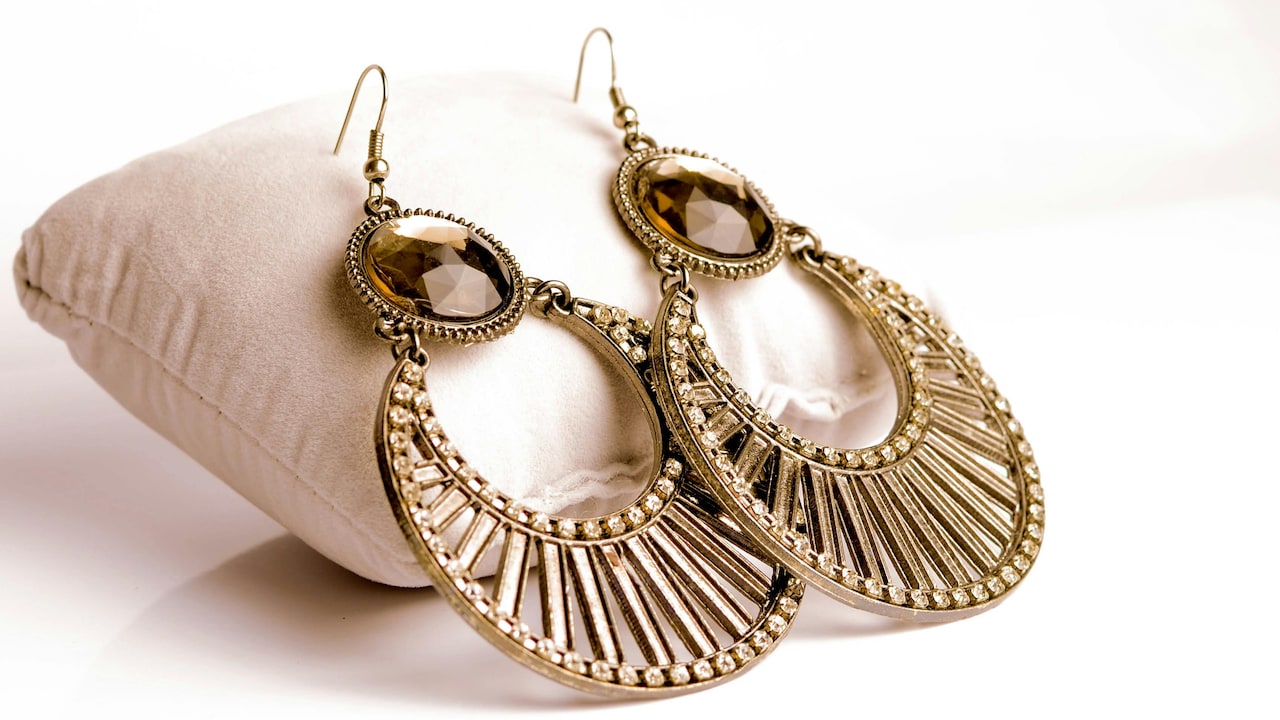
Festive styling needs accessories that show up. Statement earrings, a chunky bracelet, a layered necklace, or even a bold ring can create that celebratory feel. If the kurta has heavy work, keep jewellery focused. If the kurta is plain, let jewellery take the lead.
Footwear is a big one. A pair of embellished juttis, kolhapuris with metallic detail, or heeled sandals can lift the entire look. Even a ₹1,500 pair of sparkly heels can make a basic palazzo set look like it belongs at a sangeet.
The key is balance. One statement element is often enough. Too many and the outfit starts looking confused, like it's attending three different functions at once.
9) Hair And Makeup Decide The Final Category
This is the part nobody wants to admit, but it's true: the same outfit can look casual or festive depending on grooming. Palazzo sets are especially sensitive to this because they sit in the “effortless” category.
If your hair is open and unstyled, and your makeup is barely there, the outfit will lean toward daywear. If your hair is in a soft bun, a sleek ponytail, or even styled waves, the outfit suddenly looks like a deliberate festive choice.
Makeup doesn't need to be heavy. A glowing base, defined brows, kajal, and a lip colour that isn't “barely there” can do wonders. A small bindi can instantly add traditional charm and make the whole look feel more occasion-appropriate.
This is also where you can add little touches that feel culturally rooted without being over the top. A hint of shimmer on the eyes, a hair accessory, or even a gajra for a day function makes the palazzo set feel festive without changing the outfit at all.
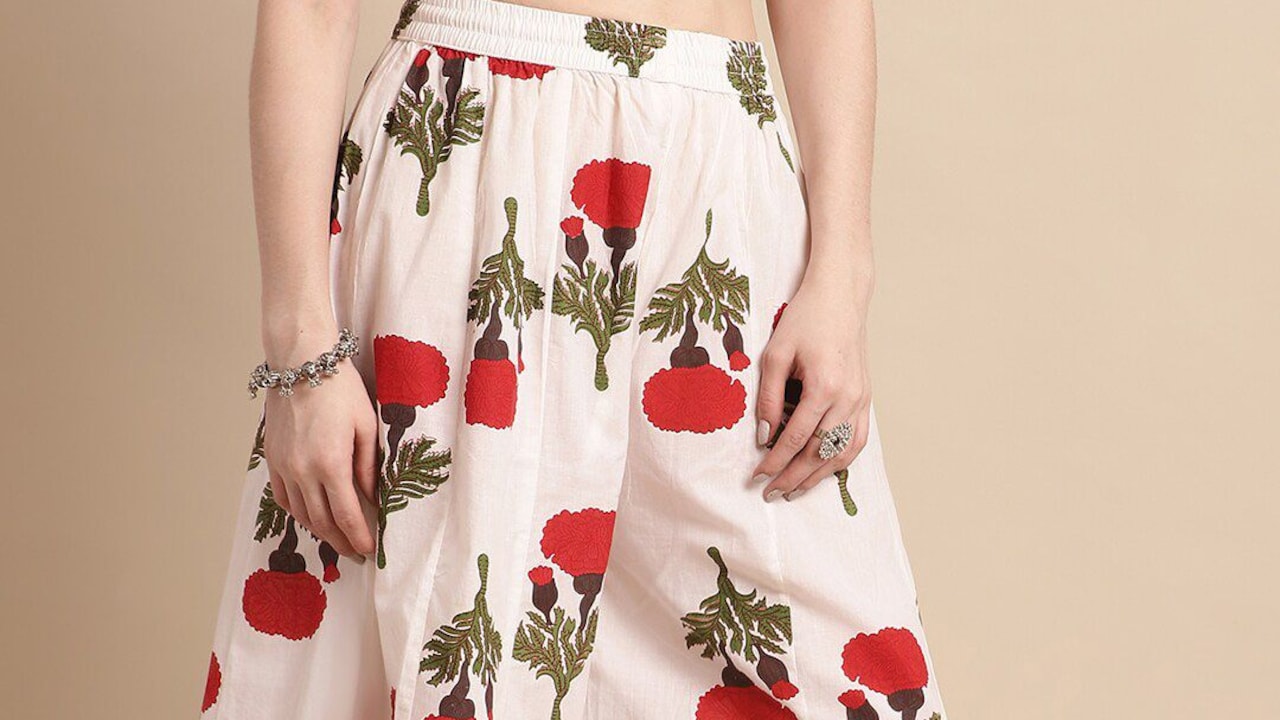
Why Palazzo Sets Look Too Casual And How To Make Them Festive
Photo Credit: Myntra
10) The Overall Styling Lacks A Focal Point
Festive outfits always have a hero moment. It could be the dupatta, the jewellery, the neckline, the embroidery, the colour, or the drape. Casual outfits, on the other hand, look equally simple all over.
Many palazzo sets fail at festive events because they don't have a focal point. Everything is equally relaxed. The kurta is simple. The palazzos are plain. The dupatta is basic. The jewellery is minimal. The shoes are comfortable. The hair is casual. The result is a look that feels nice, but not special.
To fix this, pick one element to start. If the outfit is plain, make the dupatta dramatic. If the dupatta is simple, go bold with earrings. If the jewellery is subtle, choose statement footwear. If everything is understated, add a jacket with embroidery or mirror work.
Festive styling is not about adding ten things. It's about adding one strong thing that changes the mood. Once that hero appears, the entire outfit starts looking like it belongs in the celebration.
Products Related To This Article
1. QUIERO Meher Printed V-Neck Top With Palazzos Co-Ords
2. Aaghnya Women Floral Yoke Design Regular Thread Work Kurta with Palazzos & With Dupatta
3. Royal Export Floral Embroidered Thread Work V-Neck Straight Kurta With Palazzo & Dupatta
4. KALINI Ethnic Motifs Printed V-Neck Tunic With Palazzo
5. Anouk Floral Printed V-Neck Schiffli Work Pure Cotton A-Line Kurta with Palazzo
6. Indo Era Floral Printed Pure Cotton Straight Kurta With Trousers
7. fusion by glitchez Women Printed Regular Silk Crepe Kurta with Palazzos
Palazzo sets are not the problem. They are actually one of the smartest outfits in a festive wardrobe because they offer comfort without sacrificing elegance. The real issue is that most palazzo sets are built for everyday ease, and festive occasions demand a little more sparkle, structure, and storytelling.
The fix is not complicated. A richer fabric, a more dramatic dupatta, a smarter silhouette, or bolder accessories can turn a casual palazzo set into something celebration-ready. And the best part is you don't need to buy a new outfit every time there's a function. You just need to style the one you already have, like it deserves to be seen.
Because let's be honest, comfort is a blessing. But comfort with festive flair? That's the real victory.
(Disclaimer: This article may include references to or features of products and services made available through affiliate marketing campaigns. NDTV Convergence Limited (“NDTV”) strives to maintain editorial independence while participating in such campaigns. NDTV does not assume responsibility for the performance or claims of any featured products or services.)