Why Some Jewellery Loses Its Shine Too Quickly And Simple Tips To Prevent Tarnishing
Jewellery often loses its shine sooner than expected due to everyday factors like humidity, cosmetics, sweat, and improper storage. Understanding these causes and following simple care tips can help keep treasured pieces sparkling for years.
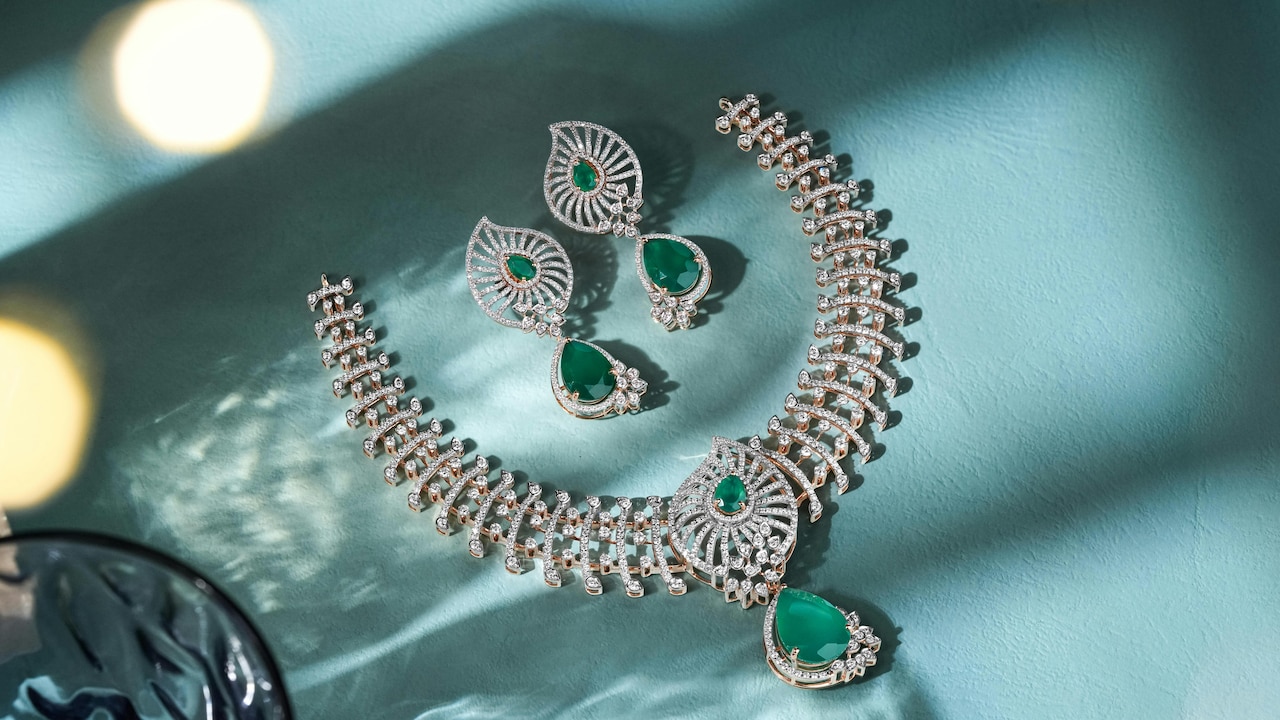
How To Prevent Jewellery Tarnishing: Common Causes Behind Dull Jewellery And Simple Care Tips.
Jewellery carries stories. A pair of gold earrings gifted during a festival, a silver chain bought with the first salary, or a delicate ring picked up during a holiday trip. These pieces rarely sit in lockers forever. They appear during family gatherings, weddings, office events, and casual outings.
However, disappointment strikes when a once-glowing necklace begins to look dull. The shine fades, the colour darkens, and the piece loses the charm that made it special. Many people blame craftsmanship or assume the purchase turned out to be a poor deal.
In reality, jewellery reacts constantly with the surrounding environment. Moisture, air, skin oils, cosmetics, and even the way pieces get stored influence how quickly they tarnish. A small silver bracelet worn daily during humid weather may darken far sooner than a carefully stored gold chain.
Understanding why jewellery loses its shine reveals a simple truth: the problem rarely lies in the metal alone. Everyday habits, climate, and care routines shape how long jewellery maintains its sparkle. With a few practical adjustments, treasured pieces can keep their brilliance for years.
Why Jewellery Loses Its Shine And Simple Ways To Prevent Tarnishing
Photo Credit: Pexels
Hidden Causes Behind Jewellery Tarnishing And How To Avoid Them
Exposure To Air And Humidity
Jewellery interacts constantly with the air. Oxygen and moisture trigger slow chemical reactions on the surface of metals. Silver feels this impact most strongly. When exposed to humid air, silver gradually forms a thin layer of tarnish that appears dark or grey.
Cities with coastal weather create an even tougher environment. Humidity levels rise quickly, especially during monsoon months. Jewellery left outside in open trays or on dressing tables absorbs moisture throughout the day. Over time, the shine fades, and the surface begins to look lifeless.
Even gold jewellery can lose its glow when humidity interacts with alloy metals mixed within the gold. Pure gold remains resistant to tarnish, but most ornaments contain copper or silver for strength. Those metals react with moisture and cause subtle discolouration.
A simple habit solves much of this problem. Jewellery stored in dry, closed containers stays protected from excess air. Small fabric pouches or airtight boxes work surprisingly well. Silica gel packets, often found inside new bags or shoe boxes, also help absorb moisture inside jewellery storage boxes.
The difference becomes visible within months. Pieces stored carefully maintain their shine while those left exposed begin to dull.
Perfume, Lotion, And Cosmetic Residue
Fragrance may enhance personal style, yet jewellery rarely enjoys the experience. Perfumes contain alcohol and chemical compounds that react with metal surfaces. When perfume sprays settle on necklaces or earrings, residue builds slowly over time.
Lotions and creams produce a similar effect. Moisturising products often contain oils, minerals, and fragrances. These ingredients cling to jewellery during daily wear. At first, the effect seems invisible, but after several weeks, the metal begins to look cloudy or slightly darker.
Consider a common morning routine. A person applies moisturiser, sprays perfume, and then wears a necklace immediately. Each day leaves behind microscopic traces of cosmetic residue. Gradually, the jewellery loses its original brightness.
Jewellers often recommend a simple sequence: complete skincare and fragrance first, then wear jewellery as the final step. This small adjustment prevents direct contact with chemicals.
Cleaning jewellery gently once every few weeks also helps. A soft cloth removes surface residue before it builds up. Mild soap and warm water restore shine to many pieces, especially silver and gold.
Jewellery rarely complains loudly, yet it certainly prefers a life away from perfume clouds.
Sweat And Natural Skin Chemistry
Every person carries a unique skin chemistry. Natural oils, sweat, and body salts interact differently with metals. For some people, jewellery stays bright for years. For others, tarnish appears much sooner.
Sweat plays a major role in this process. During hot weather, the body releases salt and moisture through the skin. When jewellery sits directly against the skin, these elements react with metals. Silver darkens faster under these conditions.
Outdoor activities illustrate this clearly. Wearing jewellery during a long summer walk or a crowded festival often exposes it to heavy sweat. Over time, the constant contact accelerates tarnishing.
Certain skincare products also change skin chemistry temporarily. Sunscreens, for instance, contain compounds that may react with metals when mixed with sweat.
The solution remains practical rather than drastic. Removing jewellery during workouts, long outdoor activities, or intense heat protects it from unnecessary exposure.
A quick wipe with a soft cloth after wearing jewellery also helps remove sweat residue. This simple habit keeps metals cleaner and slows down the tarnishing process significantly.
Improper Storage Habits
Many homes contain a small bowl or tray where jewellery lands at the end of the day. Rings, chains, bangles, and earrings gather together in a cheerful pile. Unfortunately, this habit creates the perfect setting for scratches and tarnish.
When jewellery rubs against other pieces, friction damages the surface. Tiny scratches appear first. These scratches trap dust and moisture, which later dull the shine.
Different metals also react with each other. Storing silver beside certain metals may speed up tarnishing due to chemical interactions.
Proper storage does not require expensive boxes. Simple fabric-lined compartments protect jewellery far better than open trays. Individual pouches also work well for delicate pieces.
Necklaces benefit particularly from careful storage. Chains that remain untangled avoid unnecessary friction. Rings and earrings stored separately maintain their finish longer.
A jewellery box may appear like a luxury item, yet it functions more like protective housing. Just as clothes stay fresh inside wardrobes, jewellery preserves its beauty when stored thoughtfully.
Water And Household Chemicals
Water alone rarely harms jewellery immediately, but repeated exposure gradually affects many metals. Tap water often contains minerals such as chlorine or calcium. These substances cling to jewellery surfaces and leave behind dull patches.
Swimming pools create an even bigger challenge. Chlorine reacts with metal alloys, especially those used in gold jewellery. Regular exposure weakens the metal structure and fades its shine.
Household cleaning products present another hidden risk. Detergents, bleach, and surface cleaners contain strong chemicals designed to remove stains. Unfortunately, those chemicals can also react with jewellery.
Picture a common weekend activity: cleaning the house while wearing rings or bangles. Detergent foam touches the jewellery repeatedly. Over time, the finish becomes dull and slightly rough.
Removing jewellery before swimming, washing dishes, or cleaning protects it from these reactions. This habit may feel inconvenient at first, yet it preserves the piece far longer.
Jewellery prefers a dry life. Water may seem harmless, but frequent exposure quietly steals its sparkle.
Low-Quality Plating And Metal Alloys
Not every jewellery piece contains the same metal composition. Some ornaments feature solid metals such as gold or sterling silver. Others rely on thin plating layered over base metals like brass or copper.
Plated jewellery often looks identical to expensive pieces when new. The surface gleams beautifully and catches light from every angle. However, this shine depends entirely on a thin outer coating.
With regular wear, that coating gradually wears away. Friction from clothing, sweat, and daily movement exposes the base metal beneath. Once that happens, the jewellery may darken or change colour quickly.
Affordable jewellery remains attractive and accessible, especially when a statement piece costs around ₹500 instead of ₹25,000. Yet expectations must match the material.
Proper care extends the life of plated jewellery significantly. Storing pieces separately, avoiding water, and wiping them after use slows down the wearing process.
Think of plated jewellery like a festive outfit. It shines beautifully during special occasions, but regular care ensures it stays elegant for longer.
Dust, Pollution, And Environmental Exposure
Urban environments introduce jewellery to a constant stream of dust and pollutants. Tiny airborne particles settle on exposed surfaces throughout the day. Over time, these particles combine with moisture and create a dull film on jewellery.
Busy streets filled with traffic generate higher pollution levels. Metal surfaces react slowly with sulphur compounds present in polluted air. Silver particularly suffers under such conditions, often developing a darker tone faster than expected.
Leaving jewellery uncovered near windows or dressing tables exposes it continuously to environmental particles. Even indoor air carries dust that accumulates over time.
Regular cleaning offers a simple defence. A soft polishing cloth removes surface dust before it bonds with the metal. Gentle cleaning once every few weeks restores brightness and prevents stubborn tarnish from forming.
Jewellery stored in closed boxes also remains shielded from much of this exposure. Small preventive steps reduce the impact of pollution dramatically.
In crowded cities, jewellery faces the same environmental challenges as everything else. Careful storage helps preserve its sparkle amid the bustle.
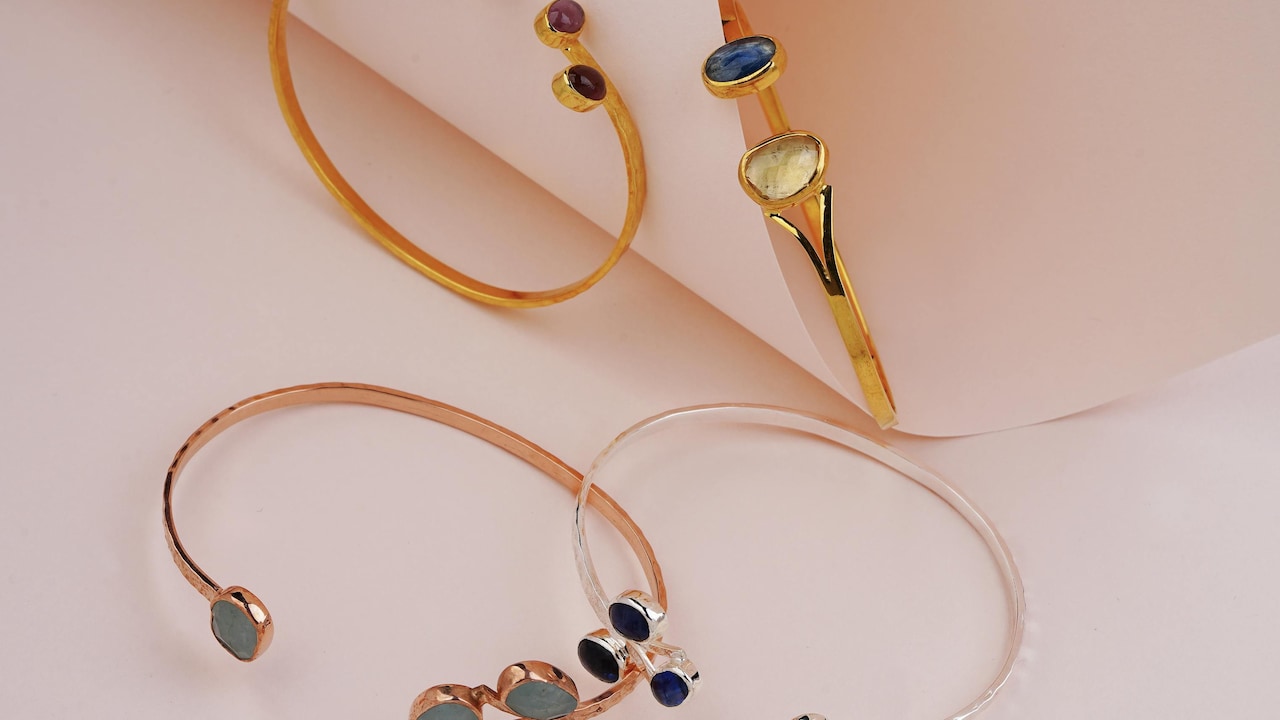
Why Jewellery Loses Its Shine And Simple Ways To Prevent Tarnishing
Photo Credit: Pexels
Lack Of Regular Cleaning
Jewellery often receives attention only when it begins to look dull. By that stage, tarnish has already formed on the surface. Regular cleaning prevents this buildup before it becomes noticeable.
Think about how frequently spectacles or watches get cleaned. Jewellery deserves the same level of care. Daily wear exposes it to oils, dust, sweat, and cosmetic residue. Without occasional cleaning, these substances accumulate gradually.
A gentle routine works best. Warm water, mild soap, and a soft toothbrush remove most surface deposits from gold and silver jewellery. After cleaning, drying the piece thoroughly prevents moisture from causing further reactions.
Professional cleaning once a year also benefits valuable pieces. Jewellers possess specialised tools that restore shine without damaging delicate settings or stones.
Cleaning jewellery should feel less like a chore and more like a quick refresh. The entire process rarely takes longer than ten minutes, yet it can extend the life of jewellery by years.
Overuse Without Rotation
Favourite jewellery pieces often become everyday companions. A beloved ring or chain gets worn daily, regardless of weather, activity, or occasion. While this habit reflects emotional attachment, constant use accelerates wear and tarnish.
Metals experience friction throughout the day. Clothing brushes against necklaces, rings rub against surfaces, and bracelets slide across desks. Each tiny movement contributes to gradual surface damage.
Rotating jewellery reduces this impact significantly. Wearing different pieces across the week allows each item time to rest. This break limits exposure to sweat, friction, and environmental factors.
Think of jewellery like footwear. Wearing the same pair every day causes faster wear, while rotation keeps each pair in better condition.
Keeping a small selection of pieces for daily use and reserving delicate ones for special occasions also helps maintain their shine.
Jewellery carries sentimental value beyond its material worth. Allowing pieces occasional rest ensures they continue to sparkle during moments that matter most.
Products Related To This Article
1. MANGO Teardrop Shaped Hoop Earrings
2. ADIVA Women Cubic Zirconia Handcrafted Gold-Plated Kada Bracelet
3. JOKER & WITCH Women Set Of 6 Gold-Toned & White Link Bracelet
4. Sangria Women Stylish Snowflake Design Sterling Silver Piercing Nosepin
5. Peora Silver-plated AD-studded Jewellery Set
Jewellery rarely loses its shine overnight. The process unfolds gradually through daily interactions with air, moisture, cosmetics, sweat, and environmental exposure. Each small factor contributes quietly until the sparkle fades.
Fortunately, preventing tarnish requires only modest changes in routine. Storing jewellery properly, keeping it away from chemicals, cleaning it regularly, and removing it during certain activities protect the metal from unnecessary damage.
Jewellery represents more than decoration. Each piece holds memories, milestones, and moments of celebration. A silver pendant gifted during a festival or a gold ring bought with ₹15,000 from careful savings deserves care that matches its emotional value.
With thoughtful habits and gentle maintenance, jewellery continues to shine long after the day of purchase. The sparkle may come from metal and polish, yet the real brilliance lies in the memories these pieces carry through time.
(Disclaimer: This article may include references to or features of products and services made available through affiliate marketing campaigns. NDTV Convergence Limited (“NDTV”) strives to maintain editorial independence while participating in such campaigns. NDTV does not assume responsibility for the performance or claims of any featured products or services.)