10 Reasons Wrap Dresses Keep Opening At The Neckline And How To Secure The Fit
Wrap dresses look effortless until the neckline starts shifting, gaping or opening with every movement. From incorrect sizing to slippery fabrics, here are 10 common reasons behind the problem and practical ways to secure the fit.

10 Reasons Wrap Dress Necklines Keep Gaping And How To Secure Them
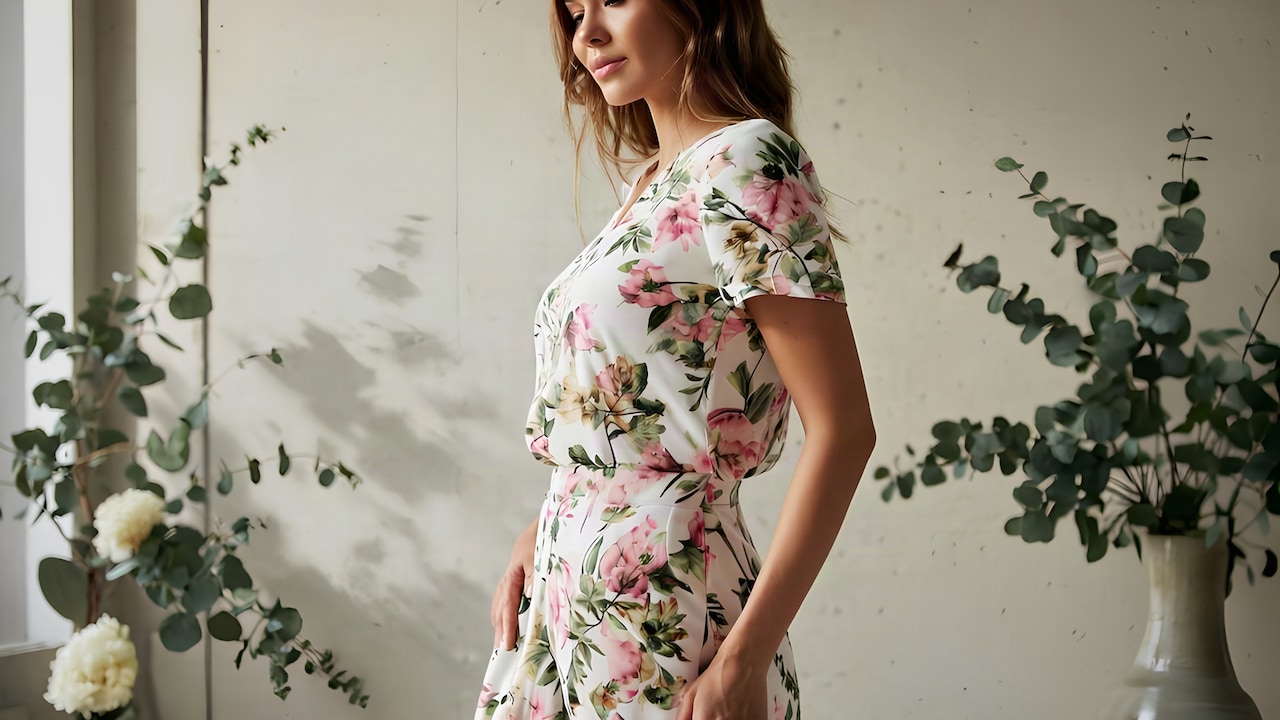
A wrap dress can solve several wardrobe dilemmas at once. It defines the waist, works with everything from flats to heels and manages to look dressed-up without feeling excessively formal. There is, however, one tiny detail capable of turning an otherwise easy outfit into an all-day monitoring exercise: the neckline. Everything may look perfectly secure in front of the mirror. Then comes a car ride, a hurried walk, a heavy casual handbag on one shoulder or simply sitting down at a café. Suddenly, the overlapping panels have shifted and the neckline feels considerably less reliable than it did ten minutes earlier. The problem isn't always about modesty either. A wrap neckline that keeps moving can make the whole dress sit unevenly. One lapel may curl outwards, the waist seam can twist and the bodice may stop looking as polished as it should. Fortunately, this usually doesn't mean the dress itself is badly designed. Wrap dresses rely on several elements working together: bust fit, waist placement, fabric weight, tie tension and the amount of overlap between the front panels. Once one element falls out of balance, the neckline often reveals the problem first. Here are ten reasons a wrap dress may keep opening at the neckline, along with practical ways to make the fit feel far more dependable.

10 Reasons Wrap Dress Necklines Keep Gaping And How To Secure Them; Photo Credit: Pexels
Why A Wrap Neckline Can Look Secure Yet Shift Once You Start Moving
1. The Dress Is Slightly Too Small Across The Bust
A wrap dress can technically zip, tie or close while still being too small across the bust. This often creates one of the most persistent neckline problems.
When the bodice doesn't have enough room, the front panels have to travel further across the chest than the designer intended. That reduces the amount of fabric left for overlap. The neckline may look fine while standing still, but normal movement starts pulling the panels apart.
Look closely at the fabric around the bust. Horizontal pulling, stretched seams or a waist tie that naturally creeps upwards can all suggest that the problem starts with sizing rather than the neckline itself.
Going up one size may give the panels enough room to overlap properly. The waist can then be adjusted with the tie instead of asking the bust area to stretch.
If sizing up makes the rest of the dress too loose, alteration is another option. A tailor can often adjust the waist or side seams while preserving extra room across the chest. It tends to look cleaner than repeatedly pinning together a bodice that simply doesn't contain enough fabric.
Also Read: Top 5 Wrap Dresses For Women That Feel Light Yet Look Office-Ready Under ₹1500
2. The Front Panels Do Not Overlap Enough
Not every wrap dress provides the same amount of coverage. Some have generous overlapping panels that remain secure even while walking or sitting. Others offer only a narrow overlap that leaves very little margin for movement.
This matters because fabric doesn't stay frozen against the body. One panel moves when an arm lifts. Another shifts when the torso twists. Sitting can push the skirt and bodice upwards slightly. With generous overlap, none of this causes much trouble. With minimal overlap, a movement of just a few centimetres can open the neckline noticeably.
Before buying a wrap dress, test the overlap rather than judging the neckline only while standing upright. Sit down, reach forwards and lift both arms. If the inner panel begins appearing almost immediately, the cut may simply offer limited coverage.
For a dress already sitting in the wardrobe, a small internal snap fastener can make a dramatic difference. Place it where the two panels naturally cross rather than pulling them into an unnaturally high position. The neckline will retain its original shape while gaining a hidden anchor.
3. The Waist Tie Is Sitting In The Wrong Place
The waist tie does far more than create that familiar wrap-dress silhouette. It also controls how securely the upper panels remain crossed.
When the tie sits too high, it can pull the front sections upwards and towards the sides. That tension may gradually widen the neckline. A tie positioned too low can create the opposite issue, allowing the bodice to loosen and slide.
This frequently happens with dresses whose natural waist seam doesn't quite match the wearer's torso length. Someone with a longer torso may find the tie creeping upwards towards the ribs. Someone with a shorter torso may notice excess fabric gathering above the waist.
Instead of simply tightening the belt harder, experiment with placement. Tie the dress where the fabric settles most comfortably without pulling the neckline sideways.
If belt loops force the tie into an awkward position, a tailor may be able to move them slightly. It's a tiny alteration, yet it can change the entire fit.
Also avoid knotting the tie extremely tightly. A wrap dress should feel secure, not vacuum-packed. Too much tension can distort the bodice and create more neckline movement, not less.
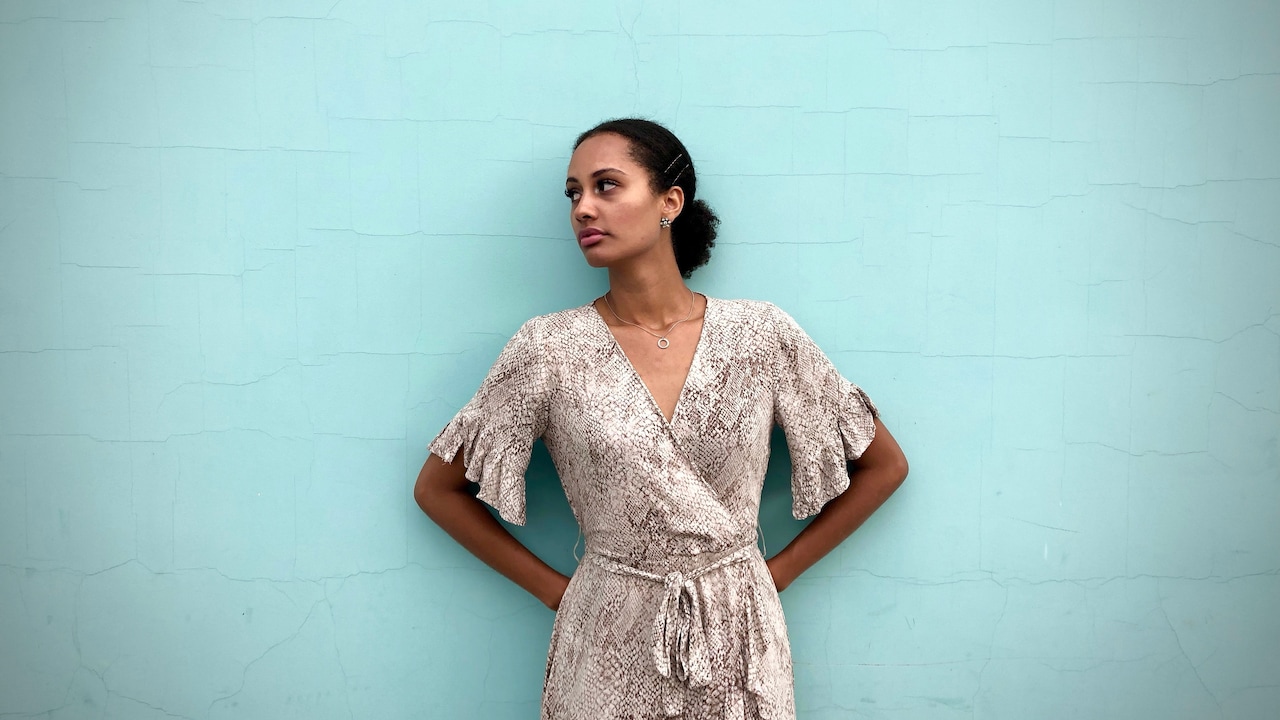
10 Reasons Wrap Dress Necklines Keep Gaping And How To Secure Them; Photo Credit: Pexels
4. The Fabric Is Too Slippery To Hold Its Position
Some wrap dresses behave beautifully because their fabric has a little natural grip. Cotton blends, crepe and textured materials often stay where they are placed. Satin-like polyester, silky viscose and similarly smooth fabrics can have very different ideas.
Slippery surfaces allow the two front panels to glide over each other throughout the day. A neckline that started with comfortable coverage at breakfast may slowly migrate several centimetres by afternoon.
Tightening the waist tie rarely solves this completely because the movement happens where the fabric layers meet.
Fashion tape can help for occasional wear. Place a small strip between the inner layer and the outer layer rather than sticking the dress directly to a large area of skin. This gives the panels an anchor while keeping the neckline flexible.
A tiny sew-in snap offers a longer-lasting solution. Choose a location slightly below the natural crossover point so the fastening remains hidden.
The underlayer matters too. A cotton camisole can create more friction beneath a slippery dress than an equally silky slip. Sometimes the easiest solution isn't forcing the dress to stop moving. It's giving the fabric something less slippery to move against.
5. Your Bra Is Changing How The Bodice Sits
Two people wearing the same dress size can get completely different neckline results depending on what they wear underneath.
A heavily padded bra may push the bust forwards, increasing the distance the wrap panels need to cover. That can reduce overlap and create gaping. A very smooth moulded bra may also give slippery fabric less grip. On the other hand, a poorly fitted bra can alter the position of the bust enough to change where the neckline naturally crosses.
This explains why a wrap dress may seem perfectly secure during one fitting and strangely unpredictable the next time it leaves the wardrobe.
Try the dress with the exact underwear intended for the occasion before deciding that the garment needs alteration. A lightly lined or well-fitted supportive bra may allow the bodice to settle closer to the body.
Also check whether bra cups or straps are pushing against the neckline from underneath. Even subtle pressure can encourage the outer panel to roll or shift.
For particularly deep wraps, a camisole remains one of the easiest solutions. It doesn't technically stop the neckline moving, but it removes the need to monitor every millimetre of movement throughout the day.
6. The Shoulder Fit Is Too Loose
A surprising amount of neckline stability begins at the shoulders.
If a dress is too wide across the upper body, the shoulder seams may sit beyond the natural shoulder line. That gives the bodice room to slide outwards. As the shoulder area shifts, the wrap neckline follows it and gradually opens.
This problem often gets mistaken for excessive fabric at the chest. Pinning the neckline together may improve coverage temporarily, but it doesn't address why the fabric keeps travelling away from the centre.
Stand naturally and check where the shoulder seams sit. They should generally align with the edge of the shoulders rather than hanging noticeably beyond them. Also check the back neckline. If it appears loose or puckered, the upper bodice may simply be too wide.
A tailor can sometimes take in the shoulder area or adjust the back neckline, depending on the construction of the dress.
For a quick fix, dress tape near the shoulders can help stabilise lightweight fabrics. However, alteration tends to produce a cleaner result if the dress otherwise fits beautifully and gets worn regularly.
The neckline can't stay reliably crossed if the entire bodice is slowly migrating towards the arms.

10 Reasons Wrap Dress Necklines Keep Gaping And How To Secure Them; Photo Credit: Pexels
7. The Inner Tie Is Missing, Loose Or Incorrectly Fastened
True wrap dresses often contain a detail that receives far less attention than the decorative outer belt: the inner tie.
This small ribbon or fabric string usually threads through an opening at the side seam and attaches the inner panel to the opposite side of the waist. It anchors the first half of the wrap before the outer panel closes over it.
When that tie remains loose, the entire inner panel can shift. The outer tie may still look perfectly neat, yet the foundation underneath has already started moving.
It's remarkably easy to tie this inner fastening too loosely because it feels less important than the visible belt. Sometimes it also stretches after repeated wear. Older dresses may even have lost the tie entirely.
Secure the inner tie first, making sure it feels firm but comfortable. Only then wrap the outer panel across the body.
If the original fastening has stretched, replacing it costs very little compared with altering the whole dress. A tailor can also add an internal tie to faux-wrap styles that lack one.
Think of it as the hidden scaffolding of the dress. The outer knot may get all the attention, but the little tie underneath often does most of the practical work.
8. Your Torso Length Does Not Match The Dress Pattern
Ready-made clothing follows standard proportions. Bodies, rather inconveniently, do not.
A wrap dress may fit perfectly around the bust and waist yet still gape because the bodice is too long for the wearer's torso. Excess vertical fabric gathers around the neckline and has nowhere useful to go. Every bend or seated position encourages that fabric to buckle outwards.
A bodice that is too short creates another problem. The waist gets pulled upwards, increasing tension through the front panels and reducing the amount of comfortable overlap.
Check where the dress's waistline falls without adjusting it. If it naturally sits well above or below the narrowest part of the torso, proportion may be the actual issue.
Petite, tall and standard sizing can produce surprisingly different results even when the listed bust measurement looks similar.
Alterations can also help. Shortening a bodice requires more work than adding a snap fastener, but it can transform an expensive dress that otherwise spends its life being adjusted.
Before blaming a plunging neckline, examine the entire vertical fit. Sometimes the neckline is merely reporting a problem happening several centimetres lower down.
9. Sitting And Reaching Are Pushing The Dress Upwards
The fitting-room mirror tells only part of the story because most people don't spend an entire day standing perfectly upright with their arms comfortably by their sides.
Sitting compresses fabric around the waist and hips. Reaching forwards lengthens the back of the bodice. Raising an arm pulls one side upwards. Carrying a shoulder bag can tug repeatedly at the same section of fabric.
All these movements can gradually push a wrap dress upwards. Once excess fabric collects around the bust, the neckline may gape even though the original fit was perfectly reasonable.
This is why a movement test matters before removing tags from a new dress. Sit in a chair, reach towards the floor, lift the arms and imitate getting into a car. A neckline that survives these movements will probably behave much better outside the changing room.
For an existing dress, a discreet snap or hook-and-eye fastening can stop movement from turning into exposure. Position it carefully so the neckline still looks relaxed rather than pulled tightly together.
A wrap dress should work with normal life. If keeping it closed requires standing like a mannequin until bedtime, the fit needs assistance.
10. The Neckline Has Stretched With Wear And Washing
Sometimes a wrap dress starts life perfectly behaved and becomes troublesome months later.
Repeated washing, hanging and wearing can gradually stretch a bias-cut or soft jersey neckline. The effect may seem tiny when the garment lies flat, but even an extra centimetre of length can create noticeable gaping around the chest.
Hanging a heavy jersey wrap dress can make matters worse. Gravity pulls continuously on the shoulders and neckline, particularly when the fabric contains plenty of stretch.
Check the care label and consider storing heavier wrap dresses folded rather than hanging them for long periods. Also avoid pulling or wringing the fabric after washing.
A stretched neckline doesn't necessarily mean the dress has reached the end of its useful life. A tailor may be able to stabilise the edge with narrow elastic, adjust the shoulder seams or reshape the crossover.
For a simpler fix, an internal snap can restore coverage without changing the visible design.
The important clue is change. If the dress once stayed closed comfortably and now behaves differently despite no major change in sizing, fabric stretch may deserve more suspicion than body shape.
Products Related To This Article
1. Aayu Georgette Maxi Wrap Dress
2. ZWERLON Print Flutter Sleeve Maxi Dress
3. Chemistry Wrap Dress
4. Selvia Midi Dress
5. OTABU Print Midi Dress
6. SANSKRUTIHOMES Ethnic Motifs Printed Puff Sleeves Tiered Cotton Wrap Midi Dress
7. Outzidr Print Midi Dress
A wrap dress should feel easy, not like an outfit that requires one hand permanently stationed near the neckline. When the front keeps opening, the obvious response is often to tighten the waist tie or add a safety pin. Sometimes that works, but the real cause may sit elsewhere.
Bust room, shoulder width, torso length, slippery fabric and even the hidden inner tie can all affect how securely the neckline overlaps. Small details matter because a wrap dress depends on balance rather than rigid construction.
Start by identifying where the movement begins instead of immediately forcing the neckline shut. A different bra, a better tie position or a tiny snap fastener may solve the issue. In other cases, a simple alteration can turn an almost-right dress into one that finally stays put.
The best wrap dress is still supposed to wrap around the body, after all, not unwrap itself every time its wearer reaches for a cup of chai.
(Disclaimer: This article may include references to or features of products and services made available through affiliate marketing campaigns. NDTV Convergence Limited (“NDTV”) strives to maintain editorial independence while participating in such campaigns. NDTV does not assume responsibility for the performance or claims of any featured products or services.)