10 Storage Mistakes That Make Costume Jewellery Tarnish, Dull Or Lose Its Shine Faster
Costume jewellery can lose its shine surprisingly quickly when stored the wrong way. From humid cupboards to tangled chains, these common storage mistakes can speed up tarnishing, discolouration and surface damage.
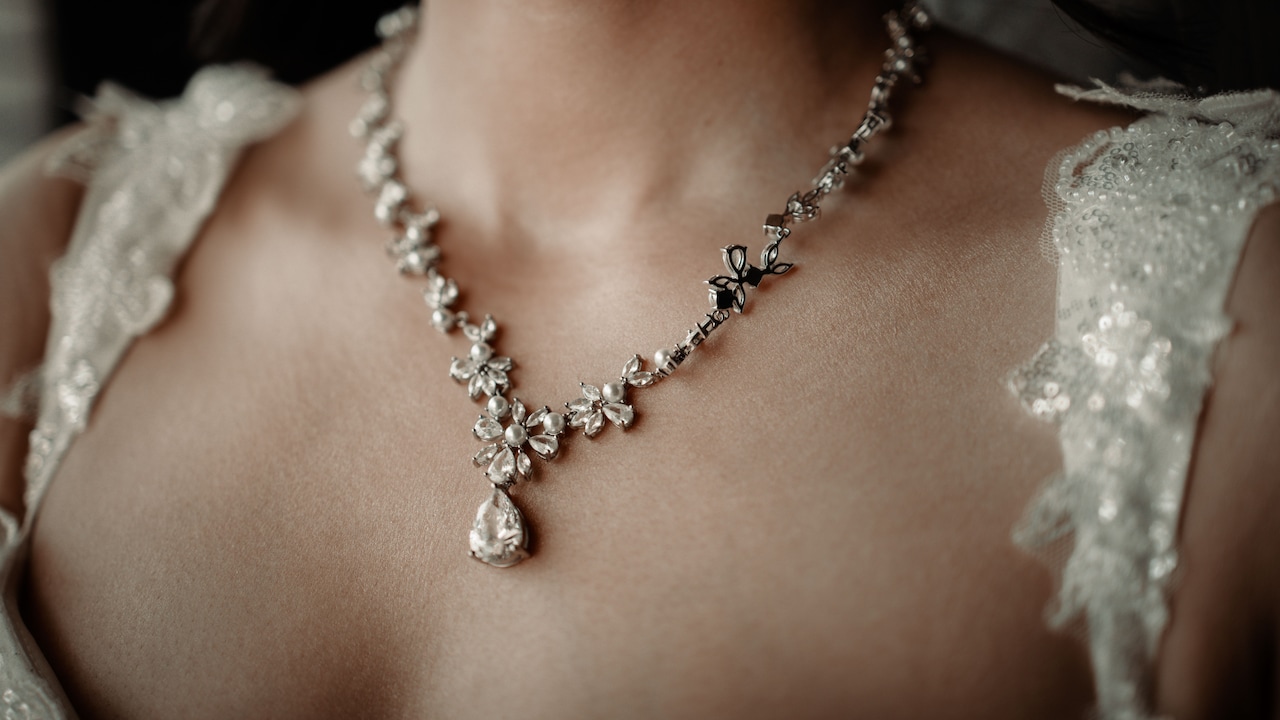
10 Ways You May Be Storing Costume Jewellery Wrong And Causing Tarnish
A favourite pair of earrings can look perfect on Monday and mysteriously dull a few months later, despite barely leaving the jewellery box. That change isn't always about quality. Quite often, the real culprit is how the jewellery spends its time when nobody is wearing it. Costume jewellery needs slightly more thoughtful storage than many people realise. Unlike solid gold or platinum pieces, fashion jewellery may use plated metals, alloys, imitation stones, enamel, beads or delicate coatings. Moisture, air, friction, perfume residue and even other jewellery can gradually affect these materials. The problem becomes especially noticeable during humid weather. A festive necklace tucked into a bathroom cabinet, earrings piled inside an open tray or bangles left near a window may start losing their original finish much faster. Fortunately, protecting costume jewellery doesn't require an expensive storage system. A few small changes can make a surprising difference. Before blaming the jewellery itself, check whether any of these ten everyday storage habits are quietly stealing its shine.
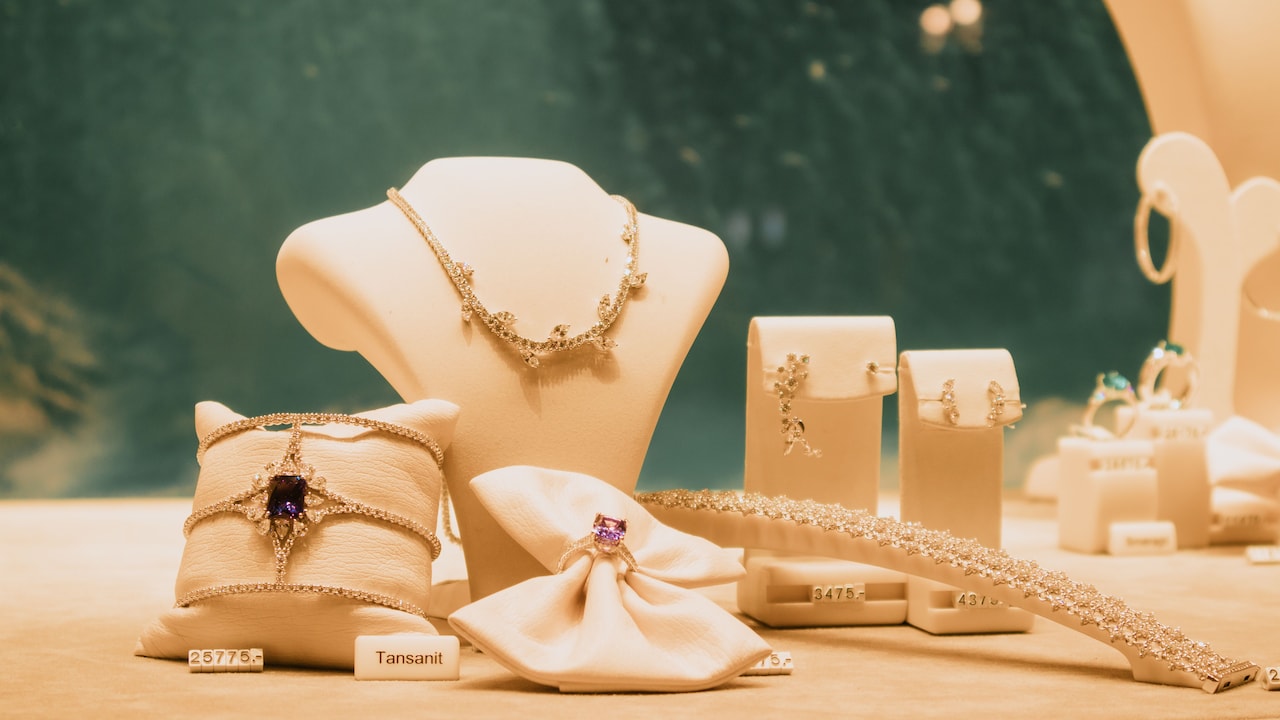
10 Ways You May Be Storing Costume Jewellery Wrong And Causing Tarnish; Photo Credit: Pexels
Where Your Jewellery Sleeps Matters More Than You Think
1. Leaving Jewellery In Open Trays For Weeks
An open jewellery tray looks attractive on a dressing table, especially when colourful earrings and necklaces become part of the décor. Unfortunately, what looks stylish isn't always the best storage arrangement.
Leaving costume jewellery exposed allows constant contact with air, humidity, household dust and airborne particles. Over time, moisture and oxygen can react with certain metals and plated finishes. The result may appear as darkening, patchiness or that slightly cloudy surface that makes jewellery look older than it actually is.
Dust creates another problem. Fine particles settle around stone settings, textured metal and chain links. Mix that dust with traces of skin oil or cosmetic residue and jewellery can quickly lose its crisp sparkle.
Keep frequently worn pieces accessible if that suits your routine, but consider storing them inside closed compartments rather than completely open trays. Small zip pouches or individual boxes also work well.
That pretty necklace display might look lovely beside the mirror. Your jewellery, however, may prefer a little privacy.
Also Read: Practical And Stylish Jewellery Storage Solutions Under ₹500 For Everyday Use And Travel
2. Storing Everything Together In One Jewellery Box
The classic jewellery box can become surprisingly chaotic. Earrings disappear beneath bangles, necklaces wrap themselves around rings and everything somehow forms one elaborate knot overnight.
Beyond the inconvenience, storing different pieces together creates constant friction. Metal rubbing against metal can scratch protective coatings and plated surfaces. Rhinestones, crystals and textured jewellery may scrape neighbouring pieces every time the box moves or someone searches through it.
Even small scratches matter because they can expose the underlying base metal. Once that layer loses protection, moisture and air may accelerate tarnishing or discolouration.
Chains need particular attention. Fine chains can become trapped around heavier bangles or statement earrings, which increases the chance of kinks and broken links.
Separate pieces whenever possible. Jewellery boxes with divided compartments work particularly well. Small fabric pouches can also keep individual pieces apart without taking up much space.
Think of jewellery storage like seating at a crowded wedding. Everyone might technically fit at one table, but giving people a little breathing room prevents unnecessary drama.
3. Keeping Jewellery Inside The Bathroom
The bathroom cabinet feels like a convenient place for jewellery. Everything needed while getting ready sits nearby, and earrings can go on straight after skincare or make-up.
Unfortunately, bathrooms create one of the least friendly environments for costume jewellery.
Hot showers repeatedly fill the room with steam. Even when surfaces look dry, humidity levels may remain elevated for some time. Moisture can encourage tarnishing on susceptible metals and gradually affect plated finishes.
Jewellery stored in drawers isn't necessarily safe either. Humid air enters cupboards whenever doors open, and small enclosed spaces may retain moisture.
Choose a cool, dry cupboard or drawer outside the bathroom instead. A bedroom wardrobe or dedicated dressing-table compartment usually offers a more stable environment.
Also avoid leaving jewellery beside the sink after removing it. One forgotten pair of earrings can receive repeated splashes from handwashing before anyone notices.
Convenience matters, but jewellery doesn't need spa-level humidity every morning. Keep it close enough to your getting-ready area without placing it directly inside the steamiest room in the house.
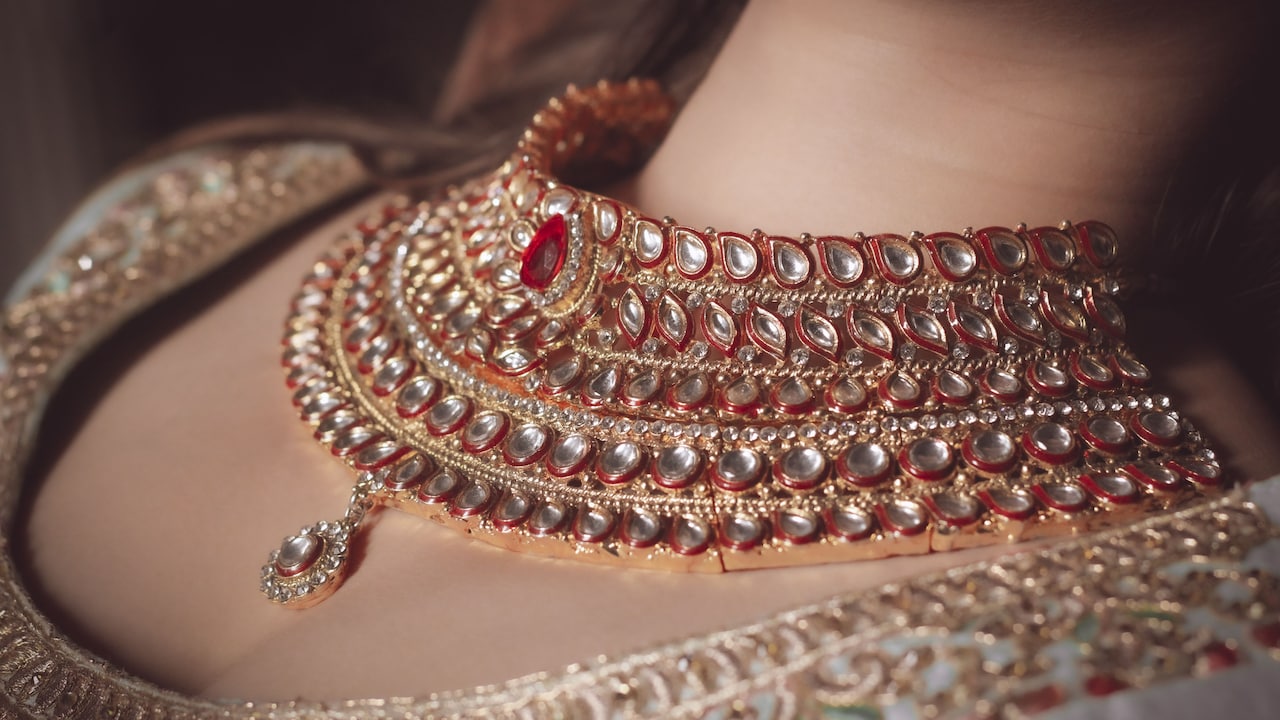
10 Ways You May Be Storing Costume Jewellery Wrong And Causing Tarnish; Photo Credit: Pexels
4. Putting Jewellery Away While It Is Still Damp
Sometimes jewellery goes straight into a box after a long day. Earrings come off, bangles follow, and everything disappears into a drawer before bedtime. The problem arises when sweat or moisture comes along for the ride.
Costume jewellery can pick up perspiration throughout the day, particularly during warm weather or long commutes. Necklaces collect moisture around the neckline, rings around the fingers and earrings near the skin.
Putting those pieces immediately into an enclosed pouch traps moisture against the surface. That creates conditions that can speed up tarnishing and affect certain coatings.
After wearing jewellery for several hours, gently wipe it with a soft, dry cloth before storing it. Allow noticeably damp pieces to air-dry completely first.
This doesn't require an elaborate cleaning ritual every evening. A quick wipe often removes sweat, skin oils and light residue before they settle on the surface.
The same rule applies if jewellery accidentally gets wet. Don't shut it inside a jewellery box and hope for the best. Give it time to dry properly before putting it away.
5. Storing Jewellery With Perfume Or Lotion Residue On It
The jewellery may be sitting safely inside a box, yet tarnishing can continue if yesterday's perfume, body lotion or hairspray came with it.
Many everyday beauty products contain alcohol, oils, fragrances and other ingredients that can leave invisible residue on jewellery. Costume pieces with delicate plating may react more noticeably than solid precious metals.
The problem often starts before storage. Perfume gets sprayed after a necklace goes on, moisturiser remains around the wrist beneath bracelets, or hairspray settles over earrings.
When jewellery gets packed away without wiping, those residues remain on the surface for hours or days. Eventually, the finish may look cloudy, uneven or darker.
A simple habit helps: jewellery should usually be one of the last things put on while getting ready. Let skincare, perfume and hair products settle first.
At night, gently wipe frequently worn pieces before putting them away.
The jewellery box itself cannot undo chemical residue already sitting on the surface. Proper storage starts before the drawer even closes.
6. Using Plastic Bags Without Considering Moisture
Small plastic zip bags can be surprisingly useful for organising costume jewellery. They separate pieces, prevent tangling and reduce unnecessary exposure to air. However, plastic isn't automatically perfect in every situation.
The main problem appears when jewellery enters the bag with moisture already on it. A tightly sealed pouch can trap humidity around the piece rather than allowing it to evaporate.
Imagine sealing slightly sweaty earrings into plastic immediately after returning home on a humid evening. The pouch may protect them from scratches, but it can also preserve the damp conditions you wanted to avoid.
Always make sure jewellery feels completely dry before sealing it.
The condition of the bag matters too. Replace pouches that become dirty, sticky or cloudy with cosmetic residue.
For delicate or frequently worn pieces, a soft fabric pouch can provide protection while reducing surface rubbing.
Plastic bags aren't the villain. Used correctly, they're inexpensive and practical. The mistake is assuming that sealing jewellery away solves every storage problem regardless of what gets sealed inside with it.
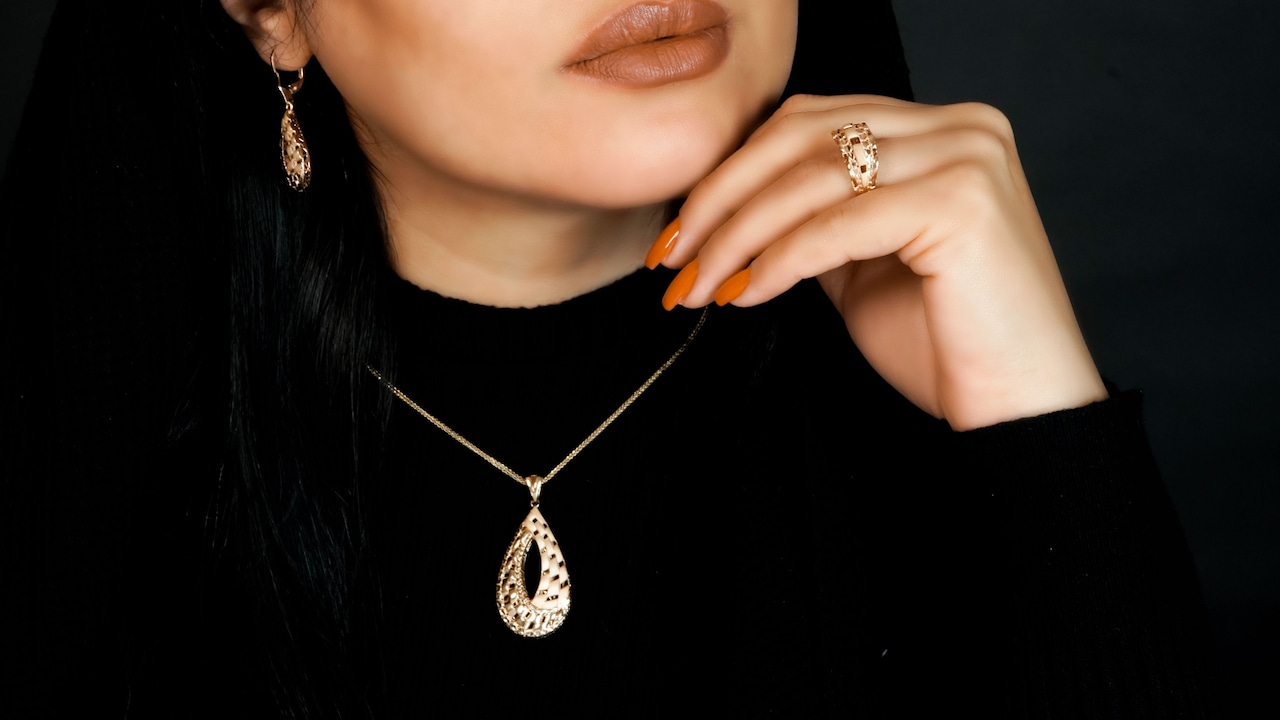
10 Ways You May Be Storing Costume Jewellery Wrong And Causing Tarnish; Photo Credit: Pexels
7. Keeping Jewellery Near A Sunny Window
Sunlight makes gemstones and shiny accessories look wonderful, which makes a windowsill or bright dressing table an appealing place to keep jewellery.
Long-term exposure tells another story.
Strong sunlight and heat can affect certain costume jewellery materials, especially coloured resin, plastics, imitation stones, adhesives and painted or enamelled finishes. Some colours may gradually fade, while repeated heating can weaken glues used to secure decorative elements.
A sunny windowsill can also become much warmer than the rest of the room during the afternoon. Jewellery doesn't benefit from repeatedly heating up and cooling down every day.
Instead, store pieces somewhere shaded with reasonably stable temperatures. A drawer, wardrobe compartment or covered jewellery box works better than a display positioned in direct sunlight.
You don't need to hide every necklace in complete darkness. Occasional daylight while wearing or choosing jewellery poses little concern.
The problem comes from leaving pieces exposed in the same bright spot for weeks or months. That dramatic sunbeam may flatter your dressing table photos, but your jewellery doesn't need a daily suntan.
8. Hanging Heavy Necklaces From Small Hooks
Hanging necklaces can prevent tangles, but not every necklace benefits from spending its entire life suspended from a hook.
Heavy costume necklaces place continuous pressure on their chains, jump rings and clasps when stored vertically. Large pendants, chunky beads and statement designs add considerable weight. Over time, vulnerable links may stretch or connections may loosen.
Decorative necklaces made with thread, elastic or delicate wiring need even more care because prolonged hanging can gradually distort their shape.
Flat storage may suit heavier designs better. Lay them inside a lined drawer or spacious compartment without folding them sharply.
Lightweight chains can usually hang safely, provided the hook doesn't force them into an awkward angle. Make sure each necklace has enough space so pieces don't repeatedly knock against one another.
Storage should support the jewellery rather than place it under constant tension.
A statement necklace may look impressive hanging from a decorative stand, but sometimes it deserves to put its feet up too. Save the hanging display for pieces light enough to handle it comfortably.
9. Ignoring The Jewellery Box Lining
A jewellery box may look luxurious from the outside while hiding a surprisingly rough interior.
The surface touching jewellery matters. Coarse materials can scratch plated finishes, imitation pearls, polished stones and delicate metal surfaces. Old boxes may also collect dust, cosmetic powder and residue along the lining.
Check compartments occasionally. If the lining feels rough, dirty or damaged, add a soft piece of clean cotton or another smooth jewellery-friendly fabric before placing delicate pieces inside.
Also pay attention to wooden organisers without lining. They can work well for sturdy accessories, but sliding fine jewellery repeatedly across a hard surface may cause tiny marks over time.
Clean storage matters just as much as closed storage. Empty the box occasionally and remove dust before putting everything back.
There's little benefit in carefully wiping a necklace only to place it into a dusty compartment immediately afterwards.
Jewellery boxes rarely get included in cleaning routines, perhaps because they're supposed to protect the contents. Yet even the protector needs some maintenance once in a while.
10. Forgetting About Jewellery For Months Without Checking It
Out of sight can quickly become out of mind. Festival jewellery, wedding accessories and statement pieces often stay untouched for months until the next big occasion.
Long-term storage doesn't automatically protect costume jewellery. Changes in humidity, unnoticed moisture or residue can continue affecting pieces while they sit inside a drawer.
Open stored jewellery occasionally and inspect it. Check for dark spots, loose stones, discolouration, damaged clasps or signs of moisture. A quick look can reveal problems before they become more noticeable.
This also gives you an opportunity to wipe pieces gently and reorganise anything that has shifted or tangled.
If the storage area feels humid, consider moving jewellery to a drier place rather than waiting for visible tarnishing.
Rarely worn pieces deserve particular attention because problems can go unnoticed for much longer than they would with everyday earrings or chains.
Consider it a tiny wardrobe check-up. Those forgotten jhumkas from last year's celebrations shouldn't have to wait until five minutes before the next family function to reveal that they've changed colour.
Products Related To This Article
1. PALMONAS Classic Pearl Pendant Necklace & Earring Jewellery Set for Womens
2. SALTY Anti Tarnish Jewellery Gift Box for Women
3. Sukkhi Classic Gold Plated Choker Necklace with Drop Earring Jewellery Set For Women
4. GIVA 925 Silver Rose Gold Drop Wreath Pendant With Link Chain
5. Rubans AD Zircon Wedding Jewellery Set with Earrings for Women
6. SALTY Tulip Bracelet for Women Anti Tarnish
7. Shining Diva Fashion Necklace Jewellery Set for Women
Costume jewellery rarely loses its sparkle overnight. Small habits gradually add up. Moisture gets trapped, pieces rub together, perfume residue stays behind, and open trays expose delicate finishes day after day.
Better storage doesn't need expensive organisers or complicated routines. Keep jewellery dry, separate pieces where possible, protect them from humidity and strong sunlight, and give frequently worn items a quick wipe before putting them away. Most importantly, don't forget about the pieces sitting quietly at the back of a drawer.
A little care between wears can help favourite earrings, necklaces, rings and bangles keep their colour and shine noticeably longer. After all, good jewellery storage isn't really about hiding accessories away. It's about making sure they still look worth bringing out when the occasion arrives.
(Disclaimer: This article may include references to or features of products and services made available through affiliate marketing campaigns. NDTV Convergence Limited (“NDTV”) strives to maintain editorial independence while participating in such campaigns. NDTV does not assume responsibility for the performance or claims of any featured products or services.)