10 Everyday Habits That Make Black Clothes Lose Colour Faster Than Expected
Black clothes can fade long before the fabric wears out. From harsh detergents and hot washes to sunlight and over-washing, these everyday habits quietly strip away colour and leave once-deep blacks looking grey, patchy and tired.
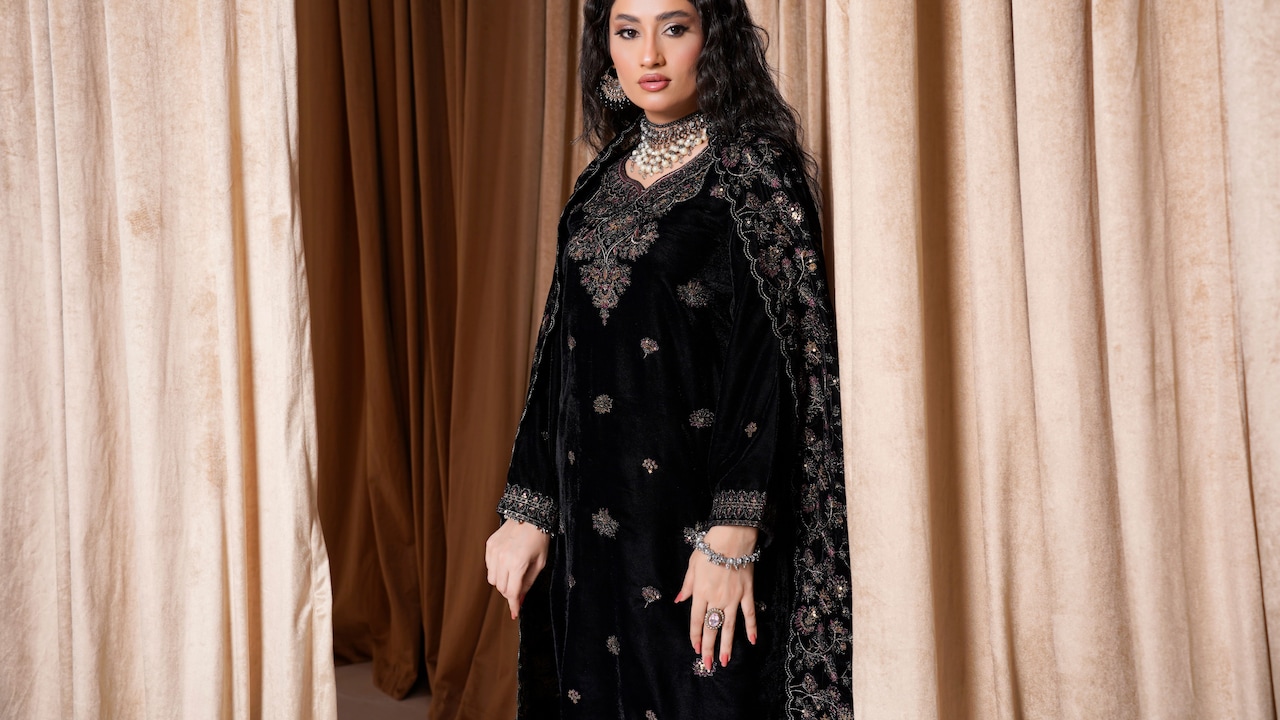
Why Do Black Clothes Fade So Fast? 10 Everyday Habits To Avoid
Few wardrobe colours work as hard as black. A black T-shirt can rescue a rushed morning, black denim jeans fit almost anywhere, and a simple black kurta or shirt often survives several outfit crises without complaint. The trouble begins when that rich, inky shade slowly starts resembling charcoal. Sometimes the change happens so gradually that it goes unnoticed. Then one day, an older black tee sits beside a new one and the difference looks dramatic. The fabric may still feel perfectly wearable, yet the colour makes the garment look years older. Some fading comes naturally with time. Dyes don't remain untouched forever, especially on fabrics that face regular washing and friction. However, everyday clothing habits can speed up the process considerably. Washing too often, using too much detergent, drying garments in harsh sunlight and even wearing the same black clothes repeatedly without giving them a rest can all contribute. The good news? Keeping dark clothes darker doesn't require an elaborate laundry ritual. Small changes can make a surprisingly noticeable difference.

Why Do Black Clothes Fade So Fast? 10 Everyday Habits To Avoid; Photo Credit: Pexels
Why Black Clothes Often Fade Before They Actually Wear Out
1. Washing Black Clothes After Every Single Wear
Not every garment needs a trip through the washing machine after one outing. Yet black clothes often get washed automatically, even when they haven't picked up stains, noticeable odours or heavy sweat.
Every wash creates friction. Fabric rubs against the drum, other garments and itself. That movement gradually loosens tiny fibres from the surface. Since those fibres hold dye, some colour leaves with them. After enough cycles, the garment starts looking dull even though its structure remains perfectly sound.
A black overshirt worn for three hours in an air-conditioned office, for example, probably doesn't need the same treatment as a T-shirt worn during an afternoon commute in humid weather.
Where practical, airing lightly worn clothes can extend the gap between washes. Hang the garment somewhere ventilated rather than immediately pushing it into the laundry basket.
Of course, underwear, sweaty activewear and genuinely dirty clothing need proper washing. The idea isn't to avoid laundry. It's simply to stop treating every wear as an automatic wash cycle. Fewer unnecessary washes mean fewer opportunities for dye to escape.
Also Read: 6 Black Gowns That Make Wedding Dressing Effortless Yet Glamorous
2. Using More Detergent Because The Load Looks Dirty
There's a strangely persistent belief that more detergent means cleaner clothes. With black clothing, that generous extra splash or scoop can create the opposite problem.
Too much detergent may not rinse away properly, particularly in a crowded machine or a low-water cycle. Residue can settle on the surface and leave dark fabric looking cloudy, dusty or slightly grey. Suddenly, a perfectly healthy black shirt appears faded even when much of its original colour remains underneath.
Strong detergent formulas can also be unnecessarily aggressive for everyday garments. Some contain ingredients designed to remove stubborn stains or brighten pale fabrics, qualities that don't always help dark colours.
Measure detergent according to the product instructions, load size and water conditions rather than pouring it by instinct. A half-filled cap isn't automatically better than a carefully measured smaller quantity.
Also pay attention to detergent labelled for whites or containing bleaching agents. A formula created to make a white bedsheet look brighter isn't necessarily the best companion for a favourite black top.
Clean clothes shouldn't need to survive a chemical obstacle course every weekend.
3. Washing Everything In Hot Water
Hot water sounds reassuringly hygienic, which makes it tempting to use for almost every laundry load. Unfortunately, heat can encourage colour to leave fibres faster, particularly when a garment already has a tendency to bleed.
Repeated hot washes may gradually turn a deep black garment into a softer, washed-out version of itself. Cotton clothing can show the change especially clearly because surface fading becomes increasingly visible around seams, folds and high-friction areas.
For everyday dark clothing, cool or cold water often does the job perfectly well when the care label allows it.
That doesn't mean cold water magically freezes dye permanently into fabric. Black clothes will still age. However, lowering unnecessary heat reduces one source of stress during washing.
The care label deserves the final word. Some garments have specific temperature requirements because of their fabric construction or hygiene needs.
Think of temperature as something to use deliberately rather than automatically. A black shirt worn during a normal desk-bound day rarely needs the same aggressive treatment as heavily soiled towels. Your washing machine may offer several temperature settings for a reason.

Why Do Black Clothes Fade So Fast? 10 Everyday Habits To Avoid; Photo Credit: Pexels
4. Throwing Black Clothes In With Rough, Heavy Garments
Colour loss isn't always about detergent or water temperature. Sometimes the real culprit is sitting right beside the black T-shirt in the drum.
Heavy denim, towels, garments with exposed zips and coarse fabrics can repeatedly rub against softer black clothing during a wash. That abrasion gradually roughens the fabric surface and makes colour loss more noticeable.
Imagine washing a lightweight black cotton top alongside two pairs of thick jeans, a bath towel and a hoodie covered in metal hardware. The top may technically survive the cycle, but it won't exactly enjoy the experience.
Separating laundry by more than colour can help. Washing similar fabrics together reduces unnecessary friction. Delicate dark tops can go with lighter garments, while sturdy jeans can handle their own heavier company.
Close zips before washing so metal teeth don't scrape against nearby fabrics. Hooks and other hardware deserve similar attention.
The difference may seem minor after one load. Laundry damage, however, usually works through repetition. Twenty slightly abrasive washes can leave a bigger mark than one obvious accident.
5. Forgetting To Turn Dark Clothes Inside Out
The outside of a black garment takes the visual damage, so protecting that surface during washing makes sense.
Turning black jeans, T-shirts, shirts and similar garments inside out before putting them in the machine reduces some direct rubbing against the drum and other clothes. The inner surface takes more of the friction while the visible exterior gets a little protection.
This habit becomes particularly useful for clothes with printed details or areas that tend to fade first, such as thighs, knees and elbows.
It isn't a magic trick. Fabric still moves, detergent still reaches it and colour still changes eventually. Yet laundry care often comes down to reducing small sources of wear rather than finding one dramatic solution.
Turning clothing inside out takes seconds, which makes it one of the easiest habits to adopt.
It can also help protect decorative prints from rubbing directly against other garments.
Anyone who has watched a favourite graphic tee slowly develop cracks and a washed-out finish already understands the value. Sometimes extending a garment's good years requires nothing more complicated than flipping it before pressing Start.
6. Leaving Black Clothes Under Strong Sunlight For Hours
Sunlight dries clothes quickly, but it isn't always kind to dark dyes.
Prolonged exposure to strong ultraviolet light can break down colour over time. Black fabric often makes this particularly noticeable because even moderate fading changes the overall appearance of the garment.
A freshly washed black shirt left in intense afternoon sunshine for hours after it has already dried gets far more light exposure than necessary. Repeat that routine every week and the effect can accumulate.
Outdoor drying doesn't need to disappear from the laundry routine. Instead, reduce unnecessary exposure. Remove clothes once they're dry, choose a shaded yet ventilated area when possible, or dry darker garments inside out.
This matters for clothes stored near strong sunlight too. A black jacket hanging beside a bright window for months may develop uneven fading on the side facing the glass.
That unevenness can be far more annoying than general fading because one shoulder or sleeve may start looking noticeably lighter.
Sunshine feels harmless because nothing changes immediately. Unfortunately, colour damage often arrives slowly enough to escape attention until the difference becomes impossible to ignore.

Why Do Black Clothes Fade So Fast? 10 Everyday Habits To Avoid; Photo Credit: Pexels
7. Leaving Damp Black Clothes Sitting In The Machine
That familiar washing-machine beep sounds. Then a meeting starts, dinner needs attention, a phone call arrives and the laundry gets forgotten until much later.
Leaving damp clothes compressed inside the machine for long periods isn't ideal for several reasons. Creases become deeper, damp odours may develop and dyes from some garments can transfer or settle unevenly.
Black clothes that are already prone to releasing colour deserve particular attention. When wet fabric sits folded tightly against itself, certain areas may remain saturated and compressed for much longer than others.
Try to remove laundry reasonably soon after the cycle finishes. Shake garments gently and reshape them before drying.
If a piece comes out with obvious dye transfer from another garment, check the care instructions before applying stain removers. Aggressive treatments can create a pale patch that's considerably more visible than the original problem.
The lesson here isn't that forgetting one load will destroy an entire wardrobe. Most people have rediscovered yesterday's laundry at least once. But turning delayed unloading into a routine gives damp clothing more time to misbehave.
8. Scrubbing Small Stains Too Aggressively
A tiny food mark appears on a black shirt, and panic takes over. Out comes detergent, followed by enthusiastic rubbing until the stain finally disappears.
Unfortunately, the dye around it sometimes disappears too.
Aggressive spot cleaning can create visibly lighter patches because repeated rubbing damages surface fibres and may lift colour from the treated area. The result can look worse than the original stain, especially on smooth black fabric.
Instead of scrubbing immediately, blot fresh spills where appropriate and follow the garment's care instructions. Test unfamiliar stain treatments on an inconspicuous area first, particularly on clothing you care about.
The correct method also depends on the stain. Oil, makeup, tea and mud don't necessarily respond well to the same treatment.
Avoid assuming that a stronger cleaner must produce a better result. Bleaching ingredients and harsh stain removers can create permanent discolouration on dark fabric.
There's something painfully ironic about removing one two-centimetre stain only to create a palm-sized faded patch around it.
Patience usually beats force. Treat the stain carefully, allow the cleaning product time to work and let the washing process do its share.
9. Wearing The Same Black Favourites Constantly
Everyone has that one black T-shirt that somehow escapes the wardrobe three times more often than everything else. Comfortable fit, flattering cut, goes with anything — understandable.
Frequent wear, though, creates its own form of fading.
Certain areas experience repeated friction during normal movement. Bag straps rub against shoulders. Seat belts cross shirts. Thighs brush together in trousers. Waistbands scrape against tops. Even leaning against a desk day after day affects the same patches.
Sweat, deodorant, skincare products and body oils also come into regular contact with fabric. Over time, certain sections can fade faster than others.
Rotating clothes gives frequently worn garments a rest and spreads wear across the wardrobe instead of concentrating it on two favourites.
This doesn't mean buying duplicates of everything. It simply means avoiding the strange wardrobe habit of owning 12 tops while wearing the same three.
Pay particular attention to black workwear. When the same trousers appear every other day, knees, seat areas and pocket edges may start ageing much faster than the rest of the garment.
Sometimes fading starts before laundry day even arrives.
10. Ignoring The Care Label Because “Black Is Black”
Two black garments can look nearly identical while requiring completely different care.
One may contain pure cotton. Another might blend polyester and elastane. A third could use viscose, linen, wool or a fabric finish that changes how it responds to water, heat and drying.
Treating all black clothes with the same washing programme ignores those differences.
Care labels provide useful information about maximum washing temperature, drying methods, ironing and whether certain cleaning processes should be avoided. They're admittedly not the most exciting reading material in the house, but they can prevent expensive mistakes.
A dark top labelled for gentle washing won't appreciate being thrown into a vigorous cycle simply because every other black garment survived it.
Similarly, high dryer heat may affect fibres, elastane and garment shape even when colour isn't the immediate concern.
When purchasing clothing, checking care requirements can also prevent future frustration. A beautiful garment that requires maintenance you're unlikely to follow may become difficult to keep looking good.
Black isn't a fabric type. Colour tells only part of the story. The fibres underneath decide how that garment wants to live.
Products Related To This Article
1. Sangria Black & Red Embroidered Tunic
2. Mlada Women Solid V-Neck Slim Fit 3/4th Sleeves Cotton Blouse
3. LYRA Women Black Solid Ankle Length Leggings
4. MADHURAM Black Floral Embroidered Cape Sleeves Gathered Maxi Ethnic Georgette A-Line Dress
5. Rimeline V-Neck Flared Sleeves Pure Cotton Kurti
6. SAIYAMORI Viscose Rayon Printed Tunic
7. NAVYAAZRI Embroidered Square Neck Fit & Flare Maxi Ethnic Dresses
Black clothes won't stay midnight-black forever, and a little fading can even give denim and casual cottons character. Premature fading, however, often comes from ordinary habits rather than poor-quality clothing alone.
Washing only when necessary, using sensible amounts of detergent, choosing cooler water where suitable, reducing friction and limiting prolonged sunlight can all help slow the change. Turning garments inside out and following their individual care labels require barely any extra effort.
Most importantly, don't wait until black becomes grey before changing the laundry routine. Fabric care works best as prevention. Give dark clothes gentler treatment from their first few washes, and that favourite black outfit has a much better chance of staying a favourite rather than quietly becoming the designated “wear-at-home” version of itself.
(Disclaimer: This article may include references to or features of products and services made available through affiliate marketing campaigns. NDTV Convergence Limited (“NDTV”) strives to maintain editorial independence while participating in such campaigns. NDTV does not assume responsibility for the performance or claims of any featured products or services.)