Knitwear Pilling Too Fast? Best Fabric Fibres and Care Tips to Keep Sweaters New
Sweaters pilling too fast? Learn which fibres resist fuzz, why pills form and the simplest care tips to keep knitwear looking new for longer.

Explore shopping, washing, and care tips to prevent sweaters from piling easily.
There's a particular heartbreak that comes with buying a new sweater, wearing it twice, and then spotting those little bobbly lumps under the arms. It feels personal. It feels unfair. It feels like the knit has betrayed you.
Pilling is one of the most common knitwear problems, especially in winter when sweaters get worn on repeat, layered under jackets, rubbed by bags, and washed a bit too aggressively because “it's just wool, right?”
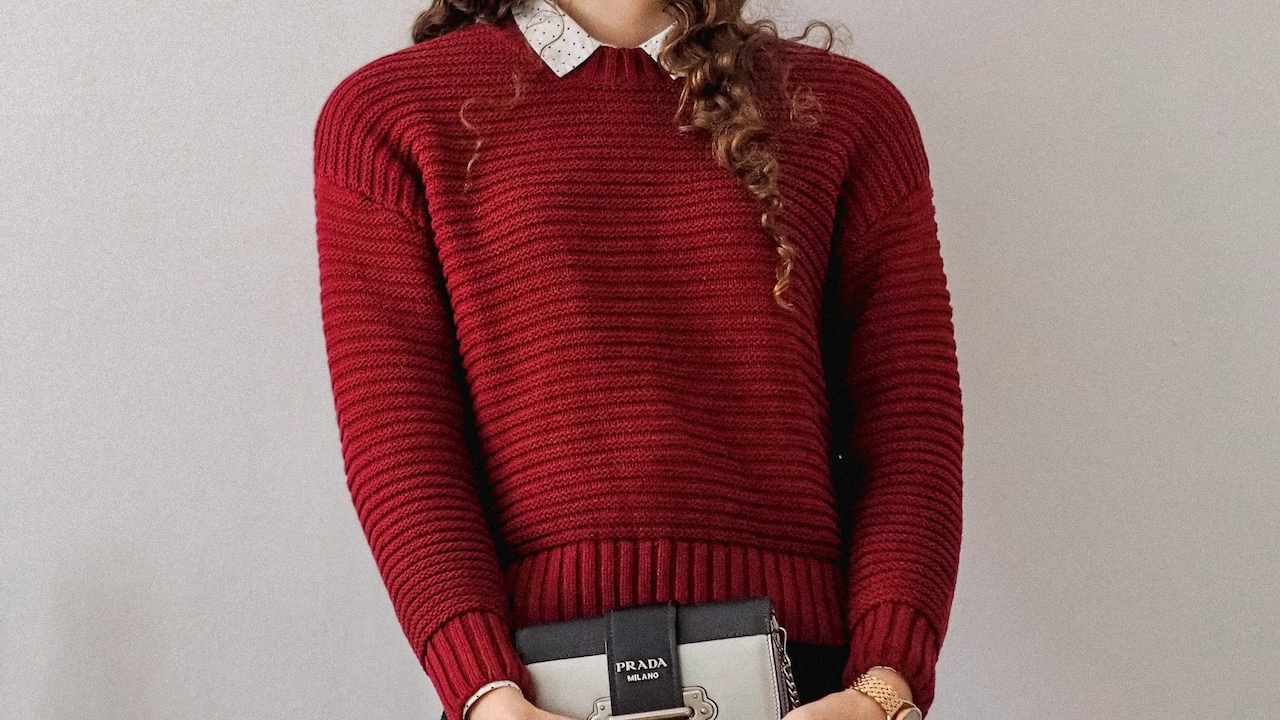
Try these easy tips to prevent your sweaters from piling in winter; Photo Credit: Unsplash
But pilling isn't random. It follows rules. The fabric fibre matters. The yarn construction matters. Even the way a sweater sits against a backpack strap matters. Once those triggers become clear, sweaters stop behaving like disposable winter items and start acting like long-term wardrobe staples.
This guide breaks down what causes pilling, which fibres behave best, and how to care for knitwear so it stays soft, smooth, and presentable, long after the first cold wave.
Also Read: Top 5 Sweaters For Winter That Don't Pill, Shrink or Lose Shape
Your Anti-Pilling Game Plan: 10 Practical Fixes
1) Why Sweaters Pill So Fast (And Why It's Not Always Poor Quality)
Pilling happens when loose fibres on the surface of a knit rub together, tangle, and form little balls. Think of it like hair getting knotted, except it's your sweater. The friction can come from jacket sleeves, handbag straps, seatbelts, office chair arms, or even just the natural movement of walking.
Here's the twist: pilling can happen in both cheap and expensive sweaters. In fact, softer premium fibres sometimes pill more in the beginning because the surface has finer, delicate hairs. A sweater that feels cloud-soft in the shop often has a higher chance of fuzzing early.
Knit structure also plays a role. Loosely knitted sweaters, chunky knits, and brushed finishes trap more air and feel warm, but they also allow more fibre movement. More movement equals more loose fibres, and loose fibres equal pilling.
So no, pilling doesn't automatically mean the sweater is low-grade. It means the fabric is behaving like fabric. The real trick is choosing fibres and constructions that pill less and then treating them in a way that doesn't invite friction like an open party.
2) The Fibre Winners: What To Look For When Buying Knitwear
If the goal is a sweater that stays neat and smooth, fibre choice matters more than brand names or fancy tags. Some fibres naturally resist pilling because their strands are longer, stronger, and less likely to snap into tiny pieces that tangle on the surface.
Merino wool often performs well, especially when it's tightly spun. It's soft but still strong enough to hold its shape. Cashmere feels luxurious but can pill heavily, particularly if it's made from shorter fibres or blended poorly. Cotton pills less than many wools, but it can lose shape if the knit is loose. Linen blends can stay crisp, though they don't always feel cosy in peak winter.
Then there's alpaca, which is warm and light but can fuzz depending on the knit. Silk blends are underrated because silk adds strength and reduces surface fuzz. Even a small percentage of silk can make a sweater behave better over time.
A helpful rule: longer fibres pill less. Stronger fibres pill less. A sweater that looks slightly less fluffy in the shop often stays more presentable in real life. Fluff is cute, but fluff is also a warning sign.
3) Why Acrylic And Polyester Blends Pill Like Crazy (And Why They Still Sell)
Acrylic and polyester sweaters are everywhere for a reason: they're affordable, widely available, and easy to produce in colours that pop. They also feel soft at first touch, which makes them tempting during a quick shopping run.
But here's the problem. Synthetic fibres are extremely strong. That sounds like a good thing, but in the pilling world, it's a trap. When natural fibres pill, the pills eventually break off because the fibres are weaker. With synthetics, the pills cling on stubbornly, creating that classic “old sweater” look within weeks.
Blends make this more complicated. A sweater that mixes wool with acrylic can pill faster than pure wool because the wool fibres loosen, and the acrylic fibres hold onto the pills like they're emotionally attached. The result is a fabric that keeps collecting fuzz and refuses to let go.
That doesn't mean synthetics must be avoided completely. Some blends are practical for daily wear. But if pilling drives you mad, a high-acrylic sweater is like adopting a cat that loves knocking things off shelves. Cute, but chaos is guaranteed.
4) The Secret Detail Most People Ignore: Yarn Twist And Knit Density
Two sweaters can have the same fibre label and still behave very differently. That's because fibre content is only half the story. The other half is yarn construction.
Yarn twist matters a lot. A tightly twisted yarn holds fibres in place, reducing the number of loose ends that escape to the surface. Loosely twisted yarn feels softer and fluffier, but it sheds more and pills faster. This is why some sweaters start pilling after the first day, while others stay smooth for a whole season.
Knit density also plays a role. A tighter knit means less fibre movement and less rubbing within the fabric itself. A loose knit may feel airy and cosy, but it's more prone to snagging, stretching, and surface fuzz.
In practical terms, when shopping, gently pinch the fabric and look closely. If the knit looks compact and the yarn looks firm, that's a good sign. If it looks overly fuzzy or the loops seem very open, pilling may arrive early.
This is the unglamorous truth of knitwear: the sweater that looks slightly “less cute” on the hanger often turns out to be the one that still looks good after ten wears.
5) The Best Low-Pilling Fibres For Everyday Sweaters (Real-Life Friendly)
For daily wear, office, travel, college, weekend outings, some fibres strike a great balance between comfort, warmth, and low pilling.
Cotton knits are excellent for mild winters and indoor settings. They don't pill as aggressively as many wools and tend to look neat for longer. A cotton-wool blend can offer warmth without turning into a fuzz festival, especially if the wool percentage isn't too high and the yarn is well-spun.
Merino wool is one of the most reliable choices for winter. It's warm, breathable, and generally resists heavy pilling when made well. Wool blended with silk is another quiet champion, because silk strengthens the yarn and reduces the fuzzy halo effect.
Viscose and modal blends can feel smooth and drape beautifully, though they can pill if mixed with synthetics or knitted too loosely. The safest bet in this category is a blend that includes a stronger natural fibre like cotton.
For anyone building a winter wardrobe on a budget, it's worth remembering: a slightly pricier sweater that stays wearable for three seasons is cheaper than buying a new one every month because the old one looks like it fought a lint monster.

Consider fabrics like cotton or merino wool which do not pile easily; Photo Credit: Pexels
6) Why Some “Soft” Sweaters Pill Faster Than Rougher Ones
Softness is seductive. A sweater that feels like a warm hug in a shop mirror is hard to resist. But ultra-soft sweaters often pill faster because softness usually comes from shorter fibres, looser yarns, or brushed finishes.
Brushed knits are designed to lift fibres to the surface, creating that fuzzy, cosy look. Unfortunately, lifted fibres are exactly what pilling needs to start. Every rub, every movement, every bag strap becomes a pilling trigger.
Short fibres are another culprit. When fibres are shorter, they slip out of the yarn more easily and form pills faster. This is why some cashmere and “cashmere-like” sweaters pill quickly. It's not always because the material is fake. It can be because the fibre length is short, or the yarn is loosely spun to maximise softness.
Rougher sweaters often use longer fibres or tighter construction. They don't feel as buttery on day one, but they age better. Over time, they soften naturally without turning into a fuzzy mess.
So yes, the world is unfair. The sweater that feels like a dream can behave like a drama queen. The sweater that feels slightly practical often becomes the long-term favourite.
7) Washing Mistakes That Turn A New Sweater Into A Pilling Machine
Washing is where many sweaters lose their dignity. A knit can survive daily wear, but one aggressive wash can undo everything.
Hot water is the first villain. Heat loosens fibres, increases friction, and encourages surface fuzz. The second villain is spinning. A high-speed spin cycle is basically a rollercoaster of friction, and knits don't enjoy rollercoasters.
Regular detergent can also be harsh on wool and delicate fibres. Some detergents strip natural oils, making fibres rougher and more likely to snag and pill. Overloading the washing machine adds another layer of chaos because clothes rub against each other like they're stuck in traffic.
Handwashing sounds like the solution, but even handwashing can go wrong if the sweater gets rubbed, wrung, or scrubbed. Knits don't need punishment. They need gentle soaking and careful handling.
A simple rule works well: cold water, minimal agitation, and no twisting. Treat the sweater like it's expensive, even if it wasn't. Knitwear responds very well to respect.
8) The Best Way To Wash And Dry Sweaters Without Losing Shape
The safest approach for most sweaters is gentle washing and flat drying. This isn't a fancy “high maintenance” routine. It's basic knit survival.
Use cold water and a mild detergent, preferably one made for wool or delicates. If using a machine, place the sweater inside a mesh laundry bag. That bag reduces friction, which reduces pilling. Select the gentlest cycle and avoid a heavy spin. The goal is to clean, not to wrestle.
Drying is even more important. Hanging a wet sweater stretches it, especially at the shoulders. That's how perfectly shaped knits become oddly long and sad. Drying in direct sunlight can also fade colours and weaken fibres.
The best method is to press out excess water gently, without twisting. Then lay the sweater flat on a towel and reshape it. It takes longer to dry, but the sweater stays the right size, the surface stays smoother, and the fabric ages far better.
This is one of those boring habits that pays off massively. A sweater that dries properly looks sharper, sits better on the body, and feels more premium for years.
9) How To Remove Pills Properly (Without Damaging The Knit)
Pills can be removed, but the method matters. Pulling pills by hand feels satisfying for exactly three seconds, until the knit starts looking thin and stressed. Pills are attached to fibres, and yanking them out can pull threads and weaken the fabric.
The safest tools are a fabric comb, a sweater stone, or a battery-operated fabric shaver. A fabric shaver works especially well for synthetic blends because it trims pills cleanly without snagging the knit. The key is to use a light hand and work slowly.
For delicate fibres like wool or cashmere, a comb is often gentler. It removes surface fuzz without shaving too deeply. Sweater stones can be effective but require care, as too much pressure can roughen the surface.
After depilling, the sweater can look surprisingly new again. It's almost magical, like giving the knit a reset. The trick is to do it early, when pills are small. Letting pills build up makes them harder to remove and increases the risk of fabric damage.
Depilling isn't a sign of failure. It's normal maintenance, like polishing shoes or cleaning spectacles. Knitwear just has its own drama.
10) Storage And Daily Habits That Prevent Pilling In The First Place
A sweater's life isn't only about washing. Daily habits make a huge difference.
Friction is the biggest trigger, so reducing friction helps. Wearing a smooth inner layer under a sweater can cut down pilling, especially around the underarms. Being mindful of rough bag straps, crossbody bags, and backpacks also helps. These accessories constantly rub the same spots, which is why pills often appear in one predictable patch.
Storage matters too. Hanging sweaters can stretch them and create stress points. Folding is safer. For long-term storage, keep knits clean, dry, and away from damp corners. Moisture weakens fibres and invites odours that are difficult to remove.
Even the way sweaters get worn matters. Rotating knitwear gives fibres time to rest. Wearing the same sweater three days in a row might feel cosy, but it also means constant friction and constant stress.
A sweater doesn't need a luxury lifestyle. It just needs a little breathing room and gentler treatment than a cotton T-shirt. Give it that, and it pays back by looking polished season after season.
Products Related To This Article
1. DELAN Women Woollen Pullover
2. LASOON Women Woollen Pullover with Embellished Detail
3. Chemistry High Neck Knit Jumper Dress
4. Mast & Harbour Women Blue Colourblocked Pullover Sweater
5. Roadster The Lifestyle Co. Mock Collar Knit Jumper Dress
6. STREET 9 Conversational Printed Acrylic Pullover Sweater
7. H&M Rib Knit Dress
Pilling can feel like a personal insult, but it's really just fabric physics playing out in everyday life. Fibre choice, yarn twist, knit density, washing habits, and friction all decide whether a sweater stays sleek or turns fuzzy in a month.
The best approach is simple: buy smarter, wash gentler, dry flatter, and remove pills early. Choose fibres that behave well, and don't fall too hard for ultra-fluffy knits unless you're ready for the maintenance.
Sweaters are meant to be comforting, not stressful. With the right fabric and a few easy habits, knitwear can stay cosy, polished, and presentable, without looking like it's been through three winters and a breakup.
(Disclaimer: This article may include references to or features of products and services made available through affiliate marketing campaigns. NDTV Convergence Limited (“NDTV”) strives to maintain editorial independence while participating in such campaigns. NDTV does not assume responsibility for the performance or claims of any featured products or services.)