How To Take Care Of Silk Clothes At Home Without Damage
Want to know how to take care of silk products at home? Learn how to wash and store silk to maintain its beautiful appearance for longer.

How To Take Care Of Silk Clothes At Home Without Damage
Silk clothing has a way of quickly making any ensemble look exquisite. Whether it's colourful sarees, kurtas, or soft silk blouses and dresses, the fabric consistently makes a statement with its smooth texture and timeless appeal. But caring for silk can be a little frightening, especially when you worry about fading, shrinking, or damaging its softness after one bad wash.
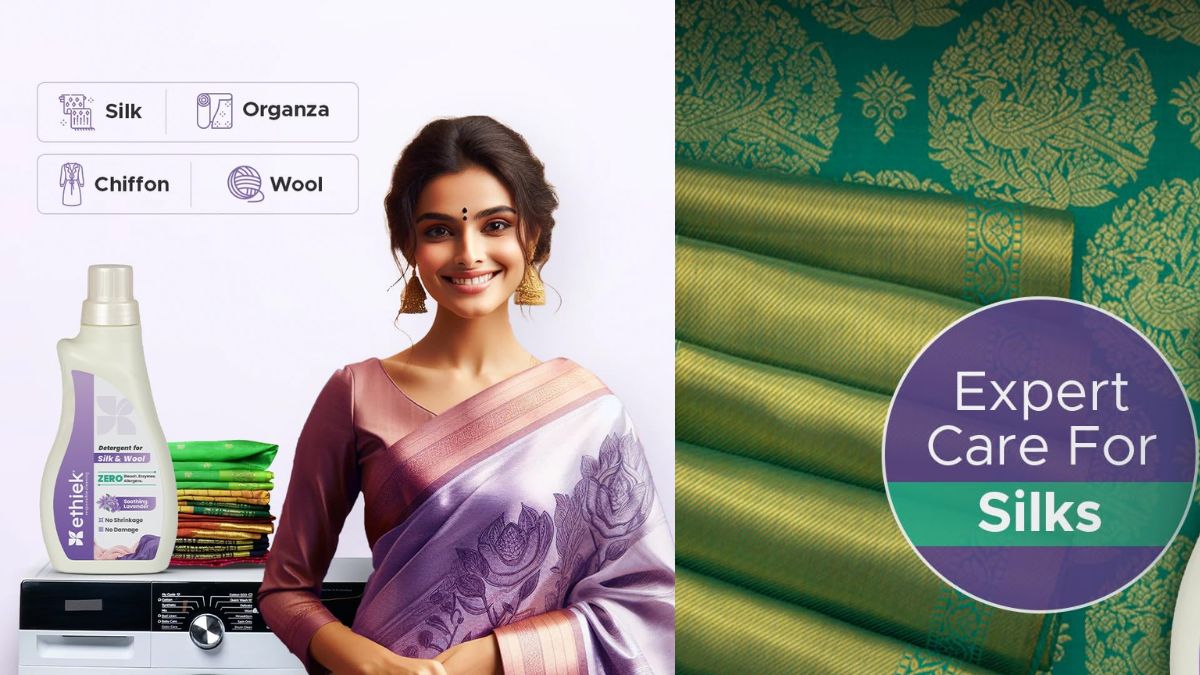
Discover simple ways to clean and protect silk items to keep them looking beautiful longer.
Photo Credit: Amazon
Most people at least own one silk suit or more, but taking care of it in different scenarios may sometimes look complicated. Your silk saree for weddings may need different maintenance than your daily silk kurta. How to take care of silk clothes at home without damaging them and making them last longer? Let's find out.
How To Care For Silk Clothes At Home
Silk garments require a little more care, as the fabric is naturally fragile. But that doesn't mean you constantly require pricey dry cleaning. Silk can stay soft, silky, and attractive for years if it is washed, dried, and stored properly.
It also responds differently to heat, water and detergent than it does to cotton or synthetic materials. This is why knowing some simple care techniques can make a big difference in how long your favourite silk clothing lasts.
How To Wash Silk Clothes At Home
Step 1: Check The Care Label First
Always look at the care label before washing silk; some clothing can be hand-washed and others may need dry cleaning. This is even more critical when it comes to silk sarees with embroidered or zari work where rough washing can ruin delicate details.
Usually, if the label recommends gentle washing, sticking to handwashing works better than tossing silk directly into a washing machine.
Step 2: Use Cold Water
Hot water can sometimes weaken silk fibres and affect the fabric's natural shine. Cold or lukewarm water usually feels much safer when washing silk clothes at home.
You also do not need to soak silk for too long. A gentle wash for a few minutes generally works well enough to remove dirt without stressing the fabric.
What Products Should You Use On Silk Clothes?
Step 1: Choose Gentle Detergents
Mild liquid detergents are preferable to strong powders on silk. Certain cleaning agents can make fabric feel rough or flat over time.
The amount is also significant because you could leave a residue of too much detergent on delicate fabrics.
Step 2: Avoid the Harsh Chemicals
Use substances that aren't too harsh on the cell. Silk and bleach don't mix well, and strong stain removers may also cause damage.
If you notice a stain, blotting it gently tends to work better than scrubbing aggressively. Small habits like these often help silk hold on to its softness for much longer.
Can Silk Clothes Be Dried In Direct Sunlight?
Not really. Silk is enhanced through moderate drying processes.
Step 1: Air Dry In Shade
Silk clothes, especially dark colours and party dresses, can be damaged in excessive exposure to harsh sunlight affecting the colour and texture.
Usually it feels safer to dry silk in the shade with enough air circulation instead.
Step 2: Do Not Twist The Fabric
Twisting silken items to wring out water can harm the fibres or change their shape. Usually it is much preferable to gently press out extra water with a towel.
This process may seem slower, but typically, this little extra work helps the silk remain in excellent condition.
How to Safely Iron Silk Garments
Step 1: Maintain a low heat setting
Too much heat can occasionally cause blemishes or damage the delicate texture of silk. Ironing on a low heat setting is often recommended for silk clothing.
If you are unsure, usually the safest bet is to go with the lowest setting first.
Step 2: Flip clothes inside out
Ironing silk on the underside can save the surface of the cloth. Some people also cover the silk with a thin cotton cloth to prevent direct heat contact.
That small step can do a lot to make silk look more polished and smoother.
How to Store Silk Clothes Correctly
Step 1: Opt for Breathable Covers
It is advisable to use cotton or muslin covers for silk sarees and silk dresses, instead of plastic bags. Breathable storage will help maintain texture over time.
This can be especially helpful on humid days, when the textiles might seem musty at times.
Step 2: Re-fold Silk Sarees Periodically
If you keep folding silk sarees in the same manner for months, you might start seeing deep wrinkles. A little care during storage can really make expensive silk outfits last much longer.

Master the best techniques for washing and storing your home silk products with easy steps.
Photo Credit: Amazon
Small Habits That Make A Big Difference
The way you care for silk clothes can entirely change how long they stay beautiful. Wash gently, avoid intense sunlight and use gentle detergents, all of which can make a dramatic difference. Even basic measures like not twisting the fabric too hard can help keep the softness.
Storage matters too. In general, silk materials do better if stored in permeable covers and refolded from time to time. Little efforts may not seem like much at first, but they keep silk outfits gorgeous for years.
Some Silk Care Products You Might Like
1. Kadam Dyfix Colour Fixer Liquid For Clothes
2. Cloth Color Fixer Stops Colour Bleeding (Dyefix Color Guard)
3. Eco-Friendly Colour Fixer Liquid
4. Pakka Cloth Color Fixer
5. Fabric Colour Fixer 250 ml Bottles (Pack Of 2)
6. Astro Dry-Clean At Home Liquid Sheets
7. Uniwax Fabric Color Fixer
8. Ethiek Liquid Detergent For Silk and Wool
Frequently Asked Questions (FAQs)
1. Can silk clothes be washed at home?
Yes, many times, silk clothes can be washed at home. Delicate materials require a mild detergent and cold water. Always check the care label before you wash.
2. Which detergent to use for silk clothes?
Silk is best cleaned with a mild detergent for sensitive fibres. But occasionally the detergents or washing powders are too rough on the fabric.
3. Do silks shrink after washing?
Silk can shrink from hot water washings or rough handling when drying. Wash it softly in cold water and do not set it in the high heat to dry.
4. Is it safe to iron the clothes made of silk?
Yes, silk can be ironed, but it's best to use low heat. The same can be done by turning the garment inside-out, providing protection to the fabric.
5. How do you preserve the beauty of silk sarees?
Putting your silk sari in a breathable cotton cover tends to keep it in excellent shape. Folding it occasionally can also prevent creases from forming permanently.
(Disclaimer: This article may include references to or features of products and services made available through affiliate marketing campaigns. NDTV Convergence Limited (“NDTV”) strives to maintain editorial independence while participating in such campaigns. NDTV does not assume responsibility for the performance or claims of any featured products or services.)