Work Trousers That Stay Structured Through Long Days
Work trousers should hold their shape from morning meetings to late evenings. This piece explores fabrics, fits, and details that keep trousers sharp, comfortable, and dependable through long workdays. Things to know about trousers that don't lose their charm throughout the day.
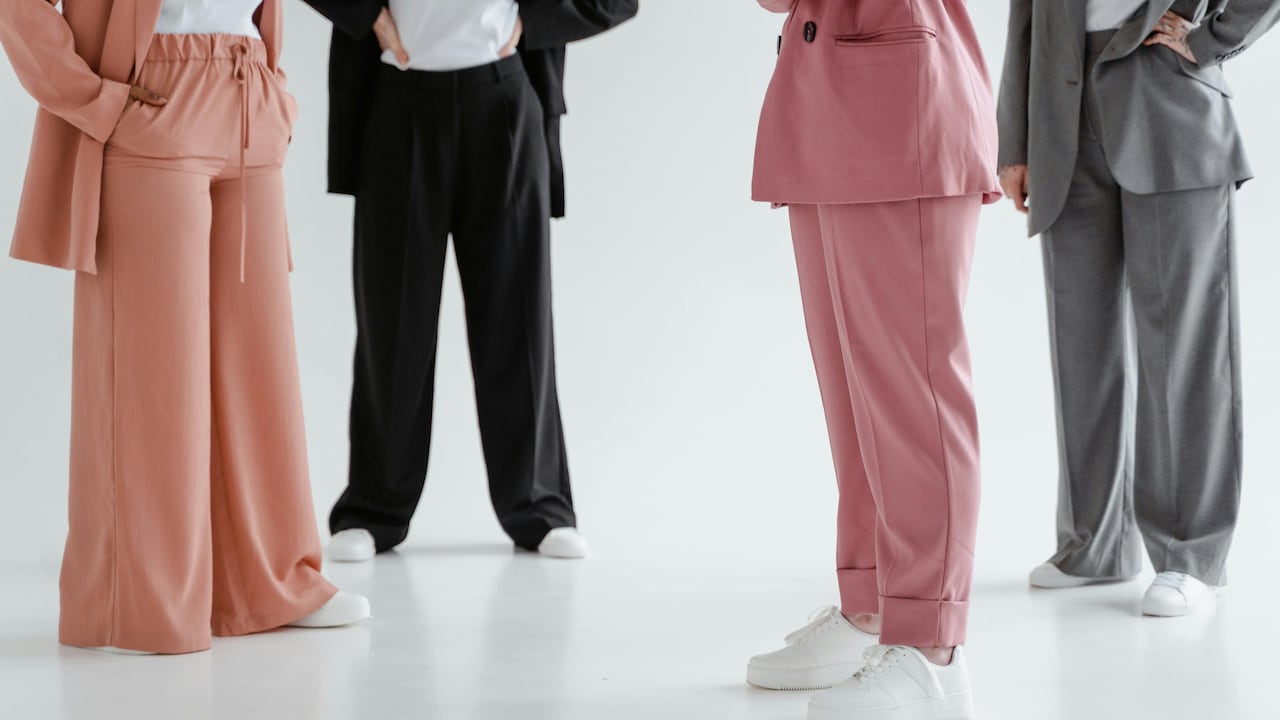
Top Features Keeping Work Trousers Structured And Wrinkle-Free For Long Workdays.
Workdays rarely unfold as planned. A morning that begins with neatly pressed trousers can end after hours of sitting, walking, commuting, and standing in queues. By then, creases fade, waistbands feel tight, and fabric loses its crispness. Yet, clothing still speaks before words do. Structured work trousers help maintain confidence when energy dips and schedules overrun.
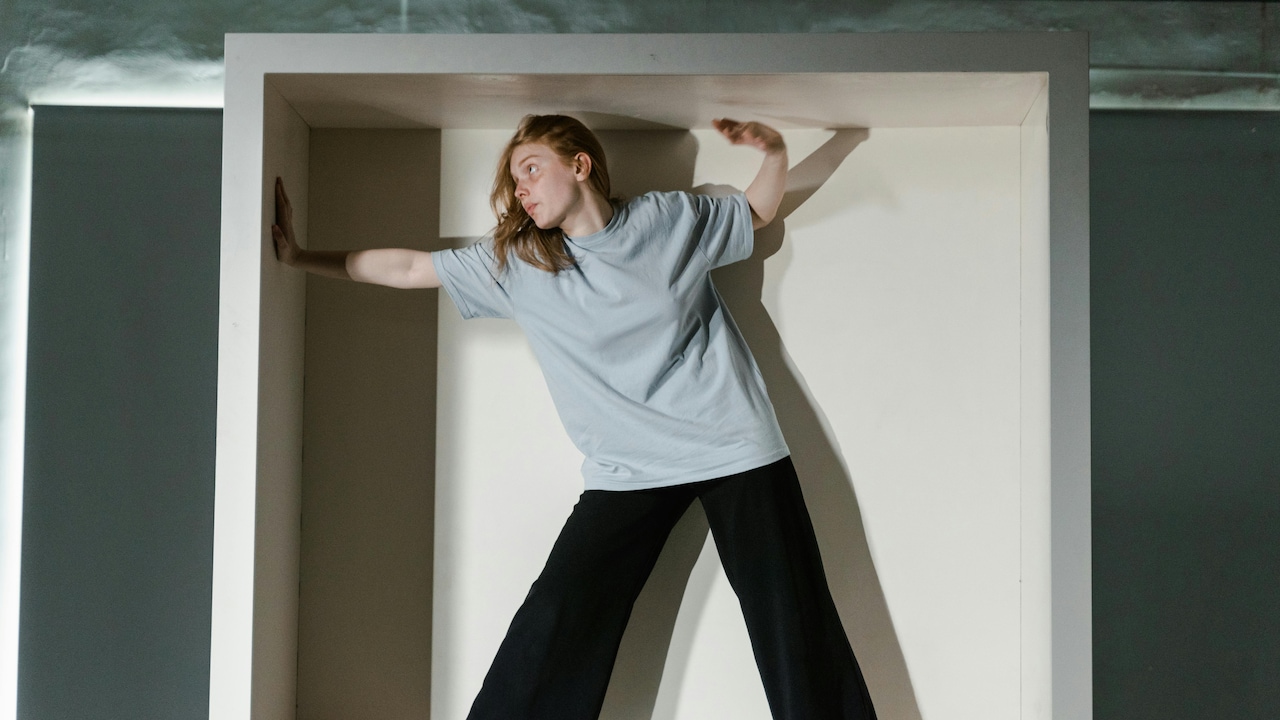
Learn all about work trousers that stay structured while you grind; Photo Credit: Pexels
Good trousers do more than complete an outfit. They support posture, allow movement, and carry a sense of quiet order through chaos. In offices where first impressions matter and comfort still counts, trousers need to strike a careful balance. Style should not collapse by lunchtime. Comfort should not come at the cost of polish.
This piece looks closely at work trousers designed to stay structured through long days. From fabric choices to tailoring details, from care habits to cultural expectations, each section unpacks what truly makes trousers dependable. Think of it as a guide for anyone tired of trousers that give up before the day does.
Also Read: 5 Palazzo Pants for Women That Drape Well Without Looking Bulky
Key Features That Help Work Trousers Stay Structured All Day
1. Why Structure Matters More Than Ever
Structure often goes unnoticed until it disappears. A pair of trousers that sags, wrinkles, or twists after a few hours can quietly erode confidence. Long days demand clothing that holds its form, even when the wearer feels stretched thin. Structured trousers offer visual stability in unpredictable routines.
In professional settings, appearance still shapes perception. Crisp lines suggest organisation and attention to detail. When trousers maintain their shape, they reduce the need for constant adjustment. That small relief matters during packed schedules. It allows focus to stay on conversations, screens, and decisions rather than on tugging at fabric.
Structure also affects comfort. Well-built trousers distribute pressure evenly across the waist and hips. They avoid bunching behind the knees or pulling at the thighs. Over time, this balance prevents fatigue caused by restrictive clothing. The result feels subtle yet powerful.
With hybrid work blurring boundaries between desk, commute, and social spaces, trousers need to perform across contexts. Structure ensures versatility. It keeps trousers looking intentional, whether paired with a blazer in the morning or a relaxed shirt in the evening.
2. Fabric Choices That Hold Their Shape
Fabric forms the backbone of any structured trousers. Natural fibres like wool blends remain favourites for a reason. They drape well, resist wrinkles, and bounce back after movement. Even after hours of sitting, good wool retains its sharpness with minimal effort.
Cotton twill offers another reliable option when woven tightly. It feels breathable in warm weather and gains character over time. However, pure cotton may crease easily. Blends that include elastane or polyester add resilience without sacrificing comfort. That slight stretch allows movement while helping trousers return to shape.
Synthetic-heavy fabrics often promise durability but can trap heat. Long days call for breathability as much as structure. A fabric that feels clammy by noon rarely stays crisp by evening. Balance matters.
Weight also plays a role. Lightweight fabrics suit summer but may lose form quickly. Medium-weight cloth provides enough body to maintain structure without feeling heavy. Checking fabric composition before buying saves disappointment later. The right material quietly works through the day, asking for little while giving a lot.
3. Tailoring: The Silent Game Changer
Even the finest fabric struggles without proper tailoring. Fit determines how trousers behave over time. Well-tailored trousers follow natural body lines without clinging. They allow movement without excess fabric that collapses into wrinkles.
A clean waistband anchors structure. When it sits comfortably, it prevents constant shifting. Proper rise length supports posture and avoids strain while sitting. Too low, and the fabric pulls. Too high, and it feels restrictive. Balance creates ease.
Leg cut also matters. Slim cuts look sharp but can crease heavily if too tight. Straight or gently tapered legs often maintain shape better through long wear. They offer space for movement while preserving a polished silhouette.
Small details reveal good tailoring. Reinforced seams, neat hems, and quality stitching add strength. These elements prevent trousers from losing alignment after repeated use. Tailoring may seem like an extra step, but it transforms trousers from decent to dependable. Over long days, that difference becomes clear.
4. Waistbands That Work With the Body
The waistband sets the tone for comfort and structure. A well-designed waistband stays flat and firm without digging in. During long hours, this feature becomes essential. Discomfort around the waist distracts and affects posture.
Modern work trousers often include subtle flexibility. Hidden elastic panels or adjustable tabs allow movement after meals or during extended sitting. These features maintain a clean look while adapting to the body's needs. Structure remains intact without rigidity.
Lining also plays a role. A properly lined waistband reduces friction and helps trousers slide smoothly during movement. This prevents bunching and twisting, common issues in poorly designed pairs.
Belt loops deserve attention, too. Strongly stitched loops hold belts securely, keeping trousers aligned. Weak loops stretch or tear, causing sagging. Over time, this affects the entire silhouette.
A thoughtful waistband supports long days without drawing attention. It offers quiet reliability, holding everything together while allowing freedom. That balance defines trousers built for endurance.
5. Crease Retention and Sharp Lines
Creases lend trousers their character. A sharp crease signals intention and order. Yet, many trousers lose this detail within hours. Crease retention depends on fabric treatment and construction.
Pressing techniques during manufacturing set the foundation. Heat-set creases in wool blends tend to last longer. They survive movement and return after gentle smoothing. In contrast, untreated fabrics require frequent ironing to maintain lines.
The way trousers hang also matters. Proper drape allows creases to fall naturally. When fabric pulls or twists, creases distort. This again links back to tailoring and fit.
Daily habits influence longevity. Sitting carefully, hanging trousers properly, and avoiding overstuffed pockets help maintain sharpness. These small actions support the garment's design.
Trousers that keep their creases reduce mental load. There is no need to hunt for an iron before stepping out again. Sharp lines throughout the day contribute to a sense of readiness, even during unexpected moments.
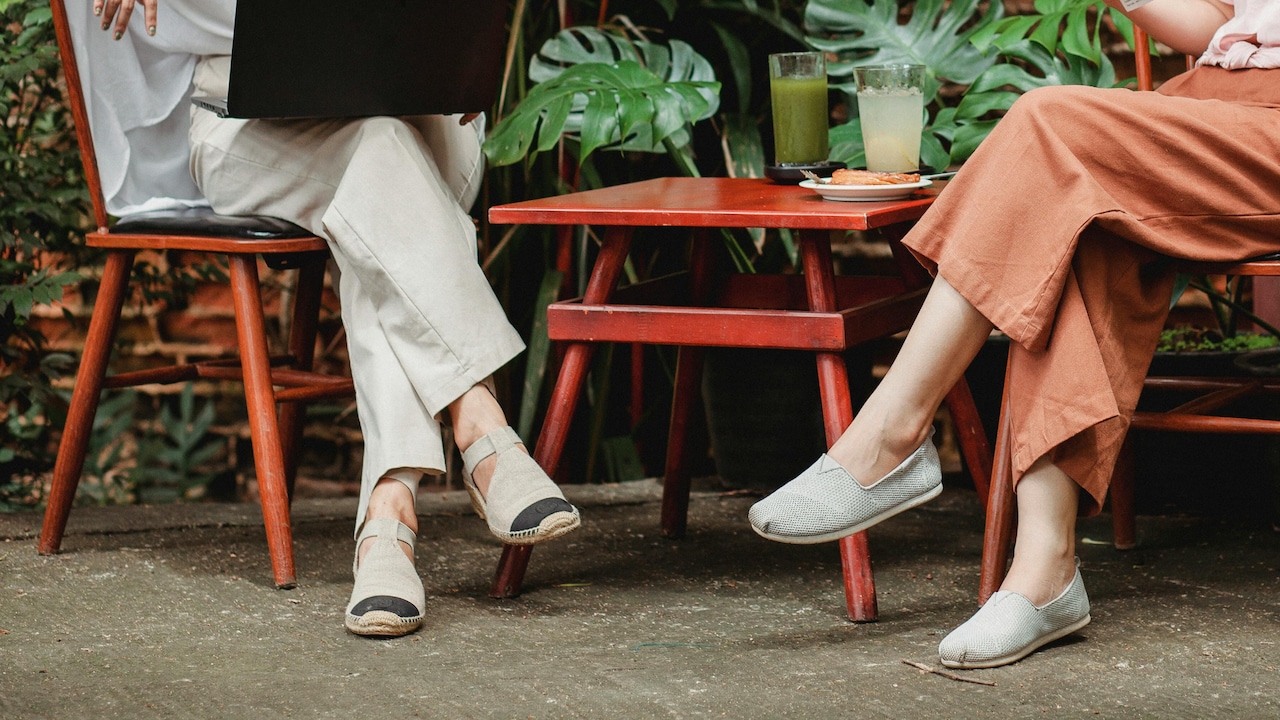
Ironing techniques and crease retention ability of the fabric also matters; Photo Credit: Pexels
6. Comfort Across Long Hours
Structure should never come at the cost of comfort. Long days test clothing in subtle ways. Stiff fabrics chafe. Tight cuts restrict circulation. Well-designed work trousers balance firmness with ease.
Stretch technology has changed expectations. A small percentage of elastane allows bending, climbing stairs, and sitting cross-legged without strain. This flexibility supports natural movement while preserving shape.
Breathability remains crucial in warm climates. Fabrics that allow air flow prevent discomfort and sweating. Lined trousers should feel smooth, not suffocating. Comfort keeps focus intact during demanding hours.
Weight distribution also matters. Trousers that pull at the waist or thighs create uneven pressure. Over time, this leads to fatigue. Balanced construction spreads weight evenly, reducing strain.
Comfort enhances confidence. When trousers feel good, posture improves, and movement feels assured. That ease reflects outwardly, shaping interactions and presence. Structured trousers succeed when they feel almost invisible, quietly supporting the day.
7. Durability for Repeated Wear
Work trousers face frequent use. They endure daily wear, regular washing, and constant movement. Durability ensures the structure lasts beyond the first few months.
Quality stitching forms the backbone of durability. Double-stitched seams resist stress, especially in high-movement areas. Reinforced pockets prevent sagging caused by keys, phones, or wallets.
Fabric resilience matters too. Trousers that pill or thin quickly lose their structured look. Dense weaves resist wear while maintaining smooth surfaces. Checking fabric density often reveals longevity.
Care instructions influence lifespan. Trousers that demand dry cleaning after every wear may feel impractical. Options that tolerate gentle machine washing save time and money. Over time, this convenience matters.
Durable trousers become trusted companions. They adapt to routines, weather, and workload. Their structure holds not just through a day, but through seasons of wear.
8. Versatility Beyond the Office
Long days rarely end at the office door. Dinner plans, errands, or family gatherings often follow. Structured work trousers that transition smoothly add value.
Neutral colours support versatility. Shades like charcoal, navy, or beige pair easily with different tops. This flexibility allows a quick change in mood without changing clothes.
Texture also plays a role. Fabrics with subtle depth feel less formal while retaining structure. They avoid the stiffness associated with traditional office wear. This balance suits varied settings.
Fit influences adaptability. Trousers that sit comfortably and look intentional avoid feeling out of place after hours. They neither scream formality nor slip into casual wear.
Versatile trousers simplify life. They reduce the need for outfit changes and extra planning. On long days, that simplicity feels like a small luxury. Structure ensures readiness for whatever comes next.
9. Caring for Structure Over Time
Even the best trousers need care. Simple habits preserve structure and extend life. Hanging trousers properly remains essential. Using clip hangers or folding along creases maintains shape.
Rotating wear prevents fatigue. Wearing the same pair daily accelerates breakdown. Allowing fabric to rest helps fibres recover. This practice keeps trousers looking fresh longer.
Cleaning methods matter. Overwashing weakens fibres. Spot cleaning and airing out between wears reduce the need for frequent washing. When washing becomes necessary, gentle cycles protect the structure.
Ironing technique also counts. Pressing along natural creases with appropriate heat maintains sharpness. Steam refreshes fabric without flattening texture.
Care feels mundane but pays dividends. Trousers that receive attention return the favour by staying reliable. Over time, this relationship becomes routine, almost instinctive.
10. Confidence Woven Into Every Step
Structured work trousers offer more than aesthetics. They support confidence through long, demanding days. When clothing holds up, the wearer feels held together, too.
This confidence shows in posture, movement, and interaction. There is less self-consciousness about appearance. Focus shifts to work and people rather than clothing mishaps.
In environments where impressions matter, trousers that stay sharp send a quiet message of competence. They suggest preparedness and self-respect without needing words.
Even during fatigue, structure provides reassurance. It acts as armour against the weariness of long hours. That subtle boost matters more than expected.
Choosing the right trousers becomes an act of self-care. It acknowledges that long days deserve reliable support. Structure, in this sense, becomes personal.
Products Related To This Article
1. Tokyo Talkies Women Brown Flared Parallel Trouser
2. Mast & Harbour Men Cotton-Linen Relaxed Fit Trousers
3. SASSAFRAS Women Black High-Rise Bootcut Trousers
4. Mast & Harbour Men Relaxed Fit Cotton Linen Casual Trousers
5. IVOC Women Straight Fit High-Rise Cargos Trousers
6. Stylecast X Slyck Women Comfort Flared Wrinkle Free Trouser
7. HERE&NOW Men Relaxed Straight Leg Loose Fit fwd Trousers
Work trousers that stay structured through long days solve a problem many accept as inevitable. Sagging fabric, fading creases, and discomfort need not be part of daily life. With thoughtful choices in fabric, fit, and care, trousers can rise to the challenge of modern routines.
Structure brings calm to chaos. It maintains polish when schedules stretch and energy wanes. More importantly, it supports comfort and confidence throughout the day. These trousers work quietly, asking little while offering consistency.
In a world of long hours and shifting demands, dependable clothing matters. Structured work trousers stand as reliable allies, carrying their weight with ease. When the day runs long, they remain steady, sharp, and ready for whatever follows.
(Disclaimer: This article may include references to or features of products and services made available through affiliate marketing campaigns. NDTV Convergence Limited (“NDTV”) strives to maintain editorial independence while participating in such campaigns. NDTV does not assume responsibility for the performance or claims of any featured products or services.)