Kids' Cotton Dresses Online: How to Choose Durable Fabric That Doesn't Shrink After Washing
Soft, breathable, and made to last, kids’ cotton dresses online now offer durable fabrics that don’t shrink after washing. Learn what makes quality cotton, how to shop smart, and why the right dress survives play and laundry alike.

Kids' Cotton Dresses Online: Durable Fabric That Doesnt Shrink After Washing.
Children live life at full speed. One moment brings classroom lessons, the next involves park adventures, birthday parties, and impromptu dance sessions in the living room. Clothes must keep up. Cotton dresses remain a popular choice because they feel soft on the skin, breathe well, and suit all seasons. Yet shrinkage after washing turns excitement into frustration.
Online shopping adds another layer to the challenge. Touching the fabric or checking stitching becomes impossible. Trust shifts to product descriptions, reviews, and brand reputation. The good news lies in better fabric processing, smarter weaving, and clearer sizing guides that help parents find cotton dresses that hold shape and size, even after repeated washes.
This article breaks down what makes kids' cotton dresses durable, why shrink resistance matters, and how thoughtful choices online can save time, money, and laundry-day disappointment.
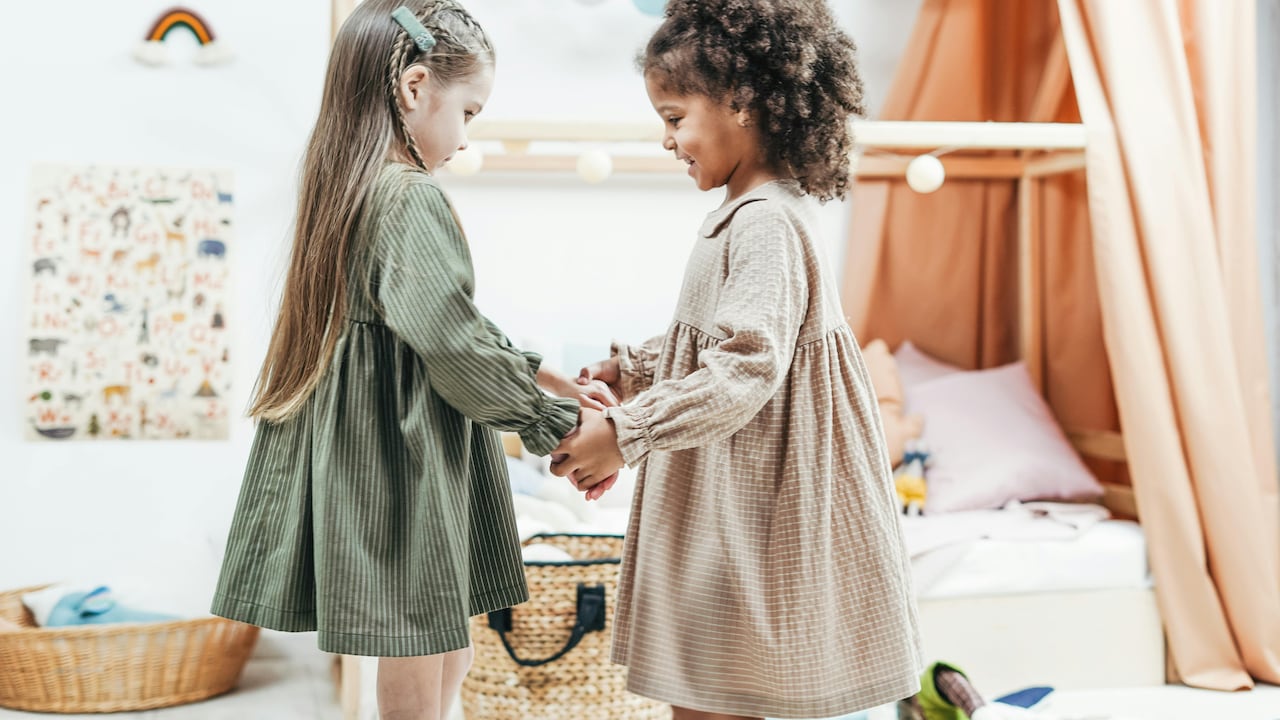
Kids' Cotton Dresses Online: How to Choose Durable Fabric That Doesn't Shrink After Washing
Photo Credit: Pexels
From Fabric To Finish: How To Choose Cotton Dresses That Last
1. Why Cotton Dresses Remain a Wardrobe Favourite
Cotton has earned its place in children's clothing for generations. The fabric feels gentle against sensitive skin and reduces irritation during long school days or summer afternoons. Breathability allows air circulation, which helps children stay comfortable in warm and humid weather.
Another reason lies in versatility. Cotton dresses suit casual outings, festive gatherings, and everyday wear with equal ease. Pairing one dress with leggings creates a layered look for cooler months, while wearing it alone works perfectly during warmer days.
Parents also value cotton for easy care. Most cotton dresses handle regular machine washes without demanding special detergents or delicate handling. When processed well, cotton resists pilling and fading, which keeps dresses looking fresh for longer.
Durable cotton means fewer replacements and better value over time. A dress that survives playground slides, art class spills, and countless washes becomes more than clothing. It turns into a reliable companion in a child's daily routine.
2. Understanding Fabric Quality Beyond the Label
Not all cotton feels or performs the same. Labels may say “100% cotton,” but quality depends on fibre length, weave, and finishing. Long-staple cotton fibres produce smoother and stronger yarns. These fibres resist breakage and shrinkage better than short-staple ones.
The weave also plays a role. Tightly woven fabrics maintain structure and shape after washing. Loose weaves may feel airy, but often shrink or warp more easily. Poplin, cambric, and twill stand out for their balance of softness and durability.
Finishing treatments matter too. Pre-shrunk or sanforised cotton undergoes controlled shrinking before stitching. This process reduces size changes later at home. Garments without such treatment often surprise parents after the first wash.
Understanding these details helps decode product descriptions online. A few extra minutes spent reading fabric information can prevent disappointment and ensure dresses stay true to size.
3. The Science Behind Shrink-Resistant Cotton
Shrinkage happens when cotton fibres relax and tighten after exposure to water and heat. During manufacturing, fibres stretch under tension. Washing releases that tension, causing the fabric to contract.
Modern textile processes address this issue. Sanforisation uses steam and pressure to pre-shrink fabric. Enzyme washes smooth fibre surfaces and reduces uneven contraction. Some brands combine both methods for better results.
Thread quality also influences shrinkage. Strong, well-twisted threads hold structure during washing cycles. Weak threads loosen, leading to puckering seams and uneven hems.
Temperature control during dyeing and finishing further stabilises the fabric. Brands that invest in these steps often highlight shrink resistance in descriptions. Spotting such cues while shopping online helps select dresses that stay the same size wash after wash.
4. Online Shopping: Reading Between the Product Lines
Shopping online for kids' clothing demands a sharper eye. Product photos show style, but text reveals quality. Fabric composition, weave type, and care instructions offer valuable clues.
Reviews provide real-world insights. Parents often mention whether a dress shrank, faded, or lost shape. Consistent feedback about size retention signals reliability. Occasional negative comments matter less than recurring themes.
Size charts deserve attention, too. Accurate measurements suggest thoughtful manufacturing. Brands confident in their sizing usually deliver better fit consistency.
Return policies also matter. Flexible returns reduce risk and show brand accountability. Choosing sellers who stand by their products brings peace of mind and makes online shopping less of a gamble.
5. Stitching, Seams, and Small Details That Matter
Fabric quality shines brighter when paired with good construction. Strong stitching prevents seams from twisting or tearing after washing. Double-stitched hems and reinforced seams handle active movement and repeated laundering.
Necklines and armholes deserve special focus. Poor stitching in these areas often leads to stretching or fraying. Well-finished edges maintain shape and comfort.
Buttons, zips, and embellishments should feel secure. Loose accessories may damage fabric during washing or pose safety concerns. Many parents prefer minimal embellishment for everyday dresses, as simplicity often lasts longer.
These small details may seem minor on screen, yet they define how a dress performs in real life. Careful inspection of close-up images and descriptions helps identify thoughtful craftsmanship.
6. Comfort Meets Durability for Everyday Adventures
Children rarely sit still. Clothes must stretch, bend, and move without restriction. Quality cotton dresses balance structure with flexibility. The right weave allows movement while holding shape.
Softness adds to comfort. Pre-washed cotton feels gentler and reduces stiffness. Dresses that feel comfortable encourage children to wear them longer, increasing cost-per-wear value.
Durable dresses also support the hand-me-down culture. Younger siblings benefit from clothes that remain wearable after months or years. A well-made cotton dress often outlives trends and seasons.
Choosing durability supports sustainability, too. Fewer replacements reduce textile waste and shopping frequency. Comfort and conscience meet when clothes last longer and feel good to wear.
7. Caring for Cotton Dresses Without Causing Shrinkage
Even the best cotton needs proper care. Washing in cold or lukewarm water prevents fibre contraction. Hot water accelerates shrinkage and fading.
Gentle cycles suit kids' dresses best. Harsh spinning strains seams and fibres. Mild detergents protect colour and texture.
Drying habits matter. Air-drying preserves size and shape. When using a dryer, low heat reduces risk. Turning dresses inside out before washing protects prints and stitching.
Following care labels extends garment life. These simple habits keep cotton dresses looking new and fitting right, even after many washes.
8. Seasonal Versatility and Layering Ease
Cotton dresses adapt well across seasons. During summer, they offer breathability and lightness. In cooler months, layering with leggings, cardigans, or jackets adds warmth without bulk.
Shrink-resistant fabric ensures consistent layering. A dress that maintains length works year-round. Shrunken hems limit pairing options and shorten wear lifespan.
Neutral colours and classic prints enhance versatility. Floral patterns suit festive days, while solid shades handle daily wear. Quality cotton holds dye better, reducing fading and keeping colours vibrant.
This adaptability makes cotton dresses a practical investment. One well-made piece often serves multiple purposes throughout the year.
9. Value for Money Beyond the Price Tag
Affordable pricing attracts attention online, yet durability defines true value. A ₹899 dress that shrinks after one wash costs more in the long run than a ₹1,299 dress that lasts all year.
Quality cotton dresses reduce replacement frequency. Fewer shopping trips save time and energy. Long-lasting clothes also support budgeting goals without compromising style.
Sales and discounts offer opportunities to buy better quality within budget. Watching seasonal sales helps secure durable dresses at reasonable prices.
Value comes from performance, not just price. Dresses that survive washing, wear, and play deliver returns far beyond their cost.
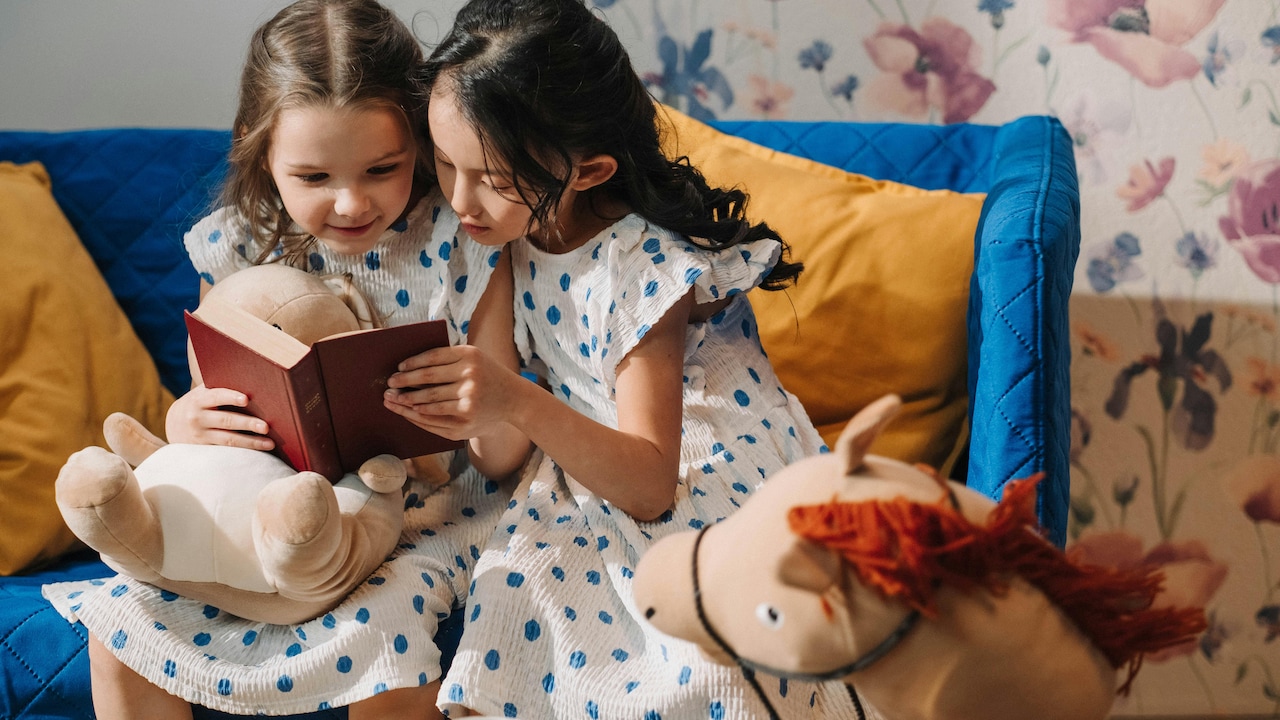
Kids' Cotton Dresses Online: How to Choose Durable Fabric That Doesn't Shrink After Washing
Photo Credit: Pexels
10. Building Trust with Brands That Prioritise Quality
Trust grows when brands communicate clearly. Transparent fabric details, honest sizing, and clear care instructions signal confidence. Brands that invest in quality often showcase certifications or explain processes.
Consistent product quality builds loyalty. Parents return to brands that deliver reliable fit and durability. Word-of-mouth recommendations further strengthen trust.
Customer support also plays a role. Responsive service and easy returns create positive experiences. Online shopping feels safer when brands stand behind their products.
Choosing trusted brands simplifies future purchases. Familiar sizing and dependable fabric remove guesswork and make dressing children easier.
Products Related To This Article
1. A Asma dresses Girls Above Knee Casual Dress
2. Ayesha Fashion Baby Girls Above Knee Casual Dress
3. PURNKAMAAY TRENDZ Girls Below Knee Casual Dress
4. j.n.s rozina Girls Below Knee Festive/Wedding Dress
5. ArishooFashion Girls Above Knee Casual Dress
6. VILLATA FASHION Girls Below Knee Party Dress
7. Kidzy dresses Girls Maxi/Full Length Party Dress
Kids' cotton dresses that don't shrink after washing bring relief to busy households. They offer comfort, durability, and peace of mind in one simple garment. Understanding fabric quality, construction, and care helps make smarter online choices.
Shrink-resistant cotton dresses handle everyday adventures without losing shape or charm. They support active lifestyles, repeated washing, and seasonal versatility with ease. Thoughtful purchases save money, reduce waste, and keep wardrobes functional.
In the end, the right cotton dress feels less like a gamble and more like a dependable favourite. One that survives laundry days, playground fun, and growing wardrobes without shrinking dreams along the way.
(Disclaimer: This article may include references to or features of products and services made available through affiliate marketing campaigns. NDTV Convergence Limited (“NDTV”) strives to maintain editorial independence while participating in such campaigns. NDTV does not assume responsibility for the performance or claims of any featured products or services.)