Dealing With Kurta Slit Gaping? Follow This Practical Styling Guide For A Perfect Fit
A kurta slit gaping can ruin comfort and confidence. This practical styling guide shares smart fit tips, fabric choices, and tailoring fixes to help kurtas sit better, move easily, and look polished all day.
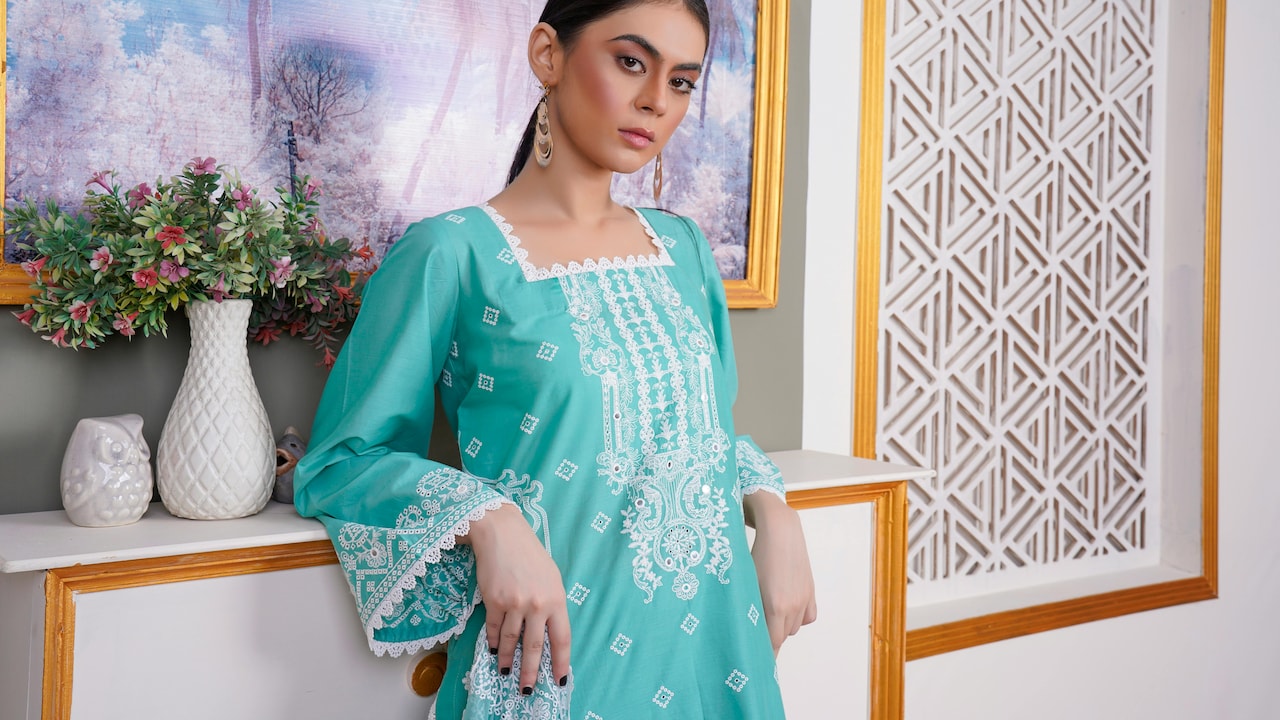
Read to find simple tips on how to deal with slit-heavy kurta designs.
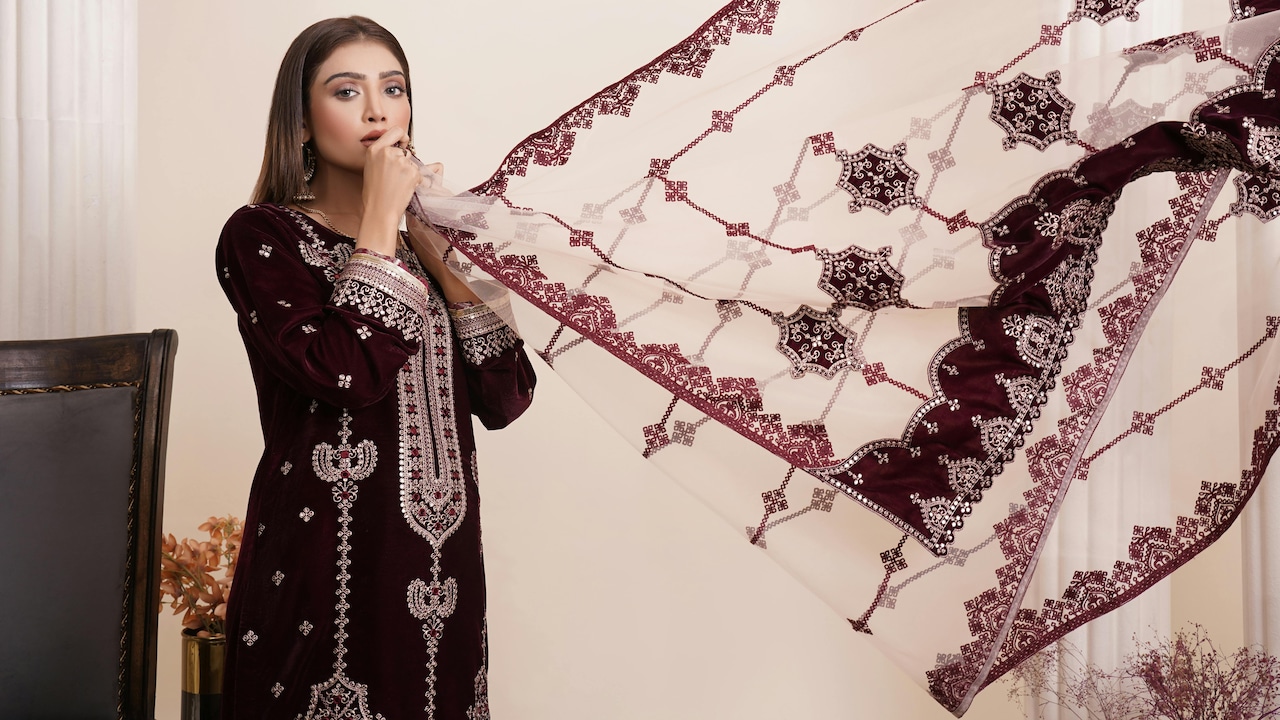
A kurta carries timeless charm. It works for busy workdays, relaxed brunches, family celebrations, and even weddings when styled right. Yet one small detail often causes disproportionate stress, the slit that gaps open at the worst possible moment. Walking, sitting, climbing stairs, or even a strong breeze can suddenly make the outfit feel less elegant and more awkward.
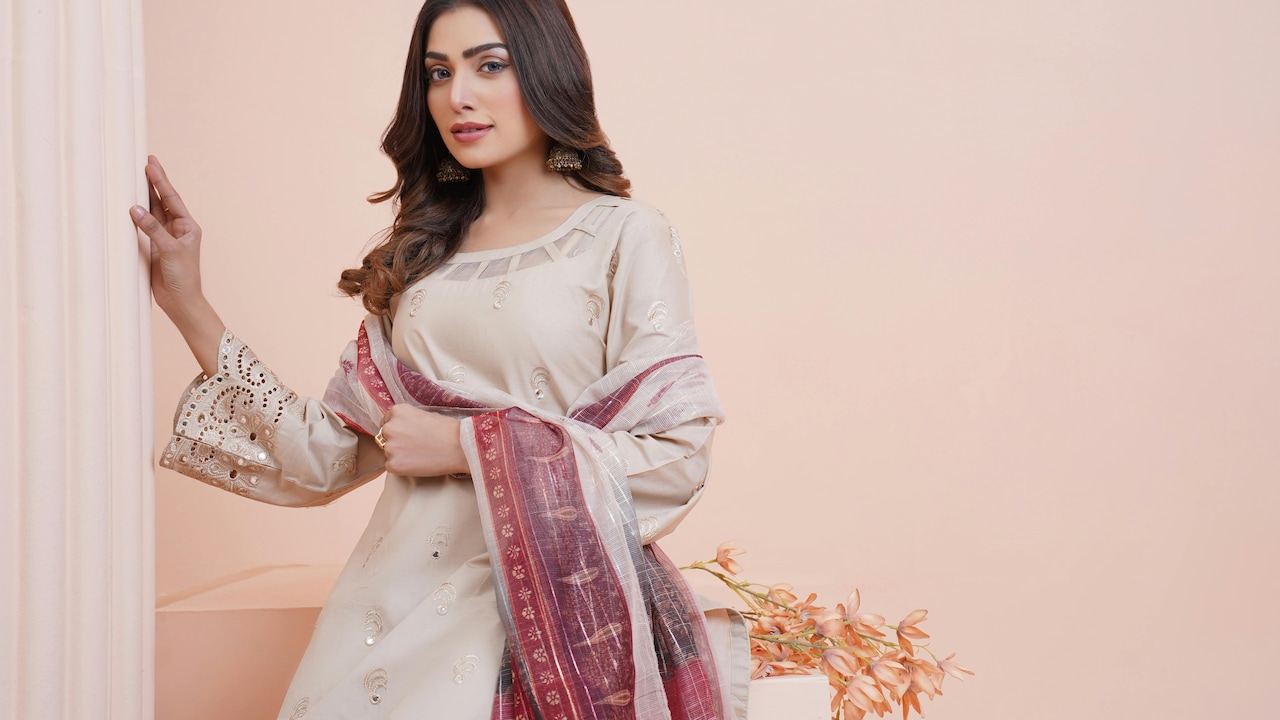
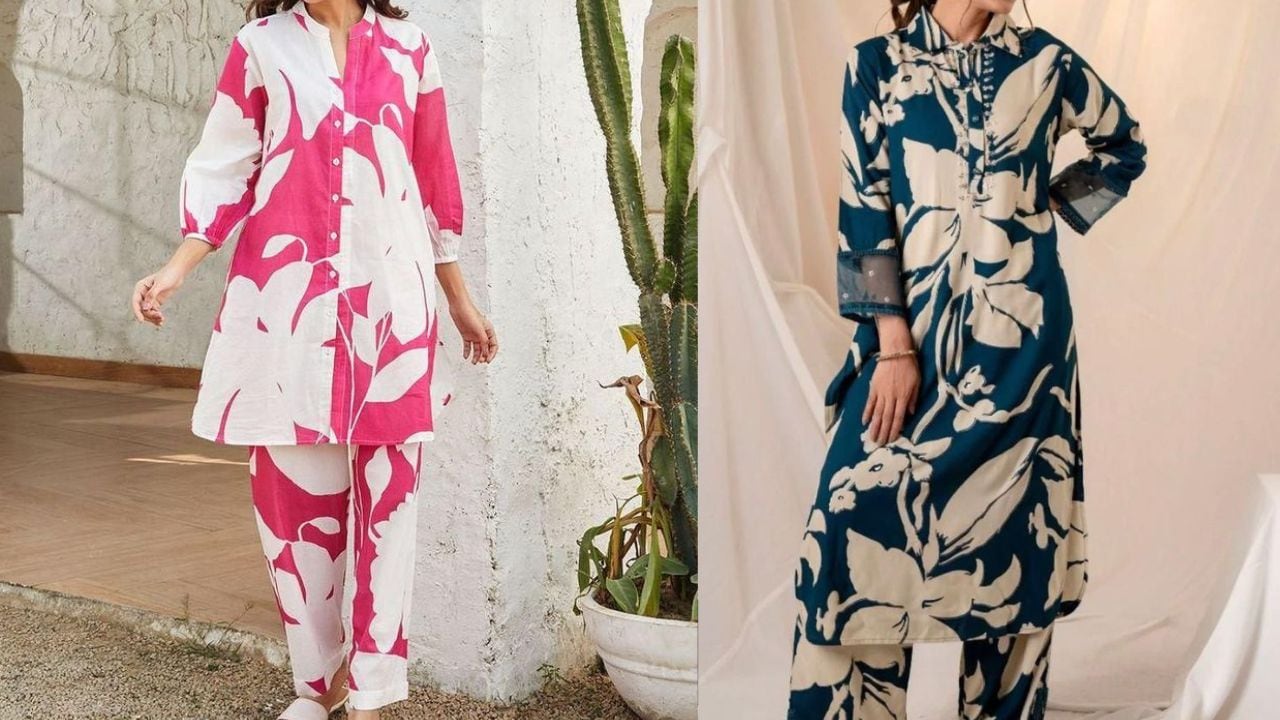
Try these easy tips to deal with uncomfortable kurta slit gaps; Photo Credit: Pexels
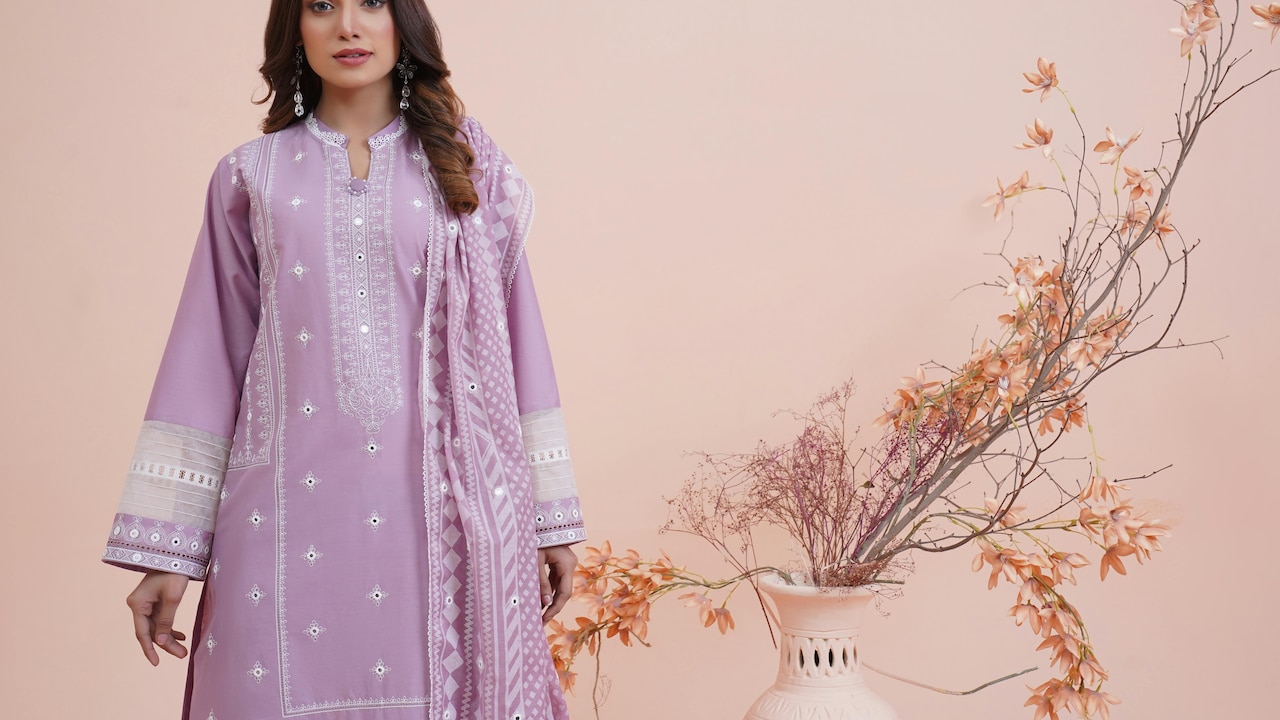
Slit gaping rarely signals poor style sense. It usually points to fit issues, fabric behaviour, or overlooked design details. Many wardrobes hide at least one stunning kurta worn less often, only because it feels unpredictable in public. The good news lies in simple solutions. With thoughtful styling, minor tailoring tweaks, and a bit of practical know-how, that same kurta can feel secure, flattering, and graceful again.
This guide explores why slit gaping happens and how to fix it without sacrificing comfort or personal style. Expect relatable examples, cultural touches, and easy fixes that work for daily wear as well as special occasions.
Also Read: Top 8 Kurta Cuts For Office, Casual And Festive Wear
Everyday Styling Adjustments That Make Kurtas Feel More Secure
1. Understand Why Kurta Slit Gaping Happens
Before fixing the problem, it helps to understand it. Slit gaping rarely occurs without reason. The most common culprit remains fit. When a kurta feels snug around the hips or thighs, the slit stretches outward with movement. Walking briskly or sitting cross-legged often makes the gap more obvious.
Fabric choice also plays a role. Stiff cottons, raw silks, and starched blends hold structure but resist movement. This resistance forces the slit open. Softer fabrics such as rayon, modal, or blends with a slight drape behave better during daily wear.
Length matters too. Longer kurtas with high slits create dramatic silhouettes but demand precise tailoring. A slit placed too high on the thigh increases exposure during movement. Even body posture affects gaping. A confident stride can turn troublesome when the slit lacks reinforcement.
Understanding these reasons removes frustration. The issue lies not with the wearer but with design balance. Once the cause becomes clear, solutions feel logical rather than experimental.
2. Choose the Right Fit Around Hips and Thighs
A flattering kurta never clings where movement happens. The hip and thigh area requires special attention, especially for straight-cut or pencil-style kurtas. When shopping, the focus often falls on the shoulders and bust, while the lower half gets ignored. That oversight invites slit gaping.
A simple test helps. Try sitting on a chair or taking a few steps in the trial room. If the slit pulls apart immediately, the kurta likely needs extra ease. Size charts offer guidance, but body proportions differ. Sometimes sizing up and tailoring the upper half works better than squeezing into a smaller size.
Tailors can add a subtle flare below the waist without changing the kurta's overall look. This small adjustment allows the slit to fall naturally. Comfort increases, and confidence follows. A kurta that moves with the body always looks more elegant than one that fights every step.
3. Pay Attention to Slit Height and Placement
Slit placement can make or break a kurta. High slits look stylish on the hanger but demand careful handling in real life. A slit that starts too high exposes more leg during movement, making the outfit feel impractical for long days or crowded settings.
Ideally, the slit should begin just above the knee for everyday wear. This height offers ease of movement without constant self-consciousness. For festive or evening wear, slightly higher slits work, provided the fabric flows well.
Placement matters as much as height. Side slits placed too far forward tend to gape more while walking. A slit aligned closer to the side seam stays discreet. Minor alterations can shift the slit position or lower it by a few inches. Such changes cost far less than replacing the entire outfit and often make a dramatic difference.
4. Fabric Choice Makes a Bigger Difference Than Expected
Fabric behaviour affects how a kurta performs throughout the day. Crisp cottons and silks hold shape but lack flexibility. They often pull apart at stress points, especially around slits. Softer fabrics drape instead of pulling, reducing gaping naturally.
Rayon, viscose, crepe, and lightweight blends offer movement-friendly options. They flow when walking and settle when standing. Even within cottons, finer weaves behave better than thick, starched ones.
Lining also plays a role. An unlined kurta may gape more than a lightly lined version. Linings add weight and stability, helping the slit stay in place. When buying festive wear worth ₹3,000 or more, asking about lining feels sensible. Fabric choice might seem secondary to colour or print, but it often decides whether a kurta becomes a favourite or stays forgotten.
5. Styling with the Right Bottom Wear
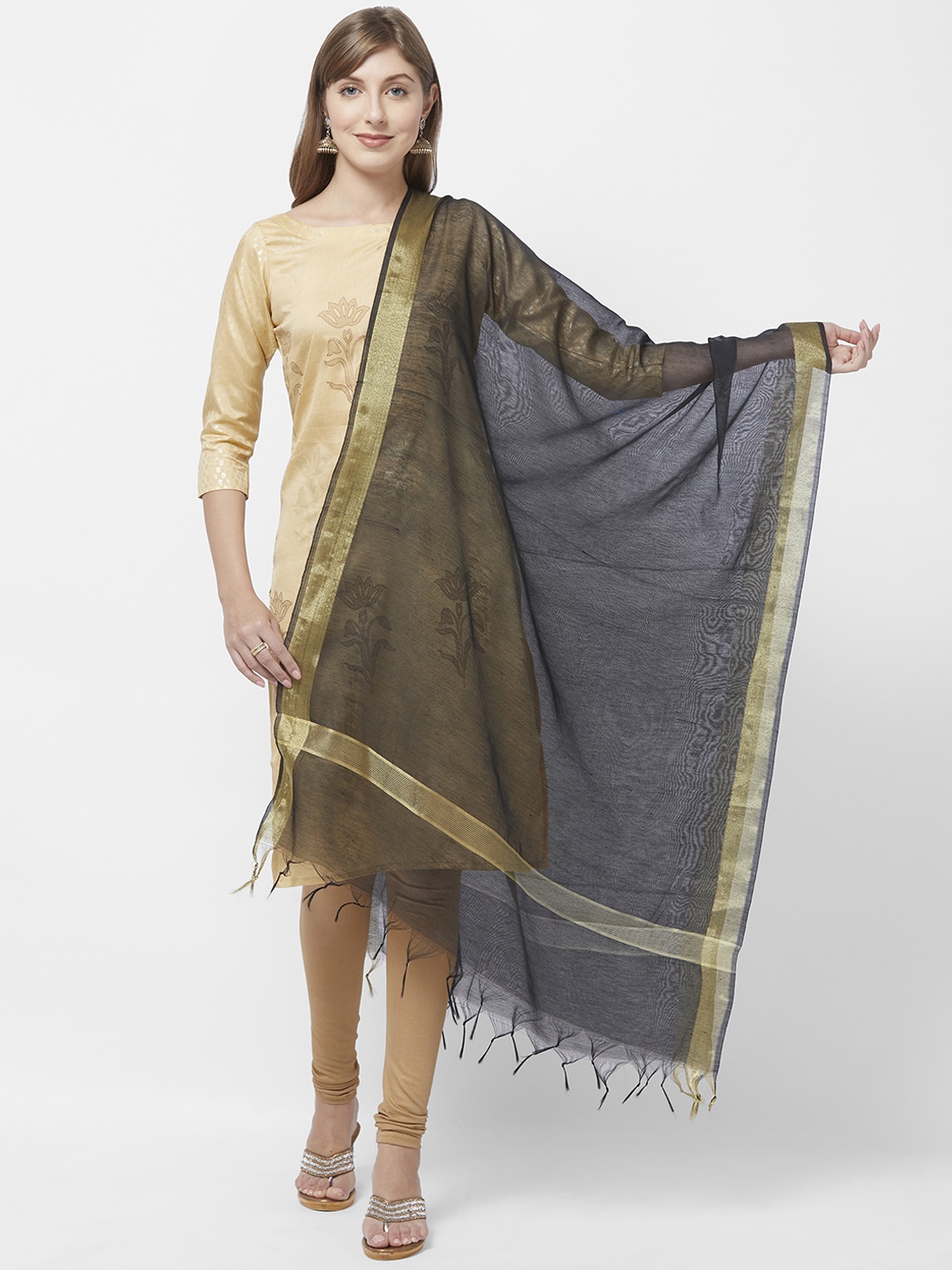
The right bottom wear acts as a silent partner to the kurta. Leggings remain the most practical choice for slit-heavy designs. Their fitted shape ensures coverage even if the slit opens unexpectedly. Ankle-length leggings work best for long kurtas.
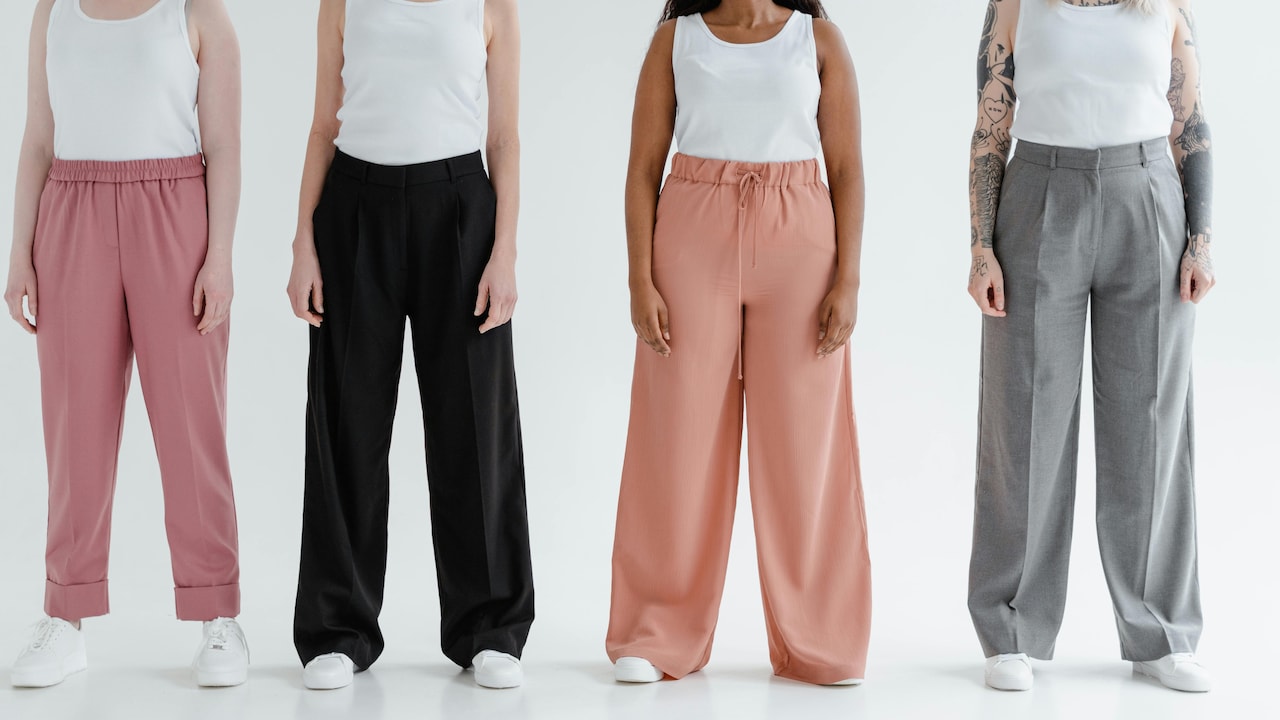
Palazzos and straight pants look stylish but require caution. Wide palazzos paired with high slits can expose more than intended during movement. Choosing structured pants with a firm waistband helps keep everything aligned.
Skirts or shararas demand thoughtful coordination. When wearing them with slit kurtas, ensuring the slit stays lower becomes essential. Colour coordination also helps. Matching or darker bottoms reduces visual contrast, making minor gaping less noticeable. Styling remains about balance rather than restriction.
Style leggings with slit-heavy kurtas to feel comfortable; Photo Credit: Pexels
6. Smart Inner Layers for Added Security
Inner layers offer discreet solutions for persistent slit issues. Slip dresses, long camisoles, or fitted inner kurtas provide coverage without adding bulk. These layers move with the body and prevent accidental exposure.
Choosing breathable fabrics keeps comfort intact, especially during warmer months. Neutral shades blend seamlessly under most kurtas. Some inner layers come with side slits aligned with the outer kurta, maintaining ease of movement.
This approach works well for workwear or long events. A simple inner layer costing around ₹800 can rescue multiple kurtas. It also adds versatility, allowing sheer or lightweight kurtas to feel more wearable in everyday settings. Inner layers often remain overlooked but offer one of the most reliable fixes.
7. Tailoring Hacks That Actually Work
A skilled tailor can transform a problematic kurta. Simple hacks often solve slit gaping without altering the design. Adding a concealed hook or snap button near the slit top provides control while remaining invisible.
Some prefer tiny stitches called tacks placed a few inches below the slit opening. These stitches hold the fabric together subtly while allowing enough movement. For heavier fabrics, adding a small facing inside the slit strengthens the area and prevents pulling.
Tailoring costs remain reasonable. Spending ₹300–₹500 on alterations often saves a kurta worth much more. Clear communication helps. Explaining when and how the slit misbehaves allows the tailor to suggest the best fix. Tailoring turns frustration into satisfaction.
8. Daily Movement and Posture Awareness
Styling extends beyond clothing. Movement and posture influence how garments behave. Taking longer strides or climbing stairs quickly can exaggerate slit gaping. Shorter, smoother steps keep the silhouette intact.
Sitting posture matters too. Sitting with knees together rather than crossed reduces stress on the slit. Awareness develops naturally with time. This does not mean constant self-monitoring, just small adjustments that soon feel automatic.
Confidence plays a surprising role. When the mind relaxes, movements soften. Clothes tend to fall better on a relaxed body. Kurta styling involves both fabric and attitude. A calm presence often does half the work.
9. Occasion-Based Styling Decisions
Not every kurta suits every occasion. Office wear demands practicality. Lower slits, softer fabrics, and fitted bottoms work best here. Festive wear allows more drama but still benefits from thoughtful planning.
For crowded celebrations, where movement remains constant, extra security helps. Hooks, inner layers, or heavier fabrics prevent wardrobe worries. Casual outings allow experimentation, but comfort should still guide choices.
Building a wardrobe with purpose reduces frustration. Reserving high-slit kurtas for specific occasions ensures they shine without stress. Occasion-based styling brings clarity and confidence.
10. Turning a Styling Problem into a Confidence Upgrade
Slit gaping often feels like a flaw, but it can become an opportunity to understand personal style better. Each adjustment teaches something new about fit, fabric, and comfort preferences.
Over time, recognising which designs work best simplifies shopping. Confidence grows when clothes feel reliable. A kurta that fits well allows focus on conversations, celebrations, and moments rather than constant adjustments.
Style remains personal. Solutions differ, and experimentation helps. What matters lies in feeling comfortable and self-assured. Once that happens, even a previously troublesome kurta can feel like a trusted favourite.
Products Related To This Article
1. Anouk Women Floral Embroidered Flared Sleeves Thread Work Kurta
2. Rimeline Floral Printed Notch-Neck Straight Kurta
3. Sangria Abstract Printed Round Neck Straight Kurta
4. Anouk Rustic Floral Printed V-Neck Cotton Straight Kurta
5. PHYSIL Floral Printed Round Neck Thread Work Straight Cotton Kurta
6. Gerua By Libas Women Ethnic Motifs Embroidered Republic Day Republic Day Kurta
7. KALINI Pailey Embroidered Chikankari Shadow Work Georgette Straight Kurta
Kurta slit gaping may seem like a small issue, yet it carries the power to affect comfort and confidence. Thankfully, it rarely requires drastic measures. Understanding fit, choosing the right fabric, styling thoughtfully, and embracing minor tailoring can completely change how a kurta feels.
Every wardrobe holds pieces with untapped potential. With practical fixes and a mindful approach, those pieces can return to regular rotation. A well-styled kurta moves gracefully, stays secure, and reflects ease. When comfort and style align, confidence follows naturally, turning everyday wear into a quiet statement of self-assurance.
(Disclaimer: This article may include references to or features of products and services made available through affiliate marketing campaigns. NDTV Convergence Limited (“NDTV”) strives to maintain editorial independence while participating in such campaigns. NDTV does not assume responsibility for the performance or claims of any featured products or services.)