The Heel Shape Detail That Determines Whether Loafers Stay On
Loafers should slip on easily, but they should not slip off. The secret lies in one overlooked design detail: the heel shape. Here’s how it determines whether your loafers stay put.
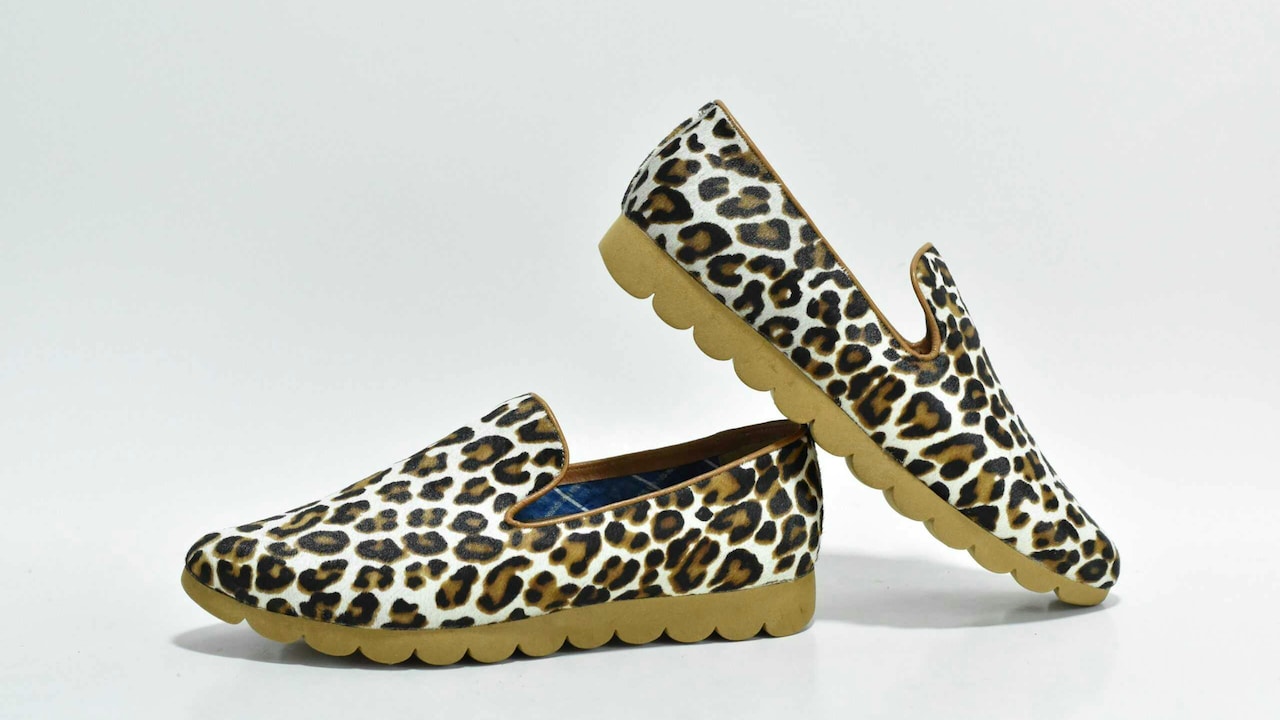
Loafers Keep Slipping Off? The Heel Shape Detail You Should Check Before Buying.
Loafers have long enjoyed a reputation as the most convenient shoes in the wardrobe. They look sharp with trousers, relaxed with denim, and surprisingly elegant with traditional outfits during festive gatherings. Slip them on during a rushed morning, and they seem like the easiest decision of the day.
Until the heel starts sliding out.
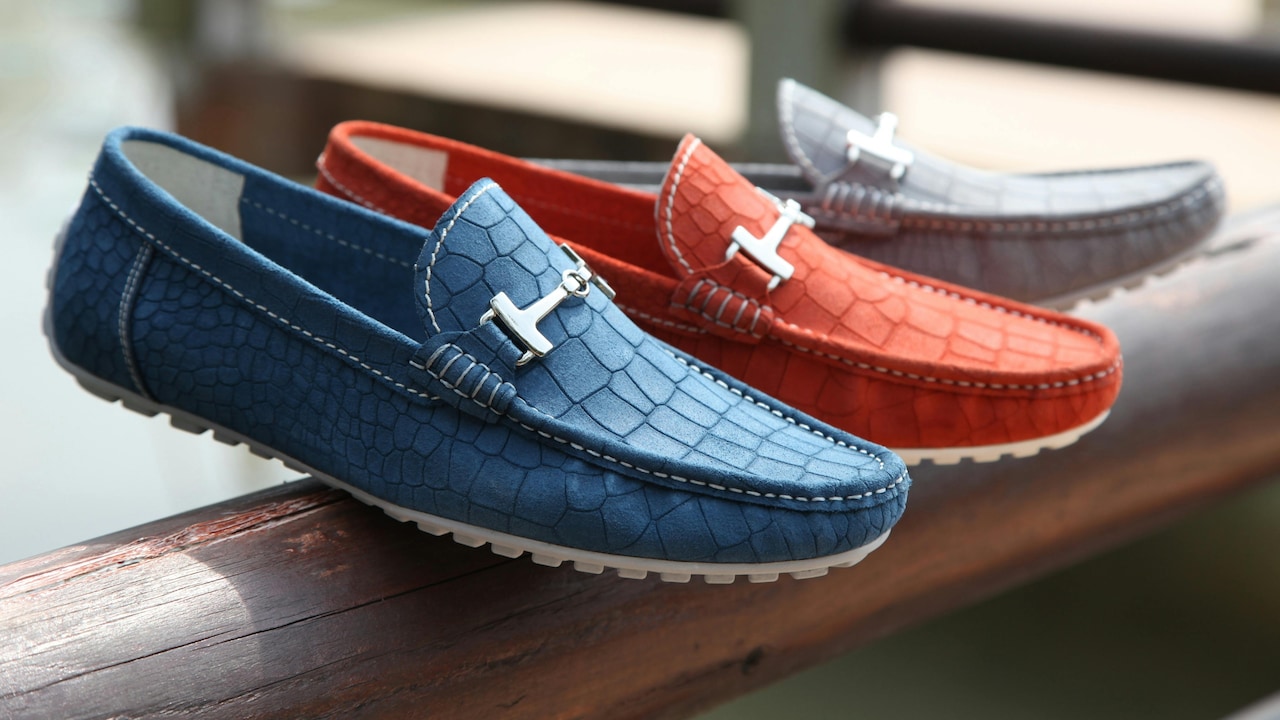
Read important features in loafers that help them stay on; Photo Credit: Pexels
Almost everyone who has worn loafers knows the feeling. The foot lifts while walking, but the shoe hesitates. That awkward half-step follows, sometimes accompanied by the quiet flop of leather hitting pavement. It may not ruin the day, but it certainly dampens the joy of a good pair of shoes.
Many people blame sizing. Others assume loafers simply loosen over time. While both factors play a role, the real culprit often hides in plain sight: the heel shape. Designers treat this area as the anchor of the shoe. When shaped correctly, it holds the foot securely. When shaped poorly, even the most expensive loafers struggle to stay on.
Understanding heel structure helps shoppers choose better footwear and avoid unnecessary frustration. It also reveals why some loafers feel perfectly balanced from the first step, while others demand constant adjustment.
Also Read: Why Are Chunky Loafers A Trending Upgrade This Season?
Key Heel Shape Details That Decide Whether Loafers Stay On
The Hidden Curve That Locks The Heel In Place
A well-designed loafer heel rarely appears flat. Instead, it curves gently inward, creating a cradle for the back of the foot. This small curve works like a quiet handshake between the shoe and the heel.
Without that curve, the shoe behaves like a loose slipper. Each step pushes the loafer downward while the foot lifts away. Eventually, the heel begins to slide out.
The curve, often called the “heel cup,” prevents this motion. It hugs the natural shape of the foot and keeps the shoe aligned during movement. When the curve fits well, the loafer feels almost glued to the foot, without tightness.
Many shoppers miss this detail while trying on shoes in a store. The focus often lands on colour or leather quality. Yet a quick look at the heel from the inside reveals plenty. If the back panel stands almost straight, the loafer may struggle to stay on.
Footwear designers spend considerable time perfecting this curve because it balances comfort and security. Too much curvature squeezes the heel. Too little allows slipping. The ideal shape simply holds the foot gently in place.
Why A Slightly Higher Heel Wall Matters
The height of the heel wall, the back portion of the shoe, plays a surprisingly important role. A slightly taller heel wall offers better grip around the foot.
Many fashion-focused loafers feature very low backs. They look sleek and minimal, which suits display shelves beautifully. Unfortunately, a low heel wall leaves very little material to support the foot.
Imagine trying to hold a glass with only two fingers instead of the whole hand. The grip weakens. The same principle applies here.
A taller heel wall creates more contact between the shoe and the foot. That extra surface area improves stability and reduces slipping during long walks. Even a difference of a few millimetres changes the experience.
People who walk frequently, across office corridors, railway platforms or busy markets, benefit greatly from this design. The shoe moves with the foot rather than lagging behind.
When trying on loafers, pay attention to how much of the heel the shoe covers. If the back feels shallow, the loafers may behave more like casual slip-ons than structured footwear.
The Importance Of Firm Heel Counters
Inside every well-constructed loafer sits an invisible structure called the heel counter. This stiff layer hides between the outer leather and inner lining. Its job is simple: maintain the shape of the heel.
Without a firm counter, the back of the shoe collapses easily. Over time, it begins to fold inward or soften excessively. Once that happens, the shoe loses its grip on the foot.
Many affordable loafers skip this reinforcement to reduce manufacturing costs. The result looks identical at first glance, but performs very differently.
A firm heel counter creates stability. It prevents the shoe from stretching too far and keeps the heel cup intact. Even after months of wear, the shoe continues to support the foot properly.
A quick test reveals the difference. Press the back of the loafer gently between thumb and finger. If the heel bends like soft cloth, it may not provide enough support. A sturdy heel counter resists pressure and springs back to its original shape.
This hidden detail often separates durable loafers from those that start slipping within weeks.
Heel Shape And Foot Anatomy
Not all heels share the same shape. Some are narrow, others broader, and many fall somewhere in between. Shoe designers attempt to accommodate this variety through thoughtful heel shaping.
When the shoe's heel cup matches the wearer's anatomy, the loafer stays secure with minimal effort. When it does not match, slipping becomes almost inevitable.
People with narrow heels often struggle the most with loafers. The foot slides upward because the shoe cannot grip tightly enough. In such cases, loafers with deeper heel cups and slightly tapered backs work best.
Those with wider heels may prefer shoes with broader heel structures. A tight heel cup can cause rubbing or discomfort.
Trying on loafers while standing and walking helps identify the correct match. A proper fit allows the heel to move slightly but not escape the shoe entirely.
Understanding personal foot shape transforms shoe shopping from guesswork into a far more satisfying experience.
The Role Of Leather Structure Around The Heel
Leather quality influences heel performance more than most people realise. Soft leather feels luxurious at first touch, but excessive softness around the heel can weaken support.
Structured leather provides a better hold. It shapes itself gradually to the wearer's foot without losing strength.
High-quality loafers often use slightly thicker leather around the heel area. This subtle reinforcement prevents the shoe from stretching too quickly. Over time, the leather adapts while maintaining its original shape.
Cheap leather tends to loosen rapidly. After a few weeks of wear, the heel area widens and slipping begins.
That does not mean stiff leather equals better shoes. The goal lies in balance. The leather should flex comfortably but still retain enough structure to support the heel.
A well-crafted loafer achieves this balance beautifully. It softens with use while continuing to hold the foot securely.
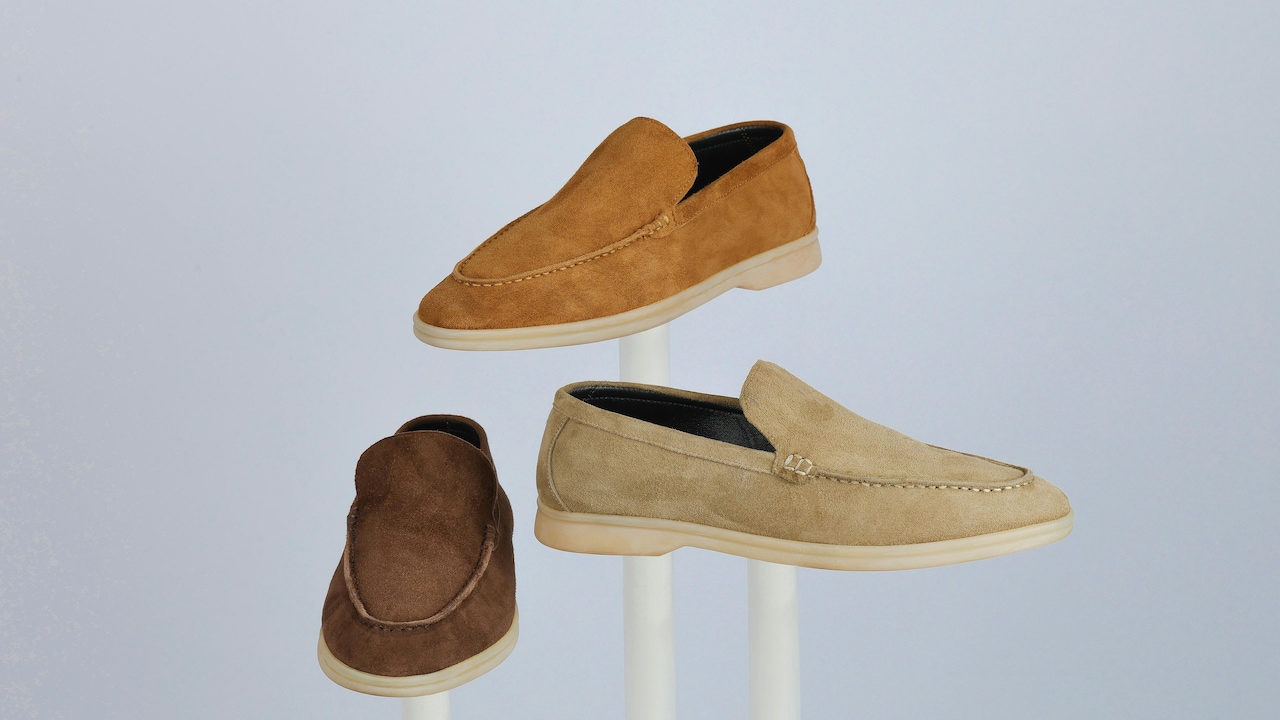
Look for loafers with structured leather that provide a better hold; Photo Credit: Pexels
How Sole Design Supports Heel Stability
While the heel cup attracts most attention, the sole quietly supports the entire system. A poorly balanced sole can cause the foot to lift too easily from the shoe.
Loafers with slightly thicker soles often provide better grip around the heel. The extra support keeps the foot stable and reduces upward movement while walking.
Thin soles sometimes lack that support. Each step pushes the foot forward slightly, encouraging the heel to slip out.
Weight distribution also matters. A well-designed sole spreads pressure evenly across the foot. This prevents excessive lifting at the back.
Modern loafers often include cushioned midsoles for added comfort. These layers absorb impact and help the foot settle naturally into the shoe.
The combination of sole structure and heel shape creates the secure feeling people expect from good loafers.
Why New Loafers Sometimes Feel Loose
Even perfectly designed loafers may feel slightly loose during the first few wears. This experience often confuses shoppers who assume the fit is incorrect.
In reality, leather shoes require a short adjustment period. The material softens gradually and begins to mould to the foot's natural shape.
During this stage, the heel may lift slightly. However, if the heel cup fits properly, the shoe will settle after several uses.
Walking short distances helps speed up the process. Wearing the loafers indoors for a few hours also allows the leather to adapt comfortably.
Rushing the break-in period rarely helps. Forcing long walks immediately can cause discomfort and unnecessary stretching.
Patience pays off here. Once the leather adjusts, the heel usually locks into place more securely than before.
The Impact Of Sock Choices
Sock thickness often changes how loafers fit. Thin no-show socks create a sleek appearance but reduce friction between foot and shoe.
Less friction sometimes means more slipping.
Slightly thicker socks increase grip inside the loafer. They fill small gaps around the heel and help the shoe stay in place.
This does not require bulky athletic socks. Even a modestly cushioned pair can improve stability.
During warmer months, many people prefer sockless loafers. In such cases, shoes with stronger heel cups and structured leather become even more important.
A small adjustment in sock choice can transform the comfort of a favourite pair of loafers.
Craftsmanship And Long-Term Heel Performance
The best loafers rarely reveal their craftsmanship immediately. Instead, their quality becomes clear after months of wear.
Well-constructed heels maintain their shape even after daily use. The heel counter stays firm, the leather holds its structure, and the shoe continues gripping the foot.
Mass-produced shoes often lose this integrity quickly. The heel softens, the back collapses, and slipping becomes unavoidable.
Investing in thoughtfully crafted loafers often proves worthwhile. Spending ₹4,000 on a durable pair that lasts years feels far more satisfying than replacing ₹1,200 shoes every few months.
Quality footwear behaves like a reliable companion. It supports every step without demanding constant attention.
And when the heel stays perfectly in place, walking feels effortless.
Products Related To This Article
1. Shoetopia Women Western Embellished Slip-On Loafers
2. Kenneth Cole Women Leather Penny Loafers
3. H&M Loafers
4. Inc 5 Women Round Toe Loafers
5. Marc Loire Women Textured Lightweight Loafers
Loafers remain one of the most versatile and stylish choices in modern wardrobes. They offer simplicity, elegance and everyday practicality. Yet their success depends on something surprisingly subtle, the shape of the heel.
A well-designed heel cup, supported by a firm counter and balanced sole, holds the foot securely without sacrificing comfort. Add structured leather and thoughtful craftsmanship, and the loafer transforms from a slipping nuisance into a dependable companion.
Next time a pair of loafers feels unstable, the problem may not lie in the size or brand. The answer likely rests in the heel shape itself.
Once that detail aligns with the foot, every step feels smoother, steadier and far more satisfying. The humble loafer finally delivers on its promise, effortless style that truly stays put.
(Disclaimer: This article may include references to or features of products and services made available through affiliate marketing campaigns. NDTV Convergence Limited (“NDTV”) strives to maintain editorial independence while participating in such campaigns. NDTV does not assume responsibility for the performance or claims of any featured products or services.)