Does Going Oversized Guarantee More Arm Room? 10 Fit Myths Explained
Oversized clothes promise comfort, but bigger sizes don't always mean more arm room. Discover 10 common fit myths and why shoulder seams, sleeve cuts and fabric choices matter more than size labels.

How well does oversized silhouette affects arm room in clothes
There's something wonderfully reassuring about oversized clothing. A roomy T-shirt feels like an easy answer to a humid afternoon, while an oversized shirt promises comfort without compromising style. The logic seems simple enough. More fabric should mean more space, especially around the arms. Yet anyone who has struggled to lift their arms in a supposedly relaxed-fit shirt knows that clothing doesn't always follow common sense. Picture buying an oversized cotton shirt online, expecting a breezy fit for office days. The body hangs beautifully, the length feels right, and the shoulders look relaxed. Then comes the awkward moment of reaching for something on a high shelf. Suddenly, the sleeves pull, the underarms tighten, and the entire shirt rises. The problem often lies in how clothing manufacturers design different parts of a garment. A bigger chest measurement doesn't automatically create wider sleeves. Similarly, dropped shoulders can look spacious while restricting movement. Understanding these small design details can save plenty of disappointment, uncomfortable outings and unnecessary returns. Here are ten common myths about oversized clothing, arm room and fit that deserve a closer look.
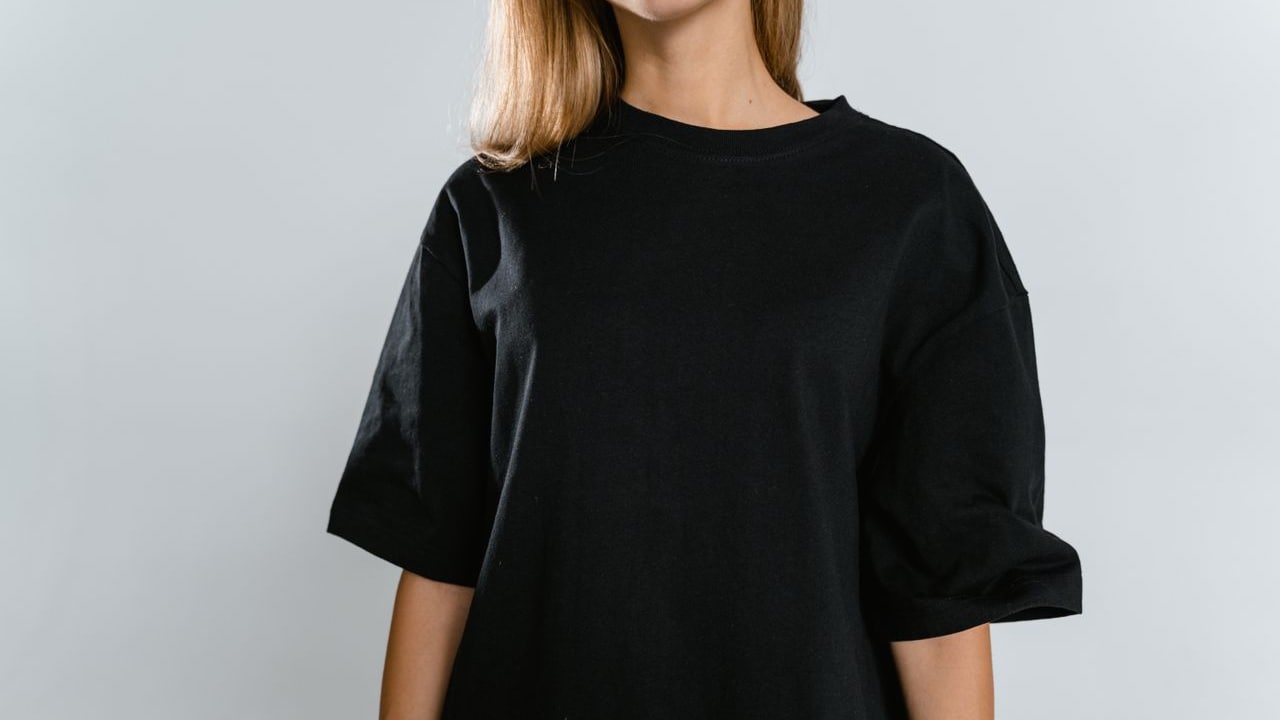
Myths about oversized clothing and arm room; Photo Credit: Pexels
10 Common Oversized Clothing Fit Myths Explained
1. Myth: Oversized Clothing Always Gives Your Arms More Space
Oversized clothing creates the impression of comfort because its silhouette looks loose. However, designers can add extra fabric around the chest and waist without significantly increasing sleeve width. This explains why some oversized shirts hang beautifully around the body but feel surprisingly snug around the upper arms.
Consider a boxy cotton T-shirt with a generous chest measurement. Its sleeves might still have narrow openings or a straight cut that doesn't accommodate fuller upper arms. The result? Plenty of breathing space around the stomach but an uncomfortable squeeze whenever the wearer bends or raises an arm.
The distinction matters because oversized describes the overall silhouette rather than guaranteeing generous measurements everywhere. Some brands deliberately create contrast between a wide body and comparatively fitted sleeves to maintain a particular shape.
Before choosing an oversized garment, examine the sleeve circumference and upper-arm measurements whenever the brand provides them. Product photographs showing models with their arms relaxed can also hide potential movement restrictions.
A truly comfortable oversized garment should offer enough space where the body actually moves. Extra fabric around the waist won't compensate for sleeves that feel tight during everyday activities.
2. Myth: Buying Two Sizes Bigger Solves Tight Sleeves
When sleeves feel uncomfortable, jumping two sizes up seems like the quickest solution. Unfortunately, clothing sizes don't always increase proportionately across every measurement. A larger shirt might add considerable width around the chest while offering only a modest increase around the biceps.
This becomes particularly frustrating with ready-made shirts, structured blouses and fitted casual tops. Someone who normally wears a medium might purchase an extra-large expecting complete freedom. Instead, the shoulders droop, the neckline becomes too wide, and the sleeves remain less comfortable than expected.
The garment may also become excessively long, creating a sloppy appearance without solving the original problem.
A better approach involves comparing actual garment measurements rather than relying entirely on size labels. Measure the upper arm at its fullest point and compare that figure with the sleeve circumference, allowing extra space for comfortable movement.
When measurements aren't available, customer reviews mentioning tight arms or narrow sleeves can offer helpful clues.
Choosing a different cut often works better than increasing the size. Relaxed sleeves, wider armholes and appropriate fabric construction can improve comfort without turning an otherwise well-fitting outfit into something that resembles borrowed clothing.
Also Read: Essential Casual Dresses To Refresh Your Wardrobe
3. Myth: Dropped Shoulders Automatically Improve Arm Movement
Dropped shoulders have become a defining feature of oversized fashion. Instead of sitting at the natural shoulder edge, the seam falls further down the upper arm. This creates a relaxed silhouette that works particularly well with casual shirts, sweatshirts and everyday T-shirts.
However, a dropped shoulder doesn't automatically make a garment easier to move in.
The position of the armhole plays a significant role. Some dropped-shoulder designs feature low armholes that extend towards the ribs. While these look roomy when the arms hang naturally, they can cause the entire garment to lift when someone reaches upwards.
Imagine wearing an oversized sweatshirt while holding an overhead handle during a crowded train journey. If the armhole sits too low, raising one arm may pull the sweatshirt upwards, creating discomfort around the chest and underarm.
Dropped shoulders can still offer excellent comfort when designers balance them with appropriate sleeve width and armhole construction.
The easiest way to assess this feature is through movement. Raise both arms, reach forward and stretch gently while trying on the garment. A good fit should follow these movements without excessive pulling.
Relaxed shoulders contribute to style, but thoughtful construction creates actual freedom.
4. Myth: Stretchy Fabric Makes Sleeve Fit Irrelevant
Stretch fabrics often feel more forgiving than rigid materials. A little elastane can help a T-shirt, blouse or casual top accommodate movement without immediately feeling restrictive.
However, stretch alone cannot correct poor sleeve construction.
A garment with narrow sleeves may expand around the upper arms, but constant tension can create an uncomfortable gripping sensation. The fabric might also pull across the shoulders or twist whenever the wearer moves.
Consider a stretch-knit top that feels comfortable during a quick trial. After several hours of typing, commuting and carrying shopping bags, the sleeves may begin to feel restrictive. The material stretches, but its elasticity doesn't necessarily provide the desired looseness.
Fabric recovery matters too. Some materials return smoothly to their original shape after stretching, while others gradually lose their structure.
For everyday comfort, look for a combination of sufficient sleeve width and flexible fabric rather than treating stretch as a substitute for fit.
Cotton blends with modest elasticity can work well for casual clothing, provided the sleeves already have enough room.
The ideal garment should move comfortably with the body without constantly stretching to accommodate it. Flexibility helps, but adequate space remains equally important.
5. Myth: Wide Sleeves Always Mean Comfortable Armholes
Wide sleeves look promising, particularly when browsing oversized shirts, tunics and relaxed tops. Their generous shape suggests unrestricted movement, making them attractive to anyone who dislikes tight clothing around the arms.
Yet sleeve width tells only part of the story.
The armhole connects the sleeve to the body of the garment. If this opening sits awkwardly, feels narrow or has insufficient room for movement, even wide sleeves can become uncomfortable.
For example, a top might feature beautifully flowing sleeves but a tight seam around the underarm. The sleeves look spacious from the outside, yet reaching across the body creates pulling near the shoulder.
The opposite situation can also cause trouble. An excessively deep armhole may offer plenty of static space but allow the garment's body to shift upwards whenever the arms rise.
A well-designed armhole should balance comfort, proportion and movement. Its shape must work with the sleeve rather than against it.
When trying on clothing, pay attention to the point where the sleeve joins the body. Notice whether the fabric pulls during simple movements such as folding the arms or reaching forward.
Wide sleeves certainly help, but they can't rescue an uncomfortable armhole.

Wide sleeves may not always give comfortable arm space; Photo Credit: Pexels
6. Myth: Men's Oversized Shirts Always Offer Better Arm Room
Borrowing a roomy men's shirt has become a familiar styling trick. The relaxed proportions work beautifully with jeans, shorts and even fitted trousers. Men's clothing can also provide extra shoulder or sleeve width, making it an appealing alternative when women's shirts feel restrictive.
However, men's sizing doesn't guarantee better arm comfort.
Different clothing ranges use different proportions. Some men's shirts feature wider shoulders but relatively straight sleeves. Others follow slim-fit patterns that narrow around the upper arms despite offering a generous chest measurement.
Body proportions further complicate matters. A shirt designed for broader shoulders and a straighter torso might feel comfortable around the biceps but sit awkwardly across the bust or hips.
Sleeve length can also become inconvenient. Rolled-up sleeves may look stylish, but thick fabric folds around the elbows can introduce their own discomfort.
Instead of assuming one clothing category offers superior comfort, compare individual garments based on measurements and construction.
Unisex shirts, relaxed-fit women's clothing and genuinely oversized men's designs can all work well depending on the cut.
The most comfortable choice isn't necessarily the largest or the one from a particular section. It's the garment whose proportions accommodate the wearer's body without creating unnecessary restrictions elsewhere.
7. Myth: Loose Sleeves Never Restrict Movement
A sleeve can appear wonderfully loose while still limiting movement. The reason often lies in its shape, length and connection to the rest of the garment.
Take batwing sleeves, for instance. These designs create a broad, flowing silhouette with fabric extending between the arm and torso. They can feel relaxed during ordinary activities, but some versions restrict how far the arms can separate from the body.
Similarly, oversized tops with very low sleeve attachments may pull across the torso when the wearer reaches upwards.
This doesn't make such styles poorly designed. Some prioritise drape and appearance over unrestricted movement. Problems arise when buyers assume every loose silhouette will perform equally well during active tasks.
Think about preparing breakfast, reaching into kitchen cabinets or carrying a backpack. Clothing that feels comfortable while sitting may behave differently during these movements.
A useful fitting test involves moving naturally rather than standing perfectly still before a mirror.
Try lifting the arms, reaching across the body and bending the elbows. Notice whether the garment follows comfortably or creates tension around the shoulders.
Loose fabric offers potential comfort, but freedom of movement depends on how designers distribute that fabric throughout the garment.
8. Myth: If The Shoulders Fit, The Sleeves Will Fit Too
Shoulder alignment often receives considerable attention when choosing shirts and jackets. Traditional fitting advice suggests that shoulder seams should sit close to the natural shoulder edge.
While this remains useful for many structured garments, correct shoulder placement doesn't guarantee comfortable sleeves.
Someone might find a shirt that sits perfectly across the shoulders but feels tight around the biceps. Another garment may offer generous sleeves while pulling across the back whenever the wearer reaches forward.
These differences occur because shoulder width, arm circumference and upper-body proportions vary independently.
Two people can share the same chest measurement while having noticeably different arm shapes. Standard clothing patterns cannot always account for these differences.
This becomes especially noticeable with formal shirts, fitted blouses and garments made from rigid cotton.
When evaluating fit, assess the shoulders and sleeves separately. Check whether the shoulder seams sit appropriately for the intended style, then examine the upper-arm space and elbow movement.
For oversized clothing, dropped seams may form part of the design rather than indicate an incorrect size.
The goal isn't to achieve perfect shoulder alignment at the expense of comfort. Good clothing should accommodate the entire upper body without forcing one measurement to compensate for another.
9. Myth: Oversized Clothes Stay Comfortable After Washing
A newly purchased oversized cotton shirt can feel perfectly roomy during its first outing. After a few washes, however, the sleeves may become noticeably shorter or tighter.
Fabric shrinkage often explains this frustrating transformation.
Cotton and certain other fibres can shrink during washing and drying, depending on how manufacturers process the fabric. Even modest changes in sleeve circumference can affect comfort, especially when the original fit offers limited extra space.
Different parts of a garment may also shrink differently. A shirt might retain much of its body width while losing enough sleeve length or circumference to change how it feels.
Hot water, aggressive washing cycles and high drying temperatures can increase the risk for susceptible fabrics.
Checking garment care labels helps protect the original fit. Washing in cooler water when appropriate, avoiding unnecessary heat and reshaping garments before air-drying can reduce unwanted changes.
Pre-shrunk fabrics may offer greater consistency, although they aren't necessarily immune to further shrinkage.
When buying clothes intended for frequent use, consider both their initial measurements and their likely behaviour after washing.
An oversized label describes the garment's intended fit, not a permanent promise that every measurement will remain unchanged.
10. Myth: Oversized Clothing Suits Every Body Shape Equally
Oversized fashion often carries the appealing promise of universal comfort. With fewer fitted seams and generous silhouettes, these garments seem suitable for almost everyone.
However, comfort remains highly individual.
Someone with fuller upper arms may need wider sleeves, while another person with broad shoulders might prioritise additional space across the upper back. A wearer with a shorter torso could find that an excessively long oversized shirt creates awkward bunching around the hips.
Even two garments labelled oversized can fit differently because brands follow different design standards.
Personal preferences also influence comfort. Some people enjoy the feeling of fabric hanging loosely around the arms. Others dislike excessive material gathering beneath the shoulders or catching around the elbows.
The solution isn't to avoid oversized clothing. It's to recognise that one silhouette cannot accommodate every proportion equally well.
Experiment with boxy T-shirts, relaxed shirts, raglan sleeves, wide-cut tunics and different armhole constructions. Each design distributes fabric differently.
Pay attention to how clothing behaves during ordinary routines, not simply how it appears in photographs.
Ultimately, the most flattering oversized garment isn't necessarily the biggest. It's the one that creates a relaxed appearance while allowing the wearer to move naturally and comfortably.
Products Related To This Article
1. R.Code by The Roadster Life Co. Women Typography Printed T-shirt
2. Rigo Unisex Typography Printed Drop-Shoulder Sleeves Pure Cotton T-shirt
3. KEESOR Girls Printed T-shirt
4. BULLMER Tribal Printed Oversized Cotton T-shirt
5. DILLINGER Women's Oversized Embroidery Tshirt
6. NOBERO Graphic Printed Drop-Shoulder Sleeves Cotton Oversized T-shirt
7. FILLIAXMIUS Men Printed Drop-Shoulder Sleeves T-shirt
Oversized clothing can offer wonderful comfort, but extra fabric doesn't automatically translate into more arm room. Sleeve circumference, armhole placement, shoulder construction and fabric behaviour all influence how a garment feels. Rather than choosing larger sizes blindly, compare measurements and consider everyday movement. A few simple fitting checks can prevent uncomfortable sleeves and disappointing purchases. Fashion should make daily life easier, whether that means reaching for a top shelf, travelling to work or relaxing at home. The best oversized clothing delivers more than a loose silhouette. It offers genuine freedom to move without constantly adjusting, tugging or compromising on personal style.
(Disclaimer: This article may include references to or features of products and services made available through affiliate marketing campaigns. NDTV Convergence Limited (“NDTV”) strives to maintain editorial independence while participating in such campaigns. NDTV does not assume responsibility for the performance or claims of any featured products or services.)