How To Prevent Shirt Sleeves From Tightening: 10 Checks For Fabric, Washing And Drying
Shirt sleeves feeling tighter after washing? Discover 10 practical checks for fabric, washing and drying that help prevent shrinkage, protect sleeve fit and keep everyday shirts comfortable for longer.
Easy ways to prevent your shirt sleeves from shrinking
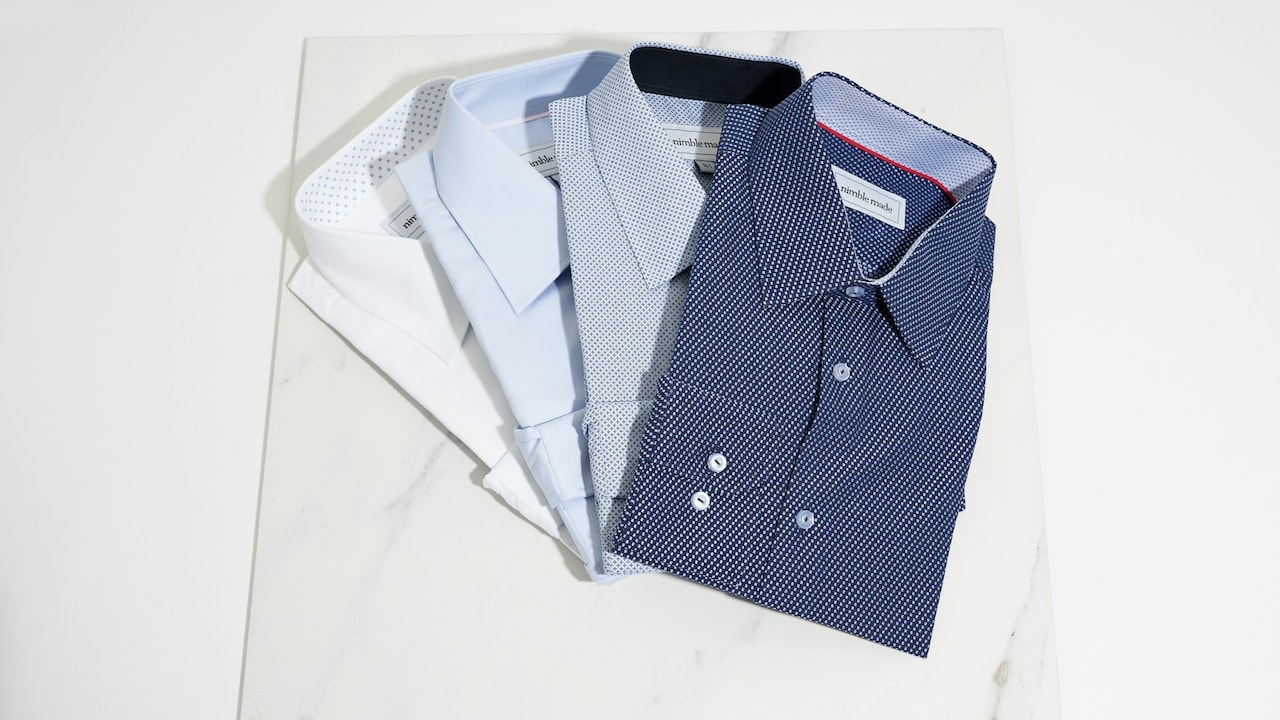
There's something particularly annoying about pulling on a favourite shirt and discovering that the sleeves suddenly feel tighter. The shoulders fit perfectly, the buttons close without a struggle, and the shirt still looks almost new. Yet, somehow, the sleeves have decided to become a size smaller. Whether it's a crisp cotton shirt for office meetings or a relaxed linen number for weekend outings, tight sleeves can turn an otherwise comfortable outfit into a frustrating experience. The problem often begins long before the shirt reaches the wardrobe. Fabric composition, washing temperatures, detergent choices and drying techniques can all influence how sleeves fit over time. Even small habits, such as twisting sleeves while wringing out water or using excessive heat, can affect the fabric's dimensions and shape.

Why do some shirt sleeves shrink with use
Photo Credit: Pexels
Fortunately, preventing tight sleeves doesn't require expensive laundry products or complicated routines. A few sensible checks can help preserve the original fit and reduce avoidable shrinkage. Here are ten practical ways to keep shirt sleeves comfortable, particularly around the upper arms, elbows and cuffs.
Also Read: 5 Types Of Vitamin Supplements For Improved Immunity
10 Essential Checks To Prevent Shirt Sleeves From Tightening
1. Check The Fabric Composition Before Buying A Shirt
Not all shirt fabrics behave the same way after washing. Some maintain their dimensions remarkably well, while others shrink noticeably during the first few washes. Understanding fabric composition before purchasing a shirt can save considerable frustration later.
Cotton remains a popular choice for everyday shirts because it feels breathable and comfortable. However, untreated cotton fibres can shrink when exposed to moisture, heat and mechanical agitation. Linen also requires attention, particularly when manufacturers haven't pre-washed or pre-shrunk the fabric. Certain viscose fabrics can experience substantial dimensional changes when washed incorrectly.
Meanwhile, polyester blends generally offer better resistance to conventional laundry shrinkage. Cotton-polyester shirts, for example, often maintain their shape more consistently than comparable untreated pure-cotton garments. However, a synthetic blend doesn't automatically guarantee a comfortable fit.
Look at the fabric label before heading to the billing counter. Terms such as 'pre-shrunk' or 'sanforised' can indicate that the manufacturer has taken steps to reduce future shrinkage.
Also, consider how much room the sleeves provide initially. A shirt that already fits tightly around the biceps has little allowance for even minor fabric changes. Choosing suitable fabric and a comfortable starting fit makes maintaining sleeve dimensions considerably easier.
2. Measure The Sleeves Instead Of Relying Only On Shirt Size
A medium-sized shirt from one brand can fit differently from a medium-sized shirt from another. Even two shirts from the same manufacturer may have noticeably different sleeve measurements because of their cuts and designs.
This becomes particularly important when buying slim-fit or tailored shirts. These designs often leave less room around the upper arms and elbows, making small changes in fabric dimensions more noticeable.
Before purchasing, check the sleeve circumference at the biceps, elbow and cuff. The shirt should allow comfortable movement without pulling against the fabric. Try bending your elbows, raising your arms and reaching forward. If the sleeves feel restrictive during these simple movements, washing won't magically make them more forgiving.
For online purchases, compare the brand's garment measurement chart with a shirt that already fits comfortably. Pay particular attention to upper-arm measurements rather than relying entirely on chest size.
People with broader arms sometimes choose larger shirts just to accommodate their sleeves. However, this can create unnecessary looseness around the torso and shoulders.
A better approach involves choosing relaxed sleeves or exploring brands with different garment cuts. Getting the right sleeve fit from the beginning helps prevent minor shrinkage from becoming a major comfort problem.
3. Read The Care Label Before The First Wash
Care labels rarely receive much attention until something goes wrong. Unfortunately, that first careless wash can sometimes cause more damage than several months of regular wear.
Manufacturers usually provide washing instructions based on the garment's fabric, construction and finishing treatments. These recommendations matter because different materials respond differently to water temperature, agitation and drying conditions.
A cotton shirt might tolerate an ordinary machine wash, while a delicate viscose blend may require gentle washing or professional cleaning. Ignoring these differences increases the likelihood of unwanted shrinkage and distortion.
Check the maximum recommended washing temperature and whether the shirt can go into a tumble dryer. If the label recommends cold washing, avoid assuming that warm water will clean the garment better.
Also, look for specific instructions about drying flat, reshaping while damp or avoiding wringing. These details can help protect sleeve dimensions, particularly around stitched cuffs and armholes.
When caring for an expensive formal shirt, keeping a photograph of its care label can prove surprisingly useful. Labels sometimes fade after repeated washing, leaving owners guessing about the correct routine.
Following the manufacturer's instructions won't eliminate every possibility of shrinkage, but it considerably reduces avoidable laundry mistakes.
4. Use Cool Water To Reduce The Risk Of Fabric Shrinkage
Hot water often seems like the obvious choice for removing sweat, body oils and stubborn stains. However, using unnecessarily high temperatures can affect the dimensions of certain shirt fabrics.
Cotton and other cellulosic fibres may shrink as washing relaxes tensions introduced during manufacturing. Heat, moisture and agitation can accelerate dimensional changes, especially when a fabric hasn't undergone effective pre-shrinking treatments.
For everyday shirts with ordinary sweat and dust, cool water often provides sufficient cleaning when paired with an appropriate detergent. It also helps reduce unnecessary stress on fabric fibres.
Before washing, inspect the collar, underarms and cuffs for stains. Treat these areas individually instead of exposing the entire garment to hotter water than necessary.
People who wash several office shirts together should also separate heavily soiled garments from lightly worn ones. A shirt worn for a short indoor meeting probably doesn't need the same treatment as clothing used during a humid outdoor commute.
Remember that cold water doesn't guarantee zero shrinkage. Some fabrics experience dimensional changes simply through wetting and agitation.
Still, choosing a temperature that matches the care label is one of the simplest ways to minimise preventable changes in sleeve fit without compromising regular laundry hygiene.
5. Avoid Overloading The Washing Machine
Stuffing an entire week's laundry into one washing machine cycle might save time, but it can create unnecessary stress on clothes. Shirts need adequate room to circulate through the wash without excessive twisting, tangling or friction.
An overloaded drum can leave sleeves wrapped around trousers, towels or other garments. During agitation and spinning, this entanglement places uneven tension on the fabric and stitched seams.
While overcrowding doesn't directly cause every type of shrinkage, it can contribute to distortion, wrinkling and poor washing results. Tight cuffs and narrow sleeves may become particularly uncomfortable when fabric loses its original shape.
Separate delicate shirts from bulky items such as jeans, bedsheets and heavy towels whenever possible. These larger garments create additional friction and can pull smaller pieces into awkward positions.
Choose a gentle or suitable everyday cycle according to the care label. There's generally no need to select the most aggressive washing programme for lightly soiled shirts.
Also, avoid using unnecessarily long wash cycles. Extended agitation can increase fabric wear without delivering meaningful cleaning benefits.
A properly loaded machine gives garments enough space to move naturally. That simple adjustment helps preserve their appearance, reduces tangling and makes it easier to maintain comfortable sleeve dimensions over repeated washes.
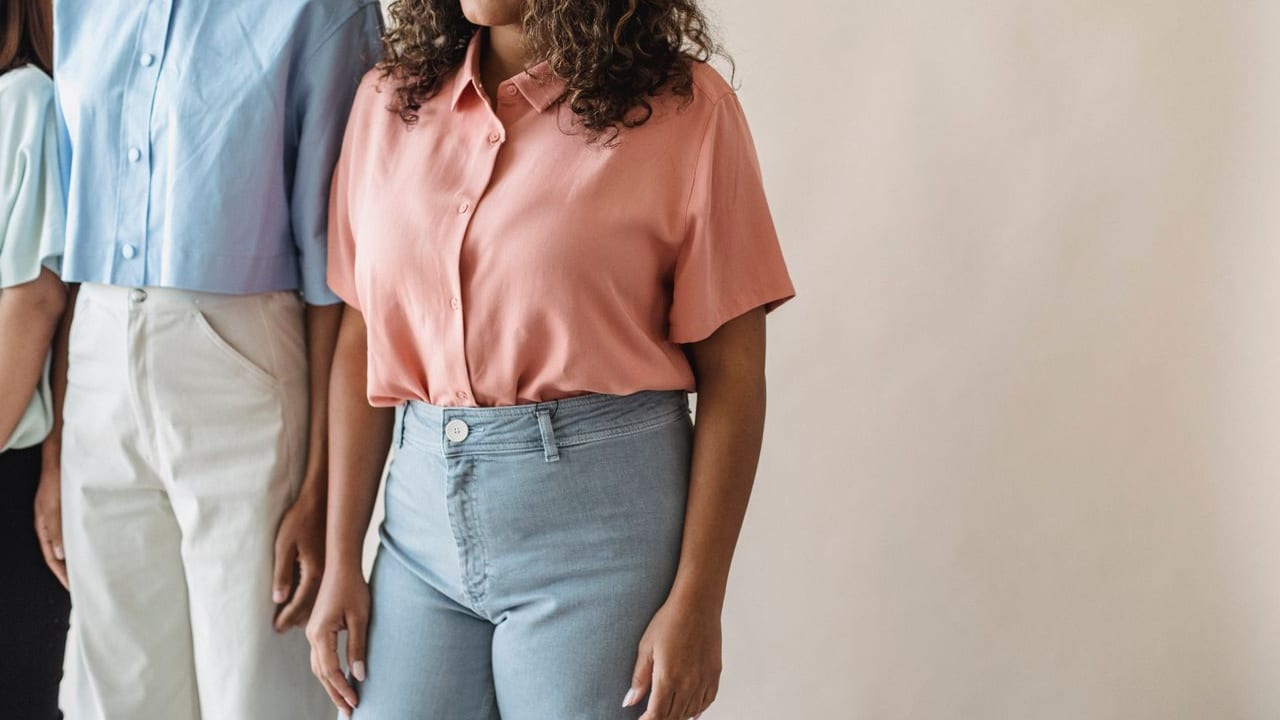
Avoid overloading the machine when doing laundry
Photo Credit: Pexels
6. Choose A Suitable Detergent And Avoid Excessive Scrubbing
When shirt sleeves develop sweat marks or stubborn stains, the temptation to scrub aggressively can be difficult to resist. Unfortunately, rough handling may damage fibres and distort the fabric, particularly around cuffs and elbow sections.
Start with a detergent suitable for the shirt's material and washing method. Use the recommended quantity rather than adding extra powder or liquid in the hope of achieving better results.
Excess detergent can leave residue when rinsing proves inadequate. This residue may affect how the fabric feels, making sleeves seem stiff or uncomfortable even when their actual measurements haven't changed.
For stubborn marks, apply a suitable stain treatment directly to the affected area. Allow the recommended contact time before washing, but avoid leaving strong cleaning products on delicate fabrics for longer than instructed.
When handwashing, gently squeeze the fabric through the water instead of rubbing sleeve sections against each other. Pay particular attention to embroidered details, decorative stitching and fitted cuffs.
It's also worth checking whether the shirt has stretch fibres. Harsh chemicals and inappropriate washing conditions can damage elastane, reducing the garment's ability to recover its original shape.
Gentle cleaning won't reverse existing shrinkage, but it helps protect the fabric's texture, flexibility and overall appearance.
7. Stop Twisting And Wringing Shirt Sleeves After Washing
Few laundry habits feel as efficient as giving wet clothes a firm twist to remove excess water. Unfortunately, wringing can place considerable strain on shirt sleeves, especially when the fabric becomes heavier after absorbing moisture.
Wet cotton and linen fabrics can temporarily change shape under tension. Repeated twisting may distort sleeve seams, stretch certain areas unevenly or create stubborn creases that become difficult to remove.
The result isn't always genuine shrinkage. Sometimes, the sleeve simply loses its original shape, making the elbow or cuff area feel tighter in certain positions.
After handwashing, press excess water out gently rather than twisting the sleeves into tight spirals. For delicate shirts, place the garment on a clean towel, roll it carefully and apply light pressure to absorb moisture.
When using a washing machine, select a spin speed appropriate for the garment. An unnecessarily aggressive spin cycle can leave lightweight shirts heavily creased and tangled.
Once the wash finishes, remove shirts promptly and separate any twisted sleeves. Don't leave them compressed inside the drum for hours.
These small changes help garments retain a more consistent shape. They also reduce the amount of ironing needed later, which means less exposure to another potential source of damaging heat.
8. Dry Shirts Away From Excessive Heat And Harsh Sunlight
Drying plays an important role in maintaining shirt dimensions. A garment may come out of the washing machine looking perfectly normal, only to feel noticeably tighter after drying.
High-temperature tumble drying can encourage additional shrinkage in susceptible fabrics. The combination of heat, tumbling and moisture removal may cause fibres and yarns to settle into a more compact arrangement.
Whenever the care label permits, air-drying offers a gentler alternative. Hang shirts on appropriately sized hangers or dry them flat when the fabric requires additional support.
Avoid placing delicate shirts directly beside heaters or exposing them to unnecessarily high drying temperatures.
Strong sunlight presents another consideration. Although outdoor drying is convenient, prolonged exposure can fade colours and weaken certain fibres over time. This doesn't mean that a few hours in the sun will automatically shrink every shirt.
Choose a well-ventilated, shaded area when appropriate. During humid or monsoon weather, allow sufficient airflow so shirts dry thoroughly rather than remaining damp for extended periods.
If using a tumble dryer, follow the garment's instructions and choose a suitable low-temperature setting where recommended.
The aim isn't to eliminate heat from laundry completely. It's to avoid exposing shirt fabrics to temperatures and drying conditions they cannot comfortably tolerate.
9. Reshape The Sleeves While The Fabric Is Still Damp
Sometimes, preventing tight sleeves comes down to what happens immediately after washing. This is particularly relevant for cotton, linen and other fabrics that may relax or change shape when wet.
Before hanging a freshly washed shirt, gently smooth the sleeves with your hands. Straighten the seams, align the cuffs and remove any obvious twists around the elbow area.
If the care label allows reshaping, ease the fabric back towards its original dimensions while it remains slightly damp. Use light, even pressure rather than pulling forcefully at individual sections.
Concentrate on the upper arms and cuffs, where minor dimensional changes can make the biggest difference to comfort.
For knitted or particularly delicate fabrics, drying flat may prevent unnecessary stretching caused by the garment's wet weight. Woven shirts can often hang safely, provided their care instructions allow it.
A well-sized hanger also helps preserve shoulder shape and prevents sleeves from falling into awkward folds.
However, reshaping has limits. It cannot reliably restore a shirt that has undergone substantial or permanent shrinkage.
Think of this technique as routine maintenance rather than a guaranteed rescue method. Spending a minute smoothing damp sleeves can help maintain their shape and reduce the chances of uneven drying.
10. Check Sleeve Fit After Every Few Washes And Adjust Your Routine
Shirt sleeves rarely become uncomfortable overnight without any warning. Often, the change happens gradually, making it difficult to identify the exact washing habit responsible.
A simple fit check every few washes can help catch problems early. Wear the shirt once it has dried completely and notice how it feels while bending your elbows, reaching forward or lifting your arms.
Compare the sleeve fit with how the garment felt when new. Pay attention to tightness around the biceps, elbows and cuffs rather than judging the entire shirt by its overall appearance.
For a favourite formal shirt, occasional measurements can help identify actual shrinkage. Measure the same points along the sleeves and compare them with earlier figures.
If the measurements remain unchanged but the sleeves feel restrictive, consider other explanations. Stiff detergent residue, fabric distortion, body measurement changes or a naturally narrow sleeve cut may be responsible.
When shrinkage becomes noticeable, review the washing temperature, drying method and machine cycle before the next wash.
It's also worth rotating frequently worn shirts instead of repeatedly washing the same garment after minimal use.
Monitoring fit may sound slightly fussy, but it's far less inconvenient than discovering that an expensive shirt has become uncomfortable just before an important occasion.
Products Related To This Article
1. Roadster Striped Oversized Casual Shirt
2. HIGHLANDER Regular Fit Regular Collar Full Sleeve Shirt
3. JINIK Men Straight Striped Casual Shirt
4. Style Quotient Women White Formal Shirt
5. SHOWOFFFF Men Slim Fit Checked Casual Shirt
6. all about you Floral Embroidered Casual Shirt
7. INVICTUS Men Striped Casual Shirt
Tight shirt sleeves can spoil the comfort of an otherwise perfectly fitting garment, but many preventable changes begin with ordinary laundry habits. Choosing the right fabric, checking sleeve measurements and following care labels establish a strong foundation. Gentle washing, sensible drying temperatures and careful reshaping help maintain the original fit.
Not every shrinking sleeve can return to its previous dimensions, particularly after significant heat-related changes. However, paying attention to how shirts behave after washing can prevent minor problems from becoming permanent frustrations. A little care goes a long way towards keeping favourite shirts comfortable, presentable and ready for another busy day.
(Disclaimer: This article may include references to or features of products and services made available through affiliate marketing campaigns. NDTV Convergence Limited (“NDTV”) strives to maintain editorial independence while participating in such campaigns. NDTV does not assume responsibility for the performance or claims of any featured products or services.)