Regular Fit vs Slim Fit T-Shirts: Why 2026 Belongs To Relaxed Menswear
Regular fit men’s T-shirts are replacing slim fits in 2026. Driven by comfort, versatility and changing style ideals, relaxed silhouettes now define modern wardrobes across the country.

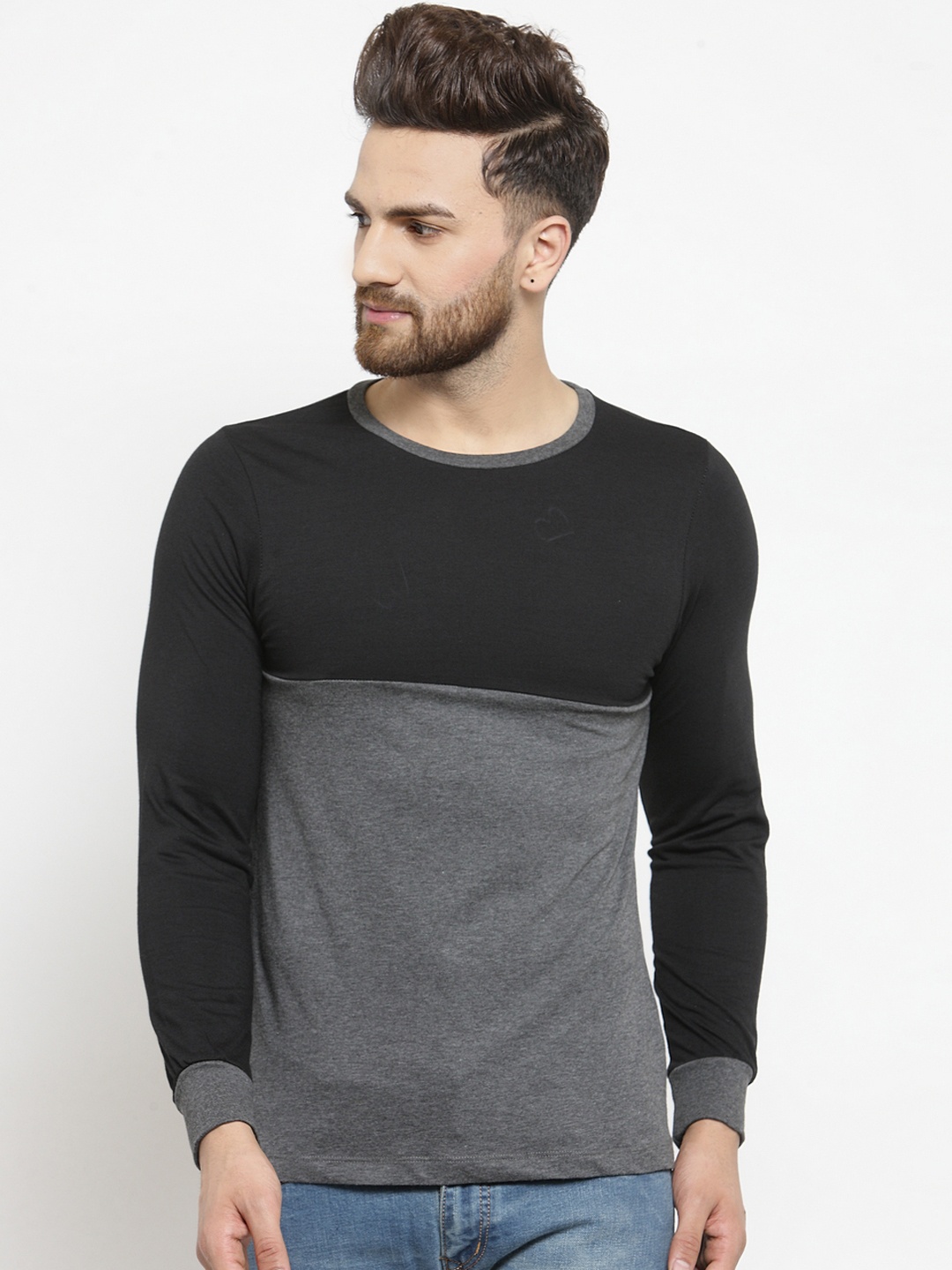
2026 Style Shift: How Regular Fit Men's T-Shirts Are Taking Over Slim Fits.
Fashion never stands still. One decade hugs the body. The next lets it breathe. For years, slim-fit T-shirts dominated high streets and online sales. They promised sharp silhouettes and gym-honed aesthetics. They clung to shoulders and tapered tightly at the waist. Many embraced the look. Many endured it.
Now, something gentler yet bolder has taken centre stage. Regular fit T-shirts have returned, not as a compromise but as a statement. They offer structure without restriction. They create shape without squeezing the life out of the wearer. In a climate that values comfort as much as appearance, this evolution makes sense.
Across metros and smaller cities alike, young professionals, students and even corporate creatives lean towards relaxed silhouettes. The regular fit no longer signals laziness. It signals ease. It whispers confidence instead of shouting for validation. And in 2026, that whisper carries far.

2026 Style Shift: How Regular Fit Men's T-Shirts Are Taking Over Slim Fits
Photo Credit: Pexels
The Real Reasons Slim Fits Are Losing Their Grip
Comfort Is No Longer Optional
Comfort used to sit quietly at the bottom of fashion's priority list. Style came first. Social approval came second. Breathability barely made the cut. That hierarchy has flipped.
Long commutes in crowded metros, humid afternoons that refuse to cool down and workdays that stretch beyond nine hours demand clothes that cooperate. A regular fit T-shirt allows airflow. It does not cling to the torso during a sweltering May afternoon in Ahmedabad. It does not tighten awkwardly when seated for hours in traffic on the Western Express Highway.
Men who once tolerated slim fits for the sake of a sharp look now choose practicality without guilt. The difference feels immediate. Shoulders move freely. Fabric falls naturally. The body relaxes.
Comfort also affects confidence. When clothes stop demanding constant adjustment, posture improves. Focus sharpens. Conversations flow without self-conscious tugging at hems. In 2026, style and comfort walk hand in hand. Regular fit leads that march.
Body Positivity And Changing Ideals
For years, slim fits quietly reinforced a narrow idea of the “ideal” male body. Broad chest. Trim waist. Minimal body fat. That image still exists, yet it no longer dominates.
A broader conversation around body diversity has reshaped expectations. Gym culture remains popular, yet so does balance. Not everyone wants to sculpt a runway torso. Not everyone should feel pressured to.
Regular fit T-shirts accommodate different builds. They respect natural shapes. They neither exaggerate nor conceal. They simply frame.
Young men in Hyderabad discuss fashion without obsessing over abs. College students in Kolkata experiment with layering rather than cutting calories. Even wedding shopping conversations now include fit as comfort, not just appearance.
Retail data reflects this shift. Shoppers willingly pay ₹999 or ₹1,499 for premium cotton regular fits because they see long-term value. The garment feels inclusive. It offers room to grow, literally and emotionally. In 2026, authenticity outranks aspiration.
Streetwear Influence On Everyday Style
Streetwear has blurred the lines between casual and cool. Global influences mix freely with local sensibilities. Sneakers pair with tailored trousers. Hoodies enter office spaces on Fridays. And regular fit T-shirts anchor many of these looks.
Slim fits struggle in layered outfits. They bunch under overshirts. They cling under lightweight jackets. Regular fits, however, create dimension. They drape smoothly beneath flannels or open shirts.
In cities like Mumbai and Delhi, creative professionals treat the regular T-shirt as a canvas. Graphic prints, earthy tones and textured fabrics elevate simple outfits. The relaxed silhouette enhances the laid-back vibe that streetwear celebrates.
Social media accelerates this shift. Influencers showcase relaxed fits styled with cargos, wide-leg denims and chunky trainers. The aesthetic feels effortless. It rejects stiffness. It embraces personality.
As streetwear continues to shape mainstream fashion in 2026, the regular fit T-shirt stands at its core.
Climate And Practical Dressing
Climate plays a bigger role in fashion than many admit. High humidity, unpredictable monsoons and intense summers demand thoughtful choices.
Slim-fit T-shirts cling when the fabric absorbs sweat. They highlight damp patches and restrict airflow. Regular fits offer breathing space. They allow cotton and blended fabrics to perform better.
In coastal regions, where temperatures hover stubbornly above comfort levels, a relaxed silhouette feels like relief. Even in hill stations, layering works better with regular fits during cooler evenings.
Fabric innovation supports this shift. Brands now produce lightweight, moisture-wicking regular fits at accessible price points such as ₹799. Consumers appreciate garments that align with real weather conditions rather than idealised studio lighting.
Practical dressing no longer feels dull. It feels smart. When climate shapes lifestyle, fashion adapts. In 2026, adaptation looks comfortably regular.
The Return Of Classic Masculinity
Trends often circle back to classics. The regular fit echoes styles from the 1990s and early 2000s. That era valued relaxed denim, roomy tees and uncomplicated silhouettes.
Nostalgia fuels part of the revival. Many grew up seeing older cousins sport boxier T-shirts during cricket matches in the neighbourhood. Those images carry warmth and familiarity.
Yet this return does not replicate the past blindly. Modern regular fits refine proportions. Sleeves sit neatly at mid-bicep. Length avoids excessive bagginess. The cut flatters without squeezing.
This balance resonates with men who seek understated style. They prefer clothes that complement rather than dominate. The regular fit projects grounded masculinity. It does not scream trend-chasing.
In weddings, weekend brunches or casual office settings, this silhouette adapts easily. It honours tradition while embracing present-day sensibilities. That harmony explains its growing appeal.
Versatility Across Age Groups
Slim fits once catered primarily to younger shoppers. They appealed to college crowds and early-career professionals. Older age groups often avoided them due to discomfort.
Regular fits bridge generations. A 19-year-old student in Jaipur styles one with distressed jeans. A 45-year-old entrepreneur in Chennai pairs it with tailored chinos. Both look appropriate.
This versatility expands market reach. Retailers notice families shopping together and selecting similar silhouettes. The fit becomes universal rather than niche.
Festive sales reflect this trend. During major online events, regular fit multipacks priced around ₹1,999 sell out quickly. Buyers appreciate practicality. They see value in pieces that work across occasions.
When one garment speaks to multiple age brackets, it signals staying power. In 2026, regular-fit T-shirts do exactly that.
Work Culture Has Relaxed
Office dress codes have softened. Hybrid work models persist. Start-ups encourage self-expression. Even traditional sectors embrace smart casual attire on most days.
Slim-fit T-shirts often feel too informal or too body-conscious for professional environments. Regular fits strike a safer balance. They maintain structure without appearing sloppy.
Paired with a blazer, a plain, regular-fit tee looks polished. Worn alone on a remote workday, it feels comfortable. This adaptability suits modern schedules that shift between meetings and coffee runs.
Corporate employees invest in higher-quality fabrics, sometimes spending ₹1,799 on premium Supima cotton options. They treat T-shirts as staples rather than afterthoughts.
As work culture evolves, wardrobes evolve too. The regular fit aligns perfectly with this flexible professional landscape.
Mental Ease In Simpler Silhouettes
Clothing affects mood more than many acknowledge. Tight garments can create subtle stress. Constant awareness of posture and physique drains energy.
Regular fits reduce that mental load. They allow natural movement. They eliminate the anxiety of visible lines or slight bloating after a hearty lunch of biryani.
This ease supports a broader cultural shift towards mindful living. Yoga classes fill up. Weekend treks are gaining popularity. Conversations around well-being dominate social spaces.
When lifestyle emphasises balance, clothing follows suit. A relaxed T-shirt symbolises acceptance. It reflects comfort with oneself.
Such psychological comfort cannot be measured easily in sales figures. Yet its impact feels undeniable. The popularity of regular fits suggests that many crave that quiet reassurance.
Sustainable Fashion And Longevity
Sustainability conversations have matured. Shoppers now question not just price but longevity. Slim-fit T-shirts often lose shape quickly due to stretch fabrics and tight seams.
Regular fits typically rely on sturdier construction. They withstand repeated washing. They maintain structure over time.
Consumers recognise this durability. Spending ₹1,299 on a well-made regular fit that lasts two years feels wiser than buying multiple cheaper slim fits that fade within months.
Brands respond by promoting organic cotton and ethical production. Relaxed silhouettes align naturally with these narratives. They encourage slower consumption and thoughtful purchasing.
In 2026, sustainability no longer sounds like a buzzword. It influences real decisions. Regular fit T-shirts fit comfortably into that responsible mindset.

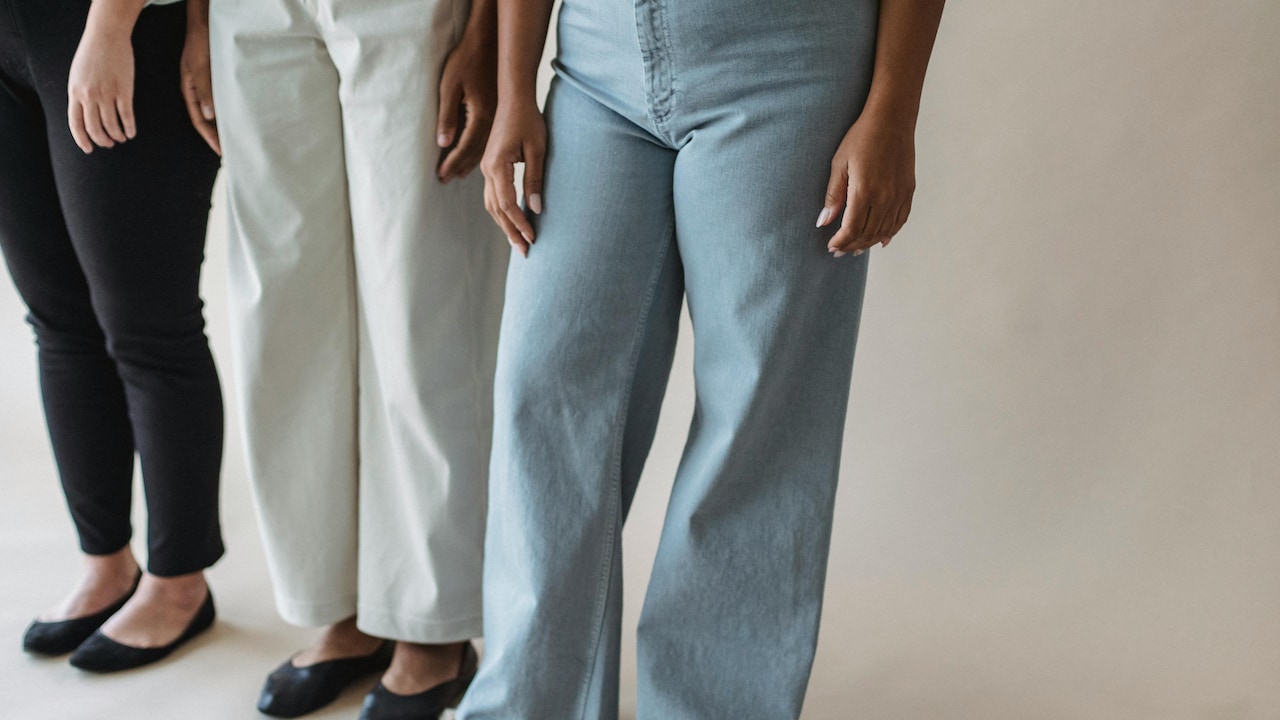
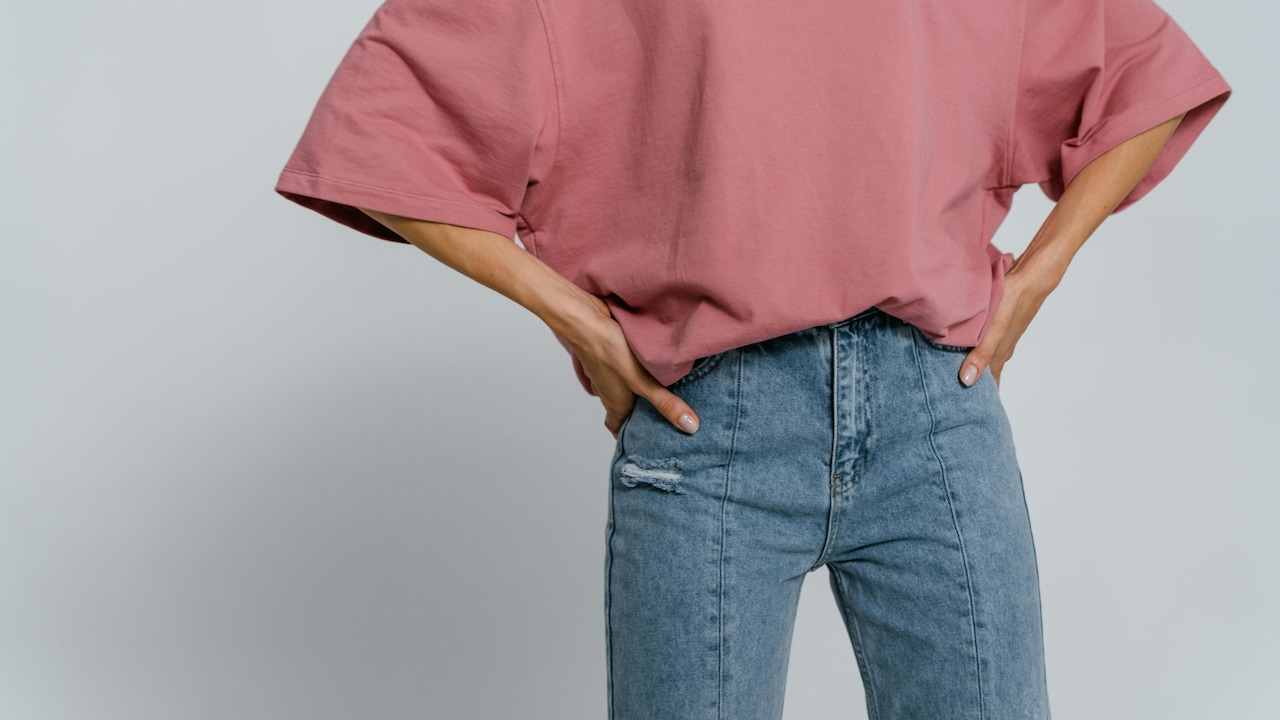
2026 Style Shift: How Regular Fit Men's T-Shirts Are Taking Over Slim Fits
Photo Credit: Pexels
Social Confidence Without Overstatement
Fashion communicates identity. Slim fits often convey boldness, sometimes bordering on aggression. They highlight every contour.
Regular fits offer quieter confidence. They suggest self-assurance without exhibition. That tone resonates in social settings, from first dates to family gatherings.
Many appreciate clothing that sparks compliments without demanding attention. A well-fitted regular tee in a rich olive or muted rust tone achieves exactly that.
Style in 2026 favours subtlety. Flashy logos fade. Clean lines prevail. The regular fit T-shirt embodies this understated charm.
Confidence no longer depends on tight tailoring. It flows from comfort, authenticity and ease. That shift defines the current moment.
Products Related To This Article
1. R.Code by The Roadster Life Co. Regular Fit Polo Collar T-shirt
2. CULT Men Brand Logo Colourblocked Moisture Wicking T-shirt
3. MACK JONNEY Men Polo Collar T-shirt
4. Jockey Super Combed Cotton Rich Round Neck Half Sleeve Tshirt
5. Campus Sutra Men Self Design Polo Collar Cotton T-shirt
6. Mast & Harbour Men Blue Striped Polo Collar T-shirt
7. Fame Forever by Lifestyle Men Printed T-shirt
The rise of regular fit men's T-shirts in 2026 marks more than a seasonal trend. It reflects changing priorities. Comfort now competes with aesthetics. Inclusivity challenges narrow ideals. Work culture encourages flexibility. Climate demands practicality. Sustainability shapes purchasing decisions.
Slim fits will not disappear entirely. Fashion rarely erases anything completely. Yet their dominance has weakened. Regular fits have claimed centre stage with quiet authority.
Across bustling markets, sleek malls and digital storefronts, shoppers choose garments that feel good and look effortless. They invest ₹999 or ₹1,999 not just in fabric but in freedom of movement and peace of mind.
The style shift feels organic. It grows from lived experience rather than marketing hype. In wardrobes throughout the country, hangers now hold roomier silhouettes. And those silhouettes signal a broader change.
Regular fit T-shirts are not merely taking over slim fits. They are redefining what modern style truly means: comfort with character, simplicity with substance and confidence without constraint.
(Disclaimer: This article may include references to or features of products and services made available through affiliate marketing campaigns. NDTV Convergence Limited (“NDTV”) strives to maintain editorial independence while participating in such campaigns. NDTV does not assume responsibility for the performance or claims of any featured products or services.)