Zip-Up vs Pullover Sweatshirts: Which Is More Comfortable for Daily Wear?
Zip-up or pullover? This guide breaks down comfort, layering, weather control, and daily convenience to help you pick the sweatshirt style that fits your routine best.
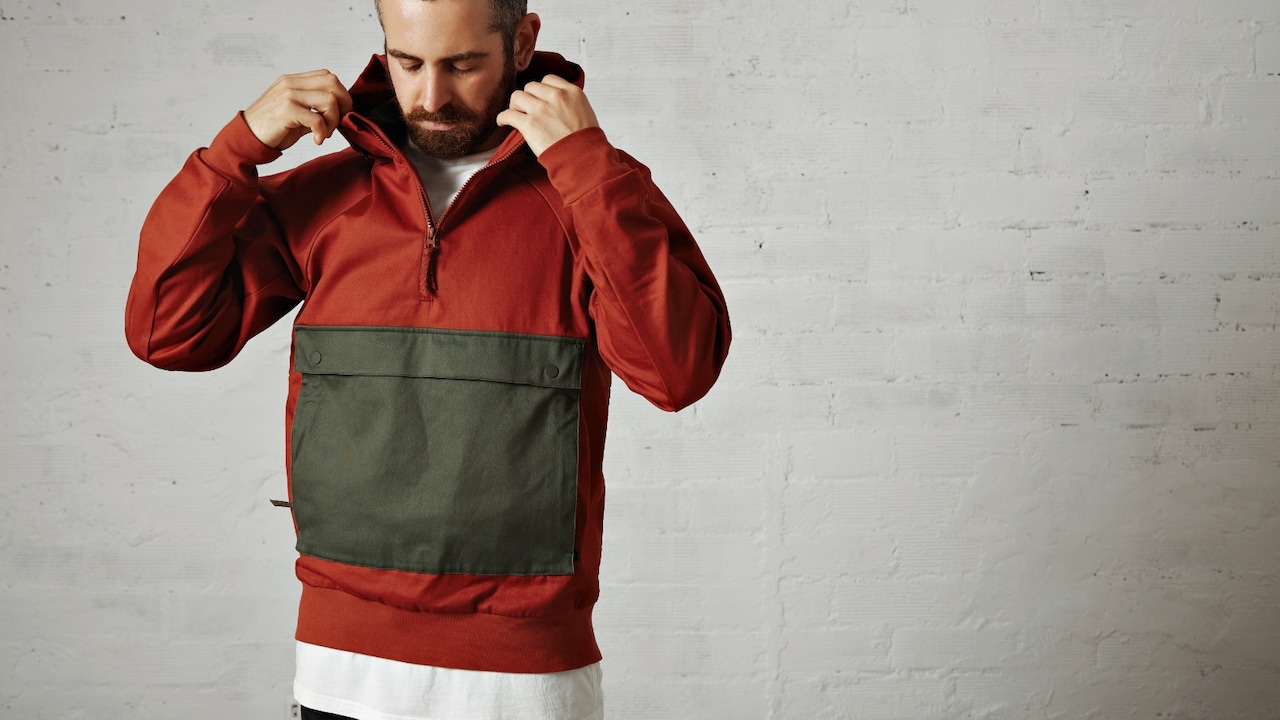
Zip-Up Vs Pullover Sweatshirts: Here Is How To Decide Which Style Offers More Practical Comfort Daily.
Sweatshirts have quietly become the unofficial uniform of daily life. They work across seasons, moods, and plans. One day it's 18°C and breezy. The next day, it's 29°C by noon, and suddenly the same outfit feels like a poor decision. That's where the big debate begins: zip-up or pullover?
Both look casual, both feel cosy, and both have loyal fans who will defend their choice like it's a cricket rivalry. But practical comfort is not just about softness. It's about how easy it is to wear, how it behaves in changing weather, how it fits into daily routines, and whether it feels like a hug or a hassle.
So, instead of picking based on a random online trend or a model posing dramatically in a studio, this article looks at how sweatshirts perform in real life. The kind of real life where you're rushing for a metro, dodging traffic, carrying a laptop bag, and trying not to spill chutney on yourself.
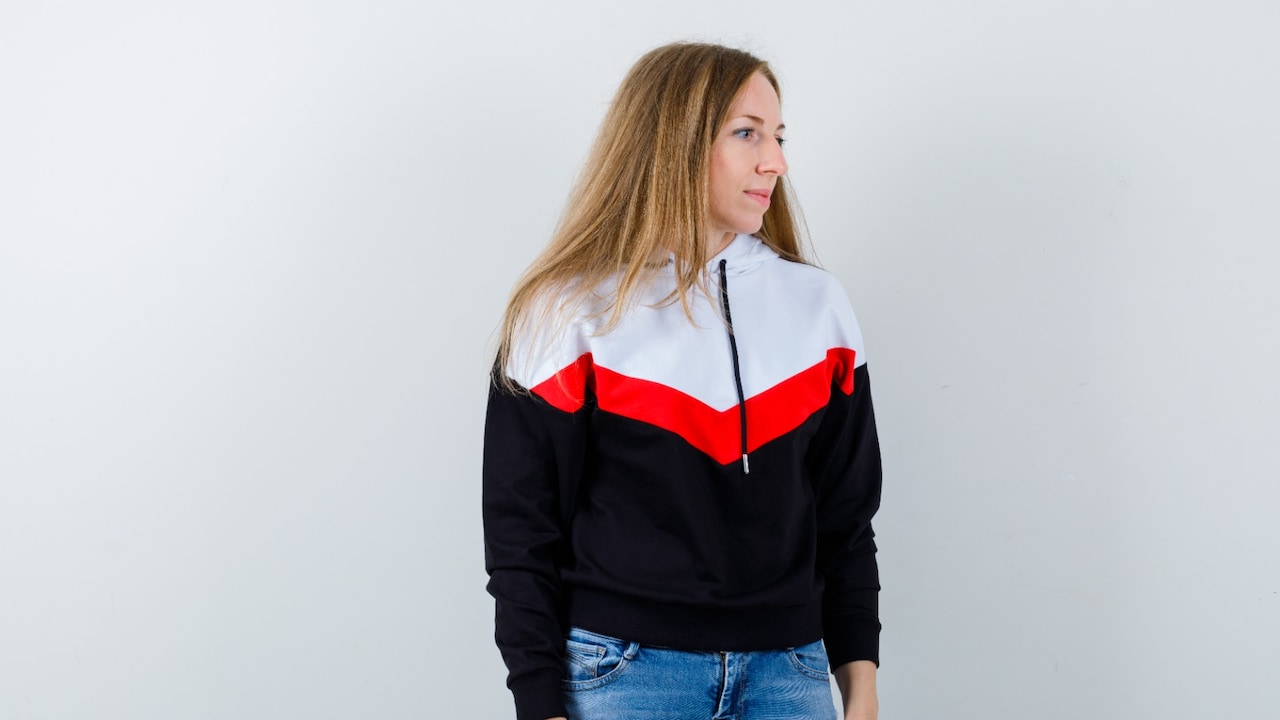
Zip-Up vs Pullover: 10 Key Differences To Choose The Right Sweatshirt; Photo Credit: Pexels
Zip-Up or Pullover? Here's How Both Perform in Real Daily Life
1) Weather Mood Swings: Which Handles Unpredictable Days Better?
The biggest reason sweatshirts exist in daily wardrobes is simple: weather can't be trusted. Mornings feel like hill-station vibes, afternoons feel like a toaster oven, and evenings return to “maybe winter is back” energy.
This is where zip-ups shine. They act like a temperature control switch. Feeling warm after walking from the bus stop? Unzip. A cool breeze hits when the sun dips? Zip back up. It's instant comfort without needing to remove the entire sweatshirt in public like you're doing an awkward costume change.
Pullovers, though, have their own charm. They trap warmth better and feel snugger, especially when the wind gets sharp. But when it suddenly gets warm, there's no halfway option. It's either wear it fully or take it off completely, which can feel inconvenient in malls, offices, or crowded public spaces.
For day-to-day practicality, zip-ups win the weather round. For stable cold days, pullovers hold their ground like a loyal blanket that refuses to leave.
2) Layering Logic: Which Style Plays Nicely With Other Clothes?
Layering is where daily comfort becomes a small art form. A sweatshirt isn't always worn alone. Sometimes it sits over a t-shirt, sometimes under a jacket, and sometimes it becomes the “middle layer” that makes or breaks the outfit.
Zip-ups are the easy-going ones here. They allow clean layering because the front opens. That means no tugging, no stretching, and no ruining your hair or collar. A zip-up over a printed tee looks effortless, and if you add a lightweight jacket on top, it doesn't feel bulky.
Pullovers can be trickier. When worn over a collared shirt, the collar can bunch up and start behaving like it has its own agenda. When worn under a jacket, pullovers sometimes create extra thickness around the chest and shoulders. That can feel restrictive, especially during long commutes.
However, pullovers do give a smoother silhouette when worn alone. No zip line cutting through the middle, no metal bits, no uneven drape. Just clean, cosy simplicity.
If layering is part of daily dressing, zip-ups offer more flexibility. If a sweatshirt is usually the main piece, pullovers can feel more put-together.
Also Read: Stay Warm And Stylish: Explore Sweatshirts And Sweaters For Women On Myntra
3) Convenience in Real Life: Quick Wear, Quick Remove, Zero Drama
Practical comfort isn't always about temperature. It's about how smoothly something fits into a rushed day. And most days are rushed, even the ones that start with “Today will be chill.”
Zip-ups are quicker to put on and take off. This matters more than people admit. Running late and need to throw something on? Zip-up. Entering a warm café or office? Unzip and keep it on without feeling trapped. It's the wardrobe version of “adjust and move on.”
Pullovers require more commitment. Putting one on can mess with hair, glasses, earrings, or even headphones. Taking it off in a public place can feel like wrestling a fabric tunnel. And if the sweatshirt fits snugly (as many do), the process becomes a mini workout.
Still, pullovers have one advantage: fewer moving parts. No zip to get stuck, no zip to scratch the neck, no “why is the zip wavy” problem after washing.
For daily convenience, zip-ups feel more practical. But for people who value low-maintenance clothing, pullovers feel simpler and calmer.
4) Comfort Against the Skin: Softness, Breathability, and That “Cosy Factor”
Comfort is the heart of this debate, and comfort is not only about warmth. It's also about how a sweatshirt feels on the skin during long hours.
Pullovers often feel cosier. They create an uninterrupted layer of fabric across the front, which makes them feel like a warm hug. There's no zip pressing into the chest when you sit, slouch, or curl up with your phone. For lounging, they are unmatched.
Zip-ups, however, have a structural difference. The zip creates a firm line down the centre. Some people don't notice it. Others feel it when sitting for long periods, especially if the sweatshirt is slightly tight. Cheap zips can also feel rough near the neck.
Breathability depends more on fabric than style. Cotton fleece feels warm but can trap heat. French terry feels lighter and better for mild weather. Polyester blends dry faster but can feel less breathable.
If comfort means “soft and snuggly”, pullovers have an edge. If comfort means “adjustable and breathable through the day”, zip-ups often feel better.
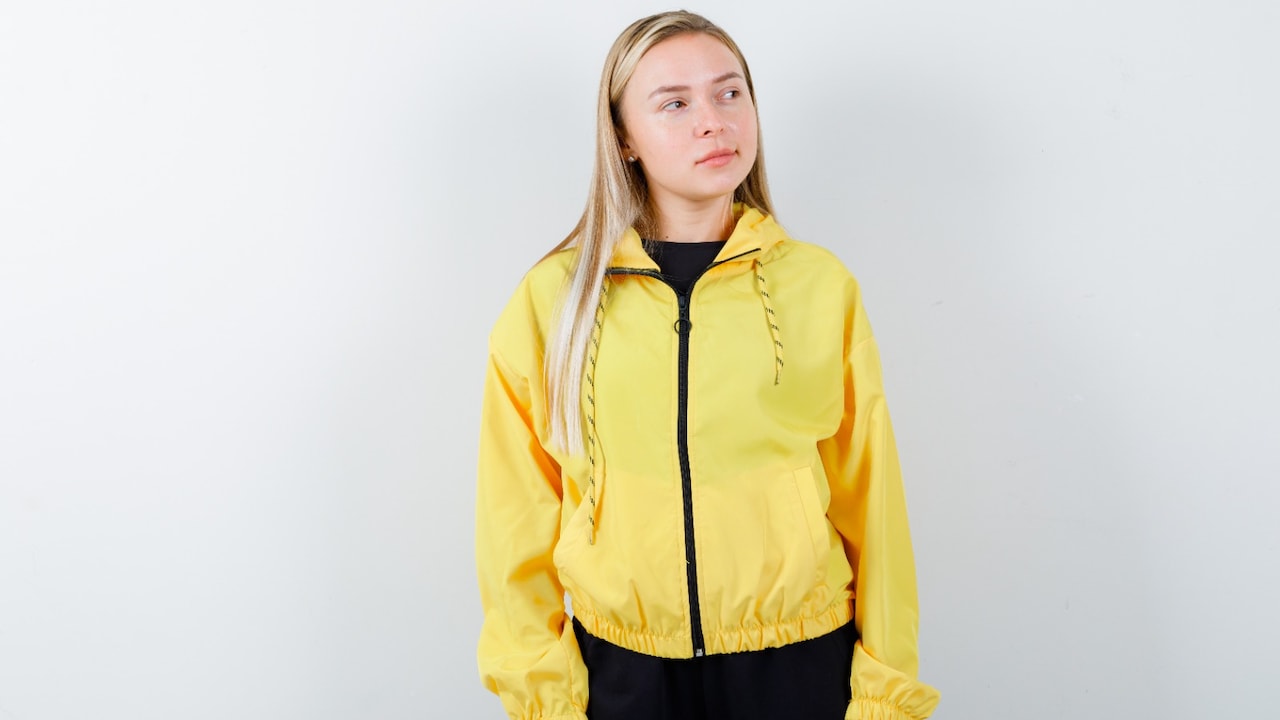
Zip-Up vs Pullover: 10 Key Differences To Choose The Right Sweatshirt; Photo Credit: Pexels
5) Office AC Battles and Work-from-Home Reality
Anyone who has spent time in an air-conditioned office knows the struggle. The outside world may be sunny and warm, but the inside feels like someone set the thermostat to “Arctic documentary”.
Zip-ups work brilliantly here. You can keep them on without overheating when you step outside for lunch. You can unzip slightly during long meetings when the room warms up. You can even style them neatly over a plain t-shirt and look presentable without trying too hard.
Pullovers can look sharper in a casual workplace. They appear cleaner and more structured, especially solid colours. A pullover sweatshirt in navy, charcoal, or deep green can pass as “smart casual” with decent trousers.
For work-from-home, pullovers feel like the champion. They give maximum comfort for sitting long hours, and they don't shift around. Zip-ups can feel a bit “outdoor-ish” indoors, though that's personal.
For mixed days that involve office, commuting, and errands, zip-ups offer more practical comfort. For long indoor work sessions, pullovers feel cosier.
6) Travel and Commutes: Metro Rush, Bike Rides, and Long Drives
Daily life often involves movement. Sometimes a lot of it. Sweatshirts behave differently when you're travelling, especially on crowded commutes or breezy rides.
Zip-ups are excellent for travel. They allow easy ventilation when you're walking fast or climbing stairs. If you're carrying a backpack, you can unzip it slightly to avoid that sweaty back feeling. They're also easier to take off and tie around the waist if it gets warm.
Pullovers can feel warmer and more stable during travel. On a bike ride, a pullover blocks wind better because there's no zip gap. It also feels more secure. Nothing flaps, nothing shifts.
But pullovers can be inconvenient when you enter warm spaces like cafés, malls, or buses. Taking them off means carrying them, and carrying them means one hand is always busy.
For long drives, pullovers feel great. For unpredictable commutes with lots of walking and stopping, zip-ups feel more practical.
7) Pockets, Utility, and the “Where Did My Phone Go?” Problem
This is where the debate gets surprisingly serious. Because pockets are not a small detail. They're a daily survival feature.
Zip-ups usually come with two side pockets. They're useful, accessible, and comfortable for the hands. Many also include an inner pocket, which is a hidden gem for keeping a phone, card, or keys safe.
Pullovers typically have a kangaroo pocket. It looks iconic and feels cosy. But it has quirks. Put a phone in it, and it can bounce while walking. Put keys, and they can jab the stomach. Put nothing, and it still becomes the place where hands go automatically, like muscle memory.
For utility, zip-up pockets are often better. They keep things more secure and balanced. For comfort, the kangaroo pocket feels warmer and more relaxed.
If daily life involves carrying small essentials without a bag, zip-ups win. If the goal is just warm hands and casual vibes, pullovers do the job beautifully.
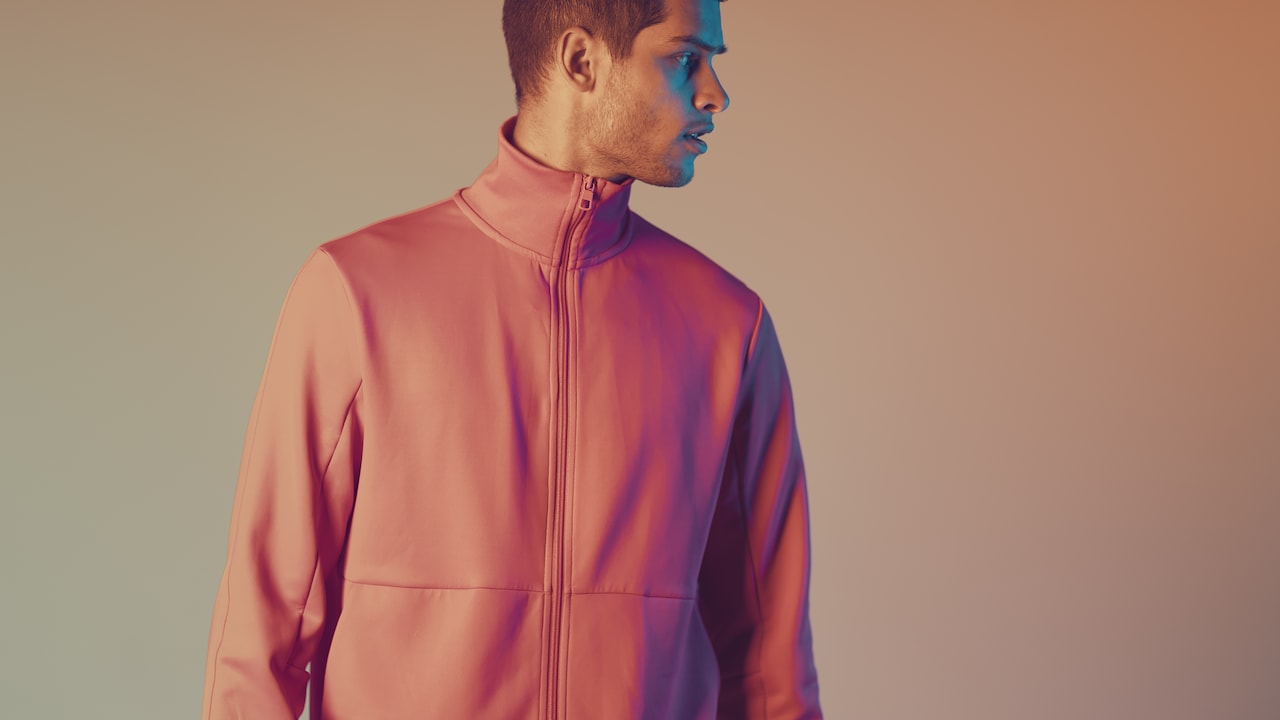
Zip-Up vs Pullover: 10 Key Differences To Choose The Right Sweatshirt; Photo Credit: Pexels
8) Style and Daily Versatility: Which Looks Better More Often?
Let's be honest: practical comfort also includes feeling good in what you're wearing. Nobody wants to feel like they stepped out looking half-asleep, even if they are half-asleep.
Zip-ups give a sporty, active vibe. They look great with jeans, joggers, and sneakers. They also work well with layered outfits. But they can sometimes look too casual in settings where you want a cleaner look.
Pullovers often look more polished. A solid pullover sweatshirt with a good fit can look intentional, especially when paired with structured trousers or clean shoes. It's the difference between “threw something on” and “casual but styled”.
However, pullovers can also feel bulky depending on fabric thickness. And if the fit is off, they can look boxy quickly.
For everyday versatility across errands, casual outings, and travel, zip-ups are easier to style. For looking neat with minimal effort, pullovers have a slight edge.
9) Durability and Maintenance: Which Survives Washing Better?
Daily comfort includes how a sweatshirt behaves after five washes, not just how it feels on day one.
Zip-ups have a weak point: the zip. Zips can warp, break, snag fabric, or get stuck. A cheap zip can ruin an otherwise good sweatshirt. Also, zip-ups need more care in the wash. They should be zipped up before washing to avoid damage. The metal can also bang around in the machine, which isn't great for fabric longevity.
Pullovers are simpler. No zip, fewer stress points, fewer chances of damage. They often last longer, especially if the fabric quality is decent. They also keep their shape better if washed properly.
That said, pullovers can stretch around the neck over time. If they're constantly pulled on and off, the neckline can lose its structure.
In terms of maintenance, pullovers are usually more durable and easier to care for. Zip-ups require a little more attention but offer more day-to-day flexibility.
10) Value for Money: What Gives Better Daily Comfort per Rupee?
Budget matters. Sweatshirts can range from ₹600 street-market finds to ₹4,000 branded ones, and the difference isn't always obvious at first glance.
Zip-ups often cost more because they include hardware and more stitching. That extra cost can be worth it if you use the zip feature daily. If you're constantly adjusting layers, a zip-up pays for itself through convenience.
Pullovers can offer better value in fabric quality at the same price. Without the cost of the zip, more of the budget goes into material and stitching. That means a ₹1,500 pullover might feel thicker and softer than a ₹1,500 zip-up.
For someone who wants one sweatshirt that works in many situations, a zip-up can feel like the smarter buy. For someone who prioritises warmth, softness, and long-term durability, a pullover often delivers more comfort for the money.
A practical approach is simple: one zip-up for everyday running around, one pullover for cosy days. But if choosing only one, lifestyle should decide.
Products Related To This Article
1. Roadster Women Lavender Puff-Sleeve Solid Hooded Sweatshirt
2. H&M Loose Fit Hoodie
3. Tokyo Talkies Green Typography Printed Hooded Sweatshirt
4. Being Human Men Cotton Hooded Neck Sweatshirts
5. NOBERO Men Front-Open Zipper Hooded Sweatshirt
6. BOLDFIT Women Hooded Front-Open Sweatshirt
7. H&M Loose Fit Sweatshirt
So, which offers more practical comfort daily: zip-up or pullover?
Zip-ups win for flexibility. They handle unpredictable weather better, layer more easily, and suit fast-paced routines. They feel like the practical friend who always has a plan, carries a power bank, and somehow never loses keys.
Pullovers win for pure comfort. They feel warmer, softer, and more relaxed. They're the cosy friend who insists on hot chai, tells you to take a break, and makes even a boring day feel calmer.
For everyday life with commuting, errands, office AC, and shifting temperatures, a zip-up often proves more practical. For comfort-first days, work-from-home routines, and steady winter weather, a pullover feels unbeatable.
The real answer is this: comfort isn't one-size-fits-all. The best sweatshirt is the one that fits your daily rhythm. And if it also makes you feel a little more at ease while facing the chaos of the day, that's not just clothing. That's therapy in fabric form.
(Disclaimer: This article may include references to or features of products and services made available through affiliate marketing campaigns. NDTV Convergence Limited (“NDTV”) strives to maintain editorial independence while participating in such campaigns. NDTV does not assume responsibility for the performance or claims of any featured products or services.)