Shapewear Petticoats Explained: Do They Flatter Your Saree Or Restrict Movement?
Shapewear petticoats promise a sleek saree silhouette, but do they deliver comfort or quietly restrict movement? A closer look reveals whether they truly enhance style or compromise ease.
The Truth About Shapewear Petticoats: Know If They Make You Look Better Or Impede Your Activities.
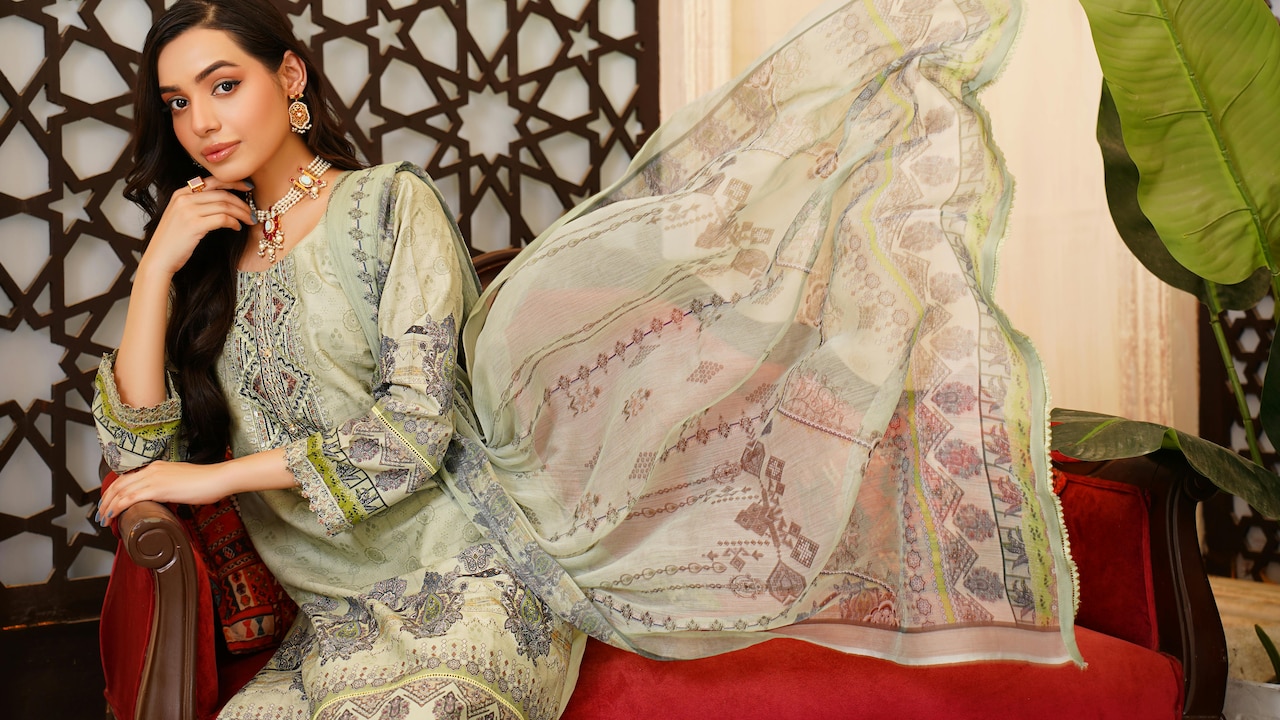
A saree has always been more than just fabric. It carries grace, tradition, and a quiet kind of power. Yet, the way it falls often depends on what lies beneath. Enter the shapewear petticoat, a modern twist on a classic essential. It promises a sleeker drape, a contoured fit, and a look that mirrors runway elegance.
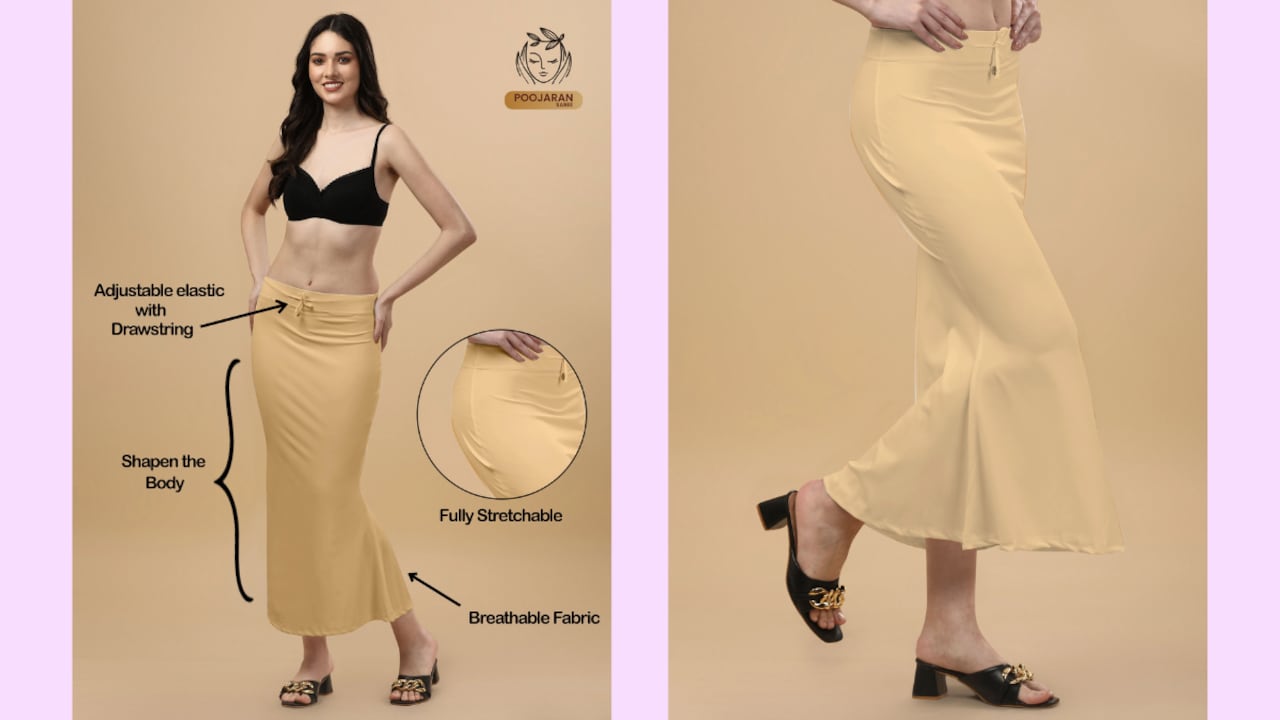
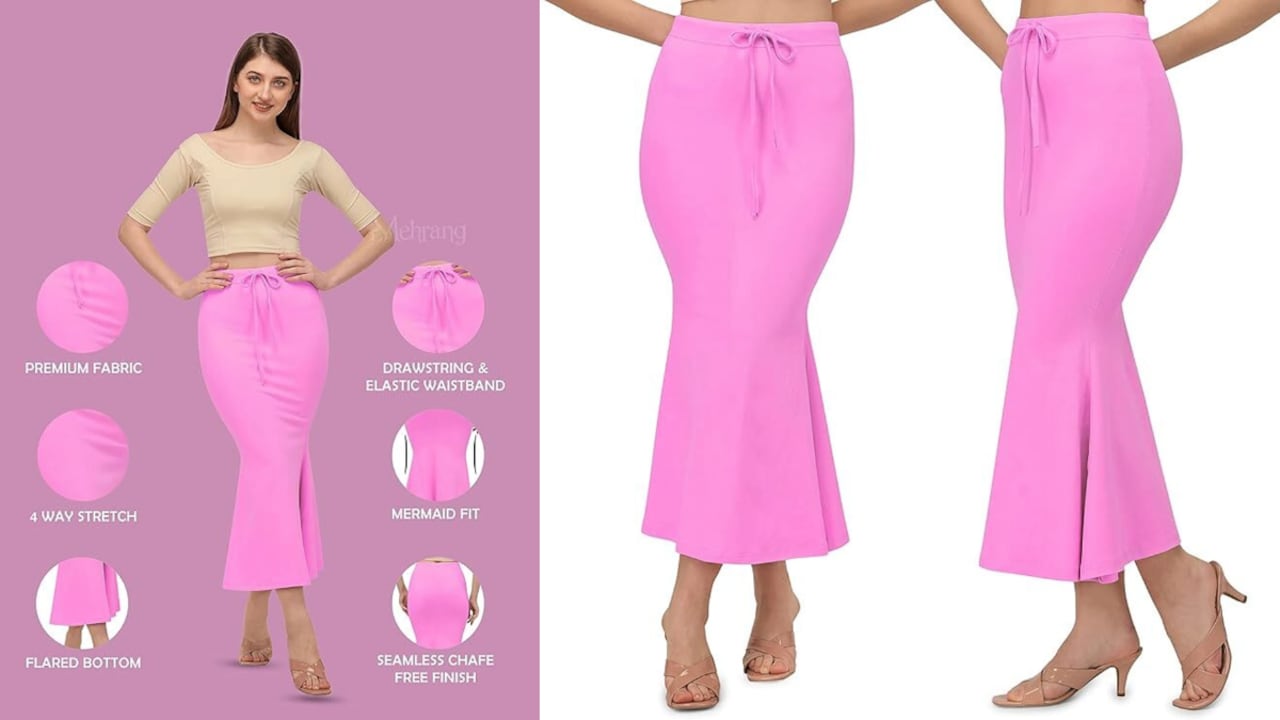
Are shapewear petticoats worth it; Photo Credit: Flipkart
But fashion rarely comes without trade-offs. Beneath the polished appearance lies a question many hesitate to voice. Does it truly feel as good as it looks? Or does it subtly limit the very ease that makes traditional wear so beloved?
From festive gatherings to long wedding functions where standing, sitting, and even a quick dash for snacks become part of the experience, comfort matters as much as appearance. A garment that looks stunning but restricts movement can quickly turn from a confidence booster into a quiet burden.
This conversation is not about dismissing shapewear outright. It is about understanding its place. Because style, after all, should never feel like a compromise.
Also Read: Fit And Fabulous: The Best Shapewear That Supports And Celebrates Every Curve
Unpacking The Reality Of Shapewear Petticoats
The Promise Of A Perfect Silhouette
The biggest appeal of shapewear petticoats lies in their ability to create a smooth, sculpted base. Traditional petticoats often bunch up, create uneven lines, or add volume where it is not wanted. Shapewear, on the other hand, hugs the body closely, allowing sarees to fall in clean, elegant lines.
This effect becomes particularly noticeable with fabrics like chiffon or satin. These materials tend to reveal every crease underneath. A shapewear petticoat eliminates that risk, giving the outfit a polished finish that feels almost effortless.
Yet, the promise of perfection can sometimes feel exaggerated. Not everybody responds the same way to compression. For some, it enhances natural curves beautifully. For others, it may create discomfort or highlight areas in unexpected ways.
The idea of a flawless silhouette sounds tempting, especially for occasions where photographs matter. But the real question is whether that visual appeal holds up throughout the day, or fades as comfort takes centre stage.
Comfort: The Silent Dealbreaker
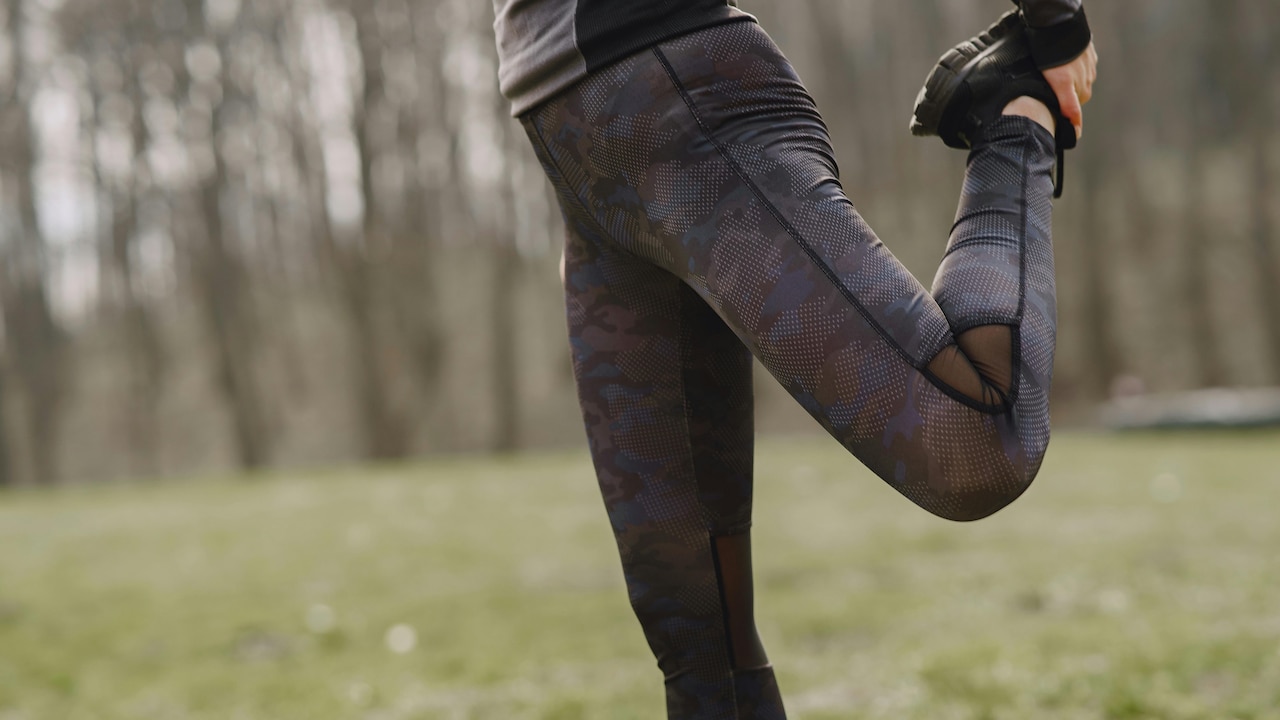
Comfort often becomes the deciding factor in any outfit, especially when worn for hours. Shapewear petticoats rely on compression to achieve their effect. This compression can feel supportive at first, almost like a gentle hug around the waist and hips.
However, over time, that same snugness can feel restrictive. Sitting cross-legged, bending slightly, or even walking briskly can become conscious actions rather than natural movements. During long events, where meals, conversations, and movement blend seamlessly, this restriction can become noticeable.
Weather adds another layer to the experience. In warm and humid conditions, tight fabrics can trap heat, leading to discomfort. Breathable materials help, but not all shapewear options prioritise airflow.
Comfort is not just about physical ease. It also affects confidence. When an outfit requires constant adjustment or awareness, it takes away from the joy of wearing it. The balance between support and restriction becomes crucial, and not every shapewear piece gets it right.
Movement Matters More Than Expected
Clothing often feels fine when standing still in front of a mirror. Real life, however, involves movement. Walking through crowded spaces, climbing stairs, or simply getting in and out of a car requires flexibility.
Shapewear petticoats can limit this freedom. Their fitted structure reduces the natural flow that traditional petticoats allow. This becomes particularly evident during occasions that involve a lot of activity, such as weddings or festivals.
Imagine trying to sit comfortably on the floor during a ceremony or quickly navigating through a busy venue. A restrictive garment can turn simple actions into awkward moments.
That said, some modern designs include stretch panels or slits to improve mobility. These features make a noticeable difference, but they are not present in every option available.
Movement often goes unnoticed until it is restricted. Once it is, the awareness becomes constant. The true test of any outfit lies not in how it looks when still, but in how it supports every step taken throughout the day.
The Confidence Factor: Real Or Imagined?
Confidence often ties closely to appearance. When an outfit fits well and looks flattering, it naturally boosts self-assurance. Shapewear petticoats tap into this idea by offering a streamlined look.
For many, this translates into standing taller, posing more freely, and feeling more put-together. The absence of visible lines or uneven drapes can create a sense of control over one's appearance.
However, confidence built solely on appearance can feel fragile. If discomfort creeps in, that confidence may waver. Adjusting clothing frequently or feeling restricted can shift focus away from enjoying the moment.
True confidence often comes from a balance between how something looks and how it feels. When both align, the effect becomes lasting. When they do not, the initial boost may fade quickly.
Shapewear petticoats can enhance confidence, but only when they support comfort as much as aesthetics. Otherwise, they risk becoming a temporary fix rather than a reliable solution.
Fabric And Fit: The Unsung Heroes
Not all shapewear petticoats are created equal. Fabric plays a crucial role in determining both comfort and effectiveness. Materials that stretch without losing shape tend to perform better over long durations.
Lightweight fabrics with moisture-wicking properties can make a noticeable difference, especially in warm climates. They help reduce discomfort and allow the skin to breathe.
Fit, however, remains the most important factor. A size too small can feel overly tight, while a size too large may fail to provide the desired shaping effect. Finding the right fit often requires trying multiple options, which can feel like a task in itself.
Price also enters the conversation. High-quality shapewear can range from ₹1,500 to ₹5,000 or more. While it may seem like an investment, the difference in comfort and durability often justifies the cost.
Choosing the right combination of fabric and fit can transform the entire experience. It can mean the difference between feeling restricted and feeling supported throughout the day.
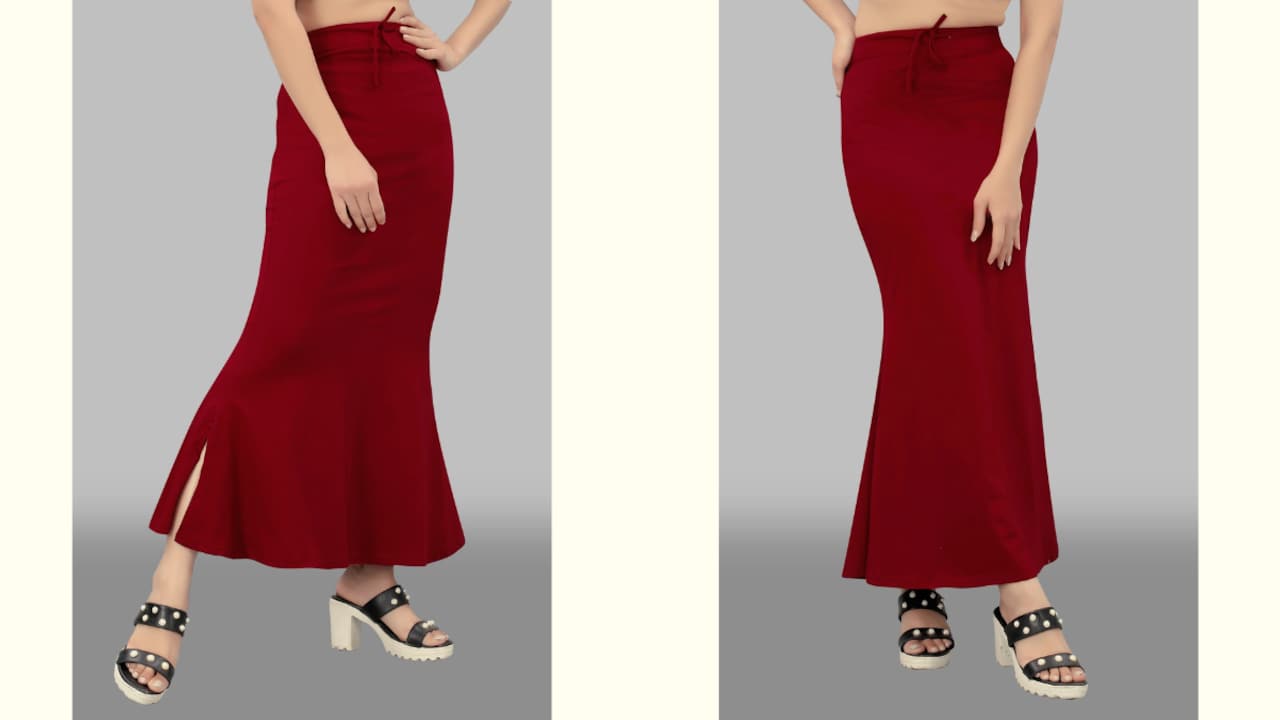
Fabric and fit also play a huge role; Photo Credit: Flipkart
Occasion-Based Practicality
Not every occasion demands the same level of structure. A grand evening event may call for a more polished look, making shapewear a suitable choice. In contrast, a casual gathering or a long day filled with rituals may prioritise comfort.
Shapewear petticoats often shine in shorter events where movement remains limited. They hold the saree in place and maintain a neat appearance without requiring frequent adjustments.
However, during extended celebrations that stretch over several hours, their limitations can become apparent. Standing for long periods, sitting through ceremonies, and moving around frequently can test their practicality.
Understanding the nature of the event helps in making the right choice. Sometimes, a traditional petticoat offers the freedom needed to enjoy the day fully.
Fashion does not exist in isolation. It interacts with time, setting, and activity. Choosing the right base layer can make the difference between enduring an outfit and truly enjoying it.
The Saree Drape Advantage
One undeniable advantage of shapewear petticoats lies in how they enhance the saree drape. The snug fit keeps pleats in place and prevents the fabric from shifting.
This becomes particularly useful for beginners who struggle with maintaining neat pleats. The structure provided by shapewear simplifies the draping process, making it easier to achieve a polished look.
The absence of drawstrings or bulky knots also contributes to a cleaner finish around the waist. This detail may seem small, but it significantly affects the overall appearance.
However, this advantage comes with a caveat. The same snugness that holds the saree in place can limit flexibility. Adjusting pleats or repositioning the saree during the day may feel more challenging.
The drape advantage is real, but it works best when paired with comfort. Without it, the ease of wearing a saree may feel compromised.
Body Positivity And Modern Fashion
Shapewear often sparks conversations around body image. While it offers the option to shape and smooth, it also raises questions about expectations.
Fashion trends frequently promote certain silhouettes as ideal. Shapewear petticoats align with this idea by helping achieve a specific look. However, it is important to remember that style does not have a single standard.
Choosing shapewear should feel like an option, not an obligation. It should enhance personal style rather than dictate it.
The growing conversation around body positivity encourages embracing natural forms. In this context, shapewear becomes a tool rather than a necessity.
Wearing a saree with confidence does not depend solely on achieving a perfect silhouette. It comes from comfort, ease, and the freedom to move naturally.
Modern fashion continues to evolve, and with it, the definition of beauty becomes more inclusive. Shapewear finds its place within this landscape, but it does not define it.
Cost Versus Value
Investing in shapewear petticoats often involves weighing cost against value. A well-made piece can last for years, making it a worthwhile addition to the wardrobe.
However, not every purchase delivers on its promise. Lower-priced options may lose elasticity quickly or feel uncomfortable after a few uses. This can lead to repeated purchases, increasing overall cost.
Higher-end options, though more expensive upfront, often provide better support and durability. They maintain their shape and comfort over time, offering consistent performance.
Value also depends on the frequency of use. For occasional events, a single reliable piece may suffice. For frequent wear, investing in multiple options can provide flexibility.
Understanding personal needs helps in making a smarter choice. The goal is not just to buy shapewear, but to find one that truly adds value to the wardrobe.
The Future Of Functional Fashion
Fashion continues to blend style with functionality. Shapewear petticoats represent this shift, combining traditional elements with modern design.
Brands are increasingly focusing on comfort-driven innovation. Features like breathable fabrics, flexible panels, and improved fits aim to address common concerns.
This evolution suggests that the gap between style and comfort may continue to narrow. Future designs may offer the same flattering effect without compromising movement.
Consumer awareness also plays a role. As people prioritise comfort alongside aesthetics, demand for better designs grows.
The future of shapewear lies in balance. It must enhance appearance while respecting the body's need for ease and movement.
Fashion that adapts to real life, rather than expecting life to adapt to it, often stands the test of time.
Products Related To This Article
1. Pink Formal Bay Pink_Women Fishcut Stretchable Saree Petticoat
2. Muskan Enterprises BEIGE FISHCUT SHAPEWEAR
3. Fashionez Women Shapewear
4. DZX-RE Women Shapewear
5. TWIN BIRDS Pink Shock Straight Fit Saree Skirt Women Shapewear
Shapewear petticoats sit at an interesting intersection of tradition and modernity. They offer a refined silhouette, improved drape, and a sense of polish that many find appealing. At the same time, they introduce elements of restriction that cannot be ignored.
The answer to whether they flatter or restrict does not lie in a simple yes or no. It depends on the design, the fit, and the occasion. More importantly, it depends on personal preference.
A well-chosen shapewear petticoat can enhance both style and confidence. A poorly chosen one can do the opposite. The key lies in understanding one's needs and prioritising comfort alongside appearance.
Fashion should feel like an extension of personality, not a limitation. Whether opting for shapewear or sticking to traditional options, the ultimate goal remains the same. To feel comfortable, confident, and completely at ease in every step taken.
(Disclaimer: This article may include references to or features of products and services made available through affiliate marketing campaigns. NDTV Convergence Limited (“NDTV”) strives to maintain editorial independence while participating in such campaigns. NDTV does not assume responsibility for the performance or claims of any featured products or services.)