Why Your Joggers Lose Shape So Fast: The Fabric Truth Brands Don't Tell You
Your joggers don’t lose shape overnight; it’s the fabric, washing habits, and hidden shortcuts in manufacturing. Here’s why they sag so fast, and what actually makes them last longer.
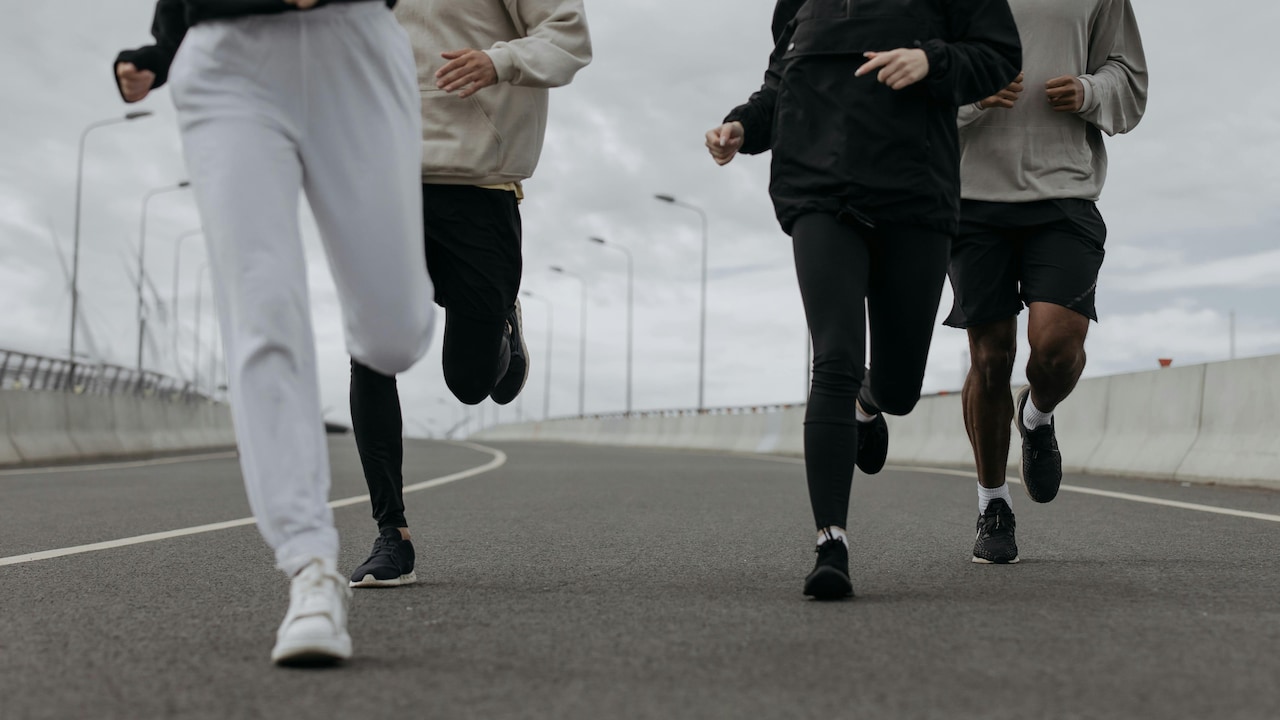
Why Do Joggers Lose Shape After 2 Weeks? Here Is The Fabric Truth No One Tells You.
Few things beat the comfort of a good pair of joggers. They slip on easily, pair with almost anything, and carry that effortless balance between casual and stylish. For many, they've become everyday essentials, worn at home, at cafés, and even during quick errands in the neighbourhood. The first few wears feel promising. The fit hugs just right, the fabric feels plush, and the shape stays intact.
Then, something changes. Knees begin to bag out, the waistband loosens, and the fabric seems tired far too soon. That once-sharp silhouette becomes slouchy, almost as if the joggers aged overnight. It's frustrating, especially after spending ₹1,200 or even ₹2,500 on a pair that promised durability.
This isn't just bad luck. There's a pattern behind it, a mix of fabric composition, manufacturing shortcuts, and everyday habits that quietly ruin the structure. The truth isn't complicated, but it's rarely discussed. Understanding these hidden factors can make a noticeable difference, not just in how joggers look, but in how long they last.

Why Your Joggers Lose Shape After 2 Weeks: Fabric Truth No One Mentions
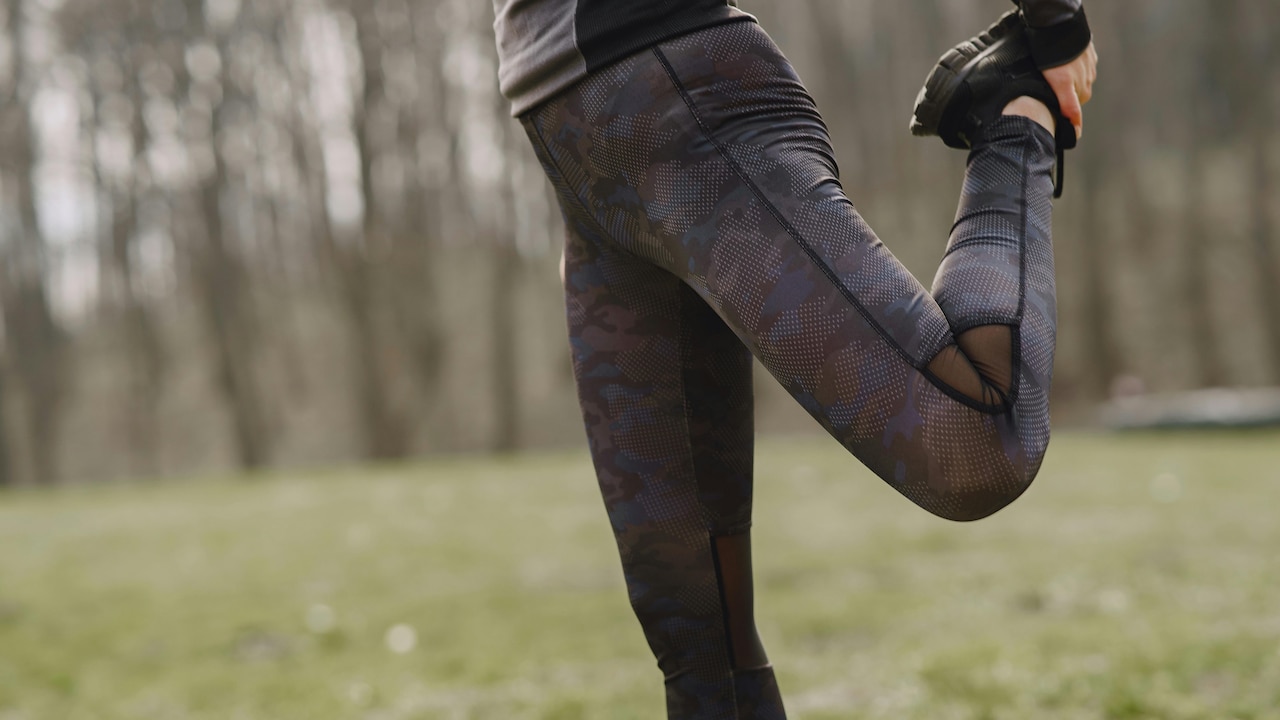
Photo Credit: Pexels
What Really Causes Joggers To Lose Shape So Quickly
The Illusion Of “Premium” Fabric
A tag that says “premium cotton blend” often sounds reassuring. It hints at quality, durability, and comfort all rolled into one. Yet, that label can be misleading. Many joggers rely on blends that include a high percentage of synthetic fibres like polyester or elastane. These materials help with stretch and cost efficiency, but they often compromise long-term shape retention.
Cotton, in its pure form, breathes well and feels soft. However, it lacks elasticity. To compensate, manufacturers mix in synthetics. The problem begins when the ratio tilts too heavily towards cheaper fibres. Over time, these fibres don't recover well after stretching. Knees and seat areas take the brunt, especially during long sitting hours.
The result is a pair of joggers that initially feels structured but quickly loses its integrity. It's not always about price either. Even mid-range options can suffer if the fabric composition isn't balanced. A jogger priced at ₹1,800 might behave no better than one costing ₹700 if shortcuts exist in the blend.
Stretch Isn't Always Strength
Stretchy joggers feel great on day one. They move with ease, adapt to body shape, and create that snug, tailored look. However, not all stretch is equal. The quality of elastane used plays a huge role in how well a garment bounces back.
Lower-grade elastane tends to weaken quickly. Each stretch slightly damages its recovery ability. After a few wears, the fabric starts to stay stretched rather than snapping back. This is why knees appear saggy after just a week or two.
The issue worsens when joggers are worn for long hours, especially during activities like sitting cross-legged or lounging on sofas. The constant pressure stretches specific areas repeatedly. Without strong recovery fibres, those areas lose their form permanently.
Good stretch should feel supportive, not overly loose. If joggers feel too soft or overly flexible from the start, that's often a warning sign. True durability lies in controlled elasticity, not excessive give.
Heat Is The Silent Enemy
Washing machines often default to warm or hot water settings, especially when tackling sweat or stains. While this might seem effective for cleaning, it quietly damages the fabric structure.
Heat weakens elastic fibres. It causes them to lose their ability to return to their original shape. Over time, repeated exposure to high temperatures breaks down the internal tension that keeps joggers fitted.
Dryers make things worse. The intense heat and tumbling stretch and distort the fabric further. Waistbands lose their grip, and cuffs start to look loose and tired. Even a few drying cycles can accelerate this damage significantly.
Cold washes and air drying may seem like extra effort, but they protect the fabric's integrity. Joggers treated gently tend to hold their shape longer, even with regular use. It's a small shift in routine with a noticeable impact.
Overwashing Without Realising
It's easy to toss joggers into the laundry after every wear. After all, comfort clothing often gets used frequently. However, overwashing is one of the quickest ways to ruin fabric structure.
Each wash cycle creates friction. The fibres rub against each other, weakening over time. This leads to thinning fabric and reduced elasticity. The more often joggers are washed, the faster this wear accelerates.
Not every wear demands a full wash. If joggers were worn indoors for a few hours, airing them out might be enough. Constant washing strips away the natural resilience of the fibres.
Detergents also play a role. Harsh formulas can degrade elastic components faster. Choosing milder options and reducing wash frequency can extend the lifespan significantly. It's less about cleanliness and more about balance.
Cheap Stitching, Hidden Weakness
Fabric often gets the blame, but stitching matters just as much. Poor construction can lead to early shape loss, even if the material itself is decent.
Seams hold the structure together. When stitching is weak or uneven, it fails to support the fabric under tension. This causes certain areas to stretch more than others, creating an uneven, saggy look.
Waistbands are especially vulnerable. If the elastic is poorly stitched or not reinforced properly, it begins to loosen quickly. The joggers start slipping or bunching awkwardly, losing their original fit.
Quality stitching isn't always visible at first glance. However, signs like loose threads or uneven seams often hint at future issues. Investing in well-constructed joggers, even at a slightly higher price, often pays off in the long run.
Sitting Habits Take A Toll
Modern routines involve long hours of sitting, whether working from home, commuting, or relaxing with a series. Joggers, being soft and flexible, bear the impact of these habits.
Sitting creates pressure points, especially around the knees and hips. These areas stretch repeatedly and stay stretched for extended periods. Over time, the fabric adapts to this new shape instead of returning to its original form.
Cross-legged sitting makes things worse. It twists and pulls the fabric in unnatural directions, accelerating wear. Even high-quality joggers can struggle under constant strain.
Changing sitting positions occasionally or opting for slightly thicker fabrics can help. It's not about avoiding comfort but about being mindful of how repeated habits affect clothing over time.
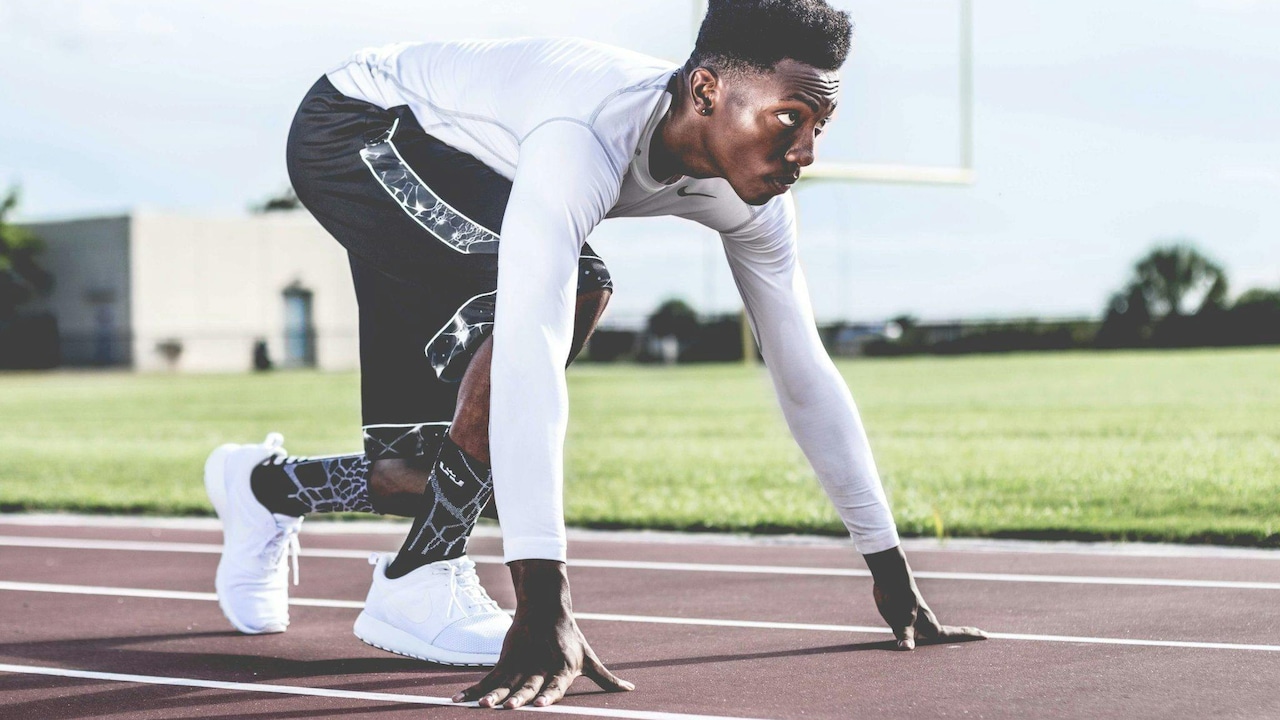
Why Your Joggers Lose Shape After 2 Weeks: Fabric Truth No One Mentions
Photo Credit: Pexels
Fabric Thickness Matters More Than Expected
Thin joggers feel light and breathable, making them perfect for warmer days. However, they often lack the structural strength needed to maintain shape.
Thicker fabrics provide better support. They resist stretching and recover more effectively. While they might feel slightly heavier, they hold their form longer and withstand regular use better.
Lightweight joggers tend to stretch out faster, especially in high-stress areas. They might look stylish initially but often lose their appeal quickly.
Choosing medium-weight fabric strikes a balance between comfort and durability. It ensures joggers remain wearable without sacrificing their structure after just a few uses.
Washing Machine Overload
Laundry day often means filling the machine to the brim. It saves time and effort, but it's not kind to delicate fabrics like joggers.
When overloaded, clothes rub aggressively against each other. This increases friction, leading to faster wear and tear. Elastic fibres suffer the most in such conditions.
Joggers get twisted, stretched, and compressed during heavy loads. This disrupts their natural shape and weakens their structure.
Giving clothes enough space during washing reduces stress on the fabric. It allows them to move freely without excessive friction. It's a small adjustment that helps preserve shape over time.
Detergent Residue Build-Up
Not all damage is visible immediately. Detergent residue often builds up slowly, affecting fabric performance over time.
When detergent doesn't rinse out completely, it stiffens fibres. This reduces flexibility and makes the fabric less responsive to movement. Over time, joggers lose their softness and elasticity.
Hard water can worsen this issue. Minerals combine with detergent, leaving behind deposits that weaken the fabric structure.
Using the right amount of detergent and ensuring proper rinsing can prevent this. Occasionally, running an extra rinse cycle helps remove build-up and keeps the fabric in better condition.
The Fast Fashion Cycle
Many joggers today are designed with short-term appeal in mind. They prioritise style and affordability over longevity. This leads to compromises in fabric quality, stitching, and overall construction.
Fast fashion encourages frequent buying. Instead of investing in durable pieces, consumers often replace joggers every few months. This cycle keeps costs low but reduces overall value.
A pair priced at ₹900 might seem like a good deal, but if it loses shape in two weeks, it becomes less economical in the long run. Spending slightly more on better quality often results in longer wear and fewer replacements.
Understanding this cycle helps in making smarter choices. It's not about avoiding affordable options but about recognising when quality has been sacrificed for price.
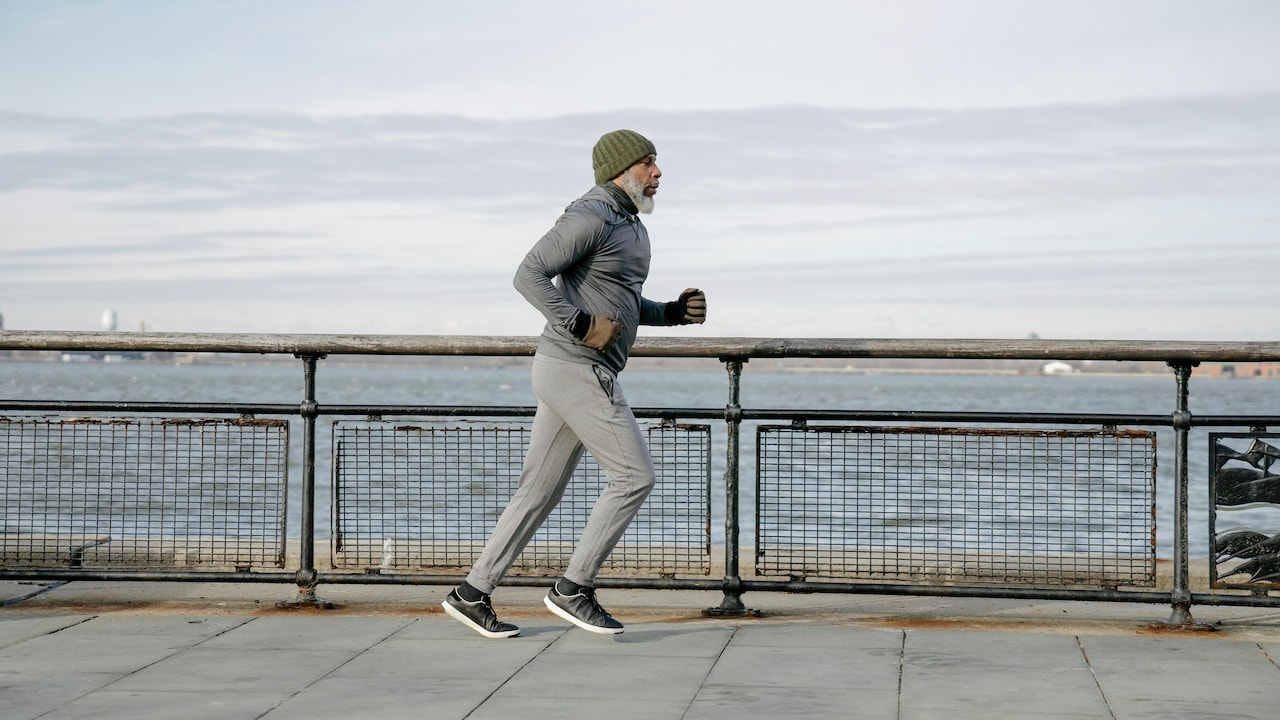
Why Your Joggers Lose Shape After 2 Weeks: Fabric Truth No One Mentions
Photo Credit: Pexels
Products Related To This Article
1. SAPPER Men Slim Fit Blue Pure Cotton Trousers
2. Black Magnet Men Cargos
3. HIGHLANDER Men Regular Fit Grey, Grey Cotton Blend Trousers
4. NIVASU Men Jogger Fit Mid Rise Dark Blue Jeans
5. Creatyywitty Men Jogger Fit Mid Rise Light Blue Jeans
Joggers losing shape quickly isn't just bad luck or careless use. It's a mix of fabric composition, daily habits, and manufacturing decisions that quietly impact durability. From heat exposure to overwashing, each factor chips away at the structure until the joggers no longer resemble their original form.
The good news is that small changes can make a big difference. Choosing better fabrics, washing with care, and paying attention to construction details can extend the life of any pair. It's less about spending more and more about understanding what truly matters.
A well-maintained pair of joggers doesn't just last longer, it feels better, fits better, and looks better over time. And that's a comfort worth holding on to.
(Disclaimer: This article may include references to or features of products and services made available through affiliate marketing campaigns. NDTV Convergence Limited (“NDTV”) strives to maintain editorial independence while participating in such campaigns. NDTV does not assume responsibility for the performance or claims of any featured products or services.)