Why Your Sports Bra Feels Supportive But Still Fails To Prevent Breast Bounce
A sports bra may feel snug and supportive, yet bounce still happens. Here’s why fit, design, and movement patterns matter more than tightness alone when it comes to real support.
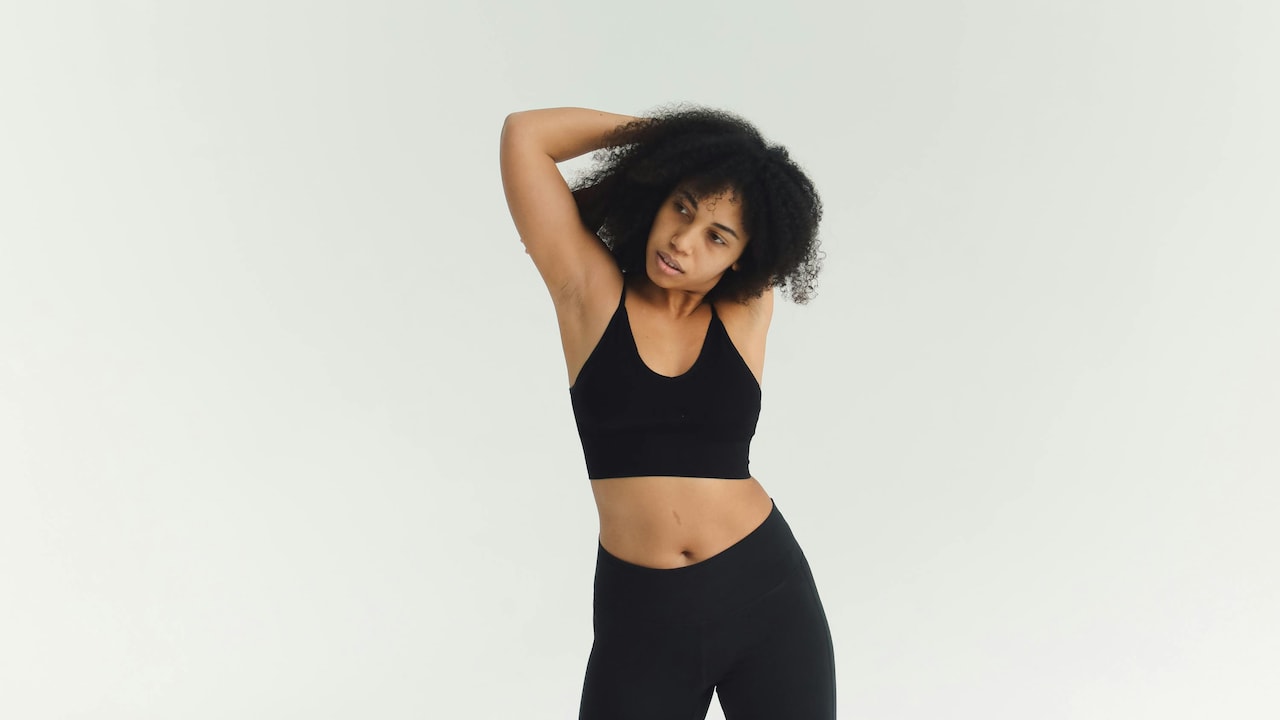
Breast Bounce Explained: Why Even Supportive Sports Bras Fall Short
There's a familiar moment before a workout begins, that slight tug at the straps, a quick adjustment, and a hopeful thought that everything will stay in place this time. Sports bras carry an almost heroic reputation. They claim to reduce movement, prevent discomfort, and make exercise feel seamless. And yet, during a brisk walk, a jog in the park, or a high-energy dance session, that subtle bounce still sneaks in.
It can feel confusing. After all, if a bra feels snug and supportive, shouldn't it do the job completely? The truth lies in a mix of design limitations, body diversity, and misunderstood expectations. Support does not always mean stillness. What feels firm in a trial room may behave very differently in motion.
Understanding why this happens can change how sports bras are chosen, worn, and even trusted. Because the issue isn't always the bra failing, sometimes, it's the way support is defined.
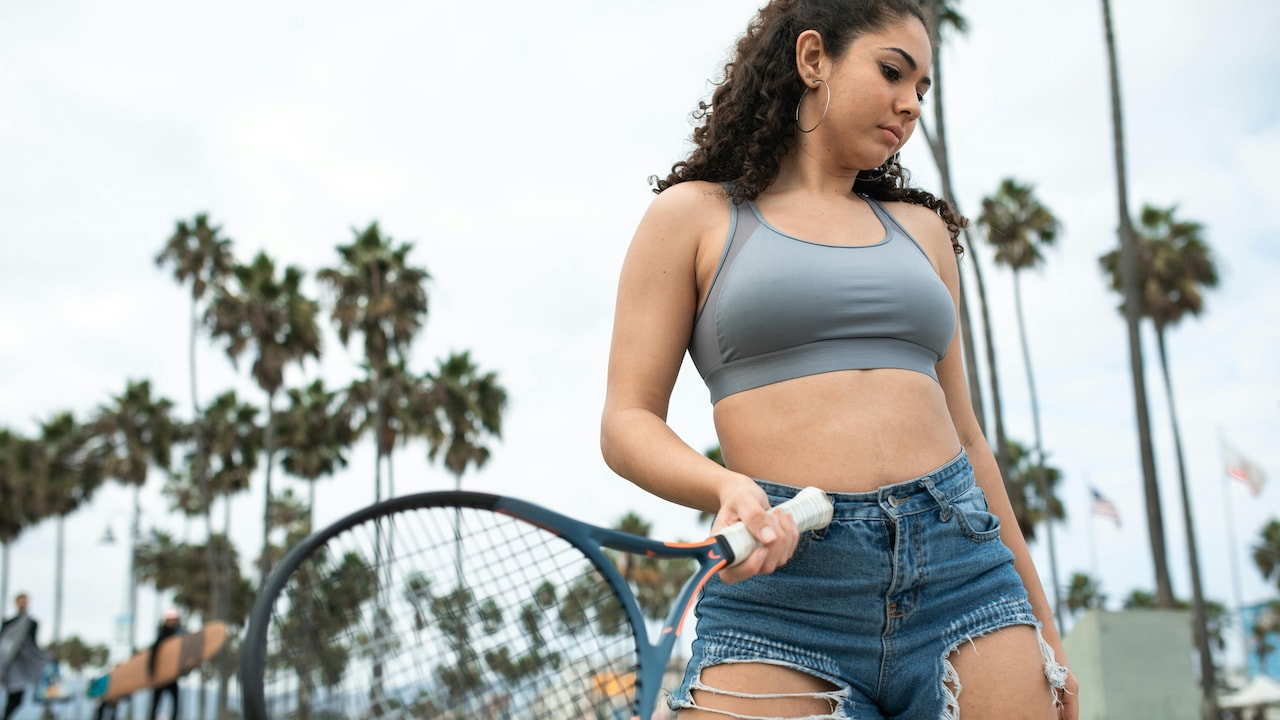
Breast Bounce Explained: Why Even Supportive Sports Bras Fall Short; Photo Credit: Pexels
Understanding Why Support Doesn't Always Mean Stillness
The Illusion Of Tightness Equals Support
A snug fit often creates the impression of strong support. The fabric feels firm, the band sits tightly, and everything appears secured. Yet tightness alone does not guarantee reduced movement. In fact, excessive tightness can restrict natural motion without truly stabilising the breast tissue.
Breasts lack muscle. They consist mostly of fatty tissue and ligaments, which means they move independently of the chest muscles. A tight sports bra may press the breasts against the body, but without structured support, internal movement continues. This creates that odd sensation where everything feels held in place, yet bounce persists during activity.
It's similar to holding a water-filled balloon firmly in your hand. The outer grip feels secure, but the liquid inside still shifts. Many sports bras rely heavily on compression without addressing internal motion control.
Comfort also plays a role. A bra that feels secure in a standing position may behave differently during movement. Walking, jumping, or stretching introduces forces that static fitting cannot predict. The illusion of support often breaks at that moment.
Compression Versus Encapsulation Confusion
Most sports bras fall into two categories: compression and encapsulation. Compression bras press the breasts against the chest, while encapsulation bras support each breast separately. Many popular designs lean towards compression because they feel simpler and often cost less.
However, compression alone struggles with high-impact movement. It reduces motion to an extent but does not eliminate multidirectional bounce. Encapsulation, on the other hand, controls movement more effectively by supporting each breast individually.
The confusion arises because compression bras feel tighter and therefore more “secure.” For everyday workouts like yoga or walking, they work well. But during running or aerobics, the lack of structured separation allows vertical and lateral movement to continue.
A well-designed sports bra often combines both methods. Yet many options available in the ₹800 to ₹2,000 range prioritise affordability over technical design. As a result, wearers experience partial support rather than complete control.
Understanding this difference can shift expectations. A bra that feels supportive might still allow bounce simply because it uses the wrong type of support for the activity.
Also Read: Best Sports Bras with Maximum Support for High-Impact Workouts Under Rs. 1,100
The Role Of Breast Size And Shape
No two bodies are identical, and that includes breast shape, density, and size. A sports bra designed for one body type may not perform the same way on another. Larger busts naturally experience more movement due to increased weight and momentum.
Even within the same cup size, variations exist. Some breasts are fuller at the bottom, others are more evenly distributed. These differences affect how a bra fits and functions. A bra that fits well in the band and straps might still fail to control movement if the cup structure doesn't align with the wearer's shape.
The challenge lies in standardised sizing. Many brands offer limited variations, making it difficult to find a perfect match. The result is a compromise, a bra that feels comfortable but does not fully support dynamic movement.
This explains why two people wearing the same bra can have entirely different experiences. One might feel perfectly supported, while the other notices a persistent bounce.
Fit is not just about size. It's about how the design interacts with individual anatomy, something mass-produced garments often struggle to achieve.
Fabric Stretch And Material Fatigue
Sports bras rely heavily on elastic materials to provide support. Over time, these materials lose their ability to bounce back. What once felt firm gradually becomes softer, even if the bra looks intact.
This change is subtle. The bra still fits, the straps still sit correctly, and there are no visible signs of wear. Yet the internal elasticity weakens, reducing its ability to control movement.
Frequent washing, especially in hot water or harsh detergents, accelerates this process. Air drying helps, but everyday use naturally wears down the fabric. A bra used regularly for workouts may start losing effectiveness within six to eight months.
The tricky part is recognising when it's time to replace it. Since the change happens gradually, it often goes unnoticed until discomfort becomes obvious.
A sports bra that once felt perfect may begin to allow more bounce, not because the design failed, but because the material no longer performs as intended.
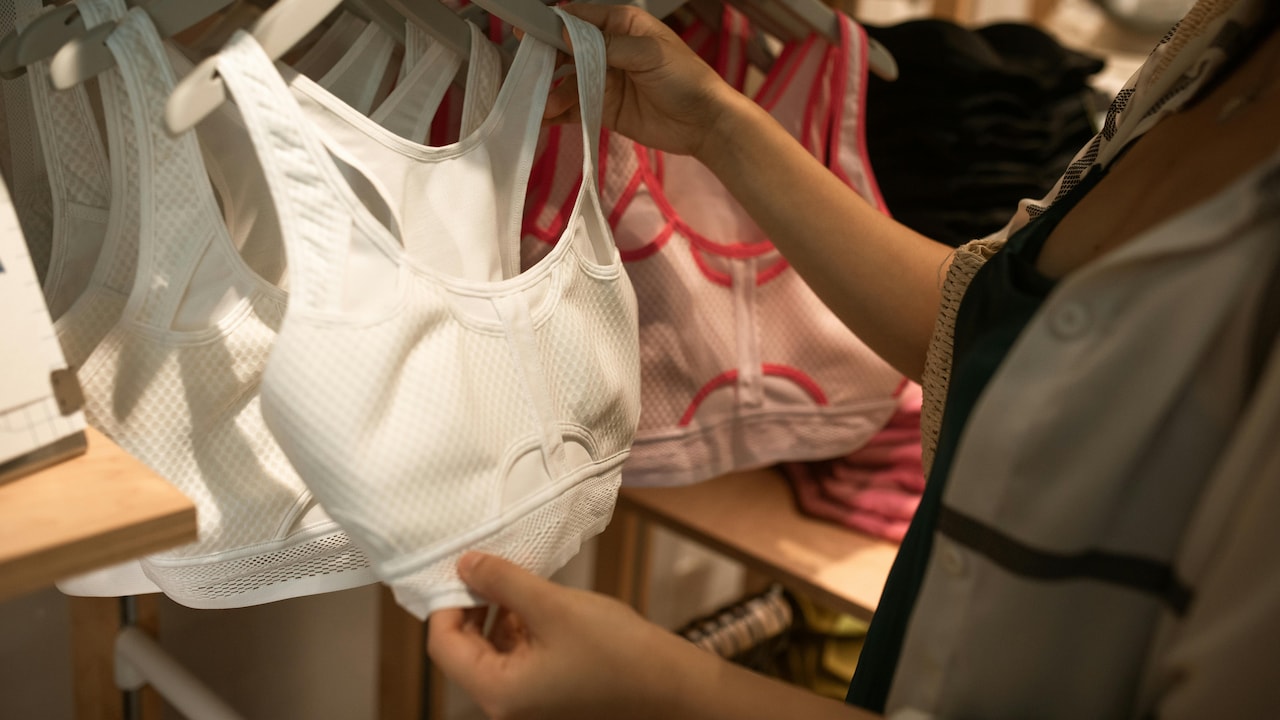
Breast Bounce Explained: Why Even Supportive Sports Bras Fall Short; Photo Credit: Pexels
Strap Design And Weight Distribution
Straps play a crucial role in support, yet they are often overlooked. Thin or overly stretchy straps may feel comfortable but fail to distribute weight effectively. This leads to increased movement during activity.
Wide, adjustable straps offer better control. They help distribute the weight across the shoulders rather than concentrating it in one area. However, many designs prioritise aesthetics over functionality, resulting in straps that look appealing but underperform.
Another common issue is strap length. If the straps are too loose, they allow the breasts to move up and down more freely. If too tight, they create discomfort without improving support.
The balance lies in adjustability. A well-fitted strap should hold firmly without digging into the skin. Unfortunately, many sports bras come with fixed straps, limiting the ability to customise the fit.
This small detail can make a noticeable difference. Even a high-quality bra can fail to prevent bounce if the straps do not support the structure properly.
Band Support: The Unsung Hero
While straps often get attention, the band does most of the work. A firm, well-fitted band anchors the bra and provides the primary support. Without it, the entire structure becomes less effective.
Many people unknowingly wear bands that are too loose. It feels comfortable at first, but during movement, the bra shifts, reducing its ability to stabilise the breasts.
A proper band should sit snugly around the ribcage without riding up. It should provide a stable base that holds the bra in place during activity.
In warmer climates, comfort often leads to choosing looser bands to avoid irritation. However, this compromises support. Sweat and movement can cause the band to stretch further, increasing bounce.
The band may not be the most visible feature, but it is the foundation of support. When it fails, the entire bra struggles to perform, no matter how good the rest of the design is.
Impact Level Mismatch
Not all workouts demand the same level of support. Walking, yoga, and stretching require minimal control, while running or jumping requires high-impact support.
Many people use the same sports bra for all activities. A bra designed for light movement may feel comfortable, but it cannot handle the demands of intense workouts.
This mismatch leads to disappointment. The bra feels supportive during casual movement but fails during more dynamic exercises.
Labels like “medium support” or “high support” can be confusing. Without a clear understanding, it's easy to choose the wrong type.
A practical approach involves matching the bra to the activity. A brisk walk may not reveal any issues, but a sudden sprint or dance session will quickly highlight the limitations.
Support is not universal. It needs to align with the intensity of movement, something often overlooked during purchase.
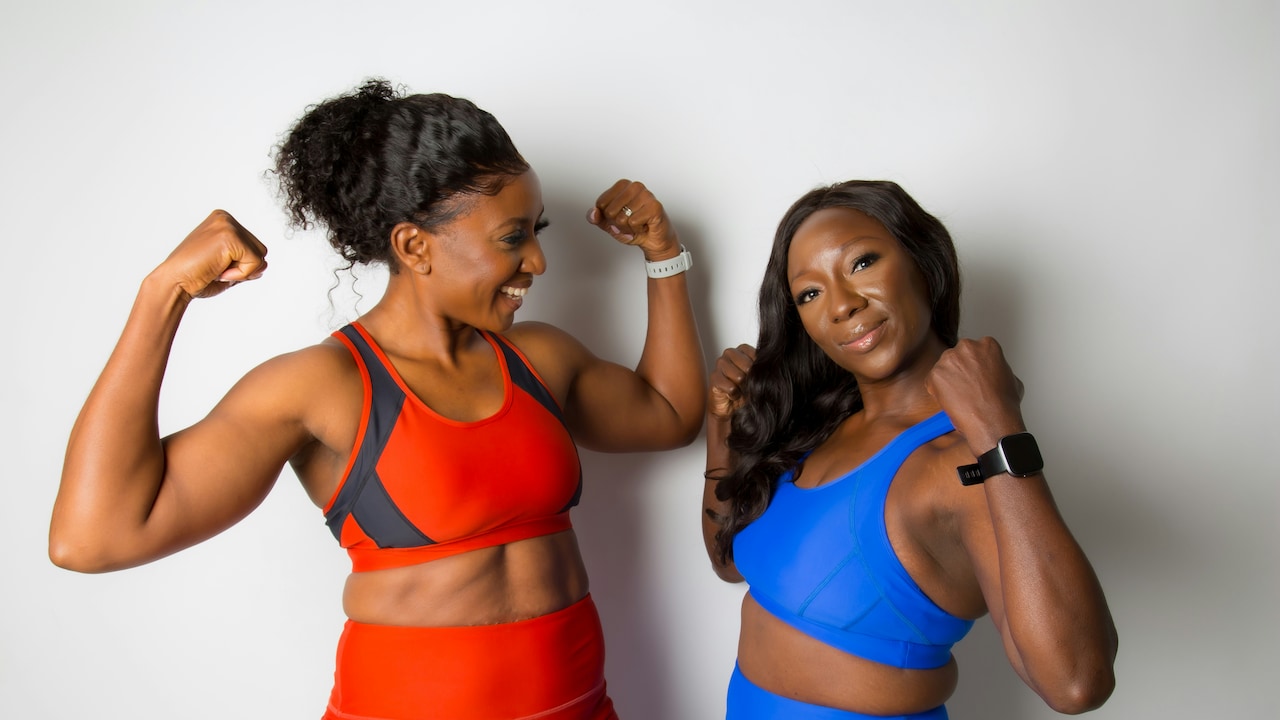
Breast Bounce Explained: Why Even Supportive Sports Bras Fall Short; Photo Credit: Pexels
Movement In Multiple Directions
Breast movement is not limited to up and down. It occurs in multiple directions, vertical, horizontal, and even circular patterns. Many sports bras focus primarily on vertical control, leaving other movements unaddressed.
This explains why bounce persists even in well-fitted bras. The design may handle one type of movement effectively but fail in others.
During activities like skipping or aerobics, the body moves unpredictably. A bra that only compresses vertically cannot fully control this complexity.
Advanced designs attempt to address multidirectional movement, but they often come at a higher cost, sometimes crossing ₹3,000 or more. For many, this becomes a limiting factor.
The result is a compromise between affordability and performance. The bra feels supportive but does not fully prevent bounce because it cannot manage all types of motion simultaneously.
Psychological Comfort Versus Physical Reality
There's also a mental aspect to consider. Wearing a sports bra creates a sense of readiness and security. This psychological comfort can sometimes mask physical limitations.
The feeling of being supported may not always match actual performance. During low-intensity movement, everything feels fine. But as intensity increases, reality catches up.
This disconnect can lead to frustration. The expectation of complete stillness clashes with the natural behaviour of the body.
Understanding that some movement is normal helps set realistic expectations. A sports bra is designed to reduce bounce, not eliminate it entirely.
This shift in perspective can make a significant difference. Instead of chasing perfection, the focus moves towards finding the right level of comfort and control.
Wear And Tear From Daily Habits
Daily habits also influence how a sports bra performs. Wearing the same bra repeatedly without rotation accelerates wear. Skipping proper care, like gentle washing or air drying, shortens its lifespan.
Storage matters too. Folding or stretching the bra carelessly can affect its shape and elasticity. Even small habits, like pulling it on roughly, contribute to gradual damage.
Many people invest in a good sports bra but overlook maintenance. Over time, this reduces its effectiveness, leading to increased bounce.
Rotating between multiple bras, even within a modest budget, can extend their lifespan. A couple of options in the ₹1,000–₹1,500 range, used alternately, often perform better over time than a single overused piece.
Support is not just about buying the right bra. It's about maintaining it properly to ensure consistent performance.
Products Related To This Article
1. BEING RUNNER Women Sports Non Padded Bra (Dark Green)
2. Wonkey Pack of 3 Women Sports Non Padded Bra
3. STOGBULL Pack of 3 Women Sports Non Padded Bra
4. arLa APPAREL Pack of 3 Women Sports Non Padded Bra
5. Ssecrets Pack of 3 Women Sports Non Padded Bra
6. SKDREAMS Women Sports Non Padded Bra
7. Sensual Lady Women Sports Lightly Padded Bra
A sports bra that feels supportive but still allows bounce is not necessarily failing. It reflects the complex relationship between design, body movement, and everyday habits. Support is not a fixed outcome. It exists on a spectrum shaped by fit, fabric, activity, and expectations.
Understanding these factors transforms the experience. It shifts the focus from frustration to awareness. Instead of questioning the bra, the approach becomes more informed, choosing the right type, ensuring proper fit, and maintaining it well.
Some movement will always exist. The goal is not complete stillness but comfortable control. When that balance is achieved, the sports bra does what it truly promises, supports without restricting, allowing movement without discomfort.
And perhaps that slight bounce is not a flaw after all, but a reminder that the body is doing exactly what it's meant to do, move freely.
(Disclaimer: This article may include references to or features of products and services made available through affiliate marketing campaigns. NDTV Convergence Limited (“NDTV”) strives to maintain editorial independence while participating in such campaigns. NDTV does not assume responsibility for the performance or claims of any featured products or services.)