Why Rayon Kurtis Fade Faster Than Cotton And What To Buy Instead
Rayon kurtis look vibrant but fade quickly due to weak dye retention and delicate fibres. Discover why this happens and explore better, longer-lasting fabric choices for everyday wear.
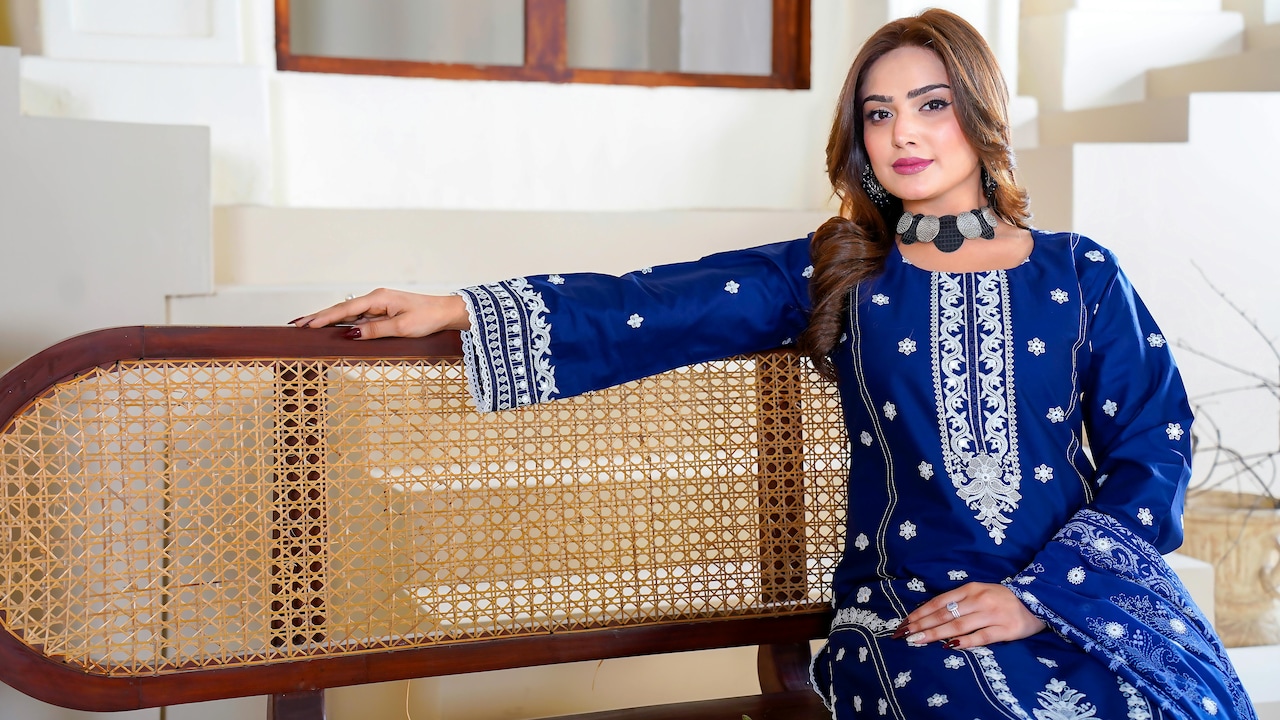
Want to Know Why Rayon Kurtis Fade Faster Than Cotton And The Best Fabrics To Buy Instead? Keep Reading..
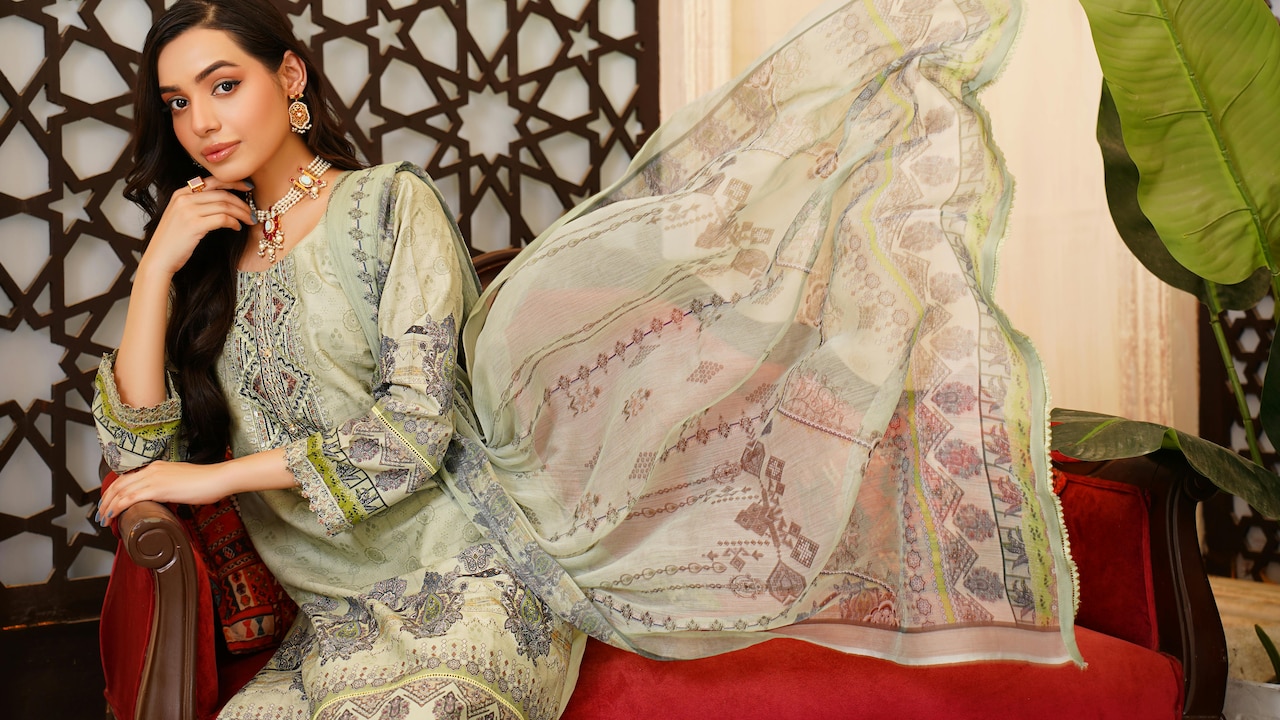
A new kurti always brings a certain joy. Fresh colours, soft fabric, and that perfect fall can make even a regular weekday feel like a small celebration. Rayon kurtis, in particular, often steal the spotlight. They drape beautifully, feel smooth against the skin, and come in eye-catching prints that seem irresistible during a quick shopping scroll or a weekend market stroll.
Yet, a few washes later, reality creeps in. Colours begin to dull. The once-rich maroon turns slightly tired, the navy loses its depth, and the fabric itself starts to feel a bit limp. It raises a familiar question, why does something that looked so good not last as long as expected?
The answer lies in the very nature of rayon. While it mimics the softness of natural fibres, its structure behaves quite differently. Cotton, on the other hand, often ages more gracefully, becoming softer while holding onto its colour and strength.
Understanding this difference can save both money and disappointment. After all, no one wants to spend ₹1,200 on a kurti that loses its charm within a month. Let's unpack the reasons behind rayon's fading tendencies and explore better alternatives that balance style with durability.
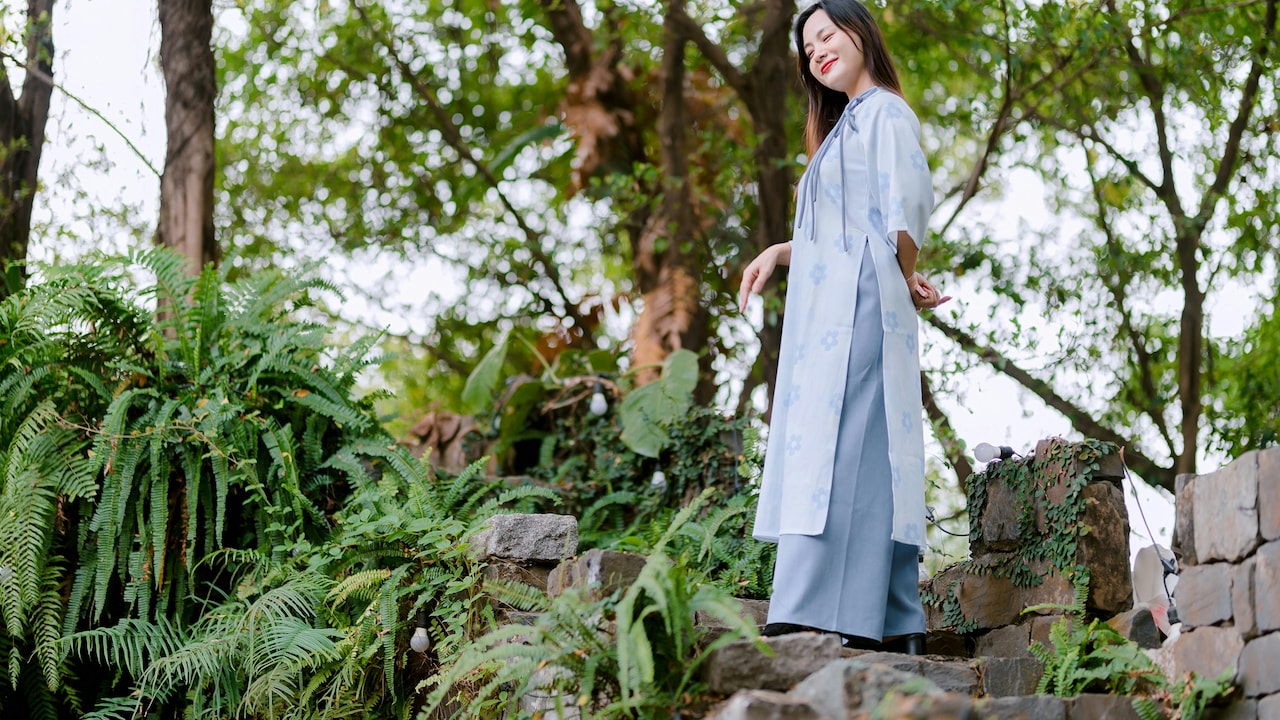
Why Rayon Kurtis Fades Faster Than Cotton And What To Buy Instead; Photo Credit: Pexels
Understanding Why Rayon Fades And What Works Better
Why Rayon Loses Colour Quickly
Rayon absorbs dye beautifully, which explains its vibrant appearance in stores. However, that same quality becomes its weakness. The fibres do not bind dye as strongly as natural fabrics like cotton. As a result, even gentle washing can cause colour molecules to loosen and wash away.
Many households rely on regular detergents that are slightly harsh. These detergents, combined with tap water minerals, accelerate colour fading. A bright kurti worn for a festive lunch might already appear dull after two or three washes. It feels frustrating, especially when the garment looked premium at first glance.
Another factor is sunlight. Rayon tends to lose colour faster when dried under direct sun. The harsh rays break down the dye bonds further, leaving the fabric looking washed out rather than sun-kissed.
This doesn't mean rayon is poorly made. It simply requires more delicate care than most people realistically give. In busy routines, separating clothes, using mild detergents, and air-drying in shade often takes a backseat.
Cotton, by contrast, holds dye more firmly and tolerates everyday washing habits better. That resilience makes a noticeable difference over time, especially for garments worn frequently.
Why Rayon Weakens After Washing
Rayon may feel soft and sturdy when dry, but it becomes significantly weaker when wet. This is one of its lesser-known traits. During washing, the fibres lose strength and become more prone to stretching and damage.
This explains why some kurtis lose shape after a few washes. Sleeves may stretch slightly, hems may twist, and the overall fit can feel off. It is subtle at first but becomes more obvious with repeated wear.
Handwashing seems like a safe option, yet even gentle squeezing can strain wet rayon fibres. Machine washing, especially with heavier garments like jeans or towels, worsens the problem.
Cotton behaves differently. It retains strength even when wet, allowing it to withstand regular washing without losing structure. Over time, cotton garments often feel softer but maintain their original shape.
For anyone who prefers low-maintenance clothing, rayon can feel demanding. The fabric asks for careful handling, while cotton quietly adapts to everyday life without much fuss.
Also Read: Navratri Festive Ethnic Wear Kurti Sets For Women And Girls
Why Rayon Doesn't Age Gracefully
Some fabrics develop character over time. Cotton, for instance, often becomes softer and more comfortable with each wash. It feels lived-in in the best possible way.
Rayon, unfortunately, tends to move in the opposite direction. Instead of ageing gracefully, it begins to look tired. The surface may develop a slight roughness, and the fabric can lose its smooth finish.
This change is not always dramatic, but it affects how the garment feels and looks. A kurti that once felt luxurious may start to seem ordinary within weeks.
The issue lies in the fibre structure. Rayon is semi-synthetic, derived from natural sources but processed chemically. This processing affects how the fibres respond to repeated use and washing.
Cotton's natural fibres remain more stable over time. They handle friction, washing, and wear with greater resilience, which is why cotton kurtis often stay wardrobe favourites for years.
Why Sweat And Moisture Affect Rayon More
In warm climates, clothing must handle sweat and humidity daily. Rayon absorbs moisture quickly, which might sound like a benefit. However, it also means the fabric stays damp longer.
This prolonged dampness weakens fibres and can lead to faster wear. It also affects colour retention, as moisture interacts with dyes and gradually breaks them down.
On a busy day, perhaps commuting, running errands, or attending a family gathering, a rayon kurti may start to feel slightly heavy and less fresh by evening.
Cotton, while also absorbent, allows better air circulation. It dries faster and feels lighter on the skin, making it more comfortable for long hours.
This difference becomes especially noticeable during summer months, when comfort and durability go hand in hand. A fabric that handles moisture well often ends up being the more practical choice.
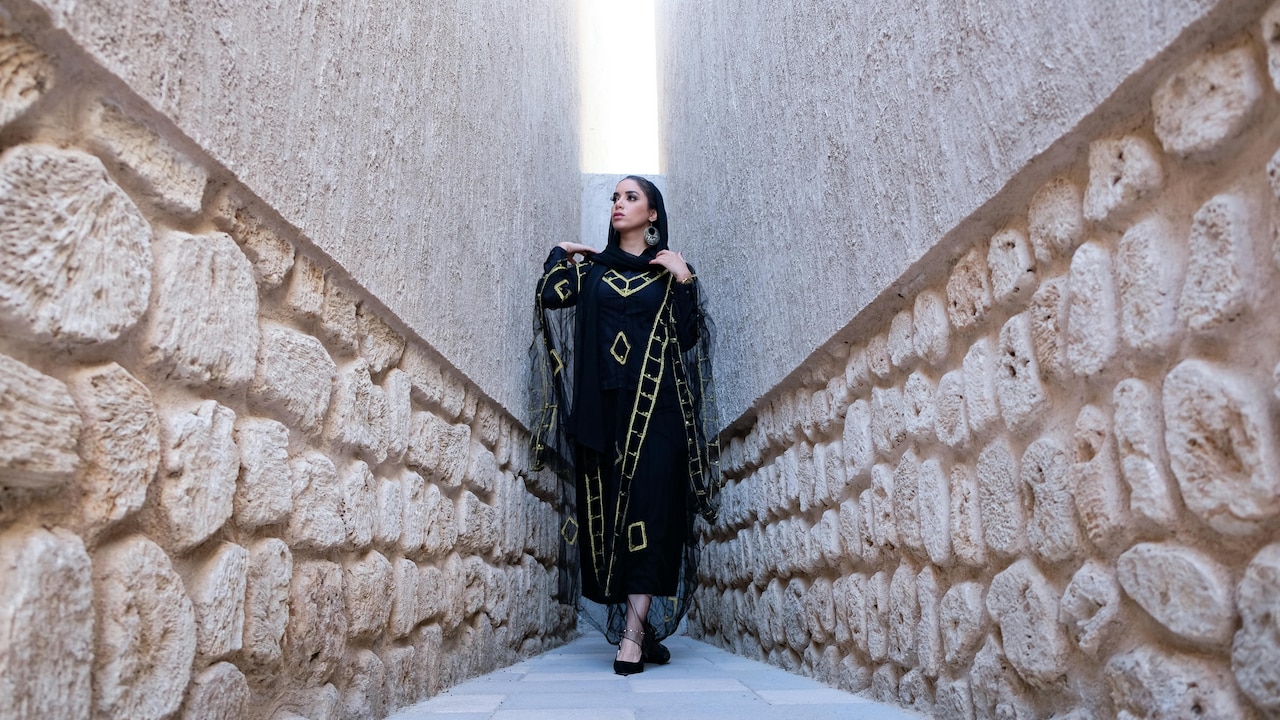
Why Rayon Kurtis Fade Faster Than Cotton And What To Buy Instead; Photo Credit: Pexels
Why Frequent Washing Makes Rayon Worse
Daily wear naturally leads to frequent washing. This is where rayon struggles the most. Each wash chips away at its colour and strength.
Even when following care instructions, the fabric shows signs of wear sooner than expected. The more it is washed, the quicker it loses its original appeal.
Busy lifestyles rarely allow for delicate laundry routines. Clothes get tossed into the machine, washed together, and dried quickly. Under such conditions, rayon simply cannot keep up.
Cotton thrives in these routines. It tolerates repeated washing without significant damage, making it ideal for everyday wear.
For anyone building a practical wardrobe, this difference matters. Clothes should simplify life, not complicate it with extra care requirements.
Why Printing Techniques Impact Rayon Longevity
Many rayon kurtis feature intricate prints. These prints often sit on the surface rather than bonding deeply with the fabric. Over time, they begin to fade or crack.
This is particularly noticeable in darker shades and bold patterns. After several washes, the design may look less sharp, reducing the overall appeal of the garment.
Cotton prints, especially those done using traditional methods, tend to last longer. The dye penetrates deeper into the fibres, resulting in better durability.
This difference explains why a cotton kurti with a block print often retains its charm far longer than a printed rayon piece.
For those who love vibrant designs, choosing the right fabric can make all the difference in how long those colours stay alive.
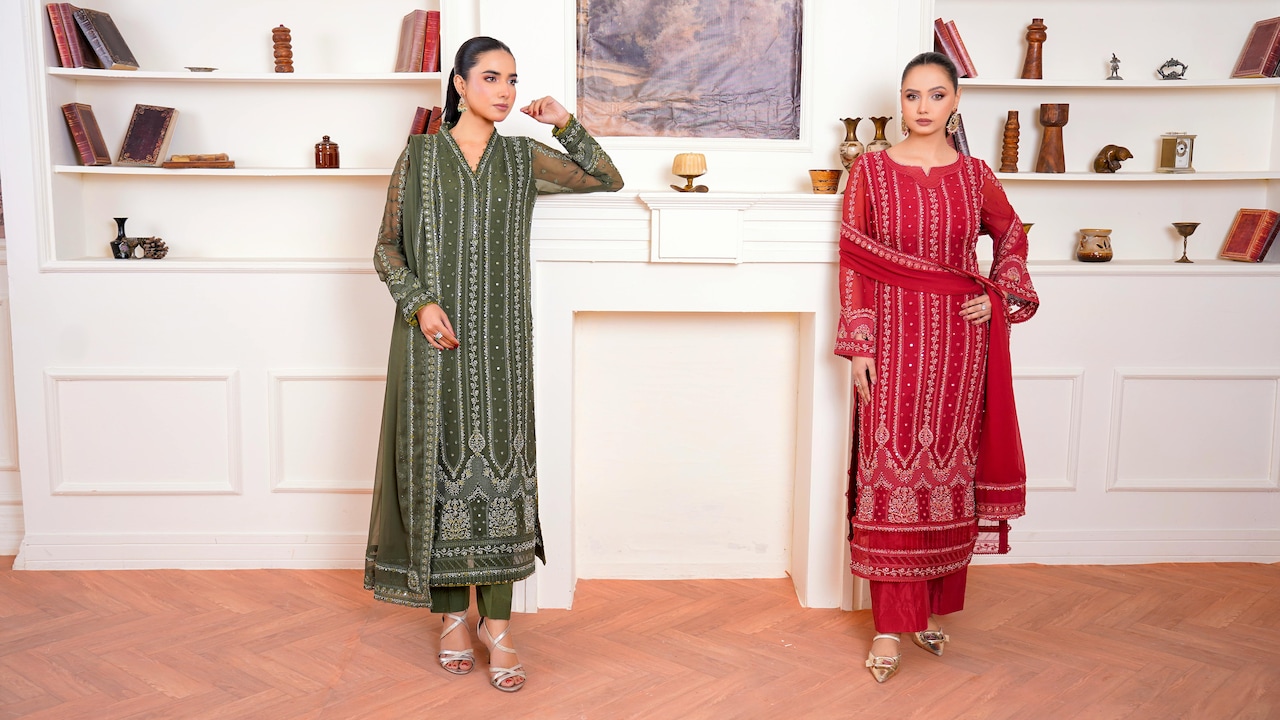
Why Rayon Kurtis Fade Faster Than Cotton And What To Buy Instead; Photo Credit: Pexels
What To Buy Instead: Pure Cotton Kurtis
Cotton remains a timeless choice for a reason. It balances comfort, durability, and ease of care effortlessly.
A well-made cotton kurti can handle daily wear, frequent washing, and varying weather conditions without losing its charm. It may even feel better over time.
Cotton also suits a wide range of occasions. From casual outings to office wear, it adapts easily with the right styling.
While cotton kurtis may sometimes cost slightly more upfront, around ₹1,500 or higher, their longevity makes them a better investment.
Instead of replacing faded garments frequently, one reliable piece can stay in rotation for years.
What To Buy Instead: Linen And Cotton Blends
For those who enjoy a slightly textured look, linen blends offer a refreshing alternative. They combine the strength of cotton with the airy feel of linen.
These fabrics resist fading better than rayon and maintain their structure even after multiple washes. They also bring a relaxed, elegant vibe that works well for both casual and semi-formal settings.
The natural wrinkles of linen blends add character rather than appearing messy. It gives the outfit a laid-back charm that feels effortless.
Though priced slightly higher, often starting around ₹2,000, these kurtis justify the cost through durability and style.
They are particularly suited for warm days when comfort matters as much as appearance.
What To Buy Instead: Handloom Fabrics
Handloom fabrics bring a unique charm that machine-made textiles often lack. Each piece carries subtle variations, making it feel special.
These fabrics are usually made from natural fibres, which means they hold colour better and age gracefully. They also support traditional craftsmanship, adding a deeper value to the purchase.
A handloom kurti may feel slightly crisp at first, but it softens beautifully over time. It becomes a garment that feels personal rather than just another addition to the wardrobe.
While prices can vary widely, starting around ₹1,800, the longevity and uniqueness often make it worthwhile.
Choosing a handloom is not just about fashion, it's about investing in something that lasts.
What To Buy Instead: Rayon Alternatives Like Modal
For those who love the smooth feel of rayon but want better durability, modal offers a strong alternative. It shares a similar softness but holds colour more effectively.
Modal fabrics are less prone to shrinking and maintain their texture even after repeated washing. They also feel lightweight and breathable, making them suitable for daily wear.
A modal kurti often strikes the right balance between comfort and practicality. It provides the elegance of rayon without the same level of fragility.
Though slightly more expensive than rayon, usually around ₹1,800 to ₹2,500, it proves to be a smarter long-term choice.
It allows style without constant worry about fading or damage.
Products Related To This Article
1. Fems Collections Women Embroidered Khadi Cotton Straight Kurta
2. Tabeedah Women Self Design Cotton Blend Pakistani Kurta
3. heartloom Women Kalamkari Pure Cotton Straight Kurta (Multicolor)
4. CLANGER Women Printed Pure Cotton Straight Kurta (Grey, Blue)
5. BKApparels Women Printed Pure Cotton Straight Kurta
Rayon Kurtis may win hearts at first glance, but their charm often fades faster than expected. From weak dye retention to reduced durability when wet, the fabric demands more care than most wardrobes can realistically offer.
Cotton, linen blends, handloom fabrics, and modal present stronger alternatives. They combine comfort, resilience, and lasting appeal, making them better suited for everyday life.
Choosing the right fabric is not just about appearance. It shapes how often a garment is worn, how long it lasts, and how it feels over time.
A kurti should remain a favourite, not a fleeting trend. And sometimes, the smartest style decisions are the ones that quietly stand the test of time.
(Disclaimer: This article may include references to or features of products and services made available through affiliate marketing campaigns. NDTV Convergence Limited (“NDTV”) strives to maintain editorial independence while participating in such campaigns. NDTV does not assume responsibility for the performance or claims of any featured products or services.)