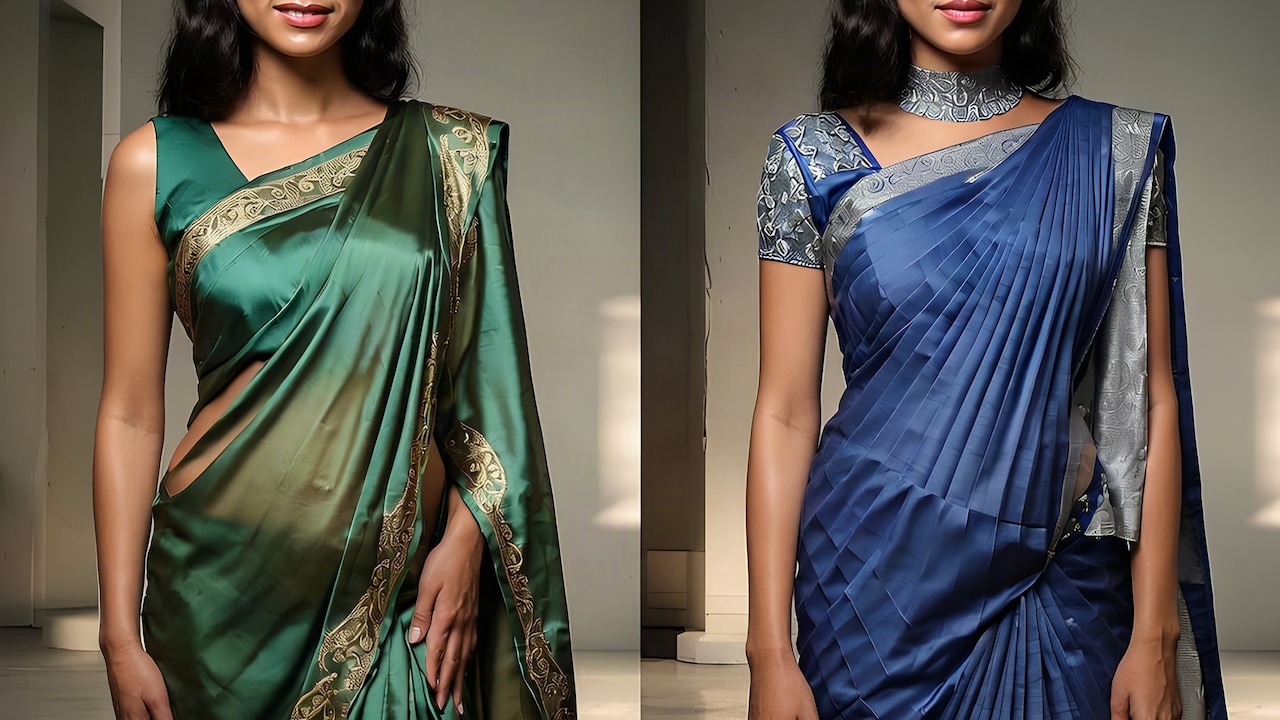
Straight Pants Vs Churidar Bottoms Under Kurtas: 10 Things To Check Before Choosing
Straight pants or churidar under a kurta? The choice changes the entire look. From comfort and silhouette to occasions and styling, this is what to consider before picking the perfect bottom wear.
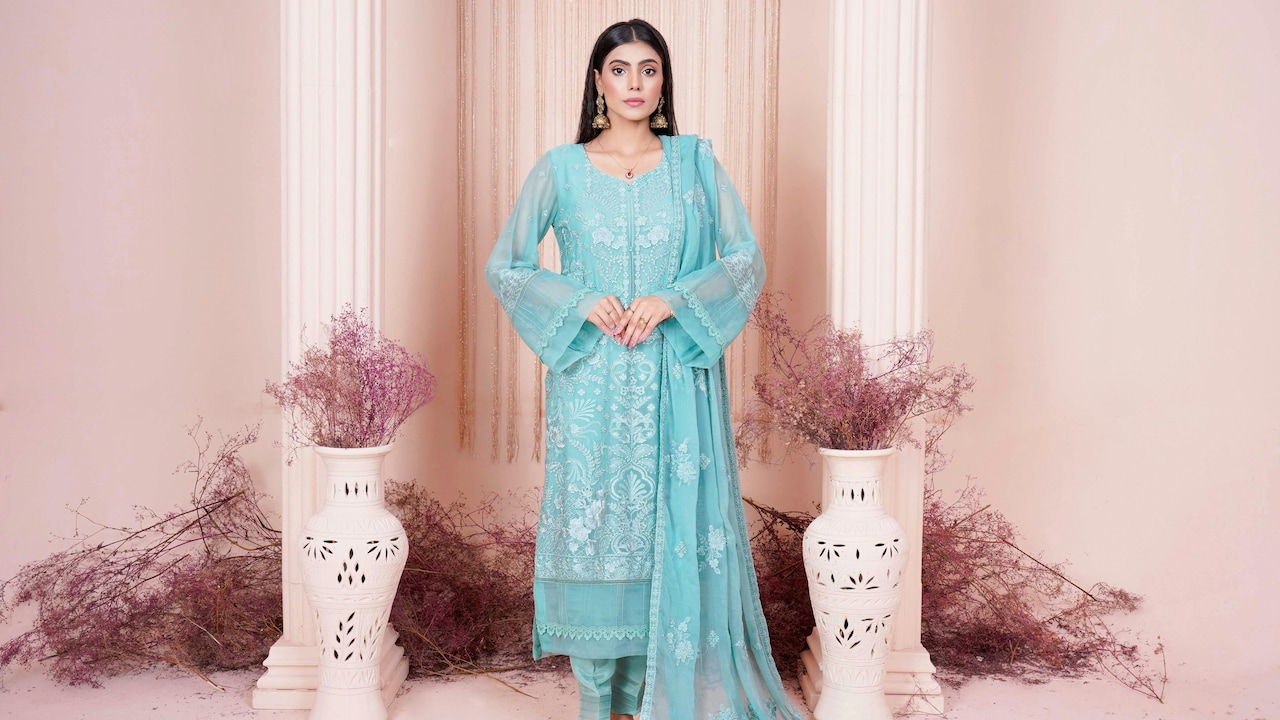
Top features to consider when choosing between churidars and straight bottoms
The kurta sits comfortably at the heart of everyday wardrobes across cities, towns, and festive gatherings. From college corridors and office meetings to wedding celebrations and family dinners, this versatile garment manages to look appropriate almost anywhere. Yet one small decision often transforms the entire look: the choice of bottom wear.
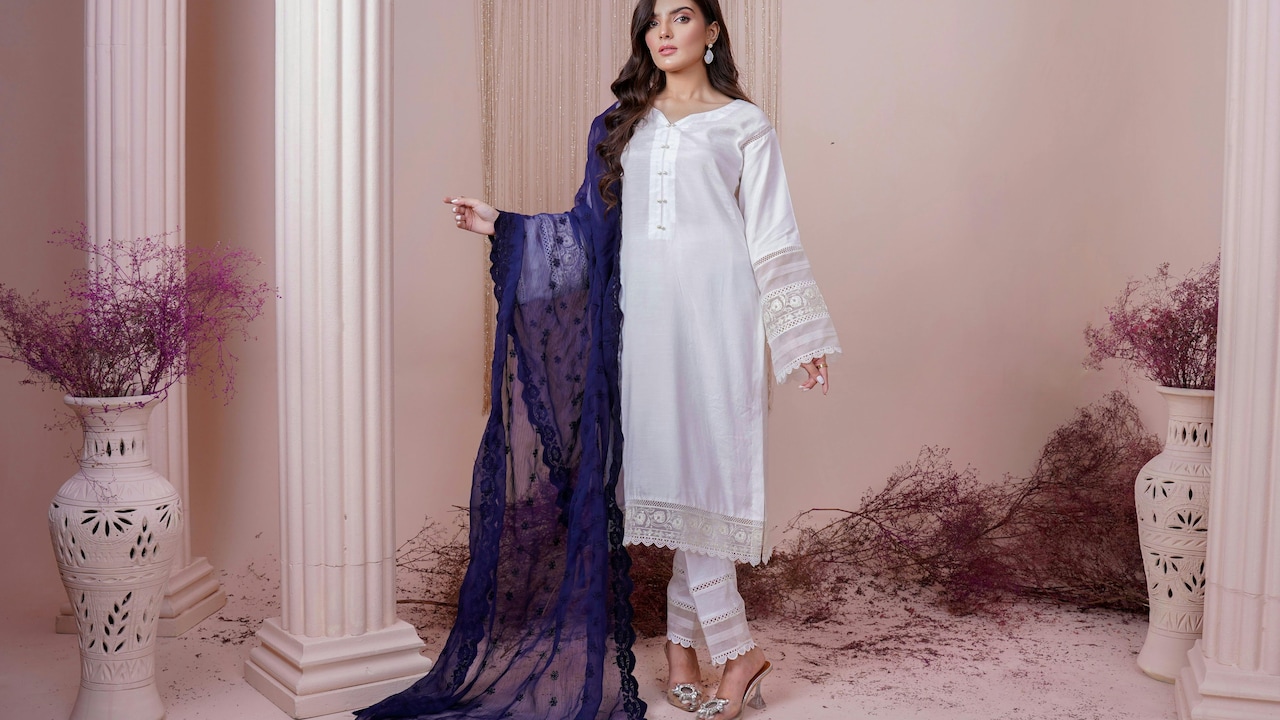
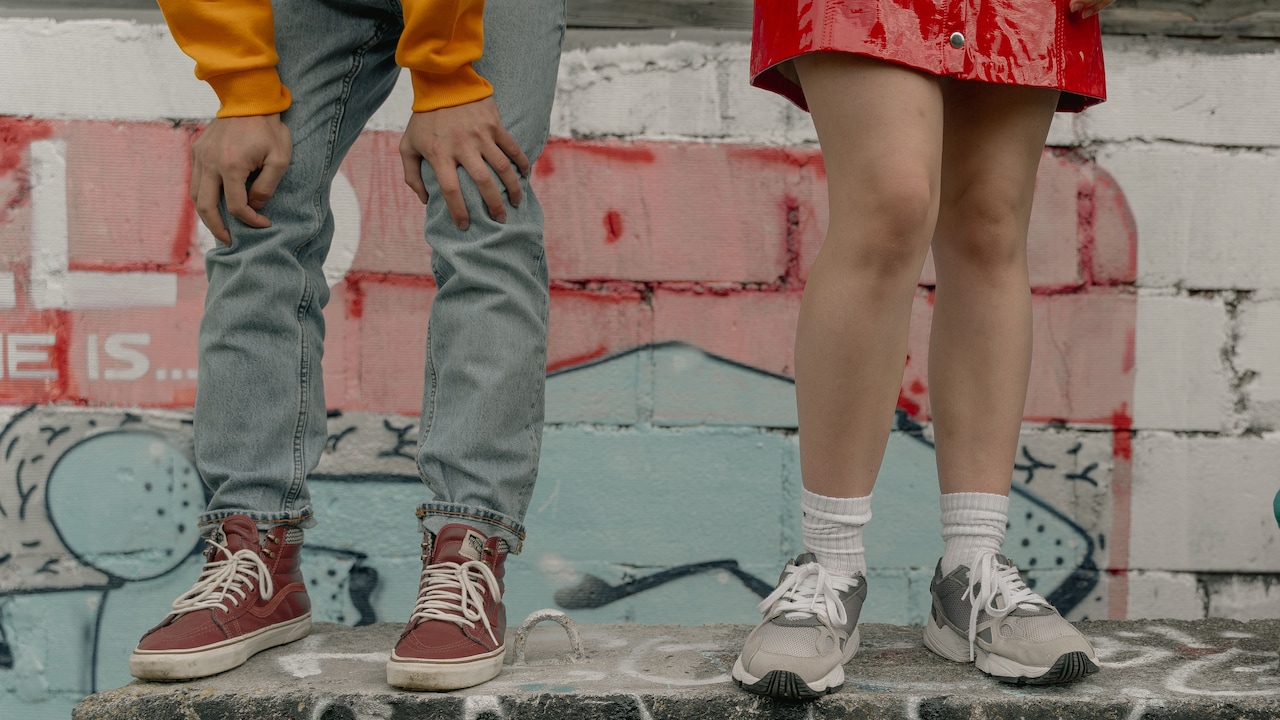
Key differences to know before choosing churidar vs straight pants; Photo Credit: Pexels
Two options repeatedly compete for attention: straight pants and churidar bottoms. At first glance, the difference seems minor. Both appear neat, both complement kurtas beautifully, and both have stood the test of time. However, the experience of wearing them tells a richer story. One offers structured ease, the other carries a graceful, traditional charm.
Walk into any clothing store in Delhi, Mumbai, Jaipur, or Bengaluru, and the debate appears instantly. A shopper picks up a cotton kurta priced around ₹1,200, and the sales assistant asks the inevitable question: “Straight pants or churidar?” The answer often depends on mood, comfort, and the occasion ahead.
Fashion rarely follows rigid rules, but a few thoughtful considerations help avoid wardrobe regret. Fabric behaviour, body movement, weather conditions, and styling preferences all influence how these bottoms work beneath a kurta.
Before choosing the next pair, it helps to look closely at what straight pants and churidar bottoms truly offer.
Also Read: Top 5 Biba Anarkali Kurta Suits That Flatter Every Body Shape
Straight Pants Vs Churidar Bottoms Under Kurtas: Key Things To Consider
The most noticeable distinction between straight pants and churidar bottoms lies in their silhouette. Straight pants create a clean, streamlined fall from waist to ankle. The cut remains uniform, neither hugging the legs nor gathering fabric at the bottom. The result looks crisp and contemporary.
Churidar bottoms, on the other hand, embrace the legs closely and gather delicate folds around the ankle. Those stacked pleats form the signature “churi” effect that inspired the name. The silhouette appears more traditional and slightly dramatic, especially when paired with longer kurtas.
Consider a common situation. A cotton kurta worn for a casual brunch instantly feels modern when paired with straight pants. Replace those with a churidar, and the same outfit suddenly leans towards a more classic aesthetic.
Both silhouettes flatter different moods. Straight pants emphasise simplicity and minimalism, while churidars highlight curves and graceful draping. The choice becomes less about which looks better and more about which story the outfit intends to tell.
Understanding the silhouette helps avoid a common styling mistake: pairing structured kurtas with overly gathered bottoms or loose kurtas with tight silhouettes. When the balance works, the outfit appears effortless.
Comfort During Long Days
Comfort often decides the winner between these two styles, especially during long days that involve commuting, walking, and sitting through meetings. Straight pants usually provide more breathing room. The loose cut allows airflow and unrestricted movement.
Churidar bottoms fit closely along the legs. While the fabric stretches slightly, the snug fit can feel restrictive during extended wear, particularly in warmer climates.
Imagine spending an entire day navigating crowded metro stations, office desks, and evening errands. Straight pants maintain comfort throughout the day without needing constant adjustment. Churidars may start feeling tighter by evening, especially if the fabric lacks elasticity.
Fabric choice matters greatly here. A cotton churidar can remain comfortable, but a synthetic one may feel suffocating. Straight pants in breathable cotton or linen almost always feel lighter.
People who prefer relaxed clothing often gravitate towards straight pants. Those comfortable with fitted silhouettes may enjoy the elegance of churidars despite the snugness.
Ultimately, comfort becomes personal. What feels restrictive for one person may feel secure and flattering for another.
Styling With Different Kurta Lengths
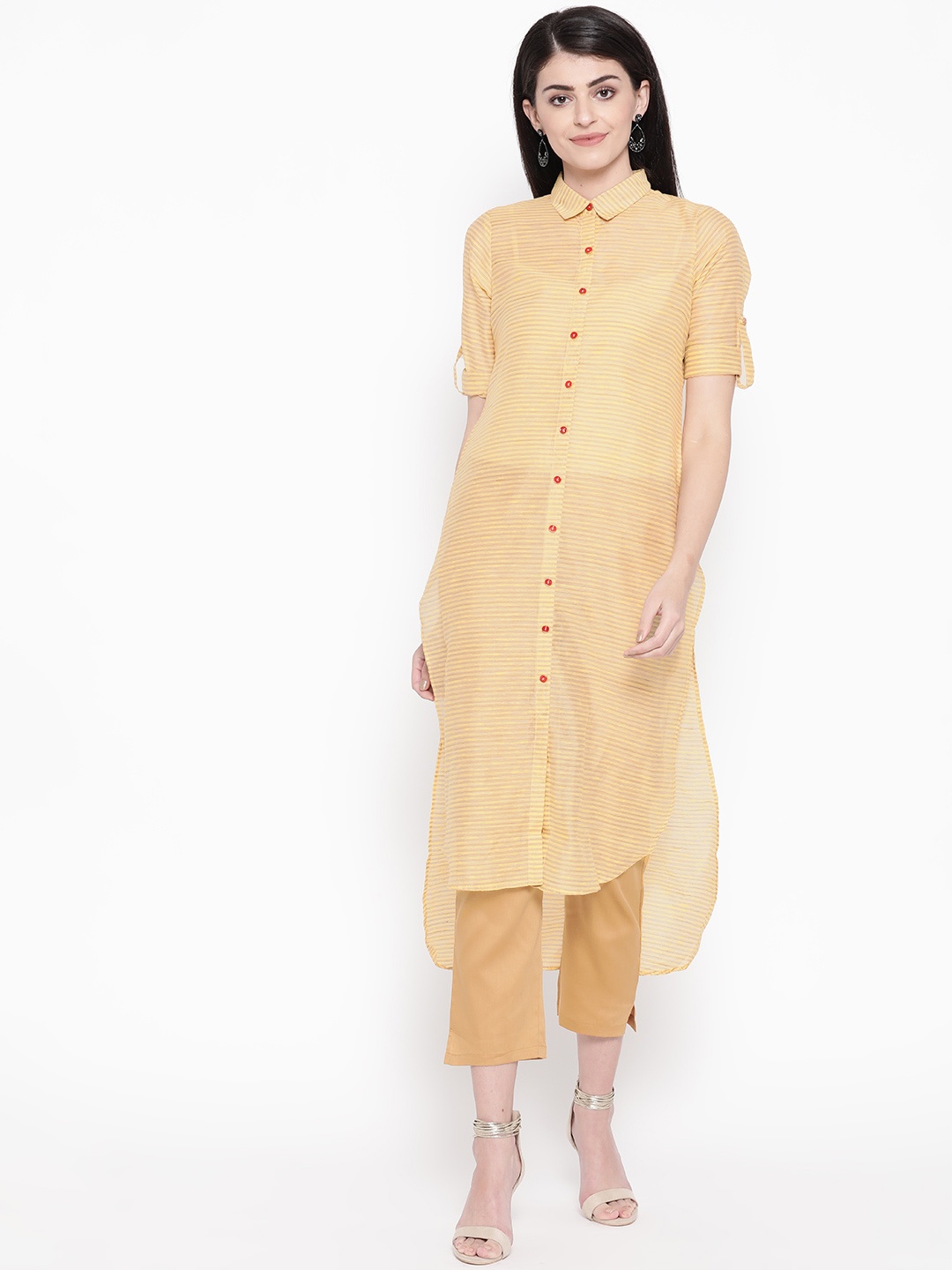
Kurta length influences which bottom wear looks more balanced. Straight pants typically work best with shorter or mid-length kurtas. The straight cut mirrors the structure of modern kurta designs, creating a neat, contemporary appearance.
When paired with ankle-length kurtas, straight pants maintain a minimal silhouette that prevents the outfit from looking overly layered.
Churidar bottoms shine with longer kurtas. The gathered ankle folds create visual interest beneath extended hemlines. This combination often appears in festive wear, wedding outfits, and formal occasions.
Imagine a richly embroidered kurta costing ₹3,500, designed for a festive evening. Pairing it with churidar bottoms allows the outfit to retain its traditional character. Straight pants might look slightly understated in comparison.
However, fashion continues to evolve. Designers increasingly experiment with straight pants under longer kurtas for a fusion look. The contrast between classic fabric and modern cut creates a refreshing style.
Understanding kurta length helps maintain proportion. When the balance works, the outfit feels polished rather than mismatched.
Body Type And Fit Considerations
Different body shapes interact uniquely with these two bottom styles. Straight pants offer a forgiving fit that suits a wide range of body types. The straight fall elongates the legs without clinging too tightly.
Churidar bottoms highlight the natural contours of the legs. This fitted design often looks striking on slender frames but may feel less comfortable for those who prefer looser silhouettes.
That said, styling adjustments easily solve most concerns. Choosing a slightly thicker churidar fabric creates smoother lines and prevents excessive clinging. Similarly, straight pants with subtle tapering prevent the outfit from appearing too boxy.
Many shoppers also consider height. Petite individuals often find that churidar bottoms create the illusion of longer legs due to their fitted shape. Taller individuals may prefer straight pants for their balanced proportions.
Clothing ultimately celebrates personal comfort and confidence. A well-fitted pair of either style can look flattering regardless of body shape.
Trying both styles with different kurtas often reveals which one naturally feels right.
Seasonal Suitability
Weather quietly influences clothing decisions more than fashion trends. Straight pants often perform better in warmer months. Their looser structure allows air circulation, which feels refreshing during humid afternoons.
Churidar bottoms tend to feel warmer because the fabric hugs the legs closely. In cooler weather, that snug fit becomes an advantage rather than a drawback.
During peak summer, lightweight cotton straight pants paired with a breezy kurta feel almost effortless. Walking through bustling markets or attending daytime events becomes far more comfortable.
In contrast, winter evenings or festive nights suit churidar bottoms beautifully. The fitted design keeps warmth close to the body and complements heavier fabrics such as silk, brocade, or velvet.
Seasonal thinking helps extend the life of both styles. Instead of treating them as competing options, many wardrobes benefit from keeping both ready.
Each simply shines during a different time of year.
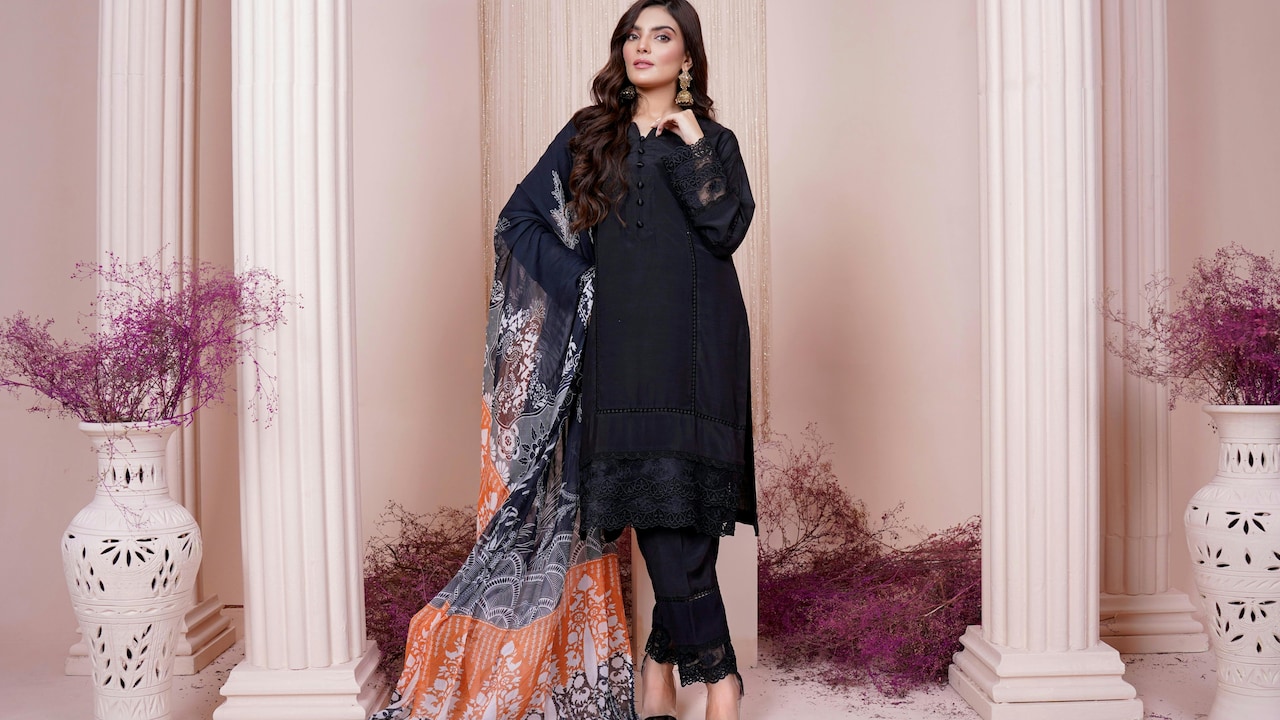
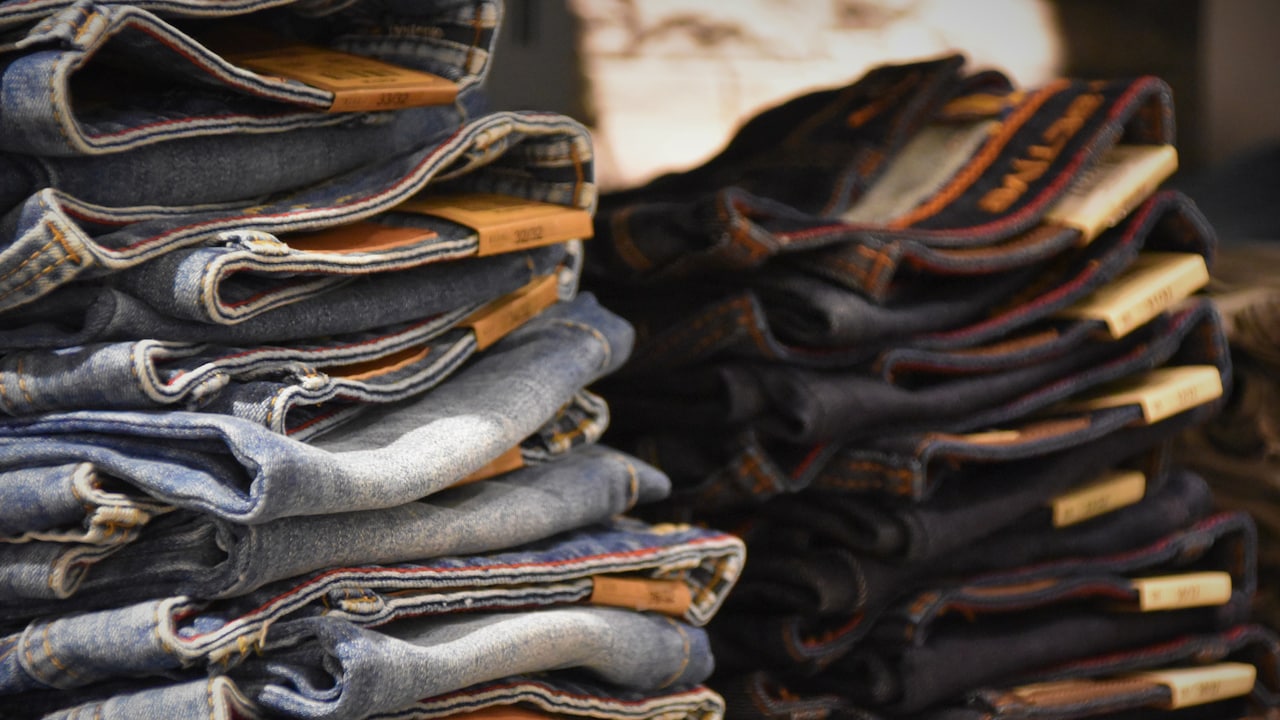
Lightweight cotton straight pants feel comfortable in summer, churidar bottoms feel better in winter; Photo Credit: Pexels
Traditional Appeal Vs Modern Minimalism
Fashion carries emotional associations, and these two bottom styles reflect different design philosophies. Churidar bottoms carry deep cultural nostalgia. Their gathered ankles evoke classical dance costumes, royal portraits, and timeless celebrations.
Straight pants, however, represent modern simplicity. The clean lines feel urban, versatile, and easy to pair with contemporary accessories.
Picture a festive family gathering. A silk kurta with churidar bottoms and delicate earrings instantly creates a traditional atmosphere. Replace the churidar with straight pants, and the outfit begins to resemble modern fusion wear.
Neither approach feels superior. Some days call for elegance rooted in tradition. Other days demand effortless modernity.
The beauty of the kurta lies in its ability to bridge these two worlds. The same garment transforms depending on the bottom wear chosen.
Understanding this stylistic shift helps create outfits that match the mood of the moment.
Ease Of Movement
Daily routines often involve unexpected movement. Climbing stairs, riding scooters, crossing busy streets, or simply sitting cross-legged during gatherings requires flexible clothing.
Straight pants allow easier movement because of their relaxed cut. The legs bend naturally without pulling the fabric.
Churidar bottoms stretch but remain fitted. Certain movements may feel slightly restrictive, particularly if the fabric lacks elasticity.
This difference becomes noticeable during events that involve long hours of standing or walking. Straight pants maintain comfort without creating pressure around the knees or calves.
However, churidars rarely feel uncomfortable when made from soft cotton or stretch blends. Many people appreciate the secure feeling they provide.
Movement comfort ultimately depends on fabric quality and proper sizing. When the fit works well, both styles can feel surprisingly wearable.
Trying them during real-life activities rather than just mirror checks often reveals the best option.
Footwear Compatibility
The choice of bottom wear subtly influences footwear decisions. Straight pants pair easily with a wide range of shoes. Flats, kolhapuri chappals, juttis, sneakers, and even small heels all work well.
Because the hem falls neatly above the ankle, footwear remains clearly visible. This allows statement shoes to become part of the outfit.
Churidar bottoms, with their gathered ankle folds, draw attention downward in a different way. Traditional footwear, such as embroidered juttis or mojaris, often complements them beautifully.
Imagine attending a festive dinner wearing a silk kurta with churidar bottoms and intricately embroidered juttis costing around ₹1,800. The ankle folds frame the footwear elegantly.
Straight pants create a more relaxed styling opportunity. Even minimalist sandals look stylish beneath them.
Those who enjoy experimenting with footwear often prefer straight pants for their versatility. Those drawn towards traditional ensembles may lean towards churidars.
Fabric Behaviour And Maintenance
Fabric plays a major role in how these bottoms behave over time. Straight pants usually maintain their structure even after repeated washes. Cotton and linen versions often grow softer while retaining shape.
Churidar bottoms require slightly more attention. Because the fabric hugs the legs, wrinkles and stretching become more visible.
Certain fabrics like lycra blends help churidars maintain their fitted appearance. However, delicate materials may require careful washing.
Consider someone purchasing two pairs: straight pants for ₹900 and churidar bottoms for ₹750. After months of regular wear, the straight pants may still appear crisp, while the churidar might lose some elasticity if not cared for properly.
Ironing also differs. Straight pants typically require simple pressing. Churidar bottoms need careful smoothing along the narrow leg structure.
Understanding fabric behaviour helps manage expectations and maintain the garment's appearance longer.
Versatility Across Occasions
The final factor often deciding the choice involves versatility. Straight pants adapt easily to different settings. A single pair can accompany office kurtas, casual cotton styles, or semi-formal outfits.
Churidar bottoms tend to lean towards festive or traditional occasions. They elevate embroidered kurtas and work beautifully during celebrations, family functions, or cultural events.
However, fashion constantly evolves. Many younger professionals now wear churidar bottoms with simple kurtas for daily wear, creating a graceful yet comfortable office look.
Still, straight pants remain the champion of versatility. One well-fitted pair easily transitions from work meetings to evening dinners.
Those building a practical wardrobe often begin with straight pants. Churidar bottoms usually enter later as statement pieces for special outfits.
Both styles deserve a place in the closet. The key lies in knowing when each works best.
Products Related To This Article
1. FIORRA Women Mid-Rise Relaxed Regular Trousers
2. Fabindia Pure Cotton Full Length Churidar
3. KBZ Women Mid Rise Relaxed Trousers
4. RANGMANCH BY PANTALOONS Rangmanch by Pantaloons Women Green Solid Churidar
5. TWIN BIRDS Women Mid-Rise Solid Metallic Straight Pants with Functional Pockets
6. V-Mart Knitted Slim-Fit Churidar
7. W Women Slim Fit Easy Wash Trousers
Choosing between straight pants and churidar bottoms under a kurta rarely involves strict fashion rules. Both styles offer distinct advantages and reflect different aesthetic moods. One embraces modern simplicity, while the other celebrates timeless elegance.
Straight pants excel in comfort, versatility, and everyday practicality. Their relaxed silhouette adapts effortlessly to office wear, casual outings, and contemporary styling. Churidar bottoms, however, bring graceful tradition into the picture. Their fitted shape and gathered ankles add visual drama and festive charm.
The smartest wardrobes rarely pick sides. Instead, they treat these two styles as companions rather than competitors. Straight pants handle busy weekdays and relaxed outings. Churidar bottoms step forward during celebrations and special moments.
Clothing choices ultimately reflect personality and comfort. Trying both styles with different kurtas often reveals which combination feels most natural.
The next time a sales assistant asks that familiar question, straight pants or churidar, the answer may feel far easier.
(Disclaimer: This article may include references to or features of products and services made available through affiliate marketing campaigns. NDTV Convergence Limited (“NDTV”) strives to maintain editorial independence while participating in such campaigns. NDTV does not assume responsibility for the performance or claims of any featured products or services.)