Understanding Fabric Quality In Fast Fashion Through Weight Stitching And Fibre Composition
Modern clothes often feel thinner and wear out faster. Learn how to spot durable fabrics instantly by checking texture, weight, stitching and fibre quality before spending a single rupee.

Why Clothes Feel Thinner Than Before: Simple Ways To Spot Durable Fabrics
Clothes tell stories long before anyone speaks. Crisp cotton shirts hint at confidence. Heavy denim carries memories of college days, bike rides, and accidental tea spills at roadside cafés. A soft saree passed through generations often feels more precious than jewellery. Yet many wardrobes now carry garments that lose shape almost overnight. The frustration usually begins in fitting rooms. The fabric feels fine under bright lights and chilled air-conditioning. A few washes later, reality arrives. Sleeves stretch oddly. Colours fade like forgotten cinema posters. Threads appear near seams. Suddenly, that “premium collection” purchase feels more like a bad bargain from a chaotic clearance rack.
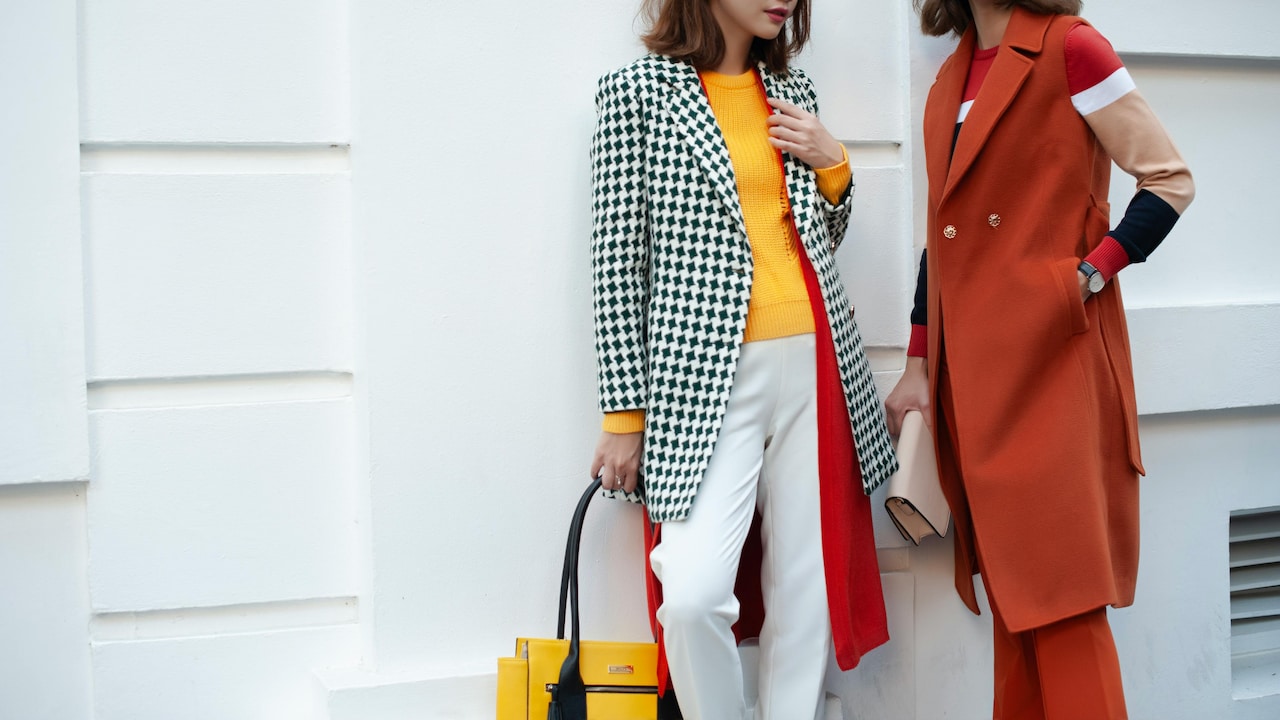
Why Fashion Fabrics Feel Thinner Than Before: How To Identify Durable Materials Instantly
Photo Credit: Pexels
Fashion changed dramatically over the past decade. Brands release fresh collections almost every week. Social media trends move faster than local trains during rush hour. People want stylish clothes at affordable prices, and manufacturers respond by cutting corners wherever possible. Fabrics become lighter, blends become cheaper, and stitching quality quietly declines.
Still, not every modern garment deserves suspicion. Plenty of brands continue producing reliable fabrics. The challenge lies in recognising durable materials quickly without needing a textile engineering degree. Thankfully, certain clues reveal quality almost instantly. Texture, weave, weight, stretch, stitching, and even smell can reveal whether a garment will survive years or collapse before the next wedding season.
Understanding fabrics no longer belongs only to tailors and fashion designers. Smart shoppers now treat fabric knowledge like bargaining skills at a bustling market. Useful, practical, and surprisingly satisfying.
Why Modern Clothes No Longer Feel Built To Last
The Rise Of Fast Fashion Changed Everything
Fashion once followed seasons. Summer collections arrived before the heat. Winter wear appeared when evenings turned chilly. Today, trends change faster than cricket memes after a dramatic match. Brands push out endless collections because shoppers crave novelty. That pressure creates one unavoidable problem: speed often destroys quality.
Factories now prioritise quantity over craftsmanship. Instead of producing sturdy fabrics that last years, many manufacturers create lightweight materials that cost less and move quickly through supply chains. Thin fabric also reduces shipping costs. Imagine transporting thousands of garments across countries. Every gram matters to profit margins.
This shift explains why older clothes often feel heavier and sturdier than modern ones. Vintage cotton shirts carried dense weaves and stronger yarns. Current versions sometimes resemble tissue paper after two washes. Even denim suffered. Earlier jeans could survive bike rides, rough travel, and accidental falls. Modern pairs often stretch excessively and wear out near the thighs within months.
Social media adds fuel to this cycle. People feel pressure to wear something “new” constantly. Brands know many customers may only wear an outfit a handful of times before chasing another trend. Durable construction becomes less important than attractive pricing and flashy marketing.
Still, consumers slowly push back. More shoppers now question whether a ₹4,000 shirt deserves a place in the wardrobe if it cannot survive one festive season. That awareness encourages better buying habits and forces some brands to rethink quality.
Fabric Weight Reveals More Than Fancy Labels
Fabric weight acts like a secret code for durability. A garment may look luxurious on display, but a lightweight material often signals a shorter lifespan. Picking up clothes and actually feeling the weight makes a massive difference.
A good cotton T-shirt should feel substantial without becoming stiff. Thin cotton usually loses shape quickly and develops tiny holes near stress points. Heavier cotton holds structure better and survives repeated washing. The same principle applies to sweatshirts, trousers, and kurtas.
Denim offers perhaps the easiest example. Strong denim carries noticeable weight. It feels solid and structured. Cheap denim feels overly soft and flimsy straight away. Some shoppers mistake softness for comfort, but ultra-soft denim often contains excessive synthetic fibres that weaken long-term durability.
Weight matters even in ethnic wear. Quality silk sarees drape beautifully because the fabric carries richness and density. Cheap synthetic blends may shine brightly under store lighting but feel suspiciously light in hand.
A quick trick works brilliantly during shopping. Hold the fabric against the light. If too much light passes through unexpectedly, the material may wear out faster. Naturally, chiffon and georgette differ because sheer fabrics serve a different purpose. But regular shirts, dresses, and trousers should not resemble transparent curtains.
Weight alone does not guarantee quality, yet flimsy fabric rarely becomes durable magically. Trust touch more than marketing slogans.
Blended Fabrics Can Be Clever Or Catastrophic
Fabric blends create confusion for many shoppers. Labels often contain mysterious combinations like cotton-polyester-elastane or viscose-rayon blends. Some mixtures improve durability brilliantly. Others simply reduce production costs.
Polyester itself is not the villain many imagine. In fact, controlled polyester blends can strengthen garments and reduce wrinkling. Problems begin when brands overload fabrics with synthetics while still charging premium prices.
Pure cotton breathes beautifully during humid weather, but quality cotton costs more. Some manufacturers mix excessive polyester into garments, making them feel hotter and less comfortable. The result resembles wearing a decorative plastic bag during peak summer traffic.
Stretch fabrics deserve extra attention, too. Elastane adds flexibility, especially in jeans and fitted clothing. A small percentage works wonderfully. Too much stretch causes sagging over time. Jeans that fit perfectly in the morning should not resemble pyjamas by evening.
Viscose and rayon present another tricky category. They feel soft and luxurious initially, but often weaken after repeated washing if poorly manufactured. Many shoppers discover this heartbreak after watching sleeves twist strangely, or hems curl unexpectedly.
Reading labels helps, but texture matters equally. Good blends feel balanced rather than artificial. Rub the fabric lightly between fingers. Cheap synthetics often feel slippery or oddly shiny. Durable blends usually maintain softness while still feeling stable and structured.
Understanding blends prevents expensive mistakes. Sometimes a ₹1,500 cotton blend outlasts a ₹3,000 “premium” fabric pretending to be luxurious.
Stitching Quality Exposes The Truth Instantly
Fabric may attract attention first, but stitching determines whether clothes survive daily life. Weak stitching ruins even decent material. Fortunately, poor construction reveals itself quickly once shoppers know where to look.
Start with seams. Strong garments carry neat, tight stitching without loose threads hanging dramatically like festive decorations after New Year celebrations. Pull gently near seams. If gaps appear instantly, trouble likely waits ahead.
Inside stitching matters just as much as outside appearance. Many brands focus heavily on attractive displays while neglecting hidden construction. Turning garments inside out often exposes rushed manufacturing. Uneven stitching, unfinished edges, and thread bunching usually signal poor durability.
Buttons provide another clue. Strong garments attach buttons securely with reinforced stitching. Weakly attached buttons predict future irritation, especially during rushed mornings before work or family functions.
Check hems carefully too. Durable clothes maintain even hems without twisting. Cheap garments frequently develop uneven hems after washing because manufacturers rush the cutting and stitching processes.
Pattern alignment reveals surprising detail. Stripes and checks should match reasonably across seams in quality clothing. Misaligned patterns suggest careless production methods overall.
Good tailoring creates invisible confidence. Clothes sit better, wash better, and age gracefully. Poor stitching creates constant annoyance. Nobody enjoys discovering a sleeve opening mid-event or carrying emergency safety pins during weddings.
The next time a salesperson insists something feels “premium”, inspect the seams quietly. Stitching rarely lies.
Also Read: Why Chiffon Sarees Keep Slipping And How Fabric Weight Changes Everything
Natural Fibres Usually Age Better
Natural fibres carry a character that synthetic fabrics often struggle to imitate. Cotton softens beautifully over time. Linen develops relaxed elegance. Wool gains comfort with wear. Good fabrics mature like favourite music playlists rather than deteriorating instantly.
Cotton remains one of the most reliable choices for daily clothing. High-quality cotton breathes well, absorbs moisture, and survives repeated washing without dramatic damage. Long-staple cotton varieties usually perform better because stronger fibres resist pilling and tearing.
Linen sometimes scares shoppers because wrinkles appear quickly. Yet durable linen can outlast many synthetic alternatives comfortably. Proper linen feels textured and airy rather than stiff like tablecloth fabric at budget banquet halls.
Wool deserves more appreciation, too. Good wool sweaters maintain shape for years if cared for properly. Cheap acrylic substitutes may cost less initially, but often pill heavily after limited use.
Silk continues to hold timeless appeal because of its natural strength and graceful drape. Genuine silk feels warm rather than cold when touched. Synthetic imitations often look flashy but lack longevity.
That said, natural fibres require sensible care. Tossing delicate fabrics into aggressive washing cycles rarely ends well. Still, quality natural materials reward proper maintenance generously.
Many people unknowingly judge fabrics only when brand tags appear impressive. Yet a well-made cotton kurta from a small boutique may outperform flashy designer wear loaded with synthetic fibres and oversized logos.
Pilling Is A Warning Sign Nobody Should Ignore
Tiny fabric balls may seem harmless initially. Yet pilling often signals weak fibres rubbing apart under friction. Once pilling begins aggressively, garments usually continue deteriorating rapidly.
Sweaters commonly develop pills near the elbows and underarms. Cheap T-shirts show pilling around waistlines where bags or belts create friction. Even bedsheets sometimes suffer this issue after repeated use.
Some natural pilling occurs with certain fabrics. However, excessive pilling shortly after purchase usually reflects lower-quality fibres or poor yarn construction. Fast fashion brands often use shorter fibres because they cost less. Those fibres loosen easily and create fuzzy surfaces quickly.
A simple test helps while shopping. Rub fabric briskly between fingers for several seconds. If fibres loosen immediately or fuzz appears, durability may disappoint later.
Blended fabrics with excessive synthetic content frequently pill more aggressively. Ironically, many shoppers associate softness with luxury, but overly brushed soft fabrics sometimes pill faster than sturdier weaves.
Pilling creates more than cosmetic annoyance. It changes texture completely. Clothes begin looking tired and worn even when technically usable. That polished appearance disappears rapidly.
Nobody enjoys wearing a jumper that resembles an overused sofa cushion by mid-winter. Spotting pilling risk early prevents wasted money and wardrobe frustration.
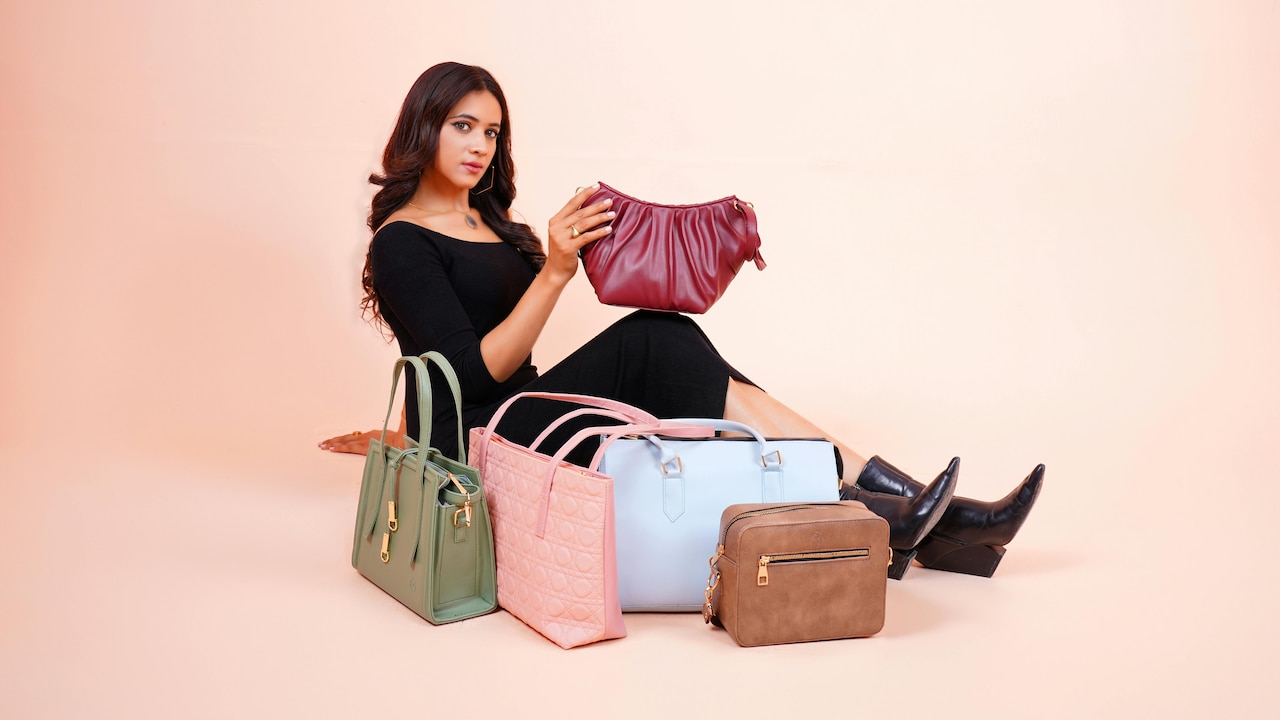
Why Fashion Fabrics Feel Thinner Than Before: How To Identify Durable Materials Instantly
Photo Credit: Pexels
Stretch Recovery Separates Quality From Cheap Imitations
Stretch matters hugely in modern fashion. From activewear to denim, flexibility dominates clothing trends. Yet good stretch differs dramatically from poor stretch.
Quality fabrics return to their original shape smoothly after pulling. Cheap materials remain distorted. Knees bulge outward. Waistbands loosen permanently. Sleeves lose structure after minimal wear.
Testing stretch recovery takes seconds. Gently stretch a small section and release it. Durable fabrics bounce back neatly. Weak fabrics wrinkle or remain visibly misshapen.
Leggings provide perhaps the clearest example. Good leggings maintain support and shape through repeated use. Cheap versions become transparent, saggy, or uneven alarmingly fast.
The same issue affects shirts and dresses containing elastane. Excessive stretch content may feel flattering initially, but it often weakens fabric structure long-term.
Athleisure clothing especially demands scrutiny because brands market comfort aggressively. Fancy advertising and celebrity endorsements cannot compensate for fabric that loses elasticity after three gym sessions and one accidental samosa binge.
Even collars reveal stretch quality. Cheap collars curl and warp quickly. Strong collars retain shape neatly despite regular washing.
Stretch should enhance comfort, not destroy structure. Understanding that difference saves considerable money and prevents wardrobes filled with clothes that looked promising briefly before collapsing dramatically.
Texture And Sound Offer Unexpected Clues
Experienced shoppers often identify quality almost instinctively. Much of that instinct comes from texture and sound. Fabrics communicate more than most people realise.
Run fingers slowly across the material. Quality fabric usually feels consistent throughout. Cheap fabric may contain uneven patches, rough spots, or suspicious thinness in certain areas.
Sound matters too. Crisp cotton carries a subtle, structured rustle. Cheap synthetics often produce shiny swishing noises reminiscent of raincoats during school sports day.
Silk creates a soft, elegant sound when moved gently. Artificial alternatives sound harsher and feel colder against the skin. Linen carries a natural texture rather than slippery smoothness.
Even smell offers clues occasionally. Strong chemical odours sometimes indicate heavy synthetic treatment or excessive dye processing. While new clothes naturally carry mild manufacturing smells, an overpowering chemical scent should raise suspicion.
Texture also changes with quality finishing. Well-finished fabrics feel refined without becoming unnaturally slippery. Poor finishing may initially disguise weak construction, but it fades rapidly after washing.
Luxury does not always mean ultra-softness. Some sturdy fabrics actually feel slightly firm initially because of dense weaving and stronger fibres. They soften beautifully over time instead of disintegrating.
Shoppers who trust touch and instinct often make better purchases than those hypnotised purely by influencer marketing or dramatic sale banners screaming “Flat 70% Off”.
Price Does Not Always Reflect Durability
Expensive clothing disappoints surprisingly often. Many shoppers assume a higher price automatically guarantees better fabric. Sadly, branding, celebrity endorsements, and glamorous store interiors inflate prices dramatically.
A ₹6,000 shirt made from weak blended fabric still remains weak despite elegant packaging and ambient jazz music inside the showroom. Meanwhile, smaller labels sometimes produce exceptional garments at half the price.
Smart shopping requires separating marketing from material quality. Touch fabric. Inspect stitching. Read labels carefully. Expensive logos cannot strengthen poor seams magically.
Designer collaborations particularly tempt buyers emotionally. Limited editions and influencer hype create urgency. Yet some heavily promoted collections use average materials hidden beneath stylish cuts and trendy colours.
That does not mean affordable clothing always performs brilliantly either. Ultra-cheap garments often sacrifice quality severely. The sweet spot usually lies in thoughtful mid-range purchases where construction and fabric still matter.
Tailoring also influences perceived quality enormously. A well-fitted ₹2,200 kurta often looks richer than an ill-fitting ₹8,000 outfit made from mediocre material.
Savvy shoppers now value longevity over temporary excitement. One durable jacket worn happily for five years offers far better value than four trendy replacements purchased repeatedly.
Fashion should feel enjoyable, not financially exhausting.
Care Habits Can Destroy Even Good Fabrics
Sometimes, fabric quality takes blame unfairly because poor care habits quietly ruin clothes. Even durable garments suffer when treated carelessly.
Overloading washing machines damages fibres through excessive friction. Harsh detergents weaken fabric gradually. Extremely hot water shrinks natural materials unexpectedly. Drying clothes directly under the brutal afternoon sun fades colours quickly.
Many people ignore wash labels completely until disaster strikes. Wool shrinks. Silk loses shine. Cotton twists strangely. Then comes the dramatic declaration that “nothing lasts anymore”.
Proper care extends garment life enormously. Washing clothes inside out protects surfaces. Using gentle cycles preserves fibres. Air drying maintains elasticity better than excessive machine drying.
Storage matters too. Heavy sweaters should fold rather than hang endlessly. Damp wardrobes encourage mildew and unpleasant odours. Good hangers help maintain structure.
Even ironing requires caution. Excessive heat damages synthetic blends rapidly. Delicate fabrics need patience rather than aggressive pressing moments during rushed mornings.
Interestingly, older generations often maintained clothes better because garments carried greater value emotionally and financially. People repaired small tears promptly instead of discarding entire outfits casually.
That mindset slowly returns as shoppers grow tired of disposable fashion cycles. Caring properly for clothes feels surprisingly satisfying. Favourite garments begin lasting years again instead of mere months.
Why Fashion Fabrics Feel Thinner Than Before: How To Identify Durable Materials Instantly
Photo Credit: Pexels
Products Related To This Article
1. Bebe Red Cutout Lace Off-Shoulder Trapeze Mini Dress
2. RAREISM Tie-Up Neck Bell Sleeve Crop Top
3. Outzidr Print Midi Dress
4. SPYKAR Men Ricardo Comfort Fit Straight Fit Pure Cotton Jeans
5. Marks & Spencer AUTOGRAPH Cotton Rich Twill Jacket
6. Madame Off-Shoulder A-Line Dress
7. RARE RABBIT Men Sandet Printed Slim Fit Cutaway Collar Shirt
Modern fashion often prioritises speed, trends, and low costs over lasting quality. That shift explains why many fabrics feel thinner, weaker, and less reliable than older garments still hiding proudly inside family wardrobes. Yet durable clothing has not disappeared entirely. It simply requires sharper observation and smarter shopping habits.
Fabric weight, stitching quality, fibre composition, texture, and stretch recovery reveal far more than glossy advertising campaigns ever will. Trusting touch, checking seams carefully, and understanding basic fabric behaviour help shoppers avoid disappointment repeatedly.
The goal does not involve chasing luxury labels endlessly or spending absurd amounts on every purchase. Real value comes from choosing garments that survive daily life gracefully. Clothes should handle crowded commutes, festive celebrations, sudden rain showers, and countless washes without surrendering immediately.
Fashion feels far more enjoyable when wardrobes contain pieces that age beautifully instead of collapsing after one season. Strong fabrics carry memories longer. They become companions rather than disposable trends.
And honestly, nothing beats the quiet satisfaction of hearing someone ask, “That shirt still looks new. Where did you buy it?”
(Disclaimer: This article may include references to or features of products and services made available through affiliate marketing campaigns. NDTV Convergence Limited (“NDTV”) strives to maintain editorial independence while participating in such campaigns. NDTV does not assume responsibility for the performance or claims of any featured products or services.)