10 Reasons A Watch Feels Comfortable At First But Irritating By Evening
A watch may feel perfectly comfortable in the morning but become irritating by evening. From tight straps and trapped sweat to skin sensitivity, discover 10 reasons behind wrist discomfort and practical ways to prevent it.
10 Reasons Your Watch Causes Wrist Irritation And How To Prevent It
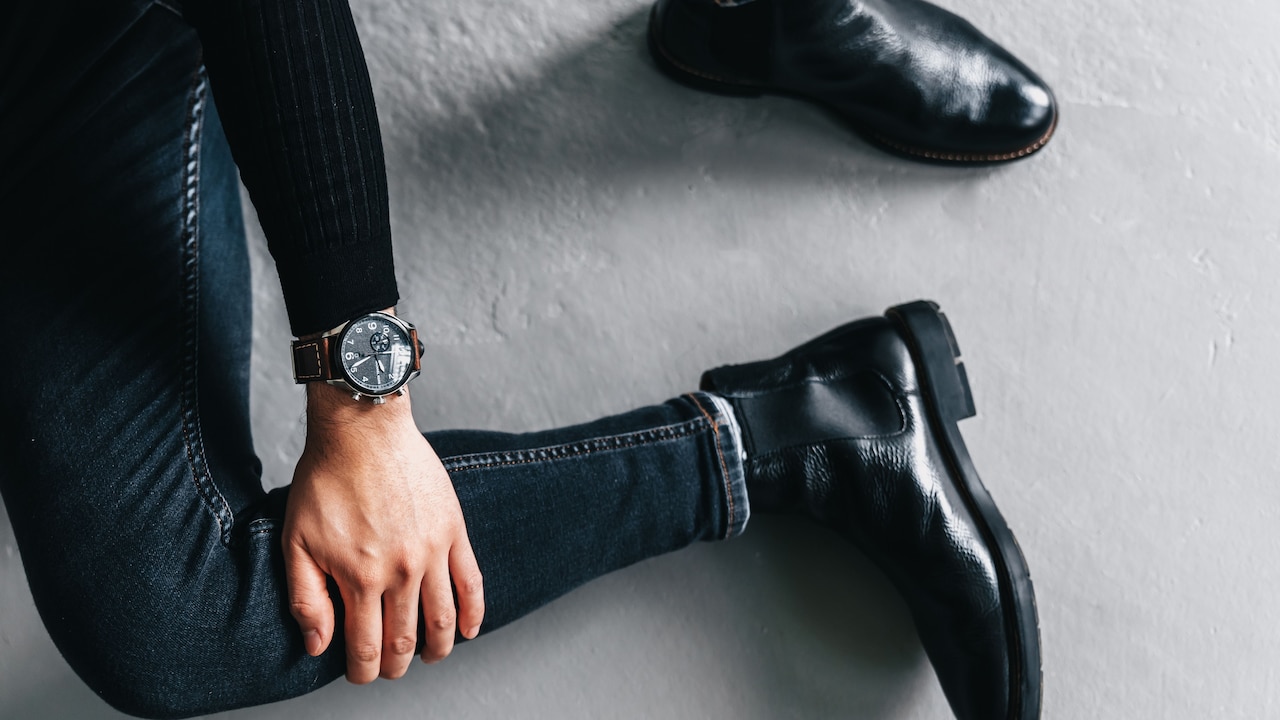
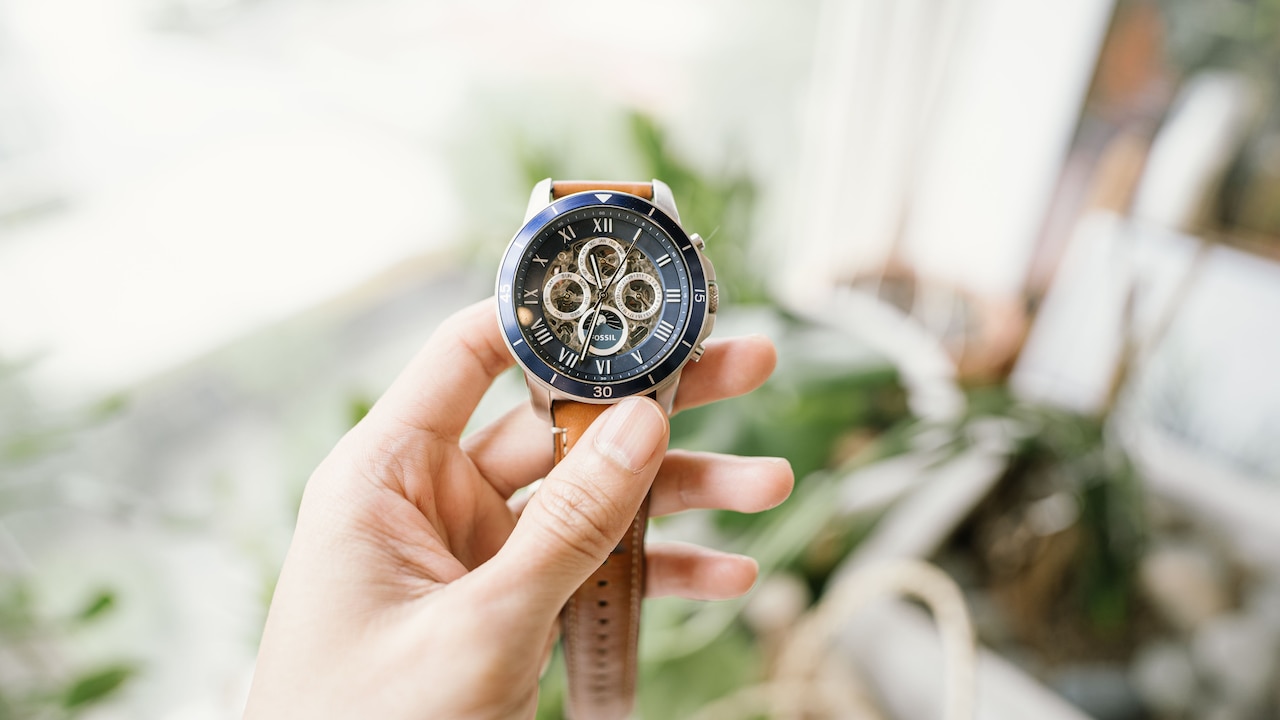
A watch is one of those everyday accessories that rarely demands much attention. You put it on before leaving home, check the time occasionally and forget about it. At least, that's how things should work. But sometimes, a watch that feels perfectly comfortable at breakfast becomes surprisingly irritating by dinner. The strap starts digging into your wrist, the skin underneath feels itchy, or the watch suddenly seems much heavier than it did a few hours earlier. This discomfort isn't always a sign of poor quality. Even an expensive smartwatch or a carefully chosen analogue watch can cause irritation under certain conditions. Wrist movement, changing temperatures, moisture, strap materials and daily habits all influence how comfortable a watch feels throughout the day.
10 Reasons Your Watch Causes Wrist Irritation And How To Prevent It
Photo Credit: Pexels
The tricky part? Many of these problems develop gradually, making them easy to overlook while trying on a watch. Understanding what changes between morning and evening can help you choose better designs, adjust your existing watch and avoid unnecessary discomfort. Here are ten common reasons your watch might start bothering you as the day progresses, along with practical ways to make wearing it more comfortable.
10 Common Reasons Your Watch Becomes Uncomfortable By Evening
1. Your Wrist Size Changes Slightly Throughout The Day
A watch strap that fits beautifully in the morning might feel unusually snug by late afternoon. The reason could be your wrist rather than the watch itself. Like other parts of the body, wrists can experience minor changes in size throughout the day due to fluid retention, heat and physical activity.
Hot weather can make this particularly noticeable. When temperatures rise, blood vessels near the skin widen to help the body release heat. Some people also experience temporary swelling in their hands and wrists, especially after spending long hours sitting or standing.
A strap that leaves little room for these natural changes may gradually create uncomfortable pressure. You might notice deeper strap marks, mild tenderness or the constant urge to loosen your watch.
The solution often involves a small adjustment rather than replacing the watch entirely. Choose straps with multiple adjustment holes, sliding clasps or flexible links that offer more control over the fit.
Ideally, your watch should remain secure without squeezing your wrist. If it feels comfortable only when fastened tightly, the strap may need reconsideration. A little breathing room can make a noticeable difference during long working days.
2. Sweat Gets Trapped Between The Strap And Your Skin
Watches and humid weather don't always make good companions. A strap that feels smooth and comfortable in an air-conditioned bedroom can become sticky after a crowded commute, an afternoon outdoors or a quick walk to the neighbourhood market.
Sweat naturally collects underneath watch straps, particularly when the material sits close to the skin. Silicone, rubber and certain synthetic straps can hold moisture against the wrist because they offer limited ventilation.
As the hours pass, this trapped moisture may soften the skin and increase friction. The result can range from mild stickiness to redness, itching and uncomfortable rubbing.
The problem becomes more noticeable when sweat mixes with dirt, sunscreen or skincare products. Even a small amount of residue can make the area underneath the watch feel unpleasant.
Breathable straps can help reduce moisture accumulation. Woven nylon designs and properly fitted metal bracelets may allow better airflow, although their comfort depends on construction and individual skin sensitivity.
It's also worth removing your watch occasionally to dry your wrist and the strap. After exercising, clean the strap according to the manufacturer's instructions before wearing it again.
A few minutes of basic maintenance can prevent hours of irritation later.
3. The Strap Material Doesn't Suit Your Skin
Not every watch strap agrees with every wrist. A material that feels soft during a quick trial can become irritating after several hours of continuous contact.
Some people develop skin reactions to metals such as nickel, which may appear in watch cases, clasps or certain bracelet components. Others experience irritation from rubber additives, adhesives, dyes or finishing chemicals used in straps.
These reactions don't necessarily appear immediately. The skin may initially feel normal before developing itching, redness or a burning sensation later in the day. Repeated exposure can make the problem more noticeable.
However, not every reaction indicates an allergy. Friction, sweat and trapped cleaning products can also irritate the skin, even when the strap material itself causes no allergic response.
If discomfort repeatedly occurs with a particular watch, examine where the irritation develops. Redness directly beneath the clasp, for example, may suggest sensitivity to the metal.
Consider switching to a strap with clearly identified materials, such as nickel-free components or an appropriate textile alternative.
Persistent rashes deserve medical attention, particularly when the skin becomes cracked or inflamed. A dermatologist can help distinguish allergic contact dermatitis from ordinary irritation.
Your watch should complement your daily routine, not leave your wrist demanding attention.
Also Read: How To Style A Sequin Dress
4. The Watch Strap Is Either Too Tight Or Too Loose
Finding the right watch fit sounds simple until you realise how much your wrist moves during an ordinary day.
A tight strap may feel reassuring at first because the watch stays firmly in place. Unfortunately, that secure fit can become uncomfortable when you type, carry shopping bags or bend your wrist repeatedly.
Pressure gradually builds around the edges of the strap, especially near the clasp or buckle. By evening, even a lightweight watch can feel restrictive.
Interestingly, a loose strap can cause just as much trouble. When a watch slides continuously, the case and strap rub against the skin. Repeated movement increases friction and may eventually produce soreness.
The ideal fit sits somewhere between these extremes. Your watch should stay reasonably stable without leaving deep impressions or restricting natural wrist movement.
Try adjusting the strap while your wrist rests in a relaxed position. Then move your hand, bend your wrist and rotate your forearm to check whether the fit remains comfortable.
If the existing adjustment holes never seem quite right, consider a strap offering finer adjustments.
A comfortable watch shouldn't require constant tightening, loosening or repositioning throughout the day.
5. The Watch Case Is Too Heavy For Extended Wear
A chunky watch can look impressive in a display cabinet. Wearing that same watch for twelve hours, however, tells a rather different story.
Large stainless-steel cases, thick bezels and heavy bracelets add weight around the wrist. While that weight may initially feel substantial and premium, it can become tiring during prolonged wear.
The discomfort often appears during activities involving repeated hand movements. Typing, cooking, writing and carrying everyday essentials can make a heavy watch more noticeable.
Weight distribution matters just as much as the total weight. A large case attached to a narrow or poorly balanced strap may shift repeatedly, concentrating pressure on certain areas.
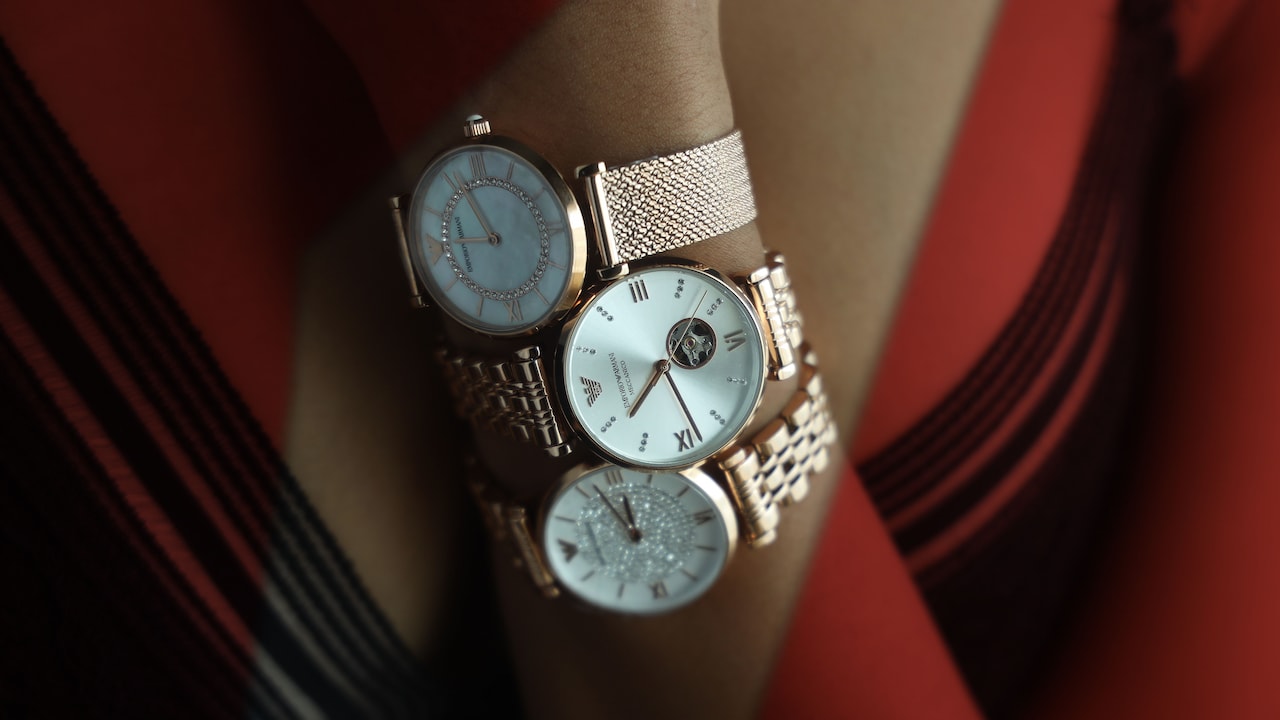
People with smaller wrists may find oversized designs particularly awkward because the case extends beyond the natural width of the wrist.
Before purchasing a watch, consider its overall dimensions and weight rather than focusing entirely on appearance.
Titanium cases, resin constructions and lighter strap materials can offer alternatives for people who prefer less weight.
Also, try wearing the watch for an extended period whenever a suitable trial or return arrangement allows it.
A watch can make a strong style statement without feeling like an extra piece of gym equipment by sunset.
10 Reasons Your Watch Causes Wrist Irritation And How To Prevent It
Photo Credit: Pexels
6. The Watch Keeps Rubbing Against Your Wrist Bone
Sometimes, the problem isn't the strap material, overall weight or tightness. It's simply where the watch sits.
Most wrists have a prominent bony area near the outer edge. When a watch case or strap buckle repeatedly presses against this region, everyday movements can become uncomfortable.
You might notice the irritation while working on a laptop, resting your hand on a desk or bending your wrist to reach something.
The watch may feel perfectly fine when your arm hangs naturally. But once your wrist starts moving, the case edge can press against the surrounding skin.
This issue often affects watches with large cases, rigid straps or protruding crowns. Poorly positioned buckles can create similar pressure points.
Try wearing your watch slightly higher up your forearm, away from the wrist joint. This position often reduces direct contact with the wrist bone and allows more natural movement.
Pay attention to the underside of the case as well. Raised sensors, sharp edges and bulky case backs may create pressure during extended wear.
A well-designed watch should follow the contours of your wrist rather than constantly reminding you where your bones are.
7. Dirt And Product Residue Build Up Underneath The Watch
A watch accompanies you through more daily activities than you might realise. Handwashing, applying moisturiser, cooking, travelling and exercising can all leave traces of moisture or residue around the strap.
Over time, these substances collect around the buckle, case back and small spaces between bracelet links.
The buildup may seem harmless initially. However, prolonged contact with sweat, soap residue and skincare products can irritate the skin underneath.
For example, a little handwash left beneath a tightly fitted watch might not cause immediate discomfort. After several hours, though, the affected area could begin feeling dry or itchy.
Dirt can also increase friction when it settles around strap edges.
Regular cleaning helps minimise these problems. Use a soft cloth and follow the watch manufacturer's care instructions, especially if the watch contains electronic components or materials sensitive to water.
For removable straps, check whether the manufacturer recommends separate cleaning.
Make sure both the strap and your wrist dry completely before putting the watch back on.
Cleaning doesn't need to become a complicated ritual. A little attention after sweaty or messy activities can help keep an otherwise comfortable watch from becoming irritating.
8. Your Daily Activities Put Repeated Pressure On The Watch
A watch doesn't experience the same conditions throughout the day. Your morning routine might involve a relaxed commute, while the afternoon brings hours of typing, paperwork, household chores or carrying heavy bags.
Each activity changes how the watch rests against your wrist.
When typing, for example, the strap buckle may press against the desk or laptop surface. During cooking or cleaning, repeated wrist movements can shift the watch case and create friction.
Even holding a phone for long periods can change wrist positioning, making an otherwise comfortable strap feel awkward.
These small pressures may go unnoticed individually. Together, they can leave your wrist feeling tender by evening.
Watch placement plays an important role here. Wearing the watch slightly above the wrist joint may help prevent interference with frequent bending movements.
You can also remove it temporarily during activities that involve constant pressure or repetitive wrist motion.
For desk work, consider whether the buckle or bracelet sits directly against the surface while typing.
Sometimes, improving comfort requires no new strap, expensive accessory or replacement watch. A simple change in wearing habits can make the biggest difference.
9. The Strap Becomes Stiff Or Uncomfortable Over Time
Watch straps don't always maintain the same flexibility throughout their lifespan. Leather, rubber, silicone and synthetic materials can change with repeated exposure to moisture, heat and everyday wear.
A leather strap, for instance, may become stiff after cycles of sweating and drying. Some synthetic straps can develop hardened edges or lose their original softness as they age.
Even metal bracelets may become uncomfortable when links, clasps or connecting components wear unevenly.
These changes don't necessarily make a watch unusable. However, they can create small pressure points that become noticeable during extended wear.
The strap might still feel acceptable for the first hour. By evening, repeated contact with a roughened edge or rigid section can leave the skin irritated.
Inspect your strap regularly for cracking, peeling, sharp edges and unusual stiffness.
Leather straps may benefit from appropriate care products, provided the manufacturer recommends them. Avoid soaking leather or applying random household oils, as these can damage the material.
Replace straps that develop rough surfaces or damaged components rather than trying to tolerate the discomfort.
A watch case might last for years, but its strap often requires attention much sooner.
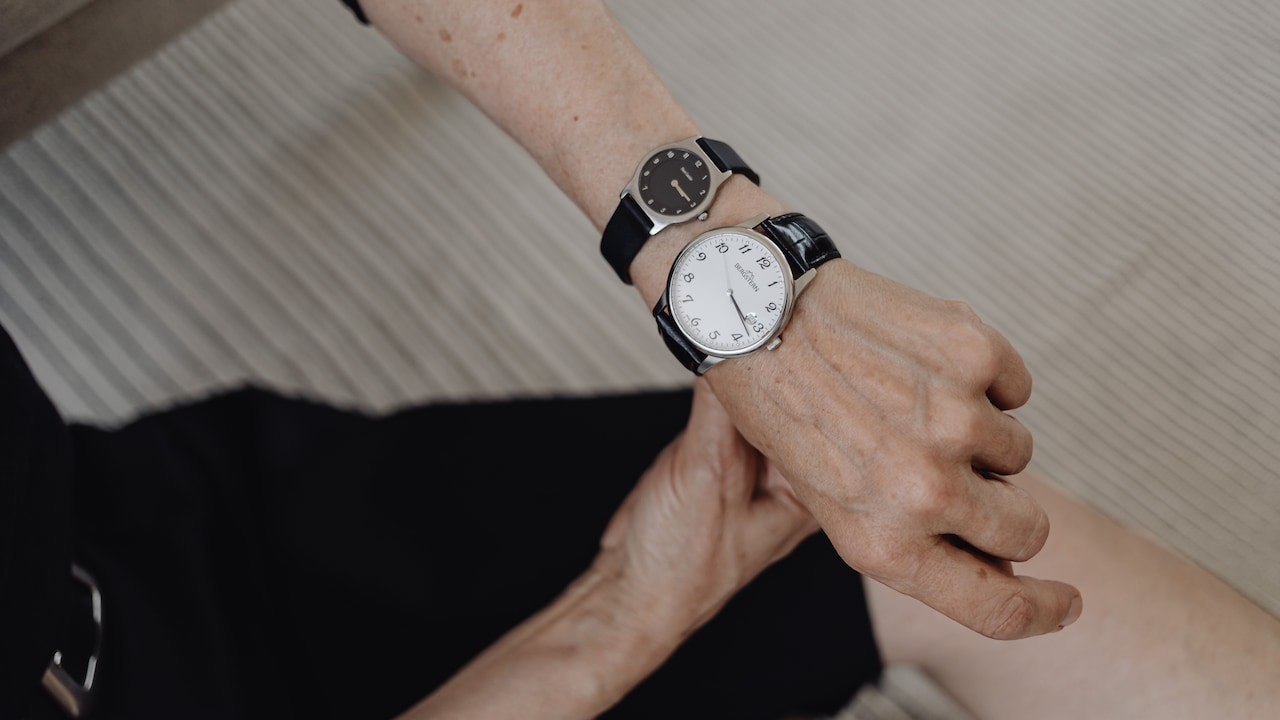
10. You Wear The Watch Continuously Without Giving Your Skin A Break
Some people wear their watches almost constantly. Smartwatches make this especially tempting because they track steps, workouts, notifications and sleep patterns.
Although continuous wear offers convenience, it also means the same area of skin remains covered for extended periods.
Heat, sweat and friction can build up beneath the strap, particularly when the watch sits tightly against the wrist.
Over time, the covered skin may become sensitive, especially if you rarely remove the watch after exercising or washing your hands.
This doesn't mean watches are unsuitable for all-day use. Rather, the skin benefits from occasional opportunities to stay clean and dry.
Consider removing your watch while bathing, unless you specifically need it for an activity and the manufacturer approves that use.
After workouts, clean and dry the watch and wrist before wearing it again.
Smartwatch users should also pay attention to the manufacturer's fit recommendations. A tighter fit may improve sensor contact during exercise, but it doesn't necessarily offer the best comfort during ordinary activities.
If irritation develops, leave the affected area uncovered until it settles.
A watch should fit into your lifestyle comfortably, even when that means taking it off occasionally.
10 Reasons Your Watch Causes Wrist Irritation And How To Prevent It
Photo Credit: Pexels
Products Related To This Article
1. Anouk Women Embellished Dial & Straps Analogue Watch
2. Fastrack Tees Wanderlust Quartz Analog With Black Dial Unisex Watch
3. Mast & Harbour Unisex Peach-Coloured Analogue Watch
4. Roadster The Lifestyle Co Water Resistant analogue Watch
5. Timex Women Bracelet Style Straps Analogue Watch
6. Sonata Quartz Analog With Silver Dial Watch For Women
7. Daniel Hechter Paris Bercy Collection Multi Functional Watch for Men with Square Dial
A watch that becomes uncomfortable by evening isn't necessarily defective or poorly designed. Often, the problem comes from a combination of everyday factors, including changing wrist size, trapped moisture, unsuitable materials and repeated pressure.
Small adjustments can make a surprising difference. Choosing a breathable strap, finding the right fit, cleaning regularly and reconsidering where the watch sits may help prevent irritation.
Most importantly, pay attention to recurring discomfort instead of treating it as an unavoidable part of wearing accessories. Persistent redness, itching or soreness deserves attention. After all, the best watch isn't simply the one that looks impressive in the morning. It's the one you can comfortably forget you're wearing throughout the day.
(Disclaimer: This article may include references to or features of products and services made available through affiliate marketing campaigns. NDTV Convergence Limited (“NDTV”) strives to maintain editorial independence while participating in such campaigns. NDTV does not assume responsibility for the performance or claims of any featured products or services.)