Why Some Dresses Cling Around The Stomach Even In Flowy Fabrics
A dress may look loose on the hanger but cling around the stomach once worn. Discover 10 common reasons behind this frustrating fit issue and simple ways to choose dresses that drape comfortably.
Why Some Dresses Cling Around The Stomach Even In Flowy Fabrics
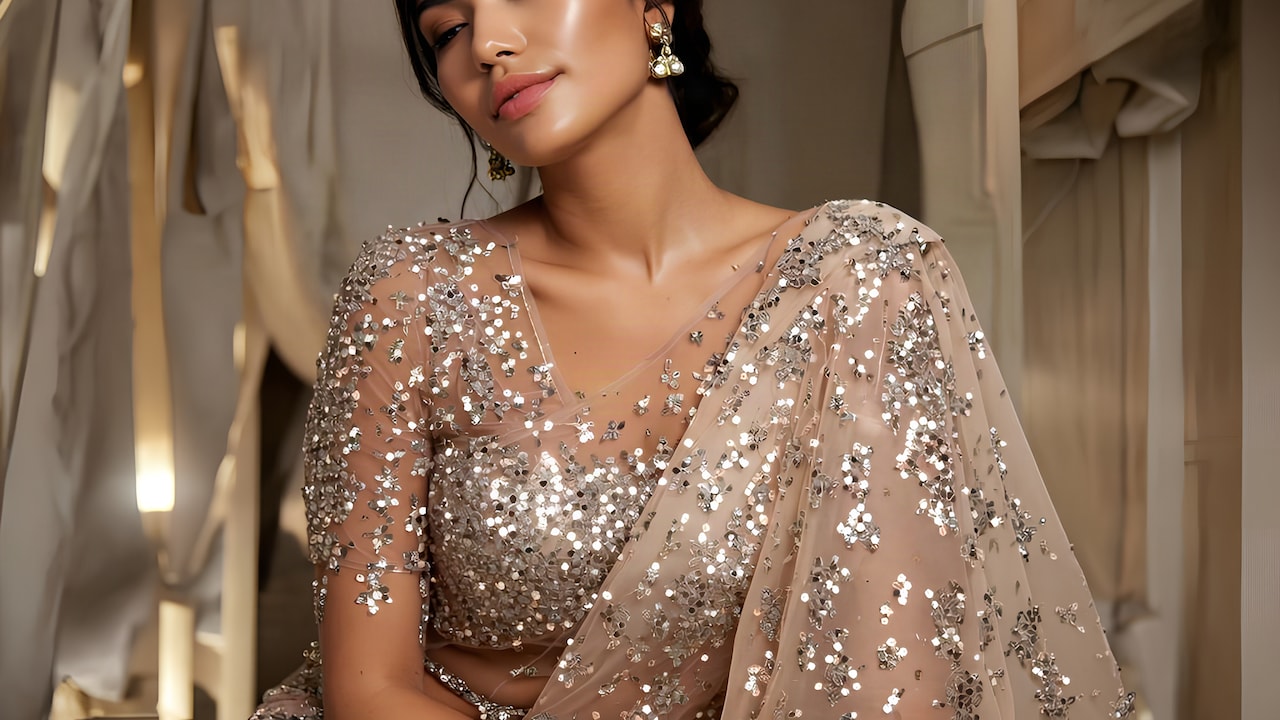
A dress can tick every box in the trial room. The fabric feels soft, the silhouette looks relaxed, and the size seems perfect. Yet, the moment someone walks, sits or turns sideways, the material starts gathering around the stomach. Suddenly, that supposedly flowy dress behaves more like a fitted one. It's frustrating, particularly when the whole point of choosing a relaxed outfit was to enjoy some breathing room. This problem isn't always about body shape or choosing the wrong size. Sometimes, the fabric doesn't have enough weight to fall smoothly. Other times, the stitching, lining, waist placement or even the way a dress interacts with innerwear can affect its appearance. A garment that looks beautifully fluid on a mannequin may behave quite differently during everyday movement.

Why Some Dresses Cling Around The Stomach Even In Flowy Fabrics
Photo Credit: Pexels
The good news? Understanding these small construction and styling details can make dress shopping much easier. Whether it's a breezy cotton dress for summer, a satin midi for dinner or a comfortable maxi for everyday errands, knowing what causes unwanted clinging helps avoid disappointing purchases. Here are ten reasons dresses sometimes stick around the stomach, along with practical ways to find a more comfortable fit.
10 Reasons Flowy Dresses Cling Around The Stomach
1. Lightweight Fabrics Don't Always Have Enough Weight To Fall Smoothly
A dress may feel wonderfully light against the skin, but that doesn't automatically mean it will drape well. Fabrics such as thin polyester, lightweight rayon and delicate georgette can follow the body's contours rather than fall straight down. Their softness makes them comfortable, yet their lack of structure sometimes creates unwanted clinging around the stomach.
Imagine wearing a breezy midi dress on a humid afternoon. It looks relaxed when standing still, but after a short walk, the front starts settling against the body. The fabric simply doesn't have enough weight or structure to maintain its original shape.
Fabric weight plays an important role here. A slightly heavier material often falls more consistently because gravity helps it hang away from the body. However, weight alone doesn't guarantee a flattering drape. The weave, finish and overall construction matter just as much.
When shopping, hold the dress against yourself and observe how the material falls. Check whether it hangs freely or immediately follows every curve. Fabrics with a little substance, such as medium-weight viscose, cotton blends or structured crepe, may offer a smoother appearance without feeling stiff or restrictive.
2. Static Electricity Can Make Loose Dresses Stick To The Body
Sometimes, the problem has little to do with the actual fit. Static electricity can make an otherwise loose dress cling stubbornly around the stomach, thighs and hips. This commonly happens with certain synthetic fabrics, especially polyester and nylon.
Static builds when materials rub against each other. A dress moving against leggings, synthetic slips or innerwear can create an electrical charge that makes the layers attract. Dry air can worsen the effect, although fabric friction remains an important factor.
Picture a polyester maxi dress that looks lovely before leaving home. After sitting in a car or walking around a shopping centre, the material suddenly starts sticking to the stomach. Pulling it away helps briefly, but the problem returns within minutes.
Choosing a compatible slip can sometimes reduce friction and improve movement. Anti-static sprays suitable for the fabric may also help, provided the care instructions allow them.
Another practical solution involves checking fabric composition before purchasing. Natural fibres and certain blends may produce less noticeable static under similar conditions.
A dress that clings because of static doesn't necessarily need replacing. Sometimes, changing the layers underneath makes the fabric behave much more naturally.
3. The Waistline Sits At An Awkward Position
Waist placement can completely change how a dress falls around the stomach. Even generous amounts of fabric won't create the desired flow if the waist seam sits at an uncomfortable point.
Consider a dress with an elasticated waist positioned directly across the middle of the stomach. Instead of allowing the material to fall freely, the elastic gathers fabric around that area. The result can look bulky or create an unwanted outline.
Dropped-waist dresses present another challenge. When the seam sits too low, the upper portion may stretch across the stomach before the skirt begins to widen. Similarly, a high waist seam that sits lower than intended can pull fabric towards the front.
This explains why two dresses in the same size can fit dramatically differently. Their waistlines may follow entirely different proportions.
Before buying, check where the dress naturally settles when standing and sitting. The waist seam shouldn't require constant adjustment.
Empire-waist silhouettes, relaxed A-line dresses and designs without defined waistbands can provide alternative fits. The goal isn't to hide the stomach but to find a construction that allows the fabric to move comfortably without gathering in one particular area.
Also Read: One Piece Dresses For Women: Casual And Party Wear Designs For 2026
4. The Dress Has Enough Width But Not Enough Room At The Front
One of the most overlooked reasons dresses cling involves garment proportions. A dress might have plenty of overall width but still lack sufficient room across the front.
Clothing patterns account for different body measurements, including the bust, waist, hips and torso length. However, standard sizing cannot perfectly accommodate every combination. Someone may find that a dress fits comfortably across the shoulders and hips while pulling slightly around the stomach.
This problem becomes noticeable when the front hem rises, diagonal wrinkles appear near the waist or the fabric shifts backwards during movement.
Buying a larger size might help in some cases, but it isn't always the best solution. Additional width can make the shoulders and neckline too loose without correcting the original proportion problem.
Instead, pay attention to the dress's actual cut. A-line shapes, relaxed shifts and designs with carefully positioned panels can provide more space through the front.
Trying the dress while sitting also reveals useful information. If the fabric stretches tightly across the stomach despite looking loose when standing, the garment may need a different cut rather than simply a larger size.
5. Thin Linings Can Pull The Outer Fabric Towards The Stomach
Dress linings rarely receive much attention until something goes wrong. Yet, the inner layer can influence how the entire garment hangs.
A flowy dress may feature a soft outer fabric with a narrower lining underneath. When that lining fits too tightly, it can restrict movement and pull the outer material closer to the body. The dress may appear loose from the outside while feeling surprisingly snug around the stomach.
This often happens with occasionwear, layered maxi dresses and garments featuring sheer fabrics. The designer may create generous volume in the outer layer but provide a relatively straight lining.
Another issue involves lining length. If the lining bunches around the waist or hips, it can create visible folds through the outer material.
During a trial, gently separate the outer fabric from the lining and check whether both layers move freely. Sit down, take a few steps and notice whether either layer rides upwards.
A breathable, properly sized lining can make a noticeable difference. When purchasing a dress online, reviews mentioning tight underskirts or restrictive inner layers can offer valuable clues about how the garment actually fits.
Why Some Dresses Cling Around The Stomach Even In Flowy Fabrics
Photo Credit: Pexels
6. The Fabric Loses Its Shape After Washing
A dress that fits beautifully during its first wear may begin clinging after a few washes. This change can happen when fabric fibres shrink, stretch unevenly or lose their original finish.
Rayon and viscose deserve particular attention because some varieties can shrink noticeably when exposed to unsuitable washing conditions. Cotton garments may also change dimensions, especially when the manufacturer hasn't adequately controlled shrinkage.
Sometimes, the dress doesn't become uniformly smaller. The front panel, lining or individual seams may react differently, creating tension around the stomach.
Drying methods can contribute to the problem. Excessive heat, harsh spinning or hanging certain wet garments incorrectly may alter their shape.
Following the care label helps preserve the intended fit. Gentle washing, suitable water temperatures and careful drying can reduce unnecessary fabric distortion.
For dresses that have already changed shape, gentle reshaping while damp may help in some cases, depending on the fibre and care instructions.
It's worth measuring a favourite dress before its first wash, particularly when the fabric seems delicate. Comparing the measurements later can reveal whether shrinking caused the new fit issue.
7. Clingy Innerwear Changes How The Dress Falls
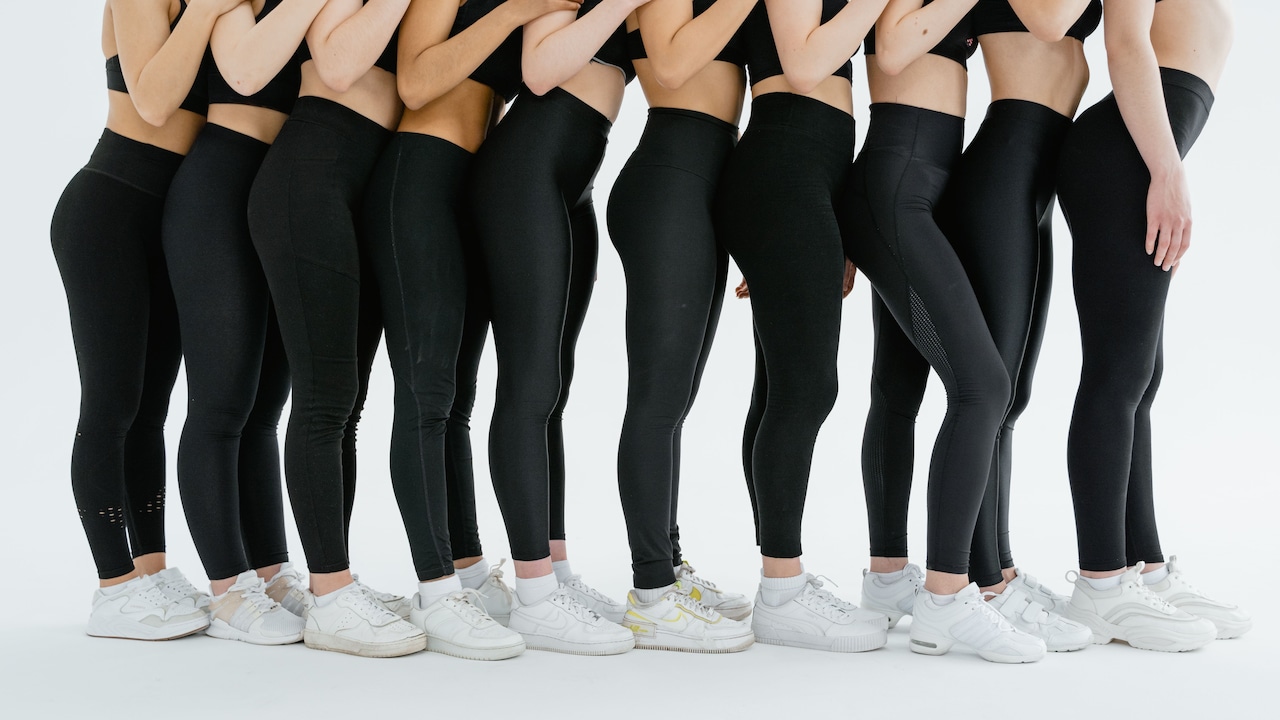
The layers beneath a dress can influence its appearance just as much as the dress itself. Certain underwear fabrics, waistbands and seams create friction that affects how the outer material moves.
For example, a soft satin dress may glide easily over smooth innerwear but catch against textured cotton or lace. Instead of falling naturally, the fabric may gather around the waistband or stomach.
High-waisted underwear can also create a visible horizontal line when its waistband sits beneath thin material. This doesn't necessarily mean the underwear is too tight. The dress may simply be delicate enough to reveal changes in texture underneath.
Shapewear can introduce similar issues if its edges roll, shift or create additional friction.
The solution isn't automatically buying tighter or more restrictive undergarments. Comfortable, well-fitting seamless options may work better with lightweight dresses.
When trying on occasionwear, wearing the type of innerwear intended for the event can prevent surprises later.
A dress should feel comfortable without requiring constant adjustments to the clothing underneath. If changing the inner layer dramatically improves the drape, the original problem may have involved fabric interaction rather than the dress's size.
8. The Cut Creates Extra Fabric Around The Stomach
More fabric doesn't always mean a smoother silhouette. Sometimes, excessive gathers, pleats or poorly positioned panels create extra volume that settles around the stomach.
Consider a dress with several gathers beginning directly below the bust. Although the silhouette looks relaxed, those gathers may concentrate fabric across the upper stomach. The resulting folds can make the material appear to cling or bunch rather than flow.
Pleated dresses can behave similarly. If the pleats open across the front but remain closed elsewhere, the fabric may create an uneven shape.
This doesn't make gathers or pleats unsuitable. Their placement simply matters.
Softly distributed gathers often create a more balanced fall than tightly concentrated ones. Likewise, carefully positioned vertical seams can help guide the fabric downwards.
When shopping, inspect the dress from different angles rather than judging its appearance from the front alone.
A quick walk can reveal whether the fabric moves naturally or collects in one area. Sometimes, choosing a simpler silhouette with fewer decorative folds creates the effortless movement that an elaborately gathered dress struggles to achieve.
9. Humidity And Sweat Make Fabrics Stick During Wear
A dress might hang perfectly in an air-conditioned trial room but behave differently after an afternoon outdoors. Heat, moisture and perspiration can change how fabric interacts with the skin.
When the stomach area becomes slightly damp, lightweight material may temporarily adhere to it. This effect becomes more noticeable with thin fabrics that absorb moisture or trap heat.
A polyester dress, for example, may feel comfortable initially but become clingy during a crowded train journey or a warm outdoor gathering. Certain synthetic fabrics can retain moisture against the skin, depending on their construction and finish.
Breathability makes a difference, although no single fibre guarantees complete comfort in every condition.
Loosely woven cotton, linen blends and suitable viscose fabrics may feel more comfortable during warm weather. However, very thin versions can still cling when damp.
A slightly relaxed fit also allows more airflow between the dress and the skin.
When choosing everyday summer dresses, consider how the material feels after several hours rather than relying entirely on its first impression.
A dress that remains comfortable during movement, sitting and warmer conditions is often more practical than one that looks perfect only in a cool fitting room.
10. The Dress Looks Flowy On The Hanger But Has A Poorly Balanced Pattern
A dress can look beautifully fluid on a hanger because nothing interrupts its downward fall. Once worn, however, the garment must accommodate shoulders, bust, waist, hips and natural movement.
This is where pattern balance becomes important. If the front and back panels don't follow suitable proportions, the dress may shift towards one side or pull upwards around the stomach.
Side seams provide an easy clue. Ideally, they should hang relatively straight without twisting dramatically towards the front or back.
A poorly balanced pattern can also cause the front hem to rise more than intended or make fabric gather beneath the bust.
Sometimes, the issue comes from the garment's construction rather than the design itself. Uneven stitching, distorted seams and inconsistent fabric cutting can interfere with the intended drape.
During a trial, look beyond the mirror's first impression. Walk naturally, raise your arms slightly and sit down.
If the dress constantly needs pulling or rearranging, its proportions may not suit your body comfortably.
A well-constructed dress should accommodate ordinary movement without demanding attention every few minutes. After all, getting dressed shouldn't feel like managing a complicated engineering project.
Why Some Dresses Cling Around The Stomach Even In Flowy Fabrics
Photo Credit: Pexels
Products Related To This Article
1. Aayu Layered Chiffon Party Maxi Dress
2. Roadster Sheath Midi Dress
3. urban cat Floral Print Denim A-Line Midi Dress
4. Mast & Harbour Halter Neck Bodycon Midi Dress
5. Selvia Textured Maxi Dress
6. urban cat Denim A-Line Midi Dress
7. Aayu Georgette Maxi Dress
A flowy dress that clings around the stomach isn't necessarily too small or unsuitable for a particular body shape. Fabric weight, static electricity, lining, stitching and waist placement can all influence how it falls. Even humidity and washing habits can change its behaviour over time. The smartest approach involves paying attention to construction, trying different silhouettes and testing how the garment moves before buying. A comfortable dress shouldn't demand constant pulling, smoothing or adjusting. When the fabric, fit and design work together, even a simple everyday dress can offer the relaxed movement and effortless style that made it appealing in the first place.
(Disclaimer: This article may include references to or features of products and services made available through affiliate marketing campaigns. NDTV Convergence Limited (“NDTV”) strives to maintain editorial independence while participating in such campaigns. NDTV does not assume responsibility for the performance or claims of any featured products or services.)