Why Dresses Ride Up: Real Causes and Dress Styles That Stay Put
Dresses ride up because of friction, fabric, and poor cuts, not your body. Learn what causes it and which dress shapes stay in place all day.

Stop Dresses From Riding Up: The Real Reason It Happens and the Cuts That Don't.
There's a special kind of irritation reserved for dresses that ride up. Not the dramatic, life-changing kind. The smaller, daily kind that slowly eats away at confidence. You step out feeling put together, maybe even a little unstoppable, and then, five minutes later, you're doing the discreet hem tug. Again. And again. And again.
It happens at weddings, in office lifts, at malls, on scooters, and especially when walking fast because you're late. People often blame their body, as if thighs, hips, or curves are “the problem”. They're not. The problem is physics, fabric behaviour, and tailoring choices that don't match real movement.
A dress should work with your body, not fight it. And the good news? Once you understand why riding up happens, you can avoid it without changing your shape, your stride, or your joy.
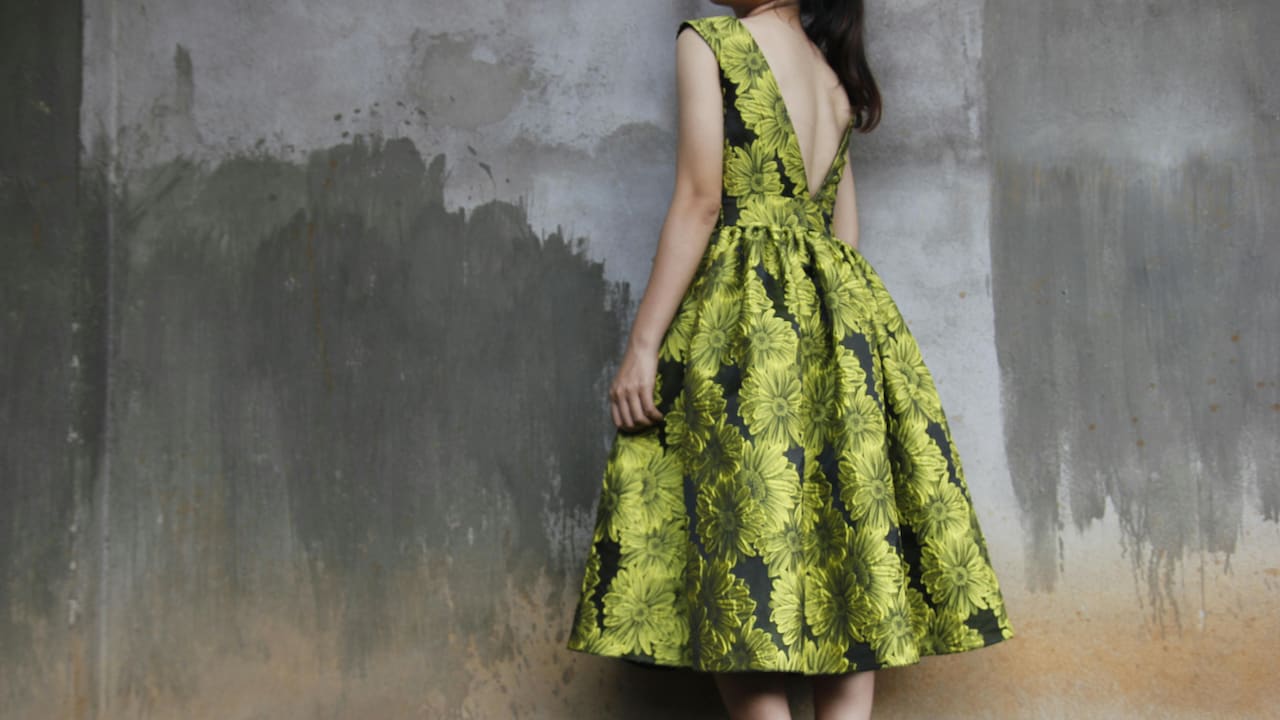
Stop Dresses From Riding Up: The Real Reason It Happens and the Cuts That Don't
Photo Credit: Pexels
Why Your Dress Keeps Creeping Up: And What Actually Works
1) The Real Culprit: Friction, Not “Fit”
Most people assume a dress rides up because it's too tight. Sometimes that's true. But more often, the real culprit is friction. When fabric meets skin, tights, shapewear, or even another fabric layer, it can grip and climb as you move. Walking creates a repeated upward pull, especially around the thighs and hips. The dress doesn't “fall back” because the fabric has already latched on like it's found free accommodation.
This is why some dresses behave perfectly in a trial room and then turn chaotic outside. Air-conditioning, walking pace, humidity, and your natural stride all change how fabric moves. A smooth fabric like satin may glide. A textured one, like crepe, can catch. Stretch blends can cling. Polyester can stick when the weather is warm and slightly sweaty.
It's not a moral failing. It's a materials issue. The body is doing normal body things. The dress is just not designed to handle real life, where people walk fast, sit cross-legged, climb stairs, and dodge puddles.
2) The Hemline Is Innocent, The Hip Cut Isn't
Here's a sneaky truth: the hemline rarely causes the problem. The riding up begins higher, around the hip and upper thigh. When a dress narrows too sharply at the hips, it creates tension. Then every step becomes a small upward yank, like the fabric is trying to escape.
A lot of ready-to-wear dresses are cut with a simplified shape that looks neat on a hanger but doesn't respect how bodies actually move. Hips are not flat. Thighs shift when walking. Even the most “straight” body has movement. If the dress has a narrow hip area, it will cling to the smallest part of your body. That's why it rides up and then sits awkwardly higher, like it's trying to become a tunic.
This is also why some dresses ride up only when walking, not when standing. Standing doesn't test the hip tension. Walking does. The moment your stride opens the fabric, the dress pulls up to relieve pressure. It's not about size alone. It's about proportion and shaping.
3) Stretch Fabric: Comfort That Betrays You
Stretch fabric sounds like the solution. In reality, it can be the biggest traitor in the wardrobe. Stretch dresses often feel comfortable, but the same elasticity that makes them easy to wear can also make them creep upward. The fabric compresses, then rebounds, and that rebound can pull the hem higher over time.
This is especially common in bodycon styles, jersey knits, and ribbed dresses. They cling beautifully when you stand still. Then you walk, and the fabric grips your thighs. Then it starts inching up like it's climbing a ladder one step at a time. Add humidity, and the situation gets worse.
Another issue: stretch dresses often lack structure. Without darts, lining, or strategic seams, the fabric depends entirely on tension to hold shape. That tension is what causes upward movement.
If you love stretch dresses, look for ones with a bit of weight, like thicker ponte knit. They still stretch, but they behave better. Light jersey is the troublemaker that smiles sweetly in the mirror and causes chaos outside.
4) Static Electricity: The Silent Menace
Some dresses don't just ride up. They stick. And when a dress sticks, it also climbs. Static electricity builds up when synthetic fabrics rub against skin or other materials. It's worse in dry indoor air and with certain fabrics like polyester, nylon, and chiffon blends.
This is the kind of problem that makes a dress cling to your thighs like it's emotionally attached. You walk, and it doesn't fall back into place. Instead, it keeps hugging your legs and rising higher.
It's also why some dresses suddenly misbehave after washing. Certain detergents and fabric softeners change how fibres hold charge. You may buy a dress that behaves well once, and then after laundry, it starts acting like it has a personal grudge.
The fix isn't complicated, but the awareness matters. If you constantly struggle with riding up, and the dress is synthetic, static is likely part of the story. A little slip underneath or anti-static spray can change your life more than a “perfect size” ever will.
5) Lining Matters More Than People Admit
A lined dress is not just about luxury. It's about movement. Lining creates a smoother layer that helps the outer fabric glide rather than cling. It reduces friction, stops static, and makes the dress fall back into place after each step.
Unlined dresses, especially in lighter fabrics, tend to cling to the body. They twist. They climb. They settle in the wrong place. And because there's no inner layer to stabilise things, the outer fabric does whatever it wants.
This is why many affordable dresses ride up more often. It's not always poor stitching. It's often the missing lining. A simple inner slip can mimic the effect of lining, and it's one of the most underrated wardrobe tools.
If you've ever worn a dress that felt “effortless” all day, chances are it was lined or made from a fabric that behaved like it was. Comfort isn't just softness. It's also the freedom to move without constantly checking if your hem has migrated north.
6) The Cuts That Don't Ride Up: A-Line and Fit-and-Flare
Some dress shapes are naturally more stable. A-line and fit-and-flare cuts are the gold standard for staying put. They skim the hips instead of gripping them, and they create space for movement. That space is the key. If fabric isn't constantly rubbing against your thighs, it has less reason to climb.
A-line dresses also handle real-life sitting better. When you sit down, the skirt has room to spread without pulling upward. With tighter skirts, sitting creates tension, and tension creates riding up. Fit-and-flare styles avoid that by letting the skirt move independently from the bodice.
These cuts are also forgiving across different body proportions. Whether your hips are narrow or wide, the dress doesn't rely on clinging to hold its shape. It holds shape through structure. That means less tugging, less adjusting, and more confidence.
And yes, they can still look modern. A-line doesn't have to mean “auntie vibes”. A sharp neckline, clean sleeves, and good fabric can make it look crisp, stylish, and grown-up.
7) The Unsung Hero: Wrap Dresses (When Done Right)
Wrap dresses have a reputation for being flattering, but their best feature is often overlooked: adjustability. A proper wrap dress lets you control the fit around the waist and hips, which reduces the tension that causes riding up.
However, not all wrap dresses are created equal. Some are “fake wraps” stitched in place, with no real adjustment. Those can still ride up if the hip area is narrow. A true wrap with enough overlap stays more stable because the fabric can shift slightly without climbing.
Wrap dresses also tend to move with the body instead of fighting it. When you walk, the wrap has flexibility. When you sit, it relaxes rather than pulling upward. That makes it a great choice for long days, travel, and events where you'll be moving around.
One caution: if the fabric is too light or slippery, the wrap may shift in other ways. But in terms of riding up, a well-made wrap is one of the most practical and stylish solutions. It's like the dress version of a friend who actually understands you.
8) Pencil and Bodycon Dresses: The Trick to Wearing Them Without the Tug
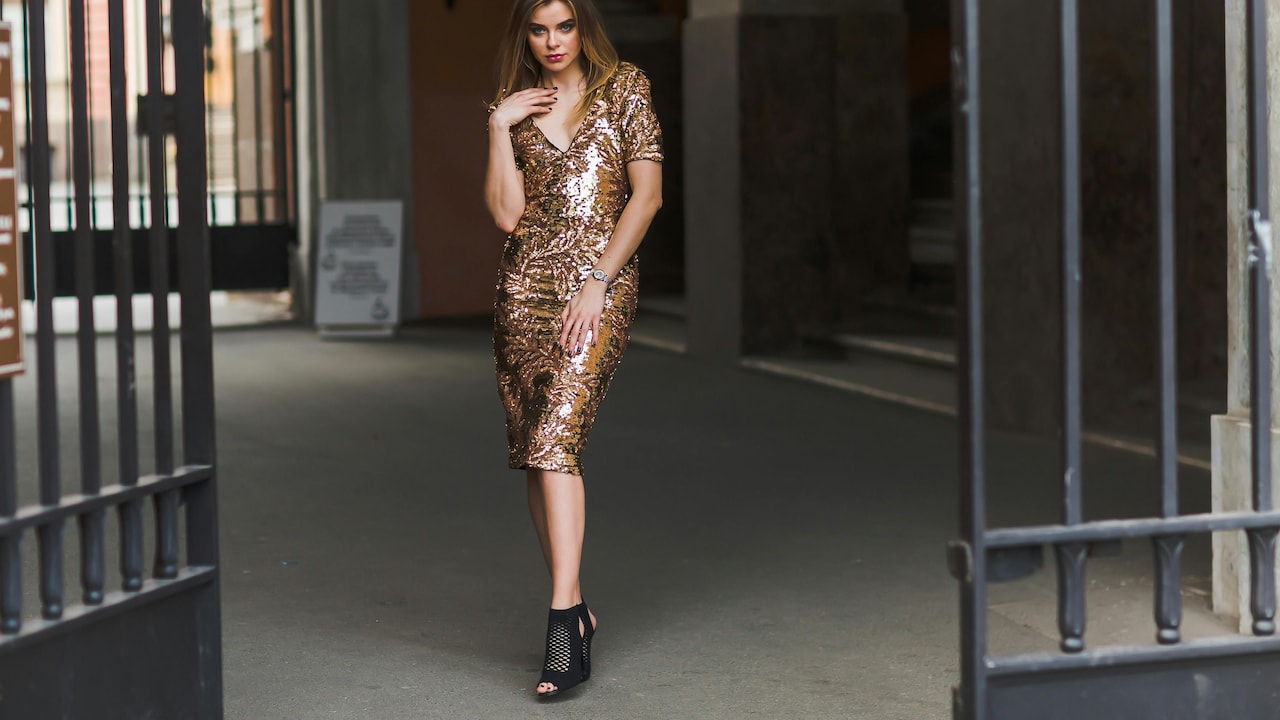
Tighter dresses can work, but they need smart design. The biggest difference between a pencil dress that stays put and one that rides up is the slit and the structure. A pencil dress without a slit forces the fabric to stretch every time you walk. That stretch creates upward pull. A slit gives your legs room to move, so the dress doesn't need to stretch to accommodate your stride.
Another factor is the waist-to-hip ratio in the cut. A good pencil dress uses darts and shaping. A cheap one often relies on stretch alone. Stretch alone equals creeping.
Length also matters. A pencil dress that hits at or below the knee has more “anchor”. A very short bodycon dress has less fabric weight and less stability, so it's easier for it to migrate upward.
This doesn't mean you need to abandon fitted dresses. It just means you need the right kind. Think structure, seams, a slit, and slightly heavier fabric. Otherwise, you'll spend the day adjusting like you're trying to solve a puzzle.
9) The Forgotten Detail: Shoulder and Armhole Fit
Most people focus on hips and thighs, but dresses can ride up from the top, too. If the shoulders are too narrow or the armholes are tight, the dress will pull upward when you move your arms. Lifting your hands to adjust your hair, reach for a bag, or hold onto a metro pole can cause the entire dress to shift upward.
This is why some dresses ride up more in busy, active settings. At home, you're relaxed. Outside, you're constantly moving your arms, paying, carrying, texting, waving at someone you recognised too late. The dress responds by pulling upward because the upper fit doesn't allow enough mobility.
A well-cut dress gives space at the armholes and sits properly on the shoulders. It doesn't pinch. It doesn't pull. It stays in place even when you move.
If a dress rides up but doesn't feel tight at the hips, check the shoulders. It might be the top half quietly causing the drama. Fashion loves drama. Your day doesn't need it.
Stop Dresses From Riding Up: The Real Reason It Happens and the Cuts That Don't
Photo Credit: Pexels
10) The “Stay Put” Shopping Checklist: What to Look for Before Buying
Avoiding ride-up starts before you even buy the dress. The trial room is the best testing ground, but only if you test properly. Standing still in front of a mirror won't reveal anything. Movement will.
When trying on a dress, walk around. Take longer steps. Sit down. Stand up. Raise your arms. Twist slightly. If the hem climbs, it will reveal itself quickly. If the fabric sticks, you'll feel it.
Pay attention to fabric weight. A slightly heavier fabric usually behaves better. Check if it's lined. Look at the seams. Does the dress have darts or shaping, or is it just a tube? Check the slit if it's fitted.
Also, be honest about your day. If you'll be commuting, walking, and sitting a lot, a clingy dress may look great, but behave badly. A dress should match your lifestyle, not just your moment.
The best dresses feel like freedom. Not like a constant negotiation with gravity, friction, and your own patience.
Products Related To This Article
1. Navibhu Relaxed Fit Floral Printed A-Line Pure Cotton Relaxed Work Midi Dress
2. Anayna Red Floral Ethnic A-Line Cotton Midi Ethnic Dress
3. GUDWEARS Floral Print A-Line Midi Dress
4. StyleCast Bodycon Midi Dress
5. Stylum Cream-Coloured & Black Bohemian Print Puff Sleeves Fit & Flare Dress
6. Jompers A-Line Midi Dress
7. The Mom Store Women Maternity Shirt Midi Dress
A dress riding up isn't a “you problem”. It's a design problem. It's fabric that clings, cuts that grip, and construction that ignores how real bodies move through real days. Once you know the reasons, the fix becomes simple: choose shapes that skim rather than squeeze, fabrics that glide rather than grip, and designs that allow movement instead of punishing it.
A-line, fit-and-flare, well-made wrap dresses, lined styles, and structured pencil cuts with slits can save you from the endless tug. And perhaps more importantly, they let you feel present in your day instead of being distracted by your hemline. Because life is already full of small annoyances. A dress shouldn't be one of them.
(Disclaimer: This article may include references to or features of products and services made available through affiliate marketing campaigns. NDTV Convergence Limited (“NDTV”) strives to maintain editorial independence while participating in such campaigns. NDTV does not assume responsibility for the performance or claims of any featured products or services.)