Ethnic Juttis That Lose Shape: Stitching And Sole Construction Explained
Why do juttis lose their shape so quickly? This article breaks down how stitching quality and sole construction impact durability, helping you choose pairs that stay structured and last longer.
Top reasons behind ethnic juttis losing their shape
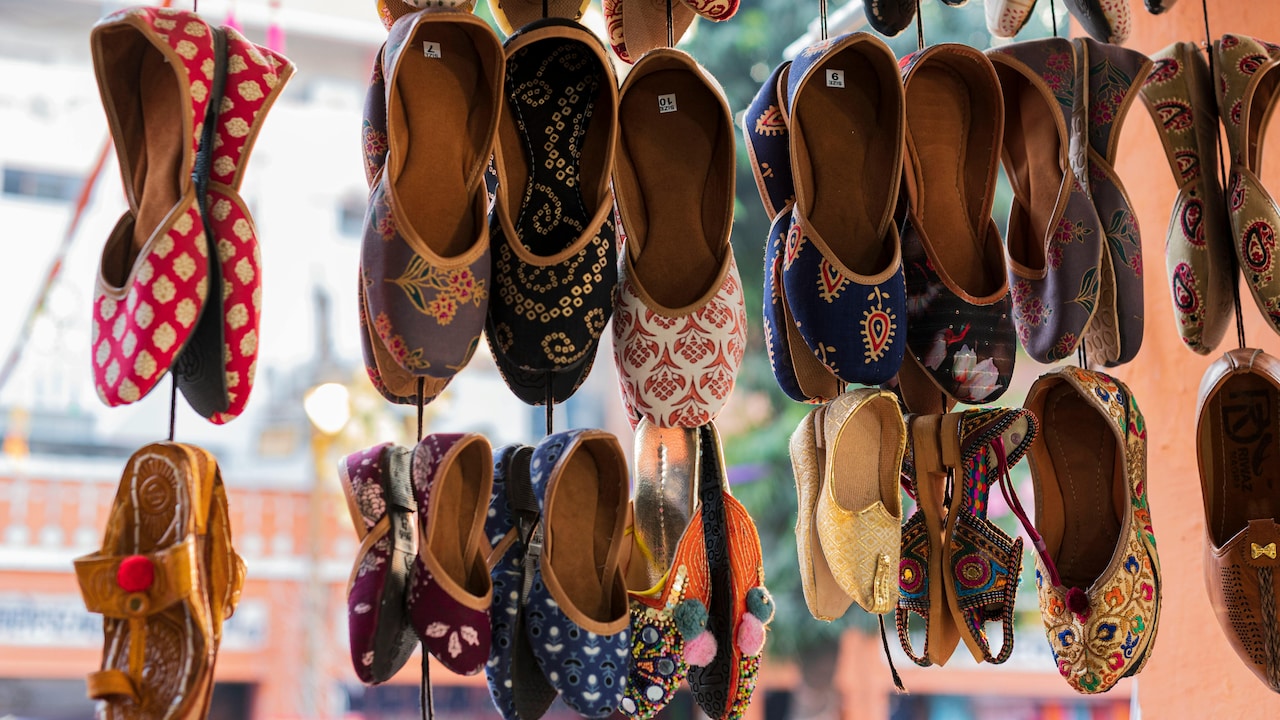
There is something deeply nostalgic about slipping into a pair of juttis. They carry stories of weddings that lasted till sunrise, festive markets buzzing with colour, and wardrobes filled with carefully folded outfits waiting for their moment. Yet, somewhere between the first wear and the fiftieth, many juttis begin to lose their structure. The toe softens, the back collapses, and what once felt regal starts looking slightly weary.
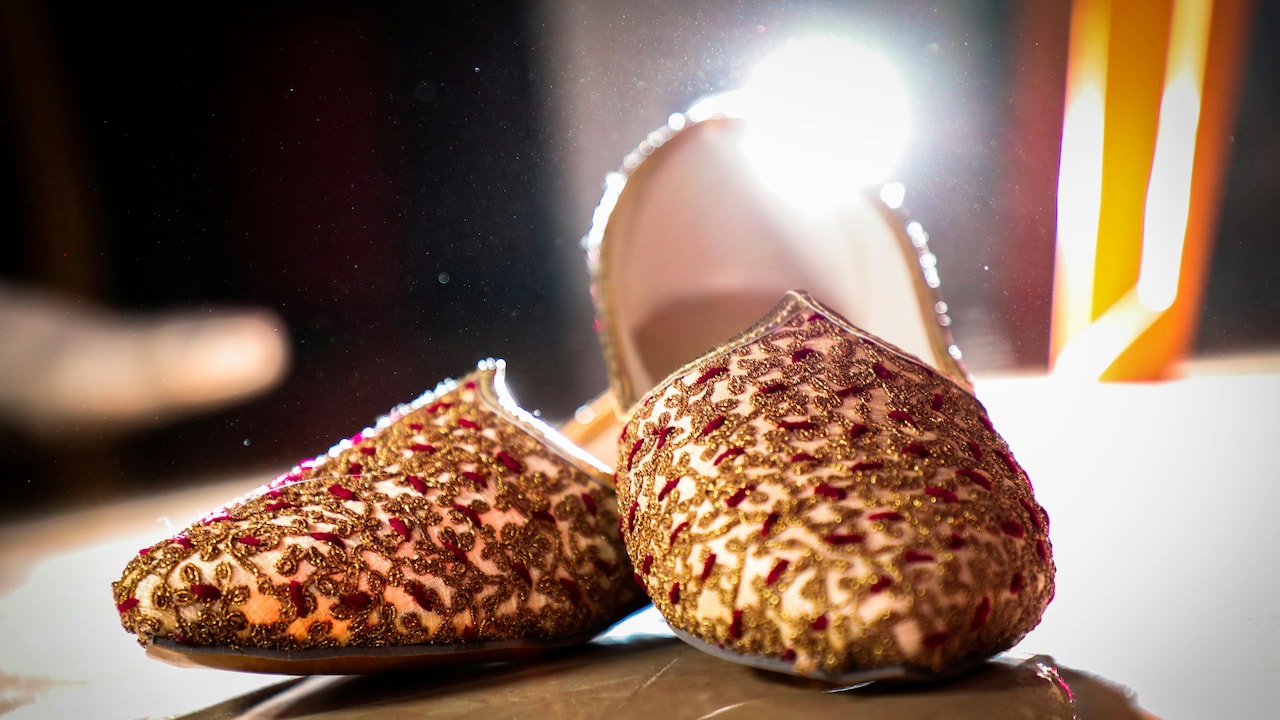
Why do ethnic juttis lose shape; Photo Credit: Pexels
It often feels like a betrayal. After all, juttis are not just footwear; they are keepsakes. But the truth lies not in careless use or bad luck. It lies in how they are made. Stitching patterns, sole construction, and material choices, these quiet, hidden elements that decide whether a pair ages gracefully or gives up too soon.
Understanding these details does not require a degree in craftsmanship. It only needs curiosity and a little attention to the way things are put together. And once that understanding settles in, choosing or caring for juttis becomes a far more satisfying experience.
Also Read: Top 10 Juttis Under ₹1000 That Offer Designer Style And Feel Just Like Comfy Flats
Understanding Why Juttis Lose Their Shape Over Time
The Role Of Upper Stitching In Shape Retention
The upper part of a jutti does most of the visual talking. It carries embroidery, colours, and personality. But beneath the beauty lies the stitching that holds everything together. When this stitching lacks precision, the shape begins to shift sooner than expected.
Many mass-produced juttis rely on quick machine stitching. While this speeds up production and keeps prices around ₹500 to ₹800, it often sacrifices durability. Hand-stitched uppers, on the other hand, create tighter seams that adapt better to movement. The thread tension matters too. Loose stitching allows the material to stretch unevenly, especially around the toe box.
Over time, repeated bending while walking stresses these seams. If the stitching fails to distribute that stress evenly, the upper starts sagging. It may look like the material has weakened, but often the culprit is poor stitching.
A well-stitched upper behaves like a good conversation, balanced, supportive, and consistent. It does not overpower or fall silent; it simply holds everything in place.
Why The Toe Curl Happens
The curled toe, often seen in worn-out juttis, might look like a design quirk gone wrong. In reality, it reflects deeper construction issues. The toe area endures constant pressure with every step, making it the first to show signs of fatigue.
Traditional juttis sometimes feature a slightly upturned toe for aesthetic reasons. However, when the inner reinforcement is weak or absent, this curve exaggerates over time. The leather or fabric loses its stiffness, and the toe begins to fold inward.
Humidity adds another layer to this problem. In coastal cities or during monsoons, moisture softens the material further. Without proper internal support, the toe cannot retain its original form.
A sturdy toe requires more than just thick material. It needs a hidden layer of reinforcement, often made from treated leather or fibre. When that layer is missing, the jutti may look fine on day one but struggles to hold its posture later.
The Importance Of Sole Layering
A jutti's sole does more than protect the foot. It anchors the entire structure. Poor sole layering can cause the upper to lose its alignment, leading to that familiar flattened look.
Quality juttis use multiple layers in the sole. There is usually a base layer for durability, a middle layer for cushioning, and a top layer for comfort. Each layer plays a role in maintaining shape. When manufacturers skip layers to cut costs, the sole becomes too flexible.
This excessive flexibility might feel comfortable initially. Walking feels easy, almost like wearing slippers. But over time, the lack of support allows the upper to stretch and distort.
Think of it like building a house. Without a strong foundation, even the most beautiful design cannot stand tall. The sole acts as that foundation, quietly supporting every step.
Handcrafted Versus Machine-Made Stitching
The charm of handcrafted juttis often comes with a higher price tag, sometimes ranging from ₹1,500 to ₹4,000. Yet, that price reflects more than just artistry. It reflects attention to detail.
Handcrafted stitching adapts to the natural curves of the material. Artisans adjust tension and spacing with each stitch, ensuring even distribution of stress. Machine stitching, while precise in appearance, follows a fixed pattern. It cannot respond to slight variations in material thickness or texture.
This difference becomes evident after a few months of wear. Hand-stitched juttis tend to retain their shape better, while machine-stitched ones may show early signs of distortion.
There is also an emotional element at play. Knowing that a pair has been crafted with care adds a certain warmth. It feels less like a product and more like a piece of tradition carried forward.
The Hidden Impact Of Adhesives
Stitching often gets all the attention, but adhesives quietly hold many parts together. In lower-cost juttis, adhesives sometimes replace proper stitching entirely in certain areas.
Cheap adhesives lose strength with heat and moisture. During summer, when temperatures soar, the glue can soften. This leads to separation between layers, causing the sole to peel or the upper to shift.
Even in well-made juttis, adhesives complement stitching rather than replace it. They provide additional bonding but rely on stitching for long-term stability.
When adhesives fail, the structure weakens from within. The jutti may still look intact from the outside, but subtle changes begin to appear, such as slight warping, uneven edges, or a loose fit.
It is a reminder that what cannot be seen often matters the most.
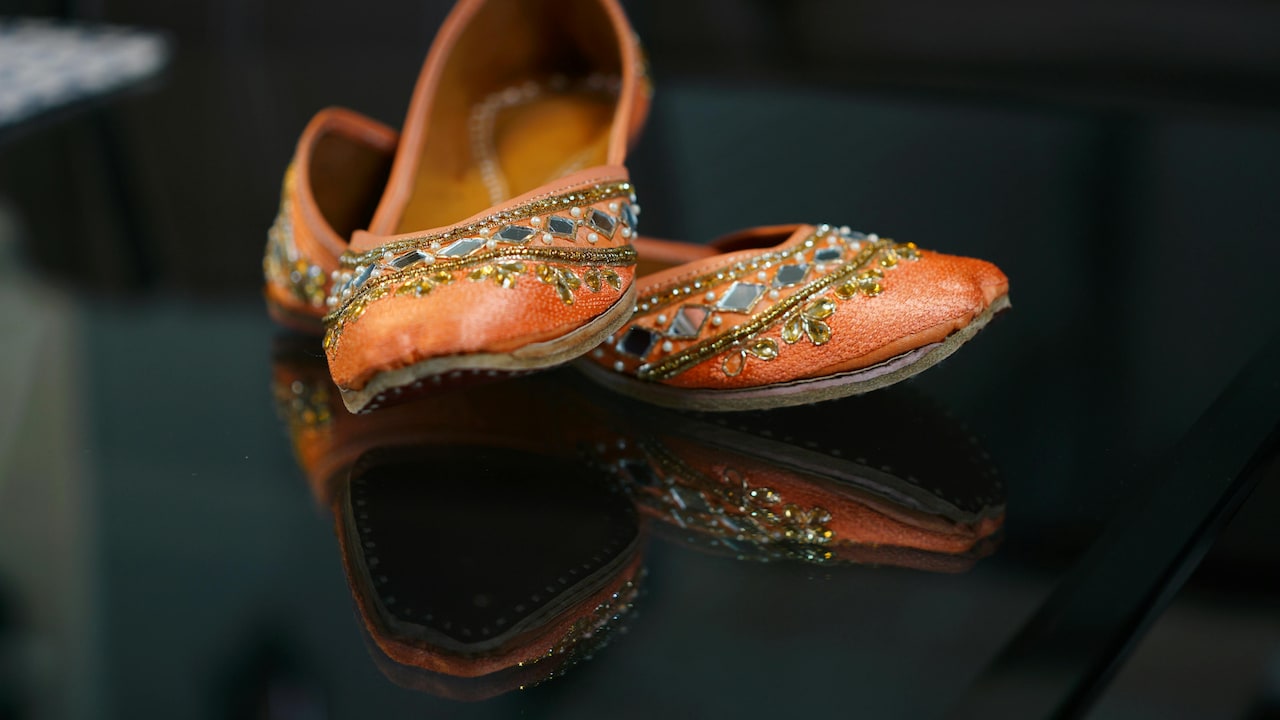
Juttis made with cheap adhesives can lose strength with heat and moisture; Photo Credit: Pexels
Material Choice And Its Influence On Structure
The choice of material plays a defining role in how well a jutti holds its shape. Leather, fabric, and synthetic blends each behave differently over time.
Leather, especially when properly treated, offers excellent shape retention. It moulds to the foot without losing its structure. Fabric-based juttis, while lighter and often more colourful, tend to stretch more easily.
Synthetic materials present a mixed bag. Some high-quality blends perform well, but cheaper versions may crack or deform quickly.
The thickness of the material also matters. Thinner materials may feel soft and comfortable initially, but they lack the resilience needed for long-term use.
A good jutti strikes a balance between comfort and strength. It feels gentle on the feet but stands firm against daily wear.
The Role Of Inner Lining
Inner lining rarely gets the spotlight, yet it influences both comfort and durability. A well-constructed lining supports the upper and prevents excessive stretching.
Poor lining materials can cause friction, leading to discomfort. Over time, they may also tear or compress, reducing the overall stability of the jutti.
High-quality linings use soft yet durable materials that maintain their form. They act as a buffer, absorbing pressure and protecting the outer layer.
When the lining fails, the upper loses its support system. This often results in sagging or uneven stretching.
It is similar to how a good foundation garment enhances the fit of an outfit. The outer beauty depends heavily on what lies beneath.
Environmental Factors And Wear Patterns
Even the best-constructed juttis face challenges from the environment. Dust, heat, and moisture all contribute to wear and tear.
Walking on uneven surfaces puts additional stress on certain areas, especially the heel and toe. Over time, this uneven pressure affects the overall shape.
Monsoon seasons introduce moisture that softens materials and weakens adhesives. Summer heat, on the other hand, can dry out leather, making it prone to cracking.
Regular care can slow down these effects. Simple habits like storing juttis in a dry place or using shoe trees can make a noticeable difference.
Footwear, much like clothing, responds to how it is treated. A little attention goes a long way.
The Economics Of Craftsmanship
Price often influences expectations. A ₹600 pair may not promise the same longevity as one priced at ₹2,500. Yet, understanding what drives these differences helps in making better choices.
Lower-priced juttis often use cost-cutting measures, fewer sole layers, cheaper adhesives, and minimal stitching. These choices reduce production costs but also impact durability.
Higher-priced options invest in better materials and skilled labour. The result is a product that not only looks good but also lasts longer.
This does not mean every expensive pair guarantees quality. It simply highlights the importance of knowing what to look for.
A thoughtful purchase feels different. It carries the quiet satisfaction of choosing wisely.
Maintenance And Longevity
Even the finest juttis need care. Regular cleaning, proper storage, and occasional conditioning can extend their life significantly.
Avoiding excessive exposure to water helps preserve both material and stitching. Using shoe inserts can maintain shape when the juttis are not in use.
Rotating between pairs also reduces wear on any single pair. It gives the material time to recover and retain its form.
Maintenance does not require elaborate routines. Simple, consistent care keeps juttis looking fresh and structured.
It is a small effort that pays off every time the pair is worn again.
Products Related To This Article
1. M.K ART & JEWELS Traditional Embroidered Jutti for Festive & Party Wear, Floral Threadwork Flats Slip On For Women (Multicolor , 8)
2. M.K ART & JEWELS Floral Embroidery Jutti | Handcrafted Ethnic Mojari | Wedding & Festive Wear Slip On For Women (Multicolor , 7)
4. albela Ethnnic Embroidred Juti And Mojari Jutis For Women (Black , 9)
5. The Moon Multicolor Floral Embroidered Traditional Juttis Slip On Sneakers For Women (Multicolor, White , 8)
Juttis hold a special place in wardrobes and memories alike. They blend tradition with everyday style, offering a unique charm that few other footwear options can match. Yet, their beauty often hides the technical details that determine how well they age.
Stitching, sole construction, material choice, and even environmental factors all play their part. When these elements come together thoughtfully, a jutti retains its shape and elegance over time. When they fall short, the signs of wear appear sooner than expected.
Understanding these aspects transforms the way juttis are chosen and cared for. It turns a simple purchase into an informed decision and a fleeting trend into a lasting companion.
And perhaps, the next time a pair begins to soften or curl, it will not feel like a disappointment. Instead, it will feel like a quiet lesson in craftsmanship, one that makes the next choice even better.
(Disclaimer: This article may include references to or features of products and services made available through affiliate marketing campaigns. NDTV Convergence Limited (“NDTV”) strives to maintain editorial independence while participating in such campaigns. NDTV does not assume responsibility for the performance or claims of any featured products or services.)