Why Some Branded Polo T-Shirts Lose Shape After Washing And Tips To Maintain Fit
Many branded polo T-shirts lose their shape after a few washes due to fabric quality, washing habits, and drying methods. Learn why this happens and discover simple tips to keep your polos looking sharp for longer.

Know why branded polo shirts lose their shape and how to prevent it easily.
Few wardrobe staples balance comfort and style as well as a polo T-shirt. It sits comfortably between casual and semi-formal, making it perfect for everything from relaxed Fridays at work to weekend brunches. A well-fitted polo instantly sharpens an outfit. Pair it with chinos or denim, and the look feels polished without trying too hard.

10 common reasons that can make polo shirts lose their shape; Photo Credit: Pexels
However, many people share the same complaint. A polo that looked fantastic in the store begins to lose structure after a few washes. The fabric softens too much, the collar refuses to sit properly, and the shirt gradually looks tired. The frustration grows stronger when the polo comes with a premium price tag of ₹2,000 or more.
Several factors explain this problem. Fabric composition, manufacturing techniques, washing habits, and even storage choices play a role. Branded clothing does not automatically guarantee long-term durability. Marketing often focuses on style, logos, and seasonal trends rather than long-lasting structure.
Fortunately, keeping polos in good shape does not require complicated care routines. A few thoughtful habits can dramatically extend their lifespan. Understanding the reasons behind shape loss helps build smarter laundry and wardrobe habits. The result: polos that stay crisp, structured, and ready to wear far longer than expected.
Also Read: Polo Shirt Collar Curling Up? Here Are Our Top 8 Picks That Will Stay Sharp
What Causes Branded Polo T-Shirts To Lose Their Fit Over Time
Fabric Quality Often Determines Longevity
Fabric sits at the heart of a polo's ability to retain shape. Many branded polos use cotton pique, a textured knit that offers breathability and a slightly structured feel. When the cotton fibres remain strong and tightly woven, the shirt holds its form even after multiple washes.
However, not all cotton behaves the same way. Some brands use short-staple cotton fibres to reduce production costs. These fibres break down faster when exposed to friction and heat. As the fibres weaken, the knit loosens, and the fabric begins to sag.
Premium fabrics such as combed cotton or long-staple cotton resist this problem better. They maintain elasticity and strength, which helps the shirt bounce back to its original shape. Unfortunately, brand labels rarely highlight fibre quality clearly. The logo might look premium, yet the fabric may not match the price tag.
Blended fabrics sometimes perform better than pure cotton. A small percentage of elastane or polyester adds resilience and reduces stretching. This blend helps the shirt maintain its structure after repeated washes.
Before purchasing a polo, touching the fabric reveals plenty. A slightly thicker, firm knit usually indicates durability. Thin or overly soft fabrics may feel comfortable in the store, but often struggle to survive frequent washing cycles.
Poor Stitching Can Cause Structural Distortion
A polo's shape does not depend on fabric alone. Stitching also plays a crucial role in maintaining structure. Even high-end labels occasionally compromise on construction when producing garments at scale.
Weak stitching allows certain sections of the shirt to stretch unevenly. The shoulders may widen, the sleeves may twist, or the collar might start to curl awkwardly. Once the stitching loosens, restoring the original shape becomes difficult.
The collar area often suffers the most. Polo collars contain multiple fabric layers and require precise stitching to maintain firmness. If the stitching lacks strength, the collar begins to collapse after washing. That classic crisp polo look slowly disappears.
Another common issue involves side seams. When seams shift during washing, the shirt loses its symmetrical structure. The result looks subtle at first, but becomes obvious over time.
A quick inspection before purchase can reveal construction quality. Straight seams, tight stitching, and reinforced collars often indicate careful manufacturing. A well-constructed polo may cost ₹500 more, yet it can last twice as long.
Clothing durability rarely appears in advertisements, but it remains one of the most important factors behind a garment's long-term performance.
Heat From Washing Machines Weakens Fibres
Modern washing machines offer convenience, but heat often becomes the hidden villain behind shrinking or stretching polos. Many people prefer warm or hot wash cycles because they remove stains more effectively. Unfortunately, heat also weakens cotton fibres.
When exposed to high temperatures, cotton fibres expand and lose their natural tension. After cooling, the fibres rarely return to their original structure. The fabric gradually loosens, which leads to sagging around the shoulders and torso.
Frequent hot washes accelerate this damage. Even premium polos struggle to survive repeated exposure to high heat. Over time, the once-firm knit becomes limp.
Cold water provides a safer alternative. It cleans everyday dirt effectively while preserving fibre strength. Mild detergents also reduce damage during washing.
Many clothing labels recommend cold washes, yet these instructions often go unnoticed. Following them carefully helps maintain fabric integrity.
Think of it as preventive care. A polo washed gently in cold water retains its structure far longer than one subjected to aggressive wash cycles. The difference becomes visible after just a few months of regular wear.
Overloading The Washing Machine Distorts Fabric
Laundry day often involves squeezing as many clothes as possible into a single wash. While this habit saves time, it creates serious stress on garments.
When the washing drum becomes overcrowded, clothes rub aggressively against each other. This friction stretches delicate knit fabrics such as polos. The collar and sleeve edges suffer the most because they experience repeated twisting during the cycle.
Imagine several damp T-shirts tangled together while spinning rapidly. The constant pulling and tugging gradually distorts the garment's structure. Over time, the shirt loses its original fit.
Overloading also prevents proper rinsing. Detergent residues remain trapped in fibres, which stiffens the fabric and weakens its elasticity.
A slightly smaller laundry load dramatically reduces this damage. Clothes move more freely inside the drum, which minimises friction. The washing process becomes gentler and more effective.
Treating clothing with a little extra care during washing may feel inconvenient at first. Yet the reward appears in the form of polos that continue looking well-fitted months later.
High Spin Cycles Stretch The Knit Fabric
Spin cycles remove water quickly, but excessive spinning places enormous strain on knit garments. Polo T-shirts rely on flexible knitted fabric rather than rigid woven fabric. While this knit offers comfort and stretch, it also becomes vulnerable under strong mechanical force.
High spin speeds twist the fabric aggressively. The collar bends, the placket stretches, and the sleeves may lose alignment. Once these distortions occur repeatedly, the polo gradually develops a warped appearance.
Many washing machines default to high spin settings. While this works well for heavy fabrics like denim or towels, lighter knit garments struggle under the same conditions.
Reducing the spin speed makes a noticeable difference. A gentler cycle preserves the garment's structure while still removing enough water for efficient drying.
Some people prefer hand-washing polos for this reason. Hand washing eliminates harsh spinning and keeps the fabric relaxed.
Even when using a machine, adjusting spin settings requires only a few seconds. This small habit significantly improves the lifespan of well-loved polos.
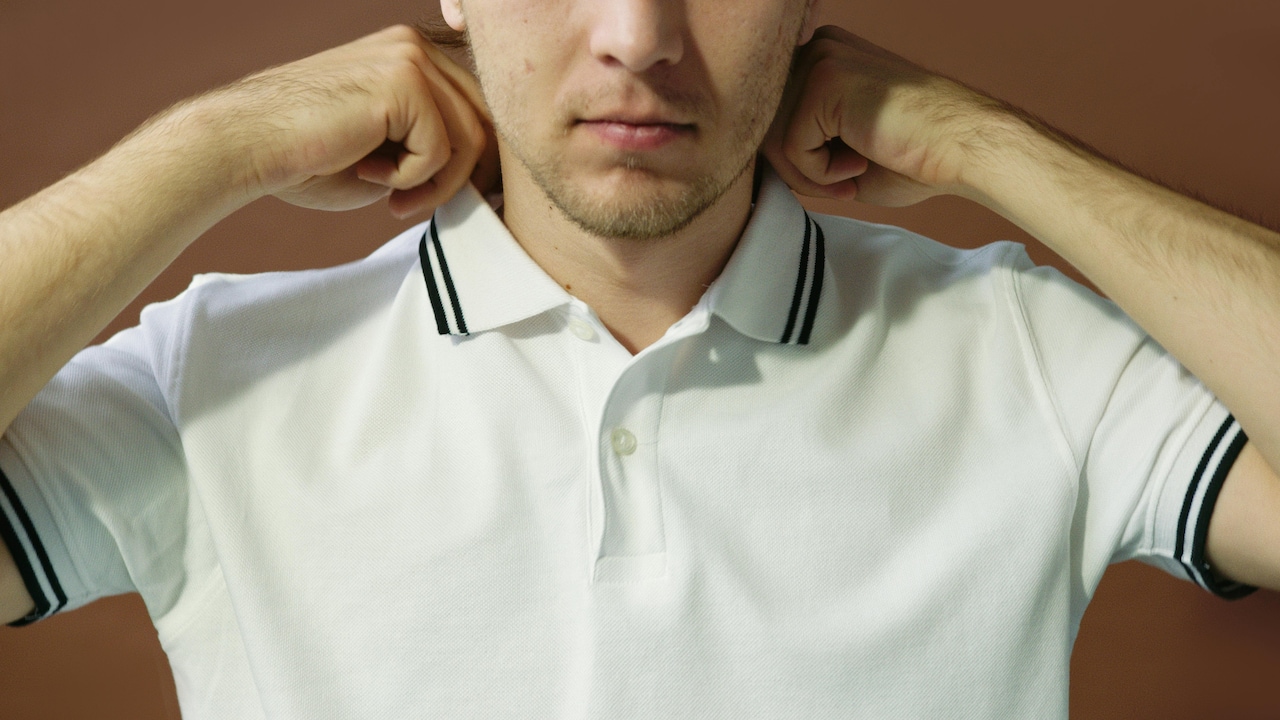
Using a high speed during spin cycles can also damage the fabric and fit; Photo Credit: Pexels
Cheap Interlining Makes Collars Lose Shape
The collar defines the entire personality of a polo T-shirt. A firm collar frames the neckline and gives the shirt its polished look. When the collar collapses, the whole garment begins to look tired.
Inside the collar sits an interlining layer. This hidden material provides structure and helps the collar maintain stiffness. Unfortunately, many mass-produced polos use low-quality interlining.
Cheap interlining softens quickly after exposure to water and detergent. Once it weakens, the collar starts curling at the edges. Ironing may temporarily fix the problem, but the effect rarely lasts.
Higher-quality polos use durable interlining that withstands repeated washing. The collar remains crisp and structured even after months of use.
Consumers often overlook this detail while shopping. The focus usually falls on logos, colours, or seasonal designs.
A simple trick helps identify better collars. Gently pinch the collar between fingers. If it feels firm and structured, the interlining likely offers decent quality. If the collar feels flimsy, shape loss may occur sooner than expected.
Harsh Detergents Gradually Break Down Fibres
Detergents promise spotless clothes, but strong chemical formulas sometimes damage delicate fabrics. Many heavy-duty detergents contain enzymes and bleaching agents designed to remove stubborn stains.
While these chemicals work effectively on dirt, they also weaken cotton fibres over time. Each wash slightly erodes the fibre surface. Eventually, the knit loosens, and the polo loses its original form.
Mild detergents offer a safer option for everyday clothing. They clean effectively without attacking the fibre structure. Liquid detergents also dissolve more evenly, reducing residue buildup.
Another overlooked factor involves detergent quantity. Pouring excessive detergent into the machine does not improve cleaning. Instead, it leaves residues that stiffen the fabric and reduce flexibility.
Following recommended detergent measurements preserves both fabric and colour. Clothes remain soft, comfortable, and structurally stable.
Small changes in detergent choice can extend the life of a polo by several months, which makes a noticeable difference for garments that cost ₹1,500 or more.
Drying Methods Play A Major Role
Drying often causes more damage than washing itself. Many households rely on dryers or direct sunlight for convenience. Both methods can distort polo fabrics when used incorrectly.
High dryer heat shrinks cotton fibres and weakens the knit structure. The collar may twist, and the shirt may lose its tailored fit. Repeated exposure accelerates this problem.
Direct sunlight creates a different challenge. Intense heat stiffens fibres and fades colours. Dark polos suffer from particularly visible fading.
Air drying offers the safest solution. Laying the polo flat on a drying rack allows the fabric to maintain its natural shape. Hanging it carefully also works well if the shoulders receive proper support.
Some people use thin hangers, which stretch the shoulder area. A broader hanger distributes weight evenly and prevents distortion.
Drying may appear like a routine chore, yet the chosen method greatly influences how long a polo maintains its structure and appearance.
Storage Habits Affect Long-Term Shape
Even after proper washing and drying, poor storage can undo all that care. Many wardrobes squeeze shirts tightly together. Over time, this pressure causes collars to fold awkwardly and fabrics to crease permanently.
Stacking polos neatly helps maintain their shape. Folding them properly protects the collar and shoulder seams. Hanging them also works well if sturdy hangers support the shoulders.
Another common mistake involves leaving damp clothes in the wardrobe. Moisture weakens fibres and encourages unpleasant odours. Proper drying before storage prevents this issue.
Seasonal clothing storage also deserves attention. When packing polos away for months, breathable fabric bags protect them from dust while allowing airflow.
These habits may sound small, yet they significantly influence how garments age. A well-stored polo continues looking fresh even after months of limited use.
Buying Smart Prevents Disappointment
Sometimes the best solution begins before the purchase itself. Smart buying decisions reduce the chances of shape loss later.
Price alone does not guarantee quality. A polo priced at ₹3,000 may still use mediocre fabric or weak stitching. Examining fabric thickness, collar structure, and stitching often reveals more than brand reputation.
Trying the shirt on also matters. A polo that fits well without excessive stretching maintains its shape more easily. Tight fits place constant stress on the fabric, which accelerates wear.
Checking the care label provides useful clues as well. Brands that recommend delicate washing often use more sensitive fabrics.
Choosing timeless colours and durable fabrics ensures longer usage. Instead of buying several trendy polos each season, investing in a few well-made pieces often proves more practical.
Clothing purchases become more satisfying when they combine style, durability, and comfort.
Products Related To This Article
1. encore by INVICTUS Men Maroon Solid Polo Collar T-shirt
2. Flying Machine Polo Collar Abstract Printed T-shirt
3. Pepe Jeans Slim Fit Polo Collar Pure Cotton T-shirt
4. MONTCLAIR Men 2 Polo Collar T-shirt
5. WILD COPS Men Striped Polo Collar T-shirt
Polo T-shirts remain one of the most versatile garments in modern wardrobes. They deliver effortless style and everyday comfort in equal measure. However, maintaining their shape requires more attention than many people realise.
Fabric quality, stitching strength, washing habits, drying methods, and storage practices all influence how long a polo retains its original fit. Even premium brands cannot survive careless laundry routines.
Fortunately, preserving a polo's structure does not require complicated steps. Cold washing, gentle spin cycles, mild detergents, and thoughtful drying methods make a noticeable difference. Smart purchasing decisions also help avoid disappointment later.
A well-cared-for polo can easily stay sharp for years. The collar stands firm, the fabric holds its shape, and the overall look remains crisp. With a few mindful habits, favourite polos continue looking just as confident as the day they first entered the wardrobe.
(Disclaimer: This article may include references to or features of products and services made available through affiliate marketing campaigns. NDTV Convergence Limited (“NDTV”) strives to maintain editorial independence while participating in such campaigns. NDTV does not assume responsibility for the performance or claims of any featured products or services.)