Why Some Satin Dresses Wrinkle Instantly, And The Better Alternatives That Stay Smooth Longer
Satin dresses look elegant, but wrinkle far too quickly. Discover why this happens and explore smoother fabric alternatives that keep their shine and structure throughout long celebrations.
Why Satin Dresses Wrinkle Fast - And Better Fabric Alternatives That Stay Smooth Longer.
Satin carries a reputation for effortless glamour. The smooth surface catches the light beautifully, which explains why satin dresses dominate evening wear, cocktail outfits, and festive wardrobes. From engagement parties to late-night celebrations, the fabric often appears on racks in boutiques across malls and high streets.
However, satin comes with a quiet drawback. Many satin dresses wrinkle far too easily. A short car ride, a few minutes of sitting, or even careful folding inside a wardrobe can leave visible creases. For anyone preparing for a long event, that becomes frustrating. Nobody wants to keep searching for a steamer during a celebration.
The reason lies not only in the fabric itself but also in how satin is produced. Satin is a weave rather than a fibre. Manufacturers can create satin using silk, polyester, acetate, or blends. Each variation behaves differently. Some hold their structure beautifully, while others crease the moment someone sits down.
Understanding the science behind satin reveals why some dresses crease instantly while others remain smooth throughout the evening. More importantly, several fabrics offer the same glossy elegance with far better wrinkle resistance. Exploring these options helps shoppers invest wisely and enjoy style without constant fabric anxiety.
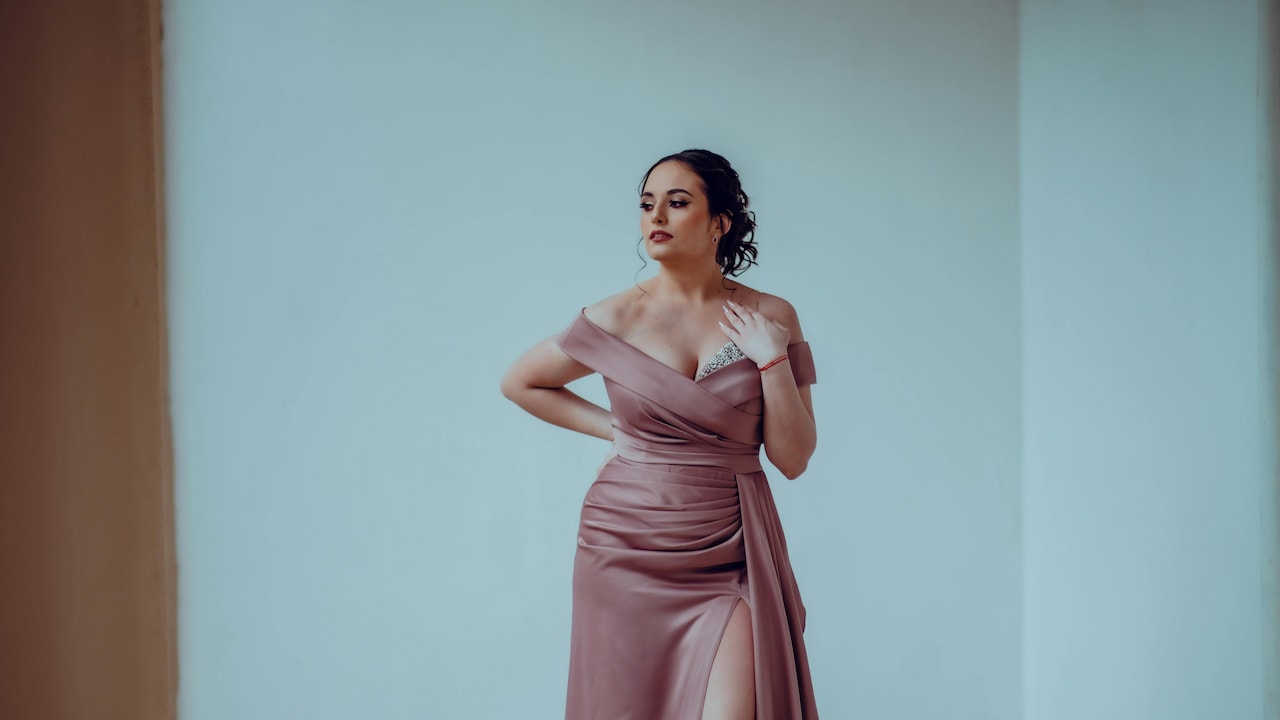
Why Some Satin Dresses Wrinkle Instantly And The Better Alternatives That Stay Smooth Longer
Photo Credit: Pexels
Understanding Why Satin Dresses Wrinkle And What Works Better
The Satin Weave Creates Beauty But Also Vulnerability
The word satin refers to a weaving technique rather than a specific fibre. This weave allows threads to float across the fabric surface before interlacing. As a result, fewer interruptions appear on the top layer, creating that signature glossy finish that looks luxurious under light.
Yet that same structure creates a weakness. The long floating threads shift easily when pressure occurs. Sitting, leaning against a chair, or folding the dress inside a suitcase pushes those threads slightly out of alignment. Even minor movement leaves visible lines that look like wrinkles.
Traditional silk satin suffers the most from this problem. The fibres feel delicate and respond quickly to pressure or heat. Synthetic satin behaves slightly better, though the weave still allows creases to form faster than in tightly woven fabrics.
A familiar scenario illustrates this perfectly. Imagine wearing a satin dress to a reception in a banquet hall. The moment someone sits down for dinner, the fabric around the waist and hips begins to crease. Standing up later reveals faint horizontal lines that refuse to disappear without steam.
This delicate balance between beauty and structure explains why satin dazzles on the hanger yet struggles during long events.
Low Fabric Density Encourages Creasing
Another reason behind wrinkling lies in fabric density. Many affordable satin dresses use thinner yarns to reduce production costs. While the surface still looks glossy, the fabric lacks the internal strength needed to maintain shape.
Low-density satin bends easily under body weight. The threads shift permanently when pressure continues for several minutes. Once those fibres move, wrinkles appear and remain until heat or moisture relaxes the weave again.
Consider the experience of wearing a satin slip dress during a long evening function. After sitting through speeches, dinner, and conversations, the fabric around the waistline begins to look slightly crumpled. Even careful movement fails to restore the smooth finish.
Higher-density satin performs better because the threads pack closer together. The weave holds its position more firmly, reducing the chance of deep creases. Unfortunately, such quality fabrics often come with higher price tags, sometimes touching ₹7,000 or more for a well-constructed dress.
Budget versions may cost ₹1,500 or ₹2,000 but often wrinkle within minutes. Understanding this difference helps shoppers recognise that the sheen alone does not guarantee durability.
Pure Silk Satin Is Luxurious But Extremely Delicate
Silk satin sits at the top of the luxury ladder. The texture feels buttery soft, the shine looks natural, and the drape falls beautifully along the body. Designers often favour it for bridal wear and premium evening dresses.
Yet silk satin wrinkles almost instantly. Natural silk fibres remain extremely fine and flexible. That softness allows the fabric to flow elegantly, but it also means the fibres bend easily under pressure.
A short ride in an auto, a seat at a dinner table, or even leaning slightly forward during conversation can leave visible creases. In humid climates, the fabric may wrinkle even faster because moisture softens silk fibres further.
Many boutique owners quietly recommend carrying a portable steamer when wearing silk satin for long events. Without it, the dress may lose its polished appearance within an hour.
Despite its delicate nature, silk satin remains popular because of its undeniable beauty. Still, shoppers searching for practicality often prefer alternatives that mimic the shine while offering stronger wrinkle resistance.
Polyester Satin Looks Similar But Behaves Differently
Polyester satin dominates most ready-to-wear collections. Manufacturers favour it because the synthetic fibres cost less, resist damage, and maintain colour vibrancy for longer.
Unlike silk, polyester fibres possess more structural rigidity. This property helps polyester satin resist wrinkles slightly better. However, the satin weave still leaves the surface prone to creasing.
The difference becomes noticeable during long gatherings. Polyester satin may develop softer creases instead of deep wrinkles. With gentle smoothing by hand, the lines sometimes fade.
Another advantage lies in easier maintenance. Polyester satin handles washing and steaming without the fragility associated with silk. Dresses priced between ₹2,500 and ₹5,000 often use this fabric.
Yet the synthetic shine can appear slightly sharper under strong lighting. Some people prefer the subtler glow of silk or blended fabrics. Even so, polyester satin remains a practical compromise between glamour and durability.
For anyone attending a long celebration where sitting, dancing, and movement occur frequently, polyester satin generally performs better than pure silk versions.
Satin Blends Offer Greater Stability
Blended satin fabrics combine fibres such as polyester, elastane, or viscose to improve durability. These blends maintain the satin sheen while introducing additional strength to the weave.
Elastane, for instance, adds flexibility. The fabric stretches slightly rather than forming sharp creases. After movement, the material gently returns to its original shape.
Viscose blends improve drape while increasing density. The threads sit closer together, which prevents the long floats from shifting excessively. This structure dramatically reduces wrinkling during extended wear.
Many modern dresses sold in designer boutiques use these blends because they balance elegance with practicality. Prices typically range from ₹4,000 to ₹9,000 depending on the brand and finishing.
Such fabrics also travel better. Packing a satin blend dress inside a suitcase often results in fewer creases compared with pure satin. A quick shake usually restores the smooth surface.
For shoppers seeking the glossy charm of satin without constant worry about wrinkles, blended fabrics offer a reliable middle ground.
Charmeuse Satin Wrinkles Less Than Traditional Satin
Charmeuse satin deserves special mention because it behaves differently from standard satin. The weave creates a glossy front surface and a matte back, but the thread structure remains slightly tighter.
This tighter weave provides better resistance to wrinkles. While charmeuse still creases under heavy pressure, the lines usually appear softer and less noticeable.
Fashion designers often choose charmeuse for slip dresses and evening gowns that require graceful draping. The fabric hugs the body gently without looking stiff.
During long dinners or social gatherings, charmeuse tends to recover faster than regular satin. Standing and smoothing the fabric with the palm can remove minor wrinkles.
Prices for charmeuse garments vary widely depending on fibre composition. Synthetic versions may cost around ₹3,000, while silk charmeuse dresses may exceed ₹10,000 in designer stores.
The key advantage lies in appearance. Charmeuse retains the luxurious shine associated with satin but offers slightly better resilience. For anyone who loves the satin look yet dislikes constant creasing, this variation provides a promising alternative.
Crepe Satin Combines Shine With Structure
Crepe satin represents another clever variation designed to minimise wrinkles. The fabric features a satin finish on one side and a lightly textured crepe surface on the other.
This dual structure increases fabric stability. The twisted yarns used in crepe weaving create internal tension that helps the material hold its shape. As a result, the fabric resists creasing more effectively than traditional satin.
Designers often use crepe satin for dresses that require both shine and structure. The fabric flows beautifully yet maintains enough firmness to prevent excessive wrinkling.
At long celebrations where guests sit frequently, crepe satin tends to perform remarkably well. The surface may develop slight folds, but these usually relax once the wearer stands up.
Garments made from crepe satin often fall within the ₹5,000 to ₹12,000 range, depending on tailoring and brand positioning. Although slightly more expensive than basic satin, the durability justifies the price.
For anyone searching for a balance between elegance and practicality, crepe satin quietly solves many of the problems associated with classic satin dresses.
Stretch Satin Handles Move Better
Stretch satin includes elastane fibres woven into the fabric. This small addition changes the behaviour of the material dramatically.
When pressure occurs, the fabric stretches rather than folding sharply. Once the pressure disappears, the fibres bounce back into place. This elasticity significantly reduces permanent wrinkles.
Stretch satin also improves comfort. The dress adapts to body movement, making it ideal for long evenings that involve sitting, standing, and dancing.
Many contemporary evening dresses incorporate this fabric because it allows designers to create fitted silhouettes without sacrificing durability. The shine remains similar to regular satin, though the texture feels slightly thicker.
Prices for stretch satin dresses vary widely depending on brand reputation and tailoring quality. Ready-to-wear versions may begin around ₹3,500, while designer pieces can cross ₹15,000.
Despite the higher cost, the fabric offers a major advantage. It keeps the elegant satin appearance intact throughout an event, reducing the need for constant adjustments or steaming.
Satin Alternatives That Stay Smooth For Hours
Several fabrics mimic the elegant glow of satin while resisting wrinkles far more effectively. One popular option is satin-backed crepe, which hides the glossy surface inside while the crepe exterior remains crease-resistant.
Another favourite among designers is silk-blend twill. The weave holds fibres firmly in place, preventing the long, floating threads that cause satin to wrinkle. The finish appears softer but equally refined.
Velvet also deserves attention. Although not identical in shine, the rich texture absorbs light beautifully and rarely develops visible creases. Many festive dresses use velvet during winter celebrations because the fabric maintains a polished appearance throughout the night.
Modern synthetic fabrics such as triacetate satin also offer impressive wrinkle resistance. These materials maintain the lustrous look of satin but recover quickly from pressure.
Shoppers exploring boutiques often notice these fabrics in dresses priced between ₹4,000 and ₹12,000. While slightly costlier than basic satin garments, they deliver far better performance during long events.
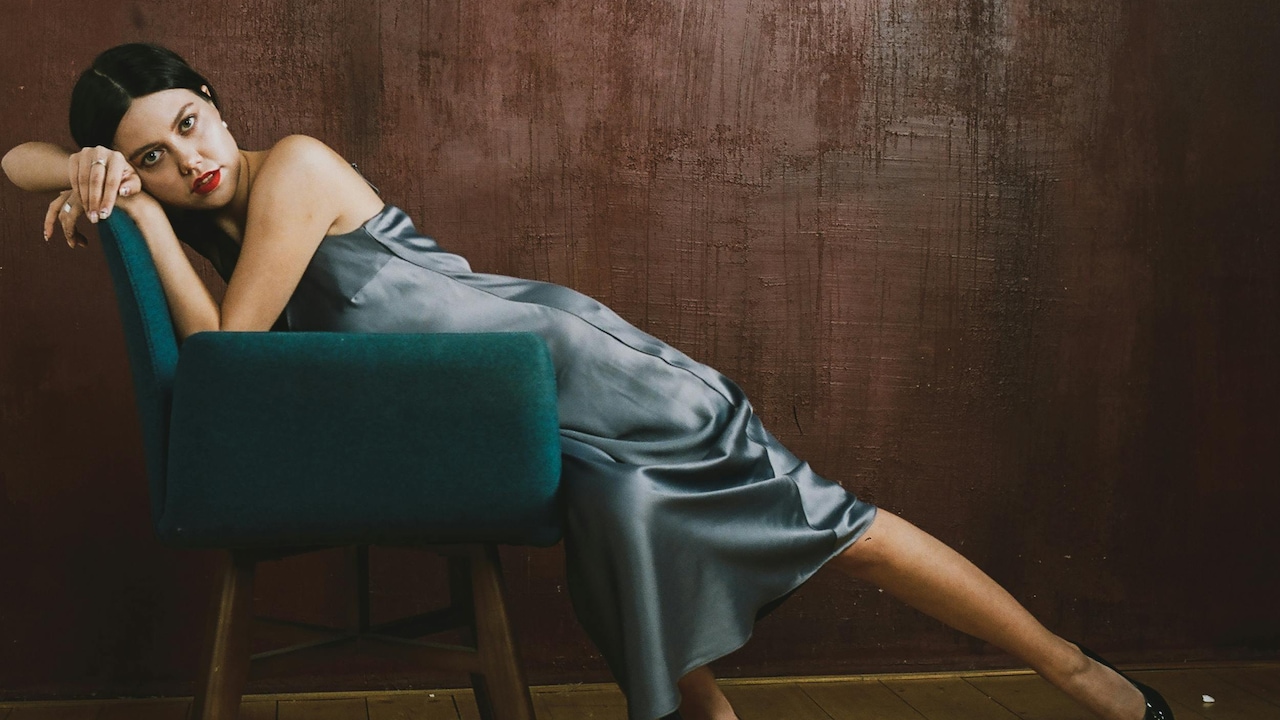
Why Some Satin Dresses Wrinkle Instantly And The Better Alternatives That Stay Smooth Longer
Photo Credit: Pexels
Fabric Care Plays A Crucial Role In Wrinkle Prevention
Even the best satin alternatives require proper care to maintain their smooth appearance. Storage methods, washing techniques, and travel habits all influence how quickly wrinkles appear.
Hanging dresses on padded hangers prevents pressure marks along the shoulders. Folding satin tightly inside crowded wardrobes often leads to stubborn creases that refuse to disappear easily.
When travelling, rolling the dress gently inside tissue paper reduces fabric stress. This technique works far better than sharp folding. Many stylists recommend carrying a small garment bag for delicate fabrics.
Steam also plays a crucial role. A quick pass with a handheld steamer relaxes fibres without direct heat contact. This method protects delicate fabrics while restoring their smooth finish within minutes.
Dry cleaning remains the safest option for premium satin garments. Professional pressing restores the weave alignment and removes hidden creases.
With thoughtful care, even wrinkle-prone satin dresses can maintain their elegance for far longer than expected.
Products Related To This Article
1. Tokyo Talkies Green One Shoulder Gathered Or Pleated Satin Wrap Hem Maxi Dress
2. Freehand by The Indian Garage Co Blue White Floral Printed Shirt Collar Cuffed Sleeves A-Line Mini Dress
3. PURVAJA Sheen & Shine V-Neck Extended Sleeves Maxi Dress
4. all about you Gathered Detail Bishop Sleeves Party Satin A-Line Dress with Belt
5. Chemistry Tie & Dye Cowl Neck Satin-Finish Party Midi A-Line Dress
6. DressBerry Black V-Neck Long Sleeves Gathered Ruched Satin Maxi Dress
7. Aayu Women V-Neck Satin Maxi Dress
Satin continues to captivate fashion lovers because of its smooth surface and luminous shine. Few fabrics capture evening elegance quite as effortlessly. Yet the same weave that creates this beauty also invites wrinkles, especially in delicate versions such as silk satin.
Understanding how fibre composition, fabric density, and weave structure affect performance helps shoppers make smarter choices. Polyester satin, satin blends, charmeuse, crepe satin, and stretch satin all offer improved durability while preserving that signature sheen.
Equally important are modern alternatives that replicate the elegance of satin without constant creasing. Fabrics like satin-backed crepe, velvet, and triacetate deliver similar sophistication with greater resilience.
A well-chosen dress should enhance confidence, not demand constant attention throughout the evening. By recognising how different fabrics behave, anyone can enjoy the graceful look of satin-inspired fashion while keeping wrinkles firmly under control.
(Disclaimer: This article may include references to or features of products and services made available through affiliate marketing campaigns. NDTV Convergence Limited (“NDTV”) strives to maintain editorial independence while participating in such campaigns. NDTV does not assume responsibility for the performance or claims of any featured products or services.)