The Almost Right Outfit Problem: Why Your Looks Do Not Feel Complete And How To Fix It
Ever felt your outfit looks fine but still incomplete? That 'almost right' feeling often comes from small styling gaps. Here is why it happens, and how to fix it with simple, thoughtful tweaks.
Struggling With Outfits That Feel Off? How To Fix The Almost Right Look
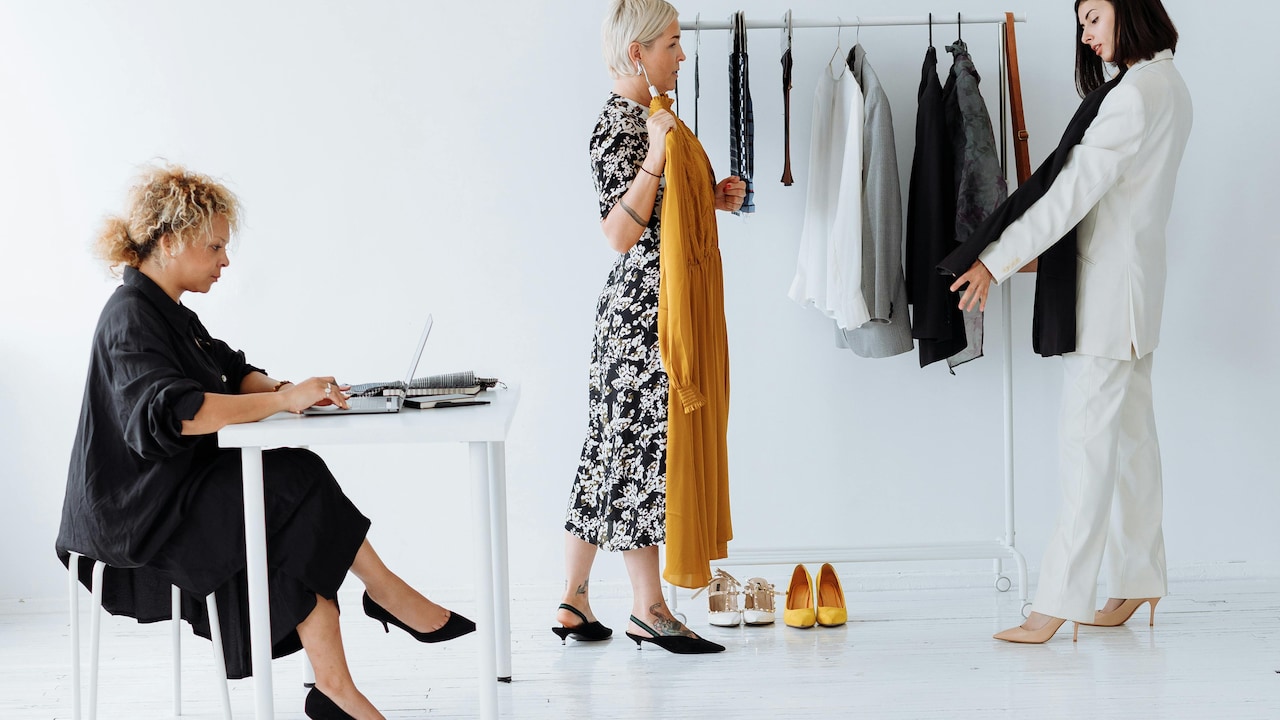
A familiar scene plays out in countless bedrooms. Clothes lie scattered across the bed, a favourite top pairs with trusted jeans, shoes sit ready by the door, and yet, the reflection in the mirror feels unfinished. Not wrong. Not terrible. Just not quite right. That subtle dissatisfaction often leads to endless outfit changes, missed cabs, and last-minute frustration. It is not about lacking style or wardrobe options. Many people own perfectly good clothes. The real issue lies in the tiny details that quietly disrupt the harmony of an outfit.
Fashion rarely fails in dramatic ways. It falters in small, almost invisible missteps. A slightly mismatched tone, an accessory that does not belong, or a silhouette that cuts the body at an awkward point. These details create a sense of imbalance that the eye detects, even if the mind cannot explain it. Understanding this phenomenon can transform the way clothes come together. Instead of buying more, the focus shifts to styling smarter. The result feels effortless, intentional, and complete.

The Almost Right Outfit Problem: Why Your Looks Do Not Feel Complete And How To Fix It
Photo Credit: Pexels
Why Your Outfit Feels ‘Almost Right' But Not Quite There
The Missing Focal Point
Every strong outfit tells a clear story. It has a centrepiece that anchors the entire look. Without this focal point, the outfit drifts into visual confusion. The eye does not know where to land, and the result feels scattered.
Many wardrobes contain beautiful individual pieces, yet when combined, they compete rather than complement. A printed kurta paired with statement earrings and bold shoes might sound exciting, but without balance, it overwhelms.
A focal point could be anything. A striking jacket, a pair of embroidered juttis, or even a bold lipstick shade. The rest of the outfit should support this element rather than challenge it.
Think of it like a conversation. When everyone talks at once, nothing stands out. When one voice leads, and others follow, everything feels cohesive.
Choosing one standout feature and building around it instantly resolves that 'almost right' feeling. It creates clarity and gives the outfit a purpose.
The Colour Disconnect
Colour holds quite a power. It can elevate an outfit or subtly sabotage it. Many outfits fail not because of the pieces themselves, but because their colours do not speak the same language.
A soft pastel top paired with harsh neon footwear can feel jarring. Similarly, mixing too many muted tones without contrast may result in a dull, lifeless appearance.
The solution lies in understanding harmony. Colours should either complement or intentionally contrast. Warm tones tend to work well together, while cool tones create a calm, cohesive look.
A simple trick involves repeating a colour within the outfit. For instance, a scarf that echoes the shade of the footwear can tie everything together beautifully.
Even neutrals require attention. Beige, cream, and off-white may seem interchangeable, but slight differences can disrupt the overall look.
When colours align thoughtfully, the outfit feels complete without any obvious effort.
The Fit Factor
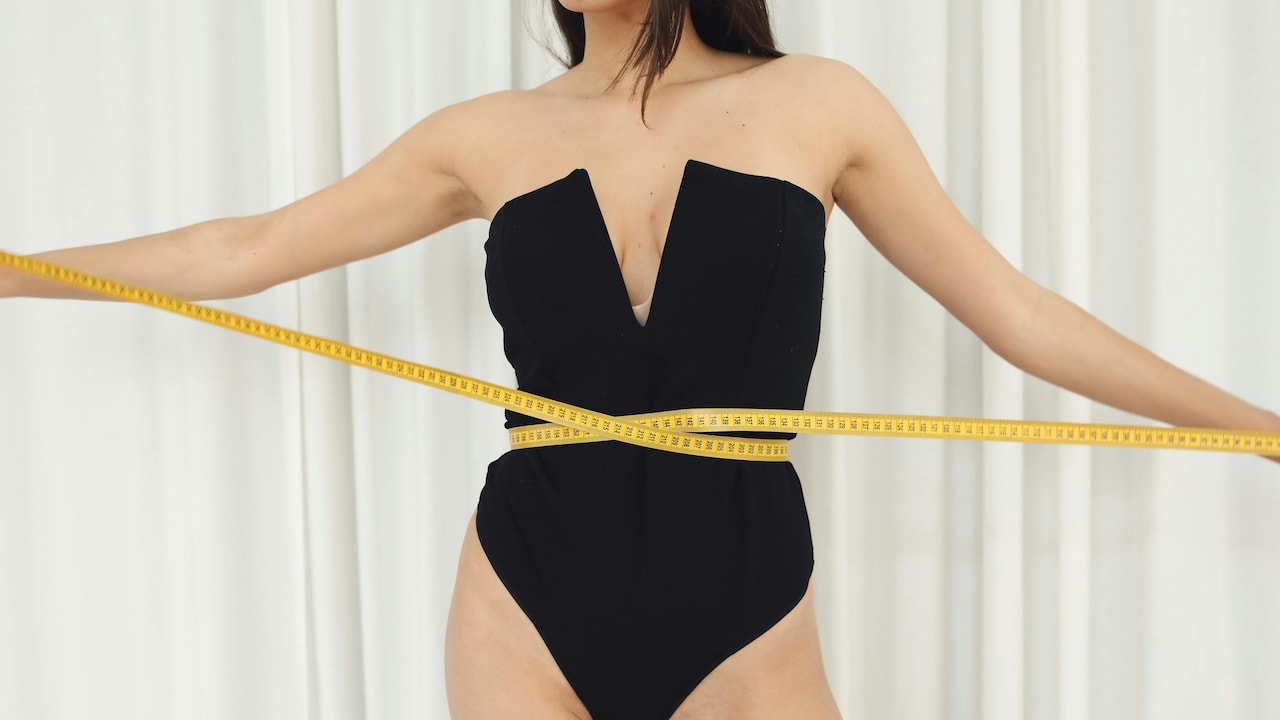
Fit remains one of the most underestimated aspects of styling. Clothes may look stunning on a hanger, yet fall flat when worn. The difference often lies in how they sit on the body.
An oversized shirt paired with loose trousers can appear sloppy rather than relaxed. On the other hand, overly tight clothing can feel restrictive and uncomfortable.
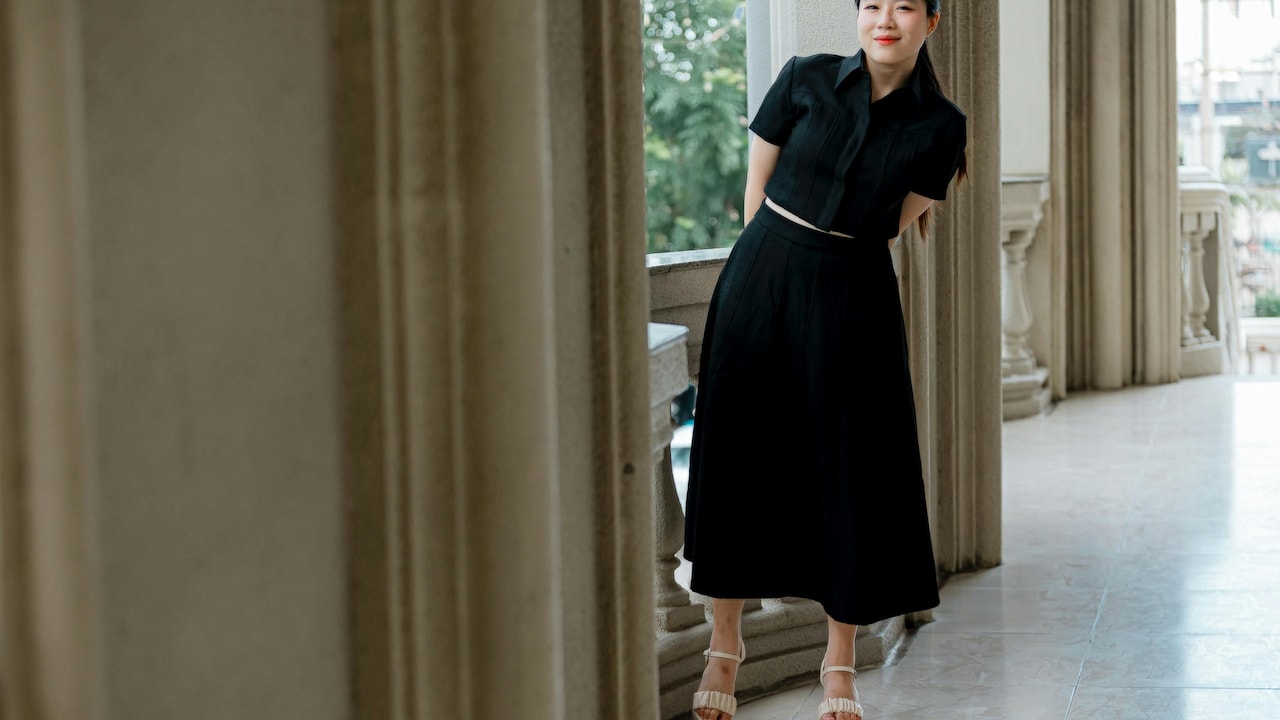
The key lies in balance. If one piece carries volume, the other should offer structure. A flowy kurta works beautifully with fitted bottoms. Similarly, wide-leg trousers pair well with a tailored top.
Tailoring plays a crucial role here. Spending ₹300 to adjust a hemline or taper a sleeve can transform a garment entirely.
Fit does not mean following trends blindly. It means understanding proportions and choosing silhouettes that flatter.
When clothes fit well, the outfit instantly feels intentional, eliminating that lingering sense of incompleteness.
The Accessory Overload Or Absence
Accessories often swing between two extremes. Either there are too many, or none at all. Both situations can leave an outfit feeling unbalanced.
Layering multiple statement pieces can overwhelm even the simplest look. At the same time, skipping accessories entirely may make the outfit feel unfinished.
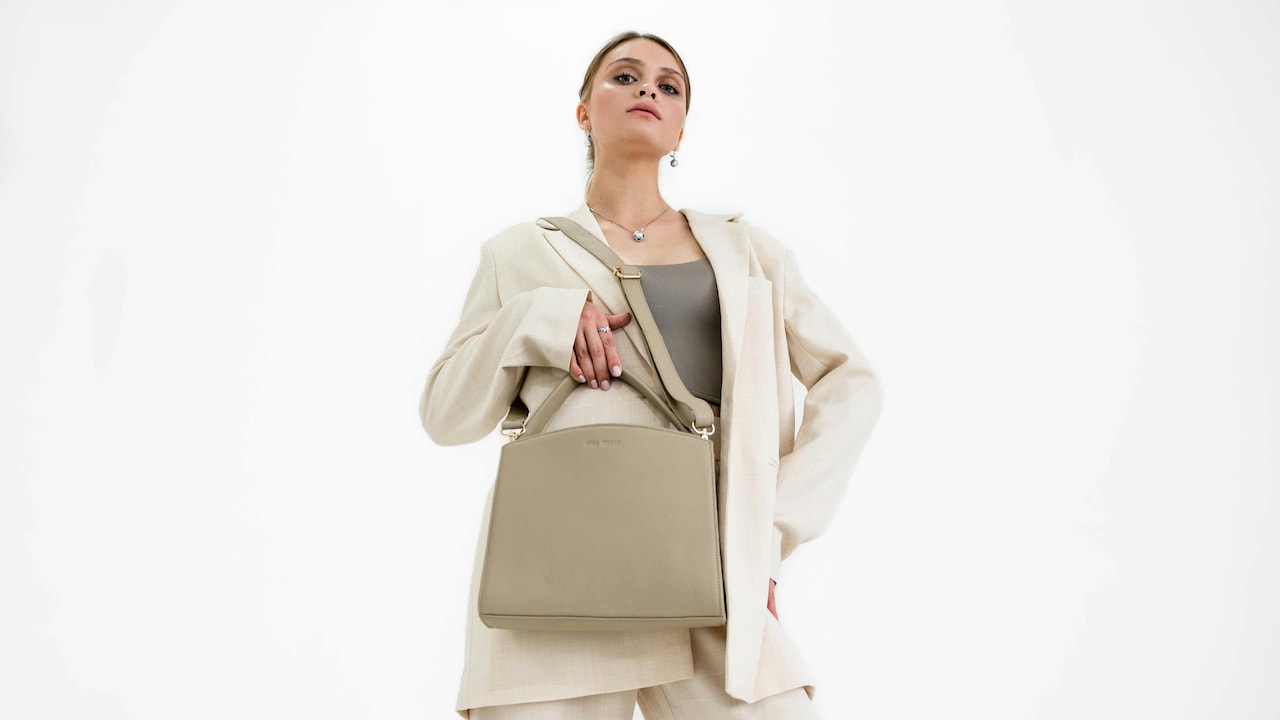
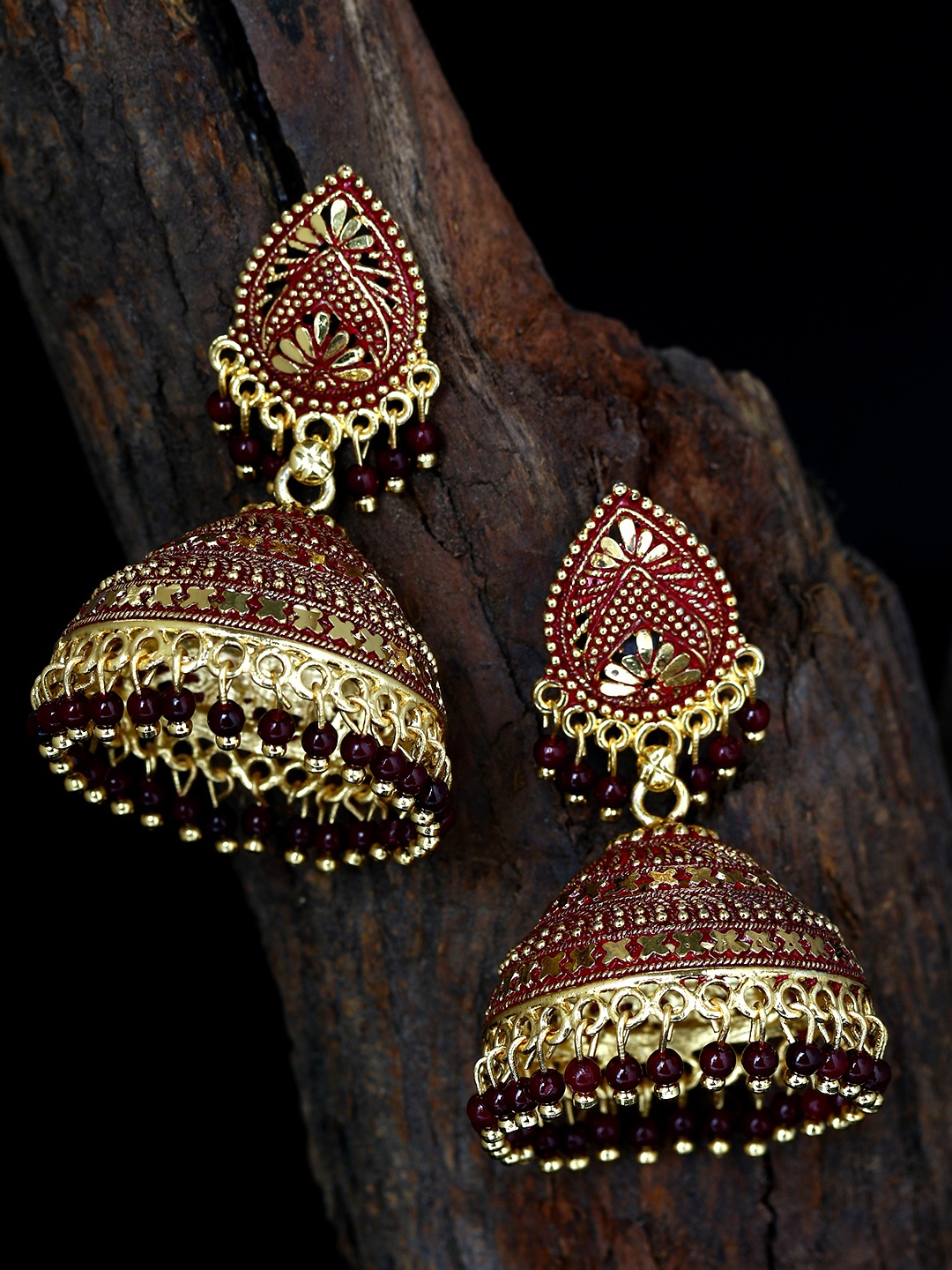
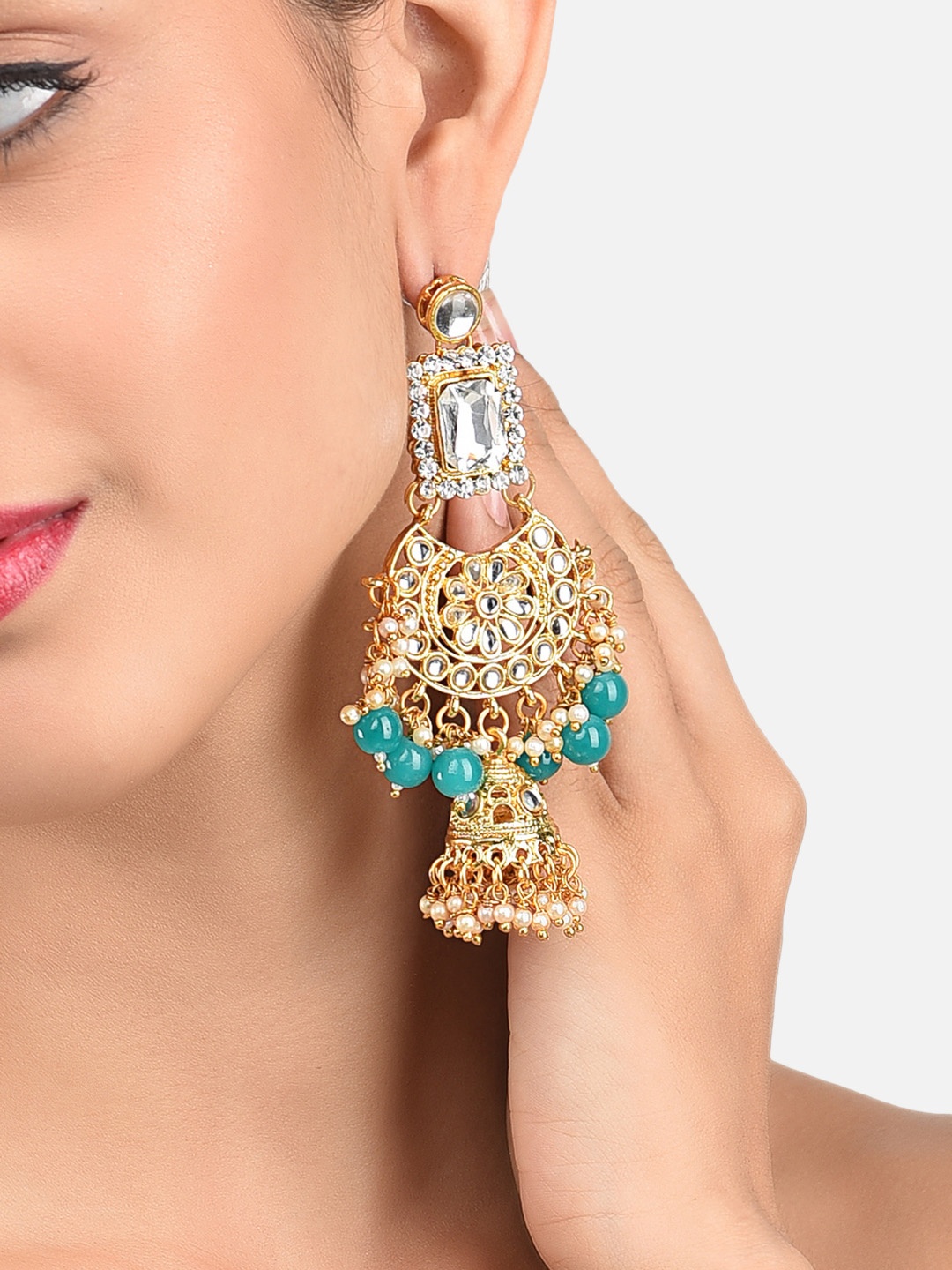
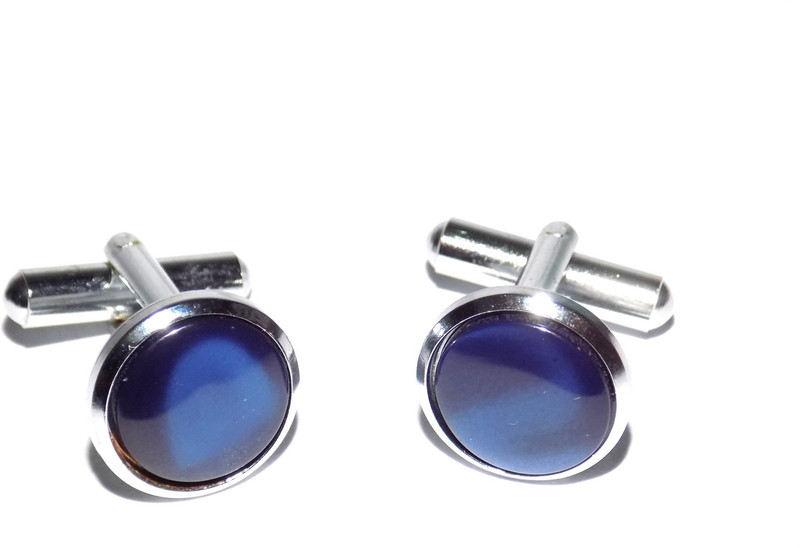
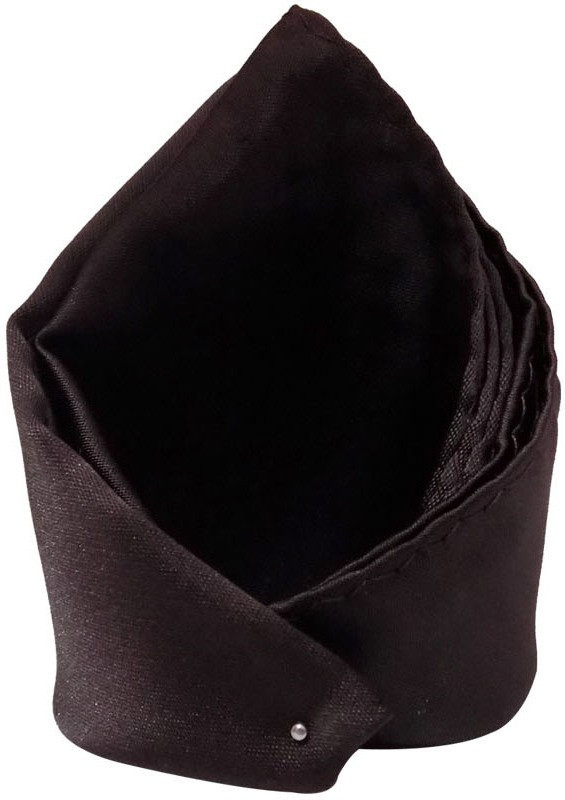
The goal lies in thoughtful selection. A delicate chain, a structured bag, or a pair of classic earrings can elevate a look without overpowering it.
Accessories should complement the outfit's mood. Heavy jewellery pairs well with festive wear, while minimal pieces suit everyday looks.
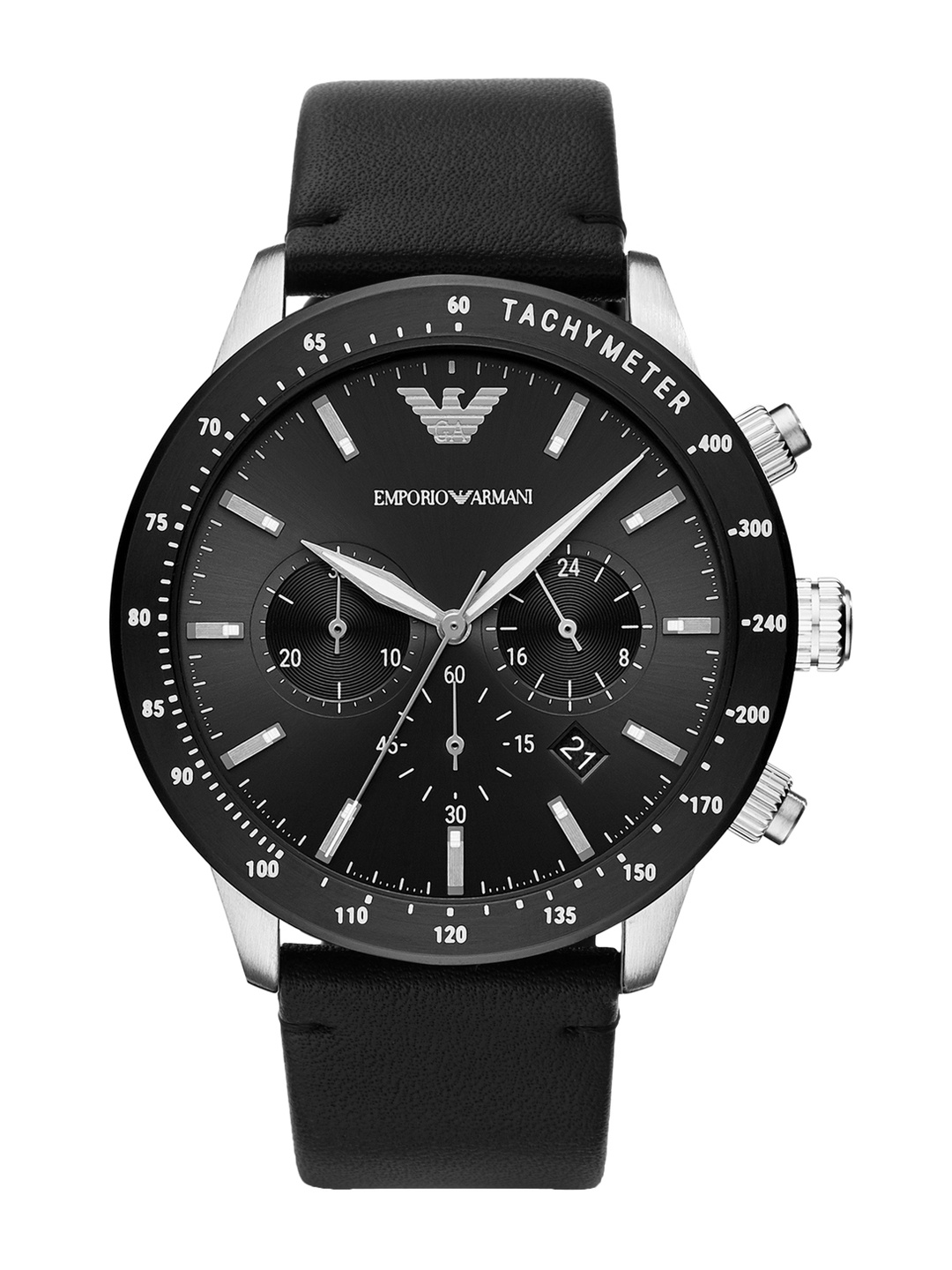
Even practical items like watches or belts contribute to the overall aesthetic.
When chosen wisely, accessories act like punctuation marks. They complete the sentence rather than complicate it.
The Footwear Misstep
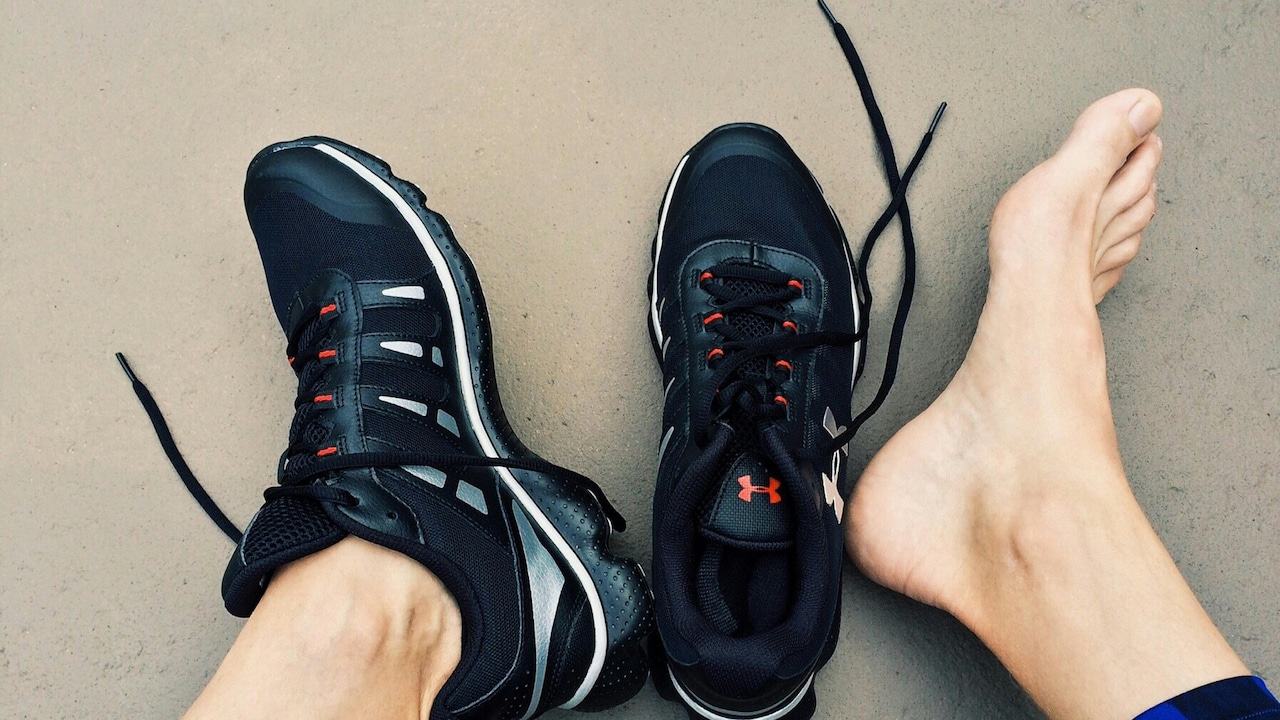
Shoes often decide the fate of an outfit. Yet they remain an afterthought for many.
An elegant outfit paired with overly casual footwear can disrupt the entire look. Similarly, wearing formal shoes with relaxed clothing may feel forced.
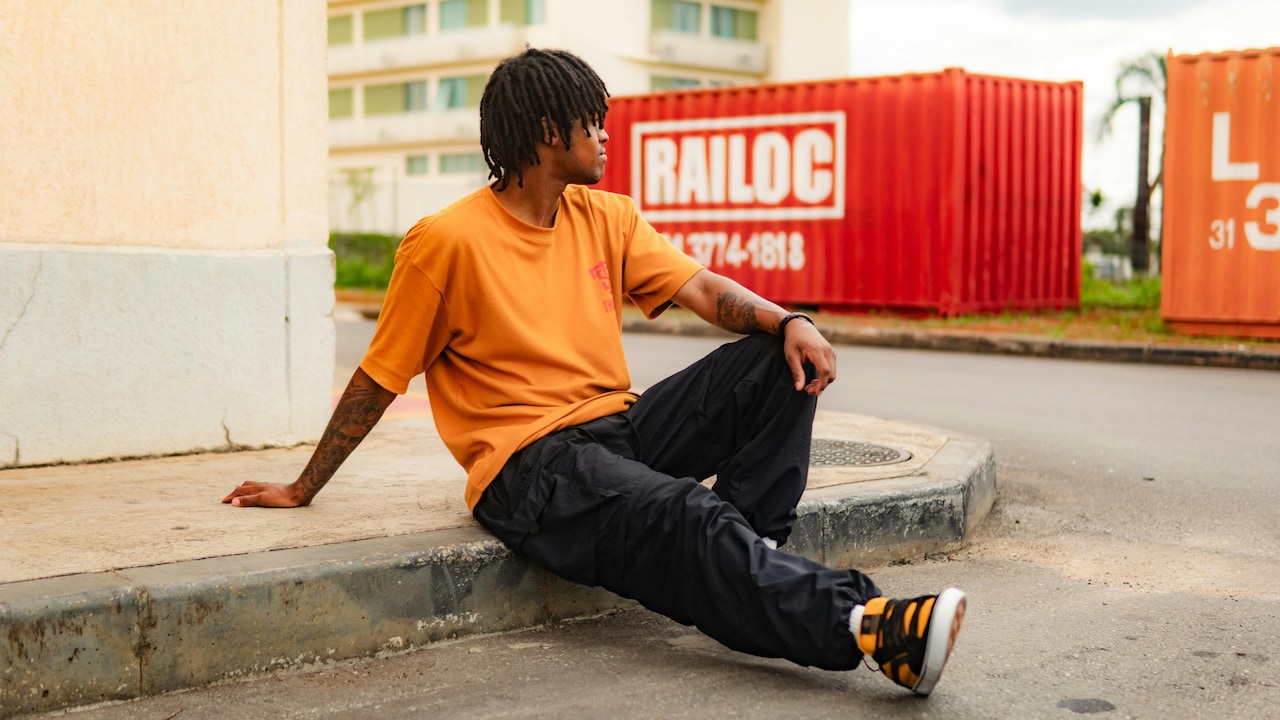
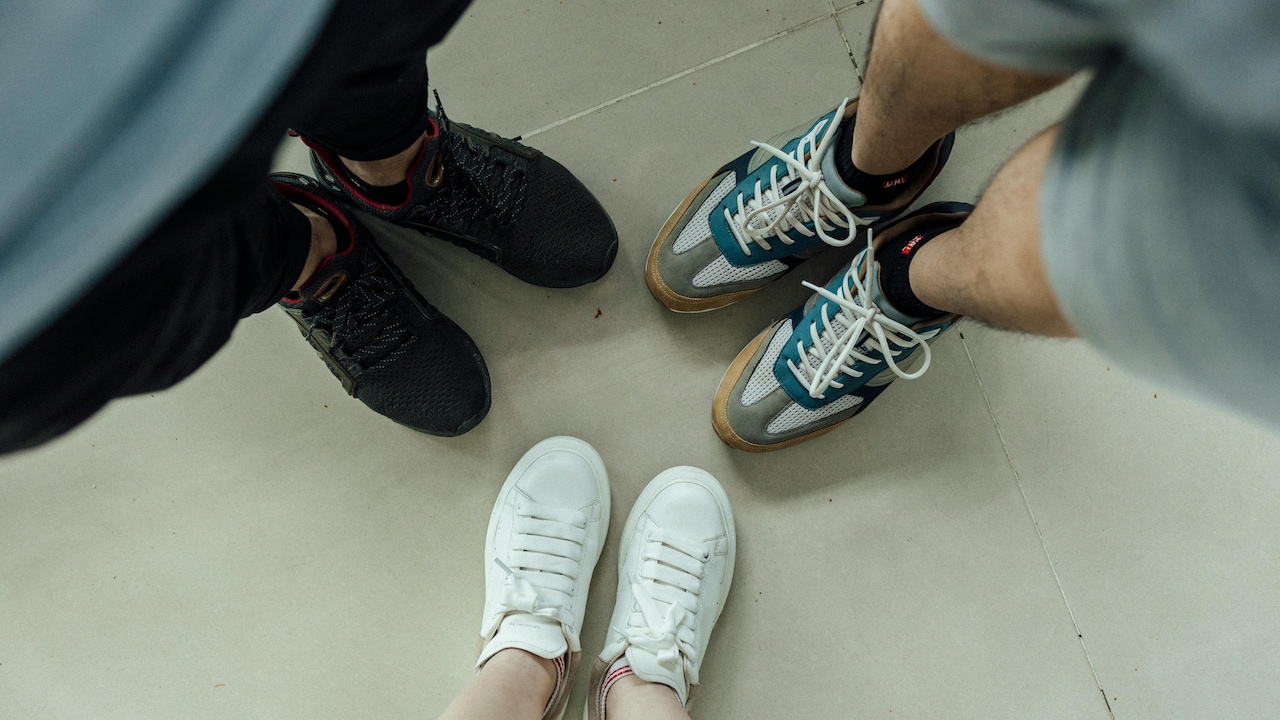
Footwear should align with the outfit's tone. Kolhapuris add charm to traditional wear, while clean sneakers complement casual outfits. Heels bring structure, but they must suit the occasion.
Comfort also plays a role. Shoes that pinch or feel awkward affect posture, which in turn impacts how the outfit appears.
Investing in versatile options, even within a budget of ₹1500 to ₹3000, can make a noticeable difference.
The right pair of shoes grounds the outfit, making it feel complete from head to toe.
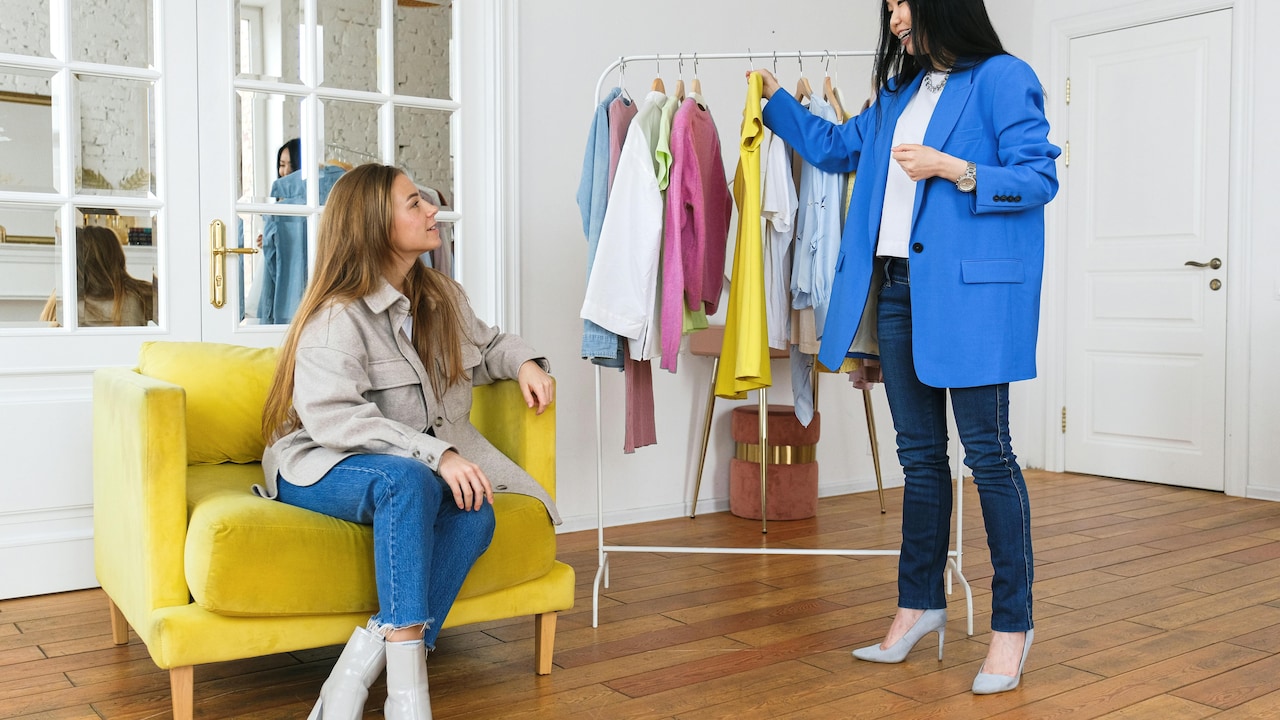
The Almost Right Outfit Problem: Why Your Looks Do Not Feel Complete And How To Fix It
Photo Credit: Pexels
The Fabric Clash
Fabric rarely gets the attention it deserves. Yet it quietly influences how an outfit feels and looks.
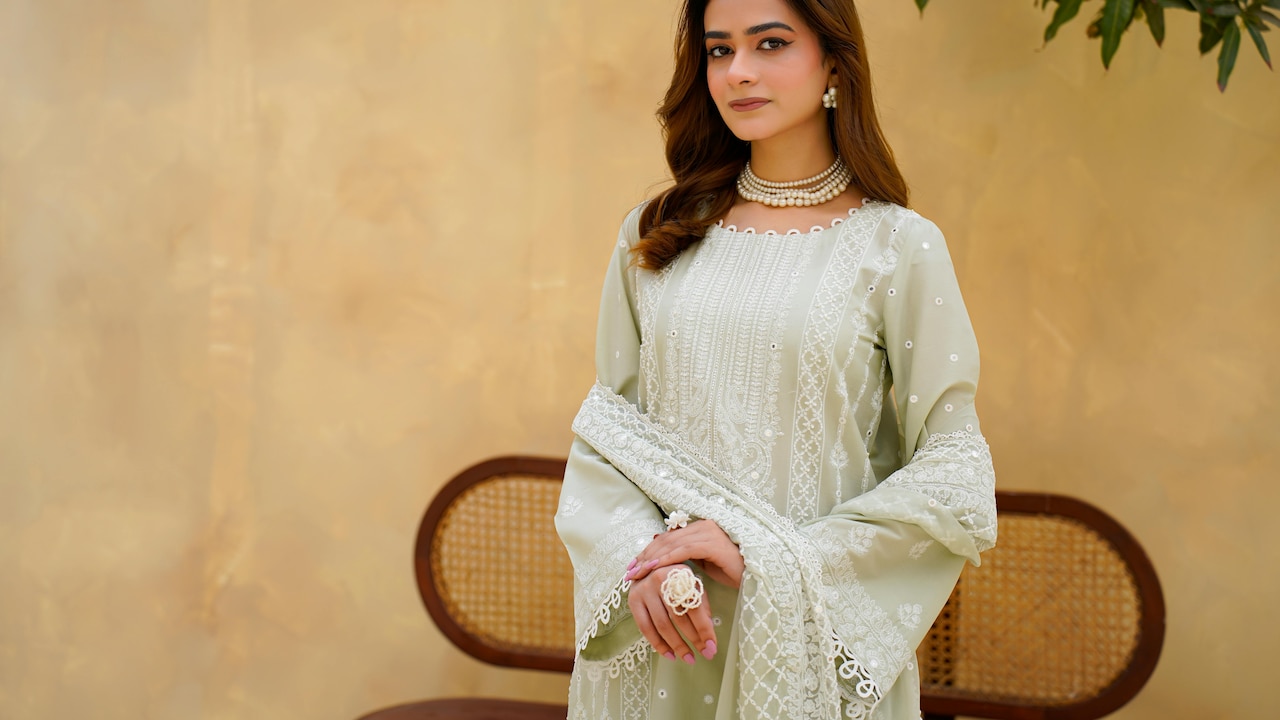
Mixing fabrics without intention can create visual confusion. A heavy silk dupatta paired with a lightweight cotton kurta may feel mismatched.
Textures should either complement or contrast in a deliberate way. Pairing denim with cotton works because both carry a casual vibe. Combining silk with chiffon creates a graceful, cohesive look.
Season also matters. Wearing thick fabrics in humid weather not only feels uncomfortable but also affects the outfit's appearance.
Fabric harmony adds depth to an outfit. It ensures that all elements belong together rather than appearing randomly assembled.
When textures align, the outfit gains a sense of balance that feels naturally complete.
Also Read: 5 Formal Trousers For Men Under ₹900 With Stretch Fabric You Need To Try Today
The Neglected Grooming Details
Sometimes, the issue lies beyond the clothes. Grooming plays a subtle yet powerful role in completing an outfit.
Wrinkled clothes, unkempt hair, or chipped nail polish can disrupt even the most stylish ensemble. These details may seem minor, but they significantly impact the overall impression.
Simple habits make a difference. Ironing clothes, maintaining clean footwear, and ensuring neat hair can elevate any look instantly.
Fragrance also contributes to the experience, even though it remains invisible. A pleasant scent adds confidence and leaves a lasting impression.
Grooming acts as the finishing touch. Without it, even the best outfit can feel incomplete.
Paying attention to these small details ensures that the look feels polished and put together.
The Occasion Mismatch
An outfit may look perfect in isolation, yet feel wrong in a specific setting. This often stems from ignoring the context.
Wearing heavily embellished clothing for a casual outing can feel excessive. Similarly, underdressing for a festive gathering may create discomfort.
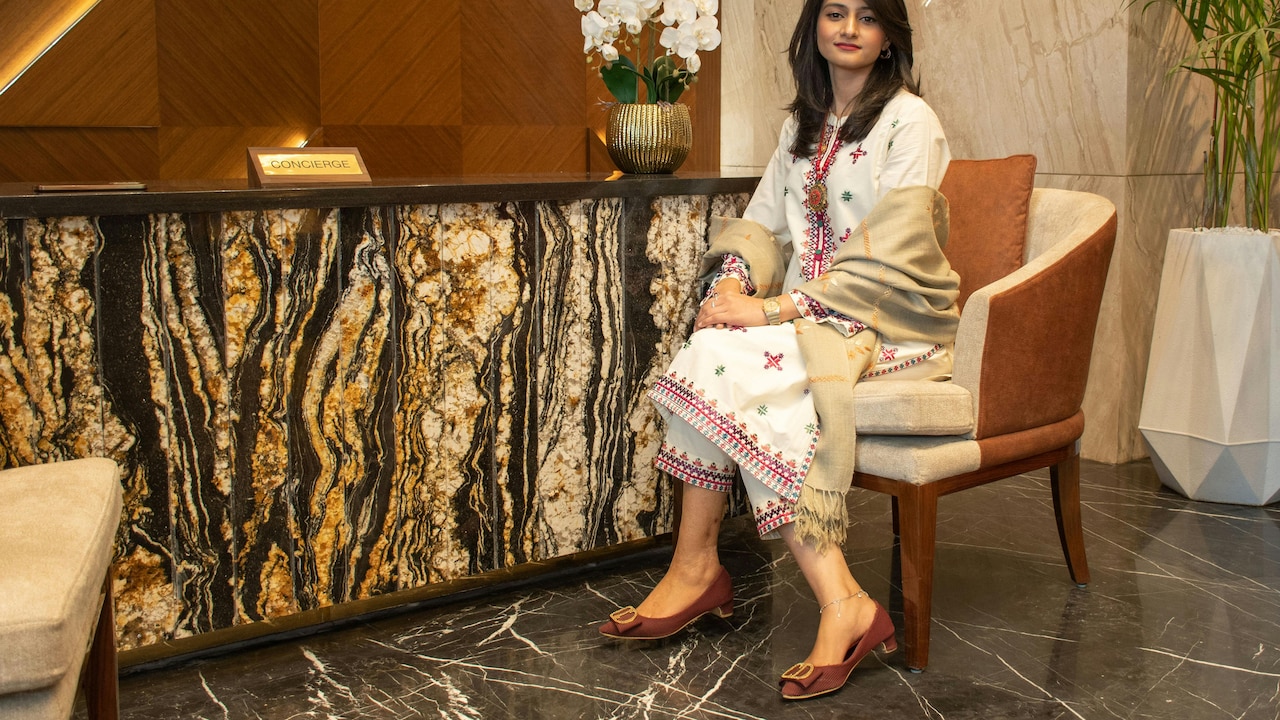
Understanding the occasion helps in making better choices. A relaxed brunch calls for easy, breathable outfits, while evening events allow for more structured looks.
Cultural nuances also play a role. Certain outfits resonate better with specific settings and traditions.
When clothes align with the environment, they feel appropriate and complete.
The right outfit does not just look good. It fits the moment seamlessly.
The Lack Of Personal Touch
Trends often dominate wardrobes, but blindly following them can strip outfits of individuality.
An outfit may look fashionable yet fail to feel authentic. This disconnect creates that 'almost right' sensation.
Personal style adds depth. It reflects preferences, experiences, and personality. Whether it is a love for earthy tones or a fondness for bold prints, these choices make outfits unique.
Incorporating personal elements, like a favourite accessory or a signature colour, brings authenticity.
Style should feel like an extension of oneself rather than a borrowed idea.
When an outfit reflects personality, it naturally feels complete and satisfying.
The Overthinking Trap
Sometimes, the problem lies in thinking too much. Constantly second-guessing choices can lead to unnecessary complications.
Trying too hard to achieve perfection often results in confusion. Adding more layers, changing accessories repeatedly, or mixing too many styles can dilute the look.
Simplicity often works best. Trusting instincts and sticking to a few well-chosen elements creates a stronger impact.
Confidence also plays a role. When an outfit feels comfortable, it automatically looks better.
Letting go of the need for perfection allows style to feel natural.
The best outfits often come together effortlessly, without overthinking every detail.
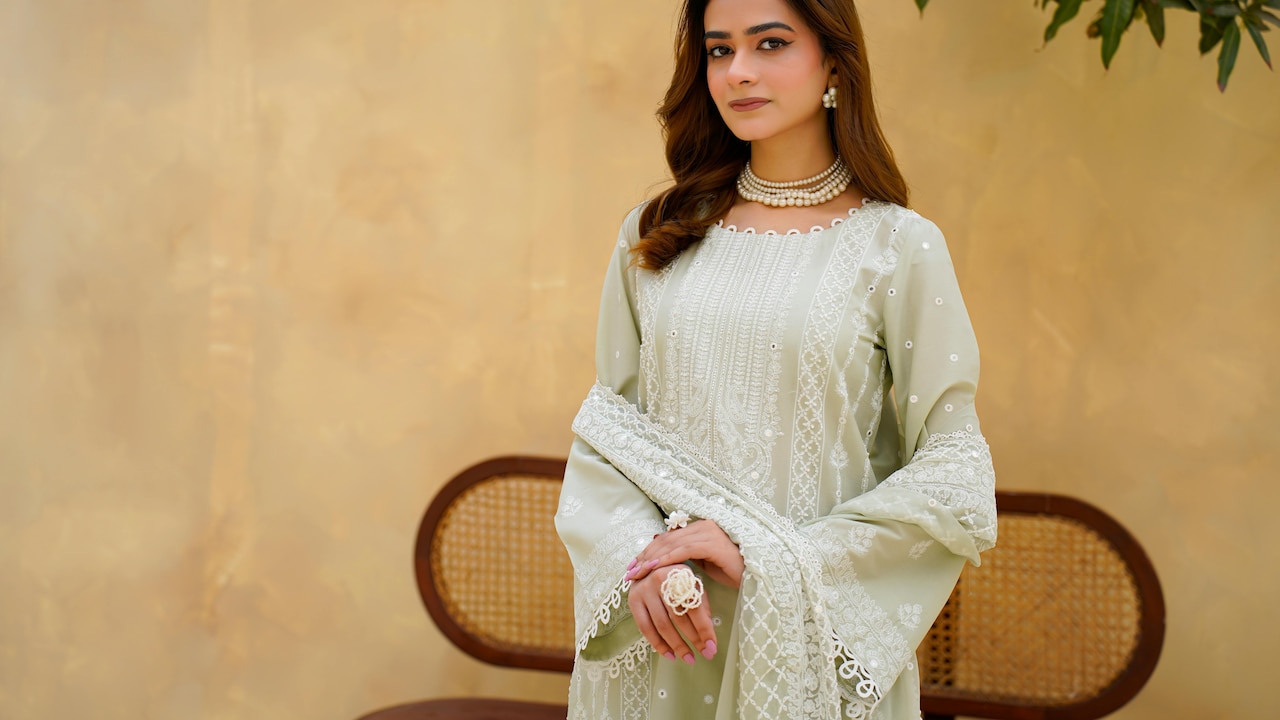
The Almost Right Outfit Problem: Why Your Looks Do Not Feel Complete And How To Fix It
Photo Credit: Pexels
Products Related To This Article
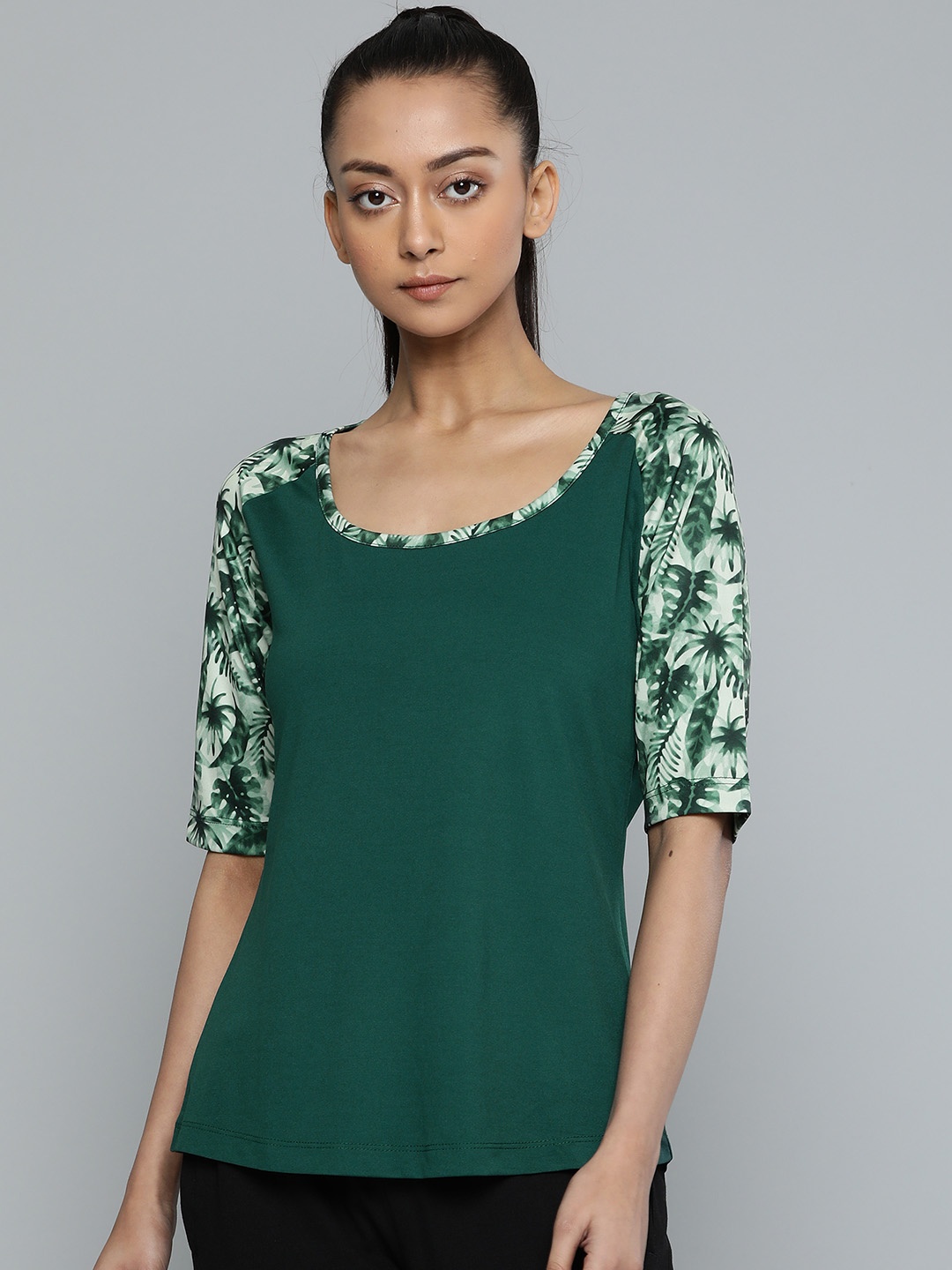
1. ZELI Women Ethnic Motifs Regular Linen Kurta with Trousers & With Dupatta
2. Campus Sutra Men Self Design Polo Collar Cotton T-shirt
3. OBSHIVKA Jacquard Fit & Flare Midi Dress
4. H&M Loose Fit Zip-Through Hoodie
5. Keitra Women Floral Printed Regular Pure Cotton Kurta with Palazzos
6. Roadster The Lifestyle Co Men Relaxed Fit Linen Trousers
The 'almost right' outfit problem does not stem from a lack of options or style awareness. It arises from small imbalances that quietly disrupt the overall look.
By paying attention to details such as colour harmony, fit, accessories, and context, outfits can transform from incomplete to effortlessly polished.
Style does not demand a massive wardrobe or expensive purchases. Even within a modest budget, thoughtful choices can create remarkable results.
The next time an outfit feels slightly off, the solution may not require a complete change. A minor adjustment, a shift in focus, or a touch of personal flair might be all it takes.
When everything aligns, the mirror reflects not just a well-dressed individual, but a sense of confidence that feels unmistakably right.
(Disclaimer: This article may include references to or features of products and services made available through affiliate marketing campaigns. NDTV Convergence Limited (“NDTV”) strives to maintain editorial independence while participating in such campaigns. NDTV does not assume responsibility for the performance or claims of any featured products or services.)