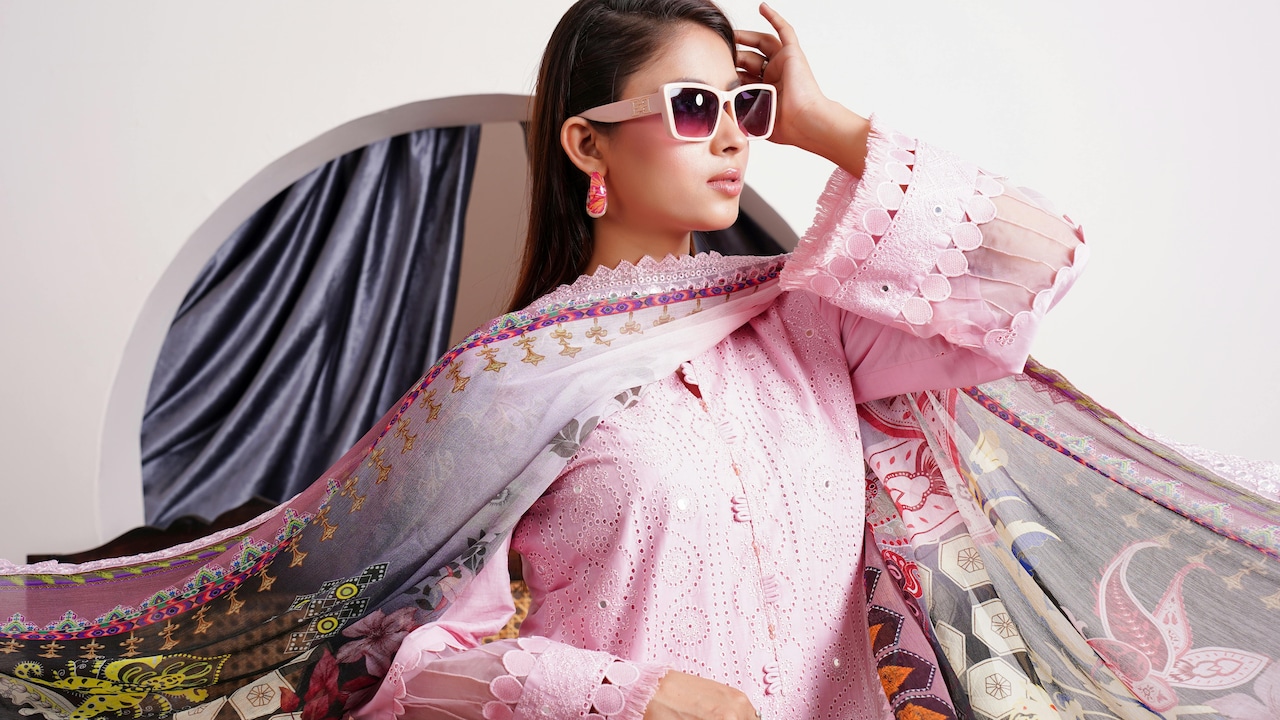
The Sleeve Length Problem: Why Your Top Looks Awkward And How To Fix It
Sleeve length can make or break an outfit. Too short or too long, and everything looks off. This is why it matters, and how a few simple fixes can instantly make your top look well-fitted and polished.

Things to know about sleeve length and how to make it look flattering
There is a particular kind of frustration that comes from wearing something that almost works. The colour feels right, the fabric looks good, and the fit seems fine, until a glance in the mirror reveals something slightly off. Often, the culprit hides in plain sight: the sleeves.
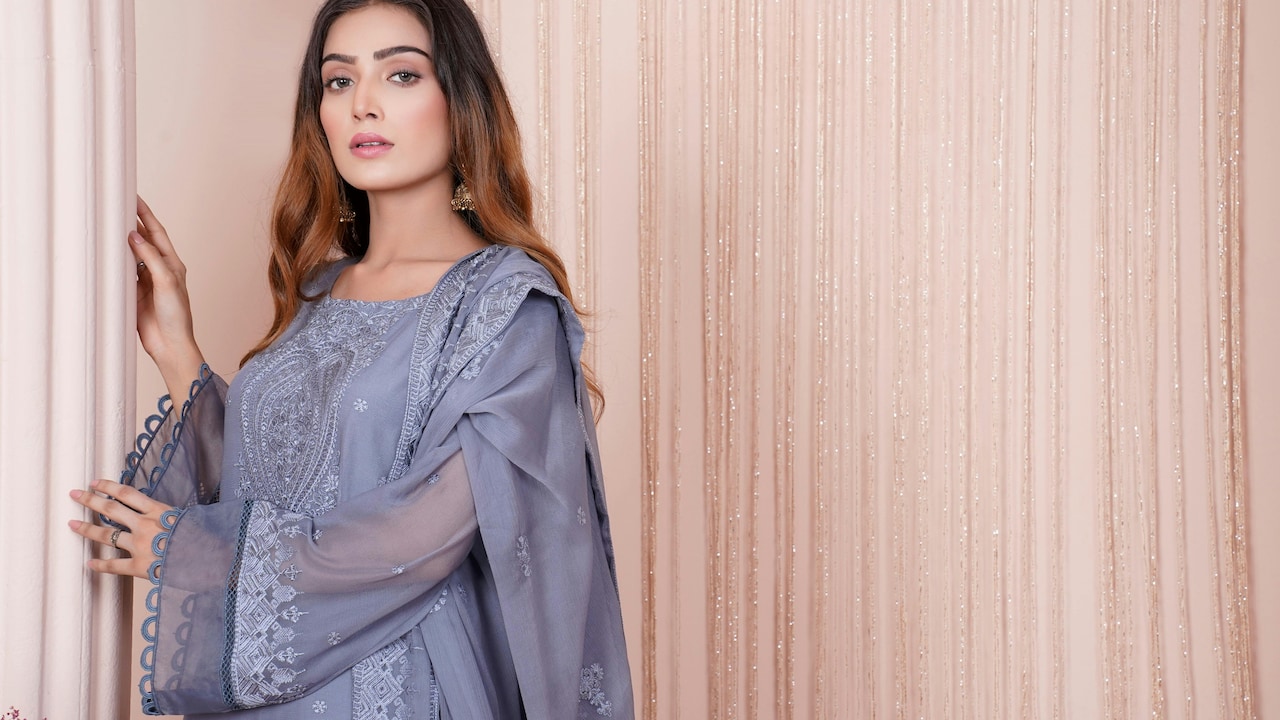
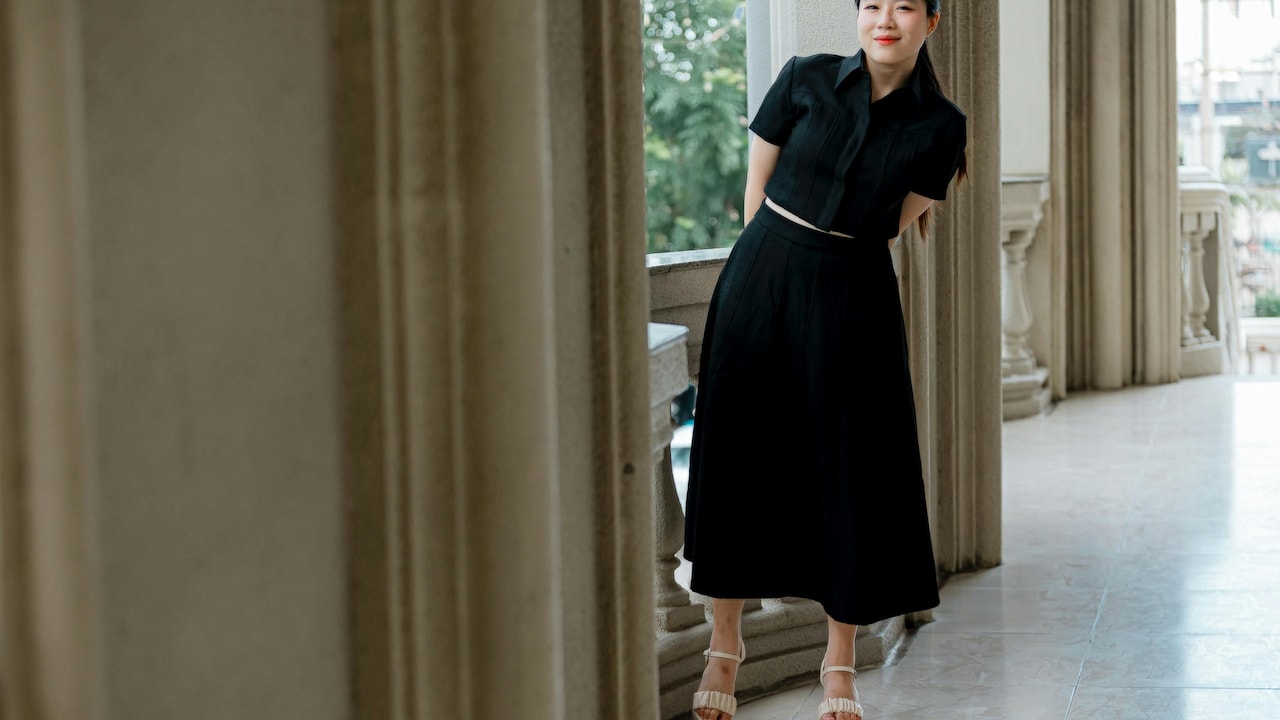
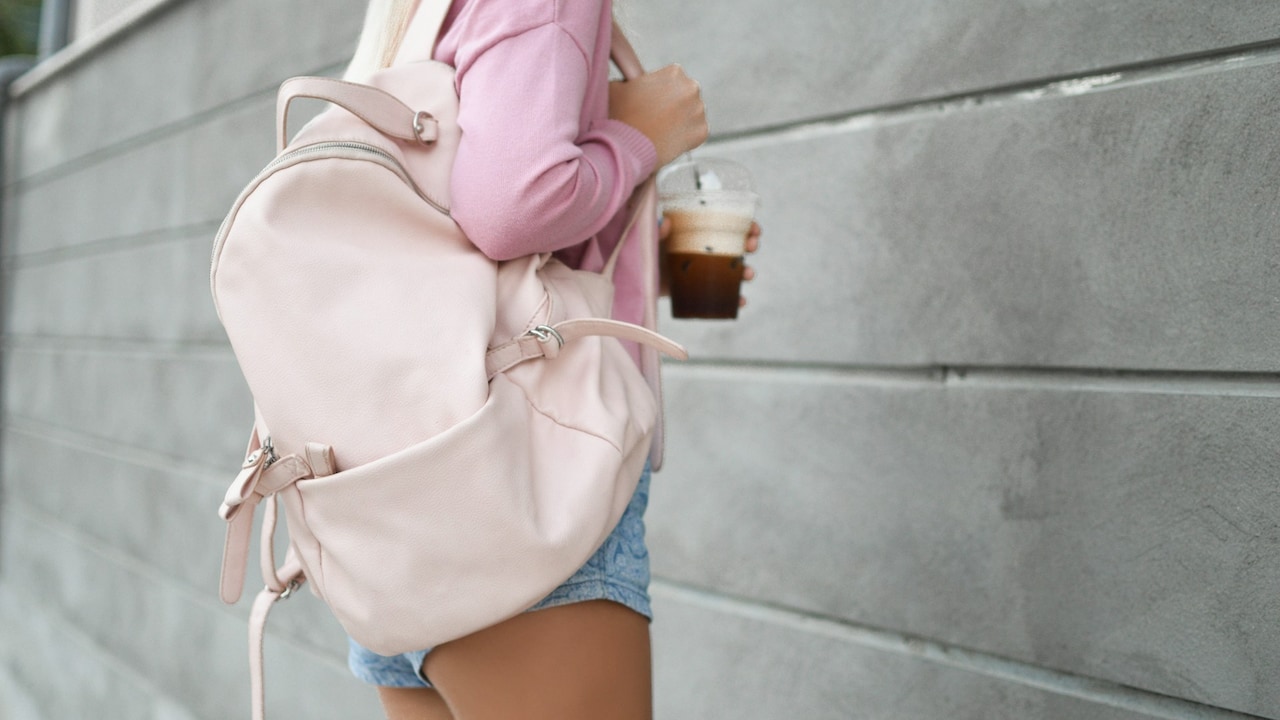
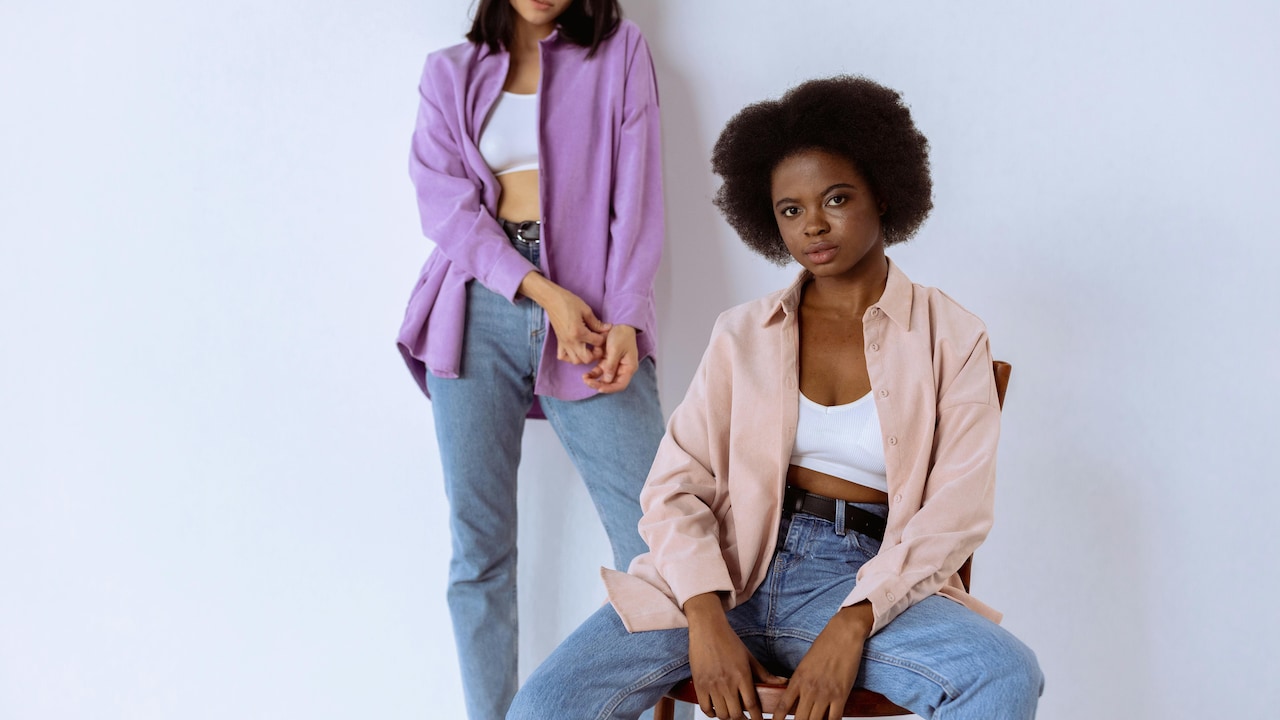
How to fix sleeve length for a flattering look; Photo Credit: Pexels
Sleeve length rarely gets the attention given to necklines or hemlines, yet it quietly shapes the entire silhouette. A sleeve that cuts awkwardly can make arms look shorter, broader, or oddly proportioned. It can even affect posture and confidence, causing constant tugging or adjusting throughout the day.
From office wear to festive kurtas, from casual tees to structured blouses, sleeve length influences how polished or relaxed an outfit appears. And in a climate where comfort and style must constantly negotiate, getting sleeve length right becomes both an aesthetic and practical decision.
The good news? This problem has simple, clever solutions. With a better understanding of proportions, fabric behaviour, and personal style, anyone can turn an awkward top into a flattering favourite.
Also Read: 10 Best Sleeve Styles For Women With Slim Arms: Check Top Trends Now
Understanding The Sleeve Length Problem And How To Fix It
Why Sleeve Length Changes The Entire Look
Sleeve length does more than cover the arms; it frames the upper body and influences how proportions appear. A top with slightly short sleeves can make arms look bulkier, while overly long sleeves may create a droopy, unfinished appearance. The eye naturally follows lines, and sleeves act as strong visual cues that guide perception.
Consider a fitted blouse worn to work. If the sleeves stop just above the wrist, the look feels crisp and intentional. Shift that length by even two centimetres, and the same blouse might appear borrowed or ill-fitted. The difference feels subtle yet noticeable.
Clothing works like architecture for the body. Each seam, fold, and edge contributes to balance. Sleeve length, in particular, affects how the torso connects to the arms. When that connection feels off, the entire outfit loses harmony. Paying attention to this detail often brings a surprising upgrade without changing the garment itself.
The Wrist Rule: Where Sleeves Should Ideally End
The wrist acts as a natural anchor point for sleeve length. For most long-sleeved tops, ending right at the wrist bone creates a clean, polished look. This placement allows the hand to move freely while maintaining structure.
However, style and purpose matter. Formal shirts often benefit from sleeves that extend slightly beyond the wrist, especially when worn under blazers. Casual wear, on the other hand, can play with shorter lengths for a relaxed vibe. Three-quarter sleeves work beautifully when they hit the narrowest part of the forearm, offering both comfort and elegance.
Problems arise when sleeves hover awkwardly between these zones. A sleeve that ends midway without intention can feel incomplete. It neither offers the neatness of a full sleeve nor the breeziness of a cropped one.
Understanding this “wrist rule” helps avoid guesswork. It provides a baseline, making it easier to judge whether a sleeve needs rolling, tailoring, or simply a different styling approach.
Fabric Matters More Than Expected
Not all sleeves behave the same, even if cut to identical lengths. Fabric plays a crucial role in how sleeves fall, stretch, and settle on the arm. A stiff cotton shirt holds its shape and emphasises precise length, while a soft knit drapes and shifts with movement.
This difference explains why a sleeve that looks perfect on a hanger might feel awkward once worn. Lightweight fabrics may bunch slightly, creating the illusion of extra length. Heavier materials can sit rigidly, making sleeves appear shorter than intended.
Seasonal choices also influence comfort. In warmer months, breathable fabrics with slightly shorter sleeves feel more practical. During cooler periods, longer sleeves in thicker fabrics offer both warmth and structure.
Choosing fabric with awareness helps prevent surprises. It ensures that sleeve length complements not just the body, but also the way the garment behaves throughout the day.
The Illusion Of Proportion And Body Shape
Sleeve length has a powerful effect on perceived proportions. It can elongate, shorten, or balance the appearance of arms and torso. This makes it an important styling tool rather than just a functional detail.
For those with shorter arms, slightly cropped sleeves can create the illusion of length. Conversely, individuals with longer arms may prefer sleeves that reach fully to the wrist or even extend slightly beyond for balance. Broad shoulders often benefit from sleeves that soften the transition from shoulder to arm, avoiding abrupt cuts.
Traditional outfits offer great examples of this principle. A well-fitted kurta with the right sleeve length can enhance posture and elegance, while an ill-fitting one can disrupt the entire look.
Understanding personal proportions allows for smarter choices. Instead of following generic sizing, selecting sleeve lengths that complement natural features leads to a more harmonious appearance.
When Tailoring Makes All The Difference
Off-the-rack clothing rarely fits perfectly, and sleeves often bear the brunt of this compromise. Fortunately, sleeve length is one of the easiest aspects to alter through tailoring.
A quick visit to a neighbourhood tailor can transform a garment. Adjusting sleeves by even a small margin can elevate the entire outfit. The cost remains modest, often ranging between ₹100 and ₹300 depending on the fabric and complexity.
Tailoring also allows for personalisation. Some prefer slightly longer sleeves for a dramatic effect, while others opt for shorter lengths for practicality. Custom adjustments ensure that clothing works with the body rather than against it.
In many cases, investing in minor alterations saves money in the long run. Instead of discarding pieces that feel “off,” simple tweaks can breathe new life into existing wardrobe staples.
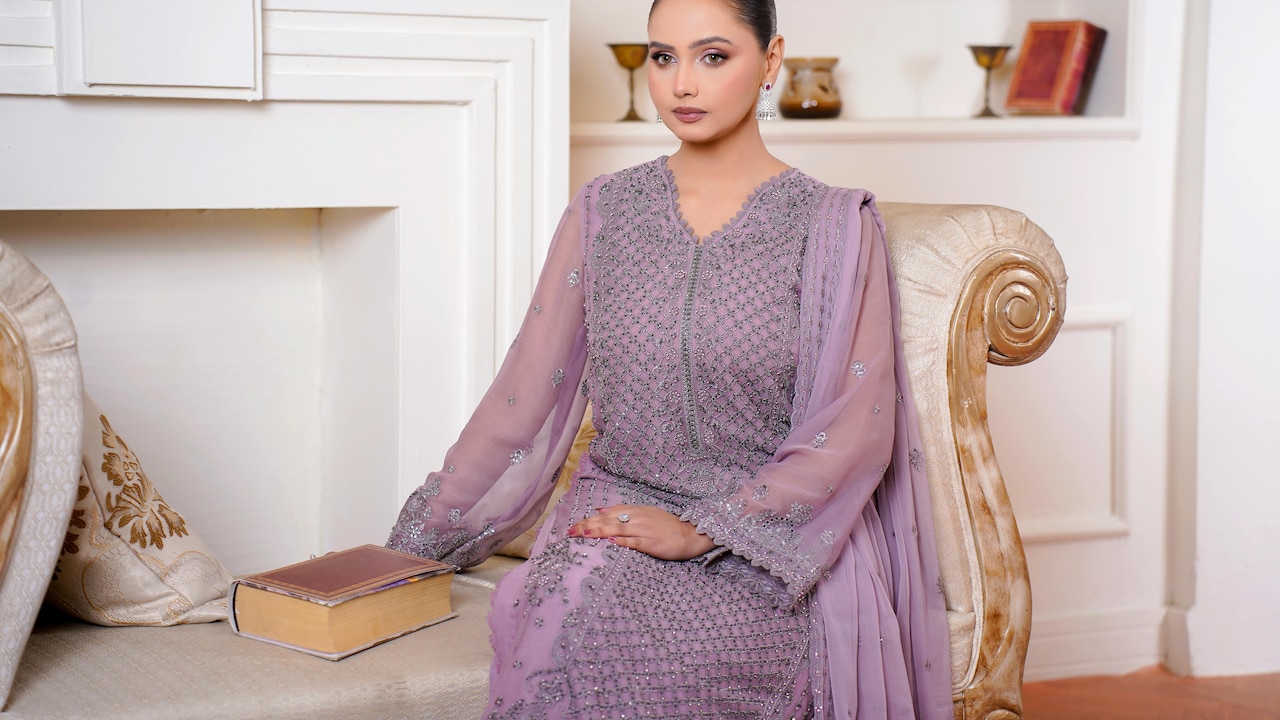
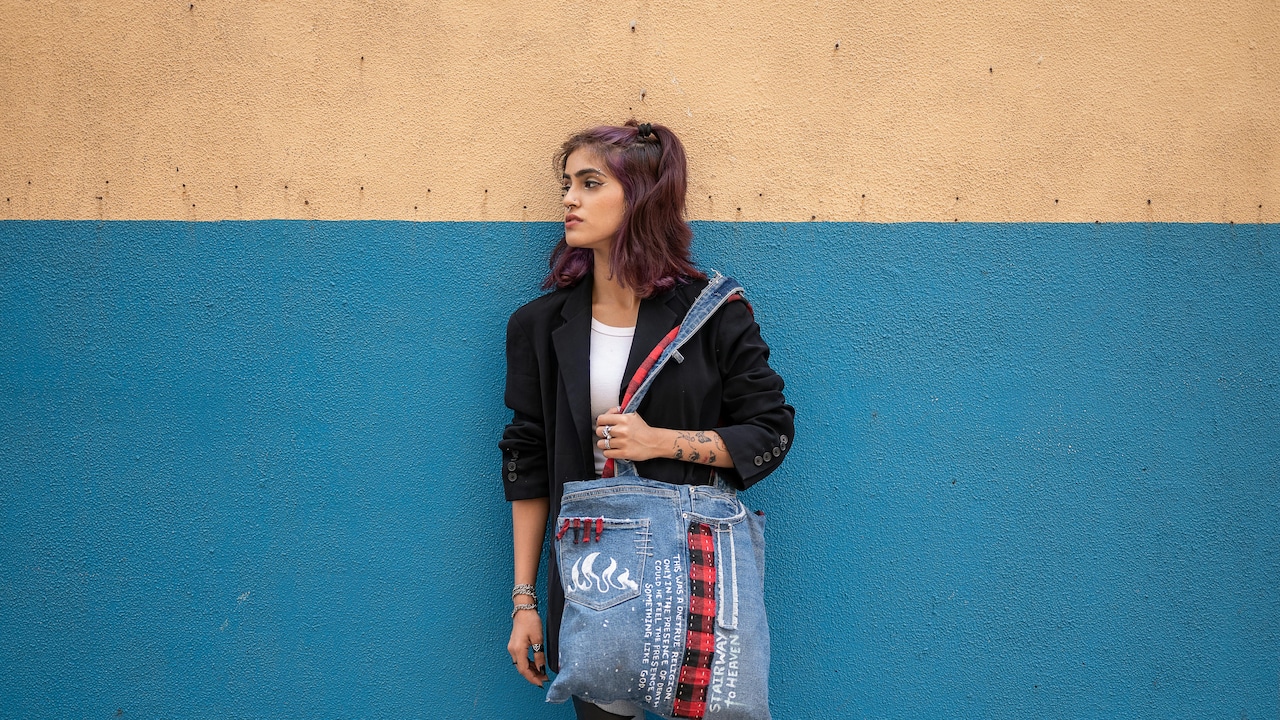
Tailoring can help adjust the sleeves to your liking; Photo Credit: Pexels
Rolling Sleeves The Right Way
Rolling sleeves offers a quick fix for awkward lengths, but the technique matters. A careless roll can look messy, while a structured fold adds style and intention.
The key lies in proportion and neatness. Rolling sleeves just below the elbow creates a relaxed yet polished appearance. This works especially well with shirts and lightweight tops. For thicker fabrics, fewer, broader folds prevent bulkiness.
Rolling sleeves also changes the mood of an outfit. A formal shirt instantly feels more approachable, while a casual top gains a touch of sharpness. This versatility makes it a handy styling trick for unpredictable days.
However, constant adjusting can become a distraction. If sleeves need frequent rolling, it might signal a deeper fit issue that tailoring could resolve more effectively.
Seasonal Shifts And Practical Comfort
Climate plays a major role in how sleeve length feels throughout the day. In humid conditions, shorter sleeves or breathable fabrics prevent discomfort. During cooler evenings, longer sleeves offer protection without needing extra layers.
Balancing style with practicality ensures that clothing remains wearable beyond just aesthetic appeal. A beautifully designed top loses charm if it causes constant irritation or overheating.
Festive wear often highlights this challenge. Heavily embroidered sleeves may look stunning but can feel restrictive in crowded settings. Choosing slightly shorter or looser sleeves can make long celebrations far more enjoyable.
Adapting sleeve length to seasonal needs helps maintain both comfort and confidence, allowing outfits to shine in real-life situations rather than just in mirrors.
How Trends Influence Sleeve Choices
Fashion trends frequently experiment with sleeve lengths, from exaggerated bell sleeves to sharply cropped cuts. While these styles can feel exciting, they do not always translate well into everyday wear.
Trends often prioritise visual impact over practicality. A dramatic sleeve might look striking in photos but feel cumbersome during daily tasks. Understanding which trends suit a personal lifestyle helps avoid disappointment.
Subtle adaptations work best. Instead of fully embracing extreme styles, incorporating elements in a toned-down manner maintains balance. For example, a slight flare at the sleeve can add interest without overwhelming the outfit.
Fashion should feel expressive, not restrictive. Choosing trends that align with comfort and functionality ensures that style remains enjoyable rather than burdensome.
The Role Of Occasion In Sleeve Length
Different settings call for different sleeve lengths. Professional environments often favour structured, full-length sleeves that convey polish and discipline. Casual outings allow more flexibility, with rolled or shorter sleeves creating a relaxed vibe.
Social gatherings introduce another dimension. Celebratory outfits may feature unique sleeve designs that enhance visual appeal. However, comfort remains essential, especially during long events.
Matching sleeve length to occasion ensures that clothing feels appropriate and effortless. It also reduces the need for constant adjustments, allowing focus to shift from appearance to experience.
Understanding this balance helps build a versatile wardrobe where each piece serves a clear purpose without compromising on style.
Small Adjustments, Big Impact
Sometimes, the solution to awkward sleeves lies in the smallest changes. Tucking, folding, or pairing with accessories like watches and bangles can subtly shift how sleeves appear.
Layering also plays a role. Wearing a structured jacket over a slightly imperfect sleeve can instantly refine the look. Similarly, choosing tops with adjustable cuffs provides flexibility for different situations.
These small tweaks offer immediate results without requiring significant effort or expense. They demonstrate that style often depends more on thoughtful adjustments than on buying new clothes.
Paying attention to such details transforms everyday dressing into a more intentional and satisfying experience.
Products Related To This Article
1. Sangria Black & Red Embroidered Tunic
2. OZIA Floral Printed Square Neck Pure Cotton Kurti
3. Janasya Women's Orange Pure Cotton Floral Printed Flared Tunic
4. KALINI Women Embroidered Ethnic Tunic
5. Rangita Embroidered Thread Work Thread Work Kurti
6. Anouk Ethnic Motifs Embroidered Thread Work Chanderi Silk Thread Work Kurti
7. Youthnic Women Bandhani Print Peplum Kurti With Tassles and Kodi
Sleeve length might seem like a minor detail, yet it holds remarkable power over how an outfit looks and feels. A slight mismatch can disrupt proportions, while a well-adjusted sleeve brings balance and polish.
Understanding the role of fabric, proportion, occasion, and personal comfort helps demystify this common issue. With a few mindful choices, whether through tailoring, styling, or simple adjustments, any awkward top can become a favourite again.
Fashion does not always require a complete overhaul. Sometimes, the smallest shift, like correcting a sleeve by a few centimetres, makes all the difference. In the end, confidence often comes not from what is worn, but from how well it fits into everyday life.
(Disclaimer: This article may include references to or features of products and services made available through affiliate marketing campaigns. NDTV Convergence Limited (“NDTV”) strives to maintain editorial independence while participating in such campaigns. NDTV does not assume responsibility for the performance or claims of any featured products or services.)