Are Your Flat Sandals Hurting Your Heels? Here Is Why Structure Beats Price Every Time
Flat sandals may look comfortable, but poor sole design can trigger heel pain. It’s not about the price, it’s about support, cushioning, and structure beneath your feet.
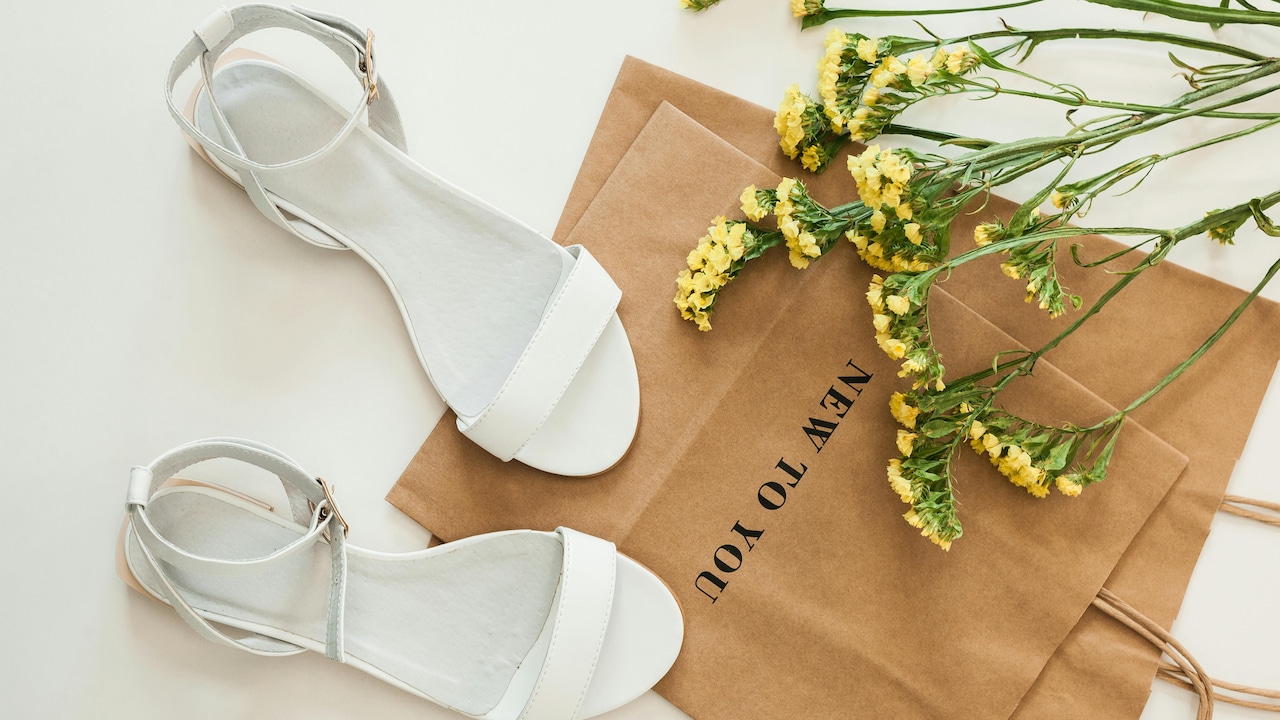
Flat Sandals Causing Heel Pain? It's Not The Price, The Sole Structure
Flat sandals enjoy a permanent spot in wardrobes across the country. They slip on easily, pair well with everything from kurtas to denim fashion, and offer relief during long, humid days. Street markets display them in vibrant rows, from ₹300 bargains to premium pairs crossing ₹3,000. Yet, despite the variety, a common complaint echoes in conversations at home, at work, and even during casual chai breaks: persistent heel pain.
The instinct often points towards cost. Surely, a pricier pair must offer better comfort? Surprisingly, that assumption falls apart under closer inspection. Many expensive flats still lack proper support, while some modestly priced ones perform better simply because of their design.
The real story lies in the anatomy of the sole. Its thickness, cushioning, arch support, and material determine how the foot absorbs impact. When these elements fail, the body pays the price. Understanding this hidden detail can transform not just how sandals feel, but how the body moves through the day.
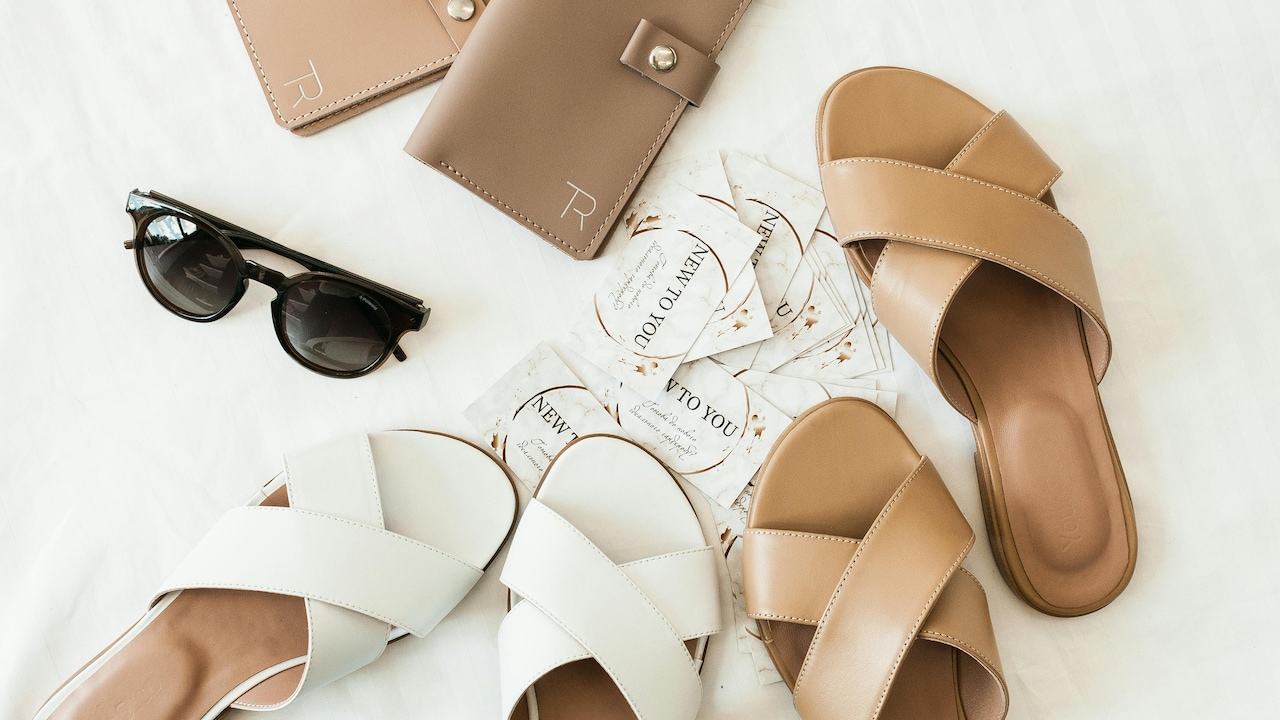
Flat Sandals Causing Heel Pain? It's Not The Price, The Sole Structure; Photo Credit: Pexels
Understanding What Really Causes Heel Pain In Flat Sandals
The Illusion Of Comfort In Flat Sandals
Flat sandals often give an immediate sense of comfort. The foot rests evenly, without elevation, creating the impression of natural alignment. However, this surface-level comfort can be misleading. A completely flat sole forces the foot to adapt unnaturally, especially during long hours of walking or standing.
Without a slight elevation or contour, the heel absorbs the full impact of each step. Over time, this repetitive strain begins to irritate the tissue beneath the heel. What starts as a mild discomfort gradually turns into sharp pain, especially noticeable in the morning.
This illusion becomes stronger in soft-looking sandals. Many assume that a cushioned top layer equals comfort. Yet, if the base lacks structural integrity, that softness quickly flattens out. The foot then bears pressure unevenly, leading to fatigue and soreness.
Comfort, therefore, cannot rely on first impressions. True ease comes from a thoughtful balance between softness and support. A sandal must guide the foot, not simply carry it.
Why Sole Structure Matters More Than Price
Price often acts as a psychological marker of quality. A higher amount suggests better materials, superior design, and longer durability. However, in the world of flat sandals, this belief does not always hold.
Many brands invest heavily in aesthetics, sleek straps, trendy colours, and attractive packaging. While these features catch attention, they do little for foot health. The sole, which plays the most critical role, often remains overlooked.
A well-designed sole distributes body weight evenly. It supports the arch, cushions the heel, and stabilises movement. Without these elements, even the most expensive sandal can cause discomfort.
Conversely, a thoughtfully constructed sole, even in a modestly priced pair, can provide lasting relief. The key lies in understanding design rather than relying on branding. A sandal should serve the body first, style second. When this balance shifts, discomfort inevitably follows.
Also Read: 7 Comfortable Sandals For Women Who Stand For Long Hours
The Role Of Arch Support In Preventing Pain
The human foot features a natural arch that acts as a shock absorber. This arch helps distribute weight across the foot, reducing pressure on specific areas. When a sandal fails to support this structure, problems begin to surface.
Flat sandals often lack proper arch support. This forces the foot to collapse slightly inward with each step. Over time, this misalignment affects not just the heel, but also the ankles, knees, and even the lower back.
Arch support does not need to be dramatic or rigid. Even a gentle contour can make a significant difference. It helps maintain the foot's natural position, reducing strain during movement.
Ignoring this aspect can lead to conditions like plantar fasciitis, a common source of heel pain. The discomfort may start subtly, but it tends to worsen with continued use of unsupportive footwear.
Choosing sandals with visible arch support can prevent this cycle. It transforms walking from a tiring activity into a comfortable experience.
Cushioning: Too Little Or Too Much?
Cushioning often gets misunderstood. Some believe that softer equals better, while others prefer firmer soles for stability. The truth lies somewhere in between.
Too little cushioning means the heel absorbs direct impact from the ground. This leads to micro-injuries over time, causing pain and inflammation. Walking on hard surfaces like pavements or tiles worsens the situation.
On the other hand, excessive cushioning can create instability. The foot sinks too deeply, making it harder to maintain balance. This forces muscles to work harder, leading to fatigue.
The ideal cushioning offers a responsive feel. It absorbs shock while maintaining structure. Materials like memory foam or EVA can work well, provided they do not collapse under pressure.
A balanced sole ensures that each step feels supported, not strained. It protects the heel without compromising stability, making daily movement smoother and more comfortable.
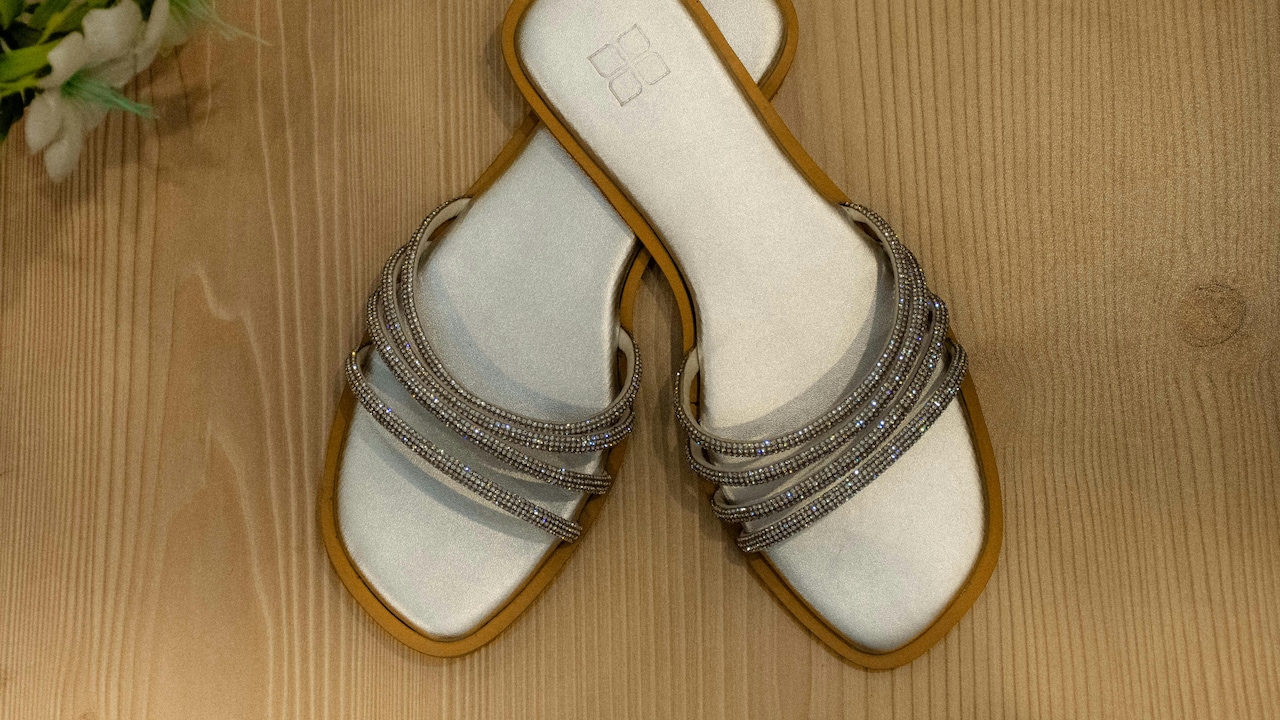
Flat Sandals Causing Heel Pain? It's Not The Price, The Sole Structure; Photo Credit: Pexels
Thin Soles And Their Hidden Impact
Thin soles may look elegant and lightweight, but they often come at a cost. They provide minimal protection against hard surfaces, allowing the impact to travel directly to the heel.
This constant pressure can irritate the tissues beneath the foot. Over time, even short walks can feel exhausting. The problem becomes more noticeable on uneven roads or during long outings.
Thin soles also fail to distribute weight effectively. The heel bears the brunt of the load, leading to discomfort and potential injury. This issue becomes more pronounced for those who spend long hours on their feet.
While these sandals may suit occasional use, they rarely work for daily wear. A slightly thicker sole, with proper cushioning, can make a significant difference.
Style should never compromise function. A sandal that looks good but hurts the foot quickly loses its appeal.
The Importance Of Heel Cup Design
A well-designed heel cup plays a crucial role in stabilising the foot. It cradles the heel, keeping it aligned during movement. Without this feature, the heel tends to shift slightly with each step.
This movement may seem minor, but it creates friction and uneven pressure. Over time, it contributes to pain and discomfort. A proper heel cup prevents this by holding the foot securely in place.
Many flat sandals skip this detail entirely. They feature a flat base with no contour, leaving the heel unsupported. This increases the risk of strain, especially during prolonged use.
A subtle indentation in the heel area can make a noticeable difference. It enhances stability and reduces the chances of injury.
Footwear should work with the body, not against it. A supportive heel cup ensures that each step feels steady and controlled.
Material Matters: Not Just Leather Or Synthetic
The material of the sole affects both comfort and durability. While leather and synthetic options dominate the market, their quality varies widely.
A good sole material should offer flexibility without losing shape. It should absorb shock while maintaining structure. Poor-quality materials tend to flatten quickly, reducing support over time.
Breathability also plays a role. In warm climates, sweaty feet can increase friction, leading to discomfort. Materials that allow airflow help maintain comfort throughout the day.
Rubber and EVA often provide a good balance between cushioning and durability. However, their effectiveness depends on how they are used in the design.
Choosing the right material ensures that the sandal performs well under daily conditions. It keeps the foot comfortable, even during long hours of wear.
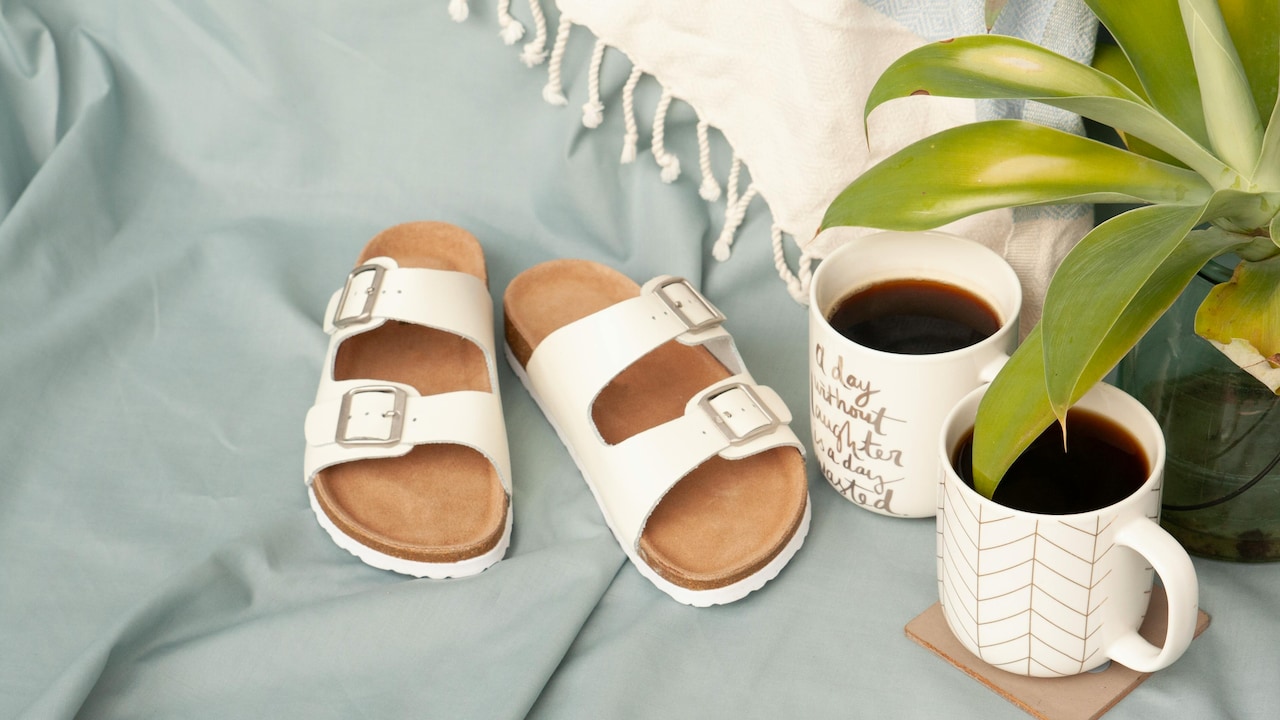
Flat Sandals Causing Heel Pain? It's Not The Price, The Sole Structure; Photo Credit: Pexels
How Walking Patterns Influence Pain
Every individual has a unique walking pattern. Some place more weight on the heel, while others distribute it across the foot. Flat sandals with poor structure fail to accommodate these differences.
When the sole does not support natural movement, the body compensates. This leads to uneven pressure and increased strain on certain areas. Over time, this imbalance results in pain.
Observing one's walking pattern can help in selecting better footwear. Those who experience frequent heel pain may need extra cushioning or arch support.
Footwear should adapt to the individual, not the other way around. A well-designed sandal supports natural movement, reducing the risk of discomfort.
Understanding this connection helps in making informed choices. It shifts the focus from appearance to functionality.
The Daily Wear Factor: Hours Matter More Than Distance
Heel pain does not always depend on how far one walks. Instead, it often relates to how long the sandals stay on the feet.
Standing for extended periods in poorly designed flats can cause more damage than walking short distances. The constant pressure on the heel leads to fatigue and inflammation.
This issue becomes common during busy days, shopping trips, office hours, or social gatherings. The longer the exposure, the greater the impact.
Switching between footwear during the day can help reduce strain. Giving the feet a break allows the tissues to recover.
Choosing sandals designed for extended wear ensures comfort throughout the day. It prevents minor discomfort from turning into persistent pain.
Smart Choices Without Sacrificing Style
Comfort and style need not compete. Modern designs offer options that blend both elements seamlessly. The key lies in paying attention to details rather than trends.
Look for sandals with slight elevation, proper arch support, and durable cushioning. These features often remain hidden but make a significant difference.
Trying on footwear before purchase helps in assessing comfort. A sandal should feel supportive from the first step, without needing a “break-in” period.
Fashion evolves, but comfort remains constant. Investing in well-structured footwear ensures that style does not come at the cost of health.
A thoughtful choice today can prevent discomfort tomorrow.
Products Related To This Article
1. Denill Grey Casual Comfortable Flat Sandals
2. Looper Women Fashion Open Toe Flat Sandal with Comfortable Sole
3. Killer Women Stylish Dual Strap Buckle Design Comfort Sandal
4. Roadster The Lifestyle Co. Women Buckle Comfort Sandal
5. SELFIEE Textured Platform Sandals
Heel pain often sneaks into daily life quietly. What begins as a mild ache gradually turns into a persistent problem, affecting movement and mood. Flat sandals, despite their popularity, can play a significant role in this discomfort.
The issue rarely lies in the price. Instead, it stems from the structure hidden beneath the foot. A poorly designed sole fails to support the body, leading to strain and pain over time.
Understanding the importance of arch support, cushioning, material, and design transforms how footwear gets chosen. It shifts attention from appearance to functionality, without sacrificing style.
Comfort should never feel like a luxury. With the right knowledge, it becomes an everyday choice.
(Disclaimer: This article may include references to or features of products and services made available through affiliate marketing campaigns. NDTV Convergence Limited (“NDTV”) strives to maintain editorial independence while participating in such campaigns. NDTV does not assume responsibility for the performance or claims of any featured products or services.)