How To Keep Your Digital Transactions Safe: A Simple Guide To Safe Mobile Transactions
Learn essential tips to secure your digital transactions, protect personal data, avoid online fraud, and make safe payments through mobile and online platforms.
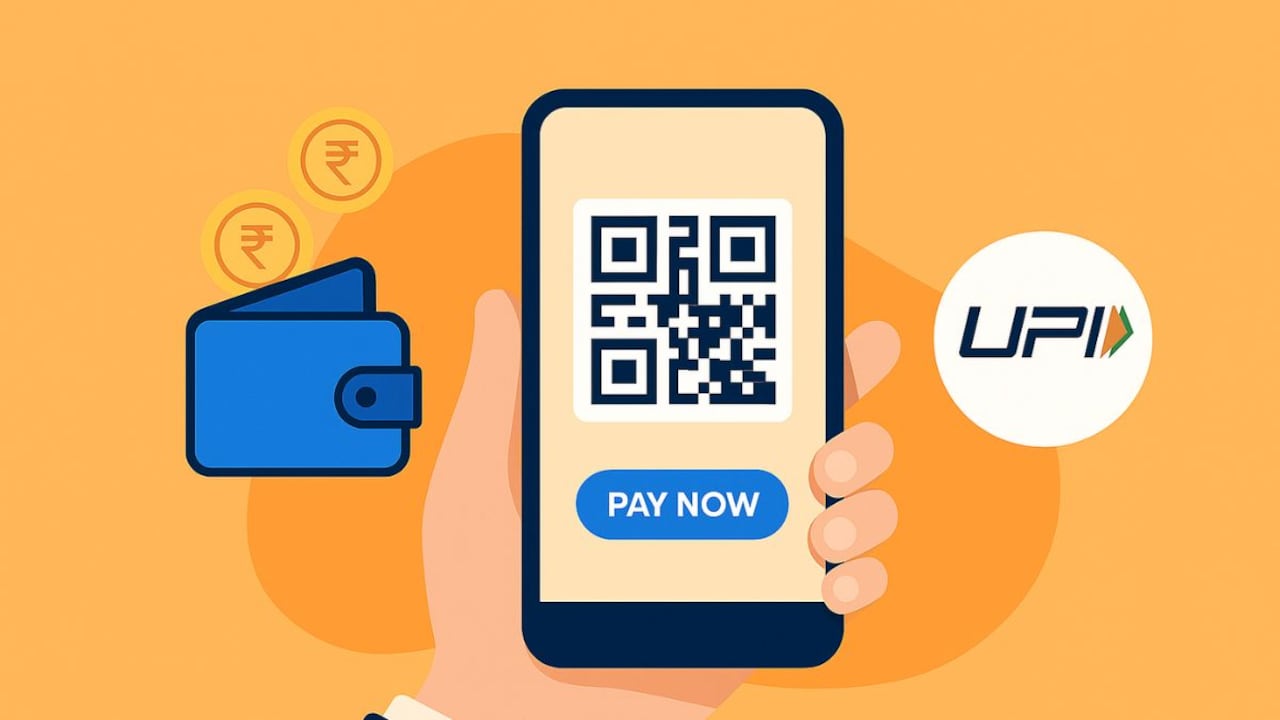
Digital payments have become essential, but they also require users to stay cautious and secure.
The way we handle money has changed dramatically over the past few decades. With the increasing penetration of smartphones, they have become central to our lives and our spending habits. So much so that digital transactions have moved from simply being convenient to an everyday necessity. Whether it is paying utility bills, buying groceries, booking travel, or transferring money to friends and family, mobile‑based financial services have made payments faster and more accessible than ever before.
Digital payments have become essential, but they also require users to stay cautious and secure.
Photo Credit: Co-Pilot
While digital payments have made our lives incredibly convenient, they also come with an important responsibility: keeping every online transaction secure. Cybercrime, phishing attempts, and payment-related fraud have grown increasingly sophisticated. According to The Indian Payments Handbook 2025-2030 by PwC, the rise in UPI-related fraud has paralleled the surge in users and transaction volume. In 2022-23, UPI-linked losses were valued at ₹5,730 million, about 0.4% of the total transaction value. By 2023-24, this figure had nearly doubled to ₹11 billion, representing 0.5% of total UPI transactions. The upward trend clearly underscores the growing risk.
Also Read: 7 UPI Features That Make Everyday Payments Effortless
For consumers, this makes awareness and caution more important than ever. The reassuring part? Securing your digital payments is neither complicated nor time‑consuming. With the right practices and a basic understanding of available security tools, you can significantly reduce your risk while transacting online.
Here, we have outlined some simple, practical ways that can help keep your digital transactions safe, no matter which service or app you use.
7 Ways To Keep Your Digital Transactions Safe
1. Start With A Secure Device
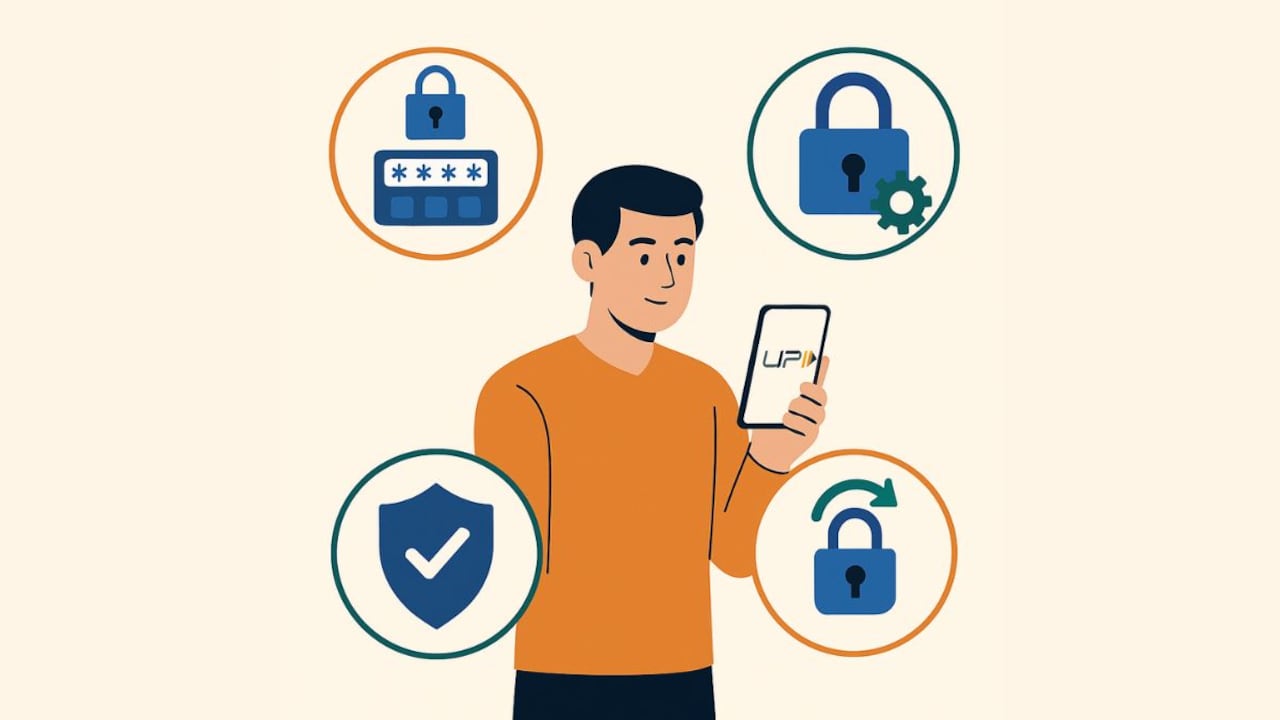
Your smartphone is the primary gateway to your digital transactions, which makes it crucial to secure the device itself. Many users overlook basic measures, but these first steps can prevent a large number of unauthorised access attempts.
How to secure your device for digital payments:
- Use a strong device lock and avoid easily guessable patterns.
- Enable biometric authentication, such as fingerprint or face recognition, for an added layer of security.
- Keep your phone's operating system, both Android and iOS, updated to ensure timely security patches.
- Remember that malware affects smartphones too, not just desktops.
- Avoid installing unknown apps or clicking on suspicious pop‑ups.
- Do not download files from unverified or untrusted sources.
- Maintain a clean, updated device as the foundation of secure digital payments.
2. Use Only Verified And Trusted Payment Apps
One of the easiest mistakes users make is downloading payment apps from unofficial websites, forwarded links, or unknown APK files, a file format used by the Android OS for the distribution and installation of mobile apps. This can expose you to fake applications that mimic real ones but steal data in the background.
Always download payment apps from official app stores like the Google Play Store or Apple App Store. These platforms check apps for authenticity and remove malicious ones when found. Also, keep an eye out for regular app updates, as these include security improvements or new safety features.
3. Be Aware Of What You Should Never Share
A large part of digital fraud still occurs through social engineering, where someone tricks you into willingly sharing sensitive information. The rule here is simple: no genuine financial service provider will ever ask for your PIN, OTP, CVV, full card number, or password. This applies to phone calls, messages, emails, and even social media.
Fraudsters usually attempt to create urgency: warning you that your account might be blocked or claiming you have won a reward. This is where staying calm and sceptical protects you. If something feels unusual, it is best to disconnect and verify directly through official customer‑care channels.
Use strong passwords, safe networks, and always verify payment details before approving.
Photo Credit: Co-Pilot
4. Strengthen Your Passwords And Authentication Settings
Weak passwords remain one of the most common causes of digital account breaches. Using the same password across multiple platforms puts every account at risk if even one is compromised.
Create unique passwords for banking and payment apps. Where possible, activate two‑step or multi‑factor authentication. This ensures that even if someone learns your password, they cannot log in without the secondary verification.
5. Make Payments On Safe, Private Networks
Public Wi‑Fi is convenient, but it is not secure enough for financial transactions. Open networks can be monitored, intercepted, or imitated by fraudsters to capture sensitive data.
Whenever possible, use mobile data or your home Wi‑Fi for payments. Turn off Bluetooth, hotspot and Wi‑Fi when not in use, as these are also entry points for unauthorised access. A secure network environment significantly reduces the risk associated with digital transactions.
6. Check Before You Approve A Payment
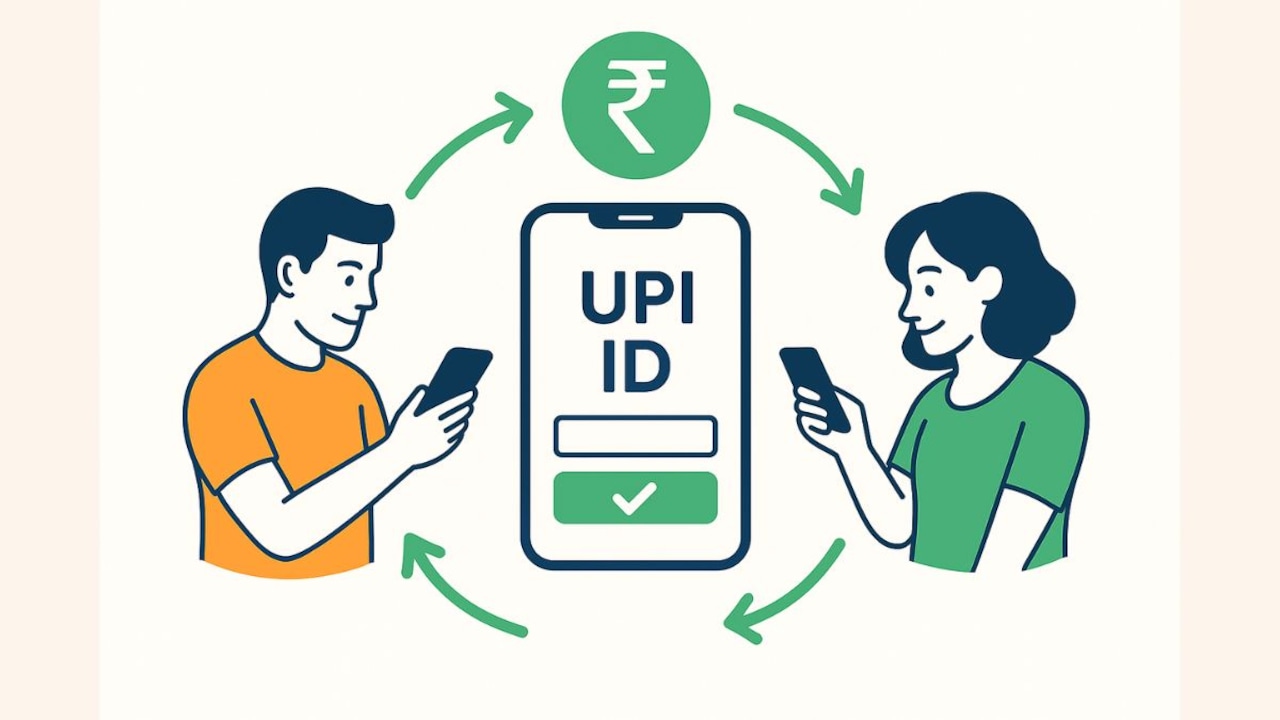
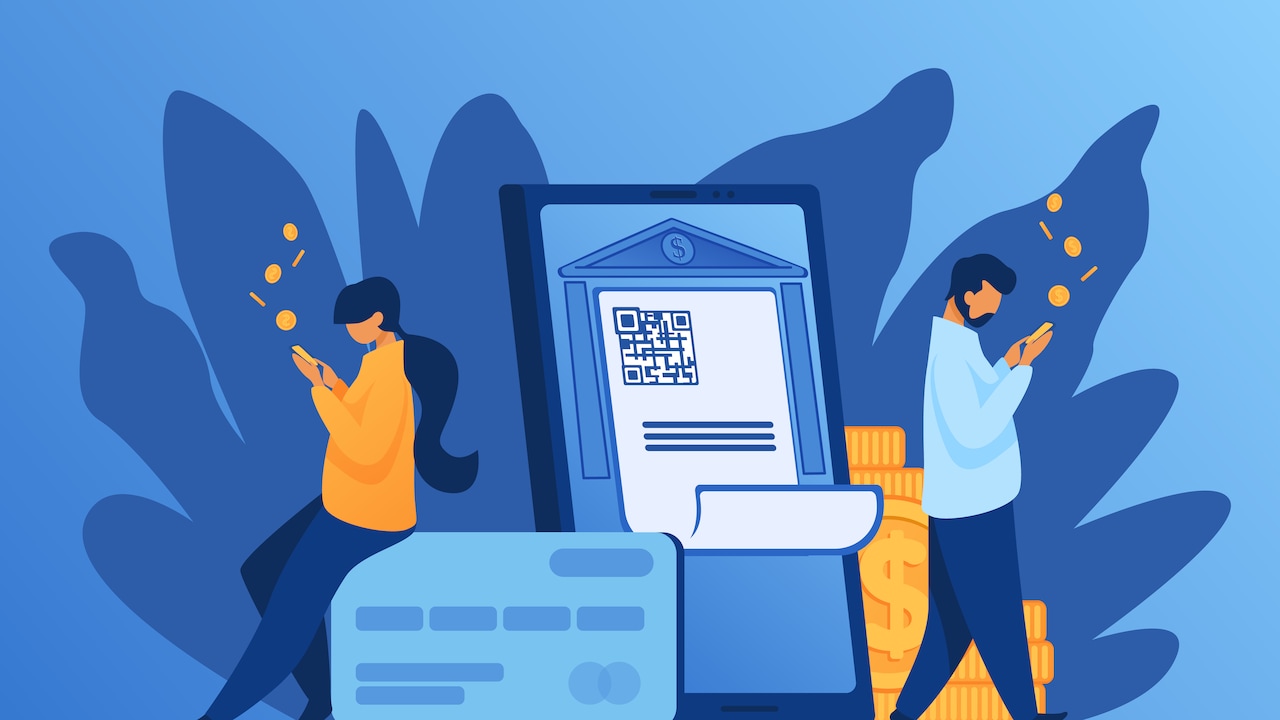
Digital fraud today often comes disguised as everyday activities. A common trick is sending small payment requests that users approve without reading carefully. Another involves sharing fake QR codes, either digitally or physically pasted at shops.
Follow these steps before approving any payment:
- Check the requester's name or number.
- Confirm with the person through a separate channel if necessary.
- Remember that scanning a QR code is used only for paying money, not receiving it.
Taking a few seconds to verify the details can prevent costly errors.
7. Monitor Your Transactions Regularly
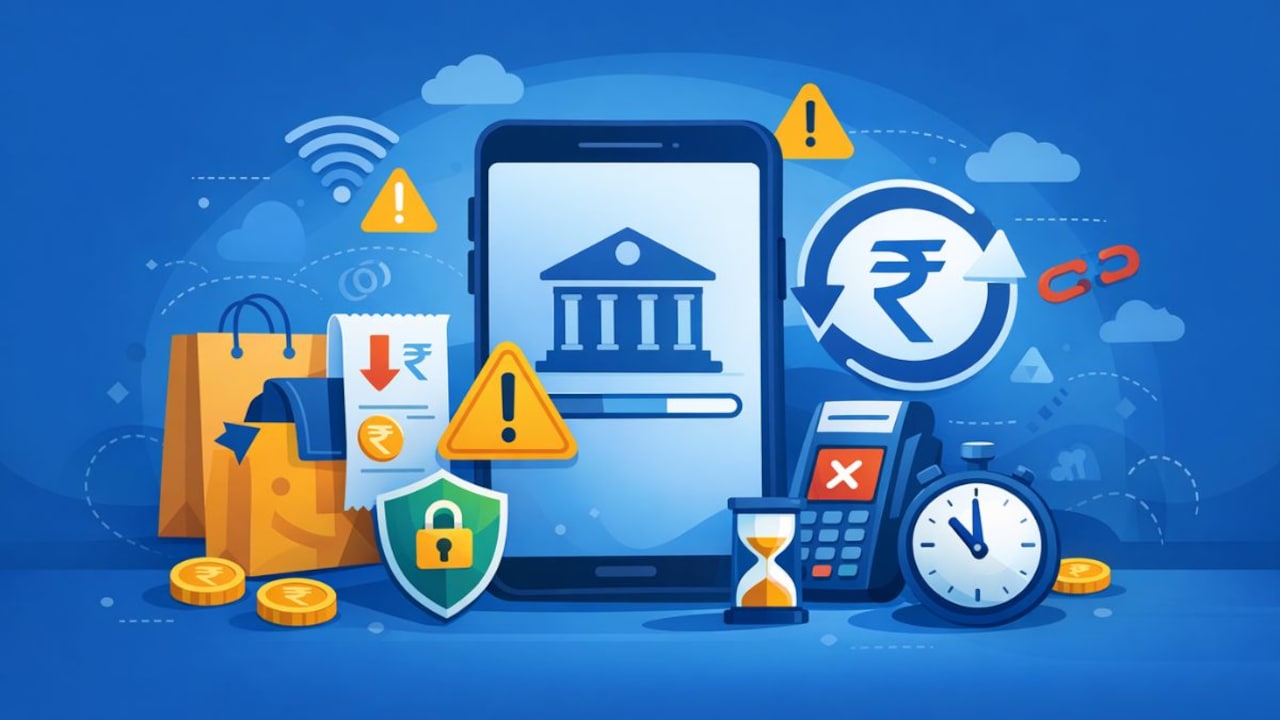
Even with all precautions, staying alert is essential. Monitoring your transaction history helps you spot suspicious activity early. Payment apps generally offer instant notifications for every transaction; do not ignore these alerts.
Reviewing your statement periodically gives you a clear picture of your spending and helps detect issues before they escalate. If something looks unusual, report it immediately.
Safe Mobile Payments: How Verified And Trusted Apps Like Paytm Support Secure Transactions
Regularly checking transactions and using secure apps like Paytm can keep your digital payments safe.
Photo Credit: Co-Pilot
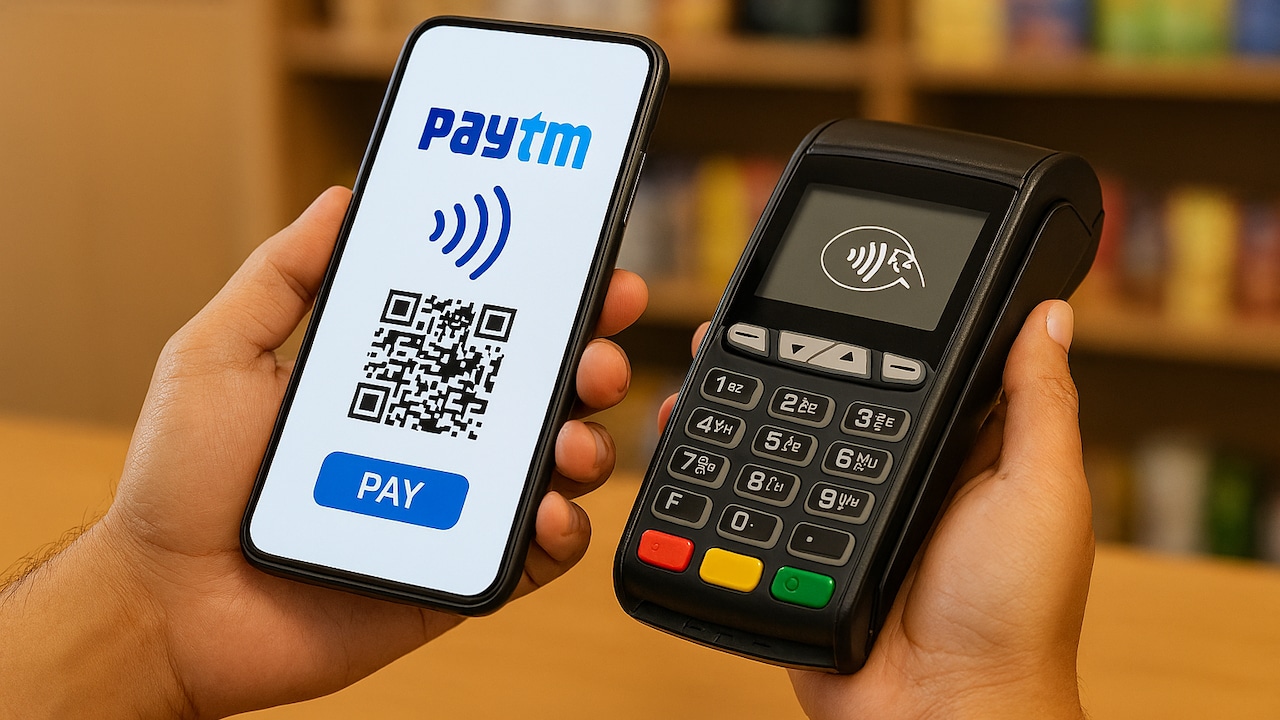
As one of the most widely used digital payment platforms in India, Paytm places significant emphasis on user safety. The app uses multiple layers of security, a unique PIN, Advanced Encryption, Two-Factor Authentication, Secure Servers and Fraud Detection Systems to detect unusual activity. Users receive instant alerts for all transactions, making it easier to stay aware of account activity.
Paytm also offers secure login methods and complies with regulatory guidelines, helping ensure that transactions remain safe even as digital payments continue to evolve. The platform's clear prompts, warnings, and educational guidance further support users in practising safe digital payment habits.
Bottom Line
Digital transactions have made payments quicker and more convenient, but they also demand responsible usage. By securing your device, choosing trusted apps, recognising fraud attempts, and staying aware of your activity, you can keep your digital payments safe with minimal effort.
Awareness, caution, and the right digital habits are the strongest tools you have. As digital payment systems grow, staying informed today ensures a safer financial experience tomorrow.
Frequently Asked Questions (FAQs)
1. How can I make my digital transactions more secure?
Use a secure device, avoid public Wi‑Fi, enable strong passwords and two‑factor authentication, and only use trusted payment apps.
2. Is it safe to use mobile wallets for daily payments?
Yes, mobile wallets are generally safe when used on verified apps and secure networks. Users should still follow basic safety practices to avoid fraud.
3. What should I do if I suspect an unauthorised transaction?
Immediately check your transaction history, change your password, and report the issue to your bank or service provider without delay.
4. How do fraudsters commonly target digital payment users?
Common methods include phishing messages, fake payment links, fraudulent QR codes, and calls requesting confidential information.
5. Can scanning a QR code put my money at risk?
Scanning is safe when the QR code is genuine. Always verify the source, as fake or tampered codes can lead to incorrect payments.
(Disclaimer: This article may include references to or features of products and services made available through affiliate marketing campaigns. NDTV Convergence Limited (“NDTV”) strives to maintain editorial independence while participating in such campaigns. NDTV does not assume responsibility for the performance or claims of any featured products or services.)