Scan, Tap, Smile: How India Made Cashless Travel A Joy
Whether you're travelling from Pune to Puri or returning home as an NRI, paying without cash has never been easier or more joyful. This guide celebrates how India's digital payments ecosystem works in practice, and shows you how to get set up so that every chai, cab, and temple ticket is just a quick scan away.
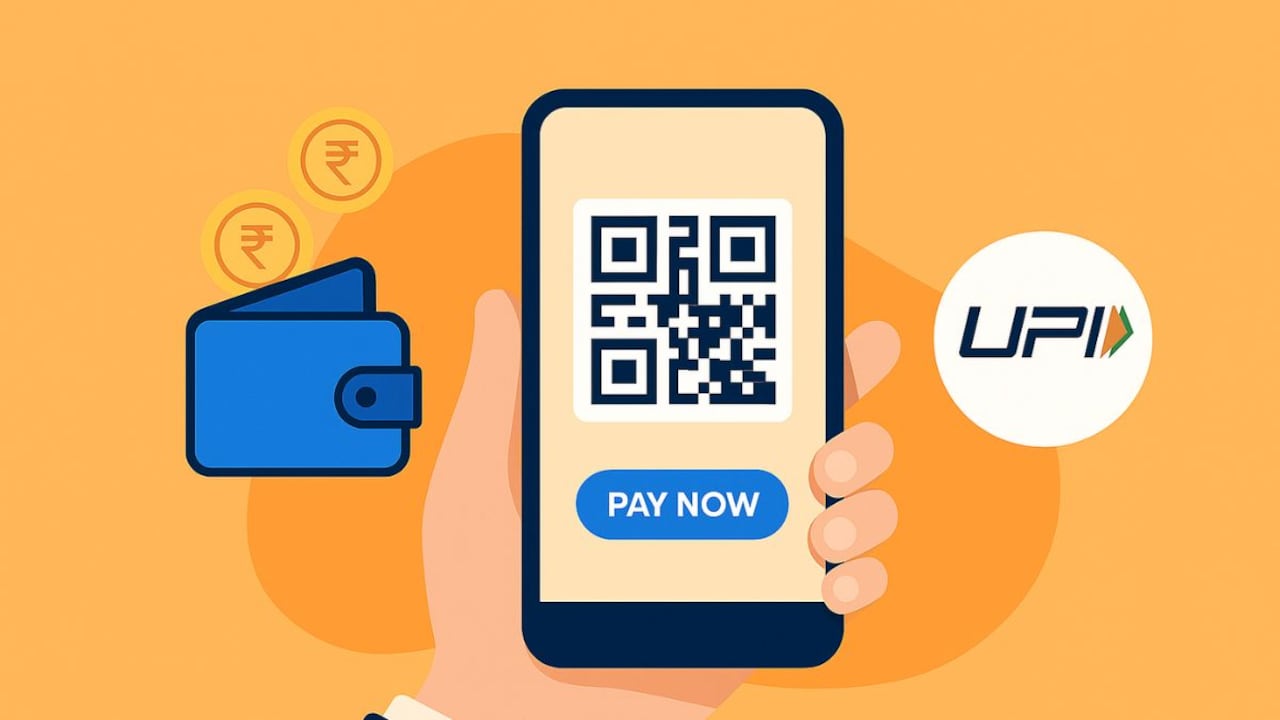
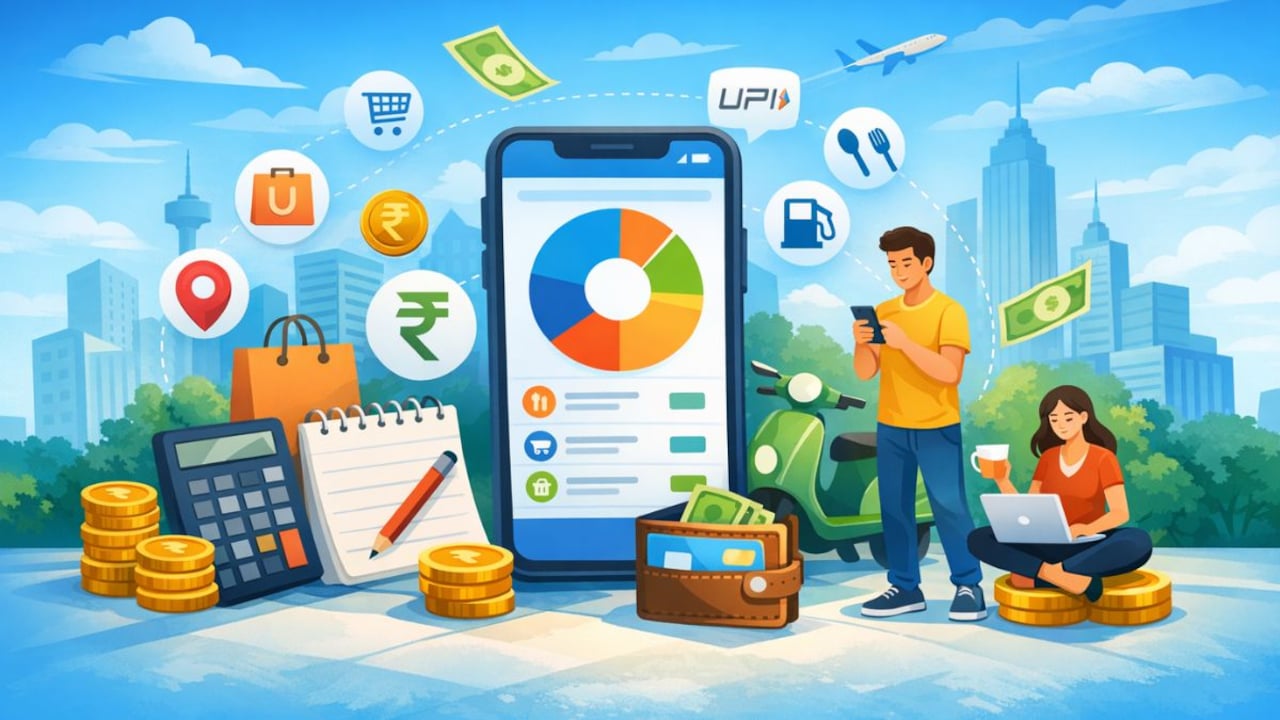
Travellers can pay almost anywhere using digital methods like UPI, even at small roadside shops.
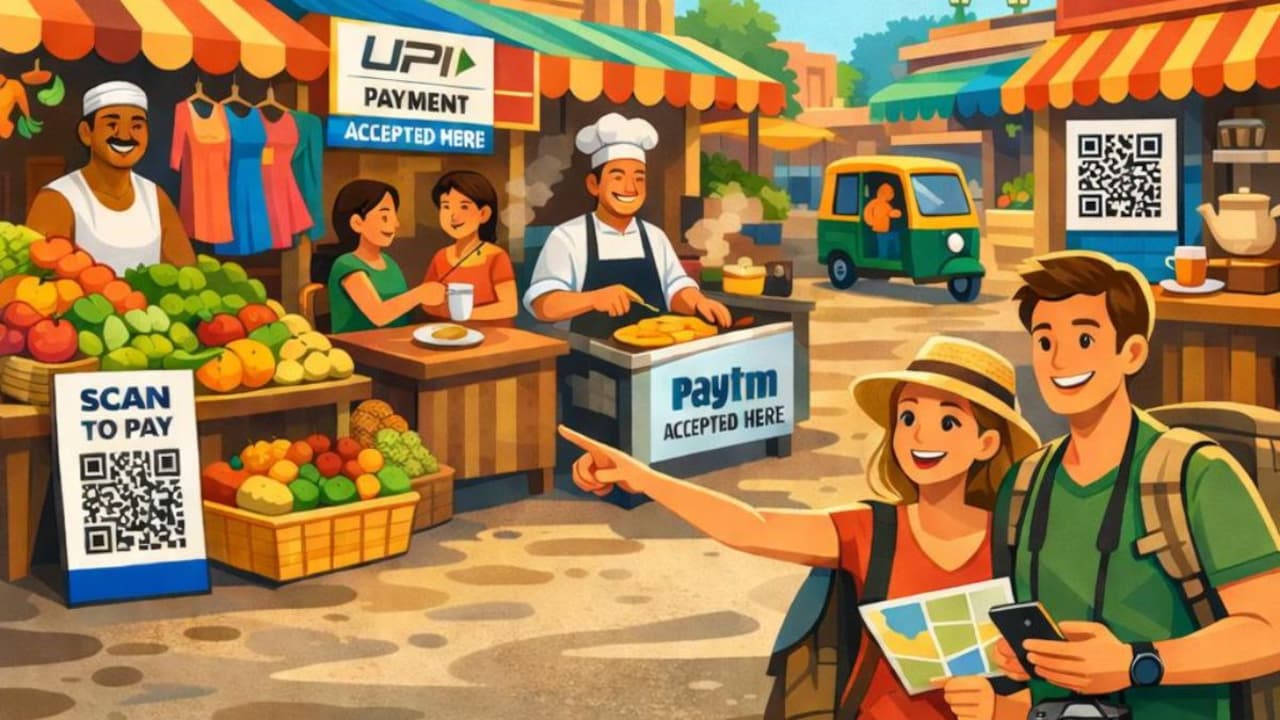
Walk through any bazaar, and you'll notice the same ritual everywhere: point your phone at a QR code, enter the amount, add your PIN, and you're done. QR acceptance has exploded nationwide, and UPI now powers billions of low‑value, high‑frequency transactions every month, especially at kirana stores, pharmacies, transport hubs, and cafes. In December alone, NPCI reported UPI payments worth up to ₹22.78 lakh crore*. Recent snapshots show active UPI QR deployments crossing hundreds of millions and UPI volumes rising steeply, with person‑to‑merchant payments leading the way.
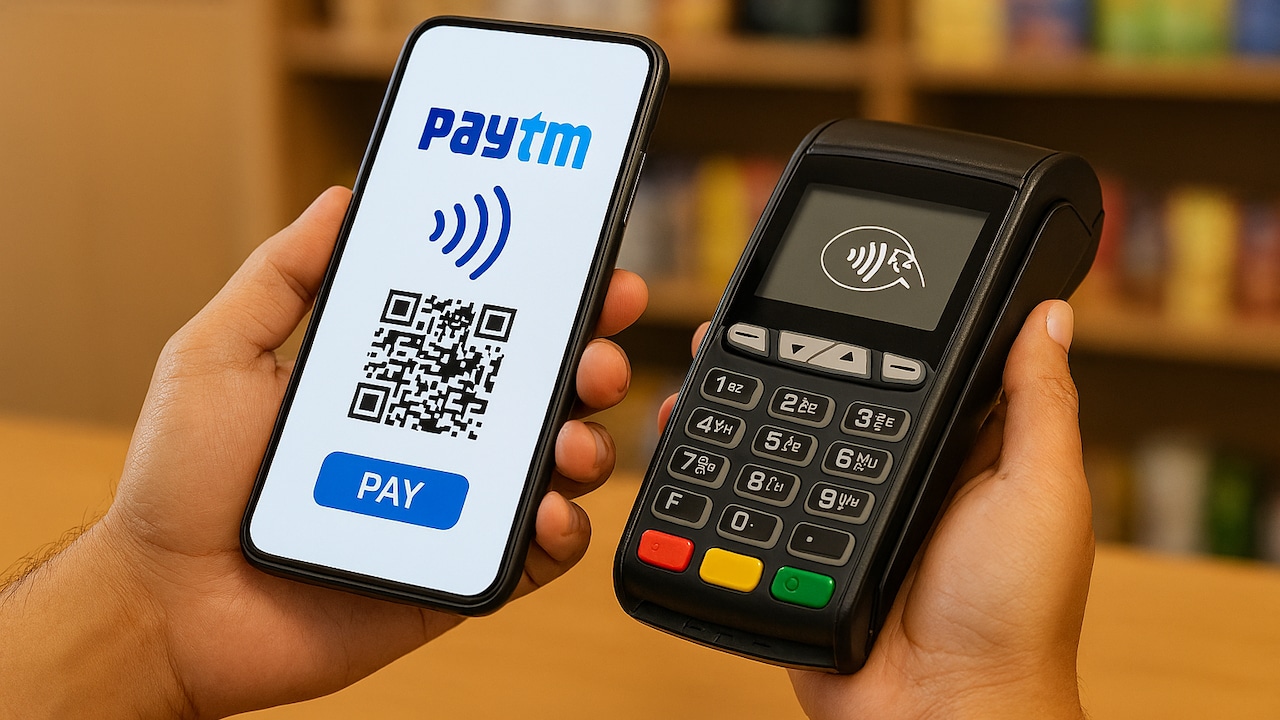
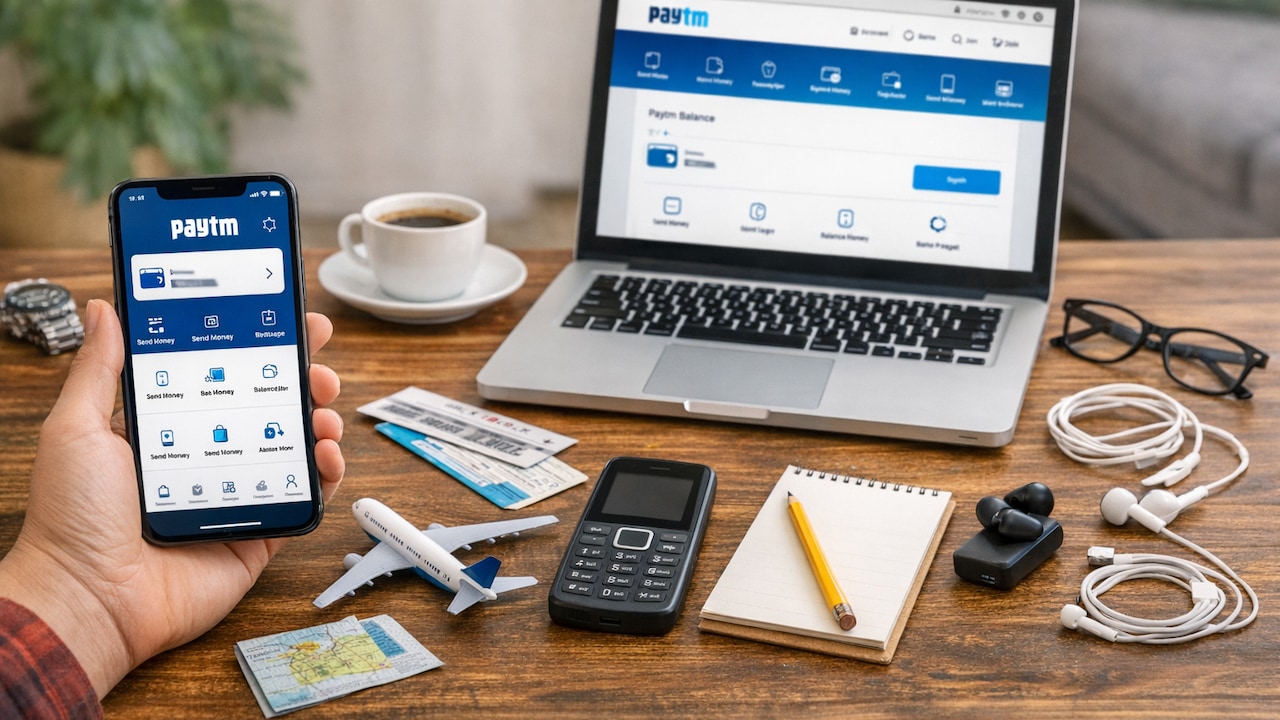
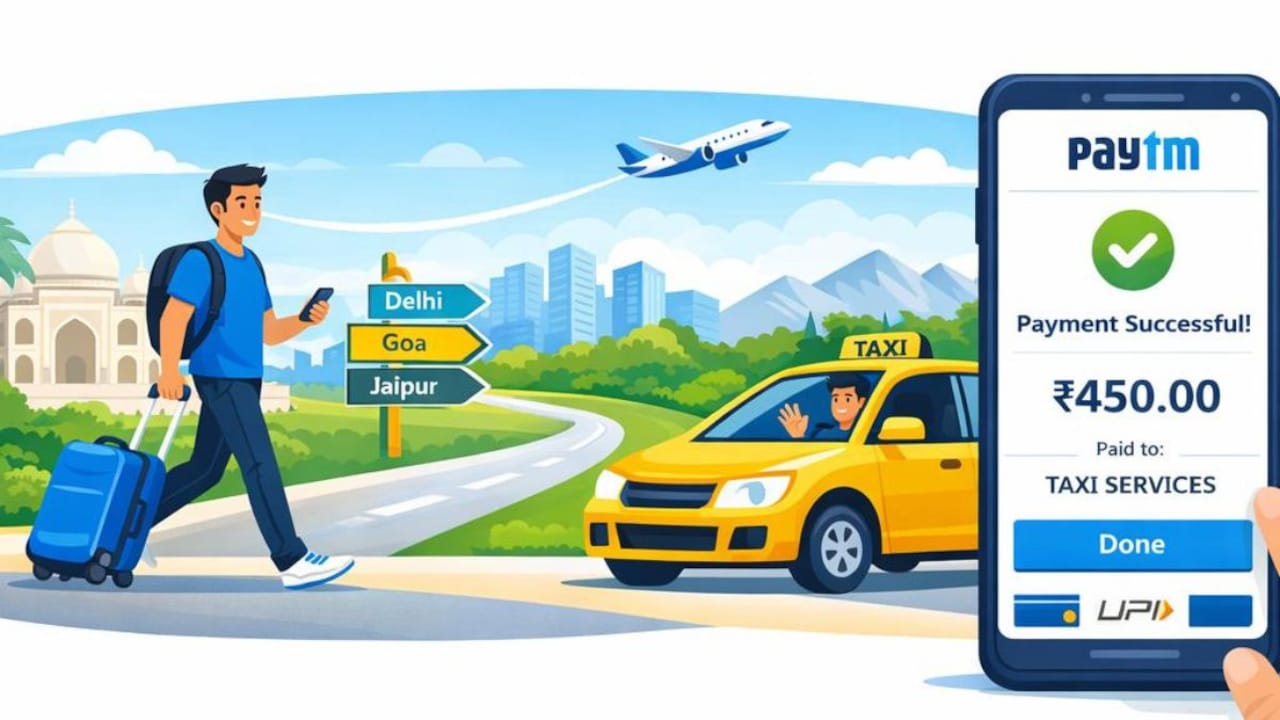
Apps like Paytm make digital payments fast, secure, and convenient for all types of travellers in India.
Photo Credit: Co-Pilot
So, how does this make a difference for travellers? Well, digital payments are now becoming the default, not the exception, across metros and smaller towns alike, so domestic travellers, NRIs and foreign visitors can plan confidently for cash‑light journeys.
Also Read: 7 UPI Features That Make Everyday Payments Effortless
The Joy Of Going Digital
India's digital payment story is unlike any other. While many countries leaned on cards, India leapfrogged straight to mobile payments. Today, UPI, the Unified Payments Interface, powers billions of transactions every month, making it possible to pay for almost anything with a few taps on a smartphone. From bustling metros to sleepy hill towns, QR codes have become the universal language of commerce.
And it's not just practical, it's charmingly Indian. You'll spot QR codes stuck on coconut carts, printed on food stalls, even dangling from cycle repair shops. Ask for a chai and the vendor might smile, point you towards the QR scanner and say, “UPI chalega” (UPI will work), because it almost always does.
Why Scan The QR Code?
Here's the thing: a QR code isn't money, it's a doorway, and in the literal sense, it is a type of barcode that can be scanned with a smartphone or scanner to make a transaction. When you scan it, you're triggering a digital payment through UPI, cards or net banking. UPI, in particular, is the backbone of this modernisation, enabling instant money transfers between bank accounts. UPI is a real-time digital payment system in India that lets people instantly send and receive money between bank accounts using a mobile app.
For travellers, this means no more currency exchange queues, no more worrying about carrying wads of cash, and definitely no more awkward “Do you have ₹10 change?” moments.
Setting Yourself Up For A Smooth Ride
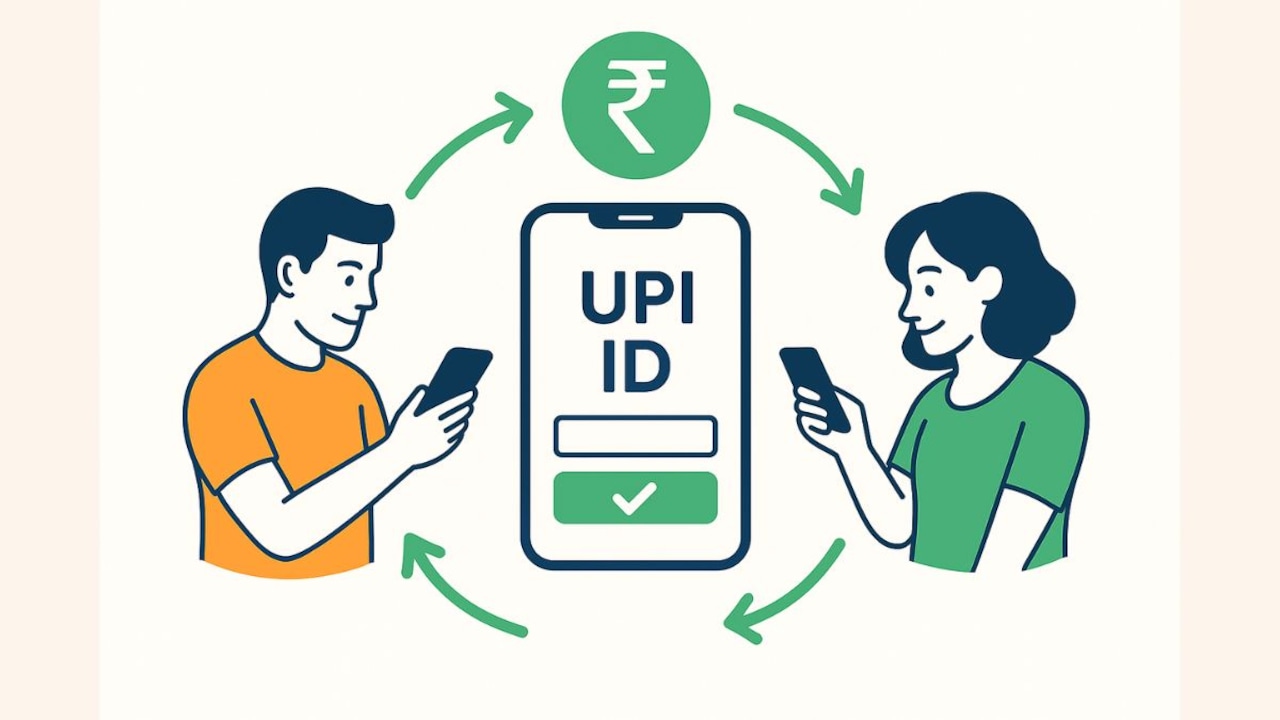
Travellers can pay almost anywhere using digital methods like UPI, even at small roadside shops.
Photo Credit: Co-Pilot
For Indian residents, it's simple: link your bank account to a UPI app, and you're ready to go. For NRIs, the process is now just as seamless. If you hold an NRE or NRO account, you can link it to a UPI app using your international mobile number; no need for an Indian SIM. And for foreign tourists without Indian bank accounts, there's UPI One World, a prepaid wallet that lets you scan and pay at millions of merchants after a quick KYC at the airport.
The beauty of this system is its inclusivity. Whether you're paying for a cab in Mumbai or for a thali in Varanasi, the experience feels effortless. Just remember to keep your phone charged; a dead battery is the only real villain in this story.
What If You Don't Have Internet?
India's connectivity is impressive, but there are moments, on misty hilltops or in remote villages, when the signal fades. That's where offline UPI steps in. With UPI 123PAY, you can make payments through a simple call or missed call, no internet required. It's a lifesaver for those offbeat adventures where Wi-Fi is a myth, and the scenery is worth every second of disconnection.
Living The Cashless Culture
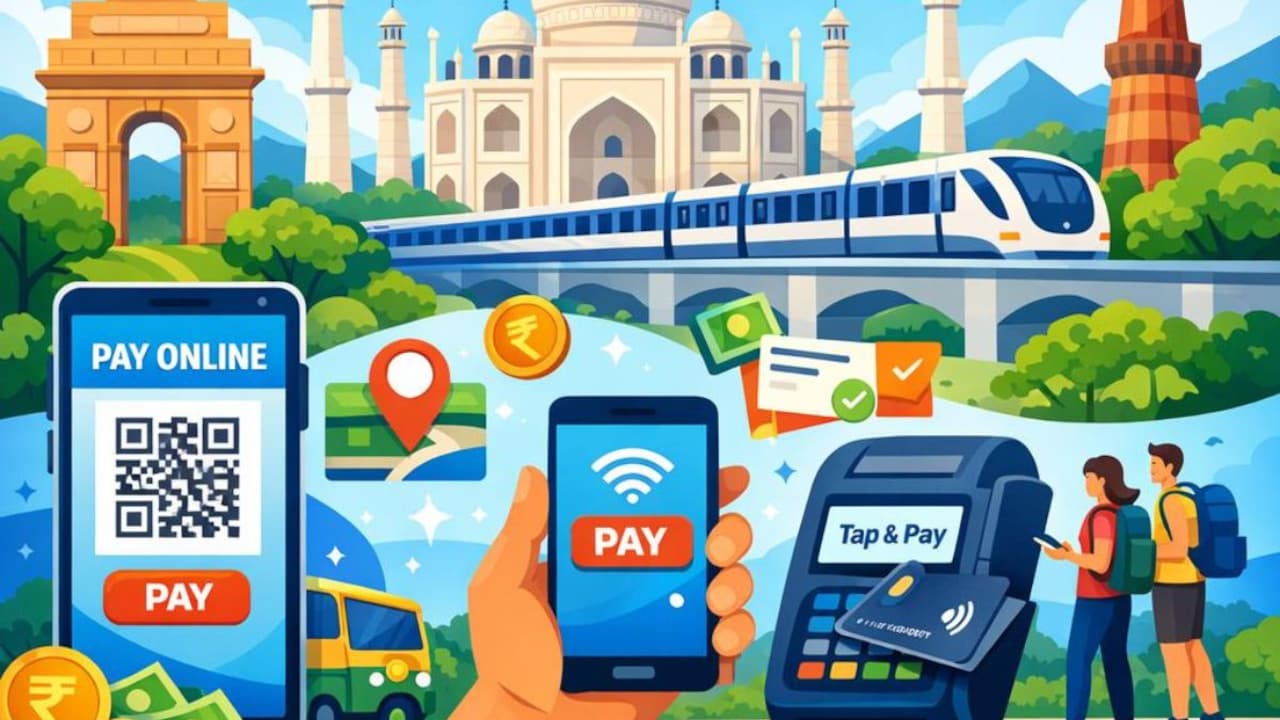
UPI and QR codes have made travelling in India easy and mostly cash-free.
Photo Credit: Co-Pilot
Travelling cashless in India isn't just about convenience; it's about joining a cultural shift. Imagine you're at a roadside dhaba, the aroma of parathas in the air. Instead of looking for money, you scan a QR code taped to a steel tumbler. Or you're in a temple, and your offering is a digital transfer, as sacred as any note. It's quirky, it's modern, and it's deeply Indian.
Of course, a little caution goes a long way. Treat your UPI PIN like your suitcase lock; never share it. Enable biometric authentication on your app, and ignore suspicious cashback links. Digital payments are secure, but the onus is on the smart traveller to stay alert.
How Paytm Makes It Effortless
If there's one app that feels like it can do it all, it's Paytm. Trusted by millions, Paytm simplifies every step of the cashless journey. From scanning QR codes at roadside stalls to paying hotel bills, its interface is intuitive, and its features are built for real-world travel.
Paytm supports UPI Lite for quick, PIN-free micro-payments, offers detailed spend tracking for those who like to budget, and even allows you to hide sensitive transactions for privacy. For NRIs, Paytm works with banks that allow international mobile onboarding (coupled with NRE/NRO type accounts). In short, if you want a smooth, reliable experience while travelling in India, Paytm is your best bet.
Key advantages of using Paytm:
- Widely accepted across cities, towns, and small merchants
- Fast, secure payments with minimal setup
- Helpful tools for budgeting and expense tracking
- Privacy controls for sensitive transactions
- Designed to work seamlessly for locals, NRIs, and international travellers
A Celebration, Not A Checklist
This isn't about surviving without cash, it's about savouring the freedom of travelling light. With UPI and apps like Paytm, payments become efficient and even joyful, seamlessly fitting into your journey. So pack your bags, charge your phone, and embrace the UPI revolution. From the chaos of Chandni Chowk to the calm of Coorg, India is ready for you, cash-free, stress-free, and full of surprises.
Frequently Asked Questions (FAQs)
1. Is it possible to travel in India without cash?
Yes, India is highly cashless-friendly thanks to a dominating and efficient digital payment system. Most vendors, shops, and services accept payments via UPI or credit/debit cards.
2. Do I need an Indian bank account for UPI payments?
Yes, UPI requires an Indian bank account linked to your mobile number. NRIs can use accounts maintained in India or link their NRE/NRO account. For foreign nationals, the best bet
is to use a UPI One World Wallet that can be activated without an Indian bank account or phone number.
3. What if I don't have internet access while travelling?
UPI registered users can use UPI 123PAY for offline transactions through calls or missed calls.
4. Are cashless payments safe in India?
Yes, cashless payments like UPI are secure when you use a strong PIN, enable app lock, and avoid sharing credentials.
5. Should I carry any cash while travelling in India?
It's wise to keep a small amount for emergencies, but most places accept digital payments.
*Source: NPCI Product Statistics- UPI (Read Here)
(Disclaimer: This article may include references to or features of products and services made available through affiliate marketing campaigns. NDTV Convergence Limited (“NDTV”) strives to maintain editorial independence while participating in such campaigns. NDTV does not assume responsibility for the performance or claims of any featured products or services.)