Gear Cycle Vs Single-Speed Cycle: Which One Makes Sense For City Roads?
Confused between a gear cycle and a single-speed cycle for city roads? This is a clear guide to comfort, cost, maintenance, speed and daily use, so you can choose the right cycle for your commute.
Gear Cycle Vs Single-Speed Cycle: What Should You Buy For City Riding?
A cycle in the city does more than move from one point to another. It sneaks past traffic, saves fuel money, keeps the body active, and adds a little freedom to the day. Yet one question often confuses buyers at the cycle shop: should the new ride have gears, or should it stay simple with a single-speed setup? Both choices have loyal fans. Some riders love the smooth click of gears while climbing a flyover. Others enjoy the no-fuss charm of a single-speed cycle that asks for little and delivers plenty. City roads rarely behave the same way for everyone. A flat colony road, a hilly university campus, a crowded bazaar lane, and a long office commute all demand different things. So, before spending ₹8,000, ₹15,000, or even more, it helps to understand what these cycles really offer. The answer does not sit in the showroom brochure. It lives in daily use, sweaty climbs, repair bills, monsoon puddles, and that tiny moment when the traffic light turns green.
Gear Cycle Vs Single-Speed Cycle: What Should You Buy For City Riding?; Photo Credit: Pexels
Key Factors To Consider Before Choosing Your City Cycle
Understanding The Basic Difference
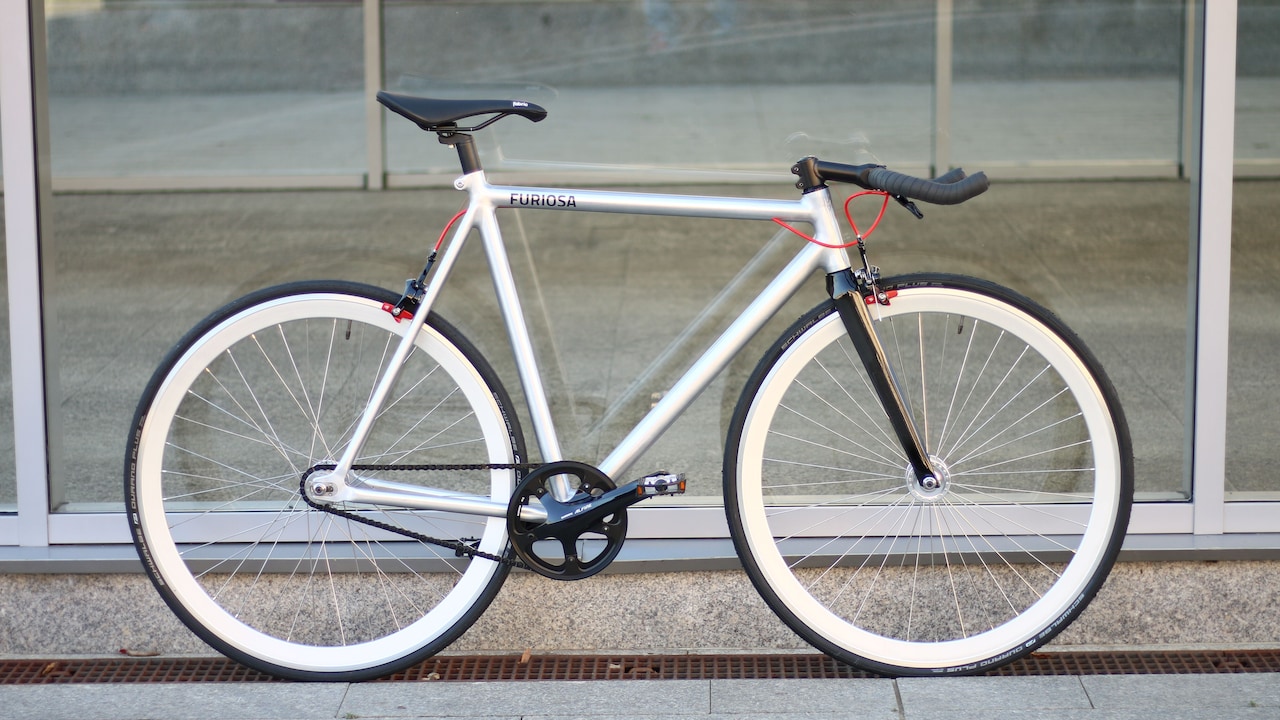
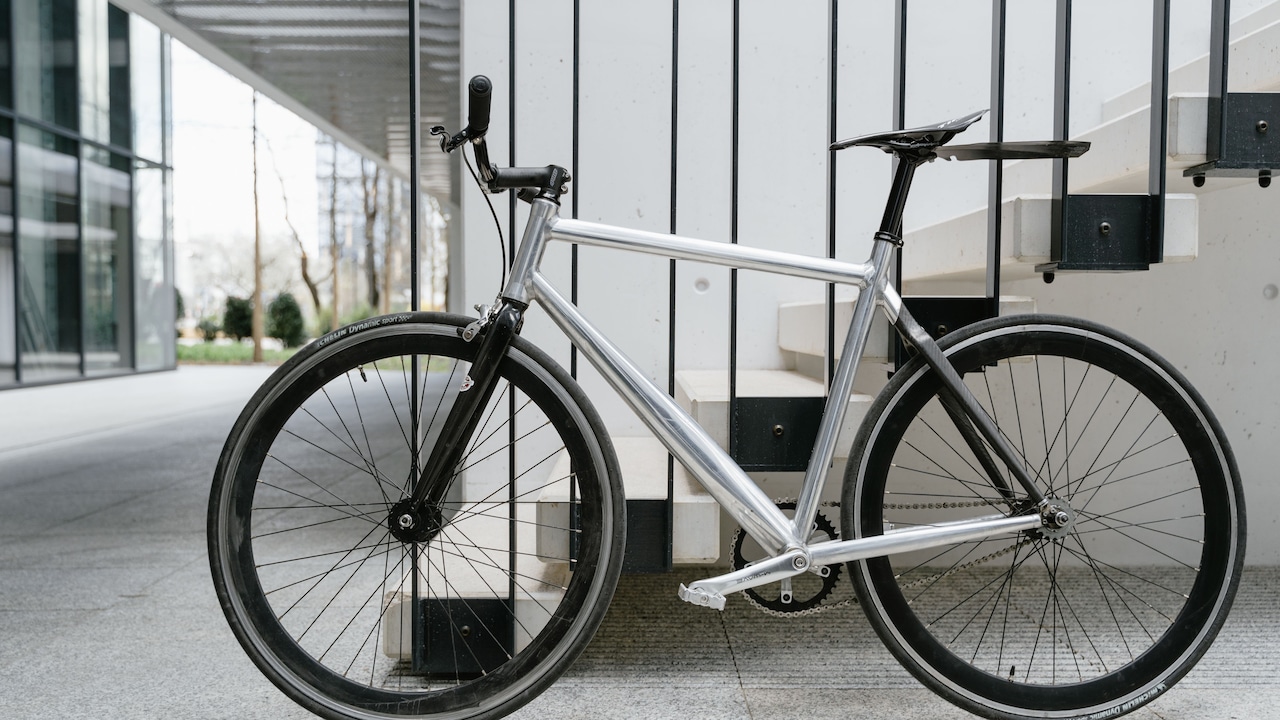
A single-speed cycle comes with one fixed gear ratio. The rider pedals, the chain turns, and the cycle moves without any gear changes. This simplicity gives it a clean, honest feel. There are fewer parts, fewer adjustments, and less confusion. For short rides on mostly flat roads, this setup works beautifully. Many school-goers, office riders, and neighbourhood errand runners prefer it because it feels familiar.
A gear cycle, on the other hand, offers multiple gear combinations. These gears help the rider adjust pedalling effort according to the road. A lower gear makes climbing easier. A higher gear helps on open stretches where speed matters. This flexibility feels useful in cities with flyovers, slopes, uneven roads, or longer commutes.
The difference sounds technical, but the experience feels very practical. A single-speed cycle says, “Keep pedalling.” A gear cycle says, “Choose how hard you want to pedal.” For some riders, that choice feels like comfort. For others, it feels like unnecessary drama.
Also Read: Cycling For Fitness: The Benefits Of Incorporating Biking Into Your Routine
City Roads Are Not Always Flat
Many people imagine city roads as flat, smooth strips of tar. Daily riders know better. A five-kilometre ride can include broken patches, speed breakers, gentle slopes, flyovers, underpasses, and surprise craters that appear after one good shower. This uneven mix changes the way a cycle feels.
On a flat road, a single-speed cycle performs well. The pedalling rhythm stays steady, and the rider does not need to think much. It suits areas with broad internal roads, market lanes, and short commutes. However, once the route includes regular climbs, the effort increases quickly. A flyover after a long day can feel like a punishment from a strict maths teacher.
A gear cycle handles such changes with more grace. Shifting to a lower gear reduces strain on the legs and knees. The rider keeps moving without standing on the pedals or wrestling with the handlebar. For routes with frequent ups and downs, gears can turn a tiring ride into a manageable one.
Comfort During Daily Commutes
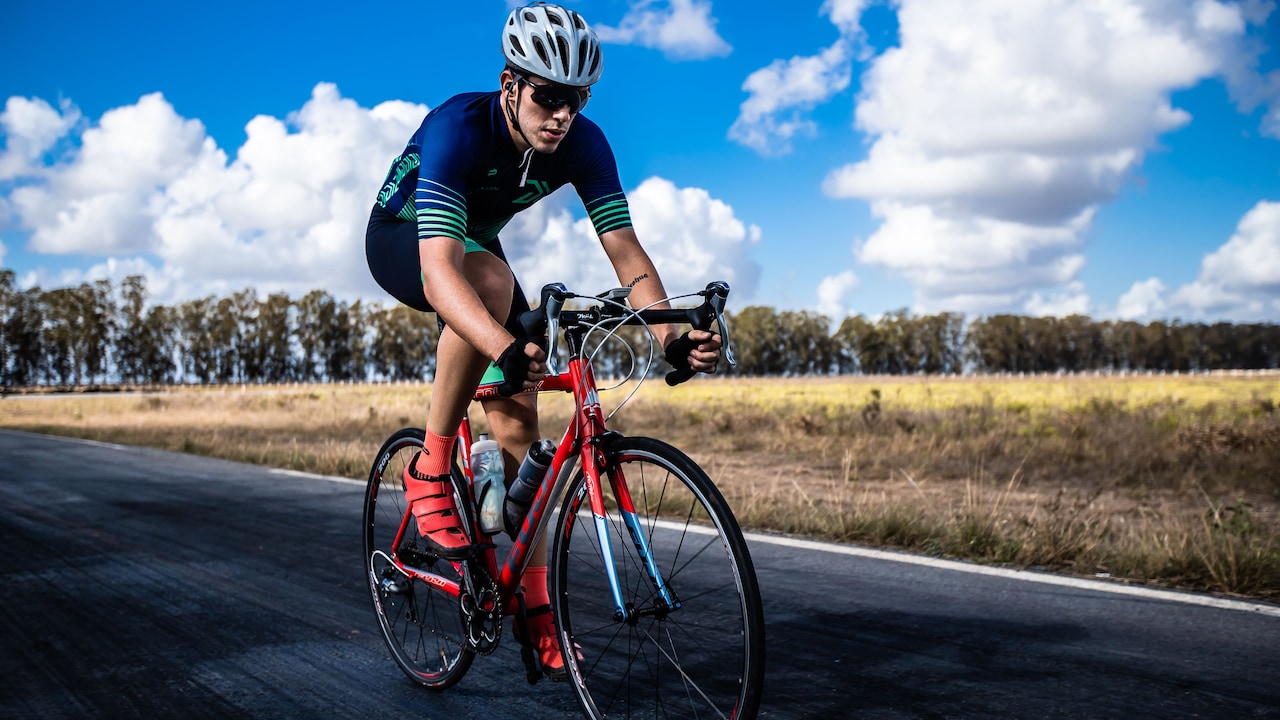
Daily commuting tests patience more than speed. The body notices every extra push, every rough patch, and every minute spent pedalling under the sun. A single-speed cycle can feel light, direct, and predictable during short commutes. It works especially well when the distance stays under five or six kilometres, and the road remains mostly level.
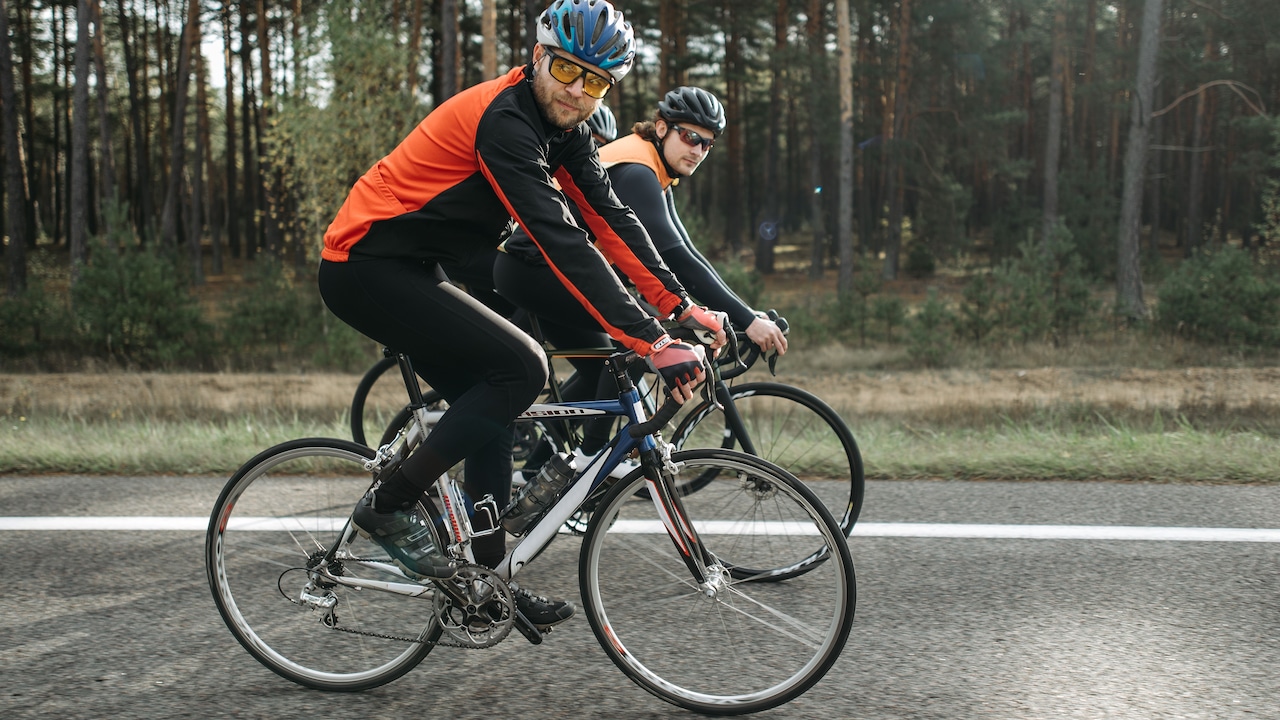
For longer rides, a gear cycle often offers better comfort. The rider can change gears when traffic slows, when the road climbs, or when fatigue sets in. This matters during office commutes, especially with a laptop bag, lunch box, and the mental load of pending emails. Gears help maintain a steady cadence instead of forcing the legs to fight the road.
That said, comfort also depends on seat quality, handlebar height, tyre pressure, and riding posture. A poorly fitted gear cycle can feel worse than a simple single-speed cycle. The best commute cycle should make the rider feel fresh enough to enter work without looking like the hero of a rain-soaked film climax.
Gear Cycle Vs Single-Speed Cycle: What Should You Buy For City Riding?; Photo Credit: Pexels
Maintenance And Repair Costs
Single-speed cycles win many hearts because they keep maintenance simple. With fewer moving parts, there is less that can go wrong. The chain, brakes, tyres, and bearings need basic care. A neighbourhood mechanic can usually fix most issues without much fuss. Repair costs also stay reasonable. A basic service may cost a few hundred rupees, depending on the city and workshop.
Gear cycles need more attention. Derailleurs, shifters, cables, and gear tuning all require care. Dust, rainwater, and rough handling can affect shifting. When gears go out of adjustment, the chain may slip or make irritating clicking sounds. A proper tune-up may cost more than a basic single-speed service. Replacement parts can also push the bill higher.
This does not mean gear cycles are fragile. Good ones last long with regular care. Still, riders who want a low-maintenance companion for daily errands may prefer a single-speed. Those ready to clean, lubricate, and service the drivetrain from time to time can enjoy the benefits of gears without too much trouble.
Speed In Real Traffic Conditions
Speed sounds exciting, but city traffic has its own sense of humour. A rider may pedal fast for thirty seconds, then stop behind an auto, a bus, a cow, or a delivery scooter parked with full confidence in the wrong place. In such conditions, average speed matters more than top speed.
A single-speed cycle can move quickly on short, flat stretches. It responds instantly because there is no gear selection involved. The rider simply pushes harder. For stop-and-go traffic, this direct feeling can feel pleasant. However, once the road opens up, the fixed gear ratio may limit speed. Pedalling can become too fast without adding much extra pace.
A gear cycle gives more control over speed. Higher gears help on open roads, while lower gears help after traffic stops. This flexibility suits riders who cover longer distances or use wider main roads. Yet gears do not automatically make anyone faster. Smart riding, safe braking, tyre choice, and route planning matter just as much. In the city, a calm rider often reaches before a reckless racer.
Fitness And Riding Effort
Both cycle types can improve fitness, but they train the body differently. A single-speed cycle demands consistent effort. Since the rider cannot shift to an easier gear, the legs must adapt to the road. This can build strength over time, especially on mild slopes and short climbs. It also keeps the ride simple. No gear thinking, no screen watching, no over-planning.
A gear cycle allows better control over effort. Riders can keep a comfortable pedalling rhythm instead of grinding slowly in a hard ratio. This helps beginners, older riders, and people returning to cycling after a long gap. It also reduces strain on the knees when used correctly. Lower gears make climbs easier and help avoid heavy, forceful pedalling.
For fitness, the “better” cycle depends on consistency. A simple cycle used daily beats an expensive gear cycle gathering dust near the shoe rack. The best fitness cycle is the one that tempts the rider to go out again the next morning, even when the pillow argues strongly.
Budget And Value For Money
Budget plays a big role in the decision. Single-speed cycles usually cost less. A decent city-friendly model may start from around ₹5,000 to ₹8,000, while better-built options can go higher. For students, first-time riders, and casual users, this makes them attractive. The lower purchase price also leaves room for useful accessories such as a lock, mudguards, lights, a bell, and a comfortable seat cover.
Gear cycles generally cost more. Entry-level models may start around ₹10,000 to ₹15,000, and prices rise with better components, lighter frames, disc brakes, and branded drivetrains. The higher price makes sense only when the rider actually uses the gears. Buying a 21-speed cycle for a two-kilometre flat ride to the market may look impressive, but it may not offer real value.
Value also includes long-term costs. A cheaper cycle that needs fewer repairs can feel smarter over the years. A gear cycle justifies its price when it reduces fatigue, supports longer rides, and makes the commute more enjoyable.
Gear Cycle Vs Single-Speed Cycle: What Should You Buy For City Riding?; Photo Credit: Pexels
Monsoon, Rust And Rough Weather
City cyclists know the monsoon story well. One day the road looks normal. The next day it becomes a glossy obstacle course of puddles, mud, and mystery splashes. Weather affects both geared and single-speed cycles, but gears need extra care.
A single-speed cycle has a simpler drivetrain, so cleaning takes less time. After a wet ride, the rider can wipe the frame, clean the chain, apply lubricant, and park it in a dry corner. The absence of gear mechanisms reduces the number of parts that can collect grime.
A gear cycle needs more careful cleaning around the derailleur, cassette, chainrings, and cables. Mud can affect shifting. Water can encourage rust if the cycle sits damp for days. Riders in coastal cities or rainy regions should pay attention to lubrication and storage. A covered parking spot helps a lot.
No cycle enjoys neglect. Even a sturdy single-speed can rust if left in rain regularly. The monsoon does not care about brand names. It respects only cleaning cloths, chain lube, and dry storage.
Ease Of Learning And Confidence
A single-speed cycle feels less intimidating for beginners. The rider only needs to focus on balance, braking, steering, and road awareness. There are no shifters to understand and no gear numbers to remember. This simplicity builds confidence, especially for adults who restart cycling after years.
Gear cycles require a small learning curve. New riders must understand when to shift, how to avoid cross-chaining, and why gears should change while pedalling lightly. These ideas sound complicated at first, but most people learn them within a few rides. Once understood, gears become second nature.
The real issue is not intelligence. It is attention. City roads already demand focus. Riders must watch pedestrians, scooters, buses, dogs, potholes, and sudden door openings. A beginner who feels nervous may enjoy a single-speed more. A rider who enjoys learning and plans longer rides may find gears exciting.
Confidence matters because hesitation can make cycling stressful. The right cycle should feel like a friendly nudge, not an exam paper with surprise questions.
Parking, Theft Risk And Daily Practicality
City cycling does not end after reaching the destination. The cycle needs a safe place to stand. This everyday detail affects the buying decision more than people admit. A flashy gear cycle can attract attention outside a tuition centre, office, gym, or railway station. A simple single-speed cycle often blends into the crowd, which can be an advantage.
Gear cycles also carry more expensive parts. Shifters, derailleurs, disc brakes, and branded components may increase repair or replacement worries after theft or damage. Riders who must park in open public spaces for long hours should invest in a strong lock, regardless of cycle type.
Single-speed cycles feel more practical for rough daily use. They handle quick errands, crowded lanes, and shared parking spaces with less anxiety. Gear cycles suit riders who can store them safely at home and at work.
Practicality also includes carrying capacity. Mudguards, rear carriers, stands, and baskets often matter more than extra gears. After all, a cycle that cannot carry vegetables from the market may face serious judgement at home.
Which Cycle Suits Which Rider
A single-speed cycle suits riders with short, mostly flat commutes. It works well for school, college, local errands, morning rides, and simple fitness routines. It also suits people who want a dependable cycle without frequent servicing. For riders who value low cost, easy repairs, and no-nonsense performance, it makes excellent sense.
A gear cycle suits riders who cover longer distances, face flyovers, live in hilly areas, or want better control over effort. It helps commuters who ride daily across mixed roads. It also suits fitness-focused riders who enjoy weekend rides beyond the usual neighbourhood loop.
The decision becomes easier when the route speaks honestly. A flat three-kilometre ride does not need twenty-one gears. A twelve-kilometre commute with slopes and traffic signals can benefit from them. The rider's body also deserves a vote. Knee comfort, stamina, age, and riding frequency matter.
No cycle type wins for everyone. The right choice is the one that fits the road, the budget, and the mood of daily life.
Products Related To This Article
1. Leader Gladiator 26t Mountain Bike Multispeed
2. CROW - Wolf Single Speed Cycle
3. CRADIAC Unisex-Adult Terminator
4. Stryder 27.5T Krueger Mountain Cycle
5. URBANSTAR Delta | 7 Speed | Dual DISC | Front Suspension
6. Leader Beast 26T IBC Premium City Bike Cycle with Inbuilt Carrier
7. URBANSTAR Delta | 7 Speed | Dual DISC | Front Suspension
The gear cycle versus single-speed cycle debate has no one-size-fits-all winner. A single-speed cycle brings simplicity, lower costs, easy maintenance, and a wonderfully direct riding feel. It suits flat routes, short commutes, and riders who want a fuss-free companion for everyday city life.
A gear cycle brings flexibility, comfort on climbs, better speed control, and reduced strain during longer rides. It makes sense for mixed terrain, flyovers, longer commutes, and riders who want more control over their effort.
City roads can be unpredictable, but the buying decision need not feel confusing. Look at the usual route, not the showroom shine. Think about daily distance, parking safety, repair access, budget, and comfort. A good single-speed cycle can serve beautifully for years. A well-chosen gear cycle can make longer rides feel lighter and more enjoyable.
In the end, the best cycle is not the one with the most features. It is the one that gets used often, survives the weather, handles the road, and makes the rider smile before the first cup of chai has fully kicked in.
(Disclaimer: This article may include references to or features of products and services made available through affiliate marketing campaigns. NDTV Convergence Limited (“NDTV”) strives to maintain editorial independence while participating in such campaigns. NDTV does not assume responsibility for the performance or claims of any featured products or services.)