From Soprano To Baritone: Understanding Ukulele Types And Choosing The Right One As A Beginner
Discover different types of ukulele, their differences, and the best options for beginners. A simple, complete guide to choosing the right ukulele.

Ukuleles are available as four main types, each differing in size, sound and ease of play.
From beachside jam sessions to viral social media covers, the ukulele has carved out a space for itself as one of the most approachable and charming musical instruments. Its small size, relatively simple chord structures and warm, happy tone make it an easy entry point into the world of music, especially for first-time players.
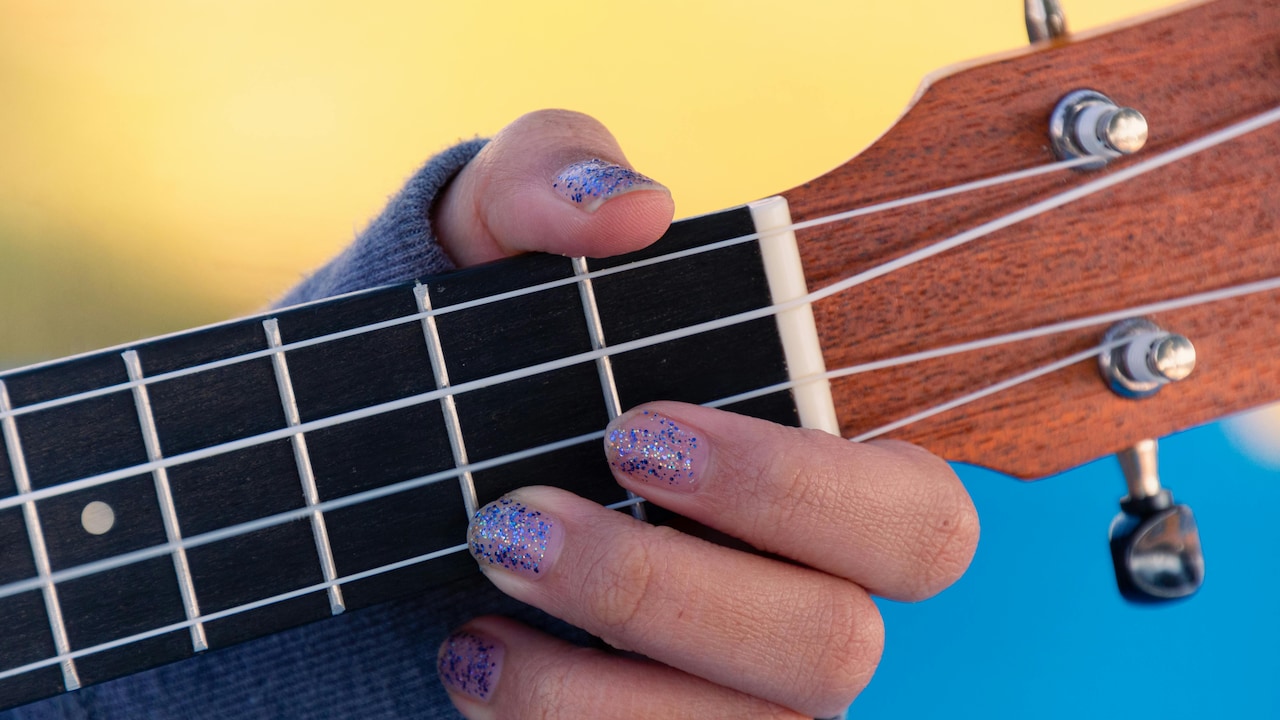
Choosing the right ukulele depends on comfort, sound preference and skill level.
Photo Credit: Pexels
But walk into any music store or browse online, and you'll quickly realise that not all ukuleles are the same. From compact soprano models to deeper-sounding baritones, the choices can feel overwhelming, particularly if you're just starting out.
So, what exactly are the different types of ukulele? How do they differ? And which one should a beginner pick? Here's a complete, easy-to-follow guide that breaks it all down without the jargon.
Also Read: From Window Art To Glow In Dark: Unique Art And Craft Kits
What Is A Ukulele?
Before diving into types, it helps to understand what makes a ukulele unique. Originating in Hawaii in the 19th century, the ukulele is a four-string instrument that typically uses nylon strings and produces a bright, mellow sound.
Unlike guitars, ukuleles are smaller, lighter and easier to handle, which is why they're often recommended for beginners, children and casual players alike.
Types Of Ukulele
Ukuleles are primarily classified by size, and that size directly impacts sound, tuning and playability. Here are the four most common types:
1. Soprano Ukulele: The Classic Starter
The soprano ukulele is the smallest and most traditional version. When people think of a ukulele, this is usually the one that comes to mind.
Key Features:
- Size: Around 21 inches
- Frets: Typically 12–15
- Sound: Bright, light and “classic ukulele” tone
- Tuning: Standard (G-C-E-A)
Why It Stands Out:
The soprano delivers that instantly recognisable cheerful sound, perfect for simple songs, strumming and singing along.
Who Should Choose It:
- Absolute beginners
- Children or those with smaller hands
- Players who want the most authentic ukulele experience
Things To Keep In Mind:
Because of its small fretboard, those with larger hands may find it slightly cramped over time.
2. Concert Ukulele: The Balanced Choice
Slightly larger than the soprano, the concert ukulele offers a bit more room to play without losing the classic ukulele charm.
Key Features:
- Size: Around 23 inches
- Frets: 15–20
- Sound: Fuller and slightly louder than soprano
- Tuning: Standard (G-C-E-A)
Why It Stands Out:
The concert ukulele strikes a balance between comfort and tone. It has more space between frets, making it easier for beginners to practise chords.
Who Should Choose It:
- Beginners who want slightly more comfort
- Adults starting out
- Players interested in fingerpicking
Things To Keep In Mind:
It still retains the classic ukulele sound but offers better playability for most users.
3. Tenor Ukulele: The Performer's Favourite
The tenor ukulele is popular among intermediate and professional players due to its richer tone and larger body.
Key Features:
- Size: Around 26 inches
- Frets: 17–22
- Sound: Deep, warm and loud
- Tuning: Standard (G-C-E-A), sometimes low G variation
Why It Stands Out:
With more resonance and sustain, the tenor ukulele is ideal for intricate playing styles, including fingerstyle and solo performances.
Who Should Choose It:
- Serious learners
- Performers
- Players transitioning from guitar
Things To Keep In Mind:
It's not as compact as soprano or concert models, but the improved sound quality often outweighs the extra size.
4. Baritone Ukulele: The Guitar-Like Option
The baritone ukulele is the largest of the common types and sounds noticeably different from the others.
Key Features:
- Size: Around 30 inches
- Frets: 18+
- Sound: Deep and mellow, closer to a guitar
- Tuning: D-G-B-E (same as the top four guitar strings)
Why It Stands Out:
Its tuning makes it easier for guitar players to transition to ukulele, but it doesn't have the traditional “bright” ukulele tone.
Who Should Choose It:
- Guitarists
- Players who want a deeper sound
- Advanced users exploring variety
Things To Keep In Mind:
It may not be ideal if you're looking for the classic ukulele vibe often heard in pop and folk music.
Key Differences At A Glance
| Type | Size | Sound Profile | Best For |
|---|---|---|---|
| Soprano | ~53 cm | Bright, classic | Beginners, kids |
| Concert | ~58 cm | Fuller, balanced | Beginners, adults |
| Tenor | ~66 cm | Warm, resonant | Intermediate players |
| Baritone | ~76 cm | Deep, guitar-like | Guitarists, advanced |
So, Which Ukulele Should A Beginner Choose?
If you're just starting out, the decision doesn't have to be complicated. Most beginners fall into two safe choices:
Best Overall Beginner Option: Concert Ukulele
The concert ukulele is widely considered the ideal starting point. It offers:
- Comfortable spacing for fingers
- A balanced sound
- Enough versatility to grow with your skills
Budget-Friendly And Traditional: Soprano Ukulele
If you're looking for something affordable and authentic:
- It's compact and easy to carry
- Perfect for casual playing
- Great for learning basic chords
Factors To Consider Before Buying

A well-chosen ukulele can make learning music simple, enjoyable and accessible.
Photo Credit: Pexels
Choosing a ukulele isn't just about size, here are a few practical points to keep in mind:
1. Hand Size And Comfort
If you have larger hands, a concert or tenor will feel more natural.
2. Purpose
- Casual hobby: Soprano or concert
- Performance or recording: Tenor
- Guitar transition: Baritone
3. Sound Preference
Do you prefer a bright, cheerful tone or something deeper and richer?
4. Budget
Entry-level ukuleles are available across all sizes, but soprano models are often the most affordable.
Beginner Tips To Get Started
Once you've chosen your ukulele, keep these simple tips in mind:
- Start with basic chords like C, G, Am and F
- Use a tuner, ukuleles can go out of tune quickly
- Practise daily, even if it's just for 10 minutes
- Follow tutorials or beginner-friendly songs
Consistency matters far more than perfection at this stage.
The ukulele's growing popularity isn't accidental, it's one of the few instruments that truly blends ease, affordability and pure joy. Whether you're picking it up as a hobby, a stress-buster or your first step into music, choosing the right type can make all the difference.
If you're a beginner, you don't need the fanciest or most expensive model available online, just the one that feels comfortable in your hands and inspires you to play. Because at the end of the day, the best ukulele is the one you'll keep coming back to.
Frequently Asked Questions (FAQs)
1. What are the main types of ukulele?
The four main types of ukulele are soprano, concert, tenor and baritone, each differing in size, sound quality and playability.
2. Which ukulele is best for beginners?
A concert ukulele is usually the best option for beginners as it offers a balance of comfort, sound quality and ease of learning.
3. What is the difference between soprano and concert ukulele?
Soprano ukuleles are smaller with a brighter tone, while concert ukuleles are slightly larger, offering fuller sound and more finger space.
4. Is a tenor ukulele good for beginners?
Yes, beginners with larger hands or those seeking a richer tone may find the tenor ukulele comfortable and rewarding to learn.
5. Why is baritone ukulele different from others?
The baritone ukulele is larger and tuned like a guitar (D-G-B-E), producing a deeper sound unlike the traditional ukulele tone.
(Disclaimer: This article may include references to or features of products and services made available through affiliate marketing campaigns. NDTV Convergence Limited (“NDTV”) strives to maintain editorial independence while participating in such campaigns. NDTV does not assume responsibility for the performance or claims of any featured products or services.)