Are Anti-Bacterial Bedsheets Worth It? The Truth About Cleaner, Fresher Sleep
Do antibacterial bedsheets truly improve sleep, or are they clever marketing wrapped in soft fabric? A closer look at hygiene, comfort, climate and value reveals whether they’re worth the investment.
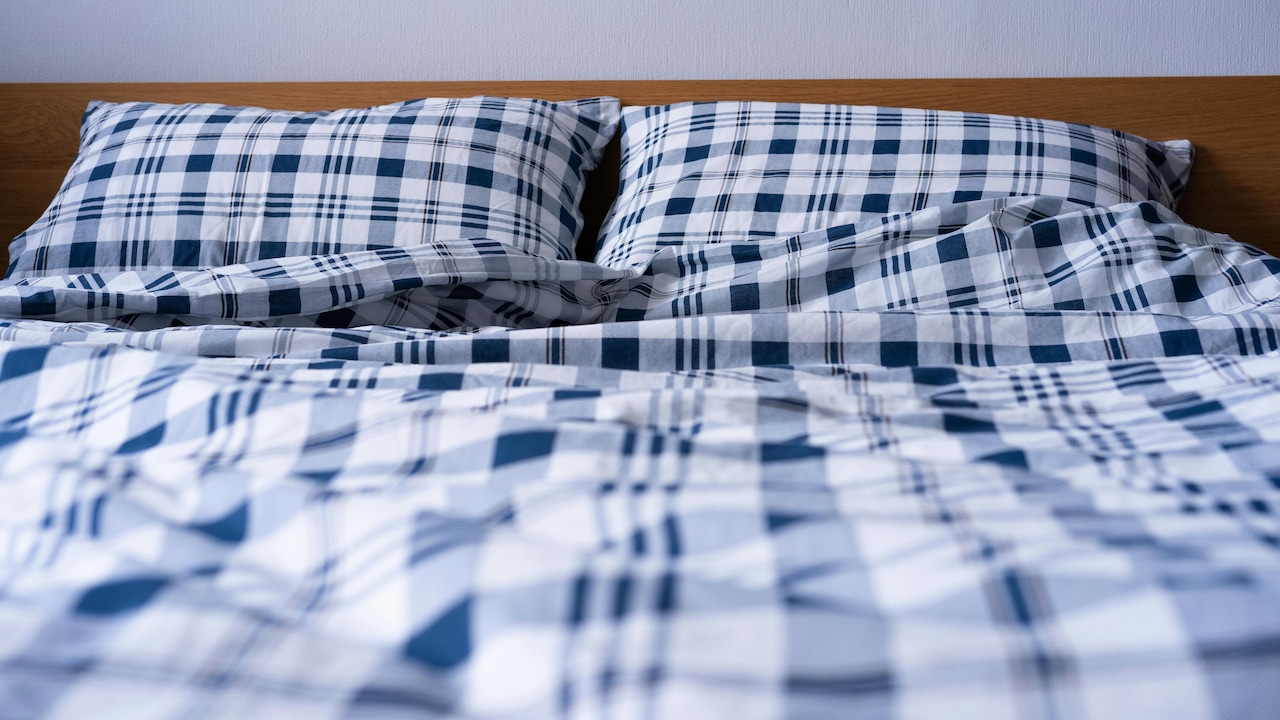
Sleep Smarter, Not Harder: Do Anti-Bacterial Bedsheets Actually Help You Rest Better?
A good night's sleep often feels like a luxury. Between late office calls, traffic noise drifting through windows and the endless scroll of mobile screens, rest rarely comes easy. When exhaustion builds up, any solution that promises better sleep sounds tempting. Enter anti-bacterial bedsheets, marketed as hygienic, odour-resistant and even skin-friendly.
The idea feels simple enough. Fewer germs should mean fewer irritations, fewer smells and perhaps a more comfortable sleep. Yet bedding has always played a quiet but powerful role in rest. The crisp feel of freshly washed sheets can lift the mood instantly. The scent of sun-dried cotton can transport the mind to childhood afternoons on the terrace.
So the question remains: do anti-bacterial bedsheets genuinely help people sleep smarter, or do they simply offer peace of mind wrapped in clever packaging? The answer lies somewhere between science, climate and personal habits.

Sleep Smarter, Not Harder: Do Anti-Bacterial Bedsheets Actually Help You Rest Better?
Photo Credit: Pexels
What Really Makes Anti-Bacterial Bedsheets Different?
The Science Behind Anti-Bacterial Fabrics
Anti-bacterial bedsheets rely on technology woven into the fabric. Manufacturers often treat fibres with silver ions or plant-based antimicrobial finishes. These agents aim to reduce the growth of bacteria that cause odour and skin irritation. In theory, this sounds impressive. After all, bacteria thrive in warm, damp environments, and a mattress can become exactly that during long summer nights.
However, bacteria on sheets rarely cause serious health issues for healthy adults. Most microbes found in bedding come from the body itself. They feed on sweat and dead skin cells. Regular washing already removes the majority of them. Anti-bacterial coatings slow down bacterial growth between washes, but they do not create a sterile environment.
The science supports reduced odour and possibly fewer breakouts for people with sensitive skin. Yet these benefits depend on quality. Low-cost sheets sold for ₹1,200 with vague claims may not offer the same treatment durability as premium options priced at ₹3,500 or more. Technology matters, but so does transparency.
Climate And Comfort: Does Weather Change The Game?
Climate plays a larger role in sleep than many realise. Coastal humidity, especially during the monsoon season, can leave sheets damp by morning. In drier northern regions, dust settles easily on surfaces, including bedding. Anti-bacterial sheets often target moisture management alongside germ control.
Breathable fabric helps reduce sweat build-up. When sweat evaporates quickly, bacteria find it harder to multiply. Some anti-bacterial sheets combine cotton with performance fibres that wick moisture away from the body. This feature can feel refreshing during sweltering nights when ceiling fans spin endlessly.
Yet comfort still depends on weave and thread count. A soft percale cotton sheet can feel cooler than a synthetic blend with antimicrobial treatment. The body responds to texture and airflow more than marketing labels. If fabric feels stiff or traps heat, sleep quality drops, regardless of antibacterial claims. Climate influences performance, but comfort remains deeply personal.
Skin Health And Sensitivity Concerns
For people who wake up with itchy skin or mild acne along the jawline, bedding hygiene often becomes the first suspect. Dermatologists frequently recommend washing pillowcases twice a week to prevent oil and bacteria build-up. Anti-bacterial sheets claim to tackle this issue proactively.
Silver-treated fabrics may reduce bacterial colonies that contribute to odour and minor skin flare-ups. Those with eczema or sensitive skin sometimes report fewer irritations after switching. However, sensitive individuals should also consider potential reactions to chemical treatments. Not all antimicrobial finishes suit every skin type.
Choosing sheets certified for skin safety matters more than chasing buzzwords. Natural cotton with consistent washing habits can offer similar benefits. The difference lies in maintenance. Anti-bacterial sheets may buy extra time between washes, but they do not replace good hygiene. Skin health thrives on routine, not shortcuts.
Odour Control: Freshness Or False Promise?
One of the strongest selling points revolves around odour control. After a long day in the city heat, bedsheets can absorb sweat and body oils. By the third night, a faint smell sometimes lingers, especially in shared bedrooms without strong ventilation.
Anti-bacterial treatments aim to reduce the bacteria responsible for these odours. In many cases, they succeed in delaying that musty smell. This feature proves useful for people who cannot wash sheets every few days due to busy schedules or limited water supply.
Yet freshness also depends on airflow. Sunlight remains one of the most powerful natural disinfectants. Drying sheets on a balcony under bright sun often eliminates odours better than any coating. The smell of sun-dried linen still feels unmatched. Anti-bacterial sheets offer convenience, but they cannot replicate the crisp magic of sunshine and fresh air.
Durability And Long-Term Value
Bedsheets endure regular washing, friction and folding. Anti-bacterial coatings do not last forever. Over time, repeated washing reduces their effectiveness. Some high-quality brands claim treatment durability up to fifty washes, but cheaper versions may fade much sooner.
When comparing value, buyers often weigh the extra cost against longevity. Spending ₹4,000 on premium anti-bacterial bedding may feel justified if it maintains freshness for years. On the other hand, investing in two sets of high-grade cotton sheets for the same amount might provide similar comfort with greater flexibility.
Durability also ties to fabric quality. Long-staple cotton tends to soften with time. Synthetic blends may pill or trap heat. Anti-bacterial benefits should complement quality, not compensate for poor construction. Smart spending involves reading labels carefully and considering long-term wear rather than short-term novelty.
Psychological Comfort And The Cleanliness Effect
Sometimes the greatest benefit lies not in fabric science but in peace of mind. Knowing that sheets resist bacteria can create a subtle sense of security. That reassurance may reduce anxiety about hygiene, especially in households with young children or elderly family members.
Sleep often responds to mental cues. A tidy room, fluffed pillows and smooth sheets signal relaxation to the brain. If anti-bacterial bedding strengthens that feeling of cleanliness, it may indirectly support better rest. The mind relaxes when the surroundings feel safe and fresh.
However, this psychological boost should not overshadow practical habits. Cleanliness stems from consistent routines. Making the bed each morning and changing sheets regularly can produce the same calming effect. Technology enhances comfort, but habits shape it.
Environmental Considerations And Sustainability
Modern consumers increasingly consider environmental impact. Some anti-bacterial treatments involve chemical processes that raise sustainability questions. Silver mining and synthetic finishes require resources. Eco-conscious shoppers often look for certifications and transparent sourcing.
Organic cotton sheets without chemical treatments may appeal to those prioritising sustainability. They rely on natural breathability rather than added technology. Washing in cold water and drying in the sunlight reduces energy use while maintaining hygiene.
That said, certain brands now use plant-based antimicrobial treatments designed to break down safely. Choosing responsibly produced bedding helps balance hygiene and environmental care. Smart sleep should not come at the planet's expense. Sustainable choices often feel more satisfying in the long run.
Maintenance Matters More Than Marketing
No bedsheet, however advanced, eliminates the need for care. Sweat, skin cells and dust accumulate nightly. Regular washing at appropriate temperatures keeps sheets clean and comfortable. Anti-bacterial features may slow microbial growth, but they cannot remove physical dirt.
Using a mild detergent preserves fabric and reduces skin irritation. Drying thoroughly prevents dampness that encourages bacteria. Rotating between two or three sets extends lifespan and maintains freshness.
Many households already practise these habits without specialised sheets. In such cases, anti-bacterial bedding might offer marginal improvement rather than transformation. Sleep quality depends on mattress support, room temperature and stress levels far more than fabric coatings. Marketing can exaggerate benefits, but maintenance remains king.
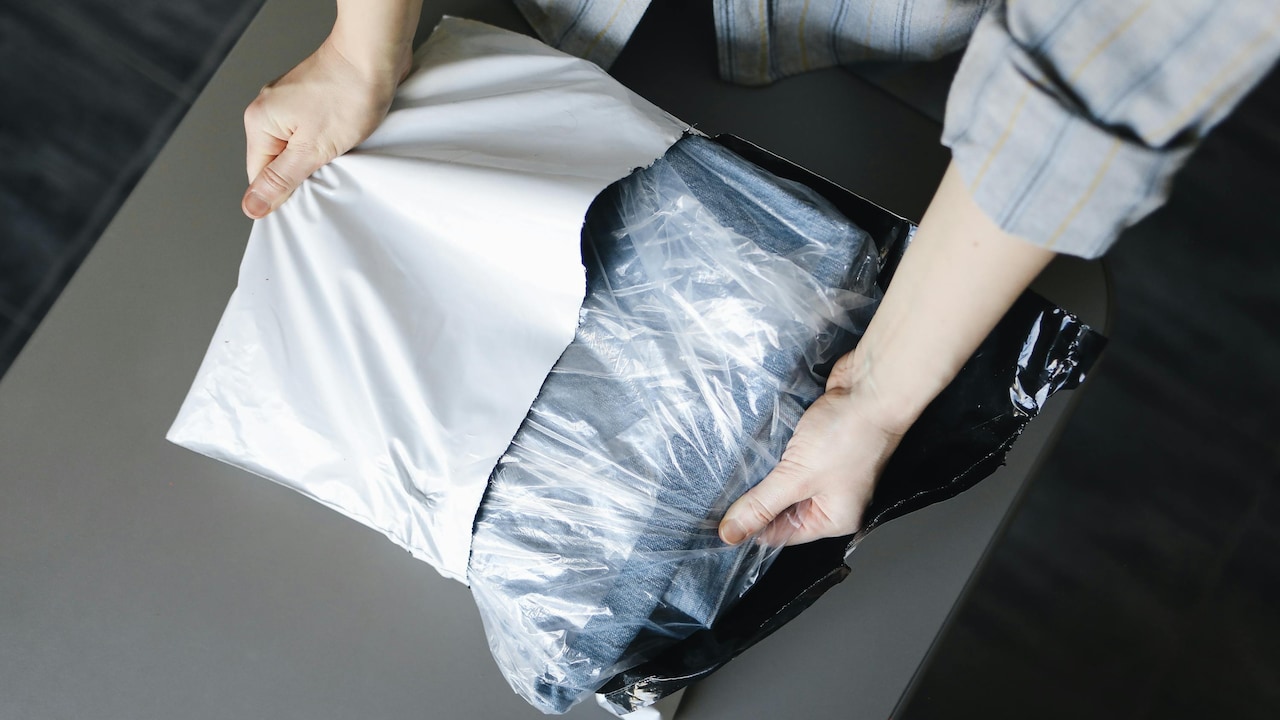
Sleep Smarter, Not Harder: Do Anti-Bacterial Bedsheets Actually Help You Rest Better?
Photo Credit: Pexels
Cost Versus Comfort: Who Should Consider Them?
Not everyone needs antibacterial bedsheets. For individuals with sensitive skin, excessive sweating or limited laundry access, they may offer noticeable advantages. People living in highly humid regions might appreciate slower odour build-up during sticky months.
However, those who enjoy regular laundry routines and airy bedrooms may find traditional cotton perfectly sufficient. Investing ₹3,000 to ₹5,000 in high-quality breathable sheets often delivers comfort without specialised treatments.
Personal preference ultimately drives the decision. Some value technological reassurance. Others trust tried-and-tested simplicity. Sleep thrives when bedding feels comfortable, clean and inviting. Whether that comfort comes from innovation or tradition depends on lifestyle and priorities.
Products Related To This Article
1. HOMEMONDE Spheres Of Serenity White 210 TC Cotton King Fitted Bedsheet Set
2. Pure Decor Blue and Peach Floral 130 TC 7D Digital Queen double Bedsheet & 2 Pillow Covers
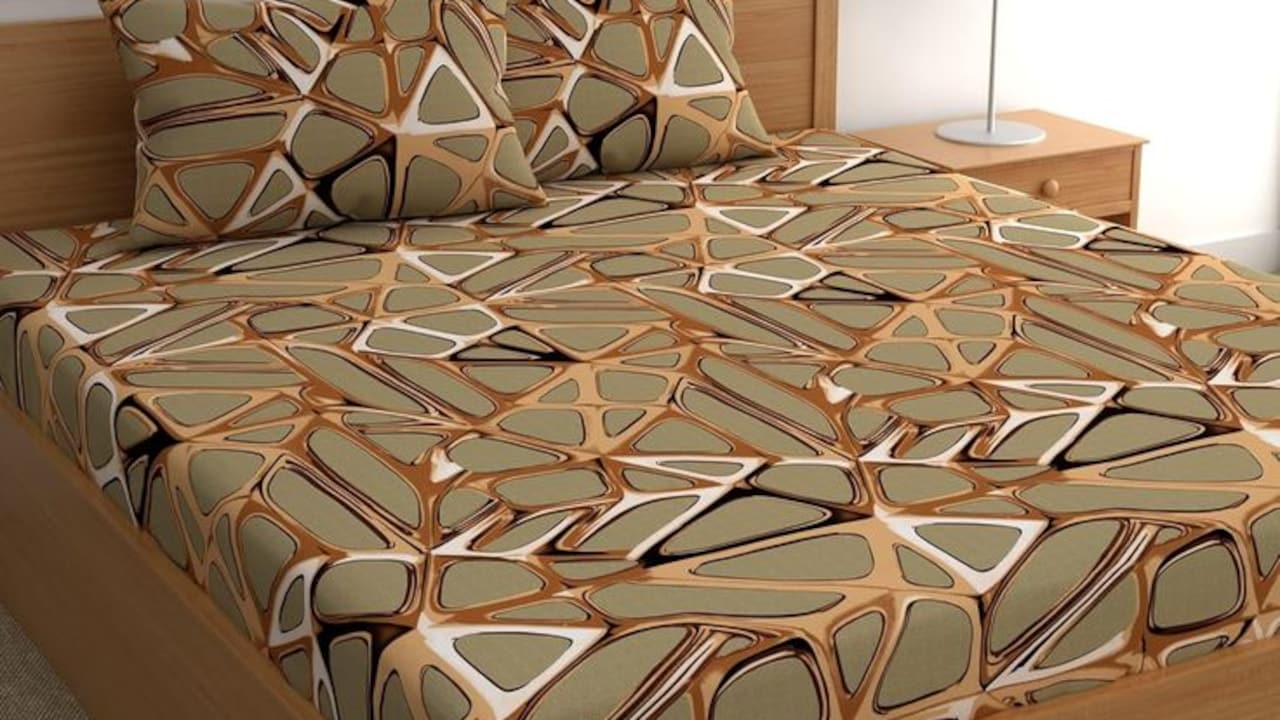
3. CLIO'S HERITAGE STORE White & Brown Ethnic Motifs 210 TC Queen Bedsheet with 2 Pillow Covers
4. Myntra Elegant Homes White Floral Cotton Anti-Microbial 300 TC Fitted Single Fine Bedsheet with a Pillow Cover
5. DDecor Off White Conversational 300 TC Single Bedsheet with 1 Pillow Covers
Anti-bacterial bedsheets sit at the intersection of science, comfort and marketing. They can reduce odour, slow bacterial growth, and support sensitive skin under certain conditions. In humid climates and busy households, that added protection may prove genuinely helpful.
Yet they do not replace regular washing, good ventilation or quality fabric. Sleep depends on a broader ecosystem of habits and environment. Crisp cotton dried under bright sun can rival any laboratory treatment. A calm mind, a supportive mattress and a cool room often matter more.
Sleeping smarter means understanding needs rather than chasing trends. For some, anti-bacterial bedsheets offer convenience and reassurance worth the investment. For others, simple breathable cotton and disciplined care provide equal satisfaction.
Rest comes easier when choices feel informed and practical. After all, better sleep rarely demands complicated solutions. It asks for comfort, cleanliness and a touch of common sense, neatly tucked in at the end of a long day.
(Disclaimer: This article may include references to or features of products and services made available through affiliate marketing campaigns. NDTV Convergence Limited (“NDTV”) strives to maintain editorial independence while participating in such campaigns. NDTV does not assume responsibility for the performance or claims of any featured products or services.)










![Steam Iron Teflon Shoe Cover for ES-300,ST-96 [Only For ES-300 and ST-96 Model Electric Steam Irons]](https://m.media-amazon.com/images/I/51wwkttondL._SL160_.jpg)