Non-Stick Cookware: Chemicals to Avoid When Buying Cookware
Non-stick pans make cooking easy, but some coatings hide harmful chemicals. Before spending ₹2,000 or more on new cookware, learn about the substances to avoid for a safer, healthier kitchen.
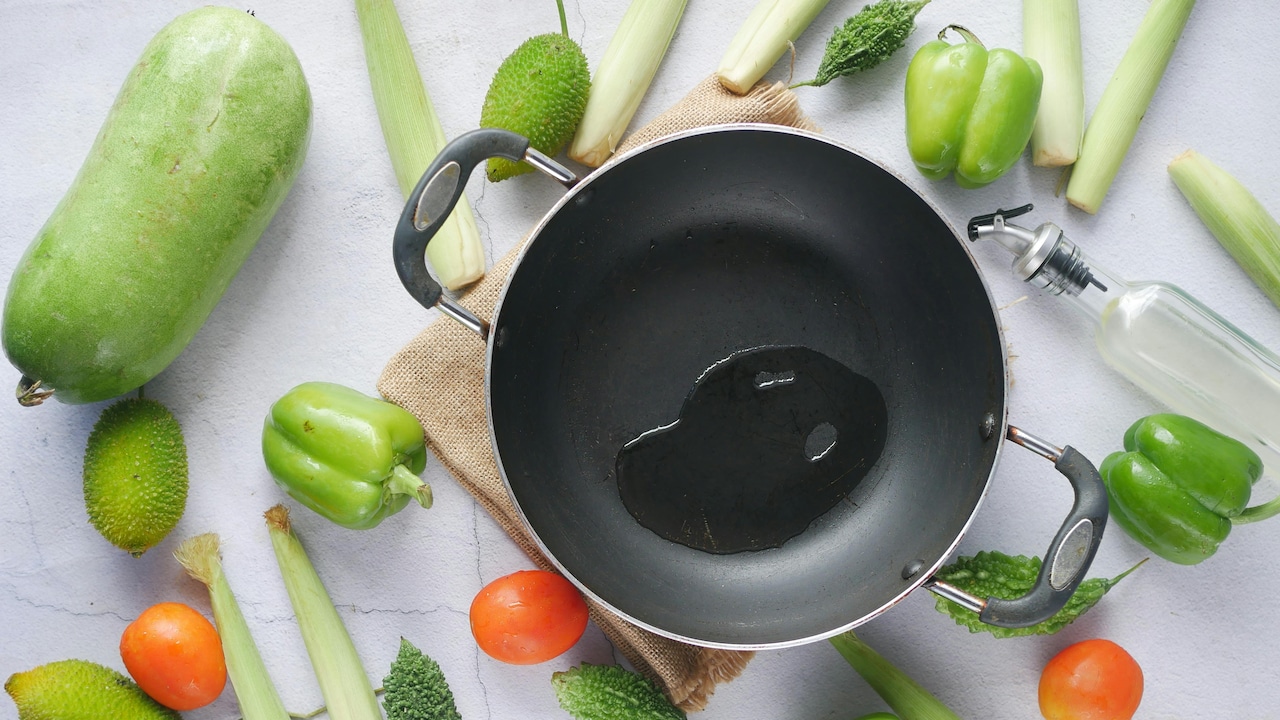
Always avoid buying nonstick cookware that has coating made up of these chemicals.
Walk into any kitchen store, and rows of sleek non-stick pans greet shoppers with shiny promises. “Less oil.” “Easy cleaning.” “Healthy cooking.” For busy households juggling office calls, school runs and evening chai, non-stick cookware feels like a blessing. A quick swipe with a sponge and dinner prep seems sorted.
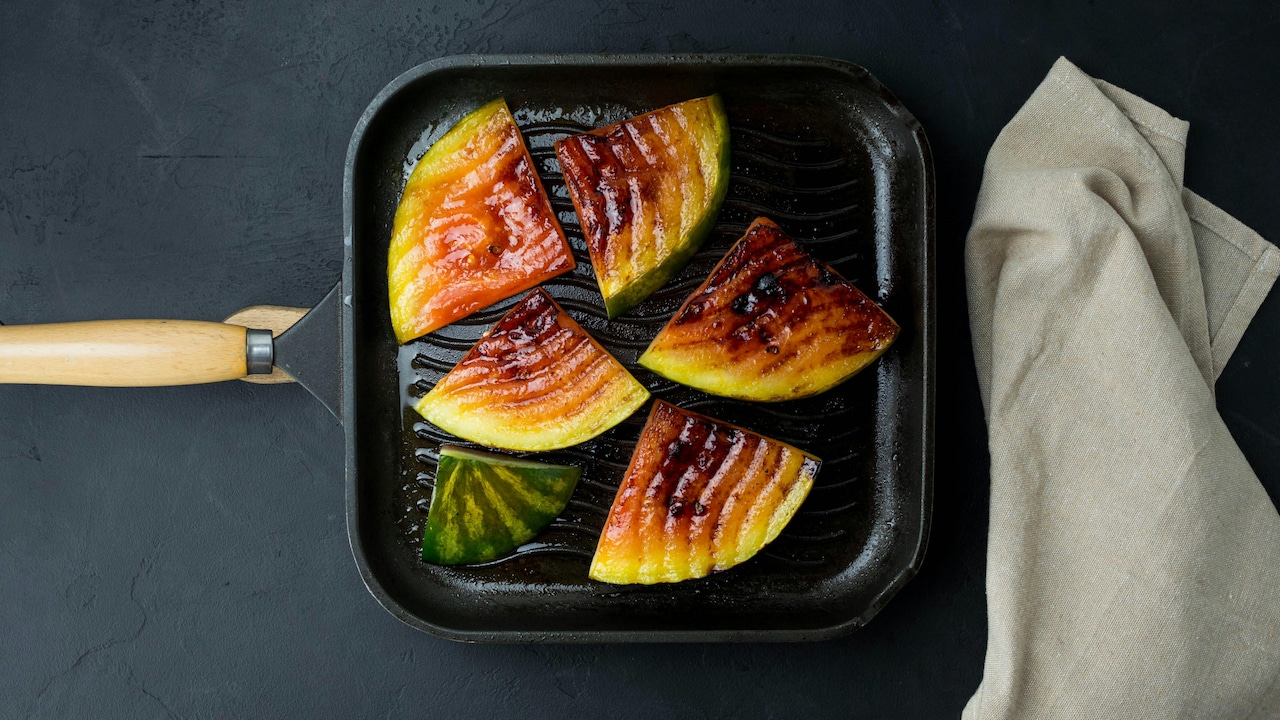
Always avoid nonstick cookware made with these coatings to live a healthy life; Photo Credit: Pexels
Yet convenience often hides complexity. Many non-stick cookware coatings rely on synthetic chemicals that can break down at high temperatures or release fumes over time. While regulations have improved in recent years, older stock and low-cost imports still circulate in markets and online sales. A flashy discount during festive shopping can tempt even cautious buyers.
Food connects families, festivals and everyday comfort. No one wants invisible chemicals mingling with tadka or sizzling parathas. Understanding what to avoid does not require a chemistry degree. It simply requires awareness and a few smart questions at the store. With that knowledge, every kitchen can strike a balance between convenience and safety.
Also Read: Best Non-Stick Tawa, From Prestige To Hawkins, For Perfect Chapati | Get Soft, Puffy Rotis
Understanding What Lurks Beneath The Non-Stick Surface
Perfluorooctanoic Acid (PFOA)
Perfluorooctanoic Acid, commonly called PFOA, once played a central role in manufacturing traditional non-stick coatings. For decades, companies used it to create that slippery surface that made eggs glide across the pan. However, researchers linked PFOA exposure to serious health concerns, including hormonal disruption and certain cancers. As evidence grew stronger, many countries pushed for its removal.
Manufacturers now advertise “PFOA-free” cookware, and that label offers some reassurance. Yet older stock or cheaper brands may still rely on outdated processes. Street markets and deep online discounts sometimes feature clearance products that do not clearly mention manufacturing standards.
PFOA belongs to a broader family known as “forever chemicals” because they persist in the environment and in the human body. They do not break down easily. Over time, small exposures can accumulate. When cookware overheats, coatings can degrade and release harmful particles.
When shopping, scan packaging carefully. Ask the retailer direct questions. A responsible brand should clearly state that it does not use PFOA. A safe kitchen begins with informed choices, not just shiny surfaces.
Polytetrafluoroethylene (PTFE)
Polytetrafluoroethylene, better known as PTFE, forms the backbone of many modern non-stick coatings. Brands often market it under familiar trade names and highlight its smooth performance. PTFE itself remains stable at moderate cooking temperatures. Trouble begins when the heat rises too high.
At temperatures above roughly 260°C, PTFE can start to break down and release fumes. In a busy kitchen, a pan left empty on a gas flame can reach such temperatures quickly. These fumes may cause flu-like symptoms, sometimes called polymer fume fever. While symptoms usually fade, repeated exposure raises concerns.
Consider typical cooking habits. High-heat searing for paneer tikka or quickly roasting spices often pushes cookware to its limits. Thin, inexpensive pans heat unevenly and can overheat faster. That combination increases risk.
Choosing heavier, well-constructed pans helps regulate heat more evenly. Avoid preheating an empty non-stick pan for long periods. Use medium heat for most dishes. While PTFE remains common and legal, careful handling and awareness reduce potential hazards. A non-stick pan should support cooking, not introduce uncertainty into every meal.
Perfluoroalkyl And Polyfluoroalkyl Substances (PFAS)
PFAS represent a large group of synthetic chemicals that include PFOA and several related compounds. Manufacturers use them for their water-resistant and grease-resistant properties. In cookware, PFAS help create surfaces that repel oil and food.
Scientists often refer to PFAS as “forever chemicals” because they resist breakdown in soil, water and the human body. Studies link long-term exposure to immune system effects, thyroid issues and developmental concerns. While many companies phase out specific PFAS, others sometimes replace them with similar compounds that have not undergone thorough long-term study.
Packaging may not always list “PFAS” clearly. Instead, labels highlight “advanced fluoropolymer coating” or similar phrases. These terms often signal the presence of fluorinated compounds. Consumers should read between the lines.
Safer alternatives now exist, including ceramic-based coatings and seasoned cast iron. Although these options may cost slightly more upfront, they can last longer and reduce chemical exposure. Spending ₹3,000 to ₹6,000 on durable cookware that avoids PFAS can feel wiser than replacing cheap pans every year. Longevity and health rarely clash; they usually align.
GenX Chemicals
When regulatory pressure mounted against PFOA, some manufacturers introduced alternatives such as GenX chemicals. Companies promoted them as safer replacements. However, early research suggests that GenX may also pose health risks, including potential effects on the liver and immune system.
GenX belongs to the same chemical family as PFOA. Although its molecular structure differs slightly, it shares similar persistence in the environment. Waste from manufacturing facilities can contaminate water sources. Communities around the world have raised concerns after detecting these chemicals in drinking water.
In cookware, GenX may not appear explicitly on labels. Brands often describe coatings as “new generation” or “improved formula.” Such language sounds reassuring, yet it rarely offers detailed chemical transparency.
Consumers deserve clarity. When brands provide full disclosure about materials and testing, trust grows. Without transparency, scepticism makes sense. Checking brand websites, reviewing product certifications and selecting well-established manufacturers can reduce risk. In a market flooded with options, clarity often separates responsible companies from those that prioritise speed and scale over safety.
Bisphenol A (BPA) In Handles And Coatings
Bisphenol A, or BPA, often appears in discussions about plastic bottles and food containers. Yet some cookware components, especially handles and exterior coatings, may contain BPA-based plastics or resins. When exposed to high heat, these materials can degrade and potentially leach chemicals.
BPA acts as an endocrine disruptor. Research links it to hormonal imbalances and reproductive concerns. While many brands now advertise “BPA-free” products, not all cookware lines carry that assurance. Lower-cost sets sometimes compromise on handle materials to reduce production costs.
A sturdy, heat-resistant handle made from stainless steel or high-quality silicone offers a safer alternative. When evaluating cookware in a store, hold the pan. Assess the handle's weight and construction. A flimsy plastic grip may save ₹200 at checkout but can wear out quickly and raise safety doubts.
Every element of cookware matters, not just the cooking surface. Safe design includes the pan, the coating, the handle and even the lid. Attention to detail ensures that everyday cooking remains wholesome rather than worrisome.
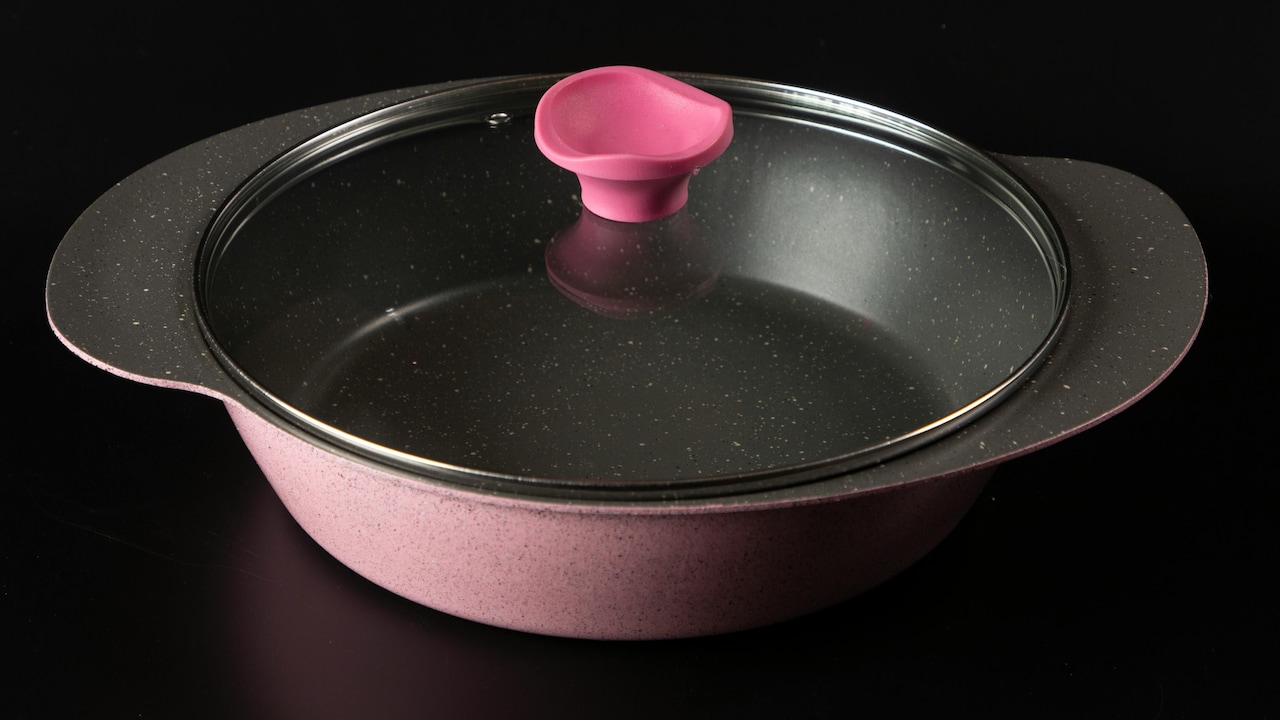
Nonstick cookware coating made with Bisphenol A or BPA can potentially leach chemicals; Photo Credit: Pexels
Heavy Metals In Low-Quality Coatings
Beyond well-known chemical names, heavy metals pose another hidden risk in poorly regulated cookware. Some low-cost non-stick pans may contain traces of lead, cadmium or other metals in their coatings or coloured exteriors. Manufacturers sometimes use these substances to enhance durability or pigmentation.
When coatings chip or scratch, small particles can mix with food. High heat and acidic ingredients like tomatoes or tamarind may increase the chance of leaching. Although reputable brands follow strict safety standards, unbranded or counterfeit products may not.
Festive sales often bring tempting offers, such as a five-piece set for ₹1,499. While affordability matters, extremely low prices can signal compromised materials. Trusted certifications and clear labelling provide better assurance than flashy discounts.
Avoid using metal spatulas on non-stick surfaces, as scratches accelerate wear. Once a coating begins to peel, replace the pan promptly. Holding onto a damaged pan to “get full value” may cost more in the long run. Safe cooking starts with cookware that maintains integrity under daily use.
Phthalates In Non-Stick Accessories
Phthalates commonly appear in flexible plastics. In cookware, they may exist in detachable handles, lids with rubber seals or certain utensils included in promotional sets. Manufacturers add phthalates to increase flexibility and durability. Unfortunately, these chemicals can interfere with hormonal systems.
Heat accelerates chemical migration. A tight-fitting lid with a plastic rim may sit directly above steaming curries or boiling dal. Over time, repeated exposure to heat can degrade lower-quality plastics and release unwanted compounds.
Choosing cookware with tempered glass lids and stainless-steel rims reduces this risk. Silicone components that meet food-grade standards offer a safer alternative than unknown plastics. Retailers should provide material details, and responsible brands usually highlight compliance with international safety standards.
Kitchenware often arrives as part of bundled deals. Before clicking “Buy Now,” review each component carefully. A seemingly generous package may hide compromises in smaller parts. Safe cookware requires attention not only to the pan's base but also to every accessory that touches heat and food.
Formaldehyde-Based Resins
Some non-stick and heat-resistant coatings use formaldehyde-based resins to strengthen surfaces. While manufacturers typically cure these resins during production, incomplete curing or degradation under extreme heat may release small amounts of formaldehyde gas.
Formaldehyde irritates the eyes and respiratory system. Long-term exposure raises broader health concerns. Although most reputable cookware brands limit such risks through quality control, poorly manufactured items may not meet stringent standards.
High-heat cooking styles, such as deep frying or dry roasting spices on strong flames, can stress cookware materials. Repeated overheating increases wear and may break down resins faster. Good ventilation in the kitchen reduces exposure to any fumes that cooking generates.
Consumers often focus only on the non-stick layer while ignoring the bonding agents beneath. Asking about manufacturing standards and certifications can reveal whether a brand invests in proper curing processes. A few extra minutes of research can prevent months of uncertainty. Cooking should fill the home with appetising aromas, not invisible irritants.
Aluminium Exposure From Damaged Bases
Many non-stick pans use aluminium as a core material because it conducts heat efficiently. Aluminium itself does not pose major concerns when coated and intact. Problems arise when the non-stick layer chips or erodes, exposing raw aluminium to food.
Highly acidic dishes, such as those rich in tomatoes or vinegar, can react with exposed aluminium. This reaction may alter taste and potentially increase aluminium intake. While the body can handle small amounts, repeated exposure remains undesirable.
Quality cookware often features anodised aluminium, which undergoes treatment to harden the surface and resist corrosion. Hard-anodised pans generally cost more, sometimes ₹3,500 and above, yet they offer greater durability.
Regular inspection extends the life. If scratches deepen or the surface appears patchy, replacing the pan becomes sensible. Continuing to cook on visibly damaged cookware undermines the benefits that non-stick technology promises. Durability and safety travel together; when one falters, the other follows.
Unregulated Imported Coatings
Global supply chains bring variety and competitive pricing. However, not all imported cookware adheres to strict safety norms. Smaller factories may use outdated chemical formulations or skip comprehensive testing to cut costs.
Online marketplaces sometimes list brands with minimal traceable information. Product descriptions may sound impressive, yet provide little detail about materials or compliance certificates. Without transparency, assessing safety becomes difficult.
Consumers can protect themselves by choosing brands with established distribution networks, clear customer support and verifiable certifications. Reviews also offer clues, especially when multiple buyers report peeling coatings or unusual odours during first use.
A bargain that seems too good often hides trade-offs. Spending ₹1,000 less today may lead to replacement costs and health worries tomorrow. Reliable cookware should withstand daily use without releasing fumes or flaking into food. Trustworthy brands treat safety as a priority, not a marketing afterthought.
Products Related To This Article
1. Ember Cookware Arcilla Ceramic Non Stick Cookware Set of 3
2. Amazon Basics Granite Finish Non Stick 5 Pcs Induction Base Cookware Set
3. Impex Nonstick Aluminium Kadai Pan with Glass Lid Non Stick Cookware with Induction Base and Heatproof Handles
4. 4-Hole Non-Stick Egg Frying Pan with Detachable Wooden Handle
5. Wonderchef Granite 24 cm Non-Stick Fry Pan
6. Hawkins Futura 17 cm Frying Pan, Non Stick Fry Pan
7. Tefal Delicia 20 cm Fry Pan | Titanium Non-Stick Coating
Non-stick cookware has transformed modern kitchens. It saves time, reduces oil usage and simplifies cleaning. For busy households, that convenience feels invaluable. Yet convenience should never overshadow caution.
Understanding chemicals such as PFOA, PTFE, PFAS, GenX and BPA empowers consumers to make informed decisions. Beyond these, attention to heavy metals, phthalates, formaldehyde-based resins and damaged aluminium surfaces strengthens kitchen safety further. Knowledge turns a routine purchase into a thoughtful investment.
Safe cooking does not demand fear or drastic changes. It simply requires awareness, moderate heat, proper maintenance and careful brand selection. A well-made pan can last years and support countless family meals, from weekday sabzi to festive feasts.
Food carries memories, comfort and celebration. Choosing cookware that aligns with health and durability ensures those moments remain joyful. A shiny surface may catch the eye, but informed choices protect what truly matters: the people gathered around the table.
(Disclaimer: This article may include references to or features of products and services made available through affiliate marketing campaigns. NDTV Convergence Limited (“NDTV”) strives to maintain editorial independence while participating in such campaigns. NDTV does not assume responsibility for the performance or claims of any featured products or services.)






![Steam Iron Teflon Shoe Cover for ES-300,ST-96 [Only For ES-300 and ST-96 Model Electric Steam Irons]](https://m.media-amazon.com/images/I/51wwkttondL._SL160_.jpg)