Why Minimalism Looks Expensive Even on a Budget: Smart Design Tricks For Your Home
Minimalism is not about spending more; it’s about choosing better. Discover smart design tricks that make any home look refined, spacious and quietly luxurious, even on a modest budget.
How To Make Your Home Look Expensive On A Budget: Minimalist Design Secrets That Work.
Walk into a well-designed minimalist home and something feels different. The air seems lighter. The rooms appear larger. Every object looks deliberate, almost curated. Many assume such spaces belong only to luxury apartments in Mumbai's high-rises or sprawling villas in Bengaluru. The truth tells a different story.
Minimalism does not rely on price tags. It relies on restraint, proportion and intention. When fewer items occupy a space, each one stands out. Clean lines and neutral tones allow the eye to rest. Order replaces chaos. Suddenly, even a ₹2,500 chair looks designer because nothing competes with it.
In homes across the country, families juggle space constraints, busy schedules and tight budgets. Yet minimalism fits beautifully into this reality. It values practicality. It encourages mindful buying. It celebrates quality over quantity. The secret lies in understanding why minimalism appears expensive and using those principles wisely.
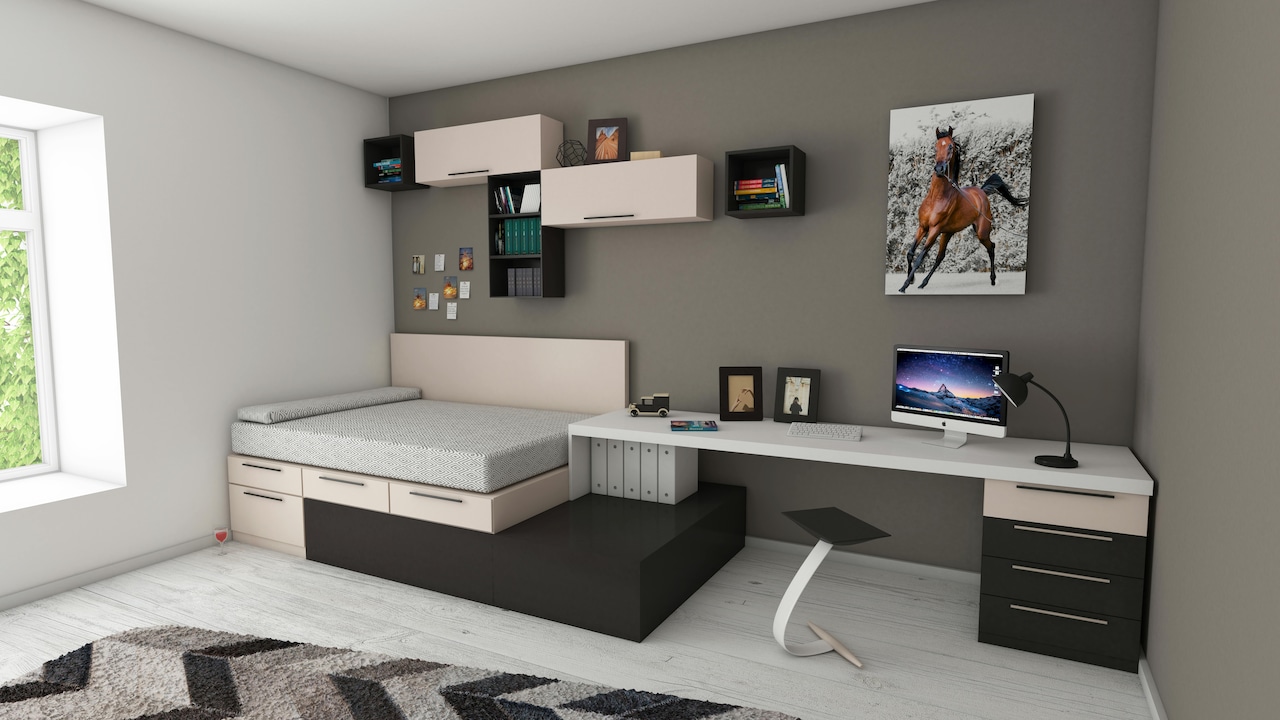
Why Minimalism Looks Expensive Even on a Budget: Smart Design Tricks For Your Home
Photo Credit: Pexels
The Design Principles That Make Minimalism Feel Luxurious
The Power Of Decluttering
Minimalism begins with subtraction, not shopping. Removing excess instantly elevates a space. Cupboards stuffed with old containers, faded cushions, and unused decor create visual noise. Once cleared, the room breathes again.
Decluttering costs nothing but time. Yet it delivers dramatic results. A living room with one well-placed sofa and a clean centre table looks far more refined than a crowded arrangement of mismatched chairs. When surfaces remain clear, light flows freely. That clarity feels premium.
Consider the common habit of storing everything in sight. Plastic jars line kitchen counters. Old newspapers pile up in corners. Extra stools gather dust. Clearing these elements does not demand ₹20,000 for new furniture. It requires discipline. Donate what no longer serves a purpose. Store essentials neatly behind closed cabinets.
Luxury spaces rarely overflow with objects. They showcase only what matters. By embracing restraint, any home can achieve that polished, high-end look without spending a rupee.
Neutral Palettes Create Instant Sophistication
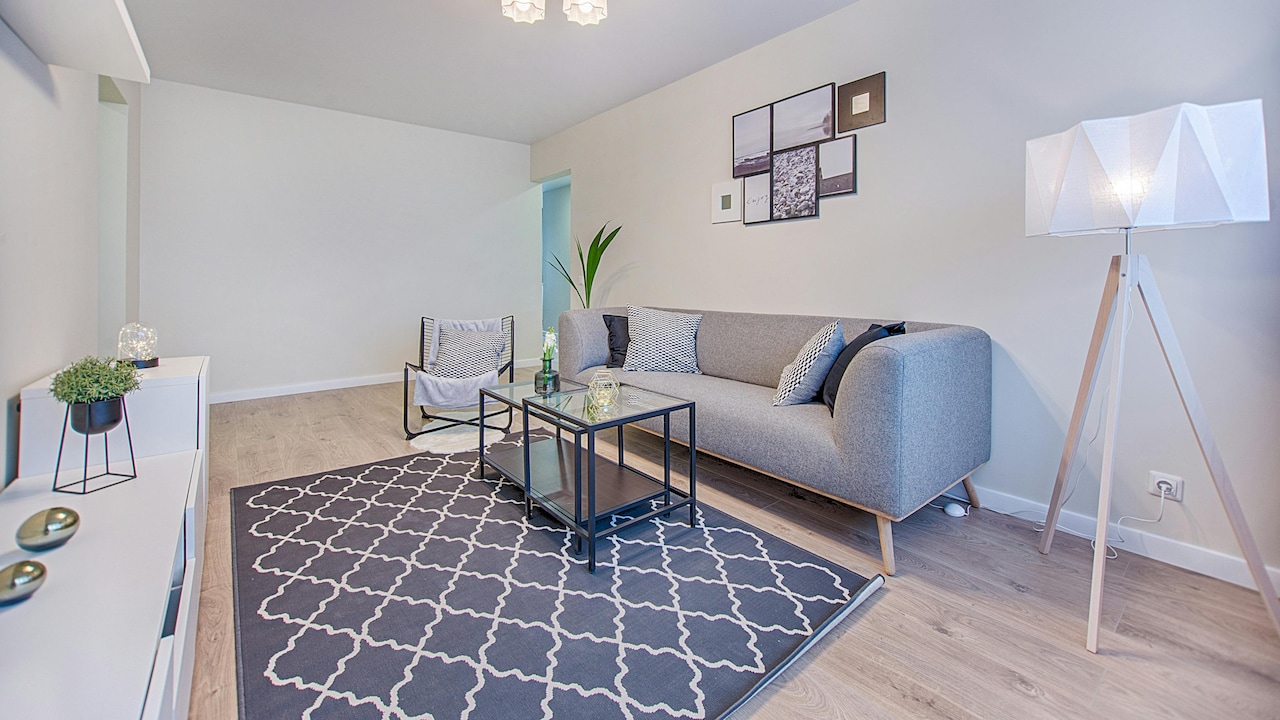
Colour shapes perception. Minimalist homes often feature whites, creams, greys and earthy tones. These shades reflect light and create calm. They also make spaces appear larger and more cohesive.
A bright pink wall or loud, patterned curtains can dominate a small room. Neutral tones, on the other hand, blend seamlessly. Even affordable materials look refined when wrapped in a subtle palette. A ₹800 beige bedsheet appears far more elegant than a ₹1,500 neon one.
Repainting walls in soft ivory or warm taupe can transform an entire home. A fresh coat of paint may cost ₹8,000 to ₹15,000, depending on size, yet the visual impact rivals expensive renovations. Pair that with neutral upholstery and simple curtains. Suddenly, the room feels like a boutique hotel suite.
The magic lies in consistency. When colours harmonise, the eye perceives order. That harmony often signals wealth and taste. In reality, it signals thoughtful choices.
Quality Over Quantity Always Wins
Minimalism values fewer but better items. Instead of filling a bedroom with multiple small tables, choose one sturdy side table. Rather than buying five decorative pieces at ₹500 each, invest ₹2,500 in one striking lamp.
This approach changes the narrative. A solid wooden dining table for ₹18,000 can anchor a space for years. Cheap plastic alternatives may cost less upfront, but rarely offer the same presence or durability.
Quality does not always mean expensive brands. Local carpenters often craft beautiful custom furniture at reasonable rates. Well-chosen materials such as solid wood, metal or cane add authenticity. They age gracefully and elevate the room.
When each item earns its place, the space feels curated. Guests notice the absence of clutter and the presence of intention. That deliberate restraint mirrors luxury homes, where every piece serves a purpose.
The Magic Of Clean Lines And Simple Shapes
Minimalist design favours straight lines, smooth surfaces and uncomplicated silhouettes. Ornate carvings and heavy patterns often make spaces look dated or busy. Simple shapes feel modern and refined.
A sleek sofa with clean edges looks far more expensive than a bulky one with excessive detailing. The same applies to wardrobes, tables and even light fixtures. Clean geometry creates visual calm.
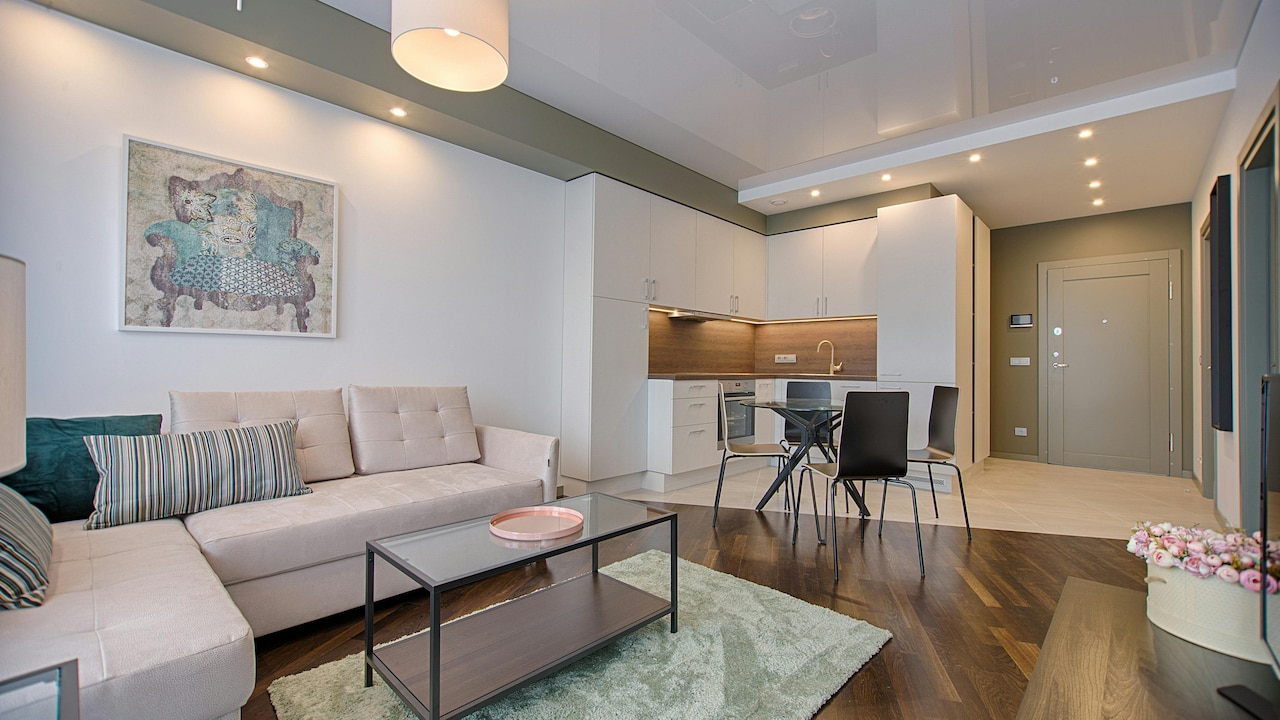
This principle works beautifully in compact city apartments. Slim furniture frees up floor space. Wall-mounted shelves replace bulky cabinets. Straight-lined wardrobes reach the ceiling and remove awkward gaps.
Many budget-friendly brands now offer streamlined designs. Even modest pieces look premium when paired thoughtfully. Avoid mixing too many styles. Consistency strengthens impact.
Luxury often whispers rather than shouts. Clean lines echo that whisper. They convey confidence and clarity without unnecessary drama.
Lighting That Elevates The Mood
Lighting plays a powerful role in shaping the atmosphere. Harsh tube lights flatten a room. Warm, layered lighting adds depth and comfort.
Minimalist homes often use a mix of ceiling lights, floor lamps and subtle accent lighting. This approach creates shadows and highlights. The space feels dynamic rather than stark.
Switching to warm LED bulbs costs little. A stylish floor lamp for ₹3,000 can transform a dull corner into a cosy reading nook. Even simple fairy lights behind sheer curtains add charm without overwhelming the design.
Natural light matters too. Keep windows unobstructed. Replace heavy drapes with lighter fabrics. When sunlight pours in, it enhances neutral colours and clean lines.
Thoughtful lighting suggests sophistication. It shapes mood and enhances textures. That glow often makes even a modest home look thoughtfully designed.
Thoughtful Use Of Textures
Minimalism does not mean sterile or cold. Texture adds warmth and interest without clutter. A cotton throw, a woven rug or linen curtains introduce depth.
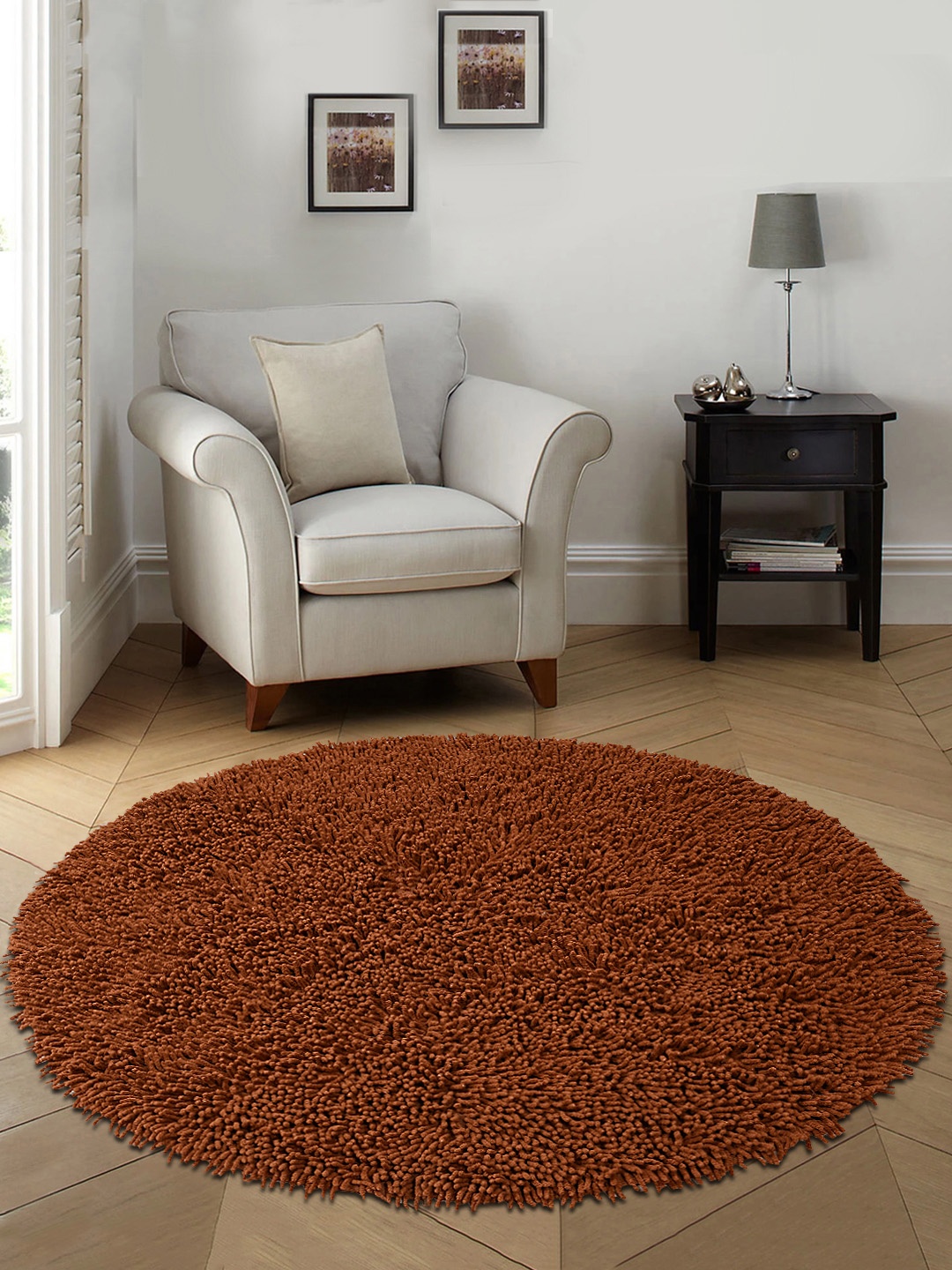
Instead of layering multiple bright cushions, choose two in complementary tones with varied fabrics. A jute rug for ₹2,000 can ground a living room beautifully. Wooden trays, ceramic vases and cane baskets bring subtle richness.
Texture works quietly. It invites touch and creates contrast against smooth walls or tiled floors. This subtle layering resembles high-end interiors where designers carefully balance materials.
Avoid overcrowding. One textured wall with subtle panelling or a simple wallpaper accent can suffice. The goal lies in restraint.
When textures complement rather than compete, the space feels curated. That quiet richness signals refinement without demanding a hefty budget.
Hidden Storage For A Seamless Look
Clutter hides behind doors in minimalist homes. Built-in storage and closed cabinets maintain clean surfaces.
Investing in smart storage pays long-term dividends. Custom wardrobes that extend to the ceiling reduce visible mess. Under-bed drawers maximise space. Floating cabinets keep floors clear.
A carpenter can design functional storage for ₹25,000 to ₹40,000, depending on size. While that may seem significant, it eliminates the need for extra shelves and organisers later.
When everyday items remain hidden, rooms look orderly. Kitchen counters appear spacious. Living rooms look magazine-ready.
Organisation creates visual calm. That calm often gets mistaken for luxury. In truth, it stems from planning and discipline rather than extravagance.
Statement Pieces That Anchor The Room
Minimalism thrives on focal points. A single statement artwork or a bold mirror can define a room.
Instead of covering walls with multiple frames, choose one large painting. Local artists often sell beautiful works at affordable prices. A handcrafted mirror with a simple frame can instantly elevate a hallway.
This strategy avoids visual clutter while adding personality. Guests focus on that one striking piece. The rest of the room supports it quietly.
Even plants can serve as statement elements. A tall indoor plant in a simple pot brings life and height. It costs far less than elaborate decor arrangements.
A well-chosen focal point communicates confidence. It suggests that the homeowner understands balance. That sense of control often feels luxurious.
Open Space As A Design Feature
Space itself acts as a design element in minimalism. Empty corners and clear walkways enhance flow.
Many homes try to fill every inch with furniture. Yet breathing room enhances comfort. A slightly bare wall does not signal incompleteness. It signals intention.
Arrange furniture to allow movement. Avoid pushing every piece against the wall. Create zones for conversation, reading or dining without overcrowding.
Open layouts make small flats appear larger. They also improve ventilation and light distribution. This airy quality often defines high-end homes.
Choosing not to fill space requires confidence. It resists the urge to display everything at once. That restraint forms the backbone of minimalist elegance.
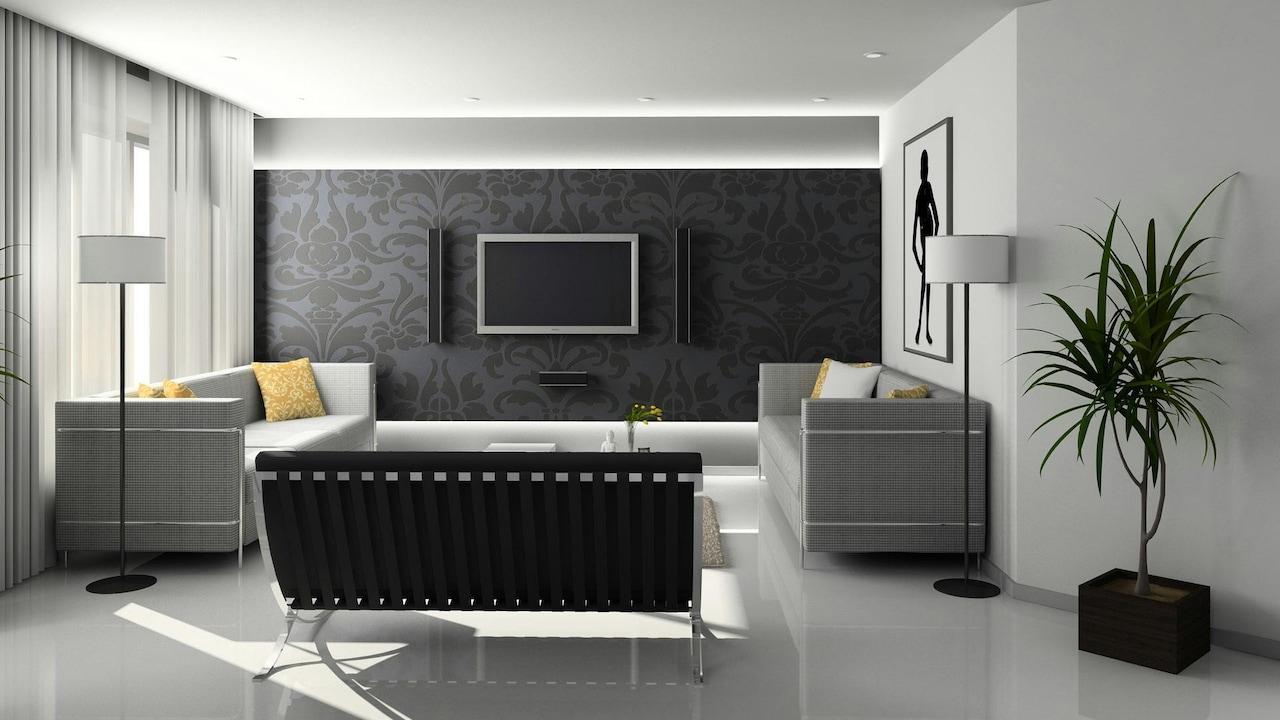
Why Minimalism Looks Expensive Even on a Budget: Smart Design Tricks For Your Home
Photo Credit: Pexels
Mindful Buying And Long-Term Thinking
Minimalism encourages thoughtful consumption. Before purchasing a new decor item, pause. Ask whether it adds value or simply fills space.
Impulse shopping leads to clutter. Sales tempt buyers with discounts. Yet five unnecessary items at ₹999 each quickly add up.
Plan purchases carefully. Save for items that truly matter. Invest in pieces that align with a cohesive vision. This discipline prevents waste and maintains aesthetic clarity.
Long-term thinking also reduces maintenance costs. Durable materials last longer. Classic designs avoid trends that fade within months.
When every purchase reflects purpose, the home evolves gracefully. That consistency creates an impression of wealth and taste. In reality, it reflects careful planning and patience.
Products Related To This Article
1. Dime Store Engineered Wood Wall Shelf Corner Shelf Home Decor Item,Glossy Finish,Set of 5
2. Tv Unit for Living Room 43 inch Engineered Wood Wall Mounted TV Entertainment Set Top Box Floating Stand
3. Solid sheesham Wood Wooden 3 Seater Sofa for Living Room with White Cousins seat
4. JD FRESH 6-Shelf Adjustable Boltless Metal Shelving Unit
5. ABOUT SPACE Wooden Cabinet - 3 Tier Engineered Wood Storage Cabinet for Living Room with Magnetic Door
6. Lazer Folding Storage Ottoman Stool
7. Nilkamal Goa 3+1+1 Seater Plastic Sofa Set with Cushion
Minimalism looks expensive because it radiates control, clarity and intention. It removes chaos and highlights quality. It values space as much as objects. None of these principles demands enormous budgets.
A home in Delhi, Pune or Chennai can embrace minimalism without exceeding ₹50,000 for gradual upgrades. Sometimes, transformation requires nothing more than decluttering and rearranging.
Luxury does not always depend on marble floors or imported furniture. It often lies in simplicity. Clean lines, neutral colours, thoughtful lighting and disciplined buying habits create elegance that rivals designer homes.
Minimalism invites homeowners to slow down and choose wisely. It rewards patience. It celebrates restraint. When executed thoughtfully, even modest spaces feel refined and serene.
In the end, minimalism proves that sophistication stems from intention, not expense. A well-considered home tells a powerful story. And that story never depends solely on money.
(Disclaimer: This article may include references to or features of products and services made available through affiliate marketing campaigns. NDTV Convergence Limited (“NDTV”) strives to maintain editorial independence while participating in such campaigns. NDTV does not assume responsibility for the performance or claims of any featured products or services.)








![Steam Iron Teflon Shoe Cover for ES-300,ST-96 [Only For ES-300 and ST-96 Model Electric Steam Irons]](https://m.media-amazon.com/images/I/51wwkttondL._SL160_.jpg)