Bean Bags Losing Shape? How To Maintain Them
Bean bags going flat? Don’t toss them yet. With simple care like refilling, fluffing, and smart usage, you can restore their shape and comfort without spending much.

Bean Bags Losing Shape? How To Maintain Them
Few pieces of furniture feel as inviting as a bean bag. It welcomes tired backs after long workdays, becomes the go-to spot during cricket matches, and even doubles as a quick nap zone on lazy afternoons. Yet, as months pass, many notice a familiar problem creeping in. That once fluffy and supportive seat begins to flatten, losing both shape and comfort. The reason is simple. Bean bags rely on tiny beads that compress with use. Add dust, humidity, and a bit of neglect, and the transformation becomes inevitable. However, this is not a one-way journey. With the right care, a bean bag can retain its shape and comfort for years without demanding too much effort or expense.
Think of it as maintaining a favourite pair of shoes or a trusty mattress. A little attention goes a long way. From regular fluffing to choosing the right filling, every step contributes to preserving that sink-in comfort. This guide brings together practical, easy-to-follow methods that fit seamlessly into everyday routines, without making it feel like a chore.
Bean Bags Losing Shape? How To Maintain Them
Photo Credit: Pexels
Simple Ways To Keep Your Bean Bag Looking And Feeling Like New
Understand Why Bean Bags Lose Shape
The first step to fixing a problem is understanding it. Bean bags lose shape mainly because the filling inside compresses over time. Most bean bags use expanded polystyrene beads, which are lightweight and soft. However, these beads shrink and flatten with repeated pressure.
Daily use accelerates this process. Sitting in the same spot repeatedly creates uneven wear, causing dips and lumps. Heat also plays a role. In warmer climates, beads can soften slightly, making them lose structure faster. Humidity adds another challenge, as it can affect the fabric and the filling alike.
Then comes the invisible factor: dust and moisture entering through tiny gaps or worn-out zippers. Over time, this can make the filling clump together, reducing its ability to bounce back.
Understanding these causes helps avoid common mistakes. For example, assuming the bag is ruined when it simply needs refilling often leads to unnecessary spending. Instead of replacing a ₹3,000 bean bag, a quick refill costing a fraction can restore its comfort.
Awareness turns frustration into simple maintenance.
Fluff It Regularly Like A Pillow
Bean bags crave attention, much like pillows. Regular fluffing redistributes the beads inside and prevents them from settling in one place. Without this simple step, the filling starts to compress unevenly, leading to sagging areas.
Fluffing does not require strength or special tools. A quick shake, a gentle roll, or even tossing the bag around for a minute can make a noticeable difference. Turning it upside down and patting it helps loosen compacted beads and brings back some volume.
Think of it as a quick refresh before sitting down. Many households already follow this habit with cushions before guests arrive. Applying the same idea to bean bags keeps them looking fuller and more inviting.
Making fluffing part of a weekly routine works best. It takes less than two minutes but prevents long-term damage. Skipping it for months, on the other hand, makes the bag harder to restore later.
Consistency matters more than effort here. Small, regular actions protect comfort far better than occasional heavy fixes.
Also Read: Are Bean Bags Good For Back Support? Top 5 Under ₹3,000
Refill The Beads Before It's Too Late
Refilling is the secret weapon for maintaining a bean bag's shape. Over time, the beads shrink or break down, reducing the bag's volume. Waiting too long before refilling makes the bag feel lifeless and uncomfortable.
A good rule of thumb is to check the firmness every few months. If sitting feels like sinking straight to the floor, it's time to add more filling. Refills are easily available online and in stores, often priced between ₹300 and ₹800 depending on quantity.
The process may seem messy, but it's manageable with a little care. Opening the inner liner slowly and pouring beads using a funnel prevents spills. Doing it in a clean, closed space avoids chasing tiny beads across the room.
Refilling not only restores shape but also extends the life of the bean bag significantly. Instead of replacing the entire piece, a simple top-up keeps it functional and comfortable.
A well-timed refill can make an old bean bag feel almost new again.
Choose The Right Filling Material
Not all fillings behave the same way. While polystyrene beads remain the most common choice, alternatives like memory foam or microbeads offer better durability in some cases.
Memory foam, for instance, holds its shape longer and provides firmer support. It suits those who prefer structured seating rather than a sink-in feel. Microbeads, on the other hand, create a smoother texture but may compress faster under heavy use.
Choosing the right material depends on lifestyle. For a casual lounge corner, traditional beads work well. For daily seating during work-from-home hours, a mix of foam and beads offers better support.
Investing slightly more in quality filling saves money in the long run. Cheap beads tend to flatten quickly, leading to frequent refills. Spending ₹200 extra initially often reduces the need for repeated maintenance.
The filling defines the comfort. Selecting wisely ensures the bean bag remains enjoyable rather than becoming a chore to fix repeatedly.
Rotate Usage To Avoid Uneven Wear
Using the same spot on a bean bag every day creates dips and uneven surfaces. Over time, one side becomes flatter while the rest remains untouched.
Rotating the bag regularly helps distribute wear evenly. Simply changing its orientation every few days prevents the filling from settling in one area. Even shifting sitting positions occasionally makes a difference.
In homes where one person claims the bean bag as their favourite seat, this becomes even more important. Encouraging others to use it, or placing it in a shared space naturally balances usage.
Think of it like rotating a mattress. The goal is to prevent permanent impressions from forming. Ignoring this step leads to a lopsided bag that feels uncomfortable no matter how much fluffing or refilling is done.
Balanced usage keeps the structure intact and extends the life of the filling.

Bean Bags Losing Shape? How To Maintain Them
Photo Credit: Pexels
Keep It Away From Moisture And Heat
Bean bags and moisture do not mix well. Damp conditions can affect both the outer fabric and the filling inside. Beads may clump together, while fabric can develop unpleasant odours.
Placing the bean bag near windows during monsoon or in humid corners increases this risk. Similarly, direct sunlight can weaken the fabric and affect the elasticity of the beads over time.
Choosing a well-ventilated, dry spot helps maintain both hygiene and shape. If the bag gets damp accidentally, drying it thoroughly before use prevents long-term damage.
Using a removable cover adds an extra layer of protection. It shields the inner filling from spills and makes cleaning easier.
Protecting the bean bag from environmental factors ensures it remains fresh and supportive, rather than turning into a soggy, uncomfortable seat.
Clean The Cover Without Damaging It
A clean bean bag not only looks better but also lasts longer. Dirt and grime can weaken fabric fibres, leading to tears and leaks over time.
Regular cleaning prevents this. Removable covers make the process simple. Washing them according to instructions keeps the material intact and fresh. Harsh detergents or rough scrubbing should be avoided, as they can damage the fabric.
For non-removable covers, spot cleaning works best. A damp cloth and mild soap handle most stains without causing harm. Allowing the bag to dry completely before use prevents moisture buildup inside.
Clean fabric also improves comfort. Sitting on a fresh, well-maintained bean bag feels far more inviting than one that looks worn out.
Maintenance does not always require big efforts. Small cleaning habits go a long way in preserving both appearance and durability.
Invest In A Quality Inner Liner
The inner liner often goes unnoticed, yet it plays a crucial role. A strong liner keeps the filling secure and prevents leaks. Without it, even a small tear can lead to beads spilling out, creating both mess and inconvenience.
High-quality liners come with sturdy zippers and durable stitching. They allow easy refilling without risking damage to the outer cover. Spending a little extra on a good liner saves future trouble.
A weak liner, on the other hand, leads to frequent repairs or replacements. Imagine dealing with tiny beads scattered across the floor after a minor tear. It quickly turns into a frustrating experience.
Choosing a reliable liner ensures the bean bag remains functional and easy to maintain. It acts as the backbone, holding everything together while allowing flexibility and comfort.
Avoid Overloading The Bean Bag
Bean bags may look sturdy, but they have limits. Placing excessive weight on them accelerates compression and damages the filling. Jumping onto the bag or using it as a makeshift mattress adds unnecessary strain.
Each bean bag comes with a recommended weight capacity. Respecting this limit keeps the structure intact. Using it gently, rather than treating it like rough furniture, preserves its shape.
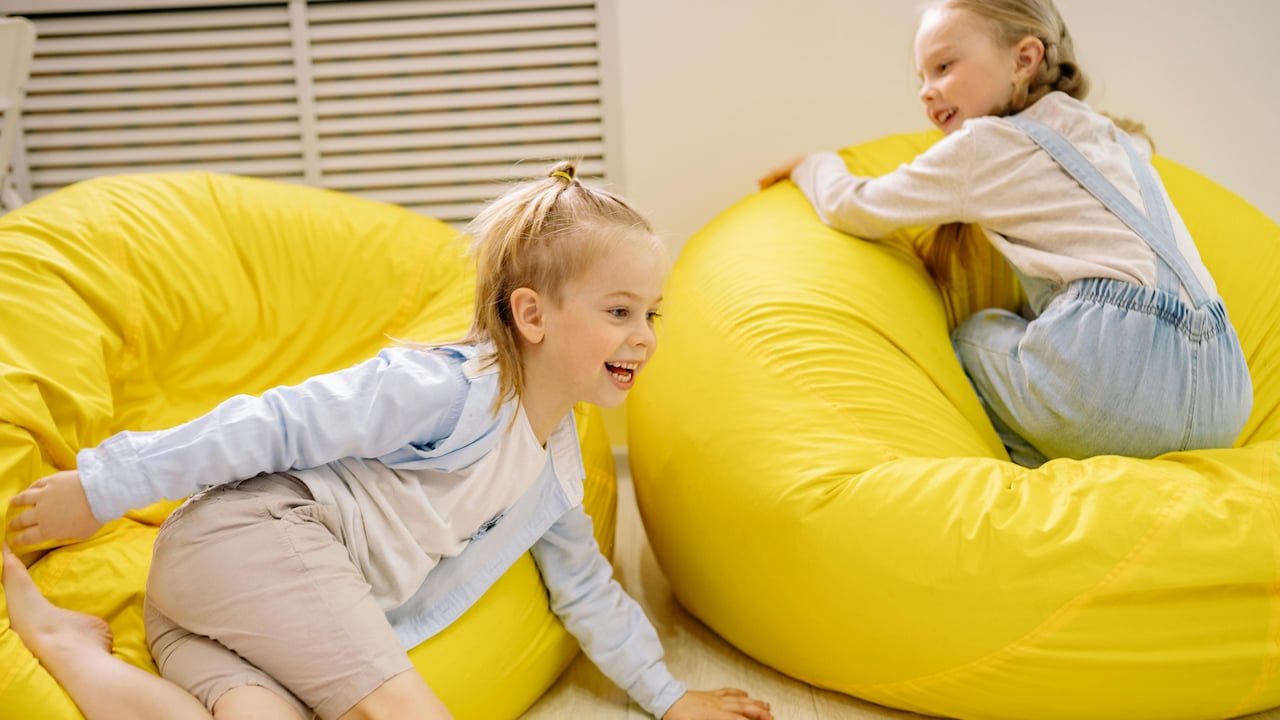
Children often enjoy bouncing on bean bags, turning them into playful cushions. While fun, this habit shortens their lifespan significantly. Encouraging mindful use ensures they last longer.
Furniture performs best when used as intended. Treating the bean bag with care maintains both comfort and durability without requiring constant repairs.
Store It Properly When Not In Use
Sometimes, bean bags are used seasonally or kept aside during rearrangements. Proper storage prevents them from losing shape during these periods.
Storing them in a dry, cool place keeps the filling intact. Compressing them under heavy items should be avoided, as it flattens the beads permanently. Allowing some space helps maintain their form.
Covering the bean bag with a cloth or storing it in a bag protects it from dust. Before using it again, a quick fluff restores its shape.
Neglecting storage often leads to unpleasant surprises later. A well-stored bean bag, however, returns to use without much effort.
Good storage habits ensure comfort remains intact, even after long breaks.

Bean Bags Losing Shape? How To Maintain Them
Photo Credit: Pexels
Products Related To This Article
1. 4XL Bean Bag Chair with Footrest & Cushion
2. Luxury 5XL Jumbo Bean Bag with Footrest & Cushion
3. Velvet Bean Bag with Filled Beans 3XL Bean Bag Chair
4. Quilted Velvet Bean Bag with Filled Beans 2XL Bean Bag Chair
5. Biggie Bean Bag XXXXL Bean Bean Bag with Beans Filled 4XL
Bean bags bring a unique kind of comfort that traditional furniture often cannot match. Their relaxed style and cosy feel make them a favourite in many homes. Yet, like anything used daily, they need a bit of care to stay at their best.
Maintaining a bean bag does not demand complicated routines or expensive solutions. Simple habits like fluffing, rotating, and timely refilling make a noticeable difference. Paying attention to the environment, cleaning regularly, and choosing quality materials further enhances longevity.
Rather than replacing a worn-out bean bag, a little maintenance breathes new life into it. That familiar comfort returns, ready for movie nights, afternoon naps, or quiet moments with a cup of chai.
A well-kept bean bag is more than just furniture. It becomes a reliable companion, always ready to offer comfort when needed.
(Disclaimer: This article may include references to or features of products and services made available through affiliate marketing campaigns. NDTV Convergence Limited (“NDTV”) strives to maintain editorial independence while participating in such campaigns. NDTV does not assume responsibility for the performance or claims of any featured products or services.)