Storage Containers Leaking? What To Check Before Buying
Leaky storage containers can ruin food and create a daily mess. Before buying, check the material, seal quality, and lid design to avoid spills and wasted money.
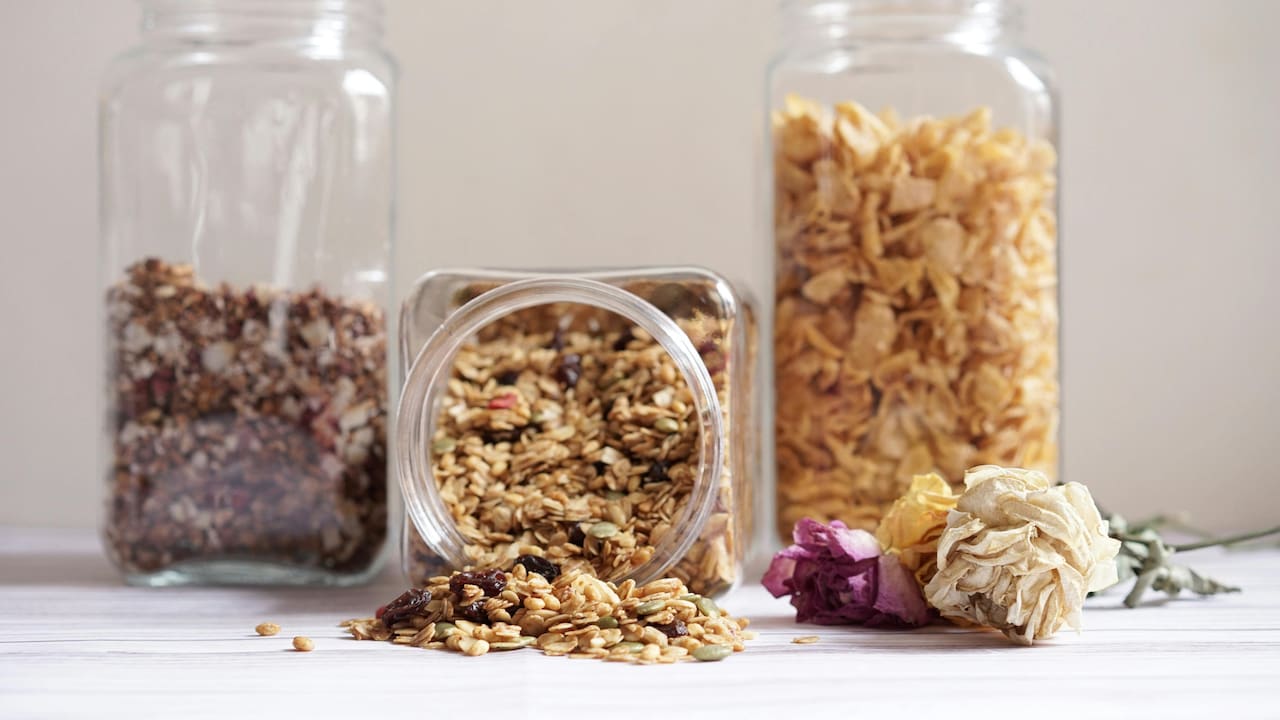
Beginner's guide to choosing kitchen containers that don't leak food
Few things test patience like opening a cupboard to find atta dust scattered everywhere or discovering yesterday's sabzi has seeped through a lunchbox. Storage containers may seem like a simple purchase, yet the wrong choice can lead to constant annoyance. With markets flooded with options, from shiny stainless steel sets to colourful plastic boxes, it's easy to get swayed by looks alone. A smart buy goes beyond appearance. It considers material, design, durability, and even how a lid clicks shut. After all, a container's real job begins once it leaves the shop and enters a busy kitchen filled with spices, oils, and everyday chaos. This article walks through ten key things to check before buying storage containers, offering insights that feel practical, relatable, and rooted in everyday living.
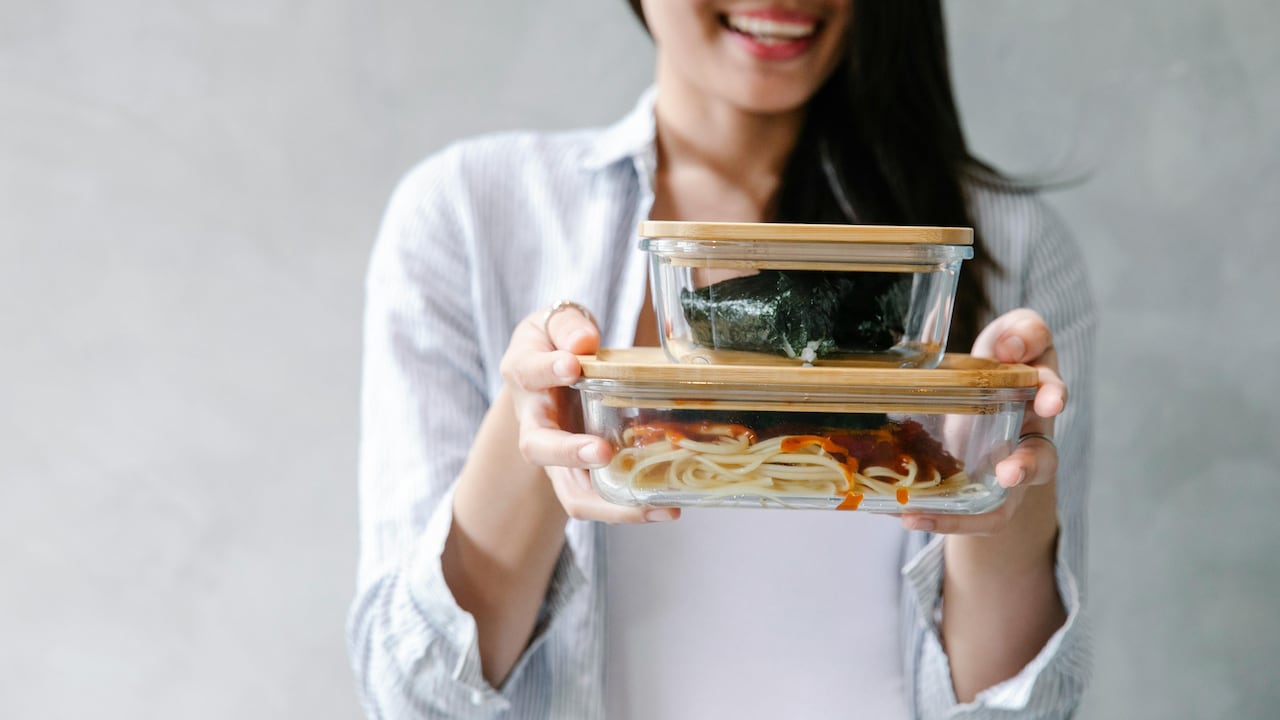
10 things to look for when buying storage containers; Photo Credit: Pexels
Also Read: 5 Airtight Pantry Containers That Lock In Freshness And Keep Snacks Crunchy
Key Things To Check Before Buying Storage Containers
Material Matters More Than You Think
Material often decides whether a container lasts for years or becomes a regret within weeks. Plastic may feel light and affordable, but not all plastics behave the same. Low-quality variants can warp with heat or develop tiny cracks that slowly turn into leaks. On the other hand, stainless steel offers durability and a sense of reliability, especially for storing dry items like rice or pulses.
Glass containers bring a premium feel and work beautifully for leftovers, but they demand careful handling. A slip near the sink could mean both a mess and an unexpected expense. Silicone seals also play a role, particularly in modern containers designed for liquids.
In a typical household, where containers handle everything from turmeric to hot curries, material must match usage. Spending ₹200 extra on better quality often saves ₹1000 in replacements later. Choosing wisely here prevents future headaches and keeps the kitchen running smoothly.
Lid Design Can Make Or Break The Deal
A container without a reliable lid is like a door that never fully closes. The lid design decides whether the contents stay fresh or spill without warning. Snap-lock lids with multiple clips tend to provide a tighter seal compared to simple press-on covers.
However, not all snap locks perform equally. Some feel sturdy in the shop but loosen after repeated use. It helps to test how the lid fits. Does it click securely or wobble slightly? That tiny wobble can lead to leaks when the container tilts inside a bag.
Transparent lids also offer convenience, allowing quick identification of contents. Yet, clarity should not compromise strength. A strong lid paired with a flexible gasket often delivers the best results.
In busy kitchens where containers move from fridge to shelf to travel bags, lid design quietly does most of the heavy lifting. Ignoring it often leads to those dreaded “why is this leaking again?” moments.
Check The Seal Like A Detective
A good seal works silently but effectively. It keeps moisture out, flavours locked in, and spills at bay. Rubber or silicone gaskets often sit inside lids, creating that airtight barrier. Without them, even the best-looking container may fail.
A simple test in-store can reveal a lot. Close the lid and gently press. Does it resist or give way easily? A firm seal usually offers slight resistance and a satisfying closure sound. Loose seals, on the other hand, signal trouble.
Over time, seals can wear out. It helps to check if replacements are available or if the design allows easy cleaning. Food particles trapped under the gasket can weaken the seal and create hygiene issues.
A strong seal becomes especially important when storing liquids like sambar or oil. One weak spot can lead to spills that ruin bags, shelves, and patience alike. Paying attention here ensures peace of mind later.
Size And Shape Influence Practical Use
A container may look perfect until it refuses to fit neatly into a shelf. Size and shape play a bigger role than most expect. Tall containers work well for storing grains, while wide ones suit leftovers or snacks.
Stackability also matters. Containers that stack easily save space and create a sense of order. In smaller kitchens, where every inch counts, this becomes crucial. Odd shapes may look stylish, but often waste space.
Consider daily habits. A family that cooks in bulk needs larger containers, while smaller households may prefer compact options. Buying a mix of sizes often works better than choosing identical sets.
A thoughtful selection prevents clutter and ensures that containers actually get used instead of sitting unused at the back of a cupboard. Practicality always wins over appearance in the long run.
Durability Saves More Than Money
A container that cracks after a few uses quickly becomes an unnecessary expense. Durability depends on both material and build quality. Thicker walls, reinforced corners, and sturdy lids usually indicate longer life.
Frequent use puts containers through a lot, washing, stacking, and occasional drops. A durable design withstands this daily wear without losing its shape or seal. Thin plastic, though cheaper, often struggles under such conditions.
Spending ₹500 on a reliable set may feel steep initially, but it avoids repeated purchases. Over time, this proves more economical than buying cheaper alternatives every few months.
Durability also reduces environmental impact by cutting down on waste. A long-lasting container serves both the household and the planet, making it a smart and responsible choice.
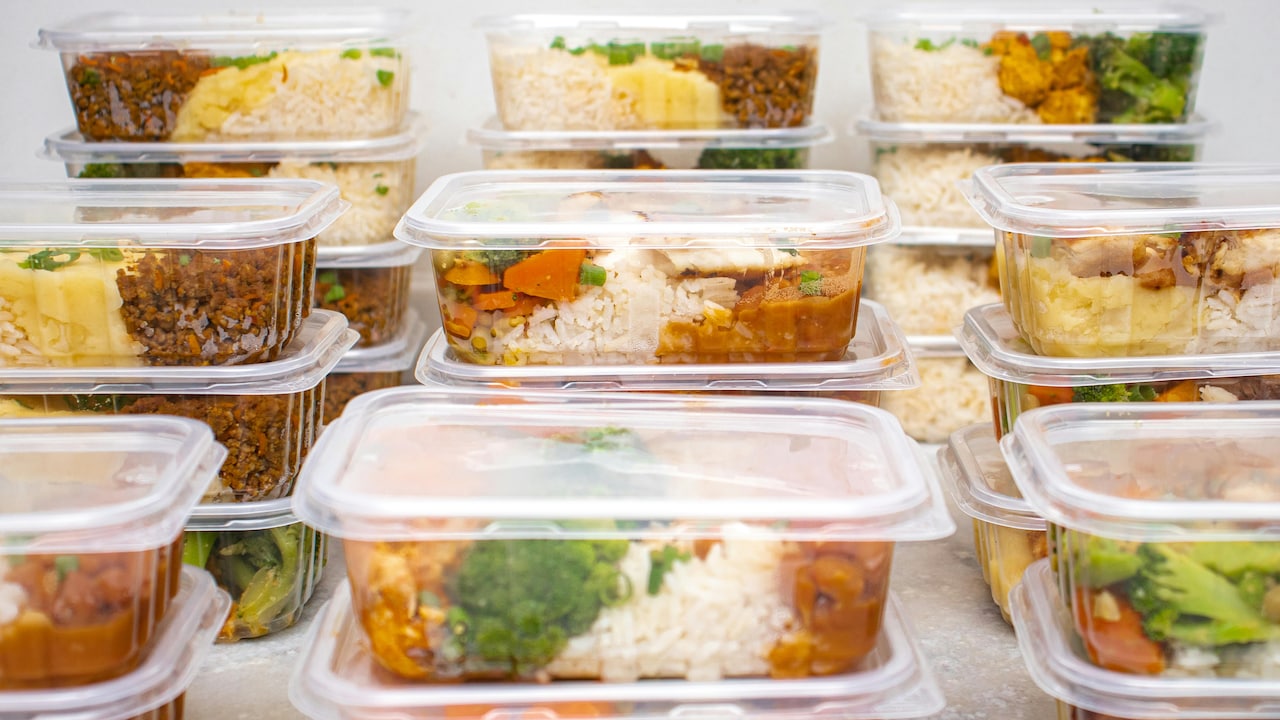
Ensure that the design can withstand daily use and washing easily; Photo Credit: Pexels
Heat And Cold Resistance Matter
Not all containers handle temperature changes well. Some plastics deform when exposed to hot food, while others become brittle in the freezer. Choosing containers that tolerate both extremes ensures versatility.
Microwave-safe labels offer guidance, but they do not guarantee leak-proof performance. A container may survive heat yet fail to hold liquids securely. It helps to check both aspects separately.
Glass and certain high-grade plastics perform better with temperature shifts. They maintain shape and seal even when moving from fridge to microwave. This flexibility simplifies daily routines.
In households where reheating leftovers is common, temperature resistance becomes essential. It prevents unpleasant surprises like warped lids or unexpected leaks, keeping meals hassle-free.
Ease Of Cleaning Is Often Overlooked
A container that traps stains or odours quickly becomes frustrating. Spices like turmeric and oil-heavy dishes can leave marks that refuse to fade. Smooth surfaces and removable seals make cleaning easier.
Dishwasher compatibility adds convenience, but manual cleaning still plays a role. Containers with too many grooves or hidden corners often collect residue. Over time, this affects both hygiene and performance.
Transparent containers help spot leftover stains, ensuring thorough cleaning. Opaque ones may hide residue, leading to unpleasant smells later.
Choosing easy-to-clean designs saves time and effort. It also keeps containers looking fresh, making the kitchen feel more organised and pleasant.
Portability And Leak Resistance Go Together
For those carrying lunch to work or packing snacks for travel, portability becomes crucial. A container must stay secure even when tossed into a bag alongside books or gadgets.
Leak-proof claims often sound convincing, but real-world performance matters more. Testing the lid and seal provides better insight than relying on labels alone. Containers designed for travel usually feature stronger locks and tighter seals.
Weight also plays a role. Lightweight options feel convenient, but must not compromise strength. A balance between portability and durability ensures reliable performance.
A good portable container eliminates the fear of spills, allowing meals to travel safely. It turns everyday routines into smoother experiences without unnecessary worry.
Brand Reputation And Reviews Help
While local markets offer plenty of options, brand reputation provides a sense of reliability. Established brands often maintain consistent quality and offer better customer support.
Reviews, whether from friends or online platforms, reveal real experiences. They highlight issues that may not appear during a quick inspection. A container that looks perfect in the shop may behave differently after a month of use.
However, price does not always guarantee quality. Some lesser-known brands deliver excellent performance at reasonable rates. The key lies in balancing reputation with personal inspection.
Listening to others' experiences saves time and prevents costly mistakes. It adds an extra layer of confidence before making a purchase.
Price Vs Value: Think Long-Term
A lower price may seem attractive, but it often comes with compromises. Containers priced at ₹100 might need replacement within weeks, while those costing ₹300 could last for years.
Value depends on performance, durability, and convenience. Spending slightly more upfront often leads to better long-term savings. It also reduces daily frustrations caused by leaks or breakage.
Discounts and combo offers can provide good deals, but quality should remain the priority. A well-chosen container becomes a dependable part of daily life, making the investment worthwhile.
Balancing price and value ensures that every rupee spent delivers satisfaction rather than regret.
Products Related To This Article
1. SATVIKAYA Air Tight Plastic Storage Containers Set for Kitchen
2. VOLTURI Air Tight Kitchen Containers Set of 6, Kitchen Storage Box for Pulses
3. SATVIKAYA Air Tight Plastic Storage Containers Set for Kitchen
4. SUVI 1 kg Stainless Steel Kitchen Containers with See Through Lid
5. Amazon Brand - Solimo Square Glass Food Storage Container
Storage containers rarely receive much attention until they fail. A leaking lid or cracked body quickly turns a simple kitchen task into a messy ordeal. Choosing the right container involves more than picking a design that looks appealing on the shelf.
Material, lid design, seal quality, and durability all work together to determine performance. Paying attention to these factors ensures that containers do their job quietly and efficiently. A thoughtful purchase today prevents countless small frustrations tomorrow.
In the end, a good storage container does not demand attention, it simply works. And in a busy kitchen, that reliability feels like a small but meaningful victory.
(Disclaimer: This article may include references to or features of products and services made available through affiliate marketing campaigns. NDTV Convergence Limited (“NDTV”) strives to maintain editorial independence while participating in such campaigns. NDTV does not assume responsibility for the performance or claims of any featured products or services.)











![Steam Iron Teflon Shoe Cover for ES-300,ST-96 [Only For ES-300 and ST-96 Model Electric Steam Irons]](https://m.media-amazon.com/images/I/51wwkttondL._SL160_.jpg)