How To Choose Blackout Curtains That Block 100% Of Light
Struggling with harsh sunlight or glaring streetlights? Discover how to choose blackout curtains that truly block light, from fabric and lining to measurements and installation, so your bedroom stays perfectly dark and sleep-friendly.
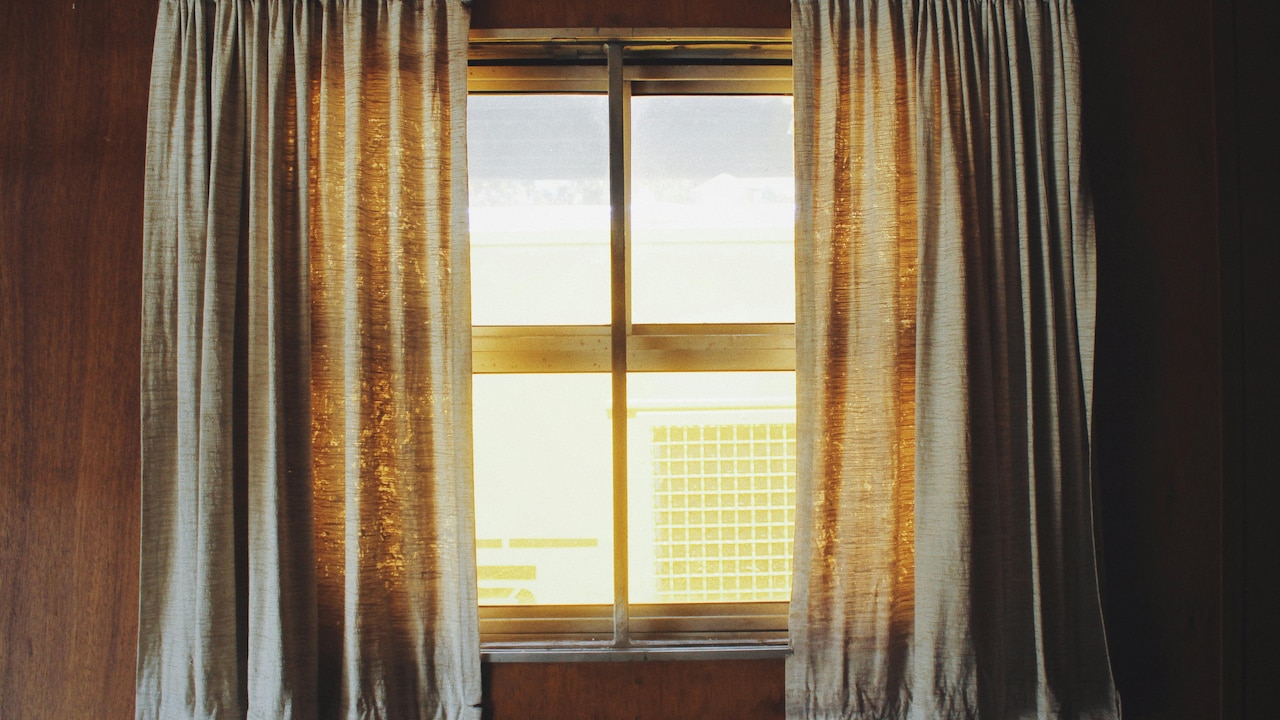
How to Buy Blackout Curtains That Completely Prevent Light From Seeping Through.
Sleep feels precious in a country where mornings start early, and life rarely slows down. Between blaring horns, festival lights, and strong sunshine that streams in at 5:45 am during summer, a dark bedroom can feel like a luxury. Yet not all blackout curtains deliver on their promise. Many claim to block 100 per cent light, but leave faint glows around the edges or allow sharp beams to cut through the fabric.
Choosing the right blackout curtains involves more than picking a dark colour or thick material. Fabric construction, stitching, lining, curtain width, rod placement, and even wall colour influence the final result. A thoughtful purchase saves money, avoids frustration, and most importantly, protects sleep.
Here is a practical, experience-driven guide to buying blackout curtains that genuinely prevent light from seeping through.

How to Buy Blackout Curtains That Completely Prevent Light From Seeping Through
Photo Credit: Pexels
Key Factors To Consider Before Buying Blackout Curtains
Understanding What “Blackout” Really Means
Many shoppers assume blackout curtains simply mean dark curtains. Unfortunately, that assumption leads to disappointment. True blackout fabric blocks 95 to 100 per cent of incoming light due to a specialised lining or tightly woven multi-layer construction. A regular dark cotton curtain, even in deep navy or charcoal, will still allow sunlight to filter through.
When browsing in a store, hold the fabric up against bright light. If light passes through, the curtain will not fully darken a room. Quality blackout curtains often feature a foam-backed or triple-weave design. Some include a separate blackout lining stitched behind decorative fabric. That layered approach blocks light effectively and adds insulation.
Prices vary widely. Reliable options typically start around ₹1,200 per panel for standard sizes. Extremely cheap alternatives often compromise on lining quality. Investing slightly more usually results in deeper darkness and better durability, which pays off in the long run.
Choosing The Right Fabric Density
Fabric density plays a critical role in light control. Thin polyester blends rarely block light completely, even with lining. Heavier materials such as triple-weave polyester, velvet, or tightly woven jacquard perform far better.
Velvet, in particular, offers excellent light absorption. Its plush surface traps light rather than reflecting it. Bedrooms that face harsh west sunlight benefit greatly from such dense fabrics. However, velvet costs more, often starting at ₹2,500 per panel, and requires more maintenance.
Triple-weave fabrics provide a more affordable middle ground. These fabrics weave black yarn between decorative layers, creating a built-in barrier. They feel substantial without appearing bulky. In humid climates, breathable triple-weave materials resist dampness better than foam-backed curtains, which may deteriorate over time.
The goal lies in balancing practicality with aesthetics. A curtain must suit the room's décor while delivering reliable darkness. Touch, weight, and thickness reveal more than marketing labels ever will.
Measuring Windows For Zero Light Gaps
Even the thickest blackout curtain fails if poorly sized. Light often sneaks in through gaps at the sides, top, or bottom. Precise measurement prevents this common issue.
Curtains should extend at least 6 to 8 inches beyond the window frame on each side. This overlap blocks side light leakage effectively. The rod must sit higher than the window, ideally 4 to 6 inches above the frame. This positioning prevents a bright strip from appearing above the curtain.
Length matters equally. Curtains that just touch the sill allow light underneath. Floor-length panels create a stronger seal. For maximum darkness, let the fabric gently pool on the floor by one or two inches.
Many homes feature non-standard window sizes. In such cases, custom-made curtains offer better results than ready-made sets. While custom options may cost ₹4,000 or more, they eliminate gaps and create a seamless appearance that enhances both function and style.
Opting For The Right Curtain Width
A narrow curtain panel stretched tightly across a window fails to block light effectively. Proper fullness ensures better coverage and a richer appearance.
Curtains should measure at least 1.5 to 2 times the width of the window. For example, a 5-foot-wide window requires curtains totalling 7.5 to 10 feet in width. This extra fabric allows the panels to overlap in the centre and close without tension.
Without adequate width, even minor movement creates openings. Early morning light finds its way through those tiny spaces instantly. Wider curtains drape naturally and create deeper folds, which improve insulation and sound absorption as well.
Some people hesitate because additional panels increase cost. Yet the difference between two and four panels may only add ₹800 to ₹1,500, depending on the brand. That small investment dramatically improves performance and gives the room a more luxurious feel.
Selecting The Best Lining Type
The lining determines how effectively a curtain blocks light. There are three main types to consider: foam-backed, triple-weave, and separate stitched lining.
Foam-backed curtains feel slightly rubbery on the back. They block light well initially but may crack in high humidity over time. Homes in coastal regions should consider alternatives.
Triple-weave curtains integrate blackout threads within the fabric itself. These feel softer and maintain breathability. They resist peeling and generally last longer.
Separate stitched linings offer premium performance. These curtains combine decorative outer fabric with an independent blackout layer. This construction provides excellent darkness and better insulation against heat. Though slightly heavier, they maintain structure beautifully.
When shopping, examine the stitching carefully. Loose seams allow tiny pinholes of light to pass through. Quality craftsmanship ensures the lining sits flush without puckering or gaps.
Considering Curtain Rod Placement And Hardware
Curtain hardware influences light control more than most buyers realise. Standard rods leave gaps between the curtain and the wall. Curved or wraparound rods eliminate that issue by allowing the curtain to bend inward at the ends.
Wraparound rods cost between ₹700 and ₹1,500 and significantly reduce side light seepage. Ceiling-mounted tracks provide an even stronger solution. They create a clean drop from ceiling to floor and prevent top-edge light completely.
Brackets must hold the rod firmly. Sagging rods create uneven gaps in the middle. Heavier blackout curtains require sturdy supports, especially for wide windows.
Installing curtains closer to the ceiling also makes the room appear taller. This visual trick enhances both functionality and style. With thoughtful rod placement, even modest curtains perform better and look more elegant.
Sealing The Edges For Complete Darkness
Light rarely passes through good blackout fabric, yet edges remain vulnerable. Sealing those edges transforms a dark room into a pitch-black sanctuary.
Magnetic strips or Velcro attachments can secure curtain edges to the wall. These solutions work particularly well in children's rooms where early sunrise disrupts sleep. Temporary adhesive strips cost around ₹300 and provide impressive results.
Another option involves layering sheer curtains behind blackout panels. While sheers do not block light, they soften small leaks and add privacy when blackout curtains remain open during the day.
For extreme light sensitivity, consider adding blackout roller blinds behind curtains. The blind blocks direct light, and the curtain seals edges. This double layer proves highly effective in rooms exposed to strong streetlights or festive lighting during celebrations.
Paying Attention To Colour And Interior Reflection
Surprisingly, colour affects light perception. Darker shades absorb more light, while lighter blackout curtains may allow a faint glow.
Deep charcoal, navy, chocolate brown, or forest green absorb sunlight effectively. Cream or pastel blackout curtains still block light structurally but may reflect a soft halo within the room.
Wall colour also influences brightness. White or glossy walls reflect even small amounts of stray light. Matte finishes and deeper tones reduce reflection and enhance darkness.
Those who prefer lighter décor can choose blackout curtains with dark lining on the back and pale fabric on the front. This design maintains a bright aesthetic during the day while ensuring proper light blockage at night.
Considering Heat And Noise Insulation Benefits
Blackout curtains do more than block light. They insulate against heat and reduce outside noise. Thick curtains prevent hot summer air from warming the room quickly. In winter, they help retain warmth indoors.
Rooms facing busy roads benefit greatly from dense fabrics. While blackout curtains do not replace soundproofing, they dampen traffic noise and honking significantly.
Energy savings become noticeable over time. Reduced reliance on air conditioning during peak summer months can lower electricity bills. With power costs steadily rising, that added benefit strengthens the value of investing in quality curtains.
For homes exposed to intense afternoon heat, thermal blackout curtains provide dual benefits. Though slightly more expensive, often around ₹3,000 per panel, they offer comfort beyond darkness.
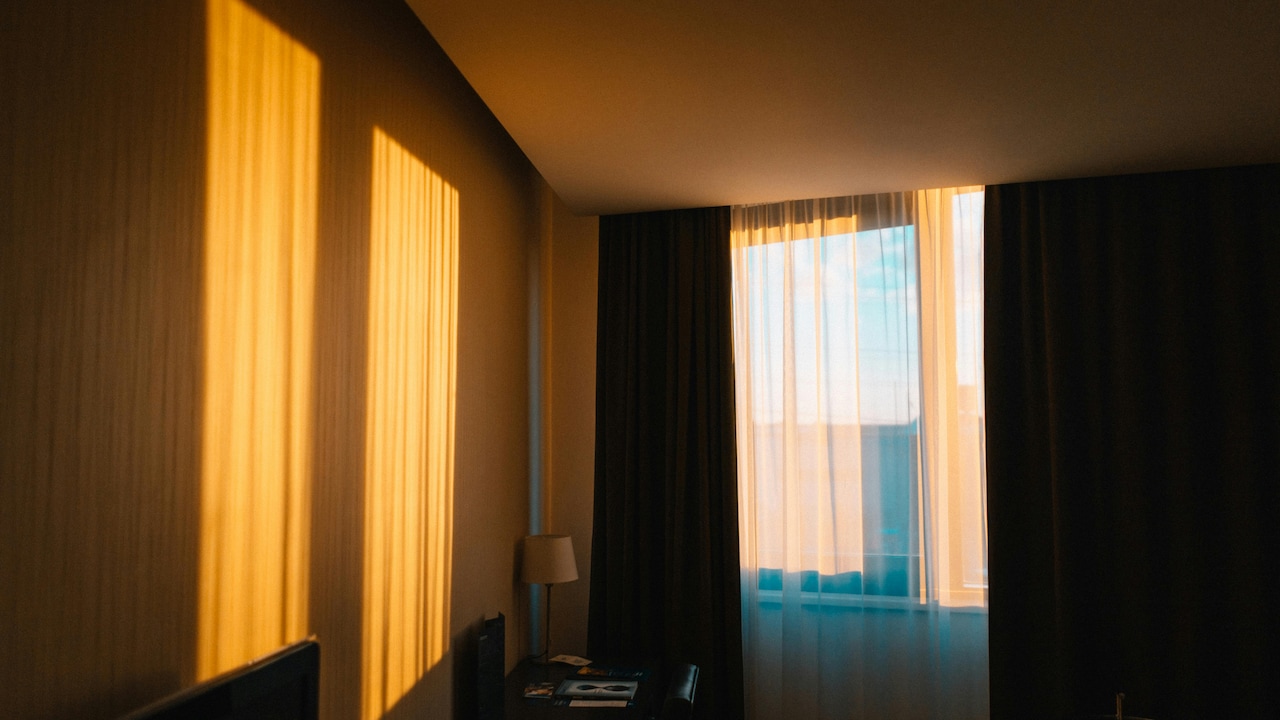
How to Buy Blackout Curtains That Completely Prevent Light From Seeping Through
Photo Credit: Pexels
Checking Maintenance And Longevity
Durability matters. Curtains gather dust quickly, especially in urban environments. Easy maintenance extends their lifespan and keeps them looking fresh.
Machine-washable blackout curtains simplify cleaning. However, always check care instructions. Some foam-backed varieties require gentle hand washing. Frequent harsh washing may damage the lining.
Look for colourfast fabric that resists fading under strong sunlight. Reinforced stitching along hems prevents fraying. High-quality eyelets or hooks ensure smooth sliding along the rod without tearing.
While cheaper curtains may seem appealing, replacing them every year costs more in the long run. Investing ₹2,000 to ₹3,000 in durable panels often delivers better value over five to seven years.
Products Related To This Article
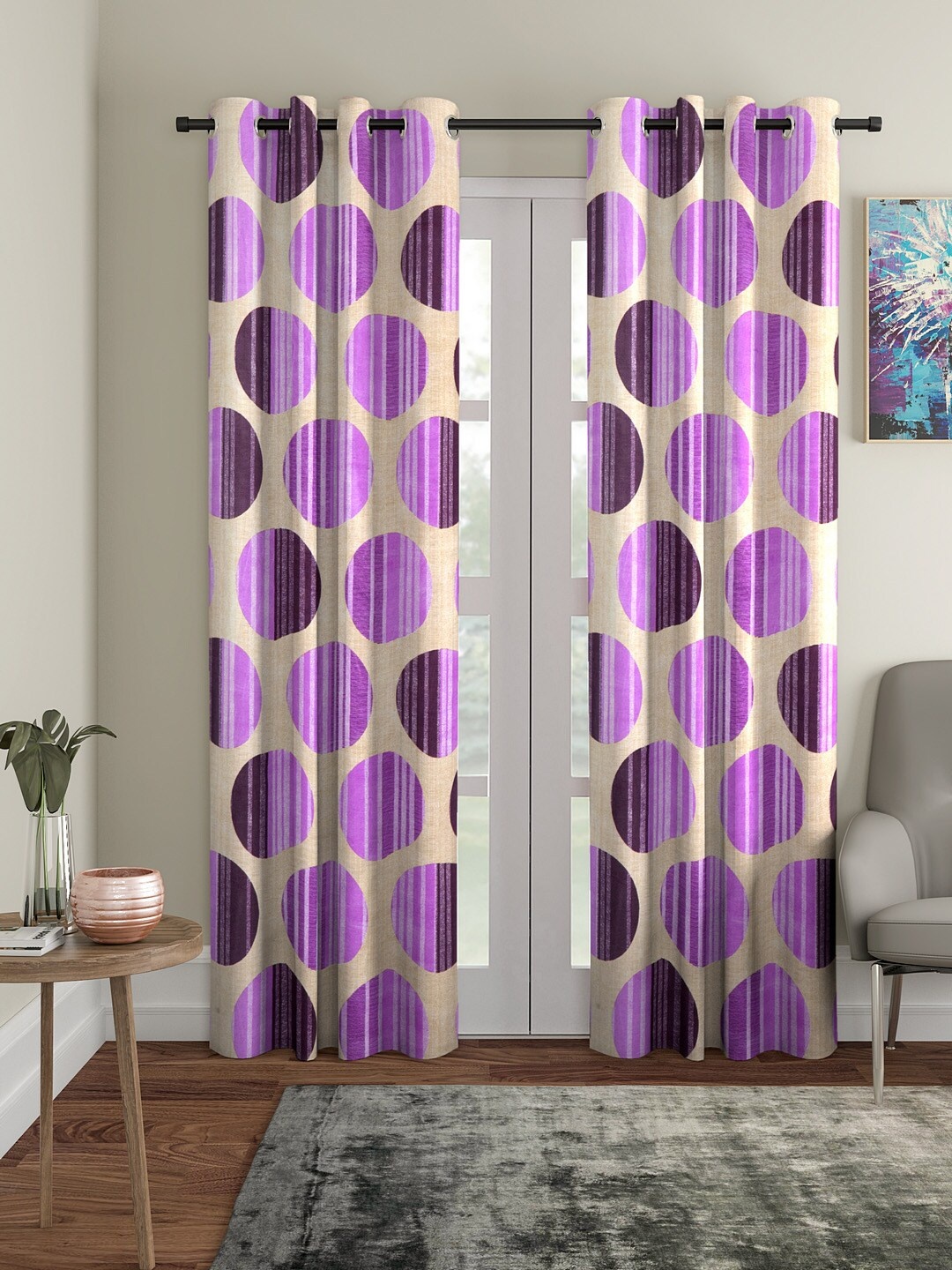
1. URBAN SPACE Aurika Mauve Gold Foil Blackout Window Curtain
2. Homefab India Black 2-Pieces Black Out Window Curtains
3. Story@home Beige Set Of 1 Long Door Curtain
4. haus & kinder Blue & Beige Set of 2 Ethnic Motifs Room Darkening Window
5. SWAYAM Omega White & Green Blackout 330 GSM Single Printed Door Curtains
Creating a truly dark bedroom demands more than choosing a curtain labelled “blackout.” The right fabric density, proper width, thoughtful measurements, and smart hardware placement work together to prevent light from seeping through. Small details such as sealing edges and selecting suitable colours make a significant difference.
In homes where early sun, bright streetlights, or festive illuminations interrupt sleep, effective blackout curtains feel transformative. They create calm, improve rest, and even help manage indoor temperature. A carefully chosen set turns a bright, restless room into a peaceful retreat.
When purchasing blackout curtains, focus on performance first and style second. Measure accurately, inspect fabric closely, and invest in reliable hardware. With these considerations in mind, restful darkness becomes not just possible, but dependable every single night.
(Disclaimer: This article may include references to or features of products and services made available through affiliate marketing campaigns. NDTV Convergence Limited (“NDTV”) strives to maintain editorial independence while participating in such campaigns. NDTV does not assume responsibility for the performance or claims of any featured products or services.)










![Steam Iron Teflon Shoe Cover for ES-300,ST-96 [Only For ES-300 and ST-96 Model Electric Steam Irons]](https://m.media-amazon.com/images/I/51wwkttondL._SL160_.jpg)