Breast Pump Buying Guide: What Every New Mum Should Know Before Choosing One
Choosing a breast pump can feel a bit like scrolling through endless baby product websites at 2 a.m., confusing, tiring and full of options that somehow look the same. Explore real-life checks that help a new mum pick a pump that makes life easier.
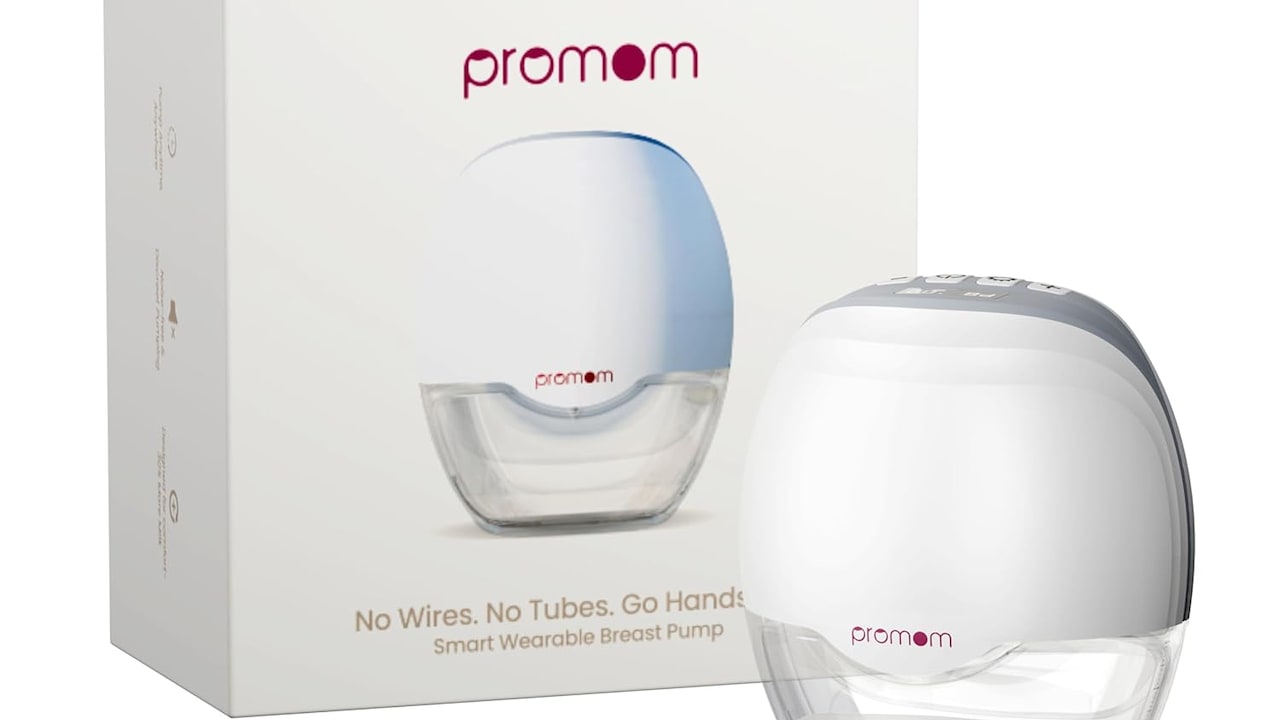
What To Check Before Buying A Breast Pumping Machine: Here Is A First-Time Mums Guide.
The weeks leading up to a baby's arrival often feel like a whirlwind of advice, emotions, family excitement and endless shopping lists. Somewhere between picking nappies, planning the hospital bag and arguing over who the baby looks like in the scan photo, the question of buying a breast pumping machine pops up. For many mums, especially first-timers, this choice feels overwhelming. A breast pump isn't just another gadget; it becomes part of daily life in the early months. It keeps milk supply steady, helps store milk for later feeds, and brings flexibility during hectic days. Choosing the right one can save time, reduce discomfort and make the journey smoother. This guide shares the key things to check before bringing home a breast pump. Each point is easy to understand, practical and shaped around everyday situations familiar to families here, whether that means feeding during a power cut or finding a breast pump that fits into a work tote without raising eyebrows.
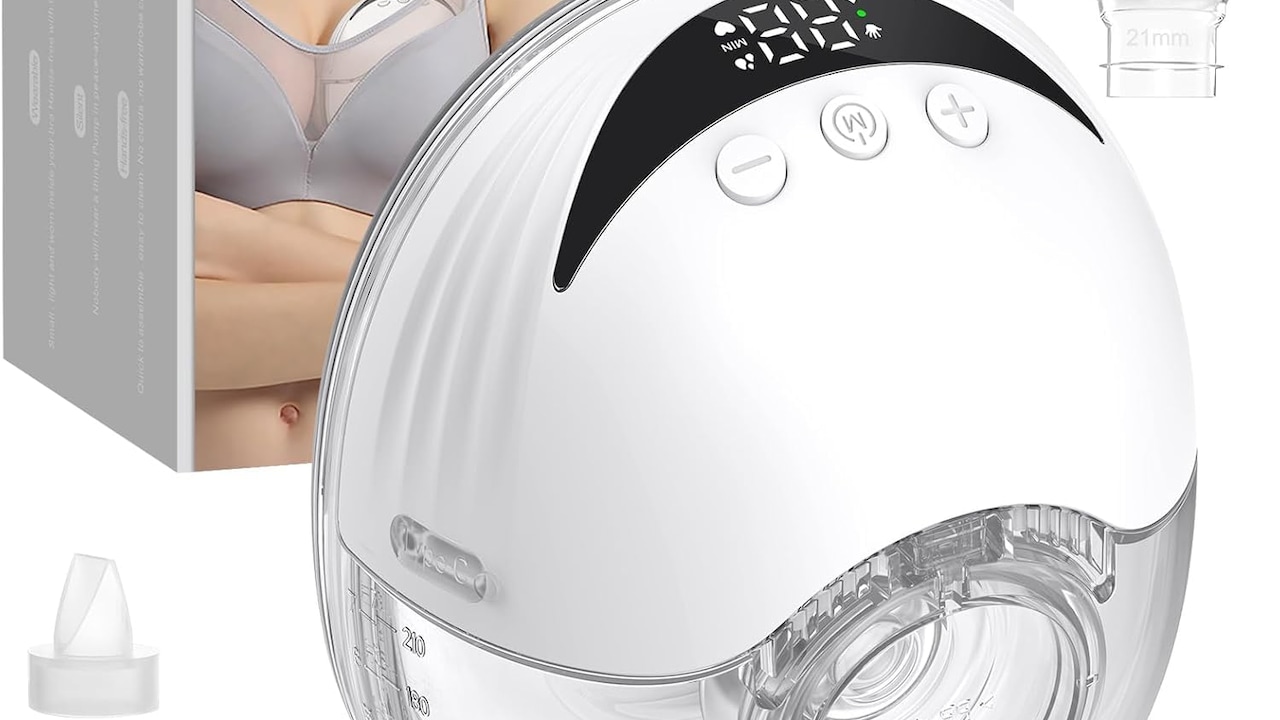
10 Things To Check Before Buying A Breast Pump For The First Time
Photo Credit: Amazon
Key Checks Before Bringing Home A Breast Pump
1. Comfort of the Suction and Flange Fit
Comfort sits at the heart of pumping. A poorly fitted flange can pinch, rub or leave the breasts sore by the end of the session. Many new mums assume the standard size that comes in the box suits everyone. In reality, nipples vary in shape and size, and a mismatched flange can make the experience uncomfortable and reduce milk output. It helps to check if the pump offers different flange sizes or soft silicone options that feel gentler on the skin.
A pump with adjustable suction strength helps fine-tune the pressure. The first few days after delivery feel tender enough, so a machine that allows gradual suction increases makes a difference. Some models offer a “massage mode” that mimics natural suckling, useful for let-down and for sessions when the body feels tired. When choosing, imagine the pump becoming a regular companion during sleepless nights and rushed mornings. Comfort shouldn't be a luxury; it should be the deciding factor.
2. Manual vs Electric: Choosing What Fits Your Lifestyle
Breast pumps generally fall into two camps: manual and electric. A manual pump works through hand compression, making it quiet and light. It suits mums who pump occasionally or prefer something budget-friendly. The downside? It demands effort, and long sessions can feel like a tiny workout nobody asked for.
Electric pumps, on the other hand, offer speed and efficiency. They come as single or double units, with double pumps saving time by expressing from both sides together. These suit mums who plan to pump daily, return to work or manage irregular feeding schedules. Electric models often include multiple modes, digital displays and adjustable settings. For households that deal with frequent power cuts, a battery-backed or USB-chargeable pump feels safer. Lifestyle matters, long commutes, office hours, family routines and even sleep-deprived mornings all play a role in deciding the right type.
3. Noise Level and Pumping Privacy
Sound may seem like a small factor until the first late-night session beside a sleeping family or during a video call. Some electric pumps hum loudly enough to attract curious stares, while quieter options offer discreet pumping even in shared spaces. A silent or near-silent motor brings peace, especially for mums who express milk at work or while travelling.
Picture sitting in the office nurse room or a quiet corner at home while everyone naps. A noisy pump can make those moments awkward. A softer machine feels more calming, and sessions feel less rushed. Checking product reviews or demonstration videos helps get a sense of how loud the pump really is. After all, feeding a newborn already brings enough attention; the pump doesn't need to add a soundtrack.
4. Portability and Ease of Carrying
Life with a newborn doesn't stay confined to one room. Hospital visits, family gatherings, office days or simple errands mean mums often carry their breast pump around. A bulky model can feel like hauling a mini suitcase. A compact, lightweight pump fits into handbags or small tote bags, making day-to-day life easier.
Portable pumps with rechargeable batteries offer freedom from hunting for a plug point. Some come with wearable cups that slip inside the bra, allowing hands-free pumping even while walking around or working. For mums with frequent travel or unpredictable schedules, portability becomes more important than fancy features. Consider how often the pump will leave the house. If it's more than twice a week, a lightweight and compact design should sit high on the checklist.
Also Read: 7 Affordable Baby Bodysuits Under ₹500 That Stay Soft After Every Wash
5. Hygiene and Cleaning Convenience
Milk spills, sticky bottles and endless washing can make the first months feel like a constant loop of cleaning. A good pump reduces the hassle. Simpler designs with fewer detachable parts are easier to wash, sterilise and dry. Pumps with too many tiny valves or hidden crevices can quickly turn cleaning into a chore.
Brands that offer dishwasher-safe or boil-safe components save precious minutes. Some pumps come with closed system designs, preventing milk from flowing back into the motor and reducing contamination risk. Given the hot climate in many parts of the country, drying pump parts properly matters to prevent bacterial growth. A pump that keeps hygiene straightforward helps mums focus on feeding rather than scrubbing plastic pieces every few hours.
6. Availability and Cost of Spare Parts
Over weeks of regular use, parts like valves, membranes and tubing wear out. Some may get misplaced during cleaning or while preparing midnight feeds. When spare parts are hard to find, the entire pump becomes tricky to use. Before buying, it helps to check if replacement parts are available online or in nearby stores.
Cost matters too. There's little joy in buying a pump that fits the budget only to discover that replacement valves cost almost ₹700 each. Pumps from well-established brands often ensure long-term availability of parts. Also, check if the bottles and storage containers are compatible with other brands. Practicality beats aesthetics when it comes to day-to-day baby care. A pump with easily accessible and affordable spare parts feels like a much wiser investment.
7. Power Options and Charging Flexibility
Unpredictable power cuts, long car rides and days filled with travel require a pump that doesn't rely on a single power source. Many mums prefer models that run on rechargeable batteries or support USB charging. Being able to plug a pump into a power bank feels like a lifesaver during emergencies or when travelling by train or bus.
Some electric pumps also offer multiple charging ports or long battery life that lasts several sessions on a single charge. If the pump is used several times a day, stable power becomes essential. For mums returning to work, a pump that charges quickly helps manage pumping breaks more efficiently. Versatile power options bring peace of mind, because caring for a newborn already comes with enough surprises.
8. Suction Strength and Customisable Settings
Every mum's body responds differently to pumping. Some prefer gentle suction; others express better with stronger settings. A machine with customisable suction levels allows fine adjustment for comfort and efficiency. Pumps with digital displays often show real-time suction strength, making it easier to repeat settings that work well.
Multiple modes, such as let-down and expression, mimic a baby's natural patterns and improve milk flow. Checking whether the pump maintains steady suction without sudden drops or surges helps avoid discomfort. A pump that allows gradual increases and quick switching between modes feels smoother in daily use. Customisation ensures that each session feels tailored to the body's rhythm rather than forcing the body to fit the machine.
9. Milk Storage Compatibility and Accessories
Organisation becomes a quiet skill every new mum masters, often without realising it. Milk storage adds to that routine. Pumps that come with compatible bottles, storage lids or freezer-friendly bags reduce the fuss. Some brands offer direct pumping into storage bags, saving washing time and preventing spills.
Having measurement marks on the containers helps track output, especially during growth spurts or when monitoring baby nutrition. Clips, stands, and travel caps also add convenience. Before buying, check what accessories come in the box and what needs to be purchased separately. Over time, small extras make a big difference, especially when juggling feeding, sleeping schedules and ten other chores.
10. Budget and Long-Term Value
The price range for breast pumps stretches widely, from simple manual pumps under ₹600 to advanced electric models reaching ₹12,000 or more. While budget matters, it helps to view the pump as a long-term companion. A pricier pump with durable parts, strong suction and efficient modes may save money and time later.
Families with earning constraints may prefer a mid-range pump that balances affordability and reliability. If the plan includes pumping daily for months, investing in a sturdy model pays off. Also consider warranties, customer support and repair options. A good pump should feel like a practical purchase, not a flashy gadget that gathers dust after a few weeks. The best value comes from a pump that fits the lifestyle, lasts long and supports smooth feeding.
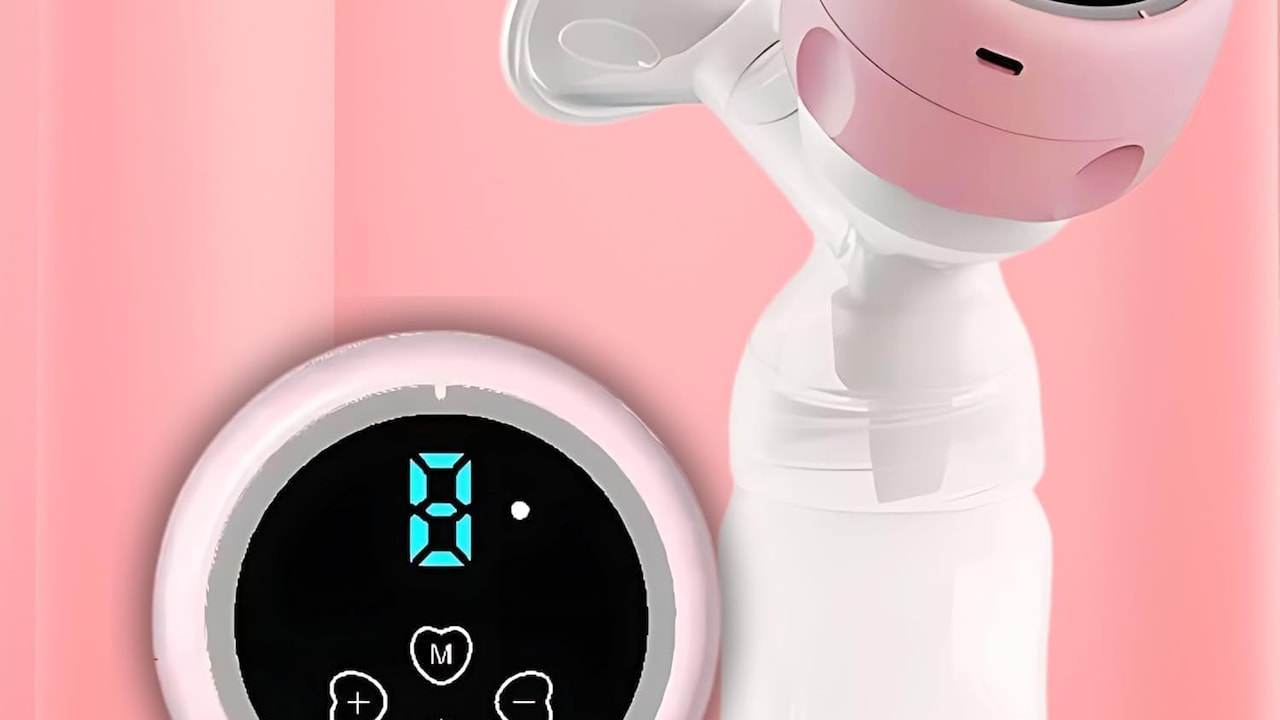
10 Things To Check Before Buying A Breast Pump For The First Time
Photo Credit: Amazon
Products Related To This Article
1. Philips Avent Essential Manual Breast Pump
2. Luvlap Adore Electric Breast Pump with 2 Phase Pumping
3. BRONTIX S1 Wearable Breast Pump Electrical
4. Philips Avent Hands-Free/ Wearable Single Electric Breast Pump
5. Roboson Wearable Electric Breast Pump For Feeding Mothers
6. Upgraded Wearable Hands Free Breast Pump
7. Lifelong Cuppy Milk Wearable Breast Pump Electric for Feeding Mothers
Choosing a breast pumping machine becomes easier when the focus shifts from brand names to real-life needs, comfort, convenience and daily routines. Each mum's journey looks different, and the right pump supports that journey without adding stress. Thinking about suction comfort, portability, hygiene, power options and long-term value helps narrow the choices. With the right pump, feeding becomes a smoother, more flexible experience, leaving more time and energy for the moments that matter most, snuggling, bonding and enjoying those tiny expressions that change every day.
(Disclaimer: This article may include references to or features of products and services made available through affiliate marketing campaigns. NDTV Convergence Limited (“NDTV”) strives to maintain editorial independence while participating in such campaigns. NDTV does not assume responsibility for the performance or claims of any featured products or services.)






![Steam Iron Teflon Shoe Cover for ES-300,ST-96 [Only For ES-300 and ST-96 Model Electric Steam Irons]](https://m.media-amazon.com/images/I/51wwkttondL._SL160_.jpg)