Buying a Sofa? Avoid These 10 Common Mistakes That Lead to Back Pain
The wrong sofa can quietly damage posture and trigger long-term back pain. From poor seat depth to weak support, these common buying mistakes explain why comfort today can mean pain tomorrow.
10 Sofa Buying Mistakes That Cause Back Pain And Make Everyday Sitting Increasingly Uncomfortable.
A sofa plays many roles in daily life. It hosts long conversations, quick naps, family movie nights, and lazy Sunday afternoons. It also supports the body for hours, often without much thought. That is where trouble begins. Many homes choose sofas based on looks, trends, or discounts, while comfort and posture take a back seat. Over time, poor support, awkward proportions, and unsuitable materials place stress on the lower back, shoulders, and neck. Back pain linked to sofas rarely feels dramatic at first. It arrives as a dull ache, a slight stiffness, or a need to keep shifting positions.
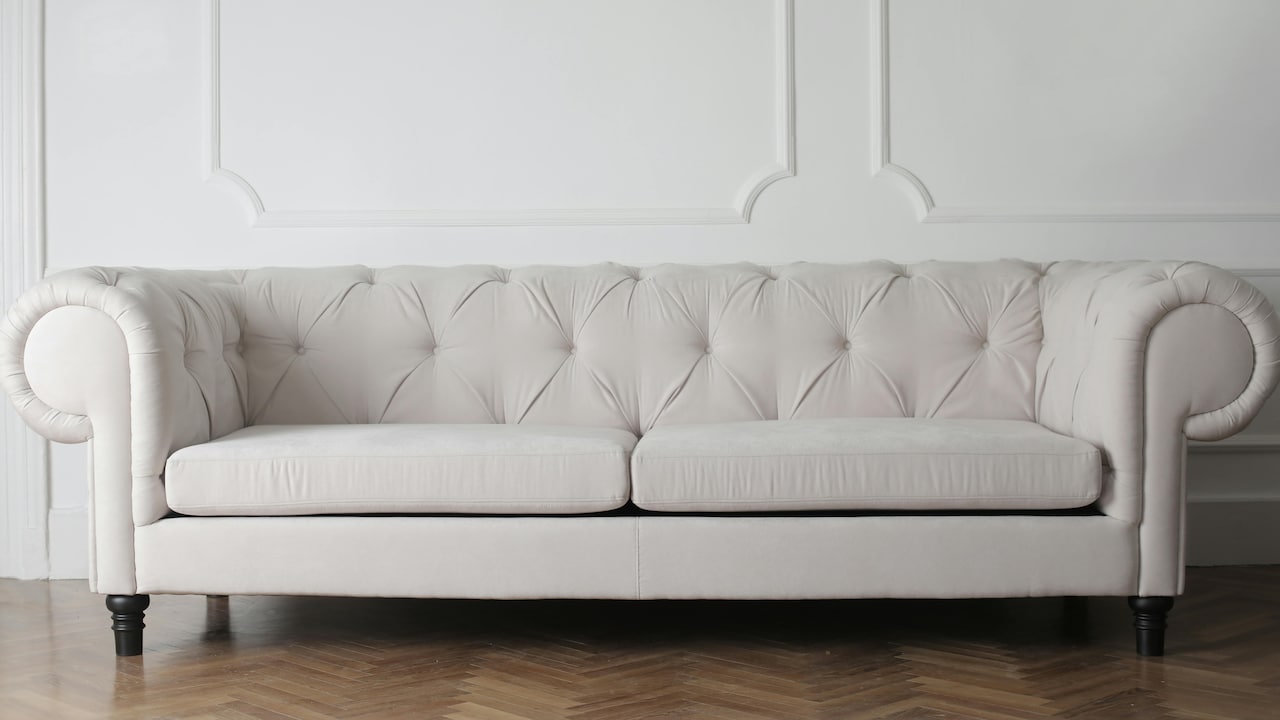
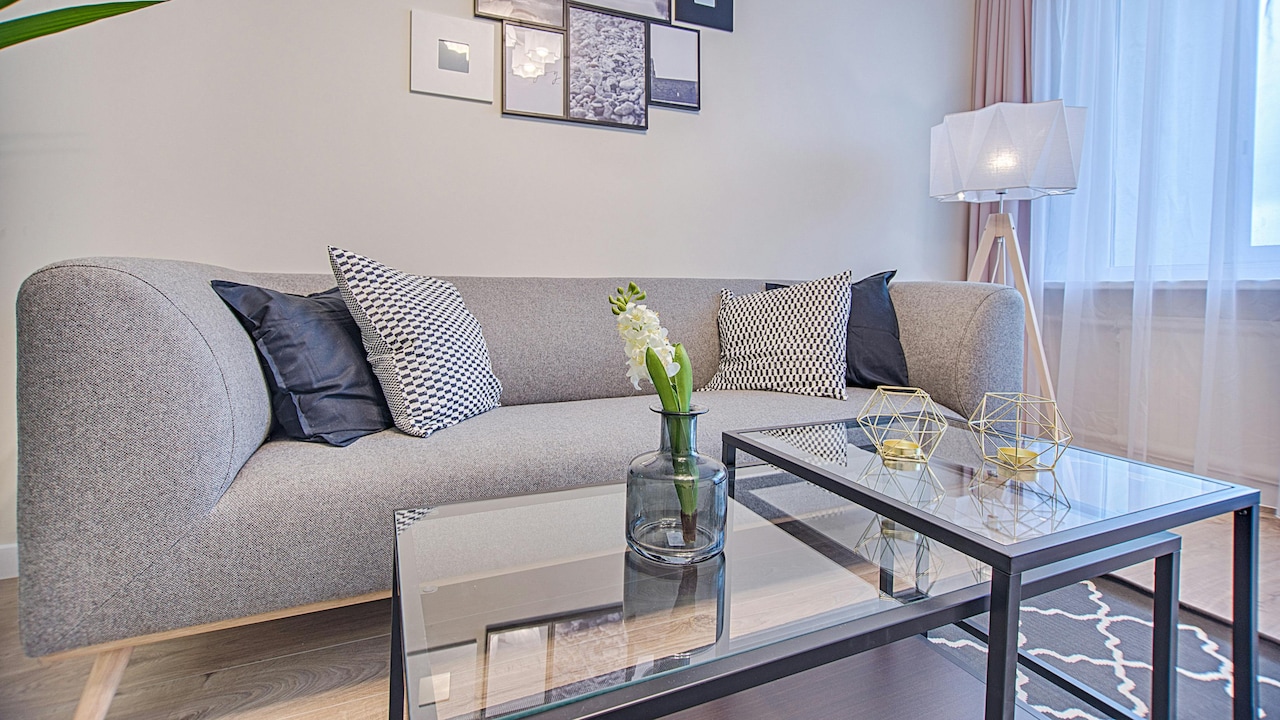
Always use these sofa buying tips to avoid back pain in the future; Photo Credit: Pexels
Understanding what goes wrong during the buying process can save years of discomfort. So, while buying a sofa, avoid these 10 common mistakes including low backs, poor lumbar support, sunken cushions, and wrong seat depth that misalign posture and slowly trigger persistent back pain.
Also Read: Top 7 Sofa Cum Beds Under ₹11,000 For Small Homes: Stylish, Space-Saving And Affordable
Why The Sofa You Choose Today Can Hurt Your Back Tomorrow
1. Choosing Style Over Support
Showrooms love drama. Deep seats, low backs, and sleek silhouettes look stunning under bright lights. Unfortunately, many of these designs offer little respect for the human spine. A sofa that looks magazine-worthy may lack lumbar support or encourage slouching. When the lower back stays unsupported, muscles work overtime to keep the body upright. Over months, this constant effort leads to fatigue and pain.
Homes often favour sofas that match décor themes, especially when guests are expected. Comfort becomes secondary. Yet, a sofa should support natural spinal curves. A slight firmness around the lower back helps maintain posture. Overly soft or flat backs allow the pelvis to tilt backwards, rounding the spine. That position feels relaxed for a few minutes,s but punishes the back over time.
A useful test involves sitting upright without cushions for support. If the back feels strained or the body slides forward, the design favours style over structure. A beautiful sofa loses charm quickly when pain becomes part of the experience.
2. Falling for Overly Soft Cushions
Softness sells. Sink-in cushions feel luxurious during a quick trial. Many buyers equate softness with comfort, unaware of the long-term effects. When cushions lack resilience, the body sinks too deeply. The spine loses alignment, and joints bend at awkward angles. Standing up then becomes a small struggle, especially for the knees and lower back.
Over time, overly soft cushions compress further. What once felt plush turns saggy. The hips dip lower than the knees, placing pressure on the lumbar region. This posture strains discs and muscles, leading to chronic discomfort. Adding extra cushions may seem like a fix, but that often worsens alignment.
Balanced cushioning offers gentle give with firm support underneath. High-density foam or well-crafted spring systems maintain shape and support. A simple rule helps: the sofa should support the body, not swallow it. Comfort should feel stable, not marshmallow-like.
3. Ignoring Seat Depth
Seat depth often gets overlooked. Many sofas come with deep seats designed for lounging. While great for stretching out, they pose problems for everyday sitting. When the seat runs too deep, feet struggle to rest flat on the floor. The body slides forward, and the lower back loses contact with the backrest.
This position forces slouching. The spine curves unnaturally, and neck muscles strain to keep the head upright. Shorter family members face this issue more often, but even taller people feel the effects during long sitting sessions.
Ideal seat depth allows feet to rest comfortably on the floor while the back stays supported. A small gap between the edge of the seat and the knees prevents pressure on the circulation. Testing seat depth in home-like conditions matters. Sitting for at least ten minutes reveals more than a quick perch in a showroom.
4. Overlooking Backrest Height
Backrest height plays a quiet but crucial role in comfort. Low-back sofas look modern and airy. They also leave the upper back and shoulders unsupported. Without adequate height, the body hunches forward, especially during activities like reading or watching television.
The neck then takes on extra load. Muscles tighten, leading to stiffness and headaches. Over time, this posture encourages rounded shoulders and forward head alignment. These changes often extend beyond sofa time and affect overall posture.
A supportive backrest should reach at least the shoulder blades. For those who spend hours on the sofa, head support adds comfort. Adjustable headrests or higher backs help maintain a neutral spine. A sofa should invite relaxation without forcing the body to compromise its natural shape.
5. Buying the Wrong Sofa Size for the Room
Bigger often feels better. Large sofas promise luxury and space. In smaller rooms, however, oversized sofas restrict movement. Limited legroom leads to awkward sitting positions. People perch on edges or curl up unnaturally to fit.
When space feels tight, posture suffers. Twisting, leaning, or sitting sideways becomes common. These positions strain the spine unevenly. Over time, muscle imbalances develop, leading to persistent aches.
Room size should guide sofa choice. Adequate clearance around the sofa allows natural movement and comfortable seating. Measuring the room and visualising daily use helps avoid this mistake. A well-proportioned sofa supports both the body and the flow of the space.
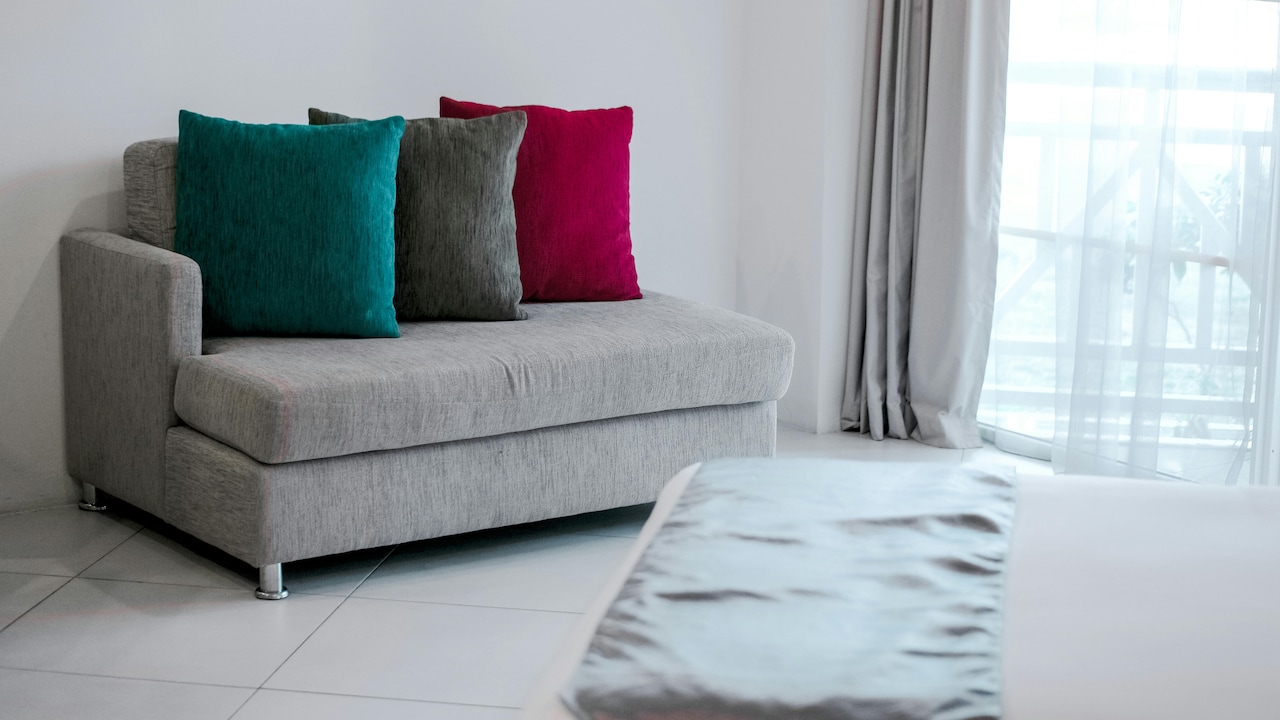
Choose the right size to avoid making your posture suffer for the right sitting position; Photo Credit: Pexels
6. Neglecting Armrest Design
Armrests seem minor, but they influence posture more than expected. Armrests that sit too high lift the shoulders, causing tension. Those who sit too low fail to support their arms, leading to slouching.
When arms lack support, the upper back compensates. Muscles tighten around the shoulders and neck. This tension often travels down the spine, contributing to mid-back pain.
Well-designed armrests allow elbows to rest naturally without shrugging the shoulders. They also help maintain an upright posture during conversations or screen time. Testing armrest height during purchase matters. Arms should feel relaxed, not forced into position.
7. Ignoring Frame Quality
The frame forms the backbone of a sofa. Weak frames flex over time. This subtle sagging changes seat angles and back support. What starts as a comfortable sofa slowly loses structure, leading to uneven support.
Poor frame quality often hides beneath good upholstery. Within a year or two, creaks and dips appear. The body then adapts to these irregularities, placing uneven pressure on the spine.
Solid wood or metal frames offer stability. They maintain shape and support longer. Checking frame strength by gently lifting a corner or sitting on different sections helps assess quality. A sturdy frame protects both the sofa investment and spinal health.
8. Not Considering Daily Usage Habits
Every household uses sofas differently. Some host long evening chats. Others double sofas as nap zones or work-from-home spots. Buying without considering these habits leads to a mismatch.
A sofa suited for occasional sitting may not support long hours. Low backs and deep seats feel fine for short periods but fail during extended use. Similarly, sofas meant for lounging may not suit upright tasks.
Understanding daily routines helps narrow choices. Those who spend hours seated need better lumbar support and firmer cushions. Matching the sofa to lifestyle prevents discomfort and extends comfort beyond the first few months.
9. Skipping the Long Sit Test
Many buyers sit for seconds before deciding. That brief test hides potential issues. Discomfort often appears after ten or fifteen minutes. Muscles relax, and poor support reveals itself.
A longer sit test uncovers pressure points. Tingling legs, lower back strain, or neck tension signal trouble. Showrooms may feel awkward for extended sitting, but comfort demands it.
Taking time during purchase saves years of pain. Sitting as one would at home, leaning back, changing positions, and observing body response offers valuable insight. A sofa should feel comfortable not just instantly, but consistently.
10. Assuming Cushions Can Fix Everything
Throw cushions look inviting and feel customisable. Many rely on them to correct poor sofa design. While cushions add comfort, they cannot replace proper support.
Using cushions to prop the lower back or neck often leads to inconsistent posture. Cushions slip, compress, and shift. The body keeps adjusting, leading to strain.
A well-designed sofa should offer support without extras. Cushions should enhance comfort, not compensate for flaws. Relying on them signals a deeper issue with the sofa's structure or proportions. Choosing the right sofa from the start avoids this patchwork approach.
Products Related To This Article
1. 3 Seater Fabric Sofa Set for Living Room, Home & Office
2. Wakeup India | Mushy Premium Fabric Sofa Set
3. Sheesham Wooden 5 Seater Sofa Set For Living Room
4. Sheesham Wooden 4 Seater Sofa Set for Living Room
5. Solid Sheesham Wood 3 Seater Sofa for Living Room Home and Office
A sofa shapes daily comfort more than many realise. It supports the body during moments of rest, connection, and quiet pause. Choosing the right sofa requires patience and awareness. Comfort should outweigh trends. Support should guide style. A good sofa feels welcoming today and supportive years later. The back notices the difference, even when the mind forgets the choice that made it.
(Disclaimer: This article may include references to or features of products and services made available through affiliate marketing campaigns. NDTV Convergence Limited (“NDTV”) strives to maintain editorial independence while participating in such campaigns. NDTV does not assume responsibility for the performance or claims of any featured products or services.)